
Japanese rules of biohacking: 5 principles of longevity

The Japanese have a special approach to biohacking: for centuries they have developed rules for a healthy life that remain relevant. Julia Enhel, President of the international corporation Enhel Group, founder of the Enhel Wellness Spa Dome clinic, told us about how it works.
Over the past 20 years, Japan has been considered a leader among countries with high life expectancy. For women, the average life expectancy is 87.4 years, for men – 81.4. While, for example, the total figure for the world does not exceed 69.1 years.
But there is an island in Japan that is really ahead of the rest – in terms of the number of centenarians, it is considered the leader in the whole world and the country itself. This is Okinawa, the southernmost of the Japanese islands. There are 5 times more centenarians here than in the rest of Japan and 100 times more than on our entire planet. In the north of Okinawa there is the village of Ogimi: at the entrance to it there is a stone pillar with an eloquent inscription: “At 70 you are still a child, at 80 you are a young man, and at 90, when your ancestors begin to call you to heaven, ask them to wait until you will not turn 100. Then perhaps you will think about it." They can be called the motto of all the inhabitants of Okinawan. Therefore, there is nothing surprising in the fact that one of the Biohacking Academies BioClub Tokyo has opened in Japan. It studies not only innovative technologies, but also traditional Japanese secrets of longevity, which have been followed for centuries.
Hara Hachi Boo
Scientists have repeatedly proven that most people on the planet overeat: at least 54% eat everything on their plate, regardless of whether they feel hungry. Many of us have become accustomed to this eating behavior since childhood: it has actually turned into a way of thinking. And it is very dangerous: a person loses touch with his body, stops listening to it. There is disharmony: you become insensitive to the hormone leptin (the satiety hormone). The hormone ghrelin, or the “hunger hormone,” as it is also called, comes into play. It "makes" you feel hungry and think that you are not satisfied yet.
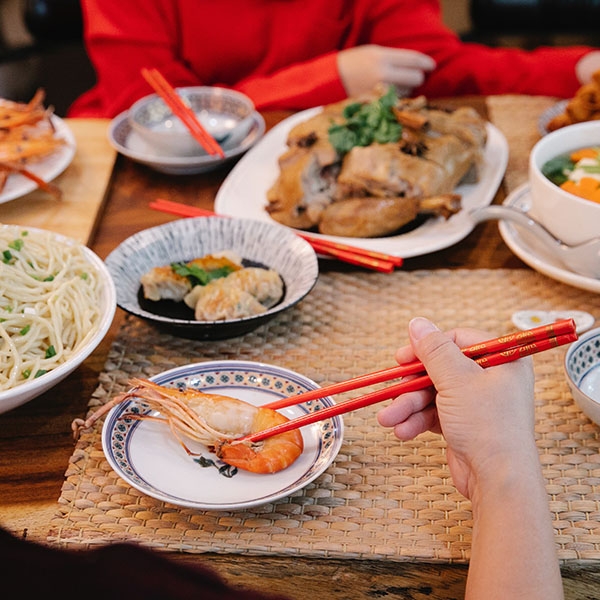
The Japanese know that not only a balanced diet is important, but also the right approach to eating. Like Hara Hachi Boo. The most simplified translation of this phrase sounds like "eat until the stomach is 80% full." This is a traditional Japanese food system built on a conscious attitude to food. The Japanese try to fill only half of the plate and always wait at least 20 minutes after eating. During this time, the stomach gives the brain a signal of satiety. This is necessary to distinguish physical hunger from emotional.
Balanced Diet
Research shows that microorganisms living in the gut can accelerate the aging process. Poor gut health increases levels of chronic inflammation in the body and puts you at risk for strokes and heart disease. The more junk food you eat, the more oxidative stress that damages the DNA of your body's cells.
Small portions and mindful eating in Japan are combined with a balanced diet that keeps chronic inflammation to a minimum. It is rich in seafood, rice, whole grains, tofu, soy, and green vegetables. These foods are low in unhealthy saturated fats and sugars. In Japanese cuisine, there are few high-calorie dishes, which provides the best prevention of obesity.
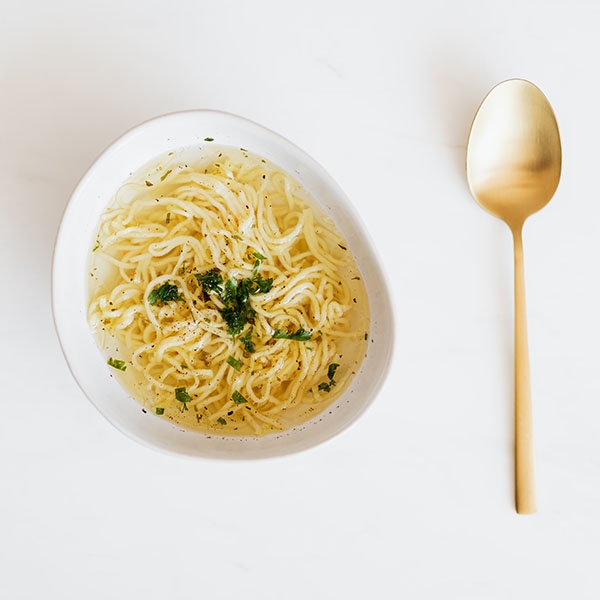
Proper nutrition in Japan is supplemented with dietary supplements. Japanese dietary supplements are considered the best in the world. They often contain collagen, without which it is impossible to provide skin elasticity and elasticity of joints and ligaments. And also chlorella – the Japanese love it for its unique detox effect and the ability to remove even salts of heavy metals from the body.
Matcha tea and hydrogen enriched water
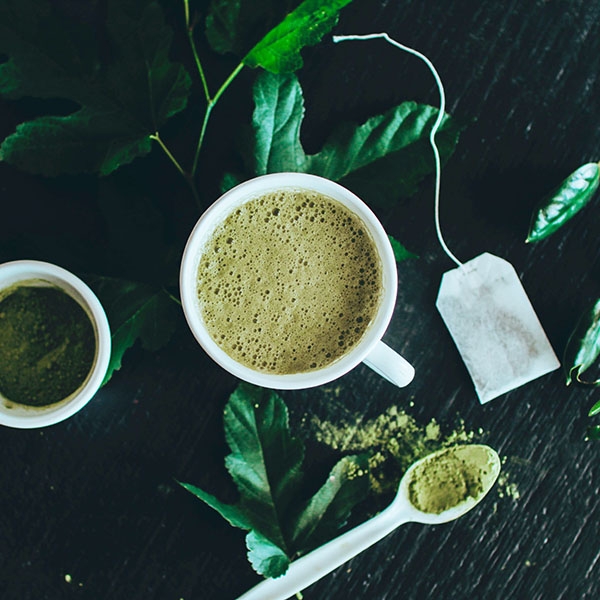
The Japanese have been drinking it for centuries, long before matcha was officially recognized as a superfood. For the preparation of this tea, leaves are used, harvested in a special way: a few weeks before harvesting, they are completely closed from sunlight. This increases the content of chlorophyll in the raw material for tea. Green tea leaves, harvested in the spring, are considered the most valuable – they are rich in antioxidants that strengthen the immune system, help improve digestion and increase energy levels. Matcha tea protects mitochondria, cell membranes and DNA cells from damage.
No less popular in Japan is water enriched with hydrogen. Hydrogen is considered the most effective antioxidant. Molecular hydrogen eliminates active oxidation and prolongs youth. It does not cause allergies and surpasses all other antioxidants in terms of safety and usefulness.
Active lifestyle
Most Japanese girls do not engage in intense physical activity. They prefer yoga to high-intensity workouts and do everything not to lead a sedentary lifestyle. Moreover, this habit is instilled from childhood: 98% of Japanese children go to school on foot or ride a bicycle.
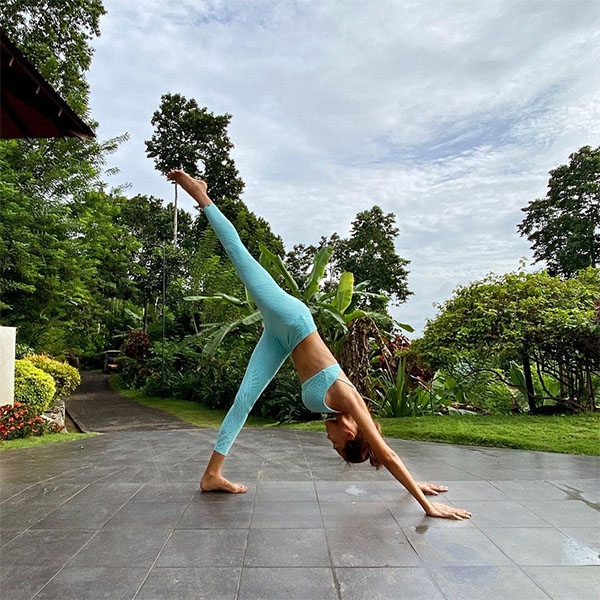
Japanese adults also willingly take a walk before or after work. Since the Japanese have enough physical activity, they do not need to resort to strength training and dynamic sports.
The habit of sitting on the floor
In Japan, it is considered a whole art – and a real source of longevity. Biohacker Dan Buettner, who lived in Okinawa for several months, noticed that the hostess, who at that time was 103 years old, gets up and sits on the floor at least 30-40 times a day. This is a good whole-body workout that improves coordination and strengthens major muscle groups.

Based on the Japanese habit of sitting on the floor, a longevity test called "Sit-Rise" was developed. It is believed that if you can sit on the floor and then stand up without support and help from your hands, then your body is in excellent physical condition and you are healthy. Those who fail the test have a 5 times higher risk of chronic heart and vascular disease. Yogis, by the way, agree with the Japanese: they consider sitting on the floor one of the basic forms of stretching.