
Which indoor plants your skin needs and why
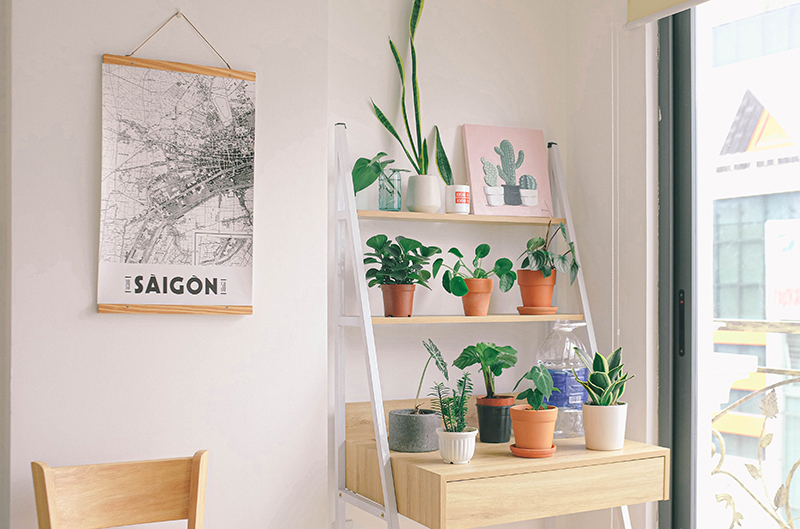
We have already talked about the fact that indoor flowers help to overcome insomnia or bad mood. But the benefits of home plants are not limited to this.
Quarantine has become one of the reasons for a new round of popularity of indoor plants. Influencers have sprung up on social media, gaining hundreds of thousands of followers through posts with photos of flowers and tips on caring for them. The @houseplantjournal account, for example, has 610,000 followers on Instagram. Subscription services are also gaining popularity: by analogy with beauty boxes, you receive a monthly set of seeds or plants directly to your home or office. And on Amazon, resourceful sellers are actively listing houseplants in the skincare section. Can they really be put on a par with creams, serums and tonics? It sounds like a marketing ploy, but let's try to figure out which houseplants can actually be good for the skin?
What do scientists say?
The Royal Horticultural Society of Great Britain conducted a study on the effect of indoor flowers on the skin of the face and body. It showed that plants are able to combat dry skin by increasing indoor humidity levels. The lower the risk of moisture deficiency for the epidermis, the higher the barrier function of the skin, less wrinkles and irritation. Whether the skin tone is even or not depends on the hydration of the skin.
But how do they do it? Transpiration is the process of evaporating water. More than 99% of the water you water your plant with ends up in the air in your home, regulating its humidity. To maintain its vital activity, the plant uses no more than 0.5-0.7% of the volume of water that it receives during irrigation.
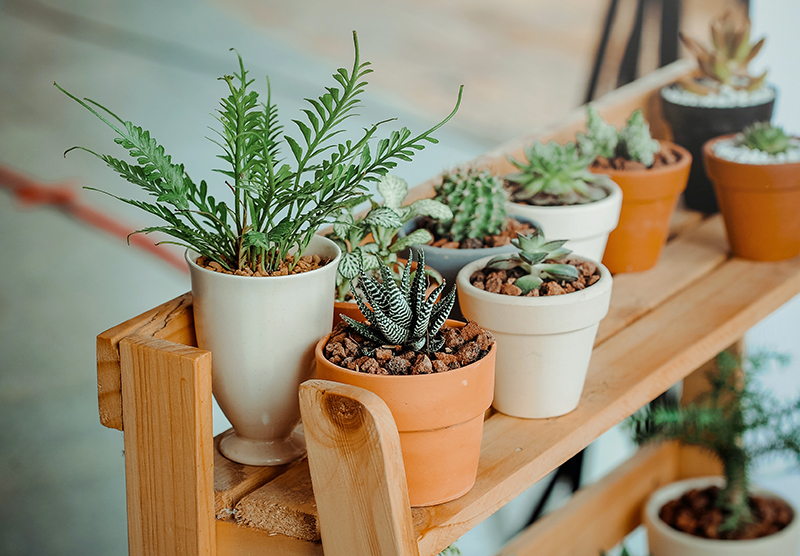
How to make plants a skin care product?
It turns out that plants work no worse than portable humidifiers. Puneet Sabharwal, founder of Horti, a New York-based plant subscription service, says that you can use simple rules to increase the effectiveness of their use for beauty purposes:
- When decorating an apartment with indoor flowers, remember that it is better to group plants next to each other, creating a powerful “source" of moisture;
- Regularly wipe the leaves of plants from dust, because it clogs the stomatal gaps (they work like pores) and interferes with the normal evaporation of moisture;
- Choose plants that need to be watered quite often (succulents and cacti do not have to wait for a special effect, because they are rarely watered).
In summary, the best candidates for skin humectant are plants with a high transpiration rate that require frequent watering. For example, spathiphyllum is able to release up to 200 ml of water per day. Ivy in a medium-sized pot – at least 250 ml. Helps maintain skin's moisture levels
- areca palm;
- chlorophytum (or spider plant);
- rubber ficus;
- bromeliads;
- cordyline.
All of these plants work just as well as a humidifier – you may want to decorate your home with some of them to maintain a connection with nature.