
How to get rid of the NLP anchor?
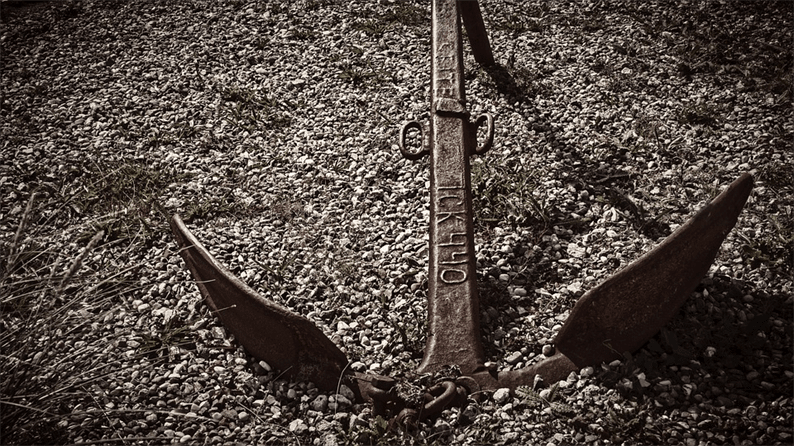
An anchor in NLP is any stimulus (sound, touch, image, taste, etc.) that is associated, i.e. we identify with this or that state or event. So, when we hear a melody that sounded on our first date, then mentally we are involuntarily transferred to that very time. And even if we do not do it more or less consciously, then, as a rule, we immerse ourselves in it emotionally. This melody is precisely the very anchor that triggers a whole chain of reactions in us.
Any anchor acts before you are aware of it. And this is his strength.
Anchors are formed:
- By repetition. When something is experienced by the subject at a low emotional level, it takes a lot of repetitions to associate the anchor with that “something”. Moreover, the less emotions the subject experiences, the more repetitions are required for memorization. For example, a mother will have to spend a lot of time for a small child to understand that a red traffic light means danger.
- Through emotional involvement. When the emotions are strong enough, it is often enough once to set the anchor. (The child runs into a red light and almost gets hit by a car. The horror he experienced will instantly and permanently write down in his subconscious mind what his mother has been trying to instill for a long time.
Having figured out what an NLP anchor is, let's talk about ways to get rid of it.
How to recognize ingrained anchors?
- Revision technique (rewinding memories, details can be found in the internet).
- Ask your subconscious to help find that anchor
- Ask an experienced NLPer to help you find the anchor
To remove the anchor, it is necessary to recall the incident from the past in which you were anchored. Often this does not work out right away – the memory is insidious and likes to pass off copies as the original. It is important to remember exactly that moment, and not all subsequent ones, and it must be borne in mind that several anchors, affixed at different times, can intertwine with each other. It's just that the brightest anchors pop up in memory more often, and there are also those that doze like a dormant volcano.
I hope that the article was interesting to you! Read inform.com.de!
Post source: lastici.ru