
I can’t sleep after exercise … Causes of insomnia after exercise. Insomnia after exercise: causes and methods of struggle
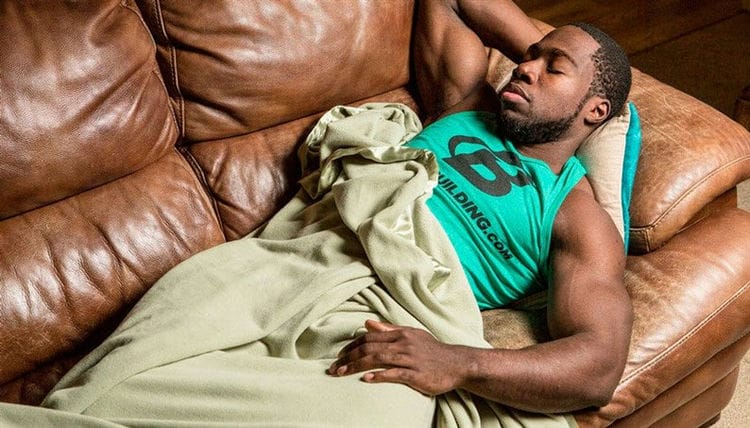
What is the structure of sleep?
Today, there are five main phases of sleep. The division is based on indicators of brain activity, the degree of mobility recorded in the eyeball, muscle tone.
Sleep phases
- The first is drowsiness. It is a state when a person is just starting to fall asleep. A characteristic feature of the phase is that everything that happens around is still felt and perceived.
- The second is shallow sleep. Comes immediately after the first phase.
- The third and fourth are slow sleep. This is the most important part of all sleep. Both phases are of prime importance in the rest and recovery process for each athlete.
- The fifth is fast. Differs from the rest of the phases. It is she who is characterized by dreams, the occurrence of an erection in men.
During the night, a person can go through each of the five phases several times. This explains the fact that people see different dreams overnight. It takes about an hour and a half to cycle through all the phases, so there can be from four to six cycles during the night.
Scientists have found that interrupted REM sleep (the fifth phase) has a negative effect on a person when, instead of a surge of strength, he feels weak. To feel good, deciding to rest after the next workout, you need to devote about two hours to sleep, or sleep no more than 30-40 minutes.
The nature of insomnia
Doctors call it insomnia. The exact, understandable algorithm for the onset of insomnia has not yet been identified, since its nature is rather complex and unpredictable. As a rule, it arises from fatigue associated with increased psychological and physical stress, constant stress.
The consequences of regular sleep disturbances can be the most devastating, so it is advisable to consult a specialist in the medical field to solve this problem.
Biological causes of insomnia
If we consider the causes of the disorder in terms of biological and chemical processes occurring in the body after exercise, then it can be:
- Sleep disturbance after exercise is due to increased levels of the hormone cortisol, which should decrease during the day (high cortisol accounts for the disorder after night shifts).
- In the process of playing sports, a person produces hormones adrenaline and norepinephrine, which give vigor, make him more resilient, active (according to studies, in humans, high levels of these hormones can last up to 2 days after exercise).
- Post-workout insomnia is often caused by an increase in body temperature when the athlete has been exercising continuously for several hours.)
Increased cortisol levels
Cortisol, or stress hormone, rises with any workout. And this is not bad: the body adapts to stress. The reason for insomnia can be a situation when the training was so hard that the level of cortisol did not have time to fall after it. Usually before going to bed, the level of the hormone is low, but if the body had to face an unusual evening workout, then the cortisol will not have time to fall before sleep.
Increased adrenaline and norepinephrine levels
During intense training, hormones also increase, affecting the central nervous system, activity and vigor. And if adrenaline drops quickly after training, before norepinephrine remains elevated for a long time, disrupting the evening sleep.
Body temperature rise
Some types of insomnia, such as waking up in the middle of sleep with the inability to fall asleep further, are associated with increased body temperature. Prolonged endurance training or competition can raise the temperature.
Dehydration
If during the training you neglect drinking water, then this can lead to dehydration of the body. This reduces the level of melatonin, which is responsible for sleep.
Other reasons
There is a version that after a strong tension, the muscles get tired, an overworked body will help to fall asleep, but this opinion is erroneous. Insomnia from physical exertion can occur if a person “drove” his body, he needs a lot of time to recover.
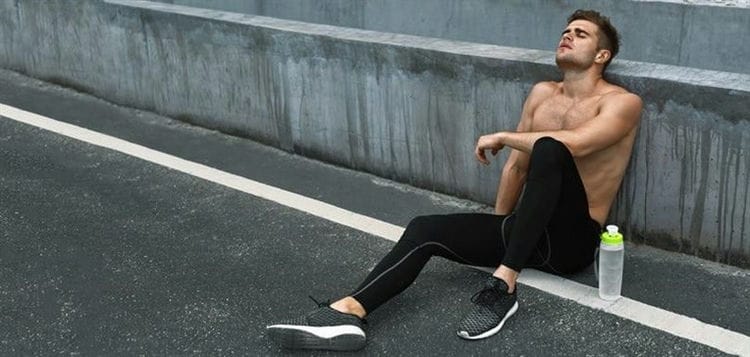
Often, insomnia appears with improper, untimely nutrition. Nutritionists do not recommend eating heavy meals after 19:00. Moreover, after intense training, a tired body spends too much energy on its recovery.
How to get rid of poor sleep / insomnia?
Professional athletes sleep 6 hours a day, but they have enough energy for heavy exercise. Others take longer to recover. After active exercise, sleep should continue until 10 hours. It is recommended that you sleep for a few hours after your workout.
Scientists have proven that poor sleep after exercise is more common in women, as their body takes longer to recover after heavy exertion. To know what to do, you need to try several ways to get rid of insomnia:
- Go to bed and get up on time. If the day is planned correctly, then by the evening the body will want to sleep. Professional athletes go to bed before 12 at night and get up before 7 in the morning.
- Do not overload the body with training, do not put it into a state of stress.
- Do not exercise daily, give the body a break. You can change your activities, such as doing cardio one day and relaxing stretching the next.
- After training, leave 3-4 hours to rest. It is recommended to practice in the first half of the day.
- After class, drink warm milk with honey or take a short walk.
- A warm shower relieves stress after exercise. It is recommended to wait a couple of hours and take a bath.
- Any workout should end with a cool down, such as stretching or slow breathing exercises. It helps to relax the muscles.
- Do not eat heavy meals after exercise. Nutritionists advise against eating a few hours before bedtime. You can satisfy your hunger with a glass of kefir.
If the above does not help, the pharmacy sells motherwort and valerian. They act on the brain and relax it.
After a hard workout, stress relief applicators help. Some people use massage rollers and rugs. If a person is just starting to exercise, insomnia may go away on its own after a few weeks of regular exercise.
What to do to prevent insomnia?
It is important not so much to fight insomnia as to try to prevent it. Just before bed, you can advise the following activities:
1 Take a cool shower
After exercising, take a cool shower or pat yourself dry with a towel dipped in cold water to lower your body temperature. Also, remember to drink during and after exercise to keep yourself hydrated.
2 Set the bedroom temperature to a suitable temperature
The study Effects of thermal environment on sleep and circadian rhythm showed that exposure to heat from the environment negatively affects the slow phase of sleep. Therefore, be sure to turn on the air conditioner in the bedroom to fall asleep in a cool room. The temperature in the room should be around 20 degrees.
3 Get rid of stress
If you come to a hard workout after a busy day, your body gets a double blow, and if the tension does not subside the next day, stress becomes chronic, which is bad for the body. Therefore, try to eliminate stress in everyday life, learn to relax and apply breathing practices, meditation, positive thinking.
4 Just wait for the body to adapt
Despite the increased levels of cortisol and adrenaline during exercise, many people exercise in the evenings after work and fall asleep without problems.
Insomnia comes only after unusually heavy loads: competition, transition to a new level of training, the first training session after a long absence. After just one or two sessions, your body will adapt to new loads, and sleep problems will disappear.
Supplements for sleep
In sports, gamma-aminobutyric acid and melatonin are most often recommended in order to normalize circadian rhythms and get rid of insomnia. You should know that GABA is not a dietary supplement, it is a medicine with contraindications such as high blood pressure, individual intolerance, epilepsy and pregnancy. GABA should only be taken as directed by your doctor.
Melatonin is not proven to be effective. In some situations, he is powerless, and he must always be taken in a comprehensive manner, along with a change in the training plan and nutrition plan.
The dosages of both substances are determined individually, GABA is taken from 700 mg, gradually increasing the dose, melatonin – from 1 mg. If insomnia is chronic, it is recommended to take melatonin 1 g 3 times a day, with meals.
Does it make sense to purchase special sleep preparations from sports nutrition? Yes, if there is no allergic reaction to valerian, motherwort, and contraindications to taking GABA and melatonin. Most often, it is these substances that are part of the “dream book”.
Chronic overtraining and insomnia
Sleep disturbance, when a person first falls asleep, but wakes up after a couple of hours and cannot fall asleep, indicates chronic overtraining. Dietary supplements and drugs alone will not cope here. If we are talking about an amateur, training is canceled completely for 1-2 weeks, and then it is planned in a minimum working volume and with an average intensity.
If about an athlete who is preparing for a competition, it is necessary to deliberately unload by the number of working approaches. In practice, supportive exercises and “cardio” are canceled if practiced.
The fight against insomnia should be comprehensive, and it is necessary to ensure that the exercise plan is thoughtful, suitable for the athlete in terms of level, and in his free time the athlete receives a minimum of stress, and a maximum of high-quality macro and micronutrients with food.
Is it okay to sleep after a workout during the day?
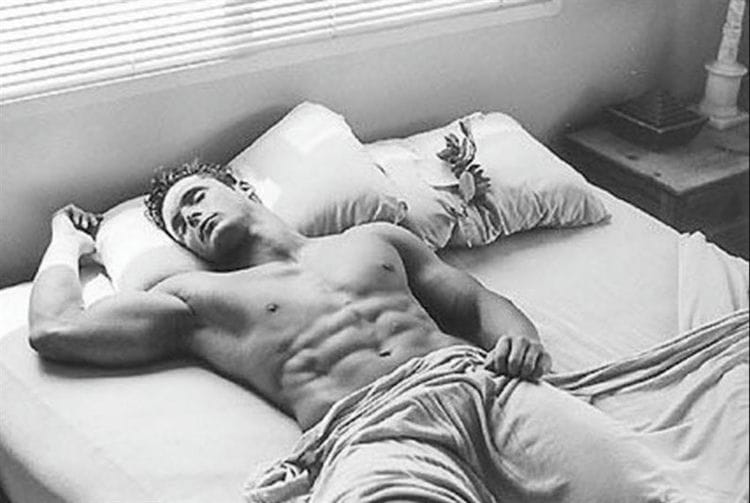
The urge to sleep after exercise is due to lack of sleep or excessive strength training. Some athletes literally fall off their feet and fall asleep after squats or deadlifts. When this is repeated regularly, the depletion of the body becomes inevitable. You can sleep after exercise, but only when sleep is really needed. Its duration should be no more than 40 minutes. Otherwise, there is a possibility of disrupting the usual routine.
You should not start exercising if you did not manage to get enough sleep at night. Such activities not only will not bring any benefit, but may even be harmful. Feeling overwhelmed due to lack of sleep, it is better for an athlete to either sleep 30-40 minutes before class, or completely postpone the training to another day. A short nap is an excellent way to relieve fatigue, it helps drivers during long journeys.
How much sleep does an athlete need?
After training, it is very important and useful to get some sleep, but an athlete can get full recovery only after a night's sleep. Bodybuilding and other active sports disciplines are great for helping to cope with insomnia, significantly increasing the time of slow sleep and the speed of falling asleep. However, if the power loads are too high, then it becomes difficult to fall asleep, therefore, it is not recommended to constantly train only with the maximum weight.
Studies have shown that only a tenth of people need seven hours to sleep, while many need at least eight hours, which is the minimum daily allowance, especially for those who are experiencing significant physical activity. Many scientists are of the opinion that the time spent in a dream is individual for everyone. Determining exactly how many hours are enough to feel vigorous and sleepy is necessary empirically. It is necessary to fall asleep and wake up for several days in a row when you want it. And if in the morning there is both vigor and energy, so much time for sleep is required.
The importance of sleep in bodybuilding
The quality of your sleep is just as important, if not more important, than the duration. There are several stages of sleep.
- Stage 1 illuminates the beginning of the sleep cycle when the person is still aware of any changes in the environment.
- The start of the actual sleep cycle occurs in stage 2, which lasts 10 to 20 minutes.
- The deepest sleep phases occur around 30-40 minutes in stages 3 and 4, followed by a period of active sleep.
Stages 3 and 4 are integral to the athlete's development, as growth hormone is released here and cortisol is regulated. This is why sleep is so important for a bodybuilder. Growth hormone is an important part of the body's endocrine system. It is essential for muscle repair, muscle building, bone growth, and stimulation of fat oxidation. This is essential to maintain a certain level of performance throughout your athletic career.
Why do you want to sleep after sports?
During and after exercise, the hormone cortisol rises, which does not easily cause catabolism, but also a breakdown. Therefore, after high-intensity exertion, you want to sleep. Cortisol, also known as the stress hormone, is regulated in deep sleep. Cortisol levels directly affect the body's ability to metabolize glucose. Despite all the observed benefits of a full night of sleep, many athletes struggle to maintain these continuous 7-9 hours due to rigorous planning of their daily routine, sleep and exercise routines.
When you exercise, you burn calories and expend energy. Depending on the duration and intensity of your workout, you are placing a strain on the body to rehydrate, nutrient and rest.
Outcomes
Poor post-workout sleep is not always related to the workout itself. Remember the last day – when you went to bed, got up, how much you slept and how long before going to bed you drank coffee. Often these factors are the problem. If you can determine the cause, it will not be difficult to eliminate the effect.
Rate the material
Conclusion
Whether you are exercising to increase muscle mass or improve muscle tone, sleeping after exercise is a great idea in relation to your goals. Your body recovers and your muscles grow when you sleep. Try to fall asleep at lunchtime after training for 40-60 minutes, even 30 minutes will be enough for the muscles to relax and the body to recover.
Sources used and useful links on the topic: https://builderbody.ru/mozhno-li-spat-posle-trenirovki/ https://neuromed.online/bessonnitsa-posle-trenirovki/ https://sportfito.ru/publication/ plohoy-son-posle-trenirovok / http://bdr.team/plohoj-son-posle-trenirovki/ https://DobryjSon.ru/newest/bessonnica-posle-trenirovki.html https://fitnesgold.ru/828 -bessonnitsa-posle-trenirovok-prichiny-i-metody-borby.html https://bodybuilding-and-fitness.ru/zdorove/son-posle-trenirovki.html https://cross.expert/zdorovye-atleta/plohoj -son-posle-trenirovki.html
Post source: lastici.ru