
How to cover a cutting wooden board. Features of caring for a cutting board made of wood
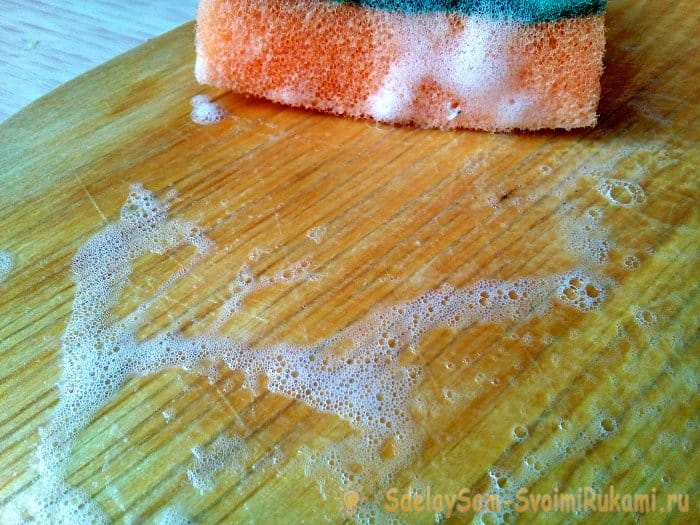
How to properly wash the cutting surface
In a professional kitchen, chefs cut different types of food on separate planks. And, nevertheless, they are systematically treated with disinfectants. At home, most often they use the same surface in order to grind fruits, cheese, sausage, bread. On it, form cutlets from raw minced meat.
After each use, the boards must be washed in hot water and soapy water. If the product is made from a solid piece of hardwood, then it can be washed in the dishwasher. If the base is made of plywood, glued bamboo or wooden blocks of varying degrees of hardness, then you only need to wash it by hand.
On a note. It is better to dry the boards by hanging them on a hook or placing them in an upright position. It is not recommended to wipe them with a regular kitchen towel, as microorganisms also accumulate on it. If you urgently need to dry the wood, it is better to use disposable paper towels.
Varieties and benefits
Manufacturers of kitchen accessories produce boards made of wood, plastic, glass, stone. A classic of the genre is a wooden cutting board, which has become not only a quality tool in cooking, but also a worthy gift for every housewife.
But the tree is not the tree. A wooden chopping board can be made of the following types of wood:
- birch, linden (budget option, characterized by rapid swelling of wood after contact with moisture);
- ash, acacia, oak (durable material, resistant to washing and mechanical stress);
- bamboo (environmentally friendly material is not afraid of scratches and water, although in cheap versions it can separate into fibers over time).
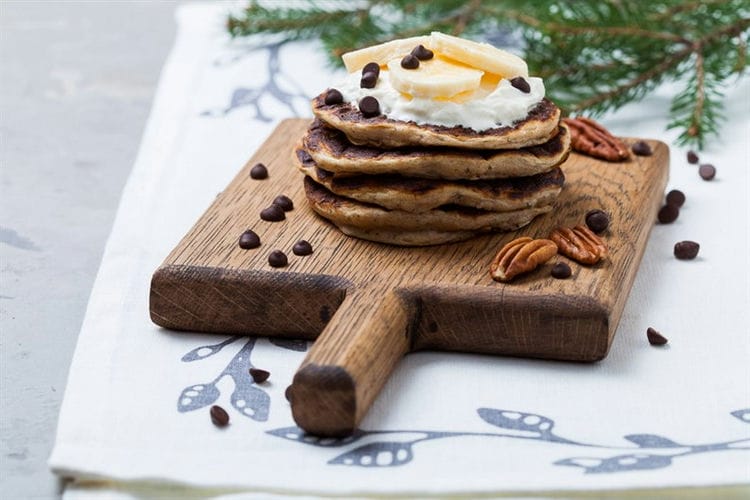
A wood chopping board has several advantages:
- natural materials;
- strength and durability;
- big choice;
- affordable price;
- less damages the blade of knives;
- durable with proper care.
Are other finishing compounds hazardous to health?
This question still provokes heated discussions, despite the fact that unambiguous and authoritative answers have been given to it for a long time. For wood products in contact with food, you can use any finishing compound, including oil, polyurethane and nitrocellulose varnishes, shellac coatings and linseed oil. These materials are completely harmless to health, but only after complete drying. This is a very important point!
Before you start using a kitchen board that you decide to paint with one of these compounds, you need to make sure that the coating is completely cured. Remember that the presence of a surface film does not mean that the composition is completely dry inside the wood.
How to evaluate the quality of a mineral oil
When choosing a mineral oil, there are certain requirements for the product. You should pay attention to the following quality parameters:
- Safety. The product must not emit toxins during use. This is especially true for wooden products that are located in rooms with an unstable microclimate (high humidity, temperature fluctuations).
- The depth of penetration into the wood structure. Oil should be absorbed, unlike varnishes, glazes and a number of impregnations.
- Water-repellent qualities. A poor-quality product will lead to rotting, rapid deterioration of products.
- The ratio of mineral and natural oils. It is desirable that the percentage of the natural component is higher.
- Water vapor permeability. High quality oil should not create a film on the wood, since the main advantage of wood – the ability to “breathe”, disappears.
- Transparency. The high-quality composition, as a result of application, does not change the appearance of the tree (structure, color, pattern). But if you wish, you can add safe colors that will paint the surface of the object in the desired color.
- No smell. If the oil does not smell like anything, then it contains the minimum amount of chemicals.
When choosing a mineral product, be sure to read the manufacturer's recommendation!
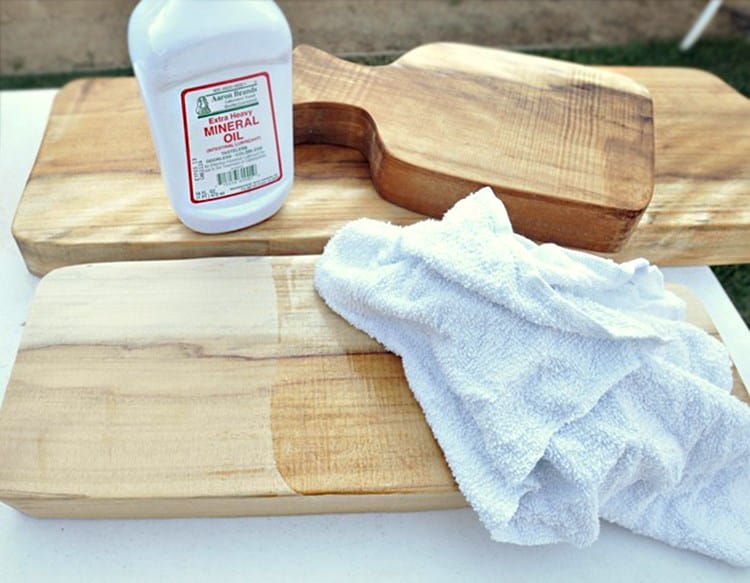
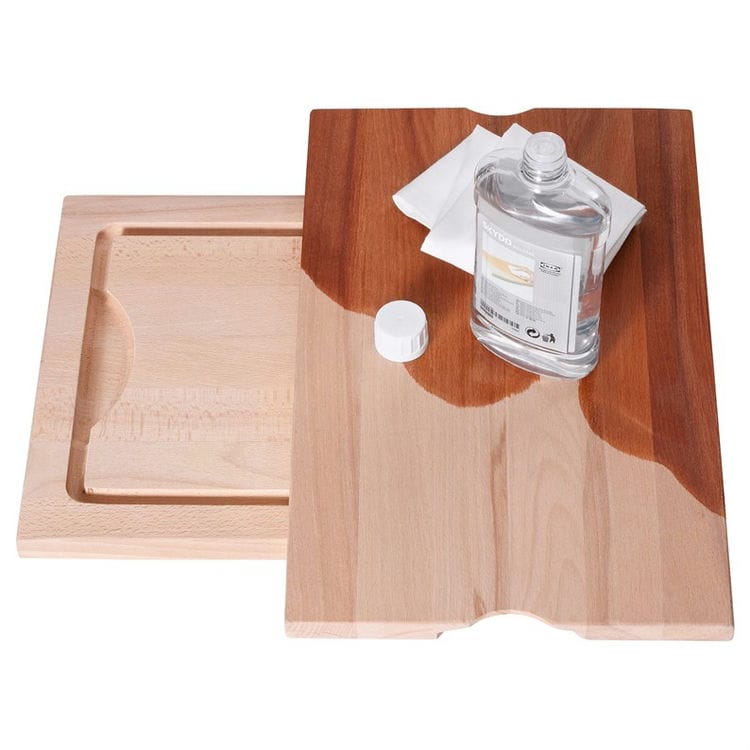
How to protect a cutting board from a hostile environment
For this purpose, natural ingredients are used – oils and mastics, which do not contain toxic synthetic substances. The best way to cope with the task is:
-
linseed oil;
-
mineral oil;
-
a mixture of mineral soap with beeswax;
-
peanut butter;
-
carnauba wax;
-
olive or vegetable oil.
Olive and vegetable oils seep into the pores of the tree species, making the products completely sealed and provide noticeable water repellency. On the other hand, over time, olive or vegetable oil can turn rancid, which can significantly affect the taste of food cut on such a board.
Walnut oil should only be used if the board is made of dark wood. Otherwise, the texture will take on a brownish tint that is difficult to get rid of. In addition, this mixture can provoke allergies in some people.
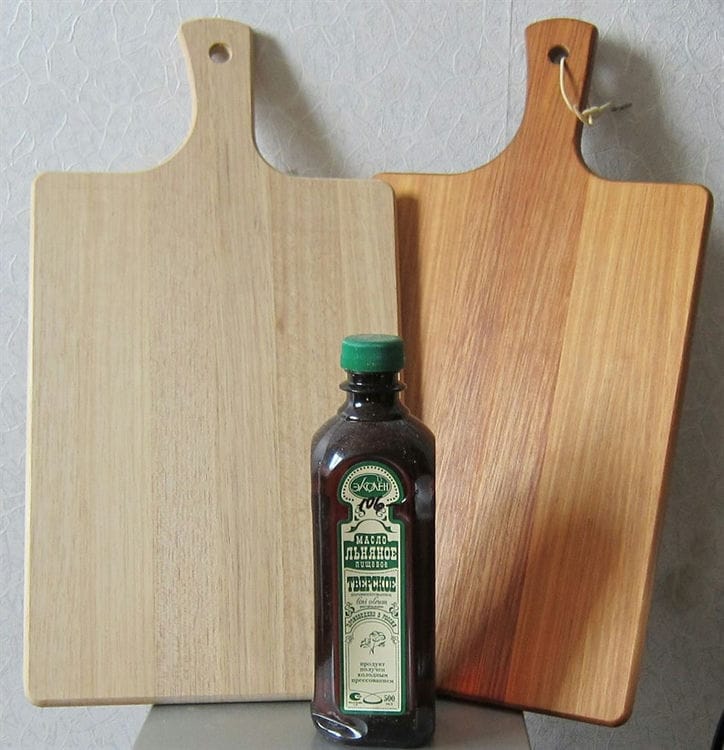
Flaxseed oil does the job well. It does not spoil the taste of food, does not change the color of the wood, and is hypoallergenic. Regularly renewing the layer of protective impregnation, you will ensure reliable disinfecting properties of the material.
Why is beeswax added during processing?
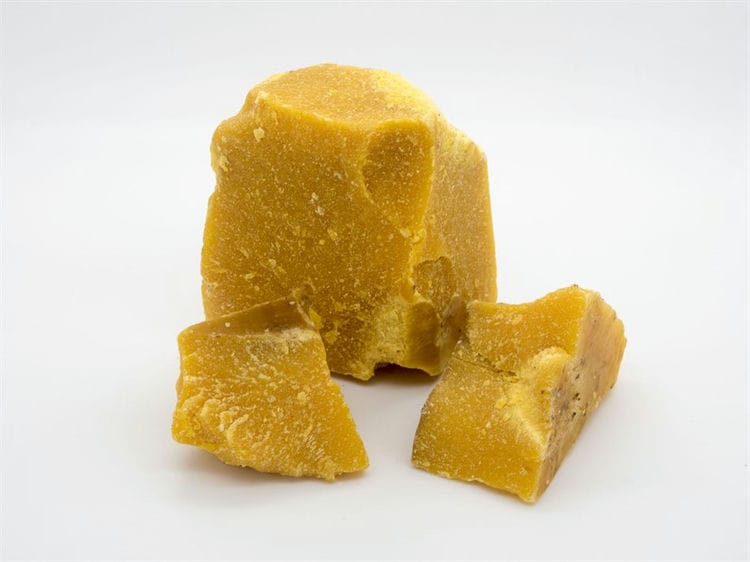
If high-quality beeswax is added to the lubricant for wood products, an effective protective ointment is obtained. The wax is used as a sealant that protects the porous structure of wood from moisture. The beekeeping product increases the moisture resistance, but does not make the wood moisture resistant. The wax reliably protects the cutting board by remaining on the surface and clogging pores and fine cracks. Oil without wax is absorbed into the material and does not create a protective film. The wax layer prevents the penetration of water, bacteria, small pieces of food, dirt into the structure of the tree. After covering the surface of the object with oil and wax, the product becomes smooth, acquires a pleasant aroma.
Care rules
To extend the life of a wood accessory, you need to know how to clean a cutting board. Here are some simple universal rules that will be useful to every housewife:
- before starting to use the wooden board must be treated with mineral oil, odorless, colorless and tasteless. This will protect it from the appearance of scratches and cracks (wooden boards for serving and cutting Foxwoodrus are already oil-impregnated, so there is no need to be afraid of absorbing moisture and pungent odors and you do not need to impregnate additionally);
- use one side of the board for slicing food, the other for serving, so the serving will always look neat;
- after use, serving boards, as well as chopping boards, must be washed by hand using ordinary dishwashing detergent;
- avoid washing in dishwashers: multi-compound substances and prolonged exposure to water will negatively affect the state of the array;
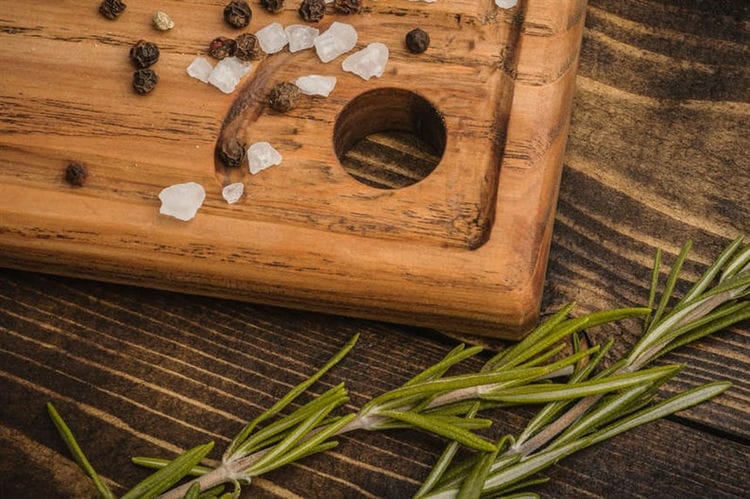
- an alternative to chemicals is a board sprinkled with salt. Rubbing the surface with coarse table salt reanimates the board from old stains. Qualitatively removes salt residues from lemon juice;
- you can get rid of pungent odors (fish, onions or garlic) by wiping a wooden board with vinegar (3 tablespoons per glass of water);
- after washing, wipe dry with a towel, leave to dry in places far from heat sources, otherwise the board may deform due to uneven expansion of the fibers.
Turning a cutting board into a spectacular decor
Inspired by ideas in our gallery, you can create a product that turns from ordinary household utensils into an original decor for your kitchen. Such an expressive and functional piece of furniture will become a spectacular gift to which no housewife will remain indifferent.
How to care for boards made from different materials
You also need to know how to look after glass, plastic or silicone boards, otherwise they will become unusable sooner than you expect.
From glass

Cutting boards made from such materials are good because they do not leave any scratches, stains, they are hygienic, resistant to moisture, heat, attractive, wear-resistant and can be washed in the dishwasher. To keep them in good condition, there are a few rules to keep in mind:
- after use, always wash thoroughly with soap;
- it is better not to use this type of board for cutting. It is advisable to use them for serving or kneading dough.
Despite the advantages, there are several disadvantages: the blades of the knives become dull much faster when interacting with such a surface, they emit an unpleasant sound when cutting, it is undesirable to use ceramic knives, they can easily break if dropped. It is best used for beautiful presentation of products.
From marble, slate, granite
Such artificial stone boards look incredibly beautiful and expensive. They have the same benefits as glass ones. However, due to their weight, they are completely uncomfortable to wash. For this reason, this type is used quite rarely.
Made of plastic
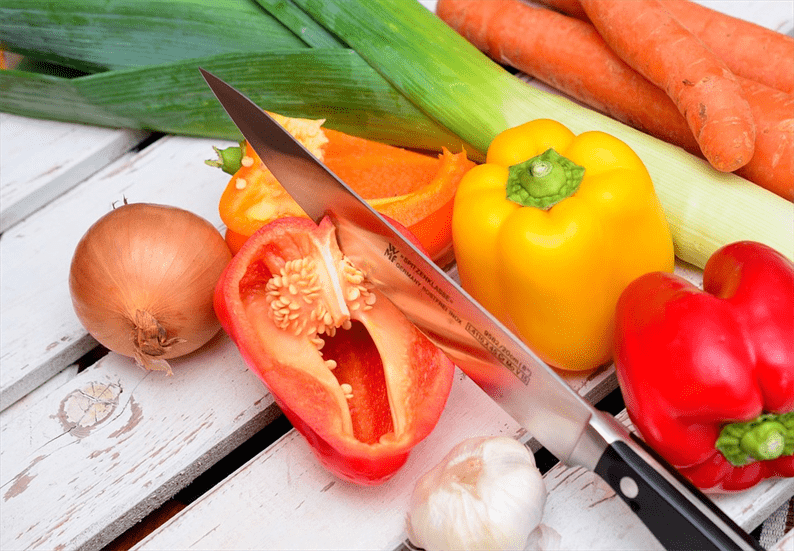
The main advantage over other options is the price. They are completely picky to care for: they can be kept in water for a long time, stored anywhere and washed even in the dishwasher, but with the addition of a disinfectant cleaner. However, of the minuses, it should be noted that such cutting boards should be washed much more often due to the lack of antibacterial properties, they scratch and darken much more, they cannot be hot, they are not made in large sizes, they bend strongly and they will have to be changed every 3 months.
Important!
You should always look at the label before purchasing a plastic board, some of them may not be suitable for cooking.
There are special plastic bending boards. They are convenient for pouring into a saucepan, washing food. They also take up really little space and are therefore very compact.
Silicone
The rubber mat is great for outdoor activities. They do not fidget, do not spoil knives, they are able to roll up into a thin roll. However, such a thing is called a board conditionally and it will not work to use it as a stand or tray. It should be looked after in the same way as plastic.
Effective disinfection of wood planks
There are several methods for disinfecting this kitchen utensil:
1 Soak the board in a chlorine-based detergent. To do this, dilute 1 tablespoon of the product in 5 liters of water. Dip the board into the solution and leave it for half an hour. Then rinse the product thoroughly and let it dry naturally.
2 Soak the board in the baking soda solution. For a liter of hot water, you need to take two teaspoons of baking soda. Soak a wooden product in the resulting solution for 5-10 minutes, then wash and dry it.
3 Soak the board in hydrogen peroxide solution. The procedure is the same as in the previous version. The only difference is in proportions: you need to take 4 teaspoons of peroxide per liter of water.
4 Rub the surface of the wood board with lemon. Cut the fruit, rub the board with lemon halves on both sides and leave for 10 minutes. Lemon juice perfectly removes not only contaminated particles, bacteria, but also unpleasant odors. After the procedure, the board must be washed and dried.
5 Wipe the surface of the board with vinegar. The procedure is the same as for the lemon juice version.
How to keep the attractiveness of the finish?
By following these simple instructions, your cutting board will remain attractive for years to come.
- After use, wash the product well with warm water, if possible with minimal use of detergents. Wipe off the remaining moisture without special diligence and do not allow the board to remain in the water for a long time.
- The finish of the kitchen board needs to be updated periodically. The outer layer is “refreshed” as it wears off, usually every 4-5 months, depending on the intensity of use of the product. By controlling the condition of the protective layer, you protect the board from cracking, swelling, and mold formation, while maintaining its visual appeal.
- When the working side of the board is badly damaged by the knives, it is sanded and re-finished.
Why oil
Wood is an environmentally friendly material with a “live” texture. Unlike plastic, wooden boards “breathe”. Under a layer of varnishes, paints and other products of industrial chemistry, wood fibers will not breathe, moreover, during operation, this protective layer will somehow be cut and erased, and its smallest particles can accidentally get into food.
Oil is a natural product and absolutely safe for food use. Planks are processed with it even during the manufacturing process. This protective layer is perceived by many as something eternal. For this reason, the erroneous assumption arises that the cutting board does not need additional processing.
However, it is not. The oil creates a temporary coating. After some time, it is disturbed, therefore, to restore the protective properties of the product, the impregnation must be repeated.
Vegetable oils
Traditionally, for processing wood, all peoples used oils obtained from plants:
- olive,
- sunflower,
- linseed,
- sesame,
- grape seeds, etc.
However, vegetable oils today are not ideal for processing cutting boards. They have two significant disadvantages:
- The vegetable oil will turn rancid over time. Butyric acid bacteria consume the nutrients in the oil and produce butyric acid, a substance with an unpleasant odor and bitter taste. Therefore, over time, a product impregnated with a natural composition will begin to smell unpleasant.
- Long drying time. Within 2-3 days, the treated board will stain everything it comes into contact with. Considering that the impregnation is applied in 3-5 layers, the treatment process will take several weeks.
If you definitely want to use vegetable oil, choose flaxseed oil. It practically does not deteriorate.
Another type of impregnation is drying oil. This is a vegetable oil cooked with special additives that accelerate drying. But even it dries for a very long time.
Mineral oils
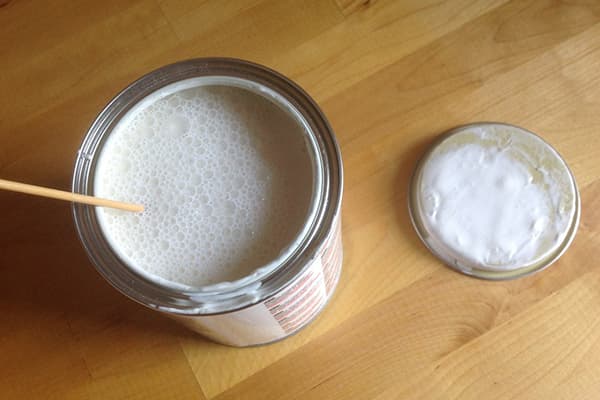
Petroleum products are becoming an alternative to vegetable oils. They are called mineral oils. Not all mineral impregnations are suitable for processing kitchen utensils. It is worth choosing either special liquids for processing cutting boards (for example, such a composition is sold in IKEA), or liquid paraffin. The latter option is the most affordable – you can buy it at any pharmacy.
To give the oil an optimal consistency, it is mixed with natural beeswax. The base is heated in a water bath, and then medium-sized (cherry-sized) pieces of wax are added. The mixture is stirred until smooth.
The optimum ratio of oil to wax is 4: 1.
The prepared mixture is cooled to room temperature. Everything is now ready to go.
How to disinfect
If cutting wooden boards have not been disinfected for a long time, it is advisable to treat them with strong bactericidal agents: peroxide, chlorhexidine, laundry soap foam or chlorine-containing bleach.
Chlorhexidine action
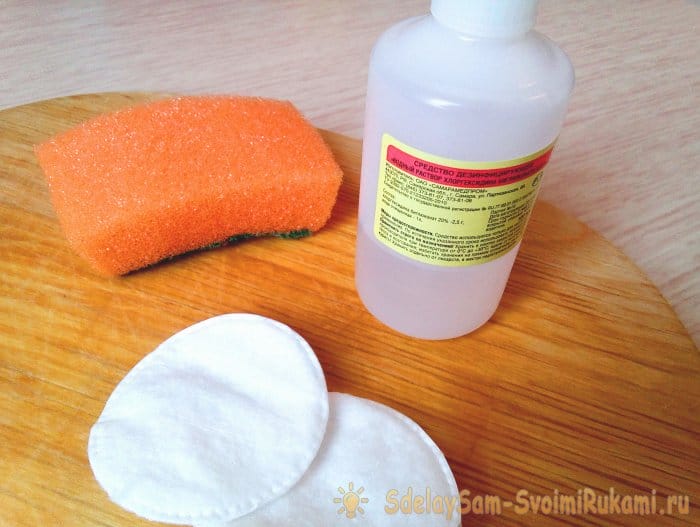
A broad-spectrum medical antiseptic is safe for the human digestive system, kills many types of bacteria, does not have a specific odor, and does not leave chemical burns on the skin. It treats the contaminated surface with a moistened cotton pad. Leave to soak for 10 minutes, then rinse.
Method of using laundry soap
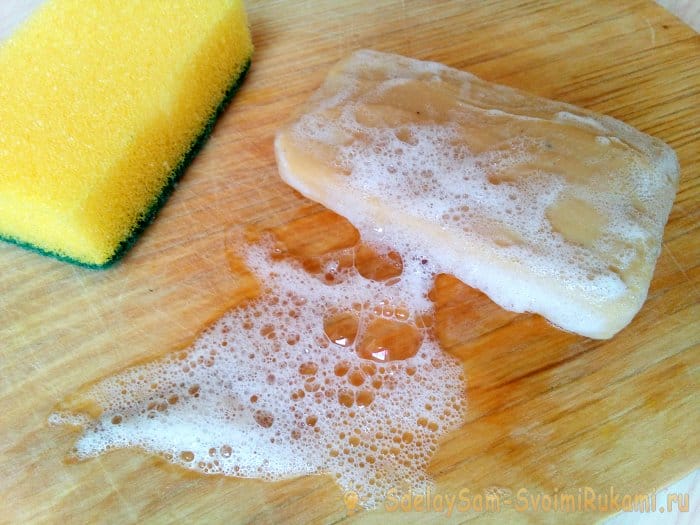
Dark laundry soap foam is a versatile product that can be used on a variety of surfaces. Foam perfectly cleans dirt and pathogens. It is applied in an even layer after cutting raw meat, liver, chicken or fish. Timely processing avoids contamination, stains and mold. After 5 minutes, the foam is washed off with water.
Peroxide use case
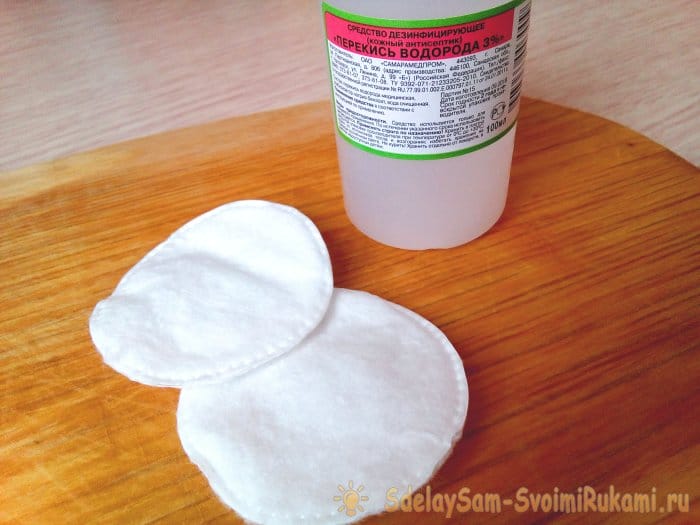
A medicinal antiseptic is also used to remove certain types of microorganisms. It is best to use hydrogen peroxide in tandem with vinegar: first, the plane is moistened with vinegar, and then a 3% peroxide solution is applied.
Bleach application
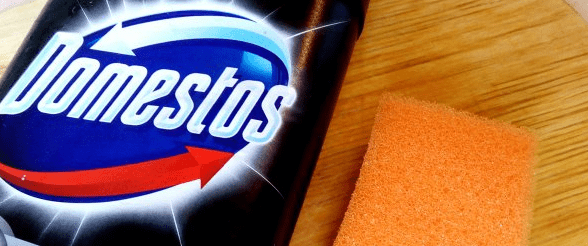
In especially difficult cases, when old fat and soot has been absorbed into the tree, mold or mildew has appeared, a disinfectant containing chlorine is used. It is diluted in hot water according to the instructions (about half a glass per 5 liters of water). Wooden (plastic) boards are immersed in the resulting solution for no more than 20 minutes. During this time, chlorine whitens stains, destroys odors and microorganisms. After the bleach, rinse the board under running water for at least 5 minutes.
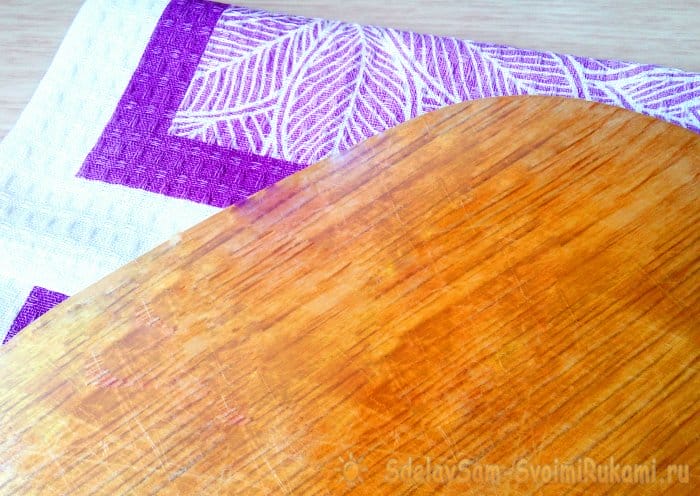
Regular cleaning of the boards keeps them clean and also prolongs their lifespan.
Nuances of processing plywood boards for cutting products
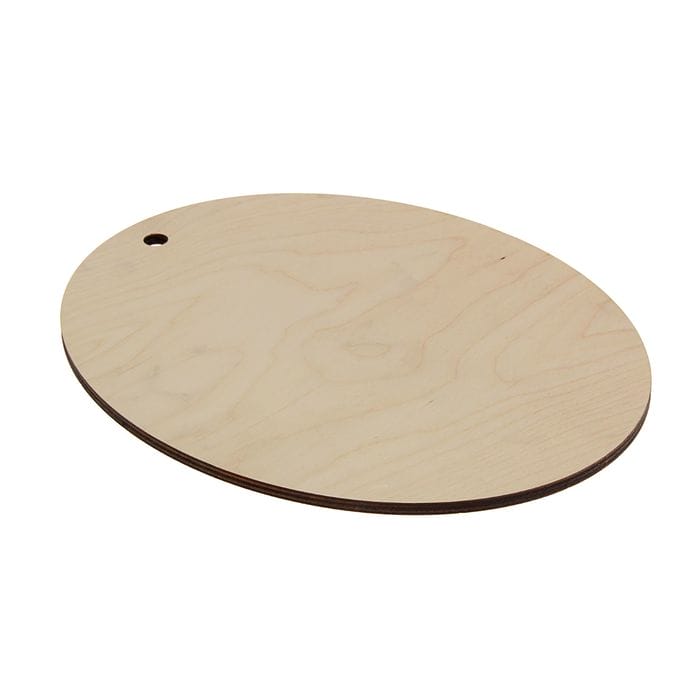
Unlike wood, plywood cutting boards are made from several sheets of wood that are glued together. Multi-layer plywood material can be very sensitive to water, as the adhesive has a low moisture resistance. For this reason, the product is prone to swelling, mold formation, the appearance of microbes, and destruction. To improve the performance, processing of the cutting board is required with means, the choice of which must be approached extremely carefully.
The plywood product must be well protected from water penetration, otherwise it will quickly deteriorate. In addition, toxic glue can enter the human body, harming health. A waterproof layer on the surface of the board will help create mineral oil with added beeswax. You need to process the plywood board with a soft brush or roller. The impregnation is applied to the material along the grain, with the product in a horizontal position.On a new board made of plywood, several layers must be applied, the optimal amount is 3. It takes approximately 12 hours for each layer to dry. If excess product appears on the product during the soaking process, it should be carefully removed with a soft cloth. It is recommended to surface treatment once a month to keep the cutting board safe for people. With proper processing, plywood board for cutting food will last a long time, without changing its appearance and remaining safe.
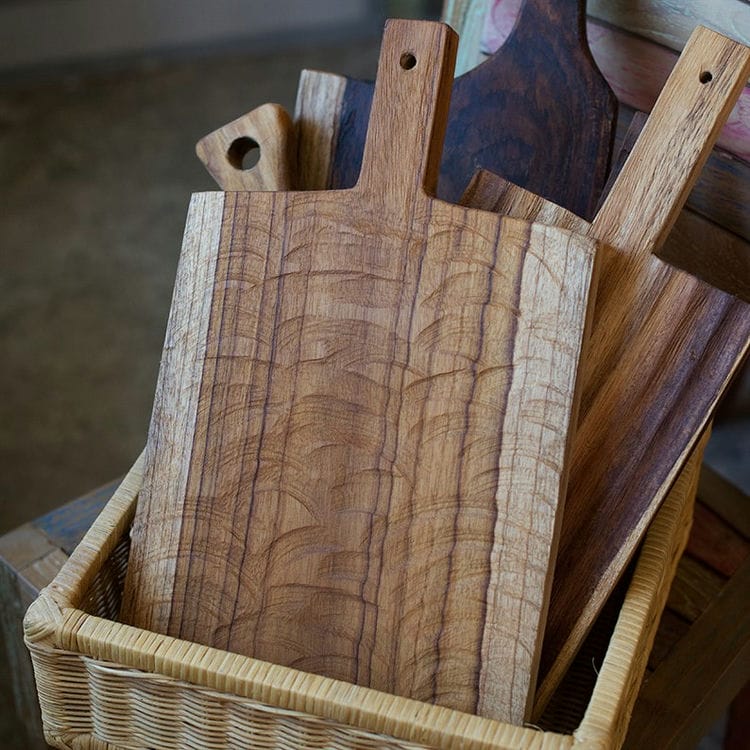
Interesting models of cutting boards
When choosing this product, you need to pay attention to both its appearance and functionality. A great option is teak products:
1 Cutting board Rhombus. Handmade product with diamond-shaped relief.
2 Cutting board Line. On the one hand, there is a hand-made relief. On the other hand, there is a convenient surface for cutting food.
3 Cutting board Taste. The convenience of the working surface is ideally combined with the originality and brightness of the board pattern.
4 Cutting board Round. A round piece of kitchen utensils made in Indonesia.
5 Cutting board Berk. Functional and stylish product. The solid teak gives the board a bright and warm sunny hue.
If your wood board is cracked or very scratched, if the wood has changed its color, it is worth throwing away such kitchen utensils. The best option in this case is to purchase a new board.
How to make a mixture at home
The impregnation for protecting the cutting board does not have to be bought at the store, the mixture can be prepared by hand at home. To do this, in the pharmacy you need to buy vaseline oil for internal use – it will not turn rancid over time, it has no color, no taste, or smell. Vaseline oil is an excellent wood preservative, but a mixture of Vaseline and beeswax is considered the most effective. The beekeeping product is used pure, it is best to purchase it from trusted beekeepers. Since the cutting board constantly comes into contact with food, the natural bee product should never be replaced with paraffin or stearin.
The method of preparing the impregnation of wooden products is simple. For making, two saucepans with different diameters are required to create a water bath. In a container with a small amount of water, standing on a heated stove, a smaller saucepan with vaseline oil is placed. The wax is painted into small pieces and poured into oil heated in a water bath. The mixture is stirred until the beeswax is completely dissolved. Next, the prepared mass for cutting boards is cooled.
When mixing vaseline oil and beeswax, it should be borne in mind that the less oil in the mixture, the thicker the ointment turns out!
The proportions of the ointment are as follows: for one part of the wax, approximately 3-4 parts of the oil are taken. The consistency of the mixture is similar to slightly melted butter and is perfectly applied, polishes the surface, closes the pores of the wood.

You can make your own cutting board ointment
What to impregnate
In theory, any oil that can be safely eaten is suitable for impregnating a wooden cutting board. But that's in theory. In practice, the impregnation oil must meet another important requirement, namely, resistance to deterioration at room temperature. So, vegetable oil does not meet all the criteria, and if you soak a board with it, then after a while the board will have an unpleasant odor, which is almost impossible to get rid of.
Mineral oil or beeswax ointment is the best way to create a natural protective coating. After processing with one of these agents, the tree will not be afraid of moisture for a long time and will be resistant to drying out and deformation. Alternatively, you can also consider nut and flaxseed oils. Due to the high content of unsaturated fatty acids, they dry quickly, forming a strong transparent film.
Impregnation
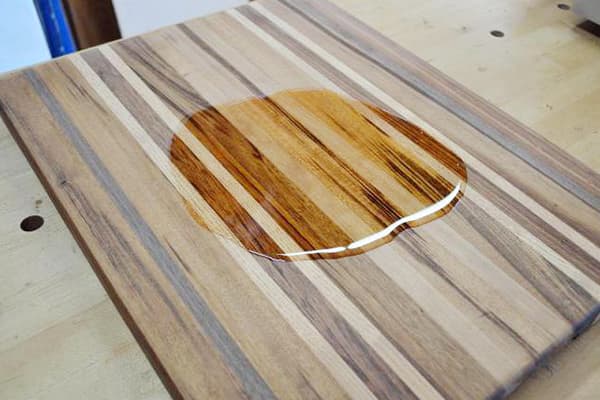
The board is processed on both sides. Otherwise, part of the board will absorb moisture, and the board will deform during the drying process. Pour a small amount of oil on one side, spread it over the surface with a soft, lint-free cloth, and then repeat on the other side of the board. After processing, the board is left to “naturally dry” for 2-3 days, then the excess oil is removed from the surface with a dry cloth. To create a good protective coating, it is recommended to repeat the procedure 3 to 5 times. The processing of the board must be carried out regularly – approximately every three months.
Sources used and useful links on the topic: https://SdelaySam-SvoimiRukami.ru/4965-kak-prodezinficirovat-i-izbavit-ot-zapaha-razdelochnuju-dosku.html https://doms.by/osobennosti-uhoda-za -razdelochnoy-doskoy-iz-dereva https://woodschool.ru/kak-obrabotat-razdelochnuyu-dosku.html https://posuda-gid.ru/vidy/176-mineralnoe-maslo-dlya-razdelochnyh-dosok https: //www.teakhouse.ru/kompanija/statii/chem_pokryt_razdelochnuyu_derevyannuyu_dosku/ https://hozsekretiki.ru/sovety/razdelochnoya-doska.html https://www.teakhouse.ru/kompanija/statii/kak_pochistit_derevyannuyu_razdelochnuyu_dosku/ https: // woman .rambler.ru / cooking / 38957921-sekrety-idealnoy-razdelochnoy-doski / https://mschistota.ru/sovety/chem-obrabotat-razdelochnuyu-dosku.html
Post source: lastici.ru