
Conjunctivitis treatment in adults. Preparations, drops, folk remedies, procedures. Conjunctivitis. Symptoms, causes and treatment of conjunctivitis
Common signs
In adults, the symptoms of conjunctivitis are less pronounced than in children. As a rule, in this case, the manifestations of the disease are not associated with viral respiratory pathologies.
What are the most common signs? Here is a list of the most basic ones:
- Temperature is evidence of an acute course of the disease. In adulthood, temperature with conjunctivitis is not a common symptom.
- Headache – also appears in the acute period of the disease, accompanied by weakness.
- Sore throat – may appear if conjunctivitis is triggered by a respiratory illness.
- Cough, runny nose, snot, stuffy nose – these are symptoms of adenovirus infection, which can also cause conjunctivitis.
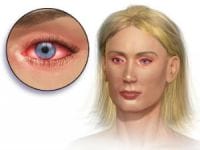
- Redness of the surrounding soft tissue. Occurs when the entire eye is swollen and itchy, or only the lower eyelid is swollen.
- Red eyes are a consequence of the inflammatory process.
- Itching and burning.
- Mucous or purulent discharge.
- Increased tear production.
- Eye fatigue even with light exertion.
- The presence of roughness and irregularities on the mucous membrane.
- Dry eyes and surrounding skin.
- Small formations on the mucous membrane.
- Inability to open the eyelids after sleep – eyelashes stick together from purulent discharge.
- Involuntary closing of the eyes.
- Pain or discomfort with eye movements.
How do the varieties of the disease manifest?
Depending on the form of conjunctivitis, the signs and symptoms of the disease may vary, since they begin in different ways:
-
Acute form. As a rule, it manifests itself in the first two days, and, unlike other forms of pathology, two eyes are affected at once. The conjunctiva turns red, the lower eyelid swells, films of pus are formed in the eyes, which can be easily removed without damaging the mucous membrane. On the mucous membrane, you can see microscopic hemorrhages – defeated vessels.
-
Subacute conjunctivitis. The symptoms of this form are similar to those of the acute form, but they are less pronounced. Without timely treatment, eye pathology can turn into an acute form.
-
Chronic. This is a long-term form of the disease, in which the patient may be disturbed by the “sand” in the eyes, heaviness of the eyelids, pain, rapid eye fatigue. The departments are scanty and are observed periodically, but redness of the mucous membrane may be present to one degree or another constantly.
-
Bacterial. The mucous membrane turns red, there is a burning sensation and a feeling of a foreign body under the eyelids. After sleep, the eyelids stick together from purulent discharge, which accumulates at the edges of the eyelids overnight. After the incubation period, symptoms may appear in the second eye. It is not uncommon for both eyes to be affected separately.
-
Chlamydial. In the early days, this form of pathology does not manifest itself in any way, and the initial symptom is photophobia. Conjunctival erythema is observed later. In some cases, the upper and lower eyelids are swollen, in the morning the patient has difficulty opening gas due to pus. Initially, the focus of inflammation is located in the lower eyelid. If the treatment of the disease does not start on time, conjunctivitis goes to the healthy eye.
-
Do you have a purulent secret in your eyes in the morning?
Well no
Viral. The first signs of eye disease in humans are redness of the mucous membrane, profuse lacrimation, involuntary closure of the eyelids, photophobia on the mucous membrane, you can see thin films of pus. Also, viral conjunctivitis can be accompanied by fever and cause a condition in which the throat is very sore. It can take one of the following forms:
- catarrhal – minor inflammation, scanty discharge;
- membranous – films constantly appear on the mucous membrane, which are quite difficult to remove, on the conjunctiva there are traces of hemorrhage and compaction;
- follicular – accompanied by the formation of small bubbles.
-
Allergic. Redness of the eyes in this case is a minor symptom, which is expressed slightly or completely absent. The main symptom is pain in the eyes, itching and burning, a little later photophobia, swelling of the eyes, profuse lacrimation join.
-
Angular. Burning, itching, painful and uncomfortable sensations are localized in the corners of the eyes. In most cases, the intensity of the symptoms increases in the evening. The discharge is scanty, slimy in consistency, accumulates in the corners of the eyes overnight and form hard lumps.
-
Purulent. Severe redness, burning and foreign body sensation under the eyelids, abundant and constant discharge, but no swelling.
-
Catarrhal. The mucous membrane turns red, the eyelids become inflamed, there is increased eye fatigue, photophobia may be present, but not always.
-
Papillary. This is one of the forms of allergic conjunctivitis, which has a long course even with proper and timely treatment. The mucous membrane of the eye turns red, papillae are visible on it, which cause a roughness of the ocular surface. There is severe itching, which can turn into pain, the exudate is insignificant.
-
Follicular. The main sign of this form of pathology is a significant reddening of the mucous membrane, but the eyelids do not change their color and do not swell. The patient complains of severe lacrimation, the release of a large amount of exudate, sticking of the eyelids after sleep. On the surface of the mucous membrane, pink-gray follicular formations can be seen, which lead to an abundant discharge of tear fluid.
What is conjunctivitis manifested in?
Conjunctivitis is an inflammation of the mucous membrane of the eye – the conjunctiva. The latter is an ultra-thin light-transmitting film that covers the back of the eyelids and the front of the eye up to the cornea. In total, the conjunctiva has two functions. Firstly, the release of tear fluid, and secondly, the creation of a protective layer between the eye itself and small foreign bodies.
The conjunctiva can become inflamed due to a virus, chlamydia, bacteria, or an allergic reaction. The symptoms of conjunctivitis are similar to those of the common cold, but are accompanied by discomfort in the eyes and some other characteristic features.
Risk factors
Infectious conjunctivitis can be caused by:
- bacteria: staphylococci, streptococci, gonococci;
- viruses: adenovirus, herpes virus or smallpox;
- fungi: candida, spirotrichella, actinomycetes;
- parasites;
- chlamydia.
Infection with a viral or bacterial infection can occur when washing your face with contaminated water or swimming in a contaminated body of water. The reason sometimes lies in the use of low-quality or expired cosmetics. Also, if you touch or rub your eyes with dirty hands, you can easily get infected. The infection can enter the eyes and through the blood. This occurs during various infectious processes, for example, with acute respiratory viral infections, measles or chickenpox.
The following factors can provoke an allergic form:
- pollen;
- cosmetics;
- contact lenses;
- Construction Materials;
- ultra-violet rays;
- household chemicals; wool;
- food, such as chocolate, food colors, certain fruits;
- medicines.
In some cases, inflammation can occur against the background of other pathological processes developing in the body: weakened eyelid syndrome, keratoconjunctivitis rosacea, dermatitis herpetiformis, pemphigus vulgaris.
Pathogens can be found on the surface of the eyes and in a healthy body. Strong immunity strictly controls their number, preventing them from multiplying. Under the influence of certain factors, the defenses get out of control, because of which pathogens begin to actively multiply. The following reasons for conjunctivitis can provoke such a situation:
 How contagious is conjunctivitis
- prolonged exposure to irritants: smoke, dust, chemicals;
- overwork and hypothermia of the eyes;
- hyperopia, myopia, astigmatism;
- avitaminosis;
- prolonged eye contact with the organ of vision;
- helminthic invasions;
- dry eye syndrome;
- changing climatic conditions;
- anomalies of the century;
- diabetes;
- anemia;
- prostration;
- seborrhea and demodicosis;
- bronchial asthma;
- atopic dermatitis;
- allergic rhinitis;
- trichiasis (incorrect growth of eyelashes);
- weakening of the eyelid in the elderly;
- digestive disorders;
- lack of sleep;
- metabolic disorders;
- chronic pathologies of the nasal cavity and lacrimal ducts.
Chronic conjunctival inflammation is a long-term illness. It can be both infectious and non-infectious in nature. Most often, the process occurs with untimely or improper treatment of acute conjunctivitis of the eyes.
IMPORTANT! Chronic conjunctivitis is common in hot shop workers and cement or sawmill workers.
Eye irritation in adults can be caused by prolonged use of a computer monitor or in a dimly lit room. Allergic conjunctivas are chronic. Their feature is seasonal dependence. Chronic conjunctivitis is often associated with poor hygiene conditions such as smoke and dust in poorly ventilated areas.
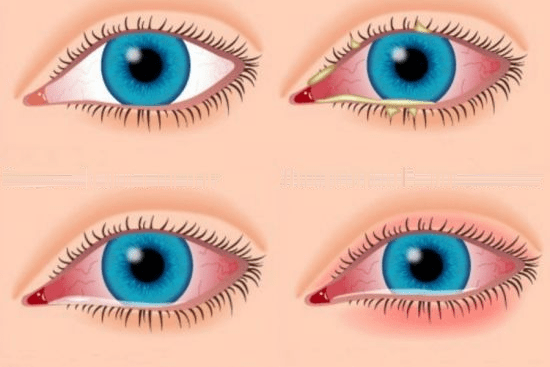
Conjunctivitis can be caused by viruses, bacteria, allergens
Viral conjunctivitis attacks both children and adults.
The easiest way to get sick with the viral form is, especially in the cold season, when immunity is significantly reduced. The main drugs in the fight against viral conjunctivitis are drops with interferon against the background of antiviral tablet drugs. You cannot do without them in the treatment of pathology. In case of herpetic lesions of the eye in an adult, Ophthalmoferon, Florenal, Tebrofen, Gludantan, Laferon, Dexamethasone are effective. The drugs are not contraindicated in children.
The main danger posed by viral conjunctivitis is dry eye syndrome. Usually, with the viral form, the lacrimal glands suffer significantly – they cease to produce the required amount of secretion to wet the mucous membrane of the eye. Because of this, any movement of the eyelid causes severe irritation. To relieve discomfort, doctors recommend using an artificial tear during treatment. A few drops of the drug are enough to moisturize the mucous membrane of the eyes.
After removing the acute form of the disease, it is important to start taking immunostimulating drugs. They will not only help to overcome sluggish viral conjunctivitis, but also become an excellent prevention for the future.
Complications
Launched infectious conjunctivitis caused by chlamydia can lead to deformation of the eyelids and pathology of eyelash growth.
A disease caused by another type of bacteria can be complicated by meningitis, sepsis, otitis media. In newborn babies, after conjunctivitis, the progression of eye diseases may begin.
Corneal opacities and tear film disorders are rarely possible after adenovirus infection. The most common complication of allergic conjunctivitis is the chronic form. After repeated herpesvirus conjunctivitis, scars remain.
Infectious conjunctivitis can cause keratitis (inflammation of the cornea).
Bacterial type
Many pathogenic bacteria provoke the development of conjunctivitis. The most common cause of the disease are staphylococci and streptococci. In newborns, conjunctivitis can be transmitted from the mother when the baby passes through the birth canal.
Bacterial damage to the eye is considered contagious, so measures are taken to prevent infection. The transmission of the causative agent of the disease most often occurs through the contact-household route. Conjunctivitis can be quickly cured only with the help of antibacterial drugs. To select the optimal agent, a bacteriological analysis is prescribed, which helps to identify the sensitivity of bacteria to antibiotics.
Floxal has a broad spectrum of antimicrobial action. The active ingredients effectively inactivate pathogens without impairing visual function. Depending on the severity of the pathological process, the agent is used two to five times a day.
A well-known drug in the treatment of conjunctivitis is Albucid. The medicine is used for both adults and children. During installation, a burning sensation may occur, which quickly passes.
Causes of appearance in children
Very often, young mothers have to deal with the fact that the baby's eyes begin to swim and watery. In the morning after sleep, the eyelids stick together, and the mucous membrane is red and inflamed. Because of this, the child becomes restless and moody.
Conjunctivitis may appear even shortly after leaving the hospital. Parents should consult a doctor, as the disease is very easy to confuse with inflammation of the lacrimal sac (dacryocystitis) or banal non-opening of the lacrimal canal. It is not always possible to consult a doctor, therefore it is important for parents to familiarize themselves with the symptoms of the disease in order to be able to independently distinguish conjunctivitis from other pathologies.
Viral inflammation in a child manifests itself in the form of profuse lacrimation and redness. At first, one eye may become inflamed, and then the infection spreads to the second organ of vision. Often the eyes are covered with a thin, whitish film. The disease usually develops against the background of influenza, chickenpox, measles, herpes simplex, or adenovirus infection. In this case, not only ophthalmic signs appear, but also rhinitis and pharyngitis. Children complain of sore throat and nasal congestion.
ATTENTION! The high frequency of conjunctivitis among children is explained by the peculiarities of the physiology of the body, as well as the specifics of socialization.
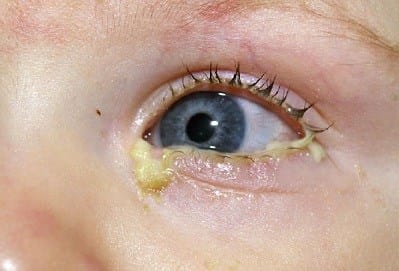
With bacterial conjunctivitis, the clinical picture is somewhat different. A child's eyes are literally filled with pus. After sleep, the baby generally hardly opens his eyes, as the eyelids stick together due to the accumulated purulent secretion. There is also swelling, tearing, redness. One eye is most often affected.
Most often, in childhood, it is a bacterial infection that becomes the cause of conjunctivitis. It can be streptococcus, staphylococcus, pneumococcus. The disease can occur not only due to infection by external agents, but also due to an increase in the number of pathogens of the own microflora of the eyes or the presence of purulent-septic diseases (otitis media, tonsillitis, sinusitis).
Even with complete sterility and perfect hygiene, the newborn is at risk of developing conjunctivitis. The main reasons for the development of the disease include the following:
- frequent conjunctivitis may indicate a weakened immune system;
- during childbirth, the baby can become infected with gonorrhea or chlamydia infection;
- bacteria living in the mother's body;
- mechanical damage;
- genital or oral herpes diagnosed in the mother;
- improper baby care;
- getting into the organ of vision of dirt or a foreign object.
In children's groups, the spread of an eye infection occurs very quickly by contact or airborne droplets. During the incubation period, the child is a carrier of the infection. He continues to actively communicate with other people, being the source of infection for a large number of people. The development of the disease is facilitated by dry air in the room and inaccuracies in nutrition.
Children's conjunctivitis should be treated by washing the eye with a solution of furacilin, decoctions of calendula, chamomile and sage. It is useful for children to massage the nasolacrimal canal, as well as instill Chloramphenicol drops.
Manifestations depending on the form and stage of the disease
Conjunctivitis in children and adults has certain common symptoms, despite the different types and forms. They manifest themselves quite intensely, it is difficult to ignore the disease for a long time. The disease can be recognized by the following characteristic features:
- redness of the mucous membrane of the eye and the white of the eye;
- sensation of a foreign body in the eye, pain, itching, burning;
- discharge of a serous, purulent nature, in rare cases with an admixture of blood;
- photophobia;
- blurred vision that disappears after frequent blinking or rinsing the eye.
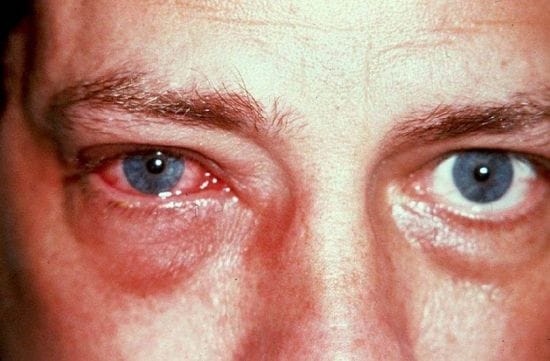
With bacterial conjunctivitis, only one eye is usually affected; after a few days, the inflammation can also spread to the other eye.
For more specific symptoms, you can fairly accurately determine the cause of the disease and its causative agent. To do this, the doctor carefully looks at the affected organs of vision and will conduct a detailed survey of the patient.
For the allergic form of conjunctivitis, the following symptoms are characteristic:
- severe eye irritation;
- redness of the mucous membrane and eye protein;
- itching, burning;
- swelling of the eyelids, in severe forms, until the palpebral fissure is completely closed;
- lacrimation;
- often nasal congestion, accompanied by clear discharge from the nasal passages, sneezing.
Signs of an allergic reaction can appear acutely with direct contact with an allergen-irritant, then the symptoms become weaker as the irritant is removed, the disease becomes chronic.
The viral form usually occurs against the background of herpes or adenovirus infections of the upper respiratory tract. Its characteristic symptoms:
- recurrent itching, discomfort;
- defeat at first only one eye, which then goes on to the second;
- often an increase in body temperature;
- enlargement and soreness of the nearest lymph nodes;
- films and the formation of follicles on the mucous membrane of the eye in a child;
- the effect of closed eyelids, which occurs due to muscle spasm;
- slight discharge, as a rule, without an admixture of pus.
Viral conjunctivitis is not always recognized in time for the simple reason that it develops against the background of a viral cold, its symptoms overlap with signs of the underlying disease. Most often, this form manifests itself in children with weakened immunity, prone to frequent SARS, so much depends on the attentiveness of the parents.

Closed eyelid effect is a typical symptom of viral conjunctivitis in children
Symptoms of conjunctivitis caused by a bacterial infection:
- abundant discharge from the eyes of a grayish, yellow or green color is the waste products of pathogenic microorganisms, therefore they are always present with a bacterial infection;
- sticking of the eyelids after sleep, the formation of crusts of dried pus on the eyelids and eyelashes;
- dry eye syndrome;
- feeling of a foreign body under the eyelid.
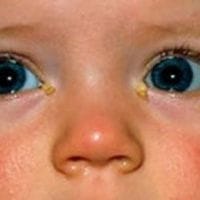
Abundant discharge of a purulent nature, the formation of crusts on the eyelids are typical symptoms of bacterial conjunctivitis in children.
How does blennorrheal conjunctivitis manifest in newborns:
- serous-bloody discharge from the ocellus the first 2-3 days after birth;
- transformation of secretions into purulent ones 3-4 days after infection;
- the formation of ulcers and infiltrates on the sclera of the eye in a severe, advanced form of the disease.
For conjunctivitis of the chronic form, any of the listed signs are characteristic, but they are less pronounced, periodically they can completely disappear. The eyes are irritated from time to time, there is a slight discharge, itching. The organs of vision get tired quickly, and visual acuity decreases. These are the main symptoms of a chronic inflammatory process of the mucous membrane of the eye.
The photo shows what an eye with conjunctivitis looks like. It is not difficult for an experienced doctor to make a preliminary diagnosis based on the external symptoms and complaints of the patient. The diagnosis is confirmed after instrumental examination and laboratory tests. Techniques such as visometry and biomicroscopy are used. With bacterial conjunctivitis, it is important to accurately identify the causative agent of the inflammatory process in order to choose the right drug. In other cases, the main actions are aimed at ensuring correct care and strengthening the patient's immune system.

If the illness is caused by an allergy, treatment is to isolate the patient from the irritant allergen, if possible.
Treatment of conjunctivitis is selected only after the cause of the disease has been established. Therapy is always carried out in three main directions:
- Relief of unpleasant symptoms of the infectious process – redness, irritation, swelling, cramps, itching.
- Preventing the spread of infection – Certain forms of conjunctivitis can be highly contagious. If a child falls ill, quarantine is usually appointed until complete recovery, he cannot go to kindergarten or school, walk in the playground with other children, parents should take a responsible approach to this issue.
- Elimination of the root cause of the disease, if possible, and restoration of immunity.
Because polluted, dusty and dry air, harmful chemical fumes, and lack of proper and regular eye care can exacerbate inflammation and discomfort. It is important to provide the patient with the most comfortable conditions. What must be done:
- take care of clean, well-humidified air in the room where the patient is. To do this, they regularly carry out wet cleaning, ventilate the room, use special humidifiers and air purifiers;
- take proper care of your eyes. With conjunctivitis, do not wash with tap water. The crusts are removed with warm boiled water and a cotton swab. After that, the drug is injected;
- eliminate stress. It has been proven that nervous excitement, mental overexcitation, fatigue have a negative effect on the state of any organism and intensify the symptoms of the current disease. Therefore, the patient, especially the child, needs a calm, friendly environment at least for the duration of the illness;
- provide good nutrition. For immunity and strengthening of the visual apparatus, vitamins and minerals are needed first of all. Therefore, fruits and vegetables are necessarily introduced into the diet, a course of multivitamins from a pharmacy and vitaminized eye drops will not be superfluous.
Viral conjunctivitis usually does not require etiotropic treatment. Antibacterial drugs of local or systemic action will not be able to cope with viruses, there is no effective cure for them. Usually this form goes away by itself after 7-28 days. Moisturizing drops containing sodium sulfacyl will help alleviate the unpleasant symptoms of adenoviral conjunctivitis. For herpes, local anti-herpes drugs are used.
You should not give your eyes a heavy load during this period, you should carefully monitor hygiene, avoid additional irritation. It is recommended to take immunomodulators. All of these activities will help speed up your recovery.
For any form of the disease other than bacterial, the main remedy is moisturizing and emollient eye drops.
In case of allergic conjunctivitis, first of all, it is necessary to eliminate the allergen-irritant and, if possible, protect the patient from further contact with him. If the allergy is seasonal during the flowering period, then it will be very difficult to fulfill this condition. The condition will be relieved by cooling compresses, moisturizing, softening drops. If the occurrence of allergies is associated with professional activity, sometimes it makes sense to move to another position and even completely change the occupation.
For severe allergies, you cannot do without complex drug treatment. Standardly assigned:
- antihistamines in syrup or tablet form;
- non-steroidal anti-inflammatory drugs;
- topical hormonal eye drops.
If the patient uses contact lenses, at the first symptoms of conjunctivitis, they should be removed and not put on again until complete recovery. It is recommended to replace contact lenses, container and tweezers with new ones in case of a bacterial disease in order to avoid recurrence of the disease.
Bacterial conjunctivitis is the only form of the disease that requires serious medication. If the disease is not running, it is enough to rinse the affected eyes with an antiseptic solution (you can replace it with chamomile infusion or tea leaves without sugar), and then use a topical antibacterial drug. It can be drops or ointment. The course of treatment lasts at least five days, even if the symptoms of acute inflammation disappeared earlier.
Of the topical antibiotics, the following are usually prescribed:
- erythromycin or tetracycline ointment;
- preparations with gentomycin – ointment, drops.
In severe cases, additional administration of systemic antibiotics will be required. The drug of which group will be optimal is chosen by the doctor depending on the type of bacteria that caused the conjunctivitis. The dosage and duration of the course of antibiotic therapy are determined by the severity of the lesions, the patient's age, and his general condition. It is not recommended to start taking antibiotics on your own.
Fluoroquinolone antibiotics are commonly used to treat conjunctivitis. These are Ofloxacin, Ciprofloxacin, Lomefloxacin. After a course of antibiotic therapy to prevent dysbiosis and restore immunity, it is recommended to drink a course of probiotics, for example, Linex.
By itself, conjunctivitis is not so bad, but in the absence of adequate treatment, it can cause serious complications.
Treatment of an allergic form
Allergy, according to doctors, has become the most fashionable disease of the twentieth century. Being oversensitive has become more than just a brand for a century. Allergy began to be investigated from new progressive positions. Therefore, an allergic trace was found in the etiology of conjunctivitis. By the way, allergic conjunctivitis affects absolutely everyone – it is recorded in both babies and adults.

The difference between allergic conjunctivitis and viral conjunctivitis is that there are accompanying signs – swelling and redness of the eyelids, runny nose
Fortunately, the allergic form of the disease is easier to treat than others. How does the doctor treat the disease? He recommends eliminating the allergen and prescribes drugs for symptomatic therapy. That's all the tricks in getting rid of the patient from the allergic form of conjunctivitis. To relieve discomfort, several names of drops are shown – Naphthyzin, Antazolin, Lacrisifi and others.
They relieve itching, significantly reduce eye redness, since they have a vasoconstrictor effect. The drops can also eliminate other unpleasant symptoms of allergic conjunctivitis, such as headache, rhinitis, insomnia, etc. For people who are allergic to pollen, animal dander, seafood and other irritants, it is important to always have antiallergic drops on hand, than to treat an exacerbation of conjunctivitis, because an irritant can be found anywhere.
Medication
Based on the results of laboratory tests and examination, treatment is prescribed by an ophthalmologist. It should be carried out in stages and in accordance with the scheme prescribed by the doctor:
- With the help of eye drops, which include an anesthetic, pain is eliminated.
- Washing and cleaning of the affected eye from purulent discharge is carried out. To do this, you must use agents with antiseptic properties.
- Medicines are instilled into the eye. Different eye drops are used for each type of conjunctivitis. These can be antivirals, sulfonamides, antihistamines, or antibiotics.
- Anti-inflammatory drugs are prescribed for pronounced inflammation of the eye.
- In order to prevent dry eye syndrome, artificial tear substitutes are prescribed.
- If necessary, small children are prescribed antibacterial ointment instead of drops, which is easier to apply to the child's eyes. When applying the ointment, there is a short-term blurred vision.
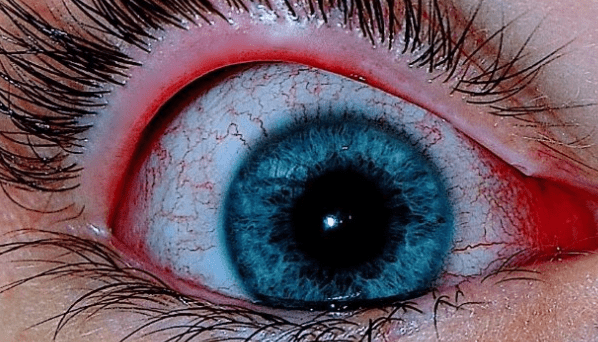
It is recommended to stop wearing contact lenses during treatment. Lenses are a foreign body and can additionally irritate the eyes and prevent drugs from entering as intended.
Colloidal silver
The solution is commonly used to combat bacterial conjunctivitis. It is a composition with silver nanoparticles. The smaller they are, the more pronounced the therapeutic effect. The drug is injected into the conjunctival sac two to four times a day. For one procedure, 1-2 drops are used.
If the affected person wears contact lenses, remove them before treating the eyes. The therapy is carried out until complete recovery.
Eye drops for conjunctivitis
Eye drops are the main remedy for the treatment of eye diseases, including all types of conjunctivitis. For the treatment of conjunctivitis, antibacterial drugs are also used, it depends on the cause that caused the disease – for bacterial conjunctivitis, drops such as Floxal, Ciprofloxacin, etc. are used.
To enhance the effect, you can lay antibacterial ointments for the eyelids: Floxal eye ointment, Tetracycline ointment.
With an allergic nature, antihistamine drops Opatanol; Lekrolin, etc. are used), as well as hormonal drops and ointments (Hydrocortisone eye ointment, Dexamethasone).
If the cause of the disease is a virus, drugs containing interferon (Oftalmoferon, Poludan) are prescribed. Often the infection is mixed or the causative agent of the disease cannot be accurately identified during examination, in this case, a set of drops is prescribed.
The nature of the disease (viral, bacterial or allergic) can only be established by an ophthalmologist during an internal examination. He prescribes the final treatment regimen (if necessary, adjust it), but self-medication can lead to the development of complications or the transition of the disease into a chronic form.
Chronic process
If conjunctivitis does not go away for more than a month, experts are already talking about the transition of the process to a chronic stage. Basically, it is the infection that provokes the development of pathology. Often, chronic conjunctivitis is diagnosed against the background of blepharitis, tonsillitis, sinusitis.
ATTENTION! Chronic conjunctivitis can be the result of improper treatment of an acute process or lack of it.
Long-term treatment is associated with the risks of contracting a fungal infection. That is why doctors often introduce drugs into the treatment regimen, which include antimycotic components.
Treatment with drops and ointments is well supplemented by washing the eye with chamomile infusion. To do this, you need to pour a tablespoon of flowers with a glass of boiling water. The tool should be infused, after which it is filtered.
Conjunctivitis does not become chronic immediately. Therefore, it is important to monitor the health of your eyes and visit a specialist regularly. Remember, chronic inflammation cannot be quickly eliminated. You need to be patient.
Trachoma
Granular conjunctivitis, Egyptian ophthalmia. Also caused by the causative agent of chlamydia – Chlamydia trachomatis.
It is rare in countries with developed medicine. Refers to an endemic disease in Africa, the Middle East, India, Southeast Asia, where the proportion of the poor is high.
Most often, children aged 3 to 6 years get sick.
Trachoma is characterized by a chronic course and gradual progression. The disease progresses in stages that include inflammation of the conjunctiva with the formation of follicles, thickening of the conjunctiva, scarring, corneal opacity. In 5% of patients, blindness develops as a result. Trachoma is the most common cause of blindness in the world.
Trachoma therapy is performed with azithromycin. It is possible to cure blindness with corrective operations. WHO is taking systemic measures to prevent this disease in poor countries.
Acanthamoebic keratoconjunctivitis

Reference! Acanthamoebas are pathogenic for humans and animals amoeba. They live in soil, fresh water bodies (artificial and natural), especially in polluted waste waters. They can be found in plumbing and even central heating pipes.
Most often, the disease develops in people who use contact lenses. The infection penetrates through microtrauma of the conjunctiva, often in violation of hygiene when using lenses.
At the initial stage, there is redness of the conjunctiva, discomfort under the upper eyelid, a sensation of a foreign body in the eye. Then there are periodic pains. Later, the cornea becomes inflamed and the patient has a spasm of the eyelids, lacrimation, photophobia, corneal ulcers. In the later stages, severe pain in the eye, perforation and melting of the cornea are characteristic. This leads to a drop in vision up to blindness.
Recovery period
The recovery process after recovery lasts several weeks. During this time, dry eyes and moderate discomfort may persist.
Try not to expose your eyes to increased visual stress, work less at the computer and read, use moisturizing drops – analogs of natural tears.
Prevention
Due to the fact that some types of conjunctivitis are contagious, you should carefully follow the rules of personal hygiene, especially when a sick person appears in your environment.
- Maintain personal hygiene.
- Use only your own hygiene items, bedding, etc.
- Avoid frequent eye contact, especially with unwashed hands.
- After visiting the pool, thoroughly rinse your eyes with running, and preferably boiled chilled water.
- Improve immunity, especially in transitional seasons: take vitamin and mineral complexes, switch to a healthy diet, temper.
- If a child is ill, explain to him that it is impossible to touch his eyes, to monitor the cleanliness of the baby's hands, the cleanliness and humidity of the air in the room.
- With the development of signs of conjunctivitis, as rarely as possible, visit public places, in conditions of polluted air, do not swim in the pool: these measures are necessary to prevent the penetration of a new infection into the body, on the mucous membrane of the eye.
For children, skills will serve as a good prevention: do not rub your eyes with your hands, wash your hands after they are dirty with something, eat only after washing your hands.
How to identify the true cause?
The doctor makes a diagnosis based on the complaints that patients present. In addition, the ophthalmologist conducts an objective examination, collects anamnesis, that is, a medical history. For accurate identification of the causative agent of the inflammatory process, virological, bacteriological, cytological studies, as well as allergy tests, may be required.
We should also dwell on the collection of anamnestic data. The doctor must determine if the patient's work is associated with chemicals, whether he has any chronic pathologies and whether he has allergies.
The most informative diagnostic methods are considered bacterioscopic and bacteriological examination of smears and discharge from the conjunctiva. During the examination, the sensitivity of pathogens to antibiotics is also determined. This allows you to choose the optimal antibacterial agent.
Biomicroscopy of the eye is also performed. With the help of a special microscope with a lighting device, the organs of vision are examined. If the viral nature of the inflammation is suspected, serological tests are carried out.
To determine the provoking factor, the ophthalmologist is interested in such data as, for example, contact with an allergen or dependence on sunlight. An important role is played by the features of the course of pathology. The doctor needs to know if there is a general malaise, and also whether the appearance of the ailment has a connection with a certain season
The diagnosis of conjunctivitis is based on the characteristic clinical picture. To determine the cause of the occurrence, such data as, for example, contact with an allergen, dependence on sunlight, flow characteristics (for example, seasonality, presence of ailment) are important.
The most informative are bacterioscopic and bacteriological studies of smears and detachable conjunctiva with determination of the sensitivity of the pathogen to antibiotics, as well as cytological examination of scrapings from the conjunctiva.
Which doctor should I go to?
The diagnosis and treatment of conjunctivitis is carried out by an ophthalmologist. If specific causes of the process of inflammation of the conjunctiva of the eye are identified, it may be necessary to consult narrow specialists – an allergist, venereologist, infectious disease specialist, otolaryngologist and others.
What kind of research is being assigned?
To identify the diagnosis, the following examinations are carried out:
- visual examination of the eye;
- cytological and bacteriological studies of smears and scrapings from the conjunctiva;
- if an allergic form is suspected, nasal and skin-allergic tests are carried out,
- determination of the titer of antibodies to pathogens in the blood serum or in the lacrimal fluid,
- instillation test,
- biomicroscopy of the eye.
Fungal Therapy
The fungus on the human body can parasitize anywhere, easily reaching the mucous membranes. It affects the fungus and the mucous membrane of the eyes, which is why fungal conjunctivitis can develop in an adult and a child. To combat fungal infection, antimycotic agents are primarily important – Levorin, Nystatin, Amphotericin B, Natamycin.
At night, you can put nystatin ointment under the eyelids. This has a good effect on disease. In severe pathology, tableted antifungal drugs are also used for treatment – Itraconazole, Fluconazole. Perhaps the appointment of intravenous drugs. The fungal infection is also difficult to cure, as well as the bacterial form, therefore, an early visit to the doctor for effective prescriptions is important. It will not be possible to quickly cure the pathology – on average, therapy can take from one to one and a half months.
Usually, the prognosis for the treatment of fungal conjunctivitis is positive, but care must be taken to ensure that the disease does not affect the lacrimal tubules and the cornea.
Folk recipes
Traditional medicine is a good addition to drug therapy. Nevertheless, before using the prescriptions of populists, it is better to consult a doctor. It should also be understood that unconventional advice helps well to relieve the symptoms of conjunctivitis, but they do not affect the very cause of the disease, which is why you should not refuse traditional treatment.
The best remedy for conjunctivitis, which is allowed even for pregnant women and children, is pharmacy chamomile. Infusion based on plant flowers relieves inflammation and redness. Chamomile contains organic acids, tannins, vitamins, essential oils, bioflavonoids. The plant has received widespread use, due to the provision of a disinfectant, antiallergic, analgesic effect.
Rosehip fruits also have healing power. This plant helps fight infection. Rosehip broth is used to wash the eyes with conjunctivitis. To prepare a home remedy, you need to grind the fruit. Two tablespoons of raw materials are poured into a glass of water. Then the solution must be brought to a boil and boiled over low heat. The tool must be infused for an hour. The strained broth is ready to use. You can rinse your eyes four to five times a day.

After treatment with chamomile tincture, the eyes stop hurting and itching
Dill is commonly used in cooking, and the populists are widely used in the treatment of inflammatory eye diseases. Rinse two hundred grams of fresh herbs under water and then squeeze the juice out of it. Gauze is moistened in it and applied for fifteen minutes to closed eyelids. Such lotions can be done up to six times a day. You can also pour a teaspoon of dill seeds with a glass of boiling water. The product, infused for an hour, is used in the form of lotions.
An excellent compress is obtained from raw potatoes and egg white. The medicine must be prepared in advance, for this you will need the following:
- peel and grate three potato tubers;
- separate the white of two eggs;
- mix the ingredients thoroughly;
- apply the compress to the eye for fifteen minutes;
- the procedure should be performed four to five times a day.
Tincture of calendula is very effective. A tablespoon of the plant must be brewed in a glass of boiling water. Cover the container with a towel and leave to infuse for one hour. The filtered solution is used as an eye wash.
Aloe is famous for its medicinal properties. To prepare the medicine, you will need freshly squeezed juice, which is diluted with water at a ratio of 1:10. The healing liquid is used in the form of eye drops. You can also take a few of the bottom leaves of the plant and send them to the refrigerator overnight. Squeeze the juice from the thawed leaves, in which a cotton pad is moistened. The compress should be applied to the eyes so that a small amount of juice still gets on the mucous membrane.
The main condition for prevention is adherence to the rules of personal hygiene. Remember to wash your hands with soap, use an individual towel, and do not rub your eyes with dirty hands. For colds, use disposable wipes rather than handkerchiefs.
Medicinal chamomile
Pharmacy chamomile infusion perfectly copes with inflammation, it can be used even on small children. To prepare the solution, pour the herbal mixture with boiled water. Let it steep and cool for thirty minutes.
Wipe your eyes with a sterile bandage or cotton pad for five minutes four times a day. Chamomile is known not only as an effective antiseptic, it has a gentle effect, so women who are expecting a baby can use it without fear.
Carrot
To get rid of conjunctivitis with the help of the gifts of nature, prepare a decoction of carrot and parsley juice in a 3: 1 ratio. Drink 0.7 cups of solution three times before meals.
Fresh dill

A folk remedy for conjunctivitis in children and adults – juice made from fresh green tea, it helps in the fight against inflammatory processes. To prepare the solution, take fresh dill stalks, rinse them thoroughly and squeeze out the juice. Soak a swab in it and apply it to the sore eye for fifteen minutes.
The lotion must be used four to seven times during the day. The duration of therapy is six days. Dill seed infusion helps to get rid of purulent discharge from the eyes.
Lavrushka
Bay leaf is an excellent anti-inflammatory agent. To wash the eyes with conjunctivitis, a decoction is prepared from it. To do this, 200 grams of lavrushka is poured into 1 liter of water and boiled for 10 minutes. The finished broth should be cooled and washed with eyes 3-5 times a day.
Rosehip berries
The bush fruit also fights conjunctivitis well. To prepare the medicinal composition, take two tablespoons of chopped berries and pour boiling water over them (250 milliliters). Put the medicine on low heat, after it boils, cook for another five minutes.
The resulting mixture is infused for two hours in an insulated container. The eyes are washed with the filtered solution five to seven times during the day. The duration of therapy is ten days.
Propolis
On the basis of propolis, which has an antibacterial effect, you can independently prepare a 1-2% – aqueous solution and use it as drops for conjunctivitis. To do this, 1-2 g of propolis is crushed to a powder state, mixed with 100 ml of distilled water and heated over low heat, without bringing to a boil. After complete dissolution of propolis, the solution is removed from the heat, completely cooled and filtered through several layers of gauze. When the solution has cooled down, you can start using it.
Please note that only highly purified propolis is used to treat conjunctivitis. Simple bee glue for eye drops is not suitable. It is also important to remember that this product can cause allergies, therefore preliminary testing is necessary.
Honey
Honey has anti-inflammatory and antimicrobial properties. With conjunctivitis, it is used to make lotions and eye drops. To do this, honey is mixed with boiled water in a ratio of 1: 2.
Do not forget that honey is also a strong allergen, so testing with a sick person should be done before using it.
Potatoes
It is recommended to use potatoes mixed with egg white as a therapy. One protein is required per 100 grams of tuber grated on a fine grater. Prepare an ophthalmic compressor from the resulting mass, use it four times a day. The duration of the procedure is fifteen minutes. The therapy continues until complete recovery.
Back to the table of contents
Disease as a sign of pregnancy
Of course, conjunctivitis cannot be a sign of pregnancy. However, it is still possible to associate it with pregnancy. During the carrying of a baby, various changes take place in the mother's body, which can negatively affect the woman's immune status. Low immunity can be the reason for the development of conjunctivitis – bacteria and viruses are not suppressed by the body to the proper extent, which leads to an inflammatory process in the mucous membrane of the eye.
Forecast
With strict adherence to the scheme prescribed by the doctor, the outcome of the treatment is favorable. Complete recovery and disappearance of all symptoms is possible in a few weeks.
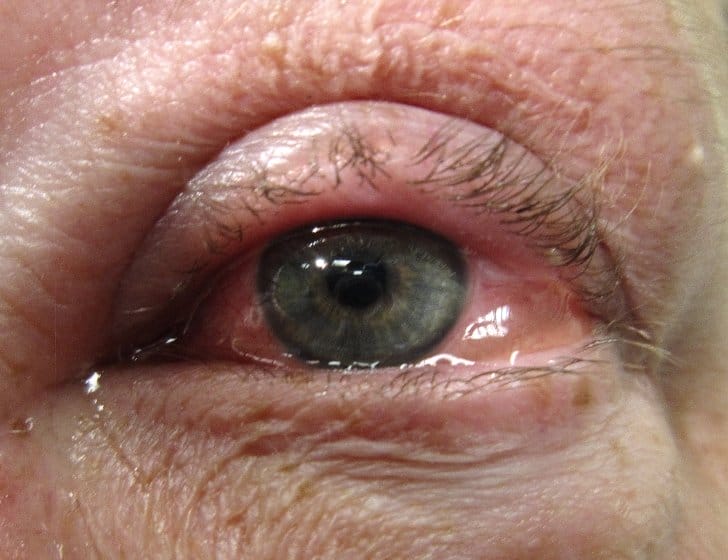
How to avoid re-infection?
It is important to prevent re-infection with conjunctivitis, otherwise the acute form will quickly and imperceptibly turn into a chronic one. It is enough to follow a few simple rules to protect yourself and your eyes:
- Strengthen the immune system;
- Balance your diet, eat more foods containing vitamin A;
- Follow the rules of personal hygiene;
- Get rid of the bad habit of constantly touching your face and eyes with your hands;
- Minimize or completely (if possible) exclude contact with allergens;
- Ventilate rooms in the house;
- Change your bedding regularly;
- During an epidemic, try not to visit crowded places;
- Use boiled water for washing;
- Wash toys with soap.
Use individual toiletries and bedding to avoid spreading the infection to the rest of the family
Physiotherapy methods
In severe cases of the disease, doctors recommend comprehensive treatment, including physiotherapy techniques for the treatment of conjunctivitis. The purpose of such treatment is to stop the suppurative process, to reduce the unpleasant sensation of itching in the eyes and the susceptibility of the mucous membrane of the eyes to external stimuli.
An effective method of treating the inflammatory process is electrophoresis with antibacterial drugs. For this, during the procedure, such well-known drugs as Penicillin, Ceftriaxone and other drugs are used. Thanks to their effect, the active inflammatory process dies out significantly, the patient's condition improves. If the patient experiences severe itching and painful sensations, then lidocaine with dimexide is also added to the drugs. The duration of one procedure is about 15 minutes. Sessions can be done every day, the optimal duration of treatment of conjunctivitis with electrophoresis is three weeks, i.e. 21 procedures.
In order to suppress the allergic reaction, phonophoresis with dexamethasone is performed, which has an anti-allergic effect, reduces capillary permeability, and eliminates puffiness. The duration of phonophoresis for such patients is from five to eight minutes. For an effective result, at least ten procedures must be done.
Correctly flush eyes from outer to inner corner
Conclusion
If the treatment of conjunctivitis in adults is started on time and carried out adequately, the disease cannot be called serious or carries any danger to human health. With the right approach to treatment, all unpleasant symptoms disappear after 3-4 days. But at the same time, treatment should not be interrupted, even after the relief of symptoms, therapy should be continued for at least 3 more days. Patients with conjunctivitis should be aware of their threat to those around them and take all doctor-advised measures to prevent infection of people with whom they have close contact.
Sources used and useful links on the topic: https://kakorel.com/bolezni/zabolevaniya-konyunktivy/konyunktivit/simptomatika-u-vzroslyh.html https://www.spacehealth.com/bolezni-glaz/konyunktiva/konyunktivit/harakternye -simptomy-konyunktivita-ot-chego-on-byvaet / https://gsproekt.ru/zdorove/prichiny-vozniknoveniya-konyunktivita https://med-post.ru/zdorove/kak-bystro-vylechit-konyunktivit https: / /p-87.ru/m/konyunktivit/ https://gsproekt.ru/lechenie/kak-vylechit-konyunktivit-domashnih-usloviyah https://gsproekt.ru/simptomy/kak-raspoznat-konyunktivit http: // glazam .info / konyunktivit-glaz / https://zdorovoeoko.ru/bolezni/kak-lechit-konyunktivit-v-domashnih-usloviyah/ https://doc-doc.net/konyunktivit-lechenie/ https://www.polyclin.ru/articles/konyuktivit/ https://GlazaLik.ru/bolezni-glaz/konyunktivit/chto-takoe-konyunktivit/ https://proglaza.net/lechenie/konyunktivit-u-vzroslyh
Post source: lastici.ru