
House without allergies: what to remove from the apartment so as not to sneeze? Allergens: how to cleanse your home of them?
How to take care of the bedroom?
The bed is one of the favorite spots for dust mites, so it's the easiest place for them to survive and reproduce faster.
Moisture, warmth and small dead skin particles make the skin an ideal environment for the development of the most common allergic reactions.
To reduce the risk of allergies, it is best to sleep on 100% cotton sheets, which should be washed at a high temperature (60 ° C) every week.
Pillows, blankets and bedspreads can be washed every 6 months, but it is best to ventilate and shake them out every day.
It is better to keep pets out of the bedroom, as they are the main carriers of ticks and leave particles of wool in the bedroom, which increases the sensitivity of people to allergens.
How to take care of the kitchen?
It needs special care because, in addition to dust mites, other unpleasant creatures can breed here. The concentration of moisture, heat and food residues is too high here, which contributes to the rapid multiplication of various microorganisms.
To reduce temperature and humidity levels, cover pots with lids while cooking to reduce the amount of steam.
Do not forget to often ventilate the room so that the air there is refreshed and the formation of condensation, which is formed due to the accumulation of various substances, decreases.
After you've washed the dishes, let them dry before storing them in your kitchen cabinet. It is also very important to store food in airtight containers, preferably glass.
Disinfect your chopping surfaces, floors and walls daily to kill bacteria and protect your home from cockroaches and ants.
How to take care of the bathroom?
In the shower, in the bath, and in the toilet, moisture constantly accumulates, which after a few days becomes dirty and turns into an ideal home for germs.
To prevent moisture from spreading to other living areas, keep the bathroom door tightly closed and a rubber mat at the entrance. Wash these rugs regularly as they absorb water and germs quickly build up in them.
Always wipe down all surfaces after use to avoid mold and cockroaches. Instead of chemical detergents, it is better to use natural ingredients such as vinegar and lemon to clean your bathroom.
How to take care of the living room?
Especially a lot of mites and various microorganisms accumulate here, if we do not regularly clean it from dust and other contaminants.
Here are some things to look out for when cleaning your living room:
- Floor type
- Upholstery of sofas and armchairs
- Curtains
- Pets
- Decorations
The floor needs to be washed every day, because it accumulates a huge amount of dust and dirt.
Cotton seat covers should be regularly washed or cleaned with special products.
You can give preference to leather upholstery, such furniture is very easy to clean.
All decorative elements in the room must be dust-free at least three times a week.
It is necessary to wean pets from climbing on furniture and it is better not to let them into living quarters. If you suffer from frequent allergic reactions, it is best to consult your doctor before deciding whether to include a pet in your family.
Jurassic tick
The source of troubles is ordinary house dust, or rather, microscopic mites (saprophytes), which live in large quantities and are one of the main pathogens of the most common household allergies. According to various studies, the number of citizens suffering from it is 45% of the total number of all allergy sufferers combined.
Scientists have learned about the existence of a malicious inhabitant of our apartments relatively recently, although dust mites have been reckoning their very venerable age since the time of the dinosaurs, having multiplied so much since then that they have become an international natural disaster. They are found in house dust in almost every region of the world.
Pests of feather beds and sheets
The uninvited guests of our apartments especially prefer the warm and humid climate. They usually live in damp, poorly ventilated rooms on the first and last floors of block houses, as well as in one-story old houses with stove heating. A favorite habitat for ticks is pillows, featherbeds, blankets, old upholstered furniture, and even soft toys.
But there are practically no mites on the floor, because their main food is absent here – scales of human skin and microscopic fungi (saprophytes are large gourmands) that live in abundance in our neglected apartments that have not been repaired for a long time. Thanks to this abundance, harmful mites begin to multiply literally exponentially.
And again a tear asks …
In this case, the main allergen is transmitted by the saprophyte by no means during a bite (house dust mites themselves do not bite – their mouth apparatus is simply not adapted for this), but is contained in their … feces. A tick alone releases about 15 of these “poisonous” balls a day.
Mixing with house dust, they enter the nasal cavity, causing a whole bunch of unpleasant symptoms in especially vulnerable, sensitive citizens: from a banal runny nose and atopic dermatitis with redness, itchy skin, the formation of itchy non-healing crusts all over the body to asthma attacks. There are times when you can't do without an ambulance.
“The most important thing is the weather at home”
Fortunately, getting rid of dangerous tenants is pretty easy. All in our hands. Experts advise: try changing the “weather” in your own home. Your assistant in this can be a special climate control device that records the humidity and air temperature in the apartment. By observing its readings, you can set the optimal temperature for you and unbearable for the mites.
Remove wall and floor carpets and coverings, as well as books from sight (it is better to hide them in glass shelves). Especially if you have a small child in your home. In this case, in the apartment and especially in the children's room there should be as few things as possible that catch dust. For at least the first three years of life, buy your baby only toys that can be washed and washed regularly.
Behind the ear and into the sun
Try changing your bedding daily or ironing it on both sides with an iron. It is better if mattress toppers, pillow covers and even bedding are made from special fabrics recommended by ecology specialists.
It is better to refuse down, feather blankets and pillows. But synthetic blankets, pillows, mattresses are not at all a guarantee that house dust mites will not start in them, as was previously thought. The only salvation is the daily processing of the favorite habitats of saprophytes with a powerful vacuum cleaner. It's a good idea to put pillows and blankets on the balcony at least once a week. In the summer – in order to thoroughly fry them in the sun, in the winter – to chill them out in the frost (a dust mite is a sensitive creature).
Get lost, mold!
And no buns! For the spring period (season of exacerbations of allergies) this product, as well as cereals, pasta, stale bread, cookies, should be removed from the daily diet for those who are allergic to house dust. You should also not eat foods containing yeast and mold (beer, kvass, champagne, grape wine, apple and grape juice, various cheeses).
Going on vacation, refuse a ticket to the Black Sea coast of the Caucasus: the high humidity of these places and especially the subtropical region (Sochi) are excellent conditions for the manifestation of all types of allergies.
Runny nose and allergens
Your nose periodically stops letting in air, it starts to itch and redden, it runs out of it, do you sneeze? Even if these symptoms are rare, you may be a “companion in illness” to 14-35 percent of Russians suffering from allergic rhinitis (AR). Depending on when the disease makes itself felt and to which allergens the nose is “triggered”, seasonal AR and year-round AR are isolated.
The spectrum of allergens causing AR is relatively large (pollen, pet and pest antigens, mold, and more). Special analyzes help to pinpoint the source of allergy, which are described in detail in our large material on allergies. Although science has now proposed effective means of suppressing allergies, the most effective treatment is to eliminate allergens, that is, avoid them. In this article, we will tell you how to protect yourself from allergies in your home.
Animal in the house
By itself, the hair of cats and dogs is relatively harmless, allergies develop mainly to antigens that are found in their saliva, urine and skin. The shorthaired breed should not be expected to be hypoallergenic. Also, the allocation of a certain living zone in the apartment for a pet will not give results: allergens will find their way to you.
In the case of such an allergy, it is advisable not to have animals, and if they are already in the house, then it may make sense to look for a new good owner for them. Some studies show that if your dog is shampooed twice a week, the number of allergens in the apartment drops dramatically. But how much it alleviates allergies remains a question.
Fish and turtles are practically not the cause of allergies, but it should be borne in mind that fish food can be a convenient refuge for dust mites, which will be discussed below. Many animal allergens can persist in an apartment, in particular in furniture, for many months. Therefore, sometimes it is not possible immediately to feel the effect of the disappearance of the source of allergy.
“Touring” pests
Cockroach excrement, “stray” rats and mice often cause allergic rhinitis and bronchial asthma. They need to be dealt with in all available ways:
- store food and food waste in inaccessible places, keep it clean;
- if possible, there should be no sources of water and moisture available;
- close up all possible cracks, place traps, use poisons;
- if necessary, contact a disinsection and deratization specialist;
- after removing the pests, clean them thoroughly.
Home mold
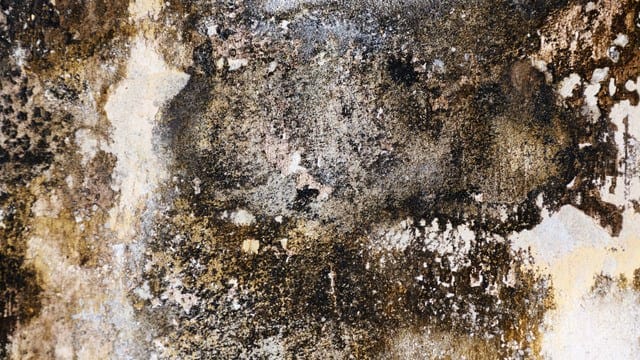
Mold is a colony of fungi, the spores of which have a high allergenic potential. Its presence in the home can lead to the development of rhinitis and bronchial asthma. In the fight against mold, control of indoor humidity is key. Leaking taps and leaking roofs must be repaired, it is advisable to establish exhaust ventilation in the bathroom, rugs must be removed from it, and so on. It is reliably known that with a decrease in humidity, even in a room infected with fungal spores, allergy symptoms are relieved.
Dust and dust mites
The dust itself is not as dangerous as the mites living in it. And ticks are not as dangerous as their discharge. Dust mites or house dust mites live in carpets, pillows, mattresses and feed on human skin flakes. Ways to deal with them:
- Moisture control. Air conditioning and climate control can help. With a drop in humidity below 50%, mites slow down reproduction and may even become inactive.
- Acaricides are chemical preparations against ticks. They can be used to kill mites in carpets and upholstered furniture. They are used in combination with other methods to relieve the symptoms of tick allergy.
- Arrangement of the bed. Choose pillows and blankets filled with artificial fibers, it is necessary to refuse feathers and down. Impervious (anti-mite) mattress toppers and pillowcases help relieve allergy symptoms. Bedspreads should be lint-free and easy to wash, and should be washed regularly.
- Cleaning with a vacuum cleaner with special filters, systematic wet cleaning.
Pollen has no place in the house
Pollen provokes seasonal AR or hay fever. To take action on time, you need to know the flowering schedule of plants to which you are allergic. Here are some tips for avoiding pollen from the NHS and the Russian Allergy Journal During the blooming of “dangerous” plants:
- do not dry your laundry outside;
- keep windows and doors closed;
- if possible, use air conditioners with special filters;
- glasses with tight-fitting frames will help to protect your eyes on the street;
- after returning from the street, you need to change your clothes and take a shower;
- go around parks and fields.
Household dust
The most insidious allergen. After all, there is no exact formula for the composition of dust. If you look at the dust under a microscope, it consists of: dead particles of the epidermis (that is, our own skin), hair scales, dandruff, pollen, mineral components, cellulose particles, chitinous particles of insect shells, pet hair, mold, bacteria and others unpleasant components. It is completely impossible to get rid of household dust, because partially people themselves are its “producers”.
Even if you regularly clean the house, keep literally perfect cleanliness, household dust will be present. It accumulates invisibly in various corners of the house – on shelves, in books, stuffed animals, home textiles, bedding and furniture. It is completely impossible to get rid of household dust, but you can take some measures to combat its habitats.
Dust allergy symptoms are:
- conjunctivitis;
- runny nose;
- itchy skin;
- sneezing;
- rash on the skin and mucous membranes;
- cough (dry, spastic);
- development of eczema.
These symptoms are present in humans all year round, especially in autumn and winter, when a person is forced to spend most of their time indoors and not outdoors.
The most dangerous consequence of allergy to household dust is bronchial asthma, and this disease can be triggered by both the dust itself and other manifestations of allergies (for example, the notorious rhinitis). Therefore, doctors recommend not to ignore a runny nose in the morning, occasional urticaria or lacrimation during cleaning – these phenomena are already a reason to visit an allergist, and at home to observe the following rules for dealing with household dust:
1. Reduce the number of places where dust can accumulate. You will have to change the design of the room a little: remove carpets and carpets, change curtains for blinds, change velor furniture for leather, in a word, minimize fabrics that tend to retain and accumulate dust on their surface. It is also worth taking care of the storage methods for books and soft toys – they, as well as clothes, should be put away in closets.
2. Think about what you sleep on. It is better to replace the usual mattress – a lot of dust has probably already accumulated in it, so it would be advisable to purchase one that can be easily cleaned by a non-chemical method. On the new mattress, you need to put on a cover that completely covers it. This will extend its life. But even the most expensive and comfortable mattress needs to be changed every 8-10 years.
If you still sleep on down and feather pillows, replace them with synthetic-filled products. And change every 2-3 years.
When choosing a blanket, preference should be given to products made from easily washable lint-free fabrics. It is advisable to wash bedding twice a week, using special products that can destroy dust mites.
3. Carry out a daily wet cleaning of the house: dust, wash the floors.
4. Take care of additional purification and humidification of indoor air – install air purifiers, ionizers, air conditioners with a humidification system. And change your filters regularly, because mold can form on them – another dangerous enemy of our immune system.
Household chemicals
Those household chemicals with which we come in contact on a daily basis can cause allergies. The fact is that detergents for washing dishes, tiles, plumbing and floors contain chemical components, and each of them can become a powerful irritant. So read the composition carefully.
Most often, this allergy manifests itself in:
- formaldehyde (found in mold killing agents);
- nitrobenzene (used to prepare floor and furniture polish);
- phosphates (found in almost all washing powders and detergents);
- dyes / fragrances / fragrances (included in each household chemical).
- Allergens found in household chemicals can affect the body in different ways:
- through the skin (if a person does not work with household chemicals with gloves);
- through the respiratory tract (since small particles of allergens tend to evaporate from surfaces);
- and even by contact with bed linen and clothes that have not been rinsed sufficiently after washing.
There are many symptoms of an allergy to household chemicals.
- itching and redness of the skin;
- frequent sneezing and profuse lacrimation;
- nasal congestion;
- dry cough;
- headache;
- drowsiness.
A recurrence of these unpleasant conditions should be the reason for visiting an allergist. Only a specialist can determine the exact cause of the allergy.
The recommendations of specialists to prevent the development of allergies to household chemicals are as follows:
1. Give preference to hypoallergenic products. They are free of phosphates, chlorine, dyes, parabens and fragrances.
2. When cleaning the house and washing the dishes, use a protective cream and wear rubber gloves.
2. For cleaning it is better to use natural, “grandmother's” means: mustard, baking soda, vinegar, salt, ammonia and lemon juice.
4. Thoroughly ventilate the area after cleaning.
5. Do not wash by hand – leave it to the washing machine and always set the Extra Rinse mode.
6. By the way, about washing powder: it is better to give preference to liquid products, including cleaning agents.
For drug treatment of allergy to household chemicals, doctors usually prescribe creams / ointments based on corticosteroid drugs, antihistamines, symptomatic agents.
paints and varnishes
Everyone knows that low-quality paints and varnishes contain a lot of potential allergens. But it can be provoked not only by construction or finishing materials, but also by printing, textile, cosmetic paints.
In this case, the allergy will manifest itself with the following symptoms:
- rashes, peeling, itching and redness on the skin;
- sore throat and cough;
- nausea;
- cramps in the eyes and profuse lacrimation;
- dizziness;
- suffocation.
- With a severe course of allergy to paints and varnishes, it is possible to develop bronchial asthma, seizures, eczema and anaphylactic shock.
Quite often, allergies are triggered by cosmetic hair dyes or decorative nail polish. Also, materials and compositions for the repair of premises are dangerous.
To minimize the risks of developing these reactions, it is worth following the recommendations of specialists:
1. Any art and painting work should be carried out only in well-ventilated areas.
2. Use gloves when working with any paints and varnishes.
3 .Rabotat special-mask respirator.
4. Before using cosmetic dyes (for example, hair dyes), it is imperative to carry out a test on a small area of the skin, usually the skin of the wrist.
5. If possible, refuse to work with materials that can provoke a strong allergic reaction, it is advisable to replace them with hypoallergenic ones (for example, water-based varnishes and paints are much safer than acetone-containing ones).
Houseplants
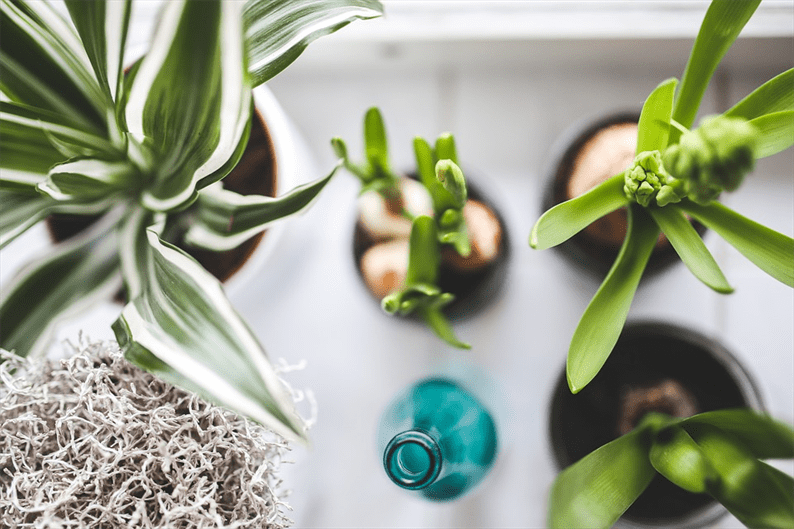
Indoor plants, like any living organism, breathe and release various substances into the air – they can provoke a strong allergic reaction. Also, dust or mold can accumulate on the leaves of indoor plants, which is the reason for an inadequate reaction of the body.
Neighborhood with houseplants can lead to the following symptoms:
- difficulty breathing;
- runny nose and sneezing;
- dry cough.
Most often, allergies are caused by plants that release essential oils into the air.
These include geranium, pelargonium, hydrangea, ferns, indoor maple, cyclamen, dracaena, primrose and many others. Plant pollen is also very insidious. To get rid of allergies, you need to get rid of the source of the irritant and undergo treatment with antihistamines prescribed by an allergist.
Experts recommend following some rules:
1. Carefully select plants for your home, excluding those that are likely to cause allergies.
2. Do not place plants in the bedroom (the same applies to flower vases).
3. Once a week, remove dust from the leaves of plants – wipe the leaves with a damp cloth or give the plant a “shower.
4 .Opryskivanie and plant fertilizer spend on the street or on the balcony.
5. Try not to inhale pollen.
Latex
Latex is found in a large number of objects that surround a person – toys, rugs, chewing gum, gloves, hosiery, condoms, clothespins, kitchen utensils and many others. Latex can cause quite severe allergies, which will manifest with the following symptoms:
- difficulty breathing;
- itching and swelling of the skin;
- nasal congestion;
- redness and itching of the eyes.
- In severe cases: rapid heartbeat or a sharp slowdown in the pulse;
- severe swelling of the tongue, lips, face, neck and / or genitals;
- a sharp decrease in blood pressure;
- fainting, blue lips;
- apathy or, conversely, excessive nervous excitability.
Allergy to latex can occur immediately after contact with the product, or after a few hours. It is noteworthy that food allergies are also found in people with latex allergies: to cherries, potatoes, bananas, kiwi, peaches, avocados, nuts.
The fact is that both latex and the listed foods contain the same protein – it is he who provokes allergies.
To eliminate allergy to latex, you just need to prevent any contact with latex products.
Antihistamines and symptomatic agents can restore the body in case of symptoms of developing allergies.
Allergens in our home are hidden everywhere and everywhere. You can try to exclude them from everyday life, you can endlessly put things in order and abandon the use of chemicals. But what about the outside world? On the street, dust, flowering plants, painted objects, car exhausts await us … Here doctors-allergists will come to the rescue – they will not only find out exactly which irritant has a negative effect on the body, but will also prescribe an effective treatment
Household Allergen Protection Measures
Since allergens are in the air and enter our body through the respiratory system, it is logical to assume that the main measure to protect against allergens in the house is to install an air purifier.
This is certainly true, but – with one exception: there is a group of very common allergens that are quite “large” (20-40 microns in size) and fly through the air rather “badly”. These are the waste products of the house dust mite, the main habitat of which is our bedding. Of course, if they reach the purifier, they will remain there (or be destroyed). But when they still reach the purifier, and a few centimeters to the respiratory organs from the pillow.
Dust mite. When fighting this handsome man, an air purifier will not help.
Therefore, the second group of measures to protect against allergens in everyday life is protection from allergens in bed.
This second group is divided into three types of activities:
- replacing the bedding with hypoallergenic ones;
- protection of pillows, blankets and mattresses with special anti-allergenic protective covers;
- anti-allergenic (including anti-mite) treatment of bedding.
Necessary measures to protect against allergens:
- air purifier installation
- protection against allergens in bed
Recommendations for choosing an air purifier for allergy sufferers
Let us dwell in more detail on the features of air purification from allergens – the main event for organizing a hypoallergenic environment in everyday life.
If you go to a home appliance store or supermarket, then, with a high probability, you will find several models of air purifiers there. But you will hardly think that different types of purifiers (air purification methods) are designed to solve different problems :
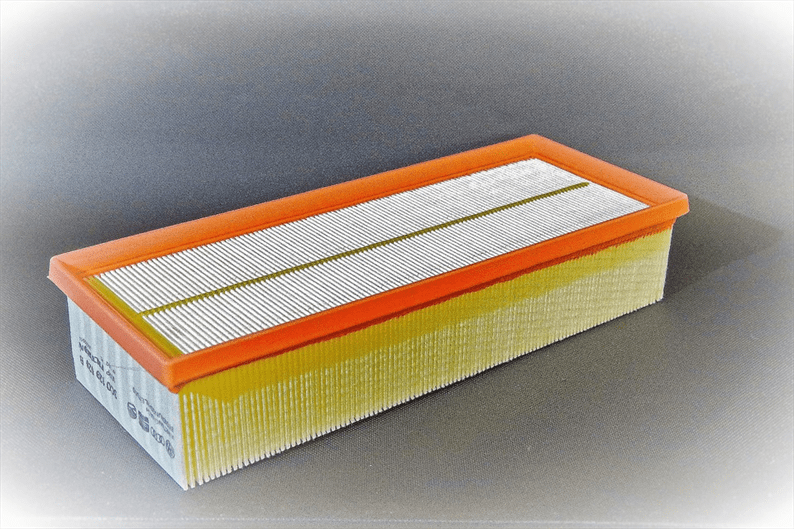
You can study in detail the principles of operation and purpose of the listed filters
in a separate large article.
| Pollution type | Filter types |
|---|---|
| allergens |
organic microparticles of various origins, completely material, solid particles;
| thermodynamic
filters destroy (burn safely at a temperature of about 200 ° C) all organic particles;
HEPA
They literally filter (retain, do not destroy) particles larger than one size or another;
|
| bacteria and viruses
“Living” objects;
| thermodynamic
photocatalytic
destroy pollution in the course of a chemical reaction, destroy the structure of microscopic organisms, bacteria and viruses;
|
| smells
gaseous pollution, the substance in them is in the form of separate molecules;
| photocatalytic |
| mold
the familiar musty smell caused by the presence of mold spores in the air;
| thermodynamic |
| tobacco smoke
consists of both solid particles of more or less safe ash and resin particles, which form a yellow coating;
| electrostatic
based on the phenomenon of mutual attraction of oppositely charged electric particles;
|
How to choose the right air purifier for allergy sufferers
Of course, you need to start with the main task. If the device is chosen for allergy sufferers or asthmatics, to prevent the development of allergies, then a thermodynamic or HEPA filter must be present in the device.
In addition, it is advisable to protect yourself from viruses and bacteria. For this, either the same thermodynamic or photocatalytic filters are suitable. Using a thermodynamic filter at home will significantly reduce the frequency of viral and respiratory diseases, including influenza.
Mold, or rather, its microscopic spores, is one of the most dangerous allergens, the cause of not only allergic reactions, but also many extremely dangerous diseases. For allergy sufferers, with their weakened immune systems, with their respiratory problems, even the smell of mold is extremely dangerous and can provoke an attack. For this reason, it is advisable to choose a device with a filter that provides protection against mold too (namely, thermodynamic ).
As for tobacco smoke, the fight against it for an allergy sufferer is a purely theoretical task. An allergic person should not date him at all. For allergy sufferers, smoking is absolutely unacceptable, including “passive”, it is highly undesirable to be in smoky rooms, contact with the clothes of smokers. Either way, electrostatic filters will help you fight tobacco smoke.
Removing unpleasant odors is rarely so important. And, in any case, it is not in the first place in the fight against allergies. So, carbon (adsorption) filters are hardly necessary for allergy sufferers.
Air washers
You've probably noticed that when listing the types of pollution and methods of air purification, water filters are not mentioned anywhere? There is a reason for this. Firstly, air washers are currently actively advertised and widely offered, so we are still writing about them. Secondly, objectively, in terms of the quality of air purification from all of the above contaminants, they are rather ineffective.
Therefore, we have devoted a separate section to this method of air purification.
The essence of the method is that air is driven by a fan past some humidified structural elements. Dust in the air sticks to them and is washed off into the water. At the same time, the air is humidified, since water constantly evaporates from the wet discs blown by the air.
But this is theoretically. In practice, allergens are not wetted with water. And these particles, even touching the wet disk, will bounce off it and fly further! So, neither for allergens, nor for the tar of tobacco smoke, air washes are not particularly effective.
The bacteria will just fly past these wet discs. And it's not a fact that, once in a humid environment, they will not begin to actively reproduce there.
Regarding unpleasant odors, there is also nothing positive to say about the effectiveness of air washes. Not all gases dissolve in water.
Mold – all of the above. In addition, a humid environment only contributes to its spread.
But what does the air of the air wash “wash” from? From coarse wetted dust, which is not particularly harmful to humans, because unable to penetrate into the distant parts of the lungs and is excreted from the body naturally. In addition, air washers will not be able to affect the amount of visible dust accumulating on the closet or under the bed – their performance is not so high.
Symptoms to watch out for
Allergies are unpredictable and can remind of themselves at any time of the year. In spring or summer, a sudden attack of sneezing is easier to blame on pollen, but dust mites and cockroaches do not care whether April is now or October.
Allergic reactions can manifest themselves in different ways, but there are symptoms that are most common:
- Nose clogged or flowing out of it for no apparent reason.
- The eyes are red, itchy and watery.
- The person constantly sneezes or coughs.
- A tingling sensation appears in the throat.
- Shortness of breath worries.
- Redness occurs on the skin, accompanied by itching and flaking.
Sometimes it is difficult to distinguish an allergy from an acute respiratory viral infection, so it is better to do without self-activity and not diagnose yourself on the Internet. If you suspect that viruses are not to blame for a persistent runny nose, contact your physician and take a blood test for total immunoglobulin E. Perhaps, with the result of this test, you will be sent to an allergist – you will need to undergo additional tests to determine the allergen.
Keep it clean
Wipe off dust with a damp cloth, and once or twice a week, vacuum or vacuum the floor – ideally with a HEPA filter. Wear a mask when cleaning to avoid inhaling irritating particles. It is better to refuse from household chemicals with fragrances in favor of products without bright fragrances.
The optimum temperature in the apartment is from 20 to 22 ° C, and the air humidity should not exceed 50%. If you are ventilating, hang a damp gauze curtain on the window or balcony door to trap at least some of the pollen.
Keep pets out of the bedroom
And if you live in a one-room apartment, then at least don't let them jump on the bed. You need to wash the animal after each walk – a dog or cat can drag pollen from the street on the coat.
Cleaning the tray should be entrusted to a household without allergies, but if this is not possible, wear a mask, and when finished, wash your hands thoroughly. By the way, it is worth washing your hands every time you cuddle a cat or scratch a dog.
Change your bed linen in time
This should be done at least once a week, and sheets, duvet covers and pillowcases should be washed at 60 ° C. Dry the laundry in the room, not on the open balcony, otherwise it will collect pollen on itself. And don't forget about decorative pillows and stuffed toys – they should also be washed regularly.
Replace feather pillows and woolen blankets with synthetic fill. And to make life as difficult as possible for ticks, you can buy a protective mattress cover.
Get rid of the trash
The fewer dust collectors in the house, the less risk of allergies. It is better to get rid of carpets right away – even a vacuum cleaner is not always capable of collecting all the dust from a long pile, and if you clean the carpet with a damp sponge, there will be expanse for mold. Remove books and decor such as figurines and caskets from open shelves and into a closet. Curtains and bedspreads are great at collecting dust, so wash or vacuum them regularly.
Sources used and useful links on the topic: https://budetezdorovy.ru/health/allergeny-kak-ochistit-ot-nix-svoj-dom https://aif.ru/health/life/11291 https: // MedPortal. ru / enc / allergology / allergy / home-allergen / https://formulazdorovya.com/1071612668783888944/top-7-allergenov-v-nashem-dome-i-sposoby-borby-s-nimi/ https: // www. allergoexpert.ru/blog/ochistka-vozduha-ot-allergenov.php https://Lifehacker.ru/allergiya-v-kvartire/
Post source: lastici.ru