
Cryosauna – indications and contraindications
Having long dealt with low temperatures, people have adapted to them. Moreover, they are now widely used for good. One of the modern developments based on such experience is cryotherapy.
Cold is a stress stimulus that causes biochemical reactions in the body. Such reactions lead to the release of hormones and adrenaline, which, with prolonged exposure, has a negative effect on the body's systems. But with short-term exposure, stressful stimuli concentrate adaptive resources and forces hidden in the body. Cryosauna is a supplier of just such beneficial stress effects for the human body.
What is a cryosauna
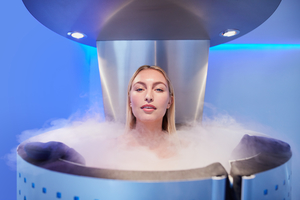
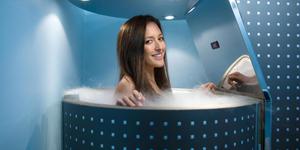
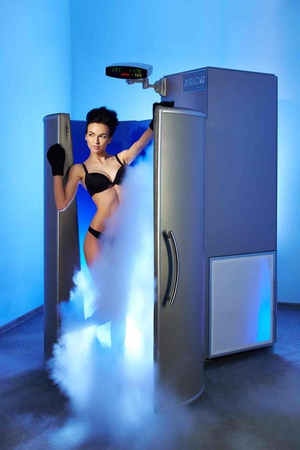
Outwardly, it looks like a small barrel or chamber, reminiscent of a vertical solarium or bath. It is based on the use of air and liquid nitrogen, and the temperature in it usually ranges from -110 to -180 degrees Celsius. While in the cryosauna, the visitor's skin cools down to zero in 10 seconds, and then heats up again to 36 degrees. This happens due to increased blood circulation. In height, the chamber is usually up to the neck so that the head is on the surface, since inhalation of nitrogen vapors is not recommended (and given that nitrogen spreads along the bottom, its inhalation is difficult).
Precautionary measures
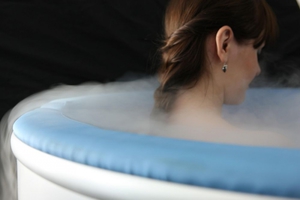
Freezing of tissues in humans does not occur due to the fact that the time of a session in a cryosauna takes no more than five minutes, and often only about two. At the same time, the duration of stay in it increases gradually – starting from 30 seconds on the first visit and bringing the time to several minutes no earlier than 10-15 procedures. But it is important to be careful with the limbs and respiratory tract – in order to prevent hypothermia, it is necessary to protect the face with a tight bandage and wear gloves with socks. A specialist is present during the whole procedure.
The mechanism of triggering the therapeutic effect
The basis of the positive effect of cryosauna is that when you are inside it, the forces of the body are mobilized – they respond to the signal given to the brain by skin receptors. The fact is that there are many more cold receptors in the human body than heat receptors. This explains why low temperatures have a much deeper and stronger effect on organs and all human systems.
Under the influence of such temperatures, blood actively rushes to all organs, the nervous system is stimulated, the pain threshold decreases and the production of protective antibodies increases. In a cryosauna, the body is subjected to a shock comparable to diving into an ice hole.
Cryosauna – indications and contraindications
Before visiting the cryosauna, you need to give a sober assessment of your body. There are factors under which this procedure should be abandoned, as well as indications for her visit.
Indications for use
The procedure has a wide impact. It strengthens the immune system, increases endurance, has a rejuvenating effect on the entire body and improves metabolism. Due to the increased blood circulation, the skin is nourished, which makes it elastic. Cryosauna tones the whole body. There are also special indications for which its visit is recommended:
-
problems of the nervous system, including overwork, insomnia, nervous tension, stress, chronic fatigue syndrome;
-
skin defects – dermatitis, acne, eczema, psoriasis, acne, neurodermatitis, urticaria, oily seborrhea;
-
skin problems due to age (wrinkles);
-
colitis, pancreatitis, peptic ulcer and other diseases of the digestive system;
-
weakened immunity;
-
prevention of bronchopulmonary diseases;
-
prevention of vascular diseases;
-
potency disorders in men;
-
reproductive problems in women;
-
disorders of the musculoskeletal system (arthritis, osteochondrosis, rheumatism, intervertebral hernia);
-
excess weight;
-
flabbiness of the skin of the hands, abdomen, thighs.
It is important to understand that cryosauna sessions should not exclude the main therapy – it can only supplement it.
Why you should stop visiting
Being healthy, it is difficult to catch a cold in the cryosauna. This is due to the fact that it does not use cold water, but dry air. Its frosty effect is superficial and in the short time that a person spends in a cryosauna, it is not able to chill the internal organs. However, there are a number of contraindications in which this procedure carries risks and is contraindicated, namely:
-
![Cryosauna - indications and contraindications]()
any inflammatory processes in the internal organs;
-
acute forms of colds and infectious diseases;
-
malignant neoplasms;
-
fear of closed spaces;
-
mental disorders and problems of the nervous system;
-
hypertension;
-
chronic diseases of the cardiovascular system;
-
blood disorders;
-
tendency to thrombosis;
-
diabetes;
-
colds;
-
cold allergy;
-
high body temperature.
Before starting the procedures, you should consult with a general practitioner. Blood and urine tests are taken, and a cardiogram is also done. Provided there are no contraindications, the doctor will recommend the duration of the procedures, their number and some nuances.
Post source: salon.kr.ua