
Brown fat in the body: an underrated gift from ancestors. Brown Fat Provides Calorie Burning in the Body

Sleeping in the snow: brown fat is the body's natural thermoregulator
In human organisms, as in many animal species with which they are directly related evolutionarily, there are usually two types of fatty layers: white and brown. Visceral and subcutaneous fat are white. This is exactly what is deposited on the sides, abdomen and thighs with ugly folds with improper diet, a sedentary lifestyle and scanty physical activity.
White fat is quite energy-intensive, since it is to restore energy forces that the body produces its reserves. However, this indicator cannot be compared with brown, because it is able to allocate at least five to seven times more kilocalories due to the regulation of heat exchange. Thanks to him, we are able to keep warm in the cold.
Where does it come from and what is it for
Unlike white, which stores energy in the form of difficult-to-break down ATP (adenosine triphosphoric acid) molecules, brown fat cells have a slightly different structure. They contain a lot more mitochondria, which are exactly involved in breaking the link between fat oxidation and ATP production. Therefore, when its molecules are split, the body eventually receives heat in its pure form. In fact, it is this formation in the body that can be called the best natural assistant in losing weight and burning excess calories.
Previously, scientists believed that brown fat is only found in babies whose bodies are not adapted to independent adequate thermoregulation. Due to its reserves located in the neck, shoulders, back, lower back, collarbone. In adulthood, its signs were found only in those animals that hibernate for the winter or rodents. In 2008-2009, a number of experiments were carried out that proved the thermoregulatory role of tissue respiration of brown fat, which showed its presence even in adults.
According to statistics published since then, not everyone has significant deposits of this substance. Only about 8% of women and 3% of men have sufficient reserves so that the metabolic activity of brown fat under the influence of cold affects the burning of the usual white lipid layer. This led to the fact that scientists are more actively involved in the problem, because these processes may be key in the prevention of excess weight and the development of diabetes.
Characteristic features of brown fat
Researchers believed that as they grow in the human body, brown adipose tissue cells are gradually converted to white fat. In terms of functionality and structure, they supposedly repeat all of its properties or completely disappear. As it turned out, adults, although not all to the same extent, also have reserves of brown fat.
However, it has one characteristic feature. It becomes active only under certain conditions – at a sufficiently low ambient temperature or under the influence of certain hormones and enzymes. When the temperature rises or the person warms up, the process immediately “turns off”. Based on this, scientists are conducting numerous experiments aimed at trying to convert white fat to brown, triggering the natural processes of weight loss.
What functions does
The main purpose of brown fat is to convert calories consumed into heat energy. Brown tissue in the body has a heating function. The stored fat is melted by the cellular constituents of the UCP1 protein, which converts fatty acids into heat.
At the initial stage of the process, triglycerides are consumed directly from brown fat, and when they are deficient, the consumption of white fat lipids is started. This is how weight loss begins.
Scientists have proven that both types of fat are able to convert into each other. When the balance shifts towards brown fat deposits, energy resources are spent more intensively, under the influence of which a person's body weight decreases.
Active brown fat consumes up to 300 watts per 1 kg of body weight in adults (or 21 kW per 70 kg of body weight).
It is assumed that the full activation of all brown fat cells in the body under the condition of constant hypothermia will lead to the burning of 9 to 20 kg of fat per year. The indicator of the level of brown tissue in some lucky people reaches 50 g, which allows you to get rid of 500 Kcal per day without investing much effort.
Brown fat reduces the concentration of sugar in the blood, which means that brown adipose tissue helps fight obesity and prevents diabetes.
How to activate brown fat
In order to use brown fat in the fight against excess weight, it is recommended to increase its quantitative indicator, improve the intensity of functioning, or combine both methods.
Scientists are faced with the task of creating brown adipose tissue in the laboratory, after which the material is subject to implantation into the human body. The question is relevant for women and men after 40 years, since at this age there is a natural decrease in the level of brown fat in the body.
Physical exercises
Regular exercise increases the rate at which brown fat cells are formed. Exercise releases the hormone meteorin, which causes white fat to darken. As the production of meteorin increases, weight loss and glucose absorption are improved.
Muscle load provokes an increase in the synthesis in the muscles of the transcription factor PGC-1a, which transforms white fat cells into brown adipocytes.
Why is brown fat so useful in the body?
Do you want to always be slim, fit and healthy? Then it will be useful for you to learn about the functions of different types of adipose tissue. Let's immediately reveal the main secret: it is important to reduce the volume of visceral and subcutaneous fat, and on the other hand, to increase the volume of brown fat (for brevity, we will mark it with the abbreviation BZ).
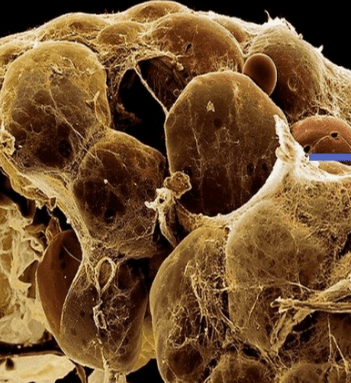
Brown fat and its meaning
What is the task of BZ in our body? He is “responsible” for thermogenesis (the production of heat, which is possible in the process of burning fat). Overweight people have a small amount of BF in their bodies (when compared with white fat).
BZ cells have a rare property – they include a large number of mitochondria (organelles that provide the accumulation of cellular energy). In the cellular mitochondria of BZ, there is a protein called UCP1, which instantly transforms fatty acids into heat energy.
So, BZ makes it possible to burn fat. When it is activated, there is a transport of fatty acids from white fat to the tissue of the BF. White fat is localized under the skin, in the omentum, capsules of our organs. BZ, on the contrary, does not store energy, but burns it in a significant amount, while giving heat.
Physical activity is an important factor in increasing the amount of brown fat
Today, it is known that during physical activity, a type of fat cells are transformed from metabolically inactive (which is white fat) to brown fat, which burns energy.
It will probably be superfluous to repeat about the benefits of various physical activities, but another thing is the biochemical mechanisms that work due to such activity.
- Firstly, athletes have a toned body and denser bone tissue.
- Secondly, exercise makes it possible to protect yourself from excess weight, metabolic diseases (which include type 2 diabetes), cardiovascular pathologies and strokes.
During physical activity, various hormones are synthesized. For example, irisin, which provides control in the breakdown of fat. Simply put, irisin is a real fat burner.
Even a simple morning exercise triggers the effect of irisin. But the maximum effect is shown by high-intensity interval training (slow weight lifting). What is the recommended training frequency? It is enough to practice 2 times in 7 days.
Let's summarize the consoling result: BZ makes it possible to burn a maximum of calories, and does not accumulate them in the waist and hips.
But that's not all. BZ has a positive effect on other aspects of metabolism. It's about insulin resistance and glucose tolerance. This can prevent the onset and development of obesity, type 2 diabetes, and heart and vascular disease.
Cold exposure
Cold acts irritatingly on the skin thermoreceptors, activates the transport of adrenaline and norepinephrine into the BF cells and serves as a stimulus for the transformation of fat into heat.
The most popular practices are body hardening. If you are not a fan of extreme cold, then you can use a simple advice: ensure that the air temperature in your bedroom is no higher than 19–20 ° C. This also contributes to an increase in the volume of BZ in the body.
Video: Muscle vs Fat
Thermal diet – weight loss with the help of cold
A decrease in body temperature makes brown fat more active, replacing white fat more intensively and generating heat to restore balance. This property is used to build brown subcutaneous fat, which can help fight excess weight. The metabolism is accelerated due to the cold, excess stores are burned.
- Douches or baths with cool water.
- Drink with a few ice cubes.
- Reducing layers of clothing – replacing a sweater with a scarf, and so on.
- Keeping the room cool (16 degrees) during a night's sleep.
- Air baths.
Perform procedures to cool the body gradually, otherwise, instead of losing weight, catch a cold. Receptors that tell the brain about a decrease in ambient temperature function on the surface of the skin. Overcooling of the core of the body is dangerous.
Directions in Fighting Obesity with Brown Fat
- Fight obesity with irisin injections into the blood. Overweight mice were injected with this hormone, the layer of white fat was intensively converted into brown without changes in diet and physical activity, and blood sugar levels decreased.
- Transplantation of brown fat from the back of mice into the abdominal cavity (in the area of the liver) to other animals of this species. White body fat decreased, glucose levels returned to normal. Brown fat cells burned lipids.
Attempts to create a miracle drug for people based on irisin have not yet yielded tangible results. Human brown fat has a different composition than that of mouse fat; under the influence of the hormone, individual cells of “harmful” fat are replaced with “useful” ones. The violent acceleration of metabolism is a gross interference with the work of the body, side effects overlap the benefits. Irisin injections and brown fat transplantation as ways to combat obesity are a topic for further research and experimentation.
Brown fat is a natural aid in the fight against obesity. Increasing and activating this type of subcutaneous tissue through a thermal diet, exercise, normalization of sleep is a natural way to keep weight in the norm. Proper nutrition and a healthy lifestyle will enhance and consolidate the results.
The role of brown adipose tissue in the human body [edit | edit code]
In humans, brown adipose tissue is well developed only in newborns (approximately 5% of body weight) and is located in the neck, kidneys, along the upper back, on the shoulders. Also in infants, brown adipose tissue is often found mixed with white adipose tissue. For newborns, brown adipose tissue is very important, as it helps to avoid hypothermia, which is a common cause of death in premature newborns. Because of their brown adipose tissue, babies are less susceptible to cold than adults.
Previously, it was believed that in humans, over time, the mitochondria of brown adipose cells disappear, and these cells become similar in function and structure to the cells of white adipose tissue. But it turned out that adults also have it and is located in the same place as newborns, but in much smaller quantities. It also turned out that brown adipose tissue is not active all the time, but only at low ambient temperatures. When the ambient temperature rises, it stops working actively.
Recent studies have shown that exercise triggers the release of the previously unknown hormone irisin, which causes white fat to turn brown and prevents obesity. In addition, the length of daylight affects the breakdown of white fat into brown fat.
White fat
This is exactly the kind that people think of first when they talk about fat. In another way, white fat is called white adipocytes – the cells that mainly consist of adipose tissue. White fat is actually white (or slightly yellowish) due to the low density of mitochondria (constant components of the cell, the source of energy for cells) and a small number of blood vessels.
The main functions of white fat are to store energy (it is generally the largest source of energy in the body) and to produce hormones. For example the hormone adiponectin. It makes the liver and muscles sensitive to insulin, which means it reduces the risk of diabetes and heart disease. If a person gains weight, the production of adiponectin slows down or stops altogether – this can provoke the development of diseases. Fat also produces the hormone leptin, which regulates appetite and hunger. But this does not mean that the more white fat in the body, the better. Too much of it leads to leptin resistance. Bottom line: constant hunger and excess weight.
It is normal if a man's body is 15-25% fat and a woman's 15-30%. If the number exceeds the maximum, this indicates obesity – it is necessary to reconsider nutrition and think about training.
Brown fat
The complete opposite of white fat – brown fat does not store energy, but helps to spend it. This type of fat owes its properties and color to its close connection with mitochondria. Some scientists tend to attribute brown fat more to muscle than to fat itself. If you activate this fat, it will start to burn white.
Scientists have found that lean people have more brown fat than overweight people. Although there is little brown fat in the human body. For example, a person weighing 68 kilograms has 20-30 kilograms of fat. But only 500-800 grams of them are brown fat. And even that amount can burn 300 to 500 calories per day – enough to regularly lose 450 grams of weight per week.
Scientists are working on a drug that would activate brown fat (the tool will help in the fight against obesity), but they still urge not to consider it a panacea and not forget about sports and proper nutrition.
Beige fat
In the course of research, scientists have found that beige fat is a unique type of cell. They believe that white fat can convert to beige, which means it can help you lose weight. Animal studies show that catecholamines – hormones released during stress and colds – help in the transition from white fat to beige. Another way to turn white fat into beige is to exercise regularly. During physical activity, muscles secrete special proteins that trigger this process.
Subcutaneous fat
Subcutaneous fat is the layer of fat just under the skin of a person and makes up 90% of all fat in the body. Many sports and health centers can measure the amount of this type of fat. To reduce its level will help long ago invented ways – reducing fast carbohydrates and “empty” calories and regular high-intensity exercise.
Visceral fat
The most dangerous type of fat for health. Visceral fat is white fat that is found in the abdominal cavity around the organs, liver, pancreas, heart, and intestines. The researchers found that visceral fat secretes retinol-binding protein 4, which increases insulin resistance. This, in turn, leads to glucose intolerance and type 2 diabetes.
A large amount of visceral fat in the body is associated with the development of breast cancer, colorectal cancer, heart disease, and dementia. It is not fully understood how dementia is associated with fat. Perhaps it's the hormone leptin – produced by white fat – and its negative effects on the brain. So says Rachel Whitmer, Ph.D., a research associate in the research department at The Kaiser Permanente in Oakland, California – she was the one who identified the link between the presence of visceral fat and the development of dementia in a study that analyzed data from more than 6,500 people.
To estimate the amount of visceral fat in the body, you need to determine the ratio of the waist to the hips. Measure your waist and hips at the widest point. Then divide your waist measurement by your hip measurement. If the number is greater than 1.0 for men and 0.85 for women, then the fat level is too high.
Nutritionists recommend increasing the amount of unrefined foods, protein, unsaturated fatty acids, whole grains and fiber in the diet – their practice shows that this will help to significantly reduce the level of visceral fat. It is also important to sleep 7-9 hours a day and exercise. A 2015 study says that an effective way to combat belly fat is to do cardio regularly.
Brown fat in newborns
In newborns, about 5% of their body weight is brown adipose tissue. It is mainly localized in the upper back towards the shoulders. Brown fat helps the child to produce heat and is activated if more is needed, protecting the little person from hypothermia. This is especially important for premature babies. If an adult has a large body surface area, significant muscle mass, a smaller proportional head surface area and a developed nervous system that allows him to “shiver” from the cold, thereby contracting muscles and blood vessels, then it is the high level of brown fat that protects newborns from hypothermia.
When “bad” fat turns out to be “good”
Severe illnesses often cause extreme exhaustion in patients, and only an increase in the amount of white fat in the body – the same fat that accumulates during obesity – can save from this.
Why stress makes you fat
Stress slows down the processing of fat in the body and triggers a number of other metabolic changes that can lead to obesity and related illness.
Brown fat – how it works
Brown fat cells have an exceptional feature – they contain a lot of mitochondria (organelles responsible for the accumulation of energy in the cell). Because of them, he is, in fact, “brown”. In the mitochondria of brown fat cells, there is a special uncoupling protein UCP1, which instantly converts fatty acids into heat, bypassing the ATP synthesis phase .
Lipids (triglycerides) contained in adipose tissue are a store of material from which energy (ATP) can be obtained.
When a lot of energy is needed (for example, to keep warm), fats undergo lipolysis, resulting in fatty acids.
UCP1 in brown fat cells convert fatty acids into heat, thereby melting fat stores. First, triglycerides are consumed in the brown fat itself, and when they are running out, lipid stores begin to melt in the hated white fat surrounding the brown fat cells.
We are not babies or bears, but, nevertheless, we also have brown fat. And although its concentration in the body of an adult is not more than 2% of the body weight, even this amount of brown fat is enough to spend about 21 kW of energy after its activation with a weight of 70 kg, doing absolutely nothing for this! With inactive brown tissue, the same person will only spend 1 kW of energy. That is, by activating the brown tissue, we will burn 20 times more excess fat, just lying on the couch!
There remains a trifle – to activate this very brown fat so that it works for us. Doctors have not yet come up with a pill. They are pulling something. But let's remember where we started – with bears. They somehow activate this amazing mechanism without pills, allowing them to lose weight without torturing themselves in gyms. Although it is easier for bears. They have this stuff, in the sense of brown fat, in bulk. And they only need two components – low temperatures and not to eat carbohydrates, so as not to increase the level of insulin in the blood.
The human system is more inert. To start the process, he needs some more physical activity and go to bed on time, because artificial lighting prevents him from losing weight with a buzz.
Hardening or lowering the ambient temperature.
The most important stimulant for the activation of brown fat is a decrease in the ambient temperature (hardening). Our bodies are designed so that we do not store fat when free heat is needed to survive.
As recent studies have shown, for these purposes, it is sufficient to reduce the room temperature by a few degrees from normal. Also, it is quite possible that brisk walking in the winter season can be useful here. The study found that the number of calorie-burning brown adipose tissue cells increased with decreasing ambient temperature. In people with a higher brown fat content, cold activation improves energy metabolism.
A study carried out on 5 volunteers showed that when the temperature in the bedroom drops to 19 ° C, the amount of brown fat and its activity in burning calories increase by 30-40%. An increase in temperature to 26 ° C led to the opposite result. Staying at night in a cool room (at 16 ° C), which will not only increase the amount of brown fat, but also normalize sleep, which, in turn, will help to cope with the problem of excess weight.
In another Japanese study of 12 people, young people with low brown fat were asked to spend 2 hours a day in a room with a temperature of about 17C for 6 weeks. At the beginning of this 6-week study, young people at 17C burned an average of about 108 additional calories (compared to the number of kilocalories burned at normal ambient temperatures), and at the end of the study, about 289 additional calories were burned. Please note, this is only 2 hours a day! Dr. Matthias Bluher in his experiments put people daily for 10 minutes in the cold (40 ° C), with the result that after 4 weeks they lost an average of 3-4 kilograms.
The classical school of hardening offers many hardening options. Staying and playing sports in the fresh air, as well as water procedures (wiping, dousing, bathing, contrast shower) are widely used as hardening procedures. One of the most common types of hardening is walking barefoot. Cold water removes body heat 32 times faster than cold air. Swimming or walking in water significantly increases heat loss by more than 50%.
With long breaks in hardening, its effect decreases or is completely lost (we will not attribute winter swimming to hardening, especially if a person climbs into an ice hole once a month). You can also make sure not to wear excess clothing outside and at home, take “air baths” at home, which are safer than dousing.
Hardening should be viewed as an attempt to bring a person's lifestyle closer to the natural, not to let the innate adaptive abilities of the body fade away. While lowering your room temperature is not a cure for excess weight, it can be an important additional step alongside physical activity and proper nutrition.
Research has shown that cold can be even more effective than exercise! Researchers in Australia have found that shivering from the cold, like exercising for longer periods of time, stimulates the conversion of energy-storing white fat into energy-burning brown fat. Brown fat cells may become a new therapeutic target for the fight against obesity, fatty liver and diabetes mellitus.
Cold environments trigger a long-buried epigenetic program in all mammals that converts white fat to brown fat to burn calories as free heat without simultaneously generating ATP and increasing reactive oxygen species. E then allows us to age more slowly, at the same time increasing the metabolism and the ability to work on fewer calories while burning fat to make heat for warmth.
Low temperatures also increase the effectiveness of autophagy and rapidly improve muscle and heart function. The cold does it all without exercise!
Cold also increases GnRH (gonadotropin releasing hormone) and promotes reproductive activity. This is important in the cold as most mammals are pregnant during the winter months. Leptin controls all eggs and placental function in all mammals. The lower the leptin levels, the more “lively and healthy” the pregnancy will be. Cold conditions can also improve fertility because cold lowers the amount of leptin while its receptor becomes hypersensitive.
Unfortunately, visceral white fat “turns brown” much more slowly than subcutaneous fat.
Compliance with the regime of the day.
A mechanism has been discovered by which an artificial increase in daylight hours creates a predisposition to obesity. A study of more than 100,000 women was conducted and it was found that those who were awake at night or slept in the light were significantly more likely to be overweight.
Scientists have had reasons to think that changing daylight hours may affect metabolism. It is known that the Suprachiasmatic nucleus in our brain monitors the light cycle and sends signals to the periphery so that all cells in the body can adjust their internal clocks. According to the readings of this clock, the intensity of many important processes changes – for example, the absorption of glucose, which depends on the sensitivity to insulin, which, in turn, changes with the course of the biological clock (during the day, insulin sensitivity is lower than at night). They depend on the time of day and the amount of synthesized proteins, phospholipids and DNA – parameters that are important for all cells of the body, without exception (during the day, the processes of synthesis of these molecules are more active than at night).
The suprachiasmatic nucleus makes conclusions about the mode in which the body should work now on the basis of signals about illumination coming from the cells of the retina. It would be natural to assume that due to the night illumination, the suprachiasmatic nucleus falls into error and sends signals to the cells to work in the “daytime” mode, although the body is supposed to sleep at this time. Moreover, a person leading a nocturnal lifestyle receives such signals both day and night, and because of this, the regulation of many processes can “float” in him.
Then the experiment was performed on mice, which were divided into three groups. The first group lived in a 12/12 light / dark mode. The second is 16/8. The third had round-the-clock illumination.
After 5 weeks, the mice from the third group were one and a half times thicker than the mice from the first group. At the same time, they ate less than mice from the first two groups, and motor activity was approximately the same.
The suprachiasmatic nucleus is directly connected by nerve pathways with brown fat, a tissue that burns lipids in order to receive heat and warm the body. Unlike white fat cells, which store lipids, brown fat cells actively burn these molecules in their many mitochondria.
With lengthening daylight hours, the suprachiasmatic nucleus does not properly regulate the work of brown fat, and it does not burn as many lipids as it could. To test the role of the suprachiasmatic nucleus in this process, scientists cut the nerve pathways from this part of the brain to brown fat in experimental animals.
After such an operation, brown fat began to absorb five times less lipids from the blood.
Correct diet.
You can increase the synthesis of the fat-burning protein UCP1 with the help of nutrition.
But please note that nutrition will only work if you have at least the slightest functioning brown adipose tissue, i.e. it can enhance, but not replace, the effect of hardening and physical activity.
Let's look at three key points:
- Diet.
- Fatty foods and fat-soluble substances.
- Cold receptor activators.
Diet
With a frequent and carbohydrate-rich diet, which is often recommended by nutritionists, the level of insulin in the blood rises and over time this can lead to insulin resistance. Insulin resistance (as well as leptin resistance) leads to the fact that the activity of brown fat is sharply reduced, and with it, fat burning decreases. The less brown fat, the more white fat accumulates and insulin resistance becomes even stronger. Indeed, only 57 grams of brown fat contributes to the burning of 200 kilocalories in low temperature conditions. In general, the higher the insulin level, the more the brown fat activity decreases.
Therefore, for our task and, in principle, to restore the body's sensitivity to insulin, it is necessary to significantly reduce the intake of fast carbohydrates, reduce the intake of regular carbohydrates, and be sure to increase the time between meals to at least 4 hours.
Fasting and severely lowering calories decreases production of the uncoupling protein UCP1 (see chart)
But moderate caloric restriction of food leads to a twofold increase in the expression of the UCP-2 and UCP-3 genes in adipose tissue and skeletal muscle cells. At the same time, an increase in the amount of fat in food leads to an increase in the expression of genes for the same uncoupling proteins UCP-2 and UCP-3; long-term endurance training reduces the expression of uncoupling proteins.
Raising UCP-2 and UCP-3 is also important for protection against oxidative stress, but this is not related to thermogenesis.
To activate UCP1 protein synthesis and fat burning, the so-called “narrow food window” is used, when we narrow the meal time (from the first to the last) in a narrow interval of the food window, from 4 to 10 hours. We will talk about this a little later in more detail, but for now it's just worth taking note.
Fatty foods and fat-soluble substances.
- A high proportion of fat in the diet enhances thermogenesis. Low-carb and keto diets activate UCP1 in brown adipose tissue.
- Adequate amounts of omega-3 fatty acids (EPA and DHA) help activate brown fat. Japanese scientists have found that fish oil transforms white oil into brown (beige) oil. Omega-3 fatty acids activate receptors in the gastrointestinal tract, activate the sympathetic nervous system, and trigger lipolysis. Consumption of DHA and EPA increased oxygen consumption and raised rectal temperature, while activating UCP1 and β3-adrenergic receptors, which are major markers of beige fat cells.
- Olive oil as a source of fat, as well as a number of compounds contained in it, stimulates the activation of UCP1
- Beta carotene and other carotenoids enhance the synthesis of uncoupling proteins. Here's a great open source overview on this topic.
Of the carotenoids, the maximum fat-burning effect was found in fucoxanthin (found in seaweed). Fucoxanthin has the ability to specifically affect the energy metabolism of the cell, enhancing the expression of uncoupling protein – 1 (UCP-1). The inclusion of 0.2% fucoxanthin in the diet of mice for 4 weeks caused a significant decrease in adipose tissue weight gain, an increase in the expression of UCP-1 in it, a decrease in blood glucose and insulin concentration in blood plasma.
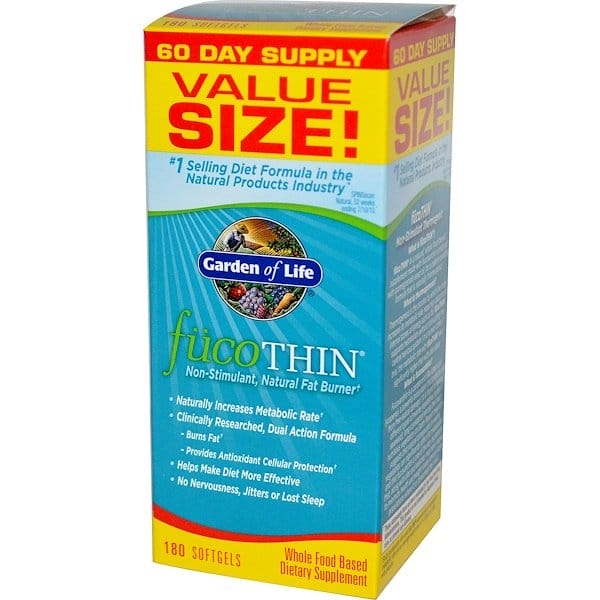
Price $ 60.46 3 capsules per day Fucoxanthin Concentrate – 200mg
It is the only gold standard fucoxanthin formula that has been clinically tested in humans.
– 16 week randomized, double-blind, placebo-controlled study
– 150 overweight women on a 1800 calorie diet
– Significant increase in metabolic rate in the fücoThin group
– 6.5 kg weight loss with FücoThin compared to 1, 3 kg with Placebo
– Dual Action Formula: fücoThin not only burns fat, but also provides antioxidant cellular protection.
Mechanism of Action: FücoThin acts by increasing the expression of UCP1 in the mitochondria of cells. This creates extra heat or thermogenesis in the cells, which leads to fat burning.
Not a stimulant: Unlike ephedra or caffeine, FücoThin burns fat without stimulating the central nervous system – that is, without nervousness, anxiety or loss of sleep.
Specific receptor activators.
There are special receptors on the skin and mucous membranes. These include, for example, the TRPM8 calcium channel cold receptors. Once this receptor is activated, within hours of exposure, it causes an increase in UCP-1 and UCP-3 in the brain and muscles. In addition to cold, there are various substances that can act on this and other similar receptors. Surely you know menthol, which makes you feel cold? So, such substances in the diet stimulate the expression of uncoupling proteins regardless of temperature.
Capsaicin (red pepper).
0.01 percent capsaicin in the diet prevents weight gain in wild-type experiments. Cellular studies have shown that capsaicin in various dosages can stimulate UCP activity, thereby causing increased calorie burning.
Because of its action on these receptors in humans, capsaicin is irritating and pain relieving. Capsaicin also stimulates the sympathetic system, which also enhances fat burning. Overall, humans have been shown to have a 25% increase in energy levels within 30 minutes of consuming 10 grams of hot red pepper (in capsules, of course!).
After taking capsaicin capsules, total food intake, including fatty foods, decreased significantly, while satiety increased significantly in both men and women.
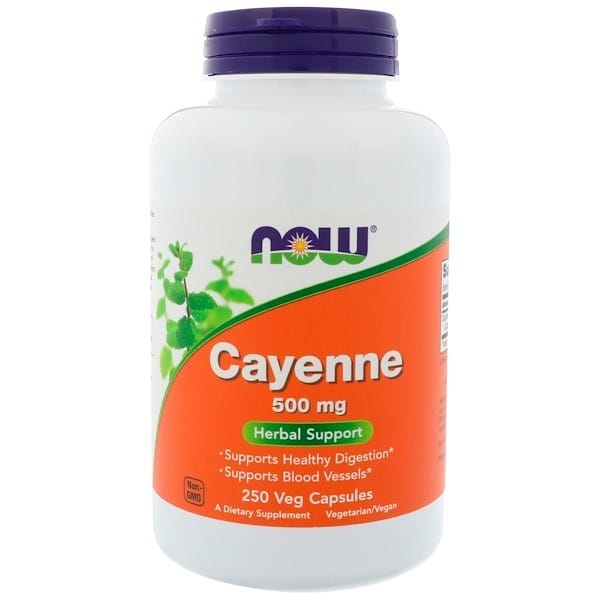 Now Foods, Cayenne, 500 mg, 250 Veg Capsules
Price $ 6.38 Number of capsules – 10mg / kg weight
Just remember, please, that this is a very hot pepper. Consume after meals. If you have stomach problems, it is best not to risk it and consult your doctor. And one more little thing – a burning sensation is possible at the exit from the body. So think too carefully before taking.
About adipose tissue: what it is, the anatomy of brown and white fat
Adipose tissue refers to a type of connective tissue that is composed of adipocytes. In the human body, it performs many functions:
- protection against damage;
- energy conduction;
- heat preservation.
Most of the deposits are located under the skin, most of all in the abdomen. The thickness of the fatty layer in obese people can reach 20 centimeters. The fat deposits themselves look like small lobules.
The most problematic adipose tissue is located in the abdomen. It is found not only under the skin, but also in the abdominal cavity. Large layers of fat are located in the retroperitoneal space. That is why it is most difficult to get rid of those extra centimeters in the waist area.
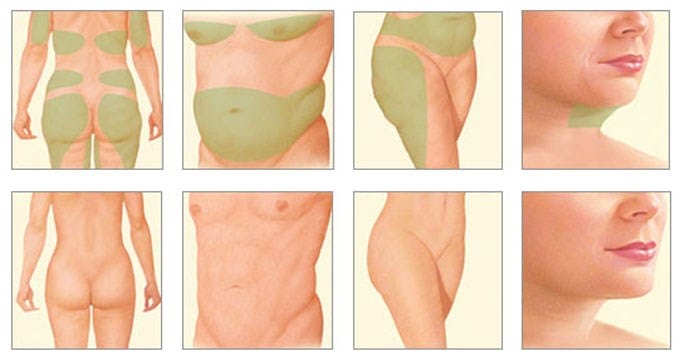
Places of accumulation of fatty deposits
Adipose tissue is subdivided into brown and white. They differ from each other in location and functionality. White fat refers to the layer under the skin. Most often, this fat is localized at the waist, hips and buttocks. A white fat cell is made up of one fat drop, while brown fat is made up of several drops. The main function of such a layer is to warm the body. The largest amount of brown fat is found in animals that hibernate and cannot warm themselves due to lack of movement.
Where is the brown adipose tissue
Breast augmentation with fat
In people who are obese, brown adipose tissue is practically absent. It is impossible to visually determine how much brown fat a person has and where it is located. Most often, it can be in the form of small inclusions in white fat. It will be located in the neck, chest and shoulders. In order to find its localization in medicine, computed tomography is used.
The efficiency of brown adipose tissue in humans
Subcutaneous fat percentage
The main function of drilling oil is to maintain body temperature. The maximum amount of this layer is found in newborns. It focuses around the baby's neck, back and shoulders. This helps to cope with hypothermia, since the body of infants is not yet able to regulate heat, intensively spending it.
Gray fat promotes improved metabolism, protects a person from obesity. Brown cells are activated both by lowering the temperature and by eating and exercising. As a result, the brown tissue begins to burn large amounts of white fatty deposits.
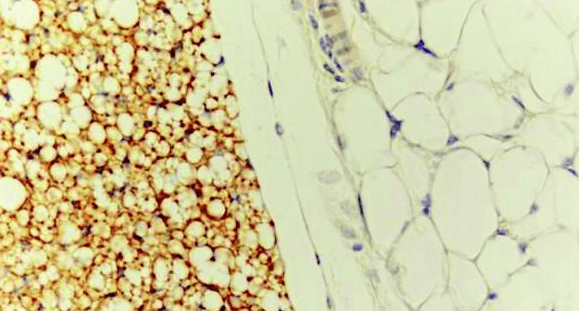
Brown fat maintains body temperature
Burning fat
What functions does brown fat perform? It helps eliminate fat. If activated, fatty acids from white adipose tissue are pumped into brown adipose tissue. The white substance is deposited in the capsules and omentum of internal organs, under the skin. Brown, instead of accumulating energy, burns it in huge quantities. As a result, heat is generated. This process is called thermogenesis, which begins its work due to excess food intake.
To activate the synthesis of beige fat, it is necessary to normalize the level of melatonin.
It has been noticed that the use of dietary supplements containing melatonin has a positive effect on the formation of brown fat deposits.
Lack of sleep leads to obesity. A lack of sleep is always associated with a lack of melatonin. Since melatonin is a pineal gland hormone and a regulator of circadian rhythms. No wonder it is called “sleep hormone”.
Therefore, if you raise your melatonin levels, you can increase the amount of brown fat, helping yourself to lose weight. That is, the first thing in order to normalize weight after 40, 50, 60 years, it is necessary to improve sleep. This will help both the beige fat build up and eliminate the health problems caused by lack of sleep.
Losing weight on brown fat requires physical activity.
In the human body, there is a protein called irisin, which promotes the transition of white adipocytes to beige ones. It has been noticed that people leading a passive lifestyle have less of this protein than those who move actively.
The exact fitness protocol for raising irisin levels has not yet been developed. But it is believed that to increase the production of this protein it is necessary and sufficient:
- Practicing moderate physical activity (brisk walking, swimming) 2.5 hours a week;
- Move more actively (run, jump, play tennis) 75 minutes a week.
conclusions
White and brown fat are two different substances. The oxidizing ability of brown matter is 20 times greater than that of white. In brown tissue during thermogenesis, the protein thermogenin acts, which promotes the uncoupling of respiration and oxidative phosphorylation.
So, we found out what brown fat is. How to increase its amount in the human body in order to effectively fight obesity? To solve this problem, scientists use not only medicinal, but also surgical means: with the help of liposuction, they extract ordinary white fat, transform it into brown fat, and then implant it again in a person.
Theoretically, in order to lose weight, you need to either increase the activity of the brown substance at normal temperature, or increase its amount, or do both the first and the second.
Experts from the US Diabetes Association believe that brown fat contains very important reserves for patients with diabetes and obesity. It is also known that in a fat person, the activity of brown fat is suppressed, and its amount is reduced. Therefore, in the near future, the emergence of new medicinal and other methods of accumulation and activation of this “useful” substance in adults is possible.
Sources used and useful links on the topic: https://www.fitnessera.ru/buryj-zhir-v-organizme-nedoocenennyj-podarok-ot-predkov.html https://BezPuza.ru/sovety-dietologa/burij-zhir .html https://econet.ru/articles/kak-pohudet-prevrativ-belyy-zhir-v-buryy https://fitexpert.biz/buryy-zhir/ https://ru.wikipedia.org/wiki/% D0% 91% D1% 83% D1% 80% D0% B0% D1% 8F% D0% B6% D0% B8% D1% 80% D0% BE% D0% B2% D0% B0% D1% 8F% D1% 82% D0% BA% D0% B0% D0% BD% D1% 8C https://the-challenger.ru/zdorove/profilaktika/belyj-podkozhnyj-vistseralnyj-5-glavnyh-vidov-zhira-v-tele-cheloveka / https://zen.yandex.ru/media/srokgodnosti/chto-takoe-buryi-jir-i-kak-on-mojet-pomoch-sohranit-zdorove-5ebfacdbc210ab103fb3e4b1 https://www.nkj.ru/archive/ articles / 25169 / http://vedenskaya.club/buriy-zhir/ https://calenda.ru/poxudenie/buryj-zir.html https://FB.ru/article/272467/buryiy-jir-u-cheloveka-opisanie-funktsii -i-osobennosti https://natureweight.ru/buryj-zhir/
Post source: lastici.ru