
Vitamin D: what is it for, how to take it, deficiency symptoms. What does a lack of vitamin D lead to: symptoms of diseases

Definition of disease.
Vitamin D is a substance (ergocalciferol, cholecalciferol, calcidiol, calcitriol) that regulate calcium and phosphorus metabolism, provide neuromuscular conduction, immune system function and cell division. Vitamin was the fourth in a series of discovered vitamins, therefore it received the serial letter D.
The form of vitamin D that affects cells (biologically active) is calcitriol, which is formed in the liver and kidneys from its inactive (biologically inert) precursors (cholecalciferol and ergocalciferol). Cholecalciferol is mainly produced in the skin under the influence of sunlight; it comes in smaller quantities with food.
The supply of the body with vitamin D is determined by its precursor calcidiol – 25 (OH) vitamin D, the concentration of which is determined in the blood.
Vitamin D deficiency is defined as the concentration of 25 (OH) vitamin D in the blood of less than 20 ng / ml (less than 50 nmol / l), deficiency – at a concentration of 20 to 30 ng / ml (from 50 to 75 nmol / l). These levels apply to both adults and children.
Around 1 billion people worldwide are deficient in vitamin D.
Reasons for low vitamin D levels:
- Insufficient education under the influence of ultraviolet radiation: permanent residence north of 43 ° latitude, that is, above the parallel on which Sochi and Vladivostok are located, wearing closed clothes, air pollution with smog, prolonged stay in unlit rooms, correct use of sunscreens with a high protection factor. Studies on the effect of sunscreens on vitamin D synthesis indicate that a decrease in the level of vitamin 25 (OH) D in the blood occurs only with the correct application of the cream – frequent and thick application (2 grams of cream per square centimeter of skin). However, most researchers admit that in real life this does not lead to a decrease in vitamin D levels, because most people apply the cream sparsely and in a thin layer.
- Dark skin color.
- Decreased dietary intake: Vegetarianism, veganism, milk protein allergy.
- Reduced digestion and absorption in the intestine, which is formed for the following reasons: age-related changes in the gastrointestinal tract, celiac disease – intolerance to proteins of some cereals (gluten); lactose intolerance; inflammatory bowel disease; conditions after bowel surgery; chronic inflammation of the pancreas (pancreatitis); cystic fibrosis (genetically determined blockage of the excretory ducts of the pancreas).
- Increased consumption or deposition of vitamin D. It occurs during pregnancy, in childhood, during active physical activity and obesity.
More Uncommon Causes of Low Vitamin D Levels
- Decreased formation of the intermediate form of vitamin D (calcidiol) in the liver: chronic liver diseases with the development of severe liver failure, including due to fatty hepatosis.
- Reduced formation of the final, biologically active form of vitamin D (calcitriol) in the kidneys due to chronic kidney disease.
- Increased conversion of vitamin D into inactive forms during treatment with drugs (glucocorticosteroids, anticonvulsants, drugs for the treatment of HIV infection, antifungal drugs, cholestyramine).
- Increased destruction of 25OH vitamin D and increased conversion of calcidiol to the active form:
- primary hyperparathyroidism (an excess of parathyroid hormone and calcium in the blood due to an increase in the function of the parathyroid glands);
- diseases characterized by the development of granulomas – accumulations of actively dividing cells of the immune system (sarcoidosis, tuberculosis, histoplasmosis, beryllium, coccidioidomycosis);
- some types of lymphomas.
Why Vitamin D is Needed
One of its main functions is to ensure an adequate level of calcium in the blood, the proper functioning of our bones and organs, and the fight against inflammation and viruses. But D does not work in this direction alone, but in tandem with vitamin K (you may not have heard of this at all). Vitamin K promotes calcium build-up in bones, reducing calcium build-up in soft tissues such as blood vessels. But those who eat enough greens do not need to think separately about taking vitamin K – there is a lot of it in it. If you don't eat enough greens and leafy ones, you can take preparations where vitamins D and K are combined.
By the way, children with a lack of vitamin D experience sleep problems: the lower the concentration of vitamin D in the body, the shorter the daily sleep duration.
Why vitamin D is so important and how to make up for its deficiency
There is already enough lean academic information on the Internet about the roles that vitamin D plays in a person's life. Therefore, I will not repeat myself and in this article I will only touch on the most interesting practical recommendations and observations. Vitamin D, aka cholecalciferol or vitamin D3, is gradually weaned from being called a vitamin. Because in its structure and mechanism of action, it is more like a hormone. And he played a critical role in the emergence of the first land vertebrates. It is one of the key hormones that regulate calcium metabolism. Marine animals get calcium from water without any problems, because they live in it constantly.
And for land animals, evolution has invented a whole orchestra of hormones and reactions to intelligently use limited amounts of calcium, and also endowed them with the ability to store calcium reserves. They are in our bones. The constant concentration of calcium in the blood is so important that the body will “dissolve” bones in emergency situations without any hesitation, for example, when the body is in conditions of calcium and phosphorus deficiency from food. And vitamin D3, just, occupies a very prominent place in calcium metabolism
Less sun – less vitamin D3 and more diseases
At the moment, more than 50% of the population of more or less developed countries are deficient in vitamin D3. This is due to the growing sun phobia and overuse of sunscreens. Overweight and chronic diseases play an important role in the development of deficiency. The more fat a person has and the overall level of inflammation, the more supplemental vitamin D they need.
Vitamin D is produced in the skin by exposure to ultraviolet radiation. To get the minimum dose of vitamin D from the sun, you need to sunbathe for at least 20 minutes a day. People living in cold, dark latitudes are at constant risk of vitamin D3 deficiency, except for a few warm months of the year. The public is frightened by claims by scientists and doctors that sunlight is causing the development of malignant melanoma (a form of skin cancer). But this hypothesis is not widely supported by many studies. For example, over 20 years of monitoring women in Sweden with melanoma, it was found that those who deliberately avoided sunlight died faster and more often. In this study, those who received the least sunlight were 2 times more likely to die.
It is also interesting that sunscreens not only fail to provide 100% protection against melanoma, but may increase the risk of developing it. In general, sun damage can only be caused by sunburn caused by exposure to too much sun exposure. I hypothesize that an increased susceptibility to sunburn may be related to excess consumption of omega-6 fatty acids. I touched on this point in my article Omega-3s and Fish Oil: Why They Don't Work.
Vitamin D, Nervous System, Immunity and Cancer
Aggravation of vitamin D3 deficiency is very closely associated with the development of infectious diseases. For example, influenza and similar respiratory infections become epidemics during the fall-winter time, when the deficit of sunlight and vitamin D is maximal. In fact, people with vitamin D deficiency are more likely to get seasonal infections. Therefore, vitamin D supplementation in such cases can have a preventive effect. In addition, a sufficient vitamin D status in the body can protect against infection with tuberculosis in the early stages and slow down its progression in the later stages.
What will further highlight the danger of vitamin D3 deficiency, if not other cancers other than the aforementioned melanoma? Against the background of cholecalciferol deficiency, bowel, prostate, and breast cancer develop several times more often.
Vitamin D has dozens of other mechanisms by which it acts on other body systems. In fact, no part of the human metabolism will be left out in the event of a deficiency!
Vitamin D deficiency: what do the statistics say?
Due to the extremely important role of vitamin D in the human body, scientists strive to constantly monitor and analyze the levels of calciferol in different populations.
US statistics indicate that 40-60% of the population is deficient in vitamin D. The American Journal of Pediatrics claims that 70% of young Americans suffer from vitamin D deficiency, which can lead to obesity, diabetes, heart disease. vascular system. Moreover, 9% of children have a very pronounced hypovitaminosis D, and 61% have a moderate one.
Even in countries with a high level of insolation – in China, India, Iran, Pakistan – up to 60-80% of the population are susceptible to vitamin D deficiency, as evidenced by publications in the Journal of the Association of Physicians of India Global Journal of Health Science and others. In countries, vitamin D is not sufficiently produced in the skin due to traditional clothing that covers most of the body.
In our country, a lack of vitamin D is an urgent problem for 80% of people, according to researchers at the Russian Federal Center for Nutrition and Biotechnology, based on a two-year study that ended in 2017. Depending on the level of insolation in the regions, this figure varies from 23 to 97%.
As you can see, the lack of vitamin D is a global problem of mankind, the solutions to which scientists see in the additional intake of calciferol by wide groups of the population.
Symptoms
In addition to excess weight, deficiency of ergocalciferol and cholecalciferol reveals itself through the following symptoms:
- high blood pressure;
- frequent colds;
- muscle pain;
- intestinal disorders: belching, flatulence, abdominal pain, diarrhea;
- increased sweating;
- sleepiness during the day and sleeplessness at night;
- chronic fatigue, depression;
- arrhythmia, tachycardia;
- bleeding gums.
It is possible to determine the level of vitamin D in the body by passing a special blood test using the immunochemiluminescent method – for its transport form, which is designated as 25 (OH) D.
When losing weight and taking dietary supplements based on D2 or D3, this indicator should be checked regularly once a month. This will allow you to control the dosage of consumed drugs and track the relationship of this substance with weight loss in each individual case.
Serum 25 (OH) D – 25-hydroxy-cholecalciferol level:
The consequences of a deficit
- Children's rickets;
- oncology;
- osteoporosis, rheumatoid arthritis;
- multiple sclerosis;
- SSZ;
- overweight, obesity;
- psoriasis, vitiligo, eczema;
- autoimmune diseases;
- incontinence;
- memory impairment;
- loss of teeth.
Thus, eliminating the deficiency of ergocalciferol and cholecalciferol, you will not only actively lose weight, but also protect yourself from such serious diseases.
Ultraviolet baths
It is recommended in summer to be under the open sun for half an hour every day from 10.00 to 15.00. The reserves made during the warm period will be gradually consumed in winter.
A sufficient amount of vitamin D is produced during a stay in a solarium, but it is better not to use this method of losing weight. Recent studies have shown that artificial ultraviolet light leads to the formation of cancerous tumors.
Food
For weight loss, it is necessary to increase the amount of foods rich in vitamin D in the diet:
- fish oil, algae, fatty fish (herring, tuna, trout, salmon, mackerel), shrimp, crabs, octopus, mussels;
- butter, egg yolk, cheese, yogurt, cottage cheese, natural cow's milk;
- mushrooms grown independently in natural conditions (in the forest), and not grown artificially in greenhouses – especially chanterelles and champignons;
- vegetable oil;
- liver
- yeast;
- vegetarians, in addition to mushrooms, can be advised of potatoes, oatmeal, parsley, dandelion and nettle leaves, alfalfa.
Vitamin D-rich foods
The average daily requirement of the human body is 600 IU. To get them, you need to eat, for example, 225 g of salmon, or 1.3 kg of cod, or 30 chicken yolks. These are large enough volumes, and hardly anyone can eat such a large amount of yolks or fish every day.
The problem is that neither food nor ultraviolet baths can fully satisfy the body's need for vitamin D. Therefore, for weight loss, you will have to take nutritional supplements in which it is contained.
What reduces the production of vitamin D from the skin?
- Age
As we age, the skin's ability to produce vitamin D decreases. This is due to dystrophic processes in the body and is completely normal.
- Dark skin color
This is evolutionarily justified, because dark-skinned people usually live in very sunny countries. But when moving north, they are more likely to face vitamin D deficiency than their white-skinned counterparts.

- Using sunscreen
Sunscreens not only protect us from sunburn, but also reduce the ability of the skin to produce vitamin D.
When secondary hyperparathyroidism develops in the presence of vitamin D deficiency
 One of the diseases of the endocrine system, caused by a deficiency of this biochemical compound, is secondary hyperparathyroidism of HPPT (SHPT). This disease can develop in response to decreased kidney function, phosphate excretion and inability to bioactivate vitamin D.
Vitamin D and parathyroid hormone in the human body are in balance. When a person has a pronounced vitamin D deficiency, parathyroid hormone tries to compensate for its deficiency, sometimes increasing above normal. This condition is called secondary hyperparathyroidism.
Patients with renal insufficiency are most susceptible. In the presence of this pathology, special attention should be paid to the content of 25 (OH) D. Dysregulation of calcium and phosphorus homeostasis leads to a decrease in renal phosphate excretion, an increase in serum phosphorus, and a decrease in the synthesis of calcitriol, the active form of vitamin D.
These changes lead to an increase in the synthesis and secretion of parathyroid hormone (PTH) and hyperplasia of the parathyroid glands, contributing to the development of a vicious circle. And an increase in the concentration of Ca in the blood serum will be due to the leaching of this element from the skeletal system, which will additionally lead to the development of osteoporosis.
Effects of vitamin D on excess weight
Determining the link between obesity and vitamin D deficiency is still under development, but there is enough research to highlight that overweight people are deficient in D2 and D3 in their bodies.
In Brazil, vitamin D deficiencies were found to be 35% higher in obese individuals and 24% higher in overweight people. Another study in Iran randomly selected obese and overweight women and tested their theory using a blind method using a placebo.
There have also been studies on whether increasing vitamin D levels can lead to weight loss. Researchers from the Tehran University of Medical Sciences conducted an experiment on overweight women. They were divided into two groups: one group received vitamin D regularly and the other received a placebo. After 12 weeks, scientists found a significant decrease in body weight in obese women only by increasing the concentration of vitamin D.
Release form, comparison
All representatives of the pharmacological category of calciferols have their own characteristics of the physiological effect on the body in general and on weight loss in particular. They are part of highly specialized medicines and vitamin complexes with a wide range of effects.
The dosage forms of such drugs are varied and numerous. Each of them has its own set of advantages and disadvantages. Vitamin D is also produced in the form of separate therapeutic and prophylactic agents, where it is the only active ingredient.
In pharmacies, you can find on the basis of calciferols:
- oral drops;
- alcohol tinctures;
- oil solutions;
- pills;
- bioactive food additives;
![Vitamin D: what is it for, how to take it, deficiency symptoms. What does a lack of vitamin D lead to: symptoms of diseases]()
- injectable drugs;
- sweet syrups for children;
- vitamin pills;
- enteric capsules.
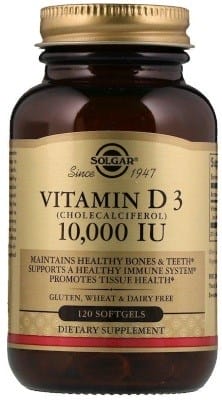
Monopreparations of vitamin D and its combinations with other pharmacologically active substances are popular. There are complex slimming medications on sale that combine cholecalciferol with calcium carbonate.
Such drugs not only contribute to weight loss, but also strengthen skeletal bones, teeth, and nails. The active form of vitamin D3, alpha-calcidol, is combined with calcium carbonate in dietary supplements.
Dosage form – powder or water-soluble granules. The food supplement allows you to adjust the figure. It is useful for patients with osteomalacia and osteopathic disorder.
Calciferol in combined action tablets may additionally contain:
- magnesium oxide, which reduces the acidity of gastric juice;
- zinc dioxide, which has adsorbent qualities;
- pharmacologically active form of copper;
- manganese sulfate, which has antiseptic and anti-inflammatory properties;
- sodium tetraborate is a fungicidal and bacteriostatic substance.
In food supplements and pharmacological preparations, 2 forms of vitamin D are most popular, demonstrating good fat burning abilities – ergo and cholecalciferol.
Their chemical structure differs only in the structure of the side molecular chain. Vitamin D2 (ergocalciferol) is synthesized by ultraviolet irradiation of ergosterol, secreted by some types of yeast. Its fat burning properties are scientifically proven.
Vitamin D for weight loss in the form of cholecalciferol has collected a lot of reviews. In them, patients note the rapid onset of the desired clinical effect.
Such a fat-soluble substance is obtained by the method of exposure to ultraviolet light on lanolin 7-dehydrocholesterol and further biochemical conversion of the resulting cholesterol.
Comparative table of dosage forms of vitamin D:
| Variety of the drug | Properties and features |
| Oral tablets | A firmly pressed medication with a clearly dosed content of a pharmacologically active substance – calciferol or its derivative. A standard tablet contains 200 IU of the active ingredient. |
| Solution | Water-based or oil-based liquid dosage form. It can be drunk or injectable. The first is relatively safe to use, easy to digest and allows you to accurately calculate the required dosage by the number of drops. The oil base significantly impairs absorption and systemic clearance. |
| Enteric capsules | Miniature gelatin flask with liquid or powder. Slippery shell makes it easy to swallow. One standard slimming capsule contains 600 IU of vitamin D. |
| Lozenge | Medication in the form of a jelly-like candy. It has a pleasant aroma and fruity taste. It is important not to abuse such a drug so as not to cause intoxication and side effects. |
| Spray | Vitamin aerosol with dispenser. Suitable for patients who have difficulty swallowing drugs. |
Vitamin D for weight loss is found in food
Calciferol injections for weight loss are not used. In clinical practice, they are used mainly in acute and urgent pathological conditions – malabsorption syndrome, hypocalcemic tetany, and others.
Isn't vitamin D produced when we're in the sun?
It is produced in the layers of the skin in direct contact with the rays of the sun, but how long it takes to spend in the sun for sufficient “production” of this substance is unknown. It all depends on skin color, age, weight, health status.
How vitamin D affects weight loss
Fat-soluble compounds in combination with calcium stimulate the secretion of protein proteins – the basic building blocks of muscle fibers. Along the way, they activate the burning of calories and the transformation of body fat into muscle structures.
Proteins, which are produced with the direct participation of calciferols, act on specific muscle receptors, increasing endurance, increasing strength and stimulating the growth of such tissues.
Vitamin D for weight loss reviews of the host are positioned as a safe and quick way to form a toned figure. An integrated approach is especially effective, in which the use of drugs based on calciferols is combined with a visit to the gym and a balanced diet.
Fat-soluble compounds:
- maintain mineral balance;
- increase the immune status;
- strengthen musculoskeletal structures;
- break down lipid layers.
Group D vitamins have a multidirectional and complex effect on physiological processes and basic body functions. They are useful for children, the elderly, and pregnant women.
For weight loss, the ability of fat-soluble D group vitamins is of particular value to start and enhance the process of burning subcutaneous fat, suppress appetite, which facilitates the transition to a dietary diet and strict adherence to the developed diet.
Such connections:
- fill with cheerfulness;
- add energy;
- improve mood;
- increase physical strength;
- reduce fatigue.
Calciferols significantly increase physical activity. The complex effect on the physiological mechanisms of weight gain promotes weight loss in a natural way.
Calciferol deficiency provokes a sharp increase in body weight due to the inhibition of metabolic processes and the deposition of fatty accumulations. Vitamins of this category are considered a prophylactic agent of systemic pathologies and severe endocrine disorders that provoke obesity.
The ability of calciferols to suppress inflammatory processes and provide numerous therapeutic effects is known. Research on the role of vitamin D in weight loss is ongoing.
This mechanism has not yet been fully elucidated. Only the result of taking drugs containing calciferols has been precisely proven. In overweight patients, the concentration of vitamin D in blood plasma is always much lower than in slender and fit people.
In abdominal obesity, an increased content of ergocalciferol was found in the tissues of internal organs. This suggests that effective weight loss requires an integrated approach that will help to activate the biological functions of fat-soluble vitamins.
Who is affected by vitamin D deficiency?
 Most often vitamin D deficiency affects the elderly.
Indeed, with age, our skin ceases to produce vitamin D in the same quantities as in youth. In addition, the elderly tend to spend more time indoors and are more often in hospitals, which is not conducive to sunbathing.
However, it is not only the elderly who suffer from vitamin D deficiency. It is estimated that up to 65% of young urban dwellers have insufficient or deficient vitamin D levels by the end of winter.
Also, vitamin D deficiency is common in pregnant women. They are generally characterized by micronutrient deficiencies, and vitamin D is no exception. During pregnancy, vitamin D affects not only the bones of the woman herself, but also the health of her baby.
 According to one study, children of women who were vitamin D deficient at 18 weeks of gestation had difficulty remembering, retaining, recalling information, concentrating, and being easily excitable at the age of 10. In adolescence, they also had a greater risk of developing an eating disorder. And by the age of 20, they had lower bone density than their peers.
So if you are pregnant, remember to consume enough vitamin D foods and be in the sun regularly.
Features of the manifestation of vitamin D deficiency in women
For the female sex, characteristic additional symptoms can be:
- excessive sweating;
- the emergence of unfounded fears;
- manifestations of osteoporosis (especially during menopause).
Also, in the presence of vitamin D deficiency, the risk of developing cancer of the endometrium and ovaries, mammary glands increases.
Signs of a lack (lack) of vitamin D in men
For males, it should be noted separately:
- decreased spermatogenesis function,
- decreased libido and sexual activity,
What diseases can a lack (deficiency) of vitamin D cause?
With a serious deficiency, there may appear not only a significant deterioration in the quality of life, but also the threat of a significant reduction in its duration. On the threshold there will already be such problems as:
- the appearance of osteoporosis (a violation of the formation and renewal of bone tissue and an increased risk of fractures);
- violation of cardiac activity;
- frequent colds (sometimes turning into chronic bronchitis);
- bronchial asthma;
- tuberculosis;
- oncology of the mammary glands;
- infertility, both in women and in men, is often irreversible;
- Alzheimer's disease;
- pathology of the endocrine system with the addition of their own symptoms.
Increasing the level of vitamin D in the body
Vitamin D is converted by the liver and kidneys into an important hormone for brain function (“secosteroid”), and plays a critical role in its early development, ongoing maintenance, and functions that underlie healthy mood and many basic cognitive mechanisms, including learning and memory creation.
The current recommended daily dose of this active ingredient is currently 0.32 mg. However, most experts agree that this is well below the physiological needs of most people: instead, it is suggested that all adults take at least 2.12 mg of vitamin D per day, and be sure to check their blood levels every 4 -6 months, if necessary, increasing the daily dose to 5.3 mg.
Sun exposure
Getting the right amount of vitamin D can be especially difficult during the winter season (usually November to March) when the sun is less and less intense. From around late March / early April to late September, most people can get their full daily supply from sunlight. It is not known exactly how long it takes in the sun to produce enough vitamin D to meet the body's needs, as there are a number of factors that can affect production, such as skin color or the area of skin exposed.
Not knowing which vitamin deficiencies lead to obesity should not compromise adequate intake, as this is, among other things, an important part of maintaining bone health.
Vitamin D supplements
In supplements and fortified foods, these obesity vitamins are available in two forms:
- D2 (ergocalciferol)
- D3 (cholecalciferol),
which differ chemically only in the structure of their side chains. D2 is produced by irradiation of ergosterol with ultraviolet light in yeast, and D3 by irradiation of 7-dehydrocholesterol from lanolin and chemical conversion of cholesterol. These two forms have traditionally been considered equivalent based on their ability to cure rickets, and indeed, most of the steps involved in metabolism and the action of D2 and D3 are identical. Both forms (as well as vitamin D in foods and dermal synthesis) are effective in raising serum 25 (OH) D levels. However, it appears that at food doses, D2 and D3 are equivalent, but at high doses, D2 is less effective.
Diet change

Although vitamin D is the only nutrient that the body makes when exposed to sunlight, up to 50% of the world's population may not get enough of it. This is in part because people spend more time indoors, use sunscreen when going outside, etc. Here is a list of foods that contain vitamin D and are recommended for obesity:
- Salmon. Wild salmon contains about 1.05 mg of vitamin D per serving, while farm-raised salmon averages 0.26 mg. This is 165% and 42% of the Recommended Daily Allowance (RDA), respectively.
- Herring and sardines. Herring contains 1.72 mg of vitamin D per 100 grams. Pickled herring, sardines, and other fatty fish like halibut and mackerel are also good sources.
- Cod liver oil. Cod liver oil contains 0.48 mg of vitamin D per teaspoon (4.9 ml) or 75% of the RDI. It also contains many other nutrients such as vitamin A and omega-3 fatty acids.
- Shrimp. Shrimp provides 0.16 mg per serving and is also very low in fat.
- Egg yolks. Broiler eggs only contain about 0.03 mg of vitamin D per yolk. However, eggs from domestic hens contain much higher levels.
- Mushrooms. D2 is synthesized under the influence of ultraviolet radiation. Only forest mushrooms or mushrooms treated with ultraviolet light are good sources of vitamin D.
- Fortified foods. Cow's milk, soy milk, orange juice, cereal and oatmeal are sometimes D-fortified and contain 0.06–0.14 mg per serving.
Major Dietary Sources of Vitamin D
- Cod liver 10 g – 1000 IU
- Fatty sea fish (salmon, cod) 100 g – 300 IU
- Animal liver 100 g – 50 IU
- Butter – 35 IU
- Egg yolk – 25 IU
These foods are very fatty and high in calories, so they should not be overused. This is especially true for people who are overweight.
Most of the vitamin D is produced in the skin during sun exposure.

What's more, vitamin D produced by our skin lasts twice as long in the body as that which we get from food or vitamin supplements.
Vitamin D is produced especially well between 10:00 and 15:00.
According to various recommendations, in order to get the optimal amount of vitamin D, you need to be in the sun for 15-30 minutes a day, exposing your face and hands to the sun's rays. If you sunbathe with your whole body, as, for example, at sea or while working at a summer cottage, you can get from 10,000 to 25,000 IU of vitamin D.
But do not worry, prolonged exposure to the sun does not cause an excess or intoxication with vitamin D. Excess amounts are converted into inactive metabolites: tachysterol and lumisterol and are excreted from the body.
Moreover, the further north you live, the longer you need to stay in the sun.
Who needs to take vitamin D supplements?
- Those who have levels of vitamin D (25-OH-D) in the blood below 21-29 ng / ml (52,5-72,5 nmol / l).
- To old people
As we age, our skin loses its ability to produce vitamin D. Therefore, the older we get, the more vitamin D we need to consume in our diet.
This is especially important for older women. After all, it is they who are more likely to suffer from osteoporosis – a disease accompanied by a decrease in bone density and an increase in their fragility and the risk of fractures of the spine and hip.
Thus, according to a meta-analysis by Bischoff-Ferrari et al, intake of 400 IU of vitamin D per day reduced the risk of hip fractures by 20% in people over 65.
Vitamin D is able to not only strengthen bones, but also increase muscle strength. And this allows you to reduce the frequency of falls, as the muscles that maintain the balance of the body begin to work better.
- Postmenopausal women
After menopause, our body stops producing estrogens. This leads to the fact that calcium begins to “wash out” from the bones, and osteoporosis can develop. To stop this process, you need to get enough vitamin D from your diet.
After menopause, women need to get at least 800 IU of vitamin D per day,
and preferably 1000-1500 IU.
The benefits of taking vitamin D after menopause have been supported by numerous studies. Thus, according to a meta-analysis by Boonen et al, a daily intake of 800 IU of vitamin D reduced the risk of hip fractures by 18% in women and men over 50.
Potential harm
Incorrect, chaotic and haphazard use of such drugs can cause damage to health instead of the expected positive result. This can lead to a complete loss of appetite with a deficiency of nutrients, the onset of irreversible destructive processes in cells and tissues.
Vitamin D for weight loss (reviews of those taking this confirm) causes allergic reactions with an innate predisposition to them.
The increased physiological activity of fat-soluble compounds can provoke:
- myalgia;
- abdominal pain;
- migraine attacks;
- aching joints;
- discomfort in the tendons.
In women, with the abuse of vitamin D, hysterical manifestations, sudden mood swings, and depressive states are observed. Although in therapeutically appropriate and individually calculated doses, such drugs act exactly the opposite.
It was reported about the disorder of renal functions against the background of intensive intake of calciferols.
Other side effects are noted:
- arterial hypertension;
- increased intracranial pressure;
- cardiac arrhythmia;
- rapid pulse;
- increased sweating;
- hypercalcemia – an increase in the concentration of calcium in the plasma fraction of blood;
- pathological content of calcium salts in uric acid.
Excessive intake of D group vitamins causes defecation disorder, increases gas formation in the gastrointestinal tract, and disrupts digestive functions. Arthralgic syndrome is especially often reported associated with the use of fat-soluble substances in this category.
Such a disorder is characterized by spontaneous volatile pains in the articular joints in the absence of other concomitant arthritic symptoms. Regular excess of the recommended norm of vitamins of group D leads to the accumulation of calciferols in the intestinal lumen and tissues of internal organs.
In addition to specific symptoms, this is manifested by typical signs of drug intoxication:
- nausea;
- activation of the gag reflex;
- uncontrolled muscle contractions;
- dizziness;
- intense thirst;
- drying out of the mucous membranes of the eyes and mouth;
- general weakness;
- increased nervous irritability;
- hyperthermia;
- feeling of constant tiredness.
Uncontrolled intake of drugs containing vitamin D can cause significant harm to the body instead of the desired effect of weight loss and stabilization of metabolic processes.
Daily requirement
How much calciferols are needed for normal functioning depends on many reasons – gender, age, weight. Recommended doses:
|
Age |
Daily requirement (IU) |
Safe Maximum (IU) |
|
up to 12 months |
400 |
1 thousand – 1.5 thousand |
|
from 1 to 13 years old |
600 |
2.5 thousand – 4 thousand |
|
from 14 to 70 years old |
600 |
4 thous. |
|
over 71 years old |
800 |
4 thous. |
|
pregnancy and lactation |
600 |
4 thous. |
An increased need for calciferols is experienced by people living in the north, residents of areas with high air pollution. An additional dose is needed for bedridden patients who are not in the open air, as well as those working at night or preferring a nocturnal lifestyle, since their skin is little exposed to sunlight.
Causes of Vitamin D Deficiency
- Insufficient sun exposure
Most often occurs in older people who have difficulty moving around and are indoors most of the time. Also, people who often visit hospitals or work all daylight hours indoors or underground suffer from a lack of sunlight.
- Vitamin D absorption problems
It is most common in people with a partially resected small intestine, celiac disease, short bowel syndrome, and cystic fibrosis. If you do not know these words, then this option is unlikely for you.
- Medicines
Certain medications can reduce the amount of vitamin D in the body. These include:
- Phenobarbital (found in Corvalol);
- Phenytoin (anticonvulsant, antiepileptic drug);
- Rifampicin (antibiotic used to treat tuberculosis).
- Laxatives (interfere with the absorption of vitamin D from the intestines and can interfere with the metabolism of vitamin D and calcium)
- Glucocorticosteroids (used for asthma, rheumatoid arthritis, systemic lupus erythematosus, multiple sclerosis and other diseases of the immune system). They not only stimulate the excretion of vitamin D from the body, but also lead to the “leaching” of calcium from the bones.
- Not getting enough vitamin D in breast milk
If you feed your child exclusively with breast milk without introducing complementary foods or milk formulas, then from about 2 months he needs to be given vitamin D preparations. For questions of doses and specific preparations, it is better to consult a pediatrician.
Vitamin D levels fluctuate throughout the year. Most of all it is in the summer months, and the lowest – in the winter-spring period. Seasonal fluctuations in vitamin D are especially pronounced in men leading an active lifestyle.
Treatment
Therapy for vitamin deficiency provides for the intake of vitamin and mineral complexes, prolonged exposure to the fresh air, proper nutrition, salt, coniferous, sunbathing. Do not “fry” for a long time in direct sunlight. Such actions reduce the amount of provitamin in the skin, lead to burns, and contribute to the development of melanoma.
With a shortage of calciferols, it is necessary to take drugs containing this element. Among them:
- Duovit (Slovenia). Available in solid blue and red tablets. Vitamin D3 in a dosage of 200 IU is included in the red dragee. Daily dose – 1 tablet, swallow without chewing. The drug is approved from the age of 10.
- Chewable tablets Complivit Calcium D3 (Russia). Contains: calcium carbonate 500 mg, vitamin D3 at a dosage of 200 IU. The daily dose for adults with osteoporosis is 1 table. 2-3 times, for prevention – 1-2 tables. Children from 5 to 12 years old are prescribed 1-2 tablets, from 3 to 5 years old, the doctor sets the dose individually.
- Chewable tablets Natekal D3 (Italy). Ingredients: cholecalciferol 400 IU, calcium carbonate – 1.5 thousand mg. The daily dose for adults is 1-2 tablets.
To prevent a lack of calciferols, it is useful to take fish oil, which is made from cod liver. The tool is good because it can be taken from the fourth week of life. The drug contains vitamins A, D2, polyunsaturated omega-3 fatty acids. The course of treatment lasts 2-3 months, after which it is adjusted by a doctor. Daily dosage:
-
for adults: 1 tbsp. l. 2-3 times;
-
children from 7 years old – 1 tsp. 3 times;
-
from 1 to 6 years old – 1 tsp. 2 p.;
-
from 4 weeks, 3-5 drops are prescribed 2 times, gradually increasing the dose to 1 tsp.
![Vitamin D: what is it for, how to take it, deficiency symptoms. What does a lack of vitamin D lead to: symptoms of diseases]()
For the prevention of vitamin D deficiency, proper nutrition is important. Calciferols are abundant in cod liver, fatty fish, caviar, seaweed. Less – fatty dairy products (primarily butter), egg yolks, mushrooms, yeast, pork, beef liver. The diet should include boiled potatoes, oatmeal, orange juice.
You should refuse to eat foods that inhibit the absorption of healthy food, lead to a lack of calciferols. These are alcoholic beverages, fast food, croutons, chips, shop meat products (sausages, sausages, dumplings, dumplings), noodles and instant mashed potatoes. Canned food, mayonnaise, margarine, butter and other foods containing trans fats are harmful.
Improper cooking can destroy vitamin D and other beneficial elements in food. To prevent this, you must adhere to the following rules:
- do not freeze fish and meat;
- cook frozen meat products immediately after thawing;
- when cooking, put food in boiling, not cold water;
- during cooking, make sure that the food is not overcooked;
- Eat cooked dishes immediately; repeated heating is not recommended.
The use of folk recipes in therapy
You can treat hypovitaminosis using folk methods. There are many recipes, proven over the centuries, that can restore shaky health.
| Structure | Cooking method |
| Dandelion, cucumber, olive oil | Wash dandelion leaves, peel the cucumber, cut. Mix, salt, season. |
| Nettle, green onion, parsley, walnuts, nut butter | Fry nuts, chop greens, pour over with boiling water. Mix, salt, season. |
| Alfalfa seeds | Germinate within two days. Apply as an additive to meals. |
| Horsetail | Bring a tablespoon to a boil, leave for twenty minutes, drain. Drink two hundred grams a day. |
| St. John's wort | Pour four tablespoons with half a liter of water, leave for an hour. Take a tablespoon three times a day. |
Dietary Supplements – A Way to Raise Calciferol Levels
Dietary supplements – concentrates of substances obtained from raw materials of marine, mineral, vegetable, animal origin. Refers to food products. The peculiarity is the effect not on a specific organ, but on the whole organism. When choosing an additive, pay attention to the raw materials from which the drug is produced, filtration methods, and the region of origin. Cholecalciferol is more effective if it is made from fish raw materials.
How to compensate for the lack of vitamin D?
The ideal option is the natural production of calciferol from the environment through the alimentary way, that is, with food, and through the conversion of cholesterol in the skin under the influence of solar ultraviolet radiation.
In the first case, the diet should be saturated with fatty fish or products artificially enriched with this vitamin (milk, mushrooms irradiated with ultraviolet light). In much smaller quantities, calciferol is contained in ordinary dairy products and mushrooms, yolk, and beef liver. Not everyone knows about the true absolute record holder for the content of natural vitamin D – this is by no means the notorious fish oil, but a beekeeping product – drone milk!
However, you must agree that a perishable drone delicacy, a Mediterranean fish menu or products enriched with calciferol are constantly visiting the kitchen of not every inhabitant of our country.
It is even more difficult for vegetarians to get adequate portions of vitamin D from plant foods containing tens and even hundreds of times less vitamin D. In addition, if in animal food it is represented by a more biologically active compound – cholecalciferol (cholecalciferol, or D3-form), then in mushrooms and plants there is a less effective provitamin D – ergocalciferol, or D2-form.
Of course, the most important way to increase vitamin D reserves is to stay in the sun, and the angle of incidence of its rays should be more than 35ᵒ C. Alas, in the territories of Russia from November to March this angle is smaller and completely excludes the possibility of the formation of solar vitamin. And in the summer, many townspeople receive significantly less of it. First of all, this applies to residents of megalopolises (smog is an obstacle to the penetration of light), office workers (glass refracts the rays of the sun and interferes with the synthesis of calciferol), the elderly, who rarely leave their homes due to illness.
Vitamin D preparations containing vitamin D2 or D3 – ergocalciferol or cholecalciferol – help to compensate for the lack of vitamin D. The progressive medical community prefers vitamin D3 as the most biologically available and less toxic form.
How much vitamin D should we have?
The target level of vitamin D in the blood is 80 ng / ml, but you can't figure it out without preliminary tests. Vitamin D will almost certainly be lowered among residents of Karelia, but the exact figure can be found only by taking a blood test from a vein. The choice of the dosage of vitamin D will come from the result. Doctors increase vitamin D either by drinking the loading dose (this is from 5,000 units to 10,000 units) once a week, or daily, but regularly taking an analysis for the level of vitamin in the blood. When the target blood level of vitamin D is reached, a maintenance dose should be taken. That's 2,000 units for an adult.
Remember that an overdose of a vitamin is no less dangerous than a lack of it. Therefore, please do not drink vitamin without first taking tests.
Sources used and useful links on the topic: https://ProBolezny.ru/deficit-vitamina-d/ https://gubdaily.ru/article/yasnoponyatno/vsya-pravda-o-vitamine-d-otkuda-on-beretsya- i-chto-na-samom-dele-znachit-dlya-nashego-zdorovya / https://nikharlov.com/zdorovje/vitamin-d-chem-vreden-defitsit-i-kak-ego-vospolnit/ https: // osteomed.su/nedostatok-vitamina-d/ https://hudeyko.ru/vitamin-d-dlya-pohudeniya.html http://endocrinology.pro/vitamin-d/ https://H-doctor.club/dd / nehvatka-vitamina-vzroslyh-simptomy https://heroine.ru/kak-vitamin-d-pomogaet-poteryat-ves/ https://healthperfect.ru/vitamin-d-dlya-pohudeniya.html https: // zgizn .ru / ozhirenie / vitamin-di-lishnij-ves / https://vrachmedik.ru/1206-nehvatka-vitamina-d.html https://natulife.ru/pitanie/nutrienty/vitaminy/d/defitsit-kaltsiferola
Post source: lastici.ru