
Is it good to sleep during the day: the benefits and harms of daytime sleep. After a day’s sleep, headache: normal or pathological?

The reasons
Fatigue, lethargy after sleep occurs under the influence of external factors, health problems.
Poor sleep hygiene
The National Sleep Foundation defines sleep hygiene as the collection of practices and habits that are necessary for quality night-time rest and full daytime activity.
Some examples of poor sleep hygiene include:
-
lack of a regular regime;
-
daytime sleep, the duration of which exceeds 30 minutes;
-
watching something from gadgets before going to bed;
-
incorrect air temperature in the room (too hot / cold);
-
uncomfortable mattress or pillow.
Lifestyle Impact
Food and indoor conditions significantly affect the quality of night rest.

Why do you wake up tired – the reasons.
- Improper nutrition. A feeling of fatigue after a night's rest occurs when there is a deficiency of vitamins B9, B12, iron, magnesium. With a shortage of these substances, oxygen transport is disrupted, metabolic processes slow down, and anemia develops.
- Dry, hot air in the bedroom. The room should be regularly ventilated, the temperature should be maintained within 20-22 degrees, humidity – 50-70%.
- Soft, uncomfortable mattress, tight clothing.
- The presence of persistent sources of noise. Extraneous sounds irritate the nervous system, prevent the body from fully resting and recovering.
- Drinking alcohol in the evening. Alcohol activates the work of the nervous system, the body cannot enter the deep sleep phase, the cyclicity of the stages is disrupted.
- Lack of physical activity.
- Non-compliance with the daily routine.
All of these factors are easy to eliminate. To restore the balance of nutrients, you need to eat properly, in a balanced way.
Unhealthy lifestyle and diet
Lifestyle is always directly related to health, like what you eat. What you should pay attention to:
-
Weak physical activity. Regular exercise promotes a restful night's rest. However, vigorous physical activity close to sleep should be avoided, as it will be more difficult to fall asleep.
-
Lack of sunlight. The natural radiation of the sun regulates human biorhythms. Sleep problems begin when people spend little time outdoors.
-
Frequent urination at night. Interrupted sleep due to night trips to the toilet will prevent the body from resting properly. Try not to drink fluids at night. If nighttime urges still persist, see your doctor.
-
Late supper. Eating fatty or spicy foods before bed can cause digestive problems in some people. These problems can affect both the amount and quality of sleep.
-
Coffee before bed. Caffeine is a substance that stimulates the human central nervous system. Therefore, those who eat chocolate or drink caffeinated beverages towards the night may have difficulty falling asleep.
Emotional problems
Experts say that the state in which we start our day is a reflection of our physical and emotional health. This is important, because there is a whole working day ahead, taking care of children and other responsibilities … If in the morning you are not in the best emotional shape, then most likely everything will continue to literally fall out of hand.
Depression usually accompanies muscle pain, extreme fatigue, apathy and sadness for no reason. Do not be surprised that one of the most difficult moments occurs in the morning.
Health problems
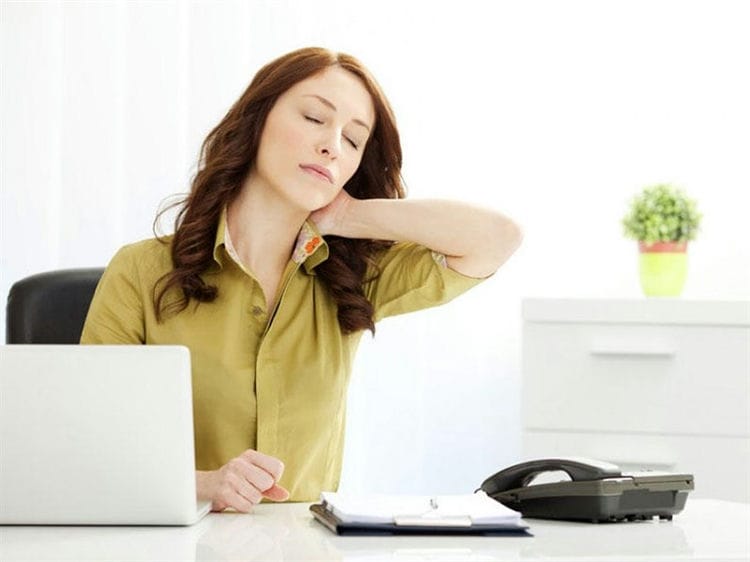
A broken state after sleep may indicate the presence of pathological processes in the body.
For what diseases there is weakness and fatigue after sleep.
- Depression, nervous exhaustion. In depressive conditions, the production of serotonin, the pleasure hormone, which has an invigorating effect on all systems, decreases.
- Apnea. When breathing stops for a short time, a person wakes up. If seizures occur during NREM sleep, the person will feel tired even after eight hours of rest.
- Dehydration. With severe dehydration against the background of vomiting, diarrhea, high temperature, blood pressure decreases, the blood becomes thicker. Because of this, the delivery of oxygen to the brain slows down, a person feels chronic fatigue.
- Disorders of the thyroid gland. Hypothyroidism decreases the production of hormones that control drowsiness and hunger. Other symptoms of pathology are dry mouth, peeling of the skin, constipation, a constant feeling of chilliness, brittle nails. Severe drowsiness may also indicate an imbalance in the hormones of the adrenal glands, ovaries, diabetes mellitus.
- Diseases of the respiratory system, which are accompanied by severe cough, nasal congestion.
- Hypertension, angina pectoris, heart failure, ischemia, vegetative-vascular dystonia.
- Renal, liver failure.
- Atherosclerosis of the vessels of the brain.
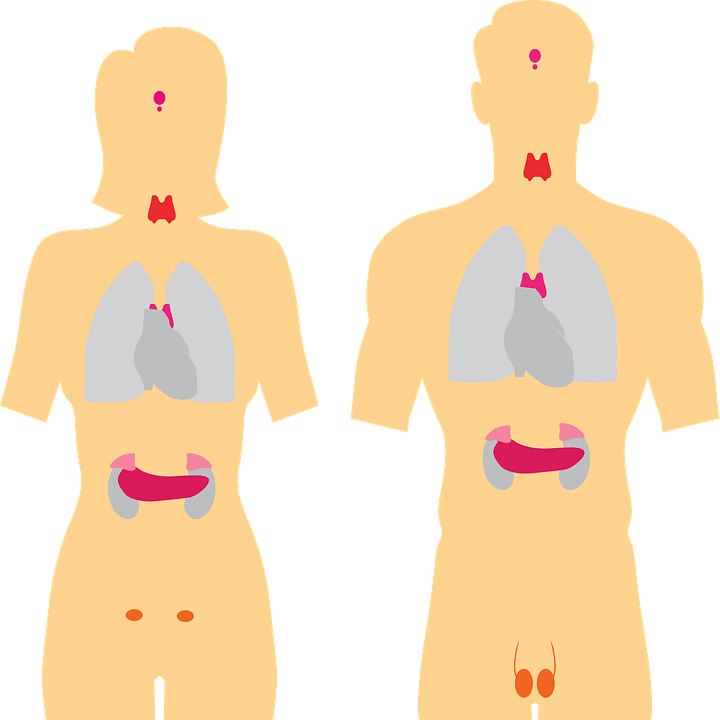
Sleepiness after a night's rest often worries women during pregnancy, menopause, premenstrual syndrome. In children, the problem can be caused by parasitic infections.
Bruxism
Night bruxism appears for various reasons – including curvature of the nasal septum, and malocclusion, and severe stress. The disease is characterized by excessive activity of the chewing muscles, leading to clenching of the teeth during sleep. From 5 to 20% of the adult population face the disease – mainly men aged 25 to 50 years. Identifying the presence of bruxism becomes more difficult if a person lives alone – in this case, no one will tell him that he is grinding his teeth in a dream. However, the disease can also be signaled by increased sensitivity of the teeth, coupled with pain in the jaw area and regular headaches in the morning. If these symptoms appear, you should consult with an orthodontist, who will establish an accurate diagnosis.
Hypothyroidism
This disease appears due to a lack of thyroid hormones – hypothyroidism leads to malfunctions in all body systems. In many ways, its symptoms are similar to depression: you feel tired and lethargic, your metabolism slows down, and your performance decreases. Usually, the peak of weakness and apathy occurs in the morning hours after waking up. A comprehensive examination will help to establish the presence of the disease – self-medication in this case will not bring positive results.
Somnambulism
In the morning, your room looks as if the Tatar-Mongol yoke passed through it, but you cannot concentrate? Perhaps somnambulism is to blame, or sleepwalking, which occurs in only 1-3% of the population of our planet. The essence of this disease lies in activity during sleep: people suffering from it sit on beds, walk around apartments and rooms, moving objects, all in an unconscious state. Some patients even try to cook something or start a car, risking not only their own lives, but also the lives of those around them. Sleepwalking has several causes, including genetic predisposition, stress, and systematic sleep disturbance. A somnologist is able to make an accurate diagnosis after a comprehensive examination.
Restless legs syndrome
If you experience uncomfortable tingling sensations in the lower extremities in the morning and feel overwhelmed, you may have restless legs syndrome. This disease, characterized by involuntary movement of the lower limbs during sleep, occurs in 2-10% of people, regardless of gender and age. If you have the slightest suspicion of the presence of a disease, you must contact a therapist or neurologist to confirm or deny the diagnosis. As a rule, proper nutrition, warm foot baths and moderate exercise help to cope with the disease, but the treatment plan should be made taking into account the individual characteristics.
Obstructive sleep apnea syndrome
Obstructive sleep apnea syndrome is a serious enough disease that can lead to serious consequences. In people suffering from this ailment, up to 500 short-term respiratory stops can occur during the night. The lack of oxygen resulting from such “pauses” provokes the development of various diseases, and also disrupts the work of the brain, since each stop is accompanied by its awakening – complete or partial. All this translates into chronic fatigue, drowsiness, irritability, as well as increased sweating and frequent urination, so when the first signs of obstructive sleep apnea appear, you should consult a specialist.
Disturbances after daytime sleep
Rest during the day helps to restore strength, improve brain activity. But sometimes there is irritability, weakness after a nap.
The reasons.
- With an unplanned rest during the day, the rhythm of the body's life is disrupted, the nervous system especially suffers.
- The biological clock of a person is shifted, the cyclicity of processes is disrupted.
To avoid the negative effects of a day's rest, sleep should last no more than an hour.
How to deal with morning fatigue?
If you feel tired in the morning for two weeks or more, be sure to make an appointment with your doctor. After all, the cause may be one of the above diseases: heart problems, arrhythmia, hypothyroidism …
1 Take care of your emotional health. If, when you wake up, you feel reluctant to get up and want to spend the whole day lying in bed, ask yourself why. Don't hide from problems, but rather seek moral support from your family and friends. Let them energize you every morning! After all, calmness and happiness are the main weapons in the fight against fatigue.
2 Be careful with diets. Make sure you are getting enough nutrients. Any diet should be varied and balanced.

3 Never forget about breakfast. This is one of the most important moments of the day and will provide you with the energy to fight fatigue. A good breakfast should include fruit and fiber. Avoid cow's milk in favor of plant milk. Eat more fiber, which is found in oatmeal. An apple with a peel, a couple of strawberries or nuts will also energize and raise your morale. Prepare everything in the evening so that you can have breakfast without haste in the morning.
4 Drink infusions of ginseng, ginger, or poppy seeds for breakfast at least three times a week. They give vitality and energy, and also promote health.
5 Create a schedule for yourself and stick to it. For example, eat at a specific time, sleep for at least 8 hours, and walk for at least half an hour every day. And of course, don't forget to make time for yourself.
If you are following all of this advice and the fatigue persists, see your doctor. He will find the exact problem and prescribe treatment.
How to deal with daytime sleepiness?
Analyze all the factors of life, make adjustments:
- Home first aid kit. The reason for drowsiness may be taking medications against allergies, painkillers, antipsychotics and antidepressants, anti-cold complexes such as Teraflu due to a sedative component, as well as sedatives, including those based on a plant basis.
- Food. Sleepiness is caused by eating carbohydrate foods (potatoes, bread, baked goods), after which blood glucose rises and falls rapidly, causing insulin-induced sleepiness.
- Getting oxygen. In a closed and unventilated room, yawning often begins, which is associated with a lack of oxygen. Anemia caused by a decrease in red blood cells carrying oxygen in the blood also provokes weakness, lethargy, and a constant desire to sleep.
- Physical activity. Movement eliminates the three main causes of fatigue and sleepiness: depression, obesity, diabetes. An increase in the level of inflammatory molecules in the blood can cause drowsiness and weakness. Regular exercise reduces levels of C-reactive protein, tissue necrosis factors and interleukins, reducing the risk of heart disease, arthritis, and other inflammation.
Everyone chooses their own way of correcting their lifestyle. Someone buys a subscription to a fitness center with a full range of services, from a gym, swimming pool to yoga and sauna for 4-8 thousand rubles a month.
Someone undergoes a comprehensive examination of the body, laying out up to 30 thousand rubles in clinics, receives familiar recommendations on proper nutrition and exercise.
Someone tracks activity and rest using a sleep diary, pedometer, or a comfortable fitness bracelet that reads the amount of sleep and movement throughout the day. The assistant cannot be fooled: he gives the exact time of sleep to the mobile application, indicates the duration of deep (healthy) and light sleep, the number of awakenings and the time spent falling asleep.
The norm for the average adult is 7-8 hours of sleep with a minimum number of awakenings (no more than two) and falling asleep within 30 minutes.
Feeling unwell after a nap. Do I need a nap
From the point of view of physiology, a person does not need a daytime sleep. For recovery and normal functioning, the body needs an 8-hour night's sleep, this is enough. Unfortunately, not all people have time to rest at night, so they try to “get” the required number of hours during daylight hours. But when it comes to the human body, it's not that simple. Firstly, during the day, melatonin, the sleep hormone, is practically not produced. This means that daytime sleep will never be as beneficial as nighttime sleep. Secondly, prolonged naps can disrupt biorhythms.
Doctors believe that the only acceptable option is a 20-minute rest, which should occur no later than 4:00 pm. You can only take a nap when you haven't slept long enough at night. Such rest improves health and mood, increases efficiency. In all other cases, naps are of no benefit.
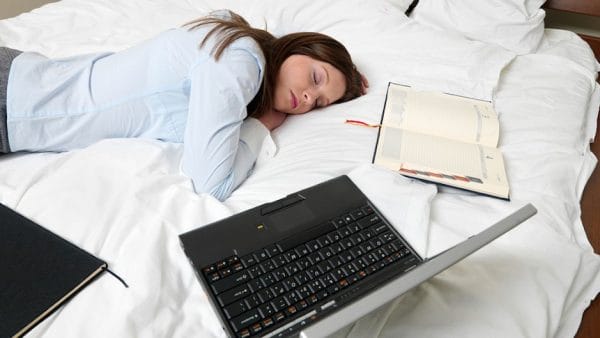
Only a 20-minute nap is good for your health.
What are the benefits of naps?
To begin with, you need to dispel the deep-rooted myth in society that daytime sleep is a sign of loafers. On the contrary, it is extremely useful, and this is a scientific fact. Many successful historical figures loved to sleep during the day. As an example, let us recall the legendary Winston Churchill.
An afternoon nap is no stranger to our famous contemporaries. An example is the domestic marketer Roman Maslennikov. According to him, he chose the path of entrepreneurship for himself largely due to the opportunity to sleep in the afternoon, a free schedule contributed. By the way, his book “The Whole Truth About Daytime Dreams” is about this. We recommend reading.
Scientists from the University of California have proven the benefits of daytime relaxation. It was based on a survey of hundreds of respondents who regularly sleep during the day for 20 minutes – this is the most useful time for sleep. Each of them filled out a questionnaire, the data of which were submitted for processing by the laboratory.
Abroad, this phenomenon is called “power napping”. The Russians, obeying their love for the cinematic classics, call it “Stirlitz's dream.” The latter, as you know, gave himself the setting and woke up by the “internal alarm clock”.
Now to the question of the benefits of daytime sleep. Is it as good as scientists say? The answer is definitely yes. First, the concentration of attention increases by 30-50%. Secondly, efficiency increases. In addition, mood and general well-being are definitely improved. Taking a nap provides a burst of energy and reduces irritability.
According to medical research, daytime sleep has a complex beneficial effect on the entire body as a whole. It increases the conductivity of the nervous system (by 15-20%), and also sharpens reflexes. With regular practice, the risk of developing diseases of the cardiovascular system is reduced.
Is it good to sleep during the day for someone who is awake at night, for example, working? Certainly, but not at all necessary. However, if the night's sleep is short for external reasons, this inevitably leaves an imprint on daytime activities. Activity decreases and fatigue increases. Therefore, sleeping during the day is not only useful, but even necessary.
Why does my head hurt after a nap
A person who sleeps during the day often does not feel well. In addition to headaches, there may be a deterioration in performance, nausea, general ill health, and even a decrease in mood.
Most often, problems arise due to non-observance of normal conditions for rest:
- an uncomfortable position in which blood vessels are pinched. This happens when a person is not sleeping on a bed, but lying on a table or sitting in an office chair;
- extraneous noises that the brain is trying to process;
- too bright light;
- stuffiness in the room, due to which the brain does not have enough oxygen and it responds with a headache.
But even if all these conditions are met, sleep is not always healthy. It's about our physiology. The body is not tuned to sleep during daylight hours. A full sleep with a change in phases during the day is almost impossible, because of the daily routine, you often have to wake up in a deep phase, which makes a person feel overwhelmed. The brain during the daytime sleep cannot rest as well as during the nighttime, this also causes a headache.
The quality of the night's rest also affects the state of health after a day's sleep:
- lack of sleep (less than 7 hours) increases blood pressure and heart rate. A short nap is not able to compensate for the lack of rest, so the head hurts both in the morning and in the afternoon;
- with an excess of sleep (more than 9 hours), the blood supply to the brain decreases, which leads to a headache. If you sleep long enough at night, then you should not rest during the day.
The head may ache due to the wrong sleeping position
Various pathologies can cause headaches:
- deficiency of endorphins. If there are few of these hormones, then the vessels narrow, it is more difficult for blood to get to the brain, which causes a headache;
- deficiency of caffeine. If there is not enough caffeine in the body, then the vessels dilate, the pressure rises and unpleasant sensations appear;
- being under stress. In such cases, it is impossible to rest normally, pain can occur not only after a daytime sleep, but also after a nighttime sleep;
- hypertension. High blood pressure often causes painful sensations. See your doctor if you have a persistent headache and nausea after rest;
- osteochondrosis, in which the blood vessels are pinched;
- concussion. Pain is usually combined with nausea, and these symptoms persist throughout the day;
- vegetative-vascular dystonia. A person suffers from nausea, dizziness, general poor health, the symptoms persist for a very long time;
- neuralgia of the occipital nerve;
- a brain tumor;
- a cold, in which toxic substances enter the body, and intracranial pressure also increases.
Drinking alcohol can also cause discomfort. Alcoholic drinks reduce the amount of fluid in the body, to which it reacts with pain.

If you drank alcohol shortly before bedtime, you may have a headache when you wake up
How to get rid of a headache
To get rid of pain after a day's sleep, you need to eliminate the causes. Organize the right conditions first. Rest only in bed, be sure to ventilate the room. To keep the light out of your way, draw up the curtains and wear a sleep mask. Try to sleep in quiet places.
Pay attention to the length of your nighttime and daytime sleep. The best option is 7–8 hours at night and 20 minutes during the day. For rest to be rewarding and healthy, avoid stress and relax before bed. Cut back on alcohol and drink more water to balance your body.
If none of this helps, then see your doctor. Perhaps the cause of painful sensations is hormonal imbalance or various diseases. In this case, only a specialist can help you.
A headache after a nap is unpleasant, but it can usually be dealt with by monitoring the length of your sleep and the conditions in which you are resting. If all else fails, then it is better to see a doctor – a specialist will find out the reason and help you feel better.
Helpful tips for those who sleep during the day
To sleep during the day was really useful, follow some simple rules:
- if the previous night's sleep was objectively insufficient, allow yourself to take a 40-60 minute nap. In some cases, the time can be increased up to 90 minutes (1 cycle);
- the duration of the “siesta” with a full night's rest should not exceed 30 minutes. During this time, the physiological systems of the body will be “restarted”. If after half an hour you “fell” into a deep phase, a quick awakening will cause you to feel unwell. If the rest the previous night was not complete, sleep during the day can last 2 hours. Observe the duration of the phases carefully;
- – create a comfortable environment for relaxation. Dim the sound and light. Alternatively, use ear plugs and an eye mask. Sleeping in complete darkness is most beneficial for melatonin production.
- – choose a comfortable place to sleep. Sleep experts do not recommend going to bed, as sleep can become strong (reflexively). The best position is reclining. Convenient places – sofa, car seat, etc. You should also loosen the restraining items of clothing;
- – The optimal time for naps in adults is no later than 15.00. During these hours, the body especially needs rest. Falling asleep later can lead to disturbed sleep at night;
- – take into account the individual physiological characteristics. If falling asleep for a long time, add another 15 minutes to the total time. Only in this way can you fully experience how useful it is to sleep during the day;
- – those who have difficulty waking up need to drink a cup of strong tea or coffee in advance;
- – after a day's sleep, it is very useful to do a short warm-up to improve blood circulation;
- – if drowsiness haunts you, you can't cheer up, and there is no time to rest, take a nap anyway for about 10 minutes. Doctors have proven that even such a short sleep can energize for an hour! Think back to your student years. Surely, they fell asleep at the lectures, and then felt a surging freshness and enthusiasm.
Magic in the morning or How much sleep do we need?
The idea of the book is that you need at least 7 hours of sleep, but most likely you will not need more. According to Hal Elrod, seven hours is enough to fill a person's basic need for sleep, and then mood is critical.
Why do I wake up tired?
Why don't I get enough sleep, no matter how much I sleep?
The quote is not mine, but it was the first step to understanding:
The reason we stay up late is because we don't want our free time to run out and the next day to come.
Just think: but it is almost always true.
We do not want to fall asleep, because in the morning a routine awaits us again, a scenario that repeats itself from day to day.
And remember how in childhood, before a birthday, they hurried to go to bed as soon as possible. And how the sutras jumped in bed in anticipation of congratulations and gifts.
We do not want to wake up, because a warm bed attracts more than the daily hustle and bustle, work and a bunch of responsibilities.
Of course, it happens that the motivation to wake up is huge! Before a holiday, a vacation or hugging a loved one. But it also happens otherwise – in times of serious problems, you don't even want to open your eyes. The good news is that you can get out of this circle of addiction to morning motivation.
You can make every morning a little magical. There are several interesting ways to do this, but their basis is to make the morning pleasant, bringing joy in itself, regardless of what day lies ahead. Make the morning invigorating, atmospheric and healthy, so that it becomes your special tradition. So that you no longer have to say “I wake up tired every day.”
I have always found it difficult to find time for blogging, useful books and sports. At lunchtime – working hours, and in the evening there is no longer any strength or attention to do all this. I wanted to be with friends and family, cook something delicious or just watch an atmospheric movie without thinking about anything.
And really important and interesting things that would make me better, for which there was simply not enough time and energy in a day, were left without attention.
It was so until I realized that I have an ideal time when my head is still not busy with anything, and this time is morning.
The magic of the morning in 6 steps
Hal Elrod encourages you to use these 6 steps every morning. Perhaps, like me, not all will suit you. But from them, you can choose what works best for you.
A little preparation:
To avoid the temptation to set the alarm again, there are several secrets you can apply.
- Before going to bed, think about what good things will happen tomorrow. A delicious breakfast, an interesting assignment at work, a sequel to a great book, whatever. Why do you wake up in the morning? For what? To wake up easily, you need to learn to find something good in every day.
- In the evening, ventilate the room to let in fresh cool air and fall asleep faster; But before going to bed, make sure that the room is warm by the morning – you can use the auto-tuning thermostat or just open the window in advance in the evening and close it when going to bed.
- For the winter time, they have now come up with special alarm clocks that illuminate the room more and more by the time of waking up, imitating the dawn.
- A couple of hours before bedtime, put the phone screen into “night mode” – this will reduce the amount of blue color, which has a positive effect on falling asleep. Our brain associates this blue glow with morning light. Therefore, before going to bed, it is not recommended to look at the phone (but since this is almost impossible – you need a night mode).
- It is better to sleep in complete darkness and go to bed (ideally) earlier than 12 hours (from 9 to 12), as our body produces the hormone melatonin, which has a huge effect on whether you will be overwhelmed or rested in the morning.
- Place the alarm clock away from the bed, because the most important thing is to just get up. There will be less temptation to lie down again (than if you just reached to turn it off and immediately fall asleep again).
- After getting up, you need to immediately brush your teeth. It's like micro-charging. Moving a little, it will be easier.
- Drink a glass of water as soon as possible after waking up. Much has been said about the benefits of water. And believe in it or not – a glass of cool water really, at least, invigorates. And as a maximum, it restores the water balance in the body, which is disturbed during the recovery processes at night.
The magic of the morning is that in order to change your life, you need to get up just half an hour or an hour earlier. But if you spend your morning right, then this ruthless waste of time for sleep will be fully compensated by a great mood for the whole day.
Step 1 – Silence. After waking up and brushing your teeth, set aside up to five minutes – silence. Meditation, prayer, or just letting thoughts rush through your head without paying attention to them. It's five minutes without a smartphone, TV or music. Look out the window for five minutes. Sit in the kitchen for five minutes and do nothing.
Usually in the morning we immediately undertake to check mail or feed in social networks, but this is a colossal load on the brain, stress that remains with us all day. And if you see some not very good news or message, the day is completely ruined. Therefore – five minutes alone with yourself.
Step 2 – Affirmations. 1-5 minutes. Tell yourself that today is a great day for you. That you can handle all the problems. That today you will become one step closer to the goal – isn't it true?
Step 3 – Visualization. 1-5 minutes. A popular and sometimes very effective psychological technique. Imagine the life you dream of. Look at the wish card (if any). Remember cool pictures from Pinterest that you want to bring to your life.
Step 4 – Reading. 10-30 minutes. My favorite step and one of the main reasons why I love the morning. This is an opportunity to finally read everything that has been delayed for months! It doesn't matter if you are reading two pages or 20 – even two pages may contain something that will energize you for the whole day!
Step 5 – Keeping a diary. 5-15 minutes. Here – who suits what is more. Write your expectations from the coming day, thoughts that come to mind, write down dreams or words of a song that is annoyingly spinning in your head. On paper or in digital format, 10 words or 1000 – it makes no difference. The main thing is to unload your head. Throw out part of the “thought mixer” onto a third-party carrier.
Step 6 – Sports. 5-30 minutes. The author advises doing yoga in the morning or doing cardio exercises. But the main thing is to do at least something, even simple turns of the head left and right and exercises from kindergarten are already better than nothing. Our body needs movement to wake up. And then – take a shower / wash.
Next – have a good breakfast. Many researchers argue that after eating, the body spends a huge amount of energy on digesting, instead of being aware of new information (reading), working the imagination (diary) and building endurance (for sports). Therefore, it is universal – to start the head, then – the stomach.
Sources used and useful links on the topic: https://zason.ru/ustalost-posle-sna/ https://medvisor.ru/articles/narusheniya-sna/utrennyaya-ustalost/ https://econet.ru/articles/ ustalost-po-utram-vozmozhnye-prichiny-i-sposoby-resheniya-problemy https://woman.rambler.ru/health/42406072-utrennyaya-ustalost-pochemu-vy-chuvstvuete-sebya-razbitym-dazsenhe-posle-opolnot -sna / https://mnogosna.ru/article/dnem–sonlivost-nochyu–bessonnica-dve-problemy–odno-reshenie/ https://mysonnik.com/interesnoe-o-sne/pochemu-posle-dnevnogo-sna -bolit-golova.html https://dnevnik-znaniy.ru/zdorovie/polezno-li-spat-dnem.html https://storm-injuly.com/prosypajus-ustavshim/
Post source: lastici.ru