
Homemade cream cheese. How to make homemade cream cheese? Cream cheese: recipes, composition, how to make
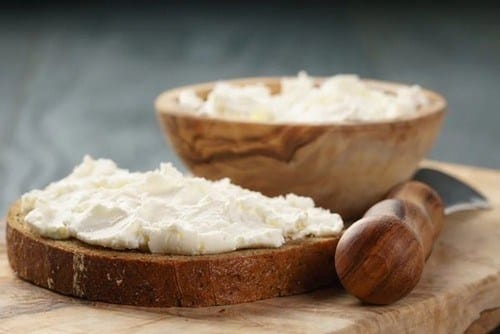
Composition and calorie content of cream cheese
The nutritional value of a product depends on the composition of the raw materials and flavor-improving additives.
The calorie content of cream cheese made on the basis of cow's milk is 350 kcal per 100 g, of which:
- Proteins – 6.15 g;
- Fat – 34.44 g;
- Carbohydrates – 5.52 g;
- Inorganic substances – 1.27 g;
- Water – 52.62 g.
Vitamins per 100 g :
- Thiamine – 0.023 mg;
- Riboflavin – 0.23 mg;
- Nicotinic acid – 0.091 mg;
- Pantothenic acid – 0.517 mg;
- Vitamin B6 – 0.056 mg;
- Folate – 9 mcg;
- Choline – 27.2 mg;
- Betaine – 0.7 mg;
- Vitamin B12 – 0.22 mcg;
- Vitamin A – 308 mcg;
- Retinol – 303 mcg;
- Lutein + Zeaxanthin – 7 mcg;
- Vitamin E (alpha-tocopherol) 0.86 mg
- Tocopherol – 0.45 mg;
- Vitamin K (phylloquinone) – 2.1 mcg;
- Menaquinone – 48.7 mcg.
Minerals per 100 g :
- Calcium, Ca – 97 mg;
- Iron, Fe – 0.11 mg;
- Magnesium, Mg – 9 mg;
- Phosphorus, P – 107 mg;
- Potassium, K – 132 mg;
- Sodium, Na – 314 mg;
- Zinc, Zn – 0.5 mg;
- Copper, Cu – 0.018 mg;
- Manganese, Mn – 0.011 mg;
- Selenium, Se – 8.6 μg.
Sugar per 100 g :
- Lactose – 3.76 g;
- Starch – 0.35 g.
Fatty acids per 100 g:
- Saturated – 20.2 g per 100 g;
- Monounsaturated – 8.907 g;
- Polyunsaturated – 1.483 g;
Cholesterol – 101 mg per 100 g.
Amino acids in cream cheese:
- Glutamic – without it, metabolism is disturbed, vitamins and minerals are not absorbed.
- Aspartic – normalizes the endocrine system and is a building material for protein structures.
- Leucine – without it, it is impossible to form a beautiful figure and maintain weight at the same level.
- Lysine – supports liver function and is involved in the hematopoietic system.
- Proline – Increases collagen production, which is essential for healthy cartilage and ligaments.
The cream cheese contains all types of milk protein :
- Casein – this is the main component of cow's milk contains the entire set of amino acids and normalizes blood sugar levels.
- Lactoalbumin – Dairy products owe it their nutritional value.
- Globulin – suppresses inflammation and helps to recover from debilitating diseases.
The protein content depends on the feedstock. If cream cheese is made from buffalo milk and whey of various types, globulin and albumin will prevail, bovine or goat casein will prevail.
The benefits and harms of cheese cream are determined by lactose, milk sugar. From this substance, lactic acid is produced, which creates an environment for the development of intestinal flora and is the main source of energy. However, in many people, lactose causes intestinal distress. It turns out a vicious circle: without lactose, lactobacilli cannot exist, but if they are not there, milk sugar is not absorbed. People have to switch to a special diet that allows them to maintain normal functioning. It is especially difficult for parents of children with lactose intolerance to cope with this problem.
The classic version of soft cheese
In industrial conditions, fatty milk or cream is used as a feedstock. At home, only cream, milk or sour cream. No additional stabilization components are added. If desired, you can add flavoring additives – dried herbs, spices.
Attention!
Homemade cream cheese is stored less than store cheese, since there are no preservatives in the composition.
To prepare it at home, you need:
• cream – 400 ml;
• sour cream, not very fatty – 400 ml;
• milk – 1 liter.
The cheese turns out to be soft, but retains its shape. The color is pleasant, creamy, slightly yellowish. For heat treatment and cooking, it takes 16 – 18 hours.
Cooking step by step:
1 All products are combined in an enamel saucepan, brought to a homogeneous structure.
2 Put away in a warm place with a lid. During this time, curdling occurs.
3 Place the saucepan on the stove, heat it up, let it boil.
4 Remove, allow to stand for 12 hours to separate the serum.
5 The cheese mass is thrown into a colander covered with gauze, placed in a saucepan to glass as much liquid as possible.
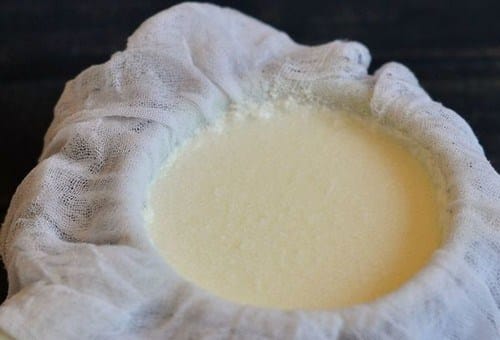
6 After 8 hours, the curd mass is squeezed out, a head is formed.
For ripening, it is placed in a cold place for 6-8 hours, on a pallet. It is better to rub the surface with salt. Then the shelf life is increased to 1.5 weeks.
Useful properties of cream cheese
The daily introduction of a small amount of a product into the diet allows you to normalize metabolic processes and gives you energy, which is enough for all types of activities.
The benefits of cream cheese are provided by a rich vitamin and mineral composition:
- Increases the absorption of fat-soluble vitamins.
- Prevents the formation of calculi in the bile ducts and kidneys, dissolves harmful cholesterol deposited in the lumen of blood vessels.
- Seals cell membranes.
- Stimulates the synthesis of antibodies, has anti-inflammatory and immuno-strengthening effects.
- Possesses antioxidant properties, isolates free radicals entering the liver.
- Normalizes the work of the nervous system.
- Supports visual function.
- Reduces the destructive effect of adverse environmental factors – ultraviolet radiation, viral and bacterial attacks.
- Restores the balance of intestinal microflora.
- Increases bone strength and improves ligament quality.
- It has a hepatoprotective effect.
- Accelerates digestive processes, relieves constipation.
Like all dairy products, cheese cream prolongs youth, improves the quality of the skin and hair. It is especially useful for pregnant women to eat soft cheese – it contributes to the formation of a healthy neural tube and bone tissue of the fetus. Introduction to the diet in old age allows you to maintain a stable heart rate
Types of cheese creams
In the modern world, there are many varieties of soft cheeses. Many of them have gained worldwide popularity, and some are a local cheese product, that is, a purely national cheese that is prepared at home.
Greece is considered the birthplace of the first cream cheese – feta. The first mentions of feta date back to the time of Homer, who lived in the eighth century BC. Many cream cheeses popular today come from Italy: mozzarella, mascarpone, ricotta. French cream cheese Gervais and Nechâtel are also known in the world. Another extremely popular variety is Philadelphia cheese, which is made by the American food company Kraft Foods.
Greek feta
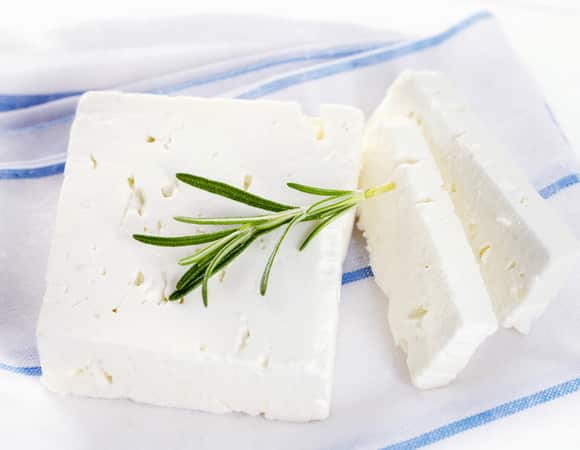
Classic feta is made from goat or sheep milk. This is a fatty soft salty cheese. It is dense in texture and crumbles easily. The color of feta can vary depending on the feedstock and range from pure white to light beige. Goat feta has a specific smell. Sheep milk produces a fattier and softer cheese.
Quark
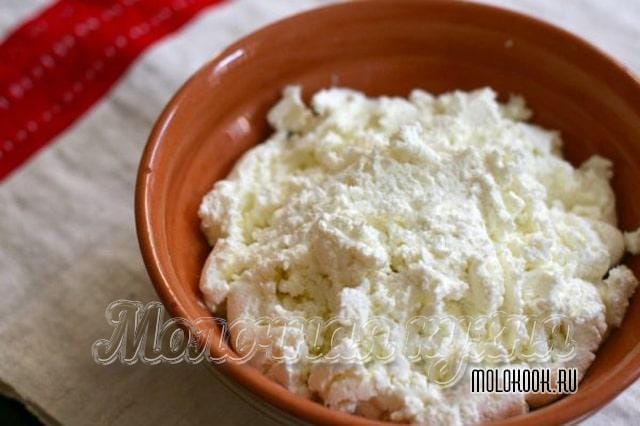
The word ‘quark' in translation from German means “curd”. It is a soft fresh cheese made from high quality cow's milk, without any flavoring or aromatic additives. The consistency of the product resembles natural Greek yogurt or yogurt, but the taste is richer and richer. In the process of quark production, milk is fermented by natural lactic acid bacteria at low temperatures, due to which the product receives a unique vitamin and mineral composition.
The process of making a quark is completely automated, a person does not take part in it. The calorie content of cheese is small – 100 g contains only 46 kcal. It is often used for making dietary cheesecakes, mousses, soufflés, baking fillings, and sauces.
Almette curd cheese
White pasty product with natural composition from the German company Hochland. It tastes quite salty, but with the addition of sugar or powdered sugar, it can be used to fill sweet cheesecakes like cheesecake or other desserts. Almette is distinguished by its airy consistency, creamy aftertaste and pleasant aroma. Due to the plasticity of the product, it can be easily spread on bread. Contains no synthetic flavors or preservatives.
Mascarpone
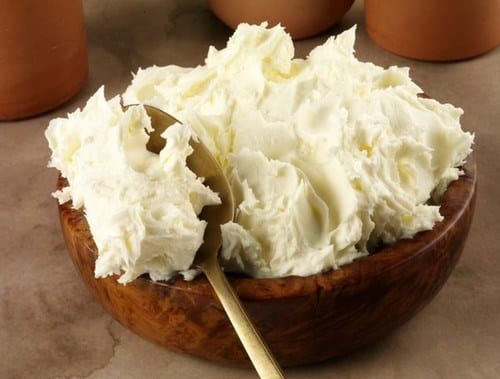 There are several recipes you can use to make soft cream cheese at home. For a quick option, the raw material is sufficient – cream of 33% fat and lemon juice.
Cream (1 l) is heated to 80 ° C, lemon juice is added 4 tbsp. l., knead and simmer over low heat for at least 20 minutes. They are thrown into a colander covered with gauze folded in 4 layers, left to drain without squeezing. You need to eat your own handmade cream cheese in 48 hours. If sour cream is used as a raw material, then the fat content of the product will increase.
Ingredients for the following option:
• sour cream 20% – 4 glasses;
• milk – 1 glass;
• lemon juice – 2 tbsp. l.
All products must be prepared in advance. In order for the cream cheese from sour cream to turn out to be airy, they need to be warmed up to room temperature.
Step by step preparation:
1 Both types of raw materials are poured into an enamel pan, mixed, heated over low heat, shaking with a wooden spatula.
2 As soon as the first bubbles appear, pour in lemon juice.
3 After the formation of the curd curd, remove from heat, allow to cool under a lid at room temperature.
4 Cover the sieve with a cloth or gauze, moisten it with clean water, squeeze out the curd. The knot is not suspended, it is left for self-pressing.
5 The structure of the future cream cheese is determined “by eye”. For a more dense time, during which water flows down, increase by 10-20 minutes.
6 Lightly press the curd mass, transfer to the mold.
They are allowed to ripen for 48 hours on a refrigerator shelf or, in winter, on a balcony. Sour cream mascarpone goes well with vegetables, but it is not suitable for making desserts – it is too thick.
Labne
The most delicate cream cheese popular in Lebanon, Turkey and other countries of the Middle East. It is made from drinking yogurt or sour milk by heating until a thick consistency is formed, and then weighed in gauze, allowing the whey to drain. Young cheese has a soft texture and delicate taste, so it can be used as a filling in cheesecakes and other desserts. Also, labne is often mixed with herbs, rolled into balls and dried in the sun. In this form, it can be stored for a long time.
Ricotta
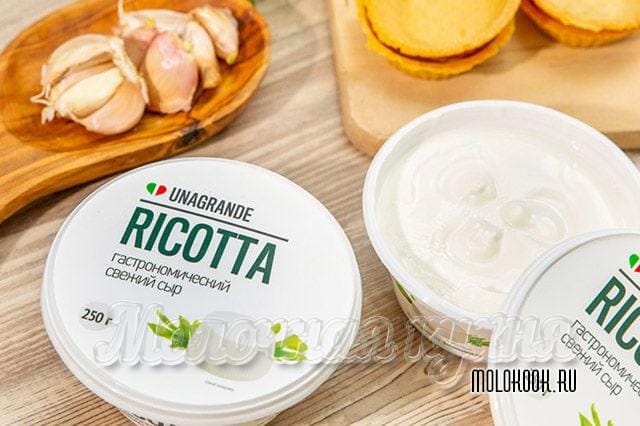
Cheesecake with this cheese turns out to be very tender, literally melting in your mouth. Ricotta is a traditional Italian product made from by-products – whey left over from the production of other types of cheese. The name “ricotta” in translation from Italian means “cooked twice”.
In the industrial production of ricotta, acid is added to the whey heated to 80-90 degrees – tartaric, citric or hydrochloric. After rolling up the albumin, the resulting mass is separated from the liquid and transferred to plastic containers (previously, willow baskets were used). Sometimes a little heavy cream is added to the raw materials, so the taste of ricotta is richer, and the consistency is softer.
Neuchatel
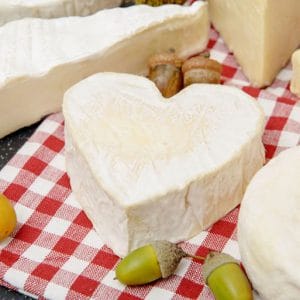 This is the French version of cream cheese – the prototype of Philadelphia. It is produced from cow's milk, adding rennet for curdling, then a special yeast fungus. After 10 days, the Nechâtel cheese is considered ready. By this time, the surface of the cheese dries up and becomes covered with a velvety white mold, which gives it a specific moldy aroma and fresh taste.
Mozzarella
Mozzarella and ricotta are delicate creamy Italian cheeses. According to the classic recipe, they are prepared from the milk of black buffalo (mozzarella) and the whey left over from the preparation of the mozzarella (ricotta). On an industrial scale, these cheeses are made from milk from buffaloes of other breeds, cow's milk and mixtures thereof, less often from sheep or goat.
Contraindications and harm of cream cheese

People who have lactase deficiency should not enter this product on the menu, even if the raw materials are buffalo milk or whey. Albeit in small quantities, but milk sugar is present in it. The exception is cheese made from soy milk, but its quality and taste are different from real cheese cream.
The harm of cream cheese can be provoked by abuse in persons suffering from obesity, urolithiasis and cholelithiasis, gout or chronic rheumatism. The product contains a high amount of purines, which can provoke another exacerbation.
With frequent attacks of tachycardia and impaired renal excretory function, preference should be given to unsalted or sweet cheeses, and in case of a diseased liver, low-calorie cheeses.
Young children and pregnant women are advised to consume plain foods or sugary options.
If unpleasant sensations appear after eating – heartburn, heaviness in the stomach, you should choose a different type of product or limit its amount.
Creamy homemade cheese recipes
Almost all types of fermented milk products can be made on their own. Cheese makers offer, for some varieties, various cooking methods, from which you can choose the most convenient and simple. Additives are added both at the cooking stage and before stabilizing the curd.
Before cooking, the raw materials must be sterilized or boiled. This is the only way to be sure of the safety of the product. At home, cream or full-fat milk should be heated to 85-92 ° C, and then quickly cooled on ice or in cold water.
Soft product
Now we will tell you how to make soft cream cheese directly at home. It is commonly used in confectionery as a filling for cakes, eclairs and for decorating cupcakes.
A soft cheese product is also the main ingredient in cheesecake cream. And also, in combination with aromatic herbs, it becomes a delicious sandwich paste.
So, you will need:
- sour cream – 0.4 kg (25 percent);
- kefir – 0.45 kg (3.2%);
- fermented baked milk – 0.4 kg (4%).
A little trick – all food must be put in a separate plastic bag with a fastener.
The ingredients must be frozen. This usually takes about 3 hours. After this time, remove the bag from the refrigerator and simply cut it with scissors.
The mass is then transferred to a colander with gauze rolled in 4 or even 5 layers. It is placed over a saucepan, where whey will soon start to seep. This stage takes about 8 hours, so it's best to do everything in the evening. In the morning, you have a completely ready-made cheese, which you just need to transfer to a resealable container and mix well with a whisk.
With such a product on hand, you will create a great cheesecake in a matter of minutes. You only need to grind half a kilogram of shortbread cookies with 100 grams of butter in a blender, pour the crumbs into a mold, tamp and pour cheese whipped with powdered sugar on top. The dessert is allowed to soak for about 3 hours.
By the way, do not pour out the whey, because this is an excellent base for pancakes. It will also work for okroshka, where it will replace the usual bread kvass.
Bursen
Thick Norman cheese made from cow's milk with a soft texture, no crust. Available in various flavors: there is a snack option with garlic and herbs, a dessert option with the addition of figs and three nuts, and natural creamy bursein without additives is well suited for making cheesecake.
The finished cheese is formed into small 150-gram heads and wrapped in foil, which keeps it fresh and prevents the formation of a dry crust on the surface. Taste – slightly salty (easily corrected by adding powdered sugar or sand), with a pronounced aftertaste of cream, texture – delicate, curd. The usual fat is 40%, but for a low-calorie cheesecake, you can buy a light bursen with a fat content of 21%.
Curd cheese
It is advisable to prepare a cut of fresh herbs and spices in advance. Creamy curd cheese tastes better with additives. To prepare it, you need:
• 0.5 kg of cottage cheese;
• 100 g of butter;
• salt to taste.
While the butter softens slightly at room temperature, the curd is pounded through a sieve. Combine the ingredients, lightly add some salt, beat with a mixer, first at low, and then at low speed. It is necessary to achieve an increase in volume of at least 1.5 times. The finished curd and cream cheese is cooled in the refrigerator.
Attention!
To make whipping easier, it is better to cut the butter into small pieces.
Sour cream cooking option
The simplest ingredient for making cream cheese is weighed sour cream. The taste of the final product depends entirely on the main component. Sour cream should be sweet, without an unpleasant sour aftertaste.
To prepare one serving of cream cheese, you will need 0.5 liters of sour cream. The fat content of the main ingredient must be at least 20%.
Cooking takes place according to the standard scheme: we smooth the cheesecloth in several layers and stretch them over a bowl. Pour sour cream onto cheesecloth. We hang the gauze bag over any container for draining the whey.
The whey is separated from the finished product within 10-12 hours. When the excess moisture has settled, the cheese mass will have to be whipped a little to make it more fluffy and tender.
Kefir recipe
This dietary product with low fat content can be given to young children, introduced into the diet of patients with diseases of the gastrointestinal tract.
A set of products:
• low-fat kefir, up to 2% – 1 glass;
• cream 30% – 80 ml;
• milk from 3.2% – 1 liter.
To make creamy curd cheese, it's best to use a slow cooker. All the raw materials are mixed in a bowl, and to make the structure homogeneous, set the regulator to the “quenching” mode. The lid is not closed – you need to make sure that the mass does not curl up. It may be necessary to switch to “heating”.
When the separated curd becomes light and the whey brightens, the liquid is filtered through cheesecloth folded in several layers.
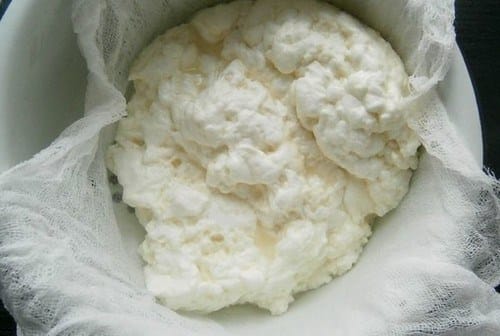
If in the process of heating it has acquired a yellowish-greenish tint, then the cream cheese made according to this recipe will be dense. After decanting the liquid, the head is formed manually or the curd mass is transferred into molds. Leave to ripen for 4-6 hours, or 2-3 for cooling.
Substitution for cream cheese
The cheese prepared according to the above recipes is in no way inferior to the famous foreign counterparts and is able to replace them in all dishes. However, sometimes the hostess does not have time to cook the product on her own, and here the question arises: what can serve as an alternative?
The easiest option is to use medium fat cottage cheese. It is important that it remains soft. The product should be whipped well with a processor, adding at the end of the procedure 50 ml of fresh cream for every half kilogram. As a result, you will get a completely high-quality substitute.
For confectionery products, it is advisable to use ready-made sweet curd mass. The main thing is that it does not contain any flavors and fillers such as raisins, etc.
Philadelphia cheese from a slow cooker

We need: cheese yield – 700 g
- 1.8 – 2 liters of homemade milk of high fat content
- 1 pack. starter cultures, for yoghurts
Preparation:
1.Make sure to boil homemade milk, unless, of course, it is from your cow. Boiled milk must be cooled to 38 degrees, preferably with a thermometer,
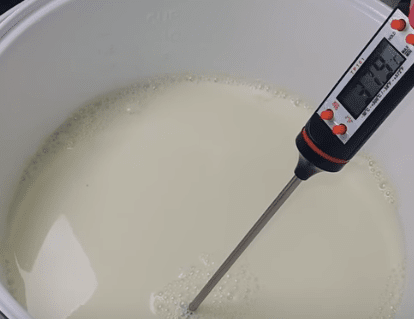
but you can also define it in the old grandfather's way – to drip on the hand from the back (remember how you checked when small children were fed from a bottle).
2 Add the starter culture to the cooled milk (38 gr.), Mix.
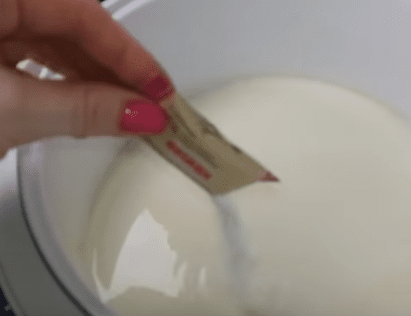
We send to the multicooker for 8 hours, the function is yogurt.
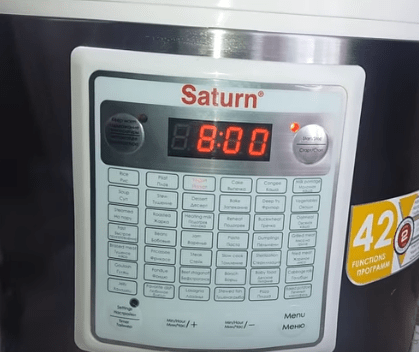
Tip: If there is no multicooker, pour the mixture into a jar, cover with a lid, wrap it with a warm towel (blanket) and put it in a cold oven (do not turn it on) overnight, so we will save from drafts.
3 Then we decant through a colander with gauze, or into a special bag for cheese.
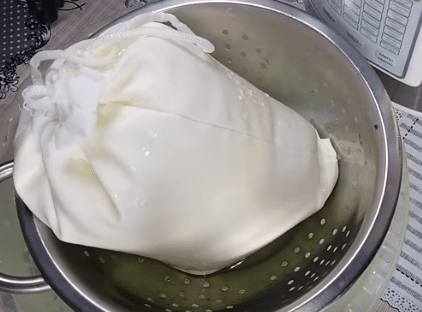
Can be hung on the cabinet door (see making homemade sour cream). After that, we put it in a dish and store it in the refrigerator.
Tip: Philadelphia cheese can be prepared with kefir, yogurt or fermented baked milk: – 1 liter plastic bag (or 2 bags of 0.5 liters each) of the product, maximum fat content, put in the freezer overnight. Then we cut off the packaging and put it in a colander with gauze, then according to the recipe. Cheese yield 300 – 400 g.
Cream and milk recipe
In structure, this fermented milk product is more like a cream, it is so delicate. You can use freshly squeezed lemon juice or apple cider vinegar for curdling. For cheese made from cream and milk, you need to get both types of raw materials from the refrigerator in advance – a ratio of 1: 2.
The homogeneous mixture is heated to 85 ° C, 30 ml of apple cider vinegar is poured in. Mute the heat to a minimum and boil the contents of the pan for 10-15 minutes, stirring constantly. The formation of a dense curd curd should not be allowed. Throw the slightly dried mass into a colander covered with a cloth. Tie it in a knot, hang it for 4 hours to make a delicate cream cheese, and 12 if you want to form a head.
Beat slightly dehydrated cottage cheese with a mixer to achieve a creamy consistency. Refrigerate before use.
Attention!
To get a dense texture, squeeze the dried mass again, add a little salt, form a head. Salted cream cheese is allowed to ripen for 24 hours on a refrigerator shelf in an airtight container.
How to choose and store
To buy quality cream cheese, you need to know how to choose it. To do this, you need to follow certain rules:
- It is necessary to buy the product only in reputable stores.
- Packaging with cheese should be kept in a refrigerator with a temperature of + 2 … + 6 ° С.
- The container must be intact, clean, with a label.
- The information on the label must be in Russian and contain data on the composition of the product, its value, production date, shelf life, manufacturer.
Carefully study the product label. Natural cream cheese should not contain vegetable fats, starch, gelatin, colors, flavors or other food additives. Its shelf life should not exceed 3 weeks. If it is longer, this indicates the presence of preservatives in the product.
Cream cheese keeps well in brine. After opening the packaging, the cheese can be stored in its original packaging or in a clean glass container with a tight-fitting lid.
If you want to extend the shelf life, this product can be frozen (but only at home!). In this case, its shelf life will last up to 2 months. Defrosting curd cheese after freezing is necessary in the refrigerator. If, after defrosting, it stratified or acquired a foreign smell, you must refuse to use such a product.
Potential harm
 But not all people can benefit from eating cream cheeses. Eating them is not recommended for lactose intolerance, casein allergy, or other food allergies.
The high protein content of these dairy products can trigger a gout attack in people with purine metabolism disorders or an exacerbation of urolithiasis.
Salted cream cheeses are not recommended for disorders of renal excretory function, edema, heart rhythm disorders. Obesity is also a contraindication to their use.
Cooking applications
 Cream cheese is eaten without heat treatment, but even heat treatment during the preparation of various dishes does not lead to a deterioration in its taste or a decrease in useful properties.
The slightly salty taste of cream cheese goes well with tea, chocolate, herbs, spices, fresh cucumbers, seafood, and bacon.
Most often, cream cheeses are eaten as a separate snack or dish, sprinkled with, for example, aromatic herbs. You can spread buttercream cream on toast. The sliced product is added to salads, rolls. It is used to prepare sauces, cake creams, desserts.
Interesting facts about cream cheese
It is believed that the ancient Greeks were the first to make a delicate dairy product. That is, the ancestor of all varieties is “Feta”. And only then the recipes were improved, and each nation offered its own methods of making. New varieties are still appearing.
Before buying cream cheese, it is advisable to find out how the main types, made according to classic recipes, differ (see the table).
| Characteristics | Feta | Philadelphia | Neuchatel | Mascarpone |
| Milk | Goat or sheep | Goat | Goat | Buffalo |
| Color | White or light beige | White | Creamy, caramel | White |
| Structure | Soft, easy to crumble | Stretchable, can be spread on bread | Moderately dense, soft, elastic | Easy to spread |
| Taste | Salty | Depends on additives | A little spicy, fresh | Creamy |
| Smell | Specific, not pleasant for everyone | Creamy | Mold | Delicate, milky |
Interestingly, the Philadelphia was invented by accident. The American milkman, Lawrence, tried to replicate the original Neuchatel flavor, but failed. But the result is a different cheese, softer, with a less pronounced smell. Later this recipe was bought by the Kraft Foods company, which registered the trade name.
When Neuchatel matures, a beautiful crust forms, which is almost completely overgrown with white mold. In addition, the variety differs from similar products by the addition of rennet during fermentation.
Italian cheeses – “Mozzarella” and “Ricotta” – can be combined into one group. Ricotta is made from whey left over from the preparation of the first product. Of course, it is less bold, the color is not so white, but rather yellowish or grayish. But the qualities and useful properties are similar.
In the photo, the cream cheese looks so appetizing that it is impossible to resist buying. But, before you go to the store, you should make your choice, because the assortment is huge. The taste changes depending on the additives. In order not to be mistaken, you can purchase “Assorted”, which includes several varieties. Such sets are offered by Hochland, President, Cheese Gourmet.
After purchasing the cheese cream, it should be stored in a closed container – a glass jar with a tight lid, food-grade plastic container or foil. Some housewives put spicy cheeses in brine, where the taste is enhanced. Freezing is undesirable – the taste and consistency often change after long-term storage.
How to make cream cheese – watch the video:
Chemical composition
Cream cheese is a nutritious, healthy and high-calorie product, because its special creamy consistency is provided by the fats contained in it in large quantities. The bulk of milk fat is saturated fatty acids, cholesterol, phospholipids, triglycerides. In addition, these fats also contain concentrated (compared to milk fats) unsaturated acids, including omega-3 and omega-6.
In addition to fats, cream cheeses contain:
- milk proteins (casein, lactoalbumin, globulins);
- carbohydrates, including lactose – milk sugar;
- organic acids, in particular lactic acid
- macro- and microelements
- vitamins.
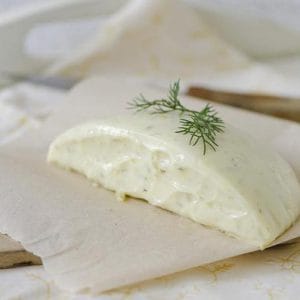 The energy value of cream cheeses ranges from 170 to 390 kcal, depending on the type of cheese and its fat content. The exception is low-fat types of cheese, for example, low-fat Philadelphia cheese, which has a calorie content of only 80 kcal.
The protein composition of these cheeses depends on the type of milk used to prepare them. So, if the cheese is made from cow or goat milk, it will contain a lot of casein. If buffalo milk or whey is used to make cheese, then the product will contain a lot of albumin and globulins.
Proteins of cream cheese are more complete in terms of their amino acid composition than proteins of fish and meat. The essential amino acids methionine, glycine, lysine, tryptophan, which are rich in these curd products, are of great importance for the human body.
The main carbohydrate in cream cheeses is milk sugar – lactose, which is a substrate for the formation of lactic acid, which is beneficial for the intestinal flora. This carbohydrate, made up of glucose and sucrose, is a source of energy, but does not raise blood glucose as dramatically as sugar does.
Lactic acid, which is formed as a result of the breakdown of lactose, inhibits the growth of pathogenic microflora in the human intestine. In addition, the acidic environment created by lactic acid promotes the absorption of vitamin C, calcium and phosphorus.
Creamy cheeses are a source of many minerals: sodium, potassium, calcium, phosphorus, magnesium, iron, which are present in these products in a bioavailable form, that is, they are well absorbed in the intestines. These products also contain many vitamins: both fat-soluble (A, D, E and K) and water-soluble vitamins C, PP, group B.
The simplest recipe is homemade cheese made from sour cream. This cream cheese is ideal for cream cheese as it is very soft, tender and fluffy.
You only need 1 ingredient – homemade fatty and thick sour cream. They say about such that there is a spoon in it. So what needs to be done?
- Take the required amount of sour cream and place it in a tight bag (gauze or cloth).
- Hang the bag over a container into which the liquid will drain, leave it overnight.
- Already in the morning you will receive a surprisingly tender creamy mass, ready to use.
Keep in mind that the volume of sour cream will halve as a result. That is, if you took 1 kg of sour cream, then the cheese will turn out to be 500 g.
Cream cheese has an amazing taste. It is also quite versatile and suitable for preparing both desserts and meat, vegetable and fish dishes.
Outcome
Cream cheese is a delicious treat with a calorie content of up to 350 kcal. Delicate texture, sweet aftertaste with pronounced creamy notes make it indispensable in cooking. Homemade cheese settles within 24 hours, and it will take from half an hour to an hour to prepare it.
Sources and useful links on the topic: https://tutknow.ru/meal/12836-krem-syr-recepty-sostav-kak-sdelat.html https://namenu.ru/b4643/Kak_prigotovitq_slivochnyj_syr_v_domashnih_usloviyah_recepty_i_sovety https: // FoodandHealth. ru / syry / syr-slivochniy / https://molokook.ru/slivochnyj-syr-dlya-chizkejka/ https://syrspec.ru/recepty/samye-luchshie-recepty-slivochnogo-syra-v-domashnih-usloviyah. html https://SirovaRus.ru/retsepty-syrov/slivochnyj-syr-doma https://strjapuchka.ru/slivochnyj-syr-recepty-domashnego-prigotovleniya/ https://www.nur.kz/1810900-cem- zamenit-slivocnyj-syr-v-domasnih-usloviah.html
Post source: lastici.ru