
Cellulite is an aesthetic problem
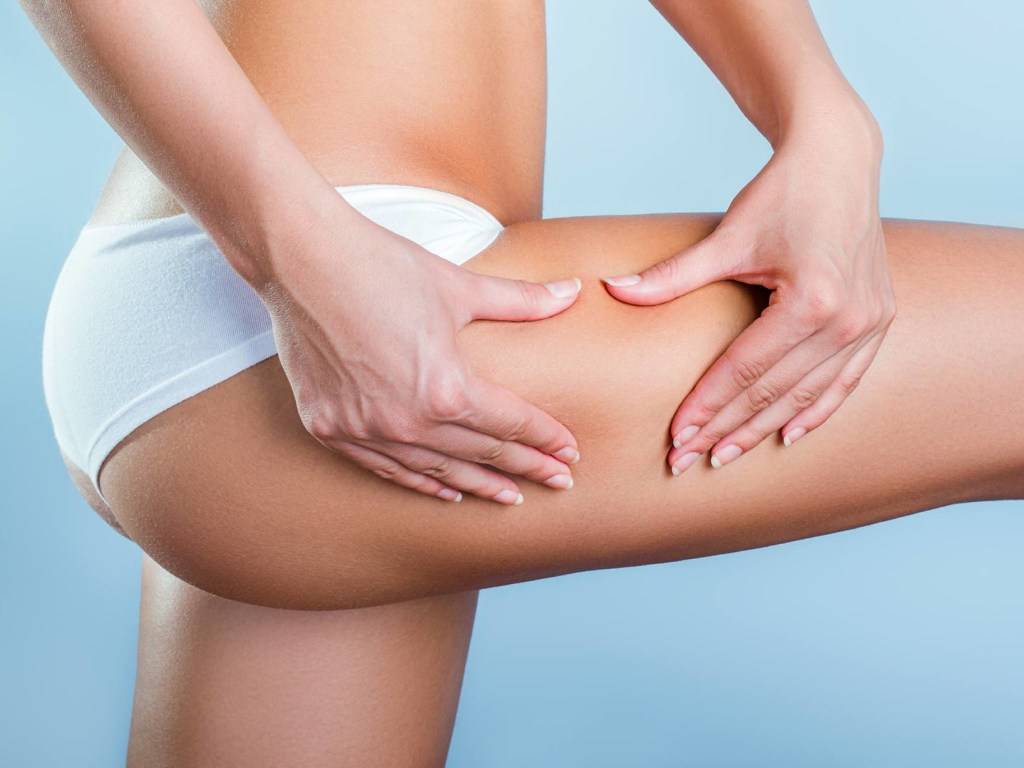
Cellulite is not a disease in the full sense of the word, as it does not pose a health hazard. It is more of an aesthetic problem that affects the vast majority of women (up to 90 percent of women according to studies). However, it is interesting that cellulite can also affect men. Cellulite is only a health hazard if it is the result of being overweight, with which it is often associated. On the website of the ProTelo salon – https://protelo.dp.ua/ you can get acquainted in detail with the latest methods of fighting cellulite.
Cellulite appears as dimples in the skin where fat accumulates in women, especially on the buttocks and thighs. We call it orange peel because cellulite-affected skin resembles the peel of an orange, just like an orange has small indentations on its surface. Cellulite occurs especially when there is a change in the production and secretion of sex hormones. The sex hormones cause the subcutaneous ligament to change, which forms pockets in which fat cells collect. They then fill up with toxic substances that must be expelled by the lymphatic vessels, causing the skin to become bumpy and ugly with dimples.
Cellulite Risk Factors
A high risk of cellulite is a change in hormones in the blood. Therefore, it appears, for example, during puberty, pregnancy, menopause or when using hormonal contraception. Another important factor that causes cellulite is the weakening of the connective tissue. This can happen with an unbalanced diet, lack of exercise, or low fluid intake.
Another risk factor is insufficient functioning of the circulatory and lymphatic system – a condition that can be caused, for example, by a lack of exercise. In addition, poor liver function contributes to cellulite due to impaired fat metabolism. It is also claimed that the cause of cellulite is also coffee drinking, stress, obesity, smoking and alcohol, as well as too tight clothing that interferes with normal blood flow. Cellulitis has been proven to be hereditary but may not always be present unless the other risk factors mentioned above are present. Although cellulite is often associated with being overweight and obese, it is becoming more common in lean and healthy people.
Cellulite prevention
To avoid cellulite, it is desirable to maintain a normal weight and avoid large and rapid weight gain. Eat plenty of fruits and vegetables, one serving at least five times a day. Also limit your intake of alcohol, caffeine, and smoking. Follow a regular drinking regimen. Drink at least two liters of water a day. Physical activity is also important. Regular exercise stimulates blood circulation and lymphatic circulation, gets rid of fat and improves body tone. It is also good to make sure that we do not stand for a long time or, on the contrary, do not sit for a long time and do not wear too tight clothes. We can also support the circulatory and lymphatic system with a regular sauna (of course, ending with an ice shower or a dip in an ice pool) or hardening at home – for example, alternating hot and cold water during a shower.
We can also apply body creams and lotions designed to smooth and care for the skin in problem areas. It is also important how we apply them – you need to massage them well into the skin. This will improve blood circulation and contractile circulation and reduce the risk of cellulite. It is important to do this regularly and consistently.
However, it is good to be aware that this cellulite prevention method is more of an add-on and should not be relied upon. No beauty products are miraculous. A healthy diet, limiting the use of alcoholic and caffeinated beverages, and exercising are much more important and effective means of preventing cellulite.
Post source: salon.kr.ua