
What is better to drink after training: drinks and recipes. Can and should I drink water after exercise?

Why is it important to drink fluids after physical activity?
The main fuel that provides the body with energy during training is carbohydrates. The energy reserve that is quickly mobilized is glycogen, it contains all the glucose necessary for the body. It is contained in limited quantities, for this reason glycogen resynthesis is an important part of the regeneration process. Depending on how quickly glycogen stores are brought back to normal, restorative processes will occur.
Normalizing water balance is an equally important part of recovery. Fluid loss of more than 2% of total body weight causes a decrease in endurance of over 10%. That is, with sweat, which is removed from the body, energy comes out.
Glycogen is restored after training in stages:
• the first (fast) – occurs without the presence of insulin and is about half an hour-hour;
• the second (slow) – occurs when insulin is present.
The presence of insulin is one of the main factors, and at this (first) stage, recovery is much more intense, the sensitivity to glucose absorption and insulin is quite high. In the USA In 1988, an experiment was conducted among cyclists, during which it was found that the assimilation of synthesis was 45% slower, provided that the intake of carbohydrates occurred 2 hours after exercise and immediately after exercise.
Also important is the “flow” of glycogen and the rate at which it is absorbed. For example, it was found that the maximum resynthesis of glycogen occurs two hours after exercise and is 1-1.5 g / kg. Research conducted during training showed that the peak of glycogen is 0.7 g / kg This suggested that you do not need to try to take in as many carbohydrates as possible at one time after the end of the workout, it is recommended to drink a little and more often.
In addition, in order to understand that the drink is intended for the regenerative processes of glycogen, it must contain proteins in order to carry out creative activities, to promote the accelerated recovery of damaged muscle areas (after all, minor injuries are possible during training). Accordingly, the composition of a drink designed to recuperate after sports should include carbohydrates (the level of glycogen is high enough), electrolytes (sodium, chloride, potassium) and amino acids. Carbohydrates make up 60-65%, proteins 30-40%.
Drinking such a drink will help quench your thirst, restore fluid loss, become the basis for muscle growth, and replenish glycogen levels.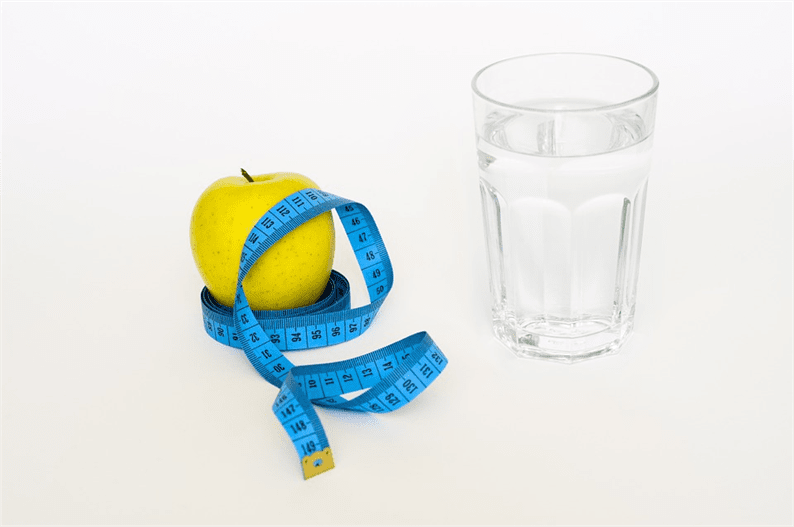
What drinks to choose?
There is no one-size-fits-all recipe. It all depends on the intensity, duration of the workouts and their specifics. Let's take a look at each drink separately.
Correct drinking regimen
It can be quite difficult to understand how much water you can drink after a workout. The information available to novice athletes on this matter is rather contradictory. You definitely should not use the advice associated with a complete refusal to take fluids for several hours after sports. This advice can harm rather than help the body. To clarify why you should not drink water after training in the absence of an increased tendency to edema, contact your dietitian. But in most cases, such recommendations are nothing more than a myth.
Can you drink water while exercising in the gym and how much fluid is appropriate in this case? First of all, in the process of training, it is necessary to take short breaks to replenish the reserve of strength. A few sips of liquid will be more than appropriate here – you can choose isotonic drinks or pure drinking from artesian sources. How long can you drink water after training to replenish the fluid volume? In order to avoid the development of edema, it is necessary to replenish the spent water resources. To assess the loss, you will have to step on the scale before and after the session. The difference in body weight will be equal to the volume of fluid that will have to be replenished.
A little about physiology
Sufficiently active physical activity requires careful attention to one's own body. Is it okay to drink water immediately after exercise when it comes to weight loss or weight gain? In fact, for an organism there is not much difference in what kind of goals its owner pursues. Intensive loss of fluid without replenishment leads only to moisture retention in the tissues. The body simply holds the remaining resources “in reserve”. The result of such a zealous attitude to wasting moisture is the development of edema.
How do you know how long you can drink water after training? After assessing the state of the body, it will be necessary, upon completion of intense physical activity, to consume one glass of clean liquid – artesian or simply well-purified. Drinking should be taken without haste, then, within an hour, it will be necessary to replenish the remaining amounts of moisture. In this case, the body will be able to continue to actively develop the metabolic processes that began during the exercise, which means that excess fat deposits will be burned quite efficiently.
Is it possible to have water: the pros
To begin with, let's find out what processes occur with the body during strength training.
- First, during active physical activities, a person sweats a lot. The reserves of liquid are consumed so much that if you step on the scales after training, you can find at least minus 500 g. But do not rush to rejoice, because it is not the fat that has left, but the water.
- Secondly, you know, more than two-thirds of a person consists of water. Every cell needs fluid, without the latter it is impossible for the normal course of any physiological process. After a workout for weight loss, the metabolic system is actively working, so fats are broken down. And after training for mass gain, algorithms for muscle recovery and growth are launched. So, with a lack of fluid, none of the processes mentioned will begin.
- Thirdly, the body is not at all stupid. If he senses a life-threatening moment, he will immediately start the self-preservation mode. In our case, all forces will be directed to the preservation of the remaining liquid, “hammering” on the rest of the processes. As a result, edema may even form. Well, and of course, you can forget about the effectiveness of such a training.
That is why the answer to the question “should I drink water after exercise” will be yes. Let's say more – you need to drink it also before and during the lesson, but in reasonable quantities.

So, we figured out whether to drink water after training, now let's list the arguments in favor of this:
- Lack of fluid slows down the functioning of all processes in the body;
- Without it, vitamins, minerals and amino acids will not be absorbed;
- She is the most important participant in metabolic processes and digestion;
- Without water, muscle tissue will not repair and grow properly;
- Fluid is important for normal blood circulation, thermoregulation, and tireless immune function.
You can sing the praises of our healing liquid for a very long time. However, let's hear the arguments “against” as well. This will help to draw final conclusions.
When and why not?
Immediately, we emphasize the opinion of pseudo-dietitians and would-be trainers, who claim that after a workout aimed at burning fat, you should not drink – it is catastrophically wrong.
However, they find arguments for persuasion, tell gullible people how much one should not drink after training in order to lose weight, and they torture themselves with a forced drinking hunger strike. The result is no result. The body suffers, the person is quickly disappointed, and, at best, changes the coach. At worst, he abandons workouts and abandons the dream of losing weight.
Reread the arguments from the previous section and let's close this topic for good. Drinking at the end of the training is not only possible, but necessary.
But! Where without the “but” … There are situations in which it is better to refrain from liquid. So why shouldn't you drink water after your workout?
- If you are involved in sports that require a tremendous sense of endurance: long distance running, wrestling, boxing, etc .;
- If you have injured kidneys, but for objective reasons, you cannot postpone the workout. In this case, you can only rinse your mouth.
These are all arguments. However, remember the main thing – they forbid consuming a lot of fluids during the session, and immediately after its completion. After a short interval, they also need to make up for the deficit in order to recover normally. The training is over, we suffered a little (we pumped up endurance), calmed down the heart rate – now you can drink!
So, we have explained why in some situations it is impossible to drink water immediately after training. Now that we have come to the conclusion that fluid needs to be replenished anyway, let's figure out when and how much to consume.
When and how much is it possible?
Let's consider a standard situation for an ordinary gym visitor, find out how long after a workout you can drink water:
- Immediately after leaving the hall, you can take a few sips – no more than 100 ml. This will help to cheer up;
- Then, within 50-60 minutes, you need to drink another 0.5-1 liter. The final volume depends on the intensity and duration of the workout. By the way, to find out the lost volume, weigh yourself before and after the session. The difference will be the average value of your deficit.
- The remaining liquid is drunk in small sips, divided into 5-6 receptions;
- The water temperature should be at room temperature;
- 2 hours after the training, you will need to drink another 0.5-0.7 liters of liquid.
Answering why you can't drink cold water after training, let's turn to physiology again. Low temperature will cause a sharp vasoconstriction. At the same time, the body is hot, the heart is pounding, the pressure is slightly increased. And then suddenly the blood flow is reduced. As a result, pressure spikes or serious heart problems can occur. Also, we will not omit the risk of getting a sore throat if you drink cold liquid in a heated state.
If you are separately interested in when you can drink water after training for weight loss, we can assure you that there is not much difference here. Regardless of what goal you are targeting, at the end of the session, you need fluid equally urgently. Stick to the above scheme and do not replace water with sugary juices, cocktails and other carbohydrates.
What happens if you go over it?
So, we answered whether it is possible to drink water immediately after training, as well as how to divide the required volume into the required parts. We said above that excess is no less harmful than deficiency. What is the risk of uncontrolled drinking after exercise?
- Overhydration will lower your body temperature;
- Profuse salivation and swelling will appear;
- Possible gastrointestinal disorders – nausea, diarrhea;
- Muscle weakness will develop, convulsive syndrome is likely;
- In rare cases, coordination is impaired.
As you can see, the symptoms are similar to classic food poisoning. There is some sense in this, because indeed, hyperhydration is sometimes even called “water poisoning.”
Is there anything you can add for flavor?
If for some reason it is difficult for you to constantly drink plain water, you can add some variety to the drinking menu after training:
- Lemon water. Lemon juice helps to normalize metabolism, which is especially important for people seeking to lose excess weight.
- Water with honey. Honey is a great natural sugar substitute. Moreover, it is much more useful than the sweet white crystals we are used to. Among other things, honey has a beneficial effect on the brain, strengthens the immune system, and calms the nervous system.
- Mint water. The piquant taste and smell of mint tones, helps to restore strength after an active workout. Peppermint dulls hunger and increases metabolism.
- Cucumber water. Recently, it is she who leads the rating of detox drinks: cucumber water not only perfectly quenches thirst, but also helps to remove toxins, dulls the feeling of hunger, and has a beneficial effect on the work of the cardiovascular system.
- Water with berries. These can be both fresh fruits and frozen ones. Berries make the drink aromatic, and also enrich the body with important vitamins and minerals.
If you can't decide what to add to the water for flavor, you can try making your own fitness mix: mix lemon and lemon or berries and honey.
Effect of water on muscle strength
To maximize the effectiveness of strength training, it is important to drink enough fluids, since it is muscle tissue that accounts for the highest concentration of moisture in the body. When an athlete becomes thirsty, endurance and muscle strength are significantly reduced.
If the athlete's body weight drops even by 2-4%, the effectiveness of strength training decreases by 20%, which is why it is important to prevent dehydration when exercising in the gym.

Fluid rules for different types of workouts:
- During cardio training, it is important to keep a bottle of water nearby, taking small sips during breaks.
- In the process of strength training, it is recommended to drink a little water before warm-up, and then compensate for its lack as thirst sets in with small portions between exercises. Drinking too much can make you feel nauseous while using different machines.
In winter, it is recommended to drink small portions every 10 minutes, even if the athlete does not feel that he is very thirsty.
It is important to take into account that in winter, the intensity of sweating decreases significantly, which is why the thirst torments a person much less often, even when performing intense physical exercises. In the case of training in a dry and heated room, dehydration can occur quite quickly.
Effects of water on mental performance
In the process of grueling workouts, not only the muscles but also the brain are under great strain. Symptoms such as poor sleep, distracted attention, poor memory, and a slow response to events are a signal that you need to reconsider your diet.
If an athlete notices weakness, a strong feeling of thirst and hunger after exercise, then a glass of plain water can be the first aid in such a situation.
How to drink water properly during training?
During class, you must definitely drink water, although often a coach or physical education teacher will not allow you to do this. There are several explanations for this fact. First of all, this applies to sports games, when you can only quench your thirst during a pause. Also, some coaches are sure that in this way you can temper the character of your ward.
In addition, it can be quite difficult to control the amount of fluid you drink, and we have already talked about the possible consequences of overhydration. Also, the trainer may prohibit drinking water during the lesson for certain reasons. For example, in gymnastics it is extremely important to have lean muscles, which is impossible if you drink water.
Professional dancers and gymnasts believe that if the lesson lasts no more than an hour and a half, then you should not drink. When the duration of the training is about three hours, then you can gradually drink a glass of liquid. If the workout lasts five hours, then during this time it is worth consuming no more than 0.5 liters of water.
If you follow sports, you probably noticed that professional athletes try to drink as little water as possible. This is due to the fact that the liquid interferes with training, as the person feels extra heaviness. That is why athletes often only rinse the oral cavity, and restore the water balance after the completion of the training.
If an athlete is preparing for an important tournament, then he needs to get rid of excess fluid. This is especially true in bodybuilding, because the athlete must approach the tournament with a minimum content of fat and fluid in the body. Keep in mind, however, that you need to drink water during normal workouts.
We already understood why you shouldn't drink water after training, but now let's find out how to do it correctly. It is quite obvious that you can only drink plain water during training. In winter, the water temperature should be close to room temperature, and in summer it can be slightly cooled.
If you are doing a long workout in hot conditions, then you should use mineral water. It will help you replenish your electrolyte balance. If you are doing exercises that require high energy expenditure, such as deadlifts, you can dissolve a small amount of honey in the water.
Today in sports food stores you can find a special type of supplement – isotonic. They are designed specifically for this purpose. Isotonic contains water, salts, micronutrients, carnitine and amines. Very often, novice athletes are interested not only in why they should not drink water after training, but also how much they can drink during exercise.
It is quite difficult to give an exact answer here, since there are no restrictions on the amount of fluid consumed in the absence of health problems. In many ways, the answer to this question depends on the workout itself that you are doing. For example, in sports games, you will only be able to drink while paused. If you do long runs, then every 15 minutes you should drink about 0.2 liters of water.
When doing bodybuilding, drink a couple of sips between movements. You should also reiterate why you shouldn't drink water after exercise. More precisely, you can drink until your thirst is completely quenched, but do it slowly, using small sips.
Here are some tips on how to drink water properly in class:
- You cannot drink a lot, as swelling of the body may appear and the work of the genitourinary system may be disrupted.
- If there is a lot of fluid in the body, then the excess will be utilized.
- Do not expect to be very thirsty during the session.
- During the day, you need to drink at least one and a half liters of water, even if you do not play sports.
- Every morning, right after waking up, it is worth drinking a glass of water.
- Do not drink heavily chilled water during your workout to avoid getting sick.
Myths about why you shouldn't drink water after exercise
If you study the textbooks of fitness trainers, then you can find recommendations in them that you should not allow the athlete to dehydrate. However, we have already said that some coaches still do not allow their wards to drink water. This myth was born during the Soviet Union, when a group of scientists was creating shaping. This was to be the USSR's response to bourgeois fitness.
Simultaneously with the rules of the training, a dietary program for shaping was created. In the original version of the nutrition rules, it was noted that after the end of the lesson, you should not drink water for 40 minutes. This time was gradually increased to 120 minutes. At the same time, there were no serious arguments for the introduction of this ban. According to scientists, lipolysis processes are more active, with a low fluid content in the body.
However, it is now known for sure that water is also needed for fat burning processes. If you allow dehydration of your body during training, then this does not contribute to the acceleration of lipolysis, but on the contrary. If the water balance in the body is not restored, then cortisol begins to be actively synthesized. At a certain concentration of this hormone, appetite increases, which does not at all contribute to weight loss. During times of severe stress, and dehydration is, the body will not part with its energy reserves.
To drink or not drink water during and after training, you will learn from the following video:
What drinks should you choose?
The perfect post-workout shake helps:
- normalization of fluid balance;
- restoration of glycogen levels;
- quenching the thirst that has arisen;
- muscle growth.
The choice of a specific drink depends on the intensity and duration of the exercise, the goal that the athlete pursues. During workouts, you should drink plain or still mineral water every 20-30 minutes to prevent dehydration. During especially long or hot activities, it is recommended to drink water to which lemon juice, a little salt or crushed glucose tablets have been added.
People who work to increase muscle mass should pay attention to chocolate milk – its use helps to reduce the marker of muscle breakdown, to quickly recover and strengthen muscles. These properties are due to the useful substances contained in the product – vitamins B12, A, D, calcium, riboflavin, phosphorus and potassium. The product can be purchased ready-made (with a minimum fat content) or prepared by yourself – dissolve cocoa powder in skim milk.

Also useful are drinks such as:
- Gainer – it promotes muscle recovery and early healing of microdamages. The advantage of the gainer is that it is already ready to use – it already contains everything you need. The main thing when choosing this drink is to pay attention to the amount of carbohydrates contained: ideally, there should not be too many of them and they should be complex.
- Natural juices, preferably freshly squeezed. Drinks made from any fruits and vegetables are useful: they provide an adequate intake of fluid, vitamins and other useful substances in the body. Thus, the flavonoids and antioxidants contained in the composition of cherry juice help to reduce puffiness, help eliminate pain and inflammation.
Protein and energy drinks containing caffeine should be drunk before exercise, followed by rebalancing fluids and glycogen replenishing drinks afterward.
What liquids are best to avoid?
Not every liquid is beneficial. The following are included in the list of unwanted drinks after training:
- Any kind of alcohol and alcoholic beverages.
- Kvass.
- Any carbonated drinks (including mineral and drinking water with gases).
- Black and green tea, coffee.
- Sweet drinks (store juices, bottled ice tea, homemade fruit drinks, fruit drinks).
It is also important to remember about the quality of the water itself that you drink – you do not need to drink water from the tap, from a column or a well (a mass of bacteria “lives” in it, which can cause an extremely undesirable reaction of the body in the form of indigestion, poisoning, etc. etc.).
Prefer filtered tap water or bottled drinking water.
Not just H2O: how to use other drinks?
It is not difficult to figure out whether you need to drink water after training. What about other liquids? During the period of muscle building, athletes often focus on the use of juices and dairy products. They can be added to the diet in small amounts after exercise. A solution based on carbohydrates (with a content of no more than 7%) allows you to replenish strength, gives additional energy.
For drinks containing caffeine, it is best to take them before you start exercising. On average, half an hour before the start, let's say taking a cup of coffee. But to clarify when after training to drink water with a decrease in body weight is better with a nutritionist or trainer. They will take into account the individual needs of the body, will be able to ensure the optimal composition of the drinking regimen for each of the people who systematically go in for sports.
1 Sports drinks – isotonic
Isotonic – special cocktails containing carbohydrates, vitamins and minerals. They perform several functions at once:
- normalize the water-salt balance in the body;
- energize;
- help restore muscle fibers and build mass.
Such drinks are sold not only in specialized stores, but also in large supermarkets. Isotonic drinks give great results if you drink them after training. But some athletes like to use them more during training, so as not to get tired so quickly.
2 Chocolate milk
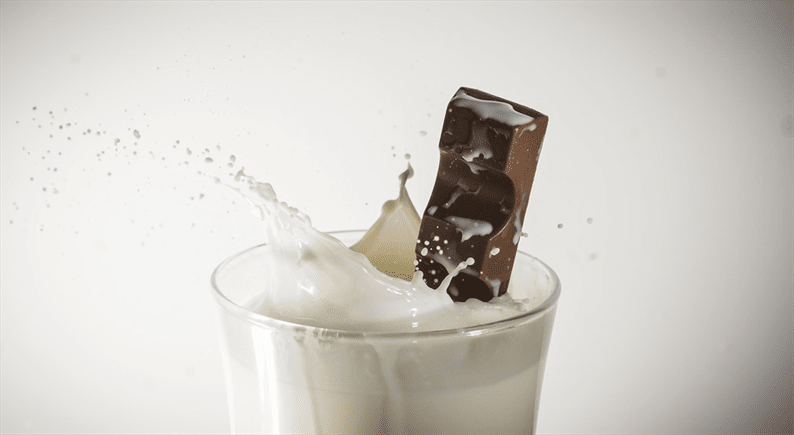
Yes, don't be surprised: Chocolate milk is a great muscle building aid. All thanks to the ideal ratio of “proteins / carbohydrates” and a high concentration of nutrients that strengthen bones and regenerate muscles. These are riboflavin, phosphorus, potassium, calcium, vitamins A, B12 and D.
When choosing chocolate milk, it is important to evaluate the nutritional value: the one where there is a minimum of fat and a maximum of proteins and carbohydrates is suitable. If you can't find a quality product, you can buy low-fat milk and add cocoa there.
3 Juices
Juices must be natural or freshly squeezed (nectars or juice drinks will not work). Cherry juice saves well after training. It contains flavonoids and antioxidants to relieve muscle pain, swelling and inflammation in injured fibers. If you drink cherry juice regularly before and after your workouts, your muscles will recover much faster than usual.
4 Gainers & Protein Shakes
A selection would be incomplete without sports nutrition designed for optimal muscle recovery. This is a protein and a gainer that help the body in different ways and perfectly complement each other:
- Gainer. Increases blood sugar levels, gives a powerful boost of energy. After training, it helps to restore muscle fibers. Complex carbohydrates should prevail in the composition of the gainer.
- Protein. When mixed with water or low-fat milk, it provides muscles with a quality building material. But before consuming protein, you still need to raise your glucose and energize with a gainer.
See Also: When To Take Protein And Casein For Maximum Benefit
Sports nutrition is not a panacea. It is worth contacting him only if you have extra money in your wallet and you really want to speed up the approach of the desired sports form.
5 Revitalizing cocktail
To prepare a natural revitalizing cocktail you will need:
- 250 ml of low-fat milk;
- 1 banana;
- a raw egg;
- 20 g of honey.
All components are whipped with a mixer, and the mixture is poured into a shaker. After a workout, this drink will help you regain strength and provide your muscles with protein for building. You can add protein or some vanillin to the shake for flavor.
Do not forget that after and during training, you need to follow the drinking regimen. The water should be still, at room temperature. You can add freshly squeezed orange or lemon juice to it. When it comes to post-workout drinks, experimentation is the only way to find your ideal muscle rebuilder.
What helps to replenish strength well?
There are a number of energy drinks for athletes that are needed to quickly recuperate. They help to increase blood sugar levels, speed up protein bonding (the basis of muscles), and increase blood glucose levels. Gainers give a boost of energy, accelerate the synthesis of essential substances. They will be appreciated by those who regularly engage in fitness and those who want to quickly achieve results.
Milk and water are excellent building blocks for muscles, as protein dissolves in them, but first you need to raise your blood sugar level. A gainer is the most effective way to restore muscle tone after exercise. The main thing is to observe proportions. Carbohydrates are a necessary element in the composition, it is desirable that they be complex, and there are not too many of them.
Recipes for making drinks at home
Self-made drinks are just as useful after exercise as purchased drinks. But when making them, it is important to strictly follow the recipe so as not to upset the balance of the substance content.
To prepare a vitamin cocktail, mix the following ingredients in a container:
- 250 ml of drinking water;
- 3-4 crushed glucose tablets;
- juice of half a lemon;
- rosehip juice and honey – 2 large spoons each.

A cocktail made from:
- half a banana;
- a tablespoon of peanut butter;
- a teaspoon of honey;
- 50 grams of ground oatmeal;
- 100 ml almond milk;
- glasses of ice;
- 1/2 scoop of chocolate protein.
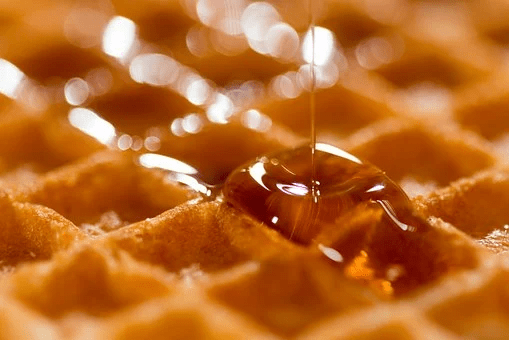
If you need to replenish the protein content, you can prepare a drink from:
- ground shells from 6 quail eggs;
- 150 ml of chocolate milk (or milk with cocoa);
- 3 egg whites;
- spoons of honey;
- one banana.
A harmonious composition of nutrients is contained in a drink prepared from:
- 100 grams of low-fat cottage cheese;
- 1 scoop of chocolate protein
- 2 tablespoons of peanut butter;
- 150 ml almond milk;
- glasses of ice.
These drinks are prepared using a blender – all ingredients are placed in the container of the unit and whipped. You can prepare the liquid immediately after the end of physical activity or in advance – in this case, it can be placed in the refrigerator.
What else is good to drink after exercise? Drinks containing water and additional ingredients to help saturate the body with nutrients and help retain moisture. So, you can make a healthy drink from a liter of water, 120 ml of juice made from oranges and a small amount of salt (suitable for hypotonic patients) or half a liter of apple juice without added sugar and a pinch of salt (suitable for hypertensive patients).
A mixture of 120 grams of granulated sugar, 3 large tablespoons of fresh lemon juice, two liters of drinking water and a pinch of salt or a liter of still mineral water, 100 grams of natural honey and a small amount of salt will help restore strength and energy.
Drinking the right drinks after strength training is the key to quick recovery of the whole body and the fastest growth of muscle tissue. When choosing a suitable drink, you should focus on the intensity of sports activities, their duration – the substances contained in the cocktail should replenish what the body has lost during exercise.
Additives
You can add lemon, honey, mint, berry or fruit juice to the water. In this case, it acquires some of the properties of sports drinks – it is enriched with electrolytes, carbohydrates and vitamins, which helps the body recover faster after exercise:
- honey contains about 300 vitamins and minerals, as well as carbohydrates, which helps to quickly recover from physical activity;
- berries and fruits make the drink tasty, contain useful substances, and also contribute to the rapid absorption of water in the stomach;
- mint has a positive effect on metabolism, helps relieve nervous tension;
- cucumber juice reduces appetite and is an excellent source of potassium;
- Rosehip contains a large amount of vitamins and minerals, has anti-inflammatory effect.
Muscle Recovery Supplements
Muscle breakdown is a negative effect of exercise. In order to restore fiber, athletes must take special substances, the most valuable of which is creatine. The component is incredibly useful, but it requires adherence to certain nuances:
- Drinking a cocktail containing creatine is necessary only fresh. If it stands, the beneficial properties will simply be lost.
- Adhere to the recommended daily dosage of 5 to 10 grams. One half should be drunk before training, and the other half after the end of the session.
- Add a small amount of sugar to the creatine shake, which increases the absorption of this substance, which is extremely beneficial.
Beta-alanine is another essential nutrient for muscle tissue repair. It improves endurance, relieves pain and prevents lactic acid build-up. It is recommended to take the substance in an amount of two to three grams after the completion of the training.
After completing a workout, it is best to take whey protein, which contains a large number of compounds that an athlete needs to satisfy hunger, improve metabolism and absorption of substances. The optimal dosage is about 40 grams. Don't forget about branched-chain amino acids. This is especially true for isoleucine, valine and leucine, which can improve endurance. Enough 5 grams after class.
Another important substance is glutamine, which helps to restore the body's protective functions, increase hormones responsible for increasing muscle mass and affecting (indirectly) fat burning. This component contains nitrogen, the optimal dosage of which is 5 g.
What to choose – gainer or protein?
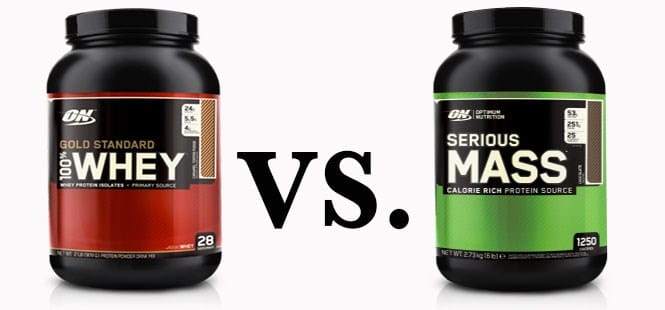
Protein is a substance that strengthens the body's defenses and normalizes the nitrogen balance in the body. It contains enough amino acids to meet the needs of the body. Protein supplements are quick and slow. The former are suitable for those who want to build muscle faster. The latter are intended for athletes who are in the drying phase.
Gainers, unlike protein, are made up of a mixture of various components, including proteins and carbohydrates. Both components are important for the exercising athlete. Protein helps build muscle and carbohydrates help repair muscle tissue. In other words, one without the other does not have a complex effect and does not allow increasing volumes. Therefore, bodybuilders should not be limited to protein intake. They also need carbohydrates.
Weight gainers tend to contain more carbohydrates than protein. There are high-priced foods that increase the percentage of protein. An alternative and more affordable solution would be to purchase a high-carbon gainer that is mixed with a protein shake.
The main advantage of the gainer is that it allows you to quickly restore glycogen expended during training, as well as increase efficiency and improve recovery processes. The disadvantage of the supplement is that it provokes an increase in body fat and is not suitable for people who have a tendency to be overweight.
Abuse of weight gainers is not beneficial to the athlete. If you drink the supplement in unlimited quantities, it can lead to an increase in subcutaneous fat. In other words, gainers are suitable for people with naturally lean physique or high metabolism. Others either need to purchase an expensive high-protein supplement or mix protein shakes and gainers.
The gainer should contain complex carbohydrates. It is best taken one hour before your workout and 20 minutes after completing your workout. Novice athletes who quickly gain weight should limit themselves to protein in the initial stages of training. For beginners with a lack of mass, it is recommended to give their preference to gainers.
Can you drink milk before and after your workout?
If the body tolerates the drink well, and its taste does not cause disgust, it is not just possible for an athlete to drink milk, but it is necessary! This is the product that successfully copes with several tasks at once:
- prevents dehydration due to the high content of potassium and sodium;
- actively participates in the construction of muscle fibers, thanks to the complete proteins included in the composition;
- removes the feeling of hunger for a long time. Milk is a very satisfying product, and often its mere inclusion in the diet helps to start the process of active fat burning.
Nutritionist Angela Onsgard, staff specialist at Miraval Resort & Spa in Arizona, advises athletes to get into the healthy habit of drinking a glass of milk immediately after strength training. At the same time, she is convinced that a drink drunk before training can interfere with the achievement of planned results in the same CrossFit or aerobics.
Recommendations to close the protein window with milk is quite logical, given that the drink is saturated to the limit with carbohydrates, fats and proteins. This was confirmed by a 2014 study by a group of scientists from the Australian universities of Queensland and Griffith.
The experiment involved 15 young men, whose average age was 25 years. They had to ride a stationary bike in heavy uniforms for the 4th round. The intervals between them were 60 minutes, during which the athletes used:
- cow's milk;
- soy milk;
- milk-based supplements;
- power engineer Powerade.
The result of the experiment was impressive: with each new arrival, men who consumed milk and supplements based on it showed all the better results, in contrast to those who drank soy products and an energy drink. Surprisingly, the volume of drinks drunk was approximately the same, which indicates the ability of milk drinks to quench thirst well.
Although this study aimed to prove the feasibility of taking milk before going to the gym, sports nutritionists are seriously considering it. The interval before the races was very small, however, there was clearly no decrease in speed or increased fatigue from taking a “heavy” product among the athletes. But the concentration of attention has increased significantly.
All this radically changed the opinion of the professional community about the correct use of milk by athletes. The product is now approved for both post and pre-workout consumption.
Milk is a mild sedative that fights insomnia well. Therefore, if you just can't sleep before an important competition, you can drink a glass of warm milk with a spoonful of honey at night.
Should you drink milk before or after your workout?
In general, eating any milk on an empty stomach, especially in liquid form, is not recommended for digestion. Lactose provokes fermentation in the stomach, and this is fraught with bloating, discomfort and intestinal gas. Drink some BCAAs before exercising.
If you don't want some embarrassment in the middle of the gym, you should drink milk after training. The optimal time is after an hour and a half, advises Dr. Roy. But how much milk to drink depends on the needs of the body.
Powdered milk for muscles
For muscle growth, it is permissible to use milk powder. It is obtained by evaporating water from ordinary milk. It is better to take skim milk powder, since almost all excess fats have been removed from it. Whole milk powder contains a lot of bad cholesterol and is dangerous for people with cardiovascular disease and hypertension.
The third type of milk powder – instant milk – is obtained by mixing dry and skim milk.
The amount of fat in milk powder differs from manufacturer to manufacturer. Usually 100 g of a non-fat product contains 250-350 calories, and a whole one – 450. It contains a lot of calcium and other nutrients and 20-30 g of protein per serving. The main condition when taking this powder is to choose a quality product and not exceed the following dosage :
- men take 2-2.5 servings per day (one dose – 100 g);
- girls and women – 1-1.5 servings each.
These proportions are suitable for skim milk. The whole product is consumed in half doses (each serving is 50 g).
Powdered milk is consumed 5-7 hours before sports activities and a couple of hours before bedtime. You can eat dry powder and drink water, dilute 4-5 tables. spoons in warm boiling water, add to a protein shake.
You can also make the following healthy drink. Pour 5-7 tablespoons of milk powder into a glass of water and add a little warm water. Stir. Then, stirring continuously, add the glass to the top. Leave the drink on for 10 minutes or longer. Then add berries or fruits and oatmeal.
Benefits of Other Dairy Products

Other dairy products are also beneficial for building muscle. Natural yogurt, yogurt, kefir and cottage cheese will enrich the body with calcium and vitamin D, which improves bone structure and promotes muscle growth. They also contribute to getting rid of excess weight (fat mass). Fermented milk products containing beneficial bacteria are especially recommended. These bacteria improve digestion, which, in turn, ensures the complete assimilation of increased amounts of protein foods.
Cheese and butter can be consumed in small quantities.
Here is the approximate amount and rules for taking dairy products:
- homemade cheese can be eaten slice at bedtime, and fat-free cheese can be eaten additionally before and after exercise;
- Eat low-fat homemade yoghurts as a separate meal with added whey protein;
- occasionally you can eat cheddar cheese or parmesan (also one slice);
- Low-fat cheddar cheese can be added slice to meals such as salad or omelet for an extra 7g of protein in the diet.
- after a power load, you can eat fruit yogurt (0.5% fat), adding whey protein to it.
It will also be interesting to watch a video on whether there are benefits of baby food for muscle growth.
Contraindications
Milk can cause allergic reactions: cough, rash, nausea, runny nose. In this case, you should replace it with any fermented milk products.
Milk is contraindicated for people with a lack of the enzyme lactase, which ensures its absorption. These people experience gastrointestinal upset when using this product.
It is not recommended to drink it with a tendency to the formation of phosphate stones in the kidneys or the deposition of calcium salts in the vessels. Drink milk with caution in case of liver and intestinal diseases.
For stomach ulcers and gastritis (especially with high acidity), dairy products are also not recommended. Limit the consumption of milk (no more than a glass per day) should be people after 50 years, since in old age it provokes the development of atherosclerosis.
For a healthy adult, the intake rate increases to 0.5-0.8 liters, but bodybuilders can take up to 2 liters of low-fat milk. In this case, the growth of muscle mass will not be long in coming.
Post-workout nutrition is critical for muscle recovery and fluid loss. And the most widely known method is whey protein intake. Since it is a “fast” protein, it is natural to want to replenish the protein in the muscles, the faster the better. What is important for the subsequent growth of muscle fibers.
The majority thinks so. Everything is logical and correct …
Or is it a marketing ploy of sports nutrition companies?
But what about athletes before drinking milk to gain muscle mass and strength … And it seems that the results were decent …
Or is it impossible to do without sports supplements in our time?
The benefits of milk for gaining muscle mass
Muscle growth. Numerous studies have argued that a blend of slow and fast digesting proteins is the best nutritional option for gaining lean muscle mass. Milk is 80% casein and 20% whey.
Loss of fat. Calcium speeds up the burning of excess weight, while milk fat maintains a feeling of fullness and aids in the loss of body fat.
Recovery. Milk is a liquid that contains electrolytes. And more efficiently than water replenishes fluid lost during training.
Price. Considering the proteins (casein, whey, BCAAs) and the energy composition of the product, this is one of the cheapest and most affordable types of food.
Simplicity. It doesn't need to be cooked. 1 liter of milk can be an ideal post-workout meal, depending on your daily calorie needs.
Comparison with serum
Many people believe that a serum is needed after a workout. Maybe because the manufacturing companies insist on it. But most studies show that “slow” or a mixture of “slow” and “fast” protein is most effective for gaining lean muscle mass.
Whey is a fast protein. While milk is a mixture of slow and fast digesting proteins, it is therefore more effective than whey and soy milk, which contain only “fast” proteins. Meat, poultry or fish are also more effective than whey. Not surprisingly, many people successfully consume wholesome foods after exercise.
Comparison with sports drinks
Strength training leads to water loss through perspiration. The signs of dehydration are very unpleasant and hangover-like: headache and fatigue. Recovering lost fluid is key to muscle recovery. Milk is superior to sports drinks due to its higher sodium and potassium content, which retain water. Plus, sports drinks contain a lot of carbohydrates, which can lead to the accumulation of adipose tissue. They are more effective for endurance athletes.
Comparison with skim milk
The fat in whole milk tastes better and keeps you fuller longer. Thus, you eat less and feel less hungry. They also slow down the absorption of the product. Although, naturally, the presence of fat in whole milk significantly increases its total calorie content.
Calculation for 1 liter.
Whole milk: 30 grams of protein, 40 grams of carbohydrates, 35 grams of fat, 600 kcal.
1% fat: 30 grams of protein, 40 grams of carbohydrates, 10 grams of fat, 370 kcal.
Low fat: 30 grams of protein, 40 grams of carbohydrates, 0 grams of fat, 280 kcal.
Tips for Burning Fat
To lose weight, we need to eat fewer calories or burn more. We will not get fat from milk fat. And in general, we will not get fat from any food if we are in a calorie deficit. Just like any food, including protein, can lead to the accumulation of fat mass if the calories are too much. In other words: it's not fat that makes us fat, but excess calories. With a general calorie deficit, it doesn't matter if you drink whole milk or skim milk.
Thus, what kind of milk you will drink in the post-training period depends entirely on the energy needs of the body, that is, it mainly depends on your weight. For example, if you weigh 80 kg, then you need to not exceed 2400 kcal per day in order to lose weight. A liter of milk after a workout will mean 1800 calories for the rest of the day. If your weight is about 100 kg, then in order to lose fat, it is advisable for you not to exceed 3000 kilocalories during the day. In this case, 1 liter will mean that you have 2400 calories left for the rest of the day.
In other words, if you are trying to lose weight you have two options:
Drink less whole milk: one mug contains 150 calories, and two mugs 300 calories.
Drinking milk of 1% fat content – one liter contains 370 kilocalories, and two mugs – 185 kilocalories. It all depends on your energy needs for weight loss. And 1% fat is preferable to low fat because the difference in calories is negligible. Milk of 1% fat contains only 90 kcal more in one liter than skim milk and only 45 kcal more if you drink two mugs. An insignificant difference.
We need a surplus of calories: eat more or burn less. Therefore, it makes sense to drink 1 liter of whole milk post-workout to replenish expended energy.
The most extreme form is the GOMAD technique popular in the West. Which translates in two ways:
“Go crazy.” In fact, nothing needs to be translated, this is an abbreviation:
Gallon Of Milk A Day.
A US gallon is equal to 3.78 liters (about 4 liters). Relatively cheap and effective (in 1 gallon you get 2400 kcal and 120 grams of protein) method. Naturally, no one advises to immediately drink a gallon a day. Starting from 1 liter per day, gradually increase the amount over the course of a month until you reach the 3.78 liters line. Your body will adapt smoothly. This is arguably one of the most effective natural muscle building methods for lean young people.
Conclusion: what to drink after exercise for muscle growth
Natural products – milk, fruit and vegetable juices, are a source of energy and nutrients. Each has its own speed of absorption and nutritional value. Of course, if you are gaining muscle, you need to consume large amounts of protein, fat and carbohydrates. To replenish these reserves, a simple and effective way will be to take sports cocktails – protein, gainer, amino acids (nonessential and irreplaceable), creatine, pre-workout complexes. For those who are losing weight, taking L-Carnitine before exercise can help to release fat for energy. These are optional but quite effective helpers in speeding up results.
Used sources and useful links on the topic: http://anabody.ru/chto-pit-posle-trenirovki/ https://AquaBalt.ru/blog/mozhno-ili-nelzya-pit-vodu-posle-trenirovki-i- po-kakoy-prichine https://gtonorm.ru/mozhno-li-pit-vodu-posle-trenirovki/ http://MasterGym.ru/fitnes-pomoshchnik/stati/zdorovoe-pitanie/voda-posle-trenirovki-vladivostok https://proka4aem.ru/pitanie/pravilnoe-pitanie/pochemu-nelzya-pit-vodu-vo-vremya-i-posle-trenirovki https://tutknow.ru/bodyfitness/7124-zhazhda-posle-trenirovki-mozhno -li-pit-vodu.html https://proka4aem.ru/pitanie/pravilnoe-pitanie/chto-luchshe-pit-posle-trenirovki https://muskul.pro/pitanie/5-luchshih-napitkov-dlya-vosstanovleniya -myshts-posle-trenirovki https://o-vode.net/potreblenie/posle-trenirovki https://builderbody.ru/chto-pit-posle-trenirovki/ http://MasterGym.ru/fitnes-pomoshchnik/stati/zdorovoe-pitanie/moloko-do-i-posle-trenirovki https://medvisor.ru/articles/dieta-i-zdorovoe-pitanie/moloko-i-trenirovki/ https://fitnessunity.ru/mozhno-li-pit-moloko-posle-trenirovki-dlja-rosta-myshc/ https://sport-51.ru/article/useful-information/9493-moloko-dlja-nabora-myshechnoj-massy-znachenie-i-primenenie.html https://bodybuilding-and-fitness.ru/pitanie-sportsmenov/chto-pit-vo-vremya-trenirovki.html
Post source: lastici.ru