
Back pain – what to do? Causes of back pain
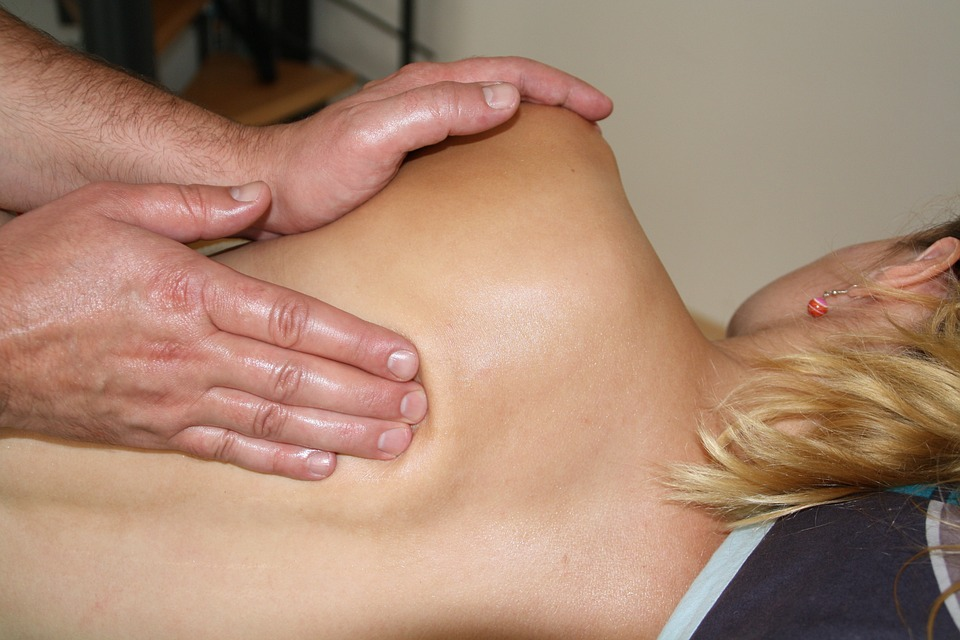
Muscle load
Approximately 85% of cases of chronic or episodic back pain are associated with excessive stress on the lower back. Do not be surprised: even if you do not play sports, do not carry weights and do not dig in the beds day and night, the muscles of your back still experience daily overexertion. When you sit, for example, in front of the monitor, it is they who have to support the bulk of your body. Therefore, doctors recommend that those who work at the table sit as deeply as possible in the chair, leaning on its back.
However, no one will diagnose you with back fatigue. As a rule, mild back pain is attributed to “undefined causes” (it may be temporary damage to muscles or ligaments) and is treated with rest and correct posture in the chair. If the pain persists after 2 weeks or recurs regularly, you should ask your doctor for a more detailed examination.
Compression fracture
According to the American Medical Association, approximately 4% of patients with back pain make this diagnosis. A compression fracture is a vertebral fracture most commonly seen in older people and people with osteoporosis. In this disease, bones become less dense and can break simply under the pressure of body weight. Therefore, fractures resulting from trauma are not included in this category. This means that the patient himself may not notice how he will break his vertebra – only acute persistent pains will talk about this.
Such fractures are treated with strict bed rest and drug complexes aimed at reducing pain.
Herniated discs
Herniated discs are a fairly common problem, more common in people after 40 (although it can be diagnosed at an earlier age). The reason is the degeneration of muscle and connective tissues. With age, your spine seems to “settle” – the vertebrae are pressed closer and closer to each other, the intervertebral discs are flattened and protrude beyond the spinal column. The result is the same compression of the nerve roots, leading to acute pain in the lower back and legs.
Typically, the location of your pain can tell your doctor where the hernia might be. But magnetic resonance imaging (MRI) is usually done to confirm the diagnosis and pinpoint the location of the hernia.
Upper back pain
- First of all, you need to exclude the most dangerous conditions – heart disease. Therefore, for pain in the upper back, in the area of the shoulder blades, especially on the left, an ECG (electrocardiography) is prescribed to exclude acute coronary syndrome, myocardial infarction, if a person is in old age. Myocarditis and other inflammatory heart diseases if you are young.
- We also exclude pulmonary embolism or PE, as a life-threatening condition, if pain is accompanied by cough and blood in sputum, urgent hospitalization is required.
- If the cardiogram is without pathology, we think about dorsalgia, in this part of the back, thoracalgia is correctly called (from the Latin word thorax – chest) i.e. violation of the spinal column itself or the muscles associated with the spine. Thoracalgia can be caused by osteochondrosis of the spine with damage to the thoracic region. This is the most common reason.Increased pain occurs when moving, especially when turning. If you look at such a back, you can see how the muscles around the sore spot are tense. These pains are associated with some specific event – I lifted a weight, blew out, got nervous, there was a heavy load on the back. Often accompanied by pain in the sternum, aching, worse at night while lying down. If the pain is fresh, injections of painkillers, B vitamins, muscle relaxants are prescribed, everything goes away within 3 days, rarely a week. If there is damage to the spine itself – herniated intervertebral discs, damage to the nerve roots that extend from the spine – treatment is long-term. Here it is necessary to make an X-ray and such patients are treated by neuropathologists. Because chronic pain is formed, which is more difficult to cope with. At this stage, stronger drugs are connected.
- Periarthritis of the shoulder is an inflammation of the ligamentous apparatus of the joint of the scapula and shoulder. It hurts in the area of the scapula, always bothers on one side, more often on the right (which hand worked). Treatment is the same as for dorsalgia.
- It is impossible to exclude the pathology of the shoulder joint – arthritis or injury. It happens that the pain is given to the back.
- Of the internal organs, the lungs are located at the level of the upper back. The back begins to ache when the inflammation spreads to the pleura – the membrane of the lungs rich in pain receptors. The pains are strong, worse when breathing, in order to reduce pain, people lie on the sick side. If there is a fever and chest pains, the doctor must suspect disorders in the lungs. We do an x-ray, which, most often, everything is clearly visible. Treatment is always in the hospital. Inflammation of the pleura – pleurisy – is from various reasons. It can be caused by bacteria, viruses, mycobacterium tuberculosis and other infections.
- Spontaneous pneumothorax – air entering the pleura. It often happens in asthenic young people with a hereditary connective tissue defect (connective tissue dysplasia or DZSP). It happens with a strong cough during ARVI, a sharp deep breath, trauma.
- If a patient has an oncological disease, first of all, the doctor thinks about metastases, which can be in the spine and in the lungs. And very often metastases to these organs give diseases of the breast, stomach, gallbladder, female organs, kidneys.
Pain in the middle back, lumbar region and above
- Osteochondrosis of the spine at the level of the lumbar spine manifests itself as lumbodynia – this is pain without irradiation to the leg, and lumbishalgia – when the pain spreads along the outer surface of the thigh. This happens when the nerve roots are pinched. Therefore, the doctor checks the so-called “radicular symptoms” or symptoms of tension. The patient lies on his back and raises one and the other leg. If a nerve is pinched due to pain, the leg can only be lifted at a slight angle.
- The kidneys are located at about this level. Here the doctor checks the symptomPasternatsky, i.e. slightly beats the back in the intended area of the kidneys, and if pain appears, then the kidneys are sick. More often this is a sign of acute kidney inflammation or urolithiasis. Therefore, the algorithm for examining pain in the lumbar region of the back necessarily includes a general urine analysis. With inflammation of the kidneys, acute pyelonephritis or exacerbation of chronic, there is a high temperature, lower back pain can be at the slightest touch. In the general analysis of urine, the number of leukocytes is increased – inflammatory changes.
- Stones are found not only in the kidneys, but also in the gallbladder… Very often they confuse pain from pathology of the spine and pain from inflammation of the gallbladder. The gallbladder is located on the right under the rib, and the pain is given to the right half of the back. But this organ is so insidious that pain in cholecystitis can be given to the right shoulder, to the lower back and even to the leg. The stone can “sit” not only in the gallbladder itself, but also in the duct. There may not be a stone, but there may be an inflammation of the gallbladder and ducts, caused, for example, by lamblia, opisthorchia and other parasites. Usually, gallbladder inflammation is detected by palpation of the abdomen and determining the special reflex symptoms of gallbladder inflammation. If signs of cholecystitis are detected, the patient is sent to do an ultrasound of the abdominal cavity and to a gastroenterologist. If gallstone disease is in an exacerbation stage, this is already a surgical treatment. This disease is insidious to those that there may be no temperature, bitterness in the mouth, loose stools, but only pain. This happens with a long course, when chronic pain has already formed.
- Inflammation of the pancreas – pancreatitis. The pain often radiates to the back, only to the left. This happens when inflammation engulfs the tail of the pancreas. If the inflammation is in the head region, then the pain is given to the lower back on the right and in the middle. Everything is clearer here, acute pancreatitis simply cannot proceed without dyspeptic symptoms. Here, in addition to severe pain, most often it is “dagger” pain in the abdomen, may be nausea, vomiting. And, of course, such pains are always associated with a violation of the diet, this is the intake of strong alcohol in combination with fatty foods. Acute processes are work for surgeons. Because the pancreas can begin to digest itself, this is called pancreatic necrosis and requires emergency intervention. If the process is chronic, this is the observation of a gastroenterologist. And a diet with the exception of fatty.
- Herpes Zoster – shingles. Occurs in the back, more often the lower back. First, pain appears, then herpetic eruptions in the form of small bubbles. It is caused by one of the types of herpes infection. Usually a therapist and a neurologist treats. The pain can be very strong, burning. This virus spreads along the course of a nerve. Sometimes a week passes from the onset of pain to rashes and it is difficult to establish a diagnosis.
Some diseases affect the entire spinal column or parts of it
- Osteochondrosis – most often found – is degenerative changes in the spinal column that affect all parts of the spine. There is polysegmetal osteochondrosis. Its manifestations give symptoms in all parts of the spine, therefore, there can be special difficulties for diagnosis, very often this happens due to osteoporosis.
- Osteoporosis is a decrease in the calcium content in the bones, which manifests itself more with age. In men and women, it happens for different reasons, but the course is the same. In women after menopause, this is due to a low level of estrogens, which regulate calcium metabolism in childbearing age, in men, most often due to damage to the gastrointestinal tract and impaired calcium absorption. With osteoporosis, bones become brittle and thin. This also applies to the spine. Microfractures occur at the slightest injury in advanced stages. To diagnose osteoporosis, an X-ray method is used – densitometry and determination of the level of calcium ion in the blood. Endocrinologists and rheumatologists are engaged in treatment and diagnostics.
- Multiple myeloma – refers to the group of leukemias or blood tumors, when the tumor develops at the level of the bone marrow. The number of hematopoietic cells increases, from which leukocytes grow, the pressure of this mass causes pain in the bones. In this disease, flat bones are affected, most often the sternum, but there may be pain in the spine. Now the number of cases of this leukemia has increased. It is diagnosed by the presence of Ben-Jones protein in the urine, an altered protein produced by tumor cells.
- Ankylosing spondylitis and other autoimmune diseases – when inflammation of the vertebrae is autoimmune, i.e. when the body makes antibodies against its own cells. There is now an increase in autoimmune diseases,
- Tumor metastases are often found in cancer of the lungs, breast, prostate, respectively, in the thoracic and lumbar spine.
- Reflex changes in the Zakharyin-Ged zones are a pain reflex from the internal organs, which gives local (local) foci of tension in the muscles of certain zones of the back (see picture). These changes are well known to massage therapists and osteopaths. There are experienced doctors who, according to the condition of the back, learn about the pathology in the internal organs of a person. The principle of the appearance of these reflex zones is the basis of treatment with such methods as acupuncture, acupuncture, and acupressure. The doctor acts on the area, and the internal organ is healed.
- Infectious diseases of the spine – tuberculosis (can be combined with HIV infection), syphilis, osteomyelitis are very rare, but the doctor must take them into account and know about them. Osteomyelitis tuberculosis is difficult to diagnose, most often the diagnosis is not definitively made, but treatment must be carried out seriously. Tuberculosis is an insidious disease, with any weakening of immunity, it can enter the body and manifest itself with unexpected symptoms. Over the past year, I have seen two of these patients.
In different parts
Back pain is of a different nature.
Among them are distinguished :
- Cramping. They differ in frequency.
- Growing. In the process of the onset of pathological conditions, the degree of intensity of uncomfortable manifestations increases.
- Dagger. Are the result of emergency conditions.
- In the form of lumbago. Registered with violations of the functionality of the spinal column.
- Constant or monotonous.
In addition, back pain can be of two types :
- Projected. It spreads along the nerve fibers. May radiate to distal parts of the body.
- Reflected. Appears when internal organs malfunction.
On the right side
There are a number of circumstances that explain why the back on the right hurts. They are :
- the result of physical inactivity, due to which the abdominal muscles lose their firmness and elasticity, while the entire load is imposed on the spinal column;
- soft tissue injuries and bruises;
- performing physical work in an unnatural position (with an uneven load).
In addition to natural factors, the cause of discomfort in the back can be diseases of the internal organs and the musculoskeletal system.
This symptom can be part of the clinical picture in the following diseases :
- Respiratory system diseases. With pneumonia (right-sided pneumonia), in addition to back pain, the patient complains of a dry cough, general weakness, and a rise in body temperature.
- A stabbing BS on the right is observed with pleurisy. It is accompanied by discharge of purulent sputum and difficulty in breathing.
- Pathology of the liver and gallbladder. BS differs in the duration of the flow. To stop it, pain relievers or antispasmodic drugs are used. The clinical picture is complemented by signs of intoxication (nausea, vomiting, violation of the act of defecation).
- Diseases of the gastrointestinal tract. With pancreatitis or gastritis, the pain syndrome is usually localized on the left side, but often radiates to the right side.
- Diseases of the urinary tract are manifested by prolonged aching or dull soreness. It occurs against the background of frequent urination, with the appearance of red blood cells (blood) in the urine. The hallmark is that the sick person cannot find a comfortable position to reduce back pain.
- Appendicitis. In addition to discomfort in the abdomen, the patient notes that the back hurts on the right side. Additional symptoms are the appearance of nausea and a gag reflex, an increase in the temperature of the body, a general breakdown.
- Gynecological pathologies. Uncomfortable manifestations on the right are recorded when an ectopic pregnancy occurs, inflammation of the appendages, or due to the growth of cystic seals of the ovaries.
- Osteochondrosis. Soreness can be localized on both the right and left sides. It is accompanied by stiffness in movements, and increases with physical work (especially if a person is doing it for the first time). In advanced forms, there is irradiation to the fingers with their numbness.
On the left side
Localization of back pain on the left can be the main or additional symptom in the clinical picture of many diseases.
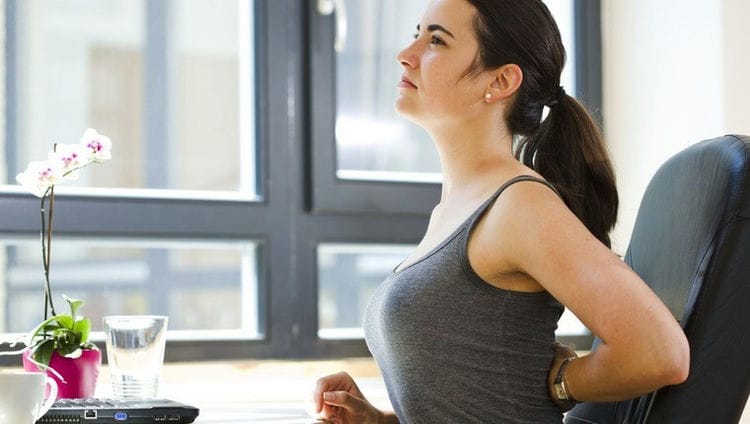
It can occur in the following cases :
- Diseases of the spinal column. Most often, the patient complains that his back hurts due to osteochondrosis, intercostal neuralgia, or a pinched nerve. The clinical picture is complemented by stiffness in movements, irradiation to the upper limb, loss of sensitivity in the fingers.
- Diseases of the stomach and intestines. The symptomatology of painful manifestations is complemented by the presence of nausea, vomiting, upset stools and increased gas production. These signs appear with the development of pancreatitis, intestinal colic, cholecystitis.
- Cardiac diseases. Acute painful syndrome behind the ribs in combination with shortness of breath and a burning sensation behind the breastbone is a characteristic sign of myocardial infarction.
- In the bronchi and lungs, BS can be observed with the development of pneumothorax, pleurisy, bronchitis or pneumonia. It can increase with inhalation, and decrease with exhalation.
Causes of diseases
Back pain is diagnosed for various diseases.
These include :
- pathological processes in the spine (hernia, spondylitis, arthralgia, sciatica);
- myocardial infarction, aortic aneurysm;
- diseases of the stomach and intestines (pancreatitis, colitis);
- the formation of calculi in the kidneys, cholecystitis, hepatic colic.
Moreover, all diseases have a different etiology, which is taken into account when choosing a treatment strategy.
Degenerative pathologies
Degenerative changes occur in cartilage and bone tissue. Violation of the morphological structure causes dystrophy, which causes osteochondrosis, spondylosis or spondyloarthrosis.
Among the provoking factors of destructive changes are :
- metabolic disorder, causing insufficient supply of nutrients to the intervertebral discs;
- limited intake of useful microelements into the body;
- heavy loads and injuries suffered;
- malfunctions of the endocrine system;
- bad habits, for example, smoking and excessive addiction to alcoholic beverages;
- physical inactivity and a sedentary lifestyle.
Inflammatory diseases
Diseases leading to inflammation in the spine can occur both independently and as a result of complications of pathologies. They are registered in rare cases, but pose a serious threat to the patient's health.
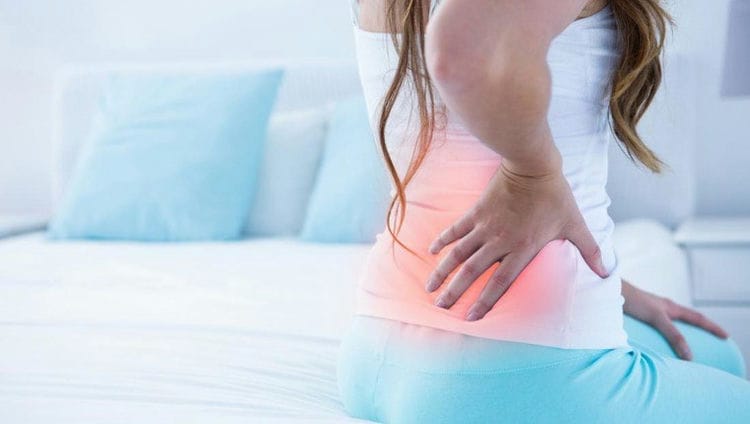
The focus of inflammation can be localized in different parts of the vertebra :
- in the anterior section, spondylitis, discitis or spondylodiscitis is most often diagnosed;
- localization in the posterior region provokes the development of osteomyelitis, spondyloarthritis or paravertebral abscess;
- if the spinal canal becomes infected, the inflammation is manifested by the development of an abscess or epiduritis.
In addition, the tissues of the spine can be affected by tuberculosis, brucellosis, trichinosis (a type of helminthiasis).
This type of pathology is characterized by sharp painful attacks in muscle groups, which are difficult to eliminate by taking analgesics. The clinical picture can be supplemented by concomitant symptoms, for example, an abrupt increase in the temperature of the body and loss of sensitivity in certain areas of the spinal column.
Symptoms that accompany back pain
Occasional pain, even worse with exertion, is not dangerous. However, if there is no improvement within 3-5 days, and the back pain intensifies, an urgent need to consult a doctor.
Consider the symptoms of back pain along the spine.
Lumbar region:
- weakness in the legs;
- numbness or soreness of the buttocks, thighs, legs, toes, feet;
- frequent urination or, conversely, very rare;
- decreased sensitivity during bowel movements and urination.
Signs of back pain in the cervical spine:
- frequent headaches;
- weakness in the arms;
- sharp drops in blood pressure;
- high or low blood pressure;
- numbness and soreness in the arms, shoulders, fingers, hands.
Chest section:
- soreness under the scapula (possible aggravation of pain when moving);
- burning in the sternum or between the shoulder blades.
Situations in which you need to see a doctor as soon as possible
Soreness in the back, if it is not associated with serious pathologies, disappears in 3-4 days. If this does not happen, you should definitely visit a doctor. In addition, the reasons for an urgent visit to a specialist are:
- very intense soreness;
- pain that gets worse at night;
- when it hurts in any position of the body and you cannot take a pose in which relief comes;
- pain that arose suddenly and for the first time in life;
- when a person suffers from pain syndrome, either younger than 20 years old or older than 55;
- recent back injury;
- fever;
- weight loss for no apparent reason;
- progressive disorders in the profile of neurology;
- general weakness;
- change in gait;
- long-term use of corticosteroids;
- an increase in pain during a month, no improvement during therapy;
- soreness radiates to the leg, especially below the knee;
- weakness, numbness of the skin, tingling occurs in one or both legs.
Diagnostics
To diagnose back pain, you need to make an appointment with a neurologist, if necessary, take tests, as well as undergo an apparatus examination as prescribed by a specialist.
-
Blood tests.
They allow you to determine the presence of infection, ESR (increased erythrocyte sedimentation rate, which indicates inflammation, infection). If an increased level of leukocytes is detected, then this is also a sign of inflammation, infection. Also, by blood, you can determine iron deficiency anemia, which may be caused by oncology.
-
Hardware diagnostics.
- Duplex and triplex ultrasound scanning of the vessels of the neck and brain. Allows to get ahead of the structure and patency of blood vessels, the presence of narrowing or expansion, plaques, blood clots, as well as the compliance of blood flow with norms. It is used in the diagnosis of the causes of headache, dizziness, high blood pressure, as well as suspected cerebrovascular accident, with early diagnosis of pre-stroke conditions.
- MRI (magnetic resonance imaging). The most accurate and efficient examination method. Allows to visualize tumors on the vertebrae, herniated intervertebral discs, compression (and its degree) of the spinal nerves and spinal cord, narrowing of the spinal canal, inflammatory changes, including post-traumatic ones. MRI is mandatory before surgery and in the postoperative period.
- CT (computed tomography). Identifies vertebral fractures and their nature, allows you to find even very small fragments, if they were formed during trauma. Based on the data obtained, you can create a 3D image of the desired area. CT “sees” what went unnoticed during the X-ray.
- Radiography. Allows you to assess the condition of bone structures. It is carried out for the diagnosis of fractures, arthritis, spondylolisthesis, the degree of posture disorders. It can be performed with functional tests, that is, when the patient flexes and extends the spine during the examination. Visualizes inflammation of the joints in the spine, helps to identify indirectly the localization of compression of the nerve processes. The degree of color intensity of the vertebrae in the picture allows us to assess their strength (in osteoporosis they are more “transparent”, and when healthy – bright white).
- Electromyography (EMG). Research aimed at determining the state of the nervous tissue. During it, the electrical impulses that are produced by the nerves are assessed, as well as the reaction of the muscles to them. Electromyography helps detect nerve compression due to stenosis (narrowing) of the spinal canal or intervertebral hernia.
- Bone scan. This test is necessary if the doctor suspects a bone tumor or compression fracture associated with osteoporosis.
Diagnostic methods for back pain
There are many conditions in which low back pain occurs. To determine their origin and prescribe treatment, you need the help of a doctor. The cause of their appearance is not always spinal diseases. In this case, the localization of painful sensations is important, first of all. For example, lower back pain on the right or on the left may indicate urological pathologies, intestinal diseases: appendicitis, ulcerative colitis, diverticulitis, obstruction, etc. In some cases, there may be pain above the lower back, for example, with hepatitis, cholecystitis, or taking toxic drugs. If the back hurts below the waist, then such localization may indicate diseases of the genital organs, for example, the appendages of the uterus in women or the prostate gland in men.
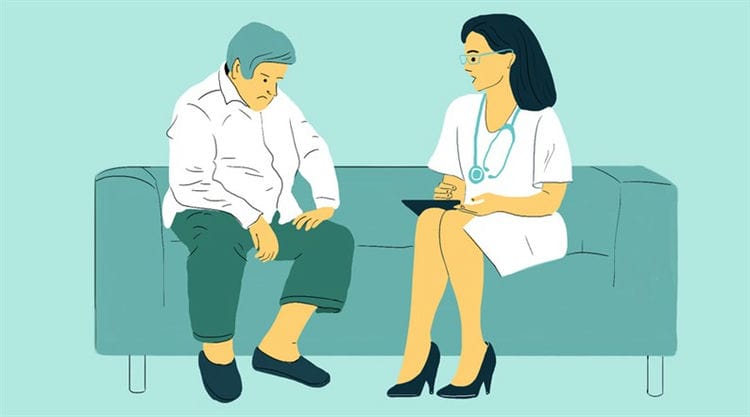
You should start with a visit to a therapist or neurologist, who will prescribe the necessary examinations. In some cases, it may be necessary to consult a urologist, orthopedist, traumatologist, infectious disease specialist and other narrow specialists. Thanks to the diagnostic methods existing today, it is possible to determine with high accuracy the cause of pain in the lumbar spine. X-ray of the lumbosacral spine is the most accessible method of examination, which allows to determine the violation of structures, the presence of an inflammatory process, osteoporosis and related disorders. Computed tomography or magnetic resonance imaging are the most effective diagnostic methods, thanks to a layer-by-layer image of internal structures, even the smallest violations can be detected. In addition, a wide variety of laboratory tests can be prescribed – depending on the symptoms.
What to do if lower back pain occurs?
We are so arranged that when health problems appear, we try to get rid of painful sensations on our own. Especially in cases where movement is not limited, the condition does not worsen, and after taking the pain reliever, the pain seems to subside. But you should be aware that only trauma is the only cause of back pain that a person can relatively accurately determine on his own. In other cases, it is better to entrust the diagnosis to a specialist. But there are situations when emergency doctor's help is needed immediately:
- impossibility or limited movement;
- decreased sensitivity in certain areas of the body, tingling in the limbs;
- incontinence of urine or feces;
- severe pain, fever, nausea, etc.
Pain classification
Lower back pain can be:
- strong;
- sharp;
- aching;
- chronic;
- displaced.
Severe pain
Severe pain appears with osteochondrosis. Pain haunts a person constantly: when he walks, sits, lifts weights, even coughs or sneezes. Sometimes it gives to the lower extremities. This is accompanied by numbness and chills.
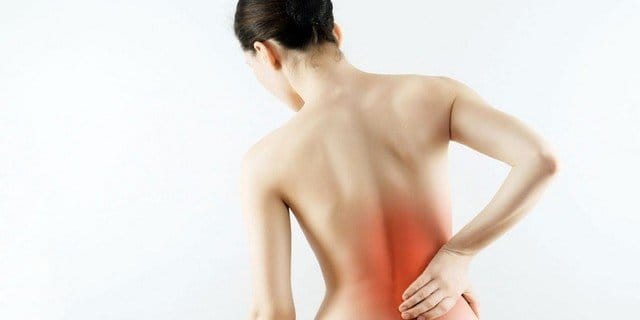
A person feels severe pain immediately, which is why he goes to the hospital. Therefore, it is easier to get rid of them.
With lumbosacral radiculitis, a person feels severe pain in the lower back and other parts of the body: in the buttocks, thighs, pelvis and legs. Pain sensations become stronger in the process of walking, coughing, changing body position.
At the first such signs, you need to contact a neurologist. It is recommended to sleep on a firm mattress to maintain the lower back in the correct anatomical position.
Sharp pains
Acute pain in humans is manifested in the following cases:
- Crick;
- being in an uncomfortable position for a long time;
- work with weights;
- trauma;
- sharp movements;
- hypothermia of the body;
- draft.
To eliminate such pain, you need to use gels and ointments that have anti-inflammatory and analgesic properties. They will help improve blood circulation and get rid of edema. If, two to three days after the first manifestation, lower back pain does not go away, then it is time to see a doctor.

Acute pain is a sign of serious changes in the spine for the worse
In the early days, when lower back pain is especially severe, it is better to adhere to bed rest.
Aching pains
Aching back pain can occur due to myositis or inflammation of the muscles in the lower back. A person is constrained in movements, because he experiences pain when performing even the simplest movements.
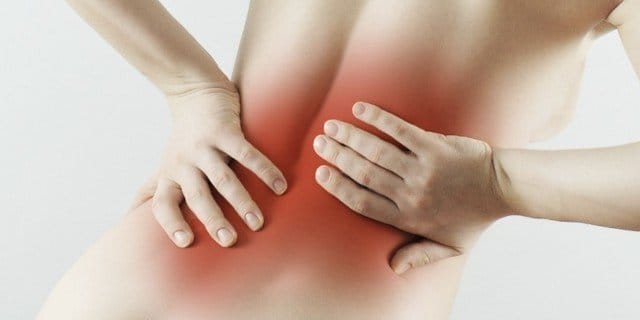
Aching pain is not as noticeable as others, especially in the early periods of its development
To get rid of pain, you must first take a warm shower, and then put on warm clothes. Physical activity is excluded. To alleviate the condition, it is recommended to rub in ointments that have a warming effect. If the pain persists after three days, it is best to see a doctor.
Chronic pain
Deforming spondylosis is often the cause of such pain. A person with such a disease is very worried about the lower back, loss of sensitivity and weakness in the leg area may develop.

It is impossible to get rid of chronic pain. The best thing a doctor will do is to reduce their strength.
Chronic pain can also occur due to ankylosing spondylitis, metabolic problems, or cancerous tumors. Coping with these diseases at home will not work. It is also difficult to identify the cause in the early stages. Therefore, if you experience pain that does not go away for more than three days and even gets worse, you should consult a doctor.
Displaced pain
This type is distinguished by its “confusion”. A person feels pain in the lower back and believes that the cause of them is in problems with the spine. But in fact, displaced pain is usually manifested due to diseases of organs located in the pelvic region, tumors and diseases of the gastrointestinal tract and kidneys.
This type of pain is considered the most dangerous because its symptoms are easily “confused” with the symptoms of other diseases
What to do when the pain has passed a little, but the symptoms still remain?
- Strengthen your back by doing morning exercises, and if you have a serious problem, consult with specialists for the selection of an exercise therapy complex
- Pay attention to how you sit in the office, how you carry a heavy bag, or how you dig a garden in the country.
Alternative medicine recipes
If there are no inflammatory processes, then you can use folk remedies.
Salt Belt
This is a proven way to relieve pain. Soak a woolen shawl or scarf in a saline solution prepared according to the following recipe: dissolve salt (a handful) in 1 liter of water, leave for an hour, squeeze and dry. Wrap this belt around your waist. Wear for a week, removing for hygiene only.
Cabbage compress
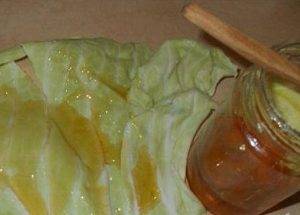
A good remedy to relieve acute pain. Mix table vinegar and liquid honey in equal proportions. Heat the mixture in a water bath and distribute over the cabbage leaf. Apply the leaves to the sore spot with a honey-vinegar mixture to the skin. Wrap up with a cloth, preferably woolen, so that the compress does not move. Lie down for at least an hour or leave overnight.
Radish compress
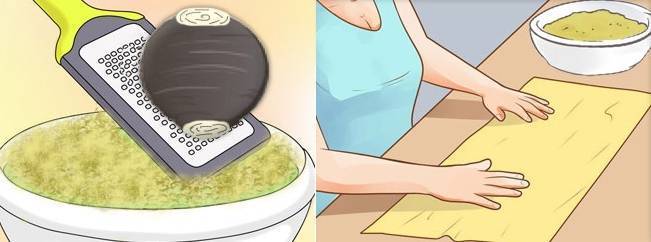
To prepare this product, you need to pass a few black radish roots through a meat grinder and add a little camphor oil. Put on a linen handkerchief and attach to a sore spot. Fix well. Put a hot water bottle on top. Relax for half an hour. The radish can be replaced with horseradish root and leaves, but in this case the duration of the procedure is no more than 15 minutes.
Mustard plaster compress
Mustard is a good warming agent. The back should be greased with honey heated in a water bath. Cover with a thin cloth. Apply mustard plasters soaked in warm water on top. Wrap your back with a woolen shawl and leave for an hour. After the specified time, remove the remnants of the compress with a damp cloth, and leave the patient in a warm bed. In case of severe pain, the procedure can be carried out 2 times a day. Continue the course until the pain disappears.
“Star”
This Vietnamese herbal balm works well for colds and helps relieve back pain. Massage the loin with the “Star” balm, put a sheet of foil on top and secure it with a scarf or bandage. Insulate and leave overnight
It is important to keep your back warm not only during the procedure, but throughout the entire treatment.
Nettle
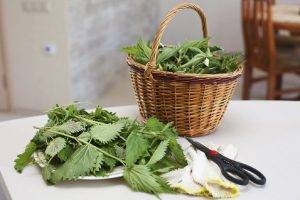
This plant has long been famous for its medicinal properties. Pluck young stalks of nettles and hit the sore spot with them several times (5–6). This irritates the skin and improves blood flow. After the procedure, you need to get dressed. Repeat the procedure daily. A nettle broom in the steam room helps a lot. Steamed shoots can be steamed without fear – they do not leave blisters on the skin, but they have a healing effect.
Potatoes
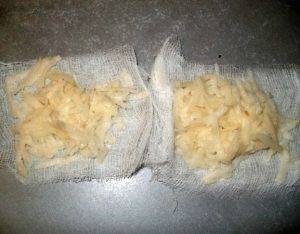
You can also make a medical compress from potatoes. The recipe is simple: take equal parts potatoes and horseradish root. Grate, add 1 tbsp. l. honey. Stir well. The ointment should be stringy and sticky. Lay out in a finger thick layer. Wrap with cling film and cover with a handkerchief. Keep the compress for an hour, then remove the rest with a damp cloth. Do this compress once a day.
Other means
Medicated oils sold over the counter can also be used to relieve back pain. Oil of birch buds helps a lot. The drug is rubbed and massaged on the back. On top, you can attach fresh birch leaves to enhance the effect. Fix with a cloth and warm with a woolen scarf. Keep the compress for at least an hour. Black cumin and chamomile oil also helps.
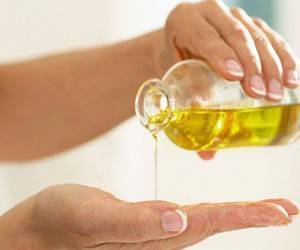
Rubbing is another treatment. Tincture of eucalyptus or burdock relieves pain well. It is best to do such procedures before bedtime. The sore spot is rubbed with a heated tincture and insulated. The patient should remain calm and warm until morning.
When treating, you can use not only external methods. Decoctions of medicinal plants and herbs help to cope with unpleasant symptoms from the inside. So, with radiculitis, this infusion helps: 1 tsp. aspen buds pour a glass of boiling water. Brew in a thermos for an hour. Take 1 tbsp. l. up to 5 times a day after meals.
Pharmacological preparations
Despite the effectiveness of folk remedies and physiotherapy procedures, only pharmaceutical preparations can quickly eliminate severe back pain. If the discomfort is poorly expressed, the course of taking capsules, pills and tablets will help. And with intense pain, neuropathologists prescribe intravenous and intramuscular injections to alleviate the patient's condition. Many of the drugs used to treat lower back have serious side effects and many contraindications. To avoid negative consequences will allow strict adherence to medical recommendations regarding the dosages used and the duration of the course.
Solutions for injection
For the treatment of lumbar pain, injectable forms of preparations containing B vitamins are almost always used. They exhibit neurotropic activity:
- normalize the innervation of skeletal muscles;
- restore the transmission of nerve impulses;
- promote the regeneration of the affected nerve fibers;
- accelerate the metabolism of substances;
- increase the functional activity of the central and peripheral nervous system.
The preparations also include analgesics (Lidocaine, Novocaine), therefore preparations of B vitamins have moderate analgesic properties. The most effective in the treatment of back pain are shown by the following injections:
- Milgamma,
- Combili,
- Neurobion,
- Trigamma.
Preparations for injections are prescribed for acute pain, which is often called “lumbago”. And when the pathology is chronic, their use does not bring the expected result. Vitamins are used both as a single drug and in combination with anti-inflammatory nonsteroidal drugs. It is NSAIDs that are becoming the first choice in the treatment of low back pain. Solutions for intramuscular administration within a few minutes stop inflammation, reduce the severity of discomfort, and eliminate swelling of soft tissues.
The drugs most often prescribed by the treating neurologist:
- Diclofenac,
- Meloxicam,
- Ketoprofen,
- Ksefokam,
- Ketonal,
- Artrosilene,
- Movalis,
- Orthophene,
- Flamax,
- Voltaren.
Some of the above drugs are structural analogs, but may differ in the intensity of the therapeutic effect and the number of side effects. When choosing non-steroidal anti-inflammatory drugs, the doctor takes into account many factors. For example, preparations containing Indomethacin have a pronounced analgesic effect, but at the same time they severely damage joints and cartilage. And Meloxicam, unlike Aceclofenac, does not disrupt the work of the gastrointestinal tract.
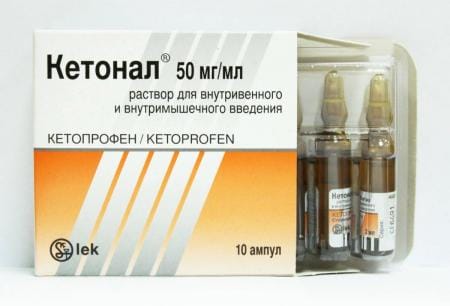
Nonsteroidal anti-inflammatory drugs injections quickly relieve lumbar back pain
Despite the effectiveness of NSAIDs in the treatment of back pain, neuropathologists prescribe them with caution, especially in injectable forms. The fact is that even a single intramuscular injection of the solution can cause ulceration of the mucous membranes of the digestive tract. It is strictly forbidden to use NSAIDs in injections or tablets for people who have been diagnosed with gastritis, as well as ulcerative lesions of the stomach and duodenum. Treatment of low back pain in men and women with non-steroidal anti-inflammatory drugs should be combined with the use of any proton pump inhibitors – Omeprazole, Pantoprazole, Rabeprazole – or their imported counterparts.
Tablets, capsules, pills
After a course of injections, the patient takes NSAIDs and B vitamins in tablets or capsules to consolidate the result of therapy. If the lower back hurts, and non-steroidal anti-inflammatory drugs in injections are contraindicated, then the doctor prescribes pills with such active ingredients. The following medicines are commonly used:
- Friend,
- Celebrex,
- Arkoksia,
- Texamen,
- Bystrumcaps,
- Ibuprofen,
- Nimesulide,
- Ketorol,
- Nurofen.
For the treatment of pathologies of the spinal column, drugs with a combined composition are often used. For example, Neurodiclovit contains Diclofenac and a complex of vitamins of group B. A in the composition of Next Ibuprofen is combined with Paracetamol.
Pain in the lumbar region of the back occurs with muscle spasm.
The nerve roots are stretched, provoking the development of a secondary radicular syndrome. Muscle relaxants help normalize the innervation of nerve impulses and stop spasm. In case of acute pain, a short course of injections is carried out, and then the patient continues treatment with tablets:
- Midokalmom,
- Sirdaludom,
- Tolperisone,
- Baclofen.
During the rehabilitation period, it is recommended to take chondroprotectors, which include Artra, Teraflex, Don, Struktum. The tablets usually contain glucosamine, chondroitin, extracts from shark cartilage and medicinal plants that help restore the bone structures of the spine. Before treating lower back pain with chondroprotectors, the doctor assesses the degree of damage to the articular and cartilage tissues. When diagnosing serious destructive changes, therapy with these drugs can last more than a year.
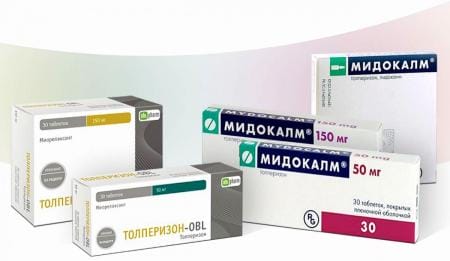
Muscle relaxants in pills and injections relieve spasms – a common cause of acute lower back pain
Ointments, gels, creams, balms
Along with drugs for parenteral and oral administration, neuropathologists prescribe drugs for external use. They are applied to the lumbar region several times a day until the painful sensations are completely eliminated. Some ointments (Kapsikam, Finalgon, Apizartron, Nayatox, Viprosal) contain bee and snake venom, paprika extract, essential oils.
All these organic substances have a warming effect. Patients with sensitive skin may experience burns and symptoms of allergic reactions. And before treating low back pain provoked by an inflammatory process, you should consult your doctor about the safety of using such external agents. As a rule, neuropathologists prescribe the following ointments and gels:
- homeopathic – Objective T, Traumeel C. They contain plant extracts and chemical compounds that improve metabolism and have an analgesic effect. Many doctors are skeptical about homeopathy, but patients who do not consider it a pseudoscience can be cured. One of the serious disadvantages of such ointments is the long duration of therapy;
- NSAIDs – Voltaren, Ibuprofen, Bystrumgel, Dolobene. An ointment with non-steroidal anti-inflammatory drugs is well absorbed by the skin and quickly penetrates the damaged area. After a single application, the severity of the pain syndrome decreases, the mobility of the vertebrae is restored.
Effective stimulation of the normalization of tissue metabolism and relief of dystrophic changes occurs after the course use of external agents with chondroprotectors:
- Sophia with chondroitin,
- Teraflex,
- Honda.
It does not matter if one vertebra is ill or the inflammation has affected the entire lumbar region – ointments with chondroprotectors help to restore articular and cartilaginous tissues damaged by the pathological process.
What medications can relieve back pain
If there is an obvious reason for the pain, give any non-narcotic analgesics. In diseases of bones and joints, pyrazolone derivatives have a good effect:
- Reopyrin,
- Butadione,
- Analgin.
Butadione acts much more strongly than salicylates. Taking medications after meals.
With lumbar pain of different etiology, a significant effect is also noted from the intake of acetic acid derivatives:
- Ketanova,
- Indomethacin,
- Tryptophan.
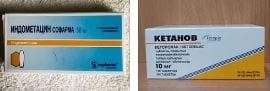
They help relieve lower back pain, reduce morning stiffness and existing swelling in case of inflammation (arthritis). They also have an antiplatelet effect. In terms of the strength of the effect, Ketanov is similar to a narcotic analgesic – Morphine.
Propionic acid derivatives – Voltaren, Brufen, Ibuprofen and Ketoprofen – are also widely used in diseases of the musculoskeletal system. All drugs are low-toxic, well absorbed from the gastrointestinal tract and have a good breadth of action. A good effect is also noted from suppositories with these drugs.
Salicylic acid preparations are widely used:
- Methylsalicylate,
- Aspirin,
- Sodium salicylate.
In addition to the analgesic effect, they reduce blood viscosity (it is good to prescribe in the presence of concomitant varicose veins and cardiovascular pathology for the prevention of thrombosis).
Aspirin is part of the combined Sedalgin and Citramon – as an option, to relieve pain.
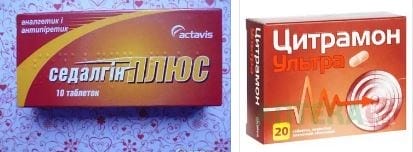
Contraindications to taking drugs of this group are gastritis, peptic ulcer, blood diseases with reduced coagulability, pregnancy, bronchial asthma and individual intolerance to the drug.
The above medicines are also suitable for relieving pain in trauma, myositis, and any others.
In case of renal, intestinal colic and an attack of cholecystitis, together with an analgesic, it is imperative to give an antispasmodic to relieve spasm: No-shpu, Drotaverin, Papaverin. If the patient is able, then with renal colic, put in a hot bath.
How and how to relieve kidney pain
With menstrual pain, propionic acid preparations – Voltaren, Ibuprofen, have a good effect. And also Indomethacin and Ketanov in combination with antispasmodics.
Moreover, therapy should not be started on the day of the onset of menstruation, but a couple of days before the start, taking antispasmodics. This will prepare the uterus and your period will be much more painless. And the use of these painkillers in suppositories will enhance the analgesic effect.
Home treatments
Back pain is more often not associated with serious disorders. More than 95% of all cases – pinching of nerve endings by the vertebrae. Therefore, the main goal is to relieve pain and the ability to quickly return to normal life.
Medication
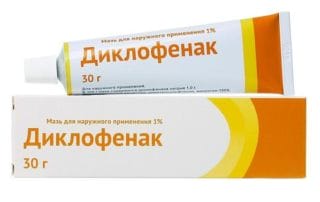
Diclofenac is a complex drug with analgesic and anti-inflammatory effect
If the pain is unbearable, you can take analgesics. Non-steroidal anti-inflammatory drugs have a good effect. They have analgesic and anti-inflammatory effects: Diclofenac, Naproxen, Ketanov. These funds cannot be used for a long time, as they negatively affect the gastrointestinal mucosa.
In addition to tablets, NSAIDs are available in capsules, ampoules and rectal suppositories. Injections of the drug Naklofen are given every other day, no more than 5 injections. You can treat your back using ointments, creams, gels, and a patch made on the basis of diclofenac.
Exercise and exercise
In an acute period, bed rest is necessary, since even a person's weight is a load on the spine. You need to choose a position in which there is minimal pain, and perform slow, simple movements. The number of repetitions is gradually increased.
- Lie on your stomach, lower your arms along the body. If the pain persists, you can place a small pillow under your stomach and your head on your hands. Carefully perform light turns to the hip to the right or left.
- In the supine position, bend your knees. Leaning on your feet, tear your back off the surface, then snuggle tightly to the floor. The ribcage should be motionless.
- Lying on your back with bent legs, roll your legs in one direction, then in the other direction. If possible, lower your knees as low as possible. In this case, the body is straight.
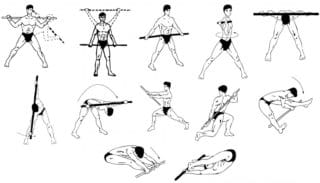
Exercises for the back begin to be performed when the acute period of pain passes.
All movements are performed three times in each direction. The complex is repeated three times a day. The rest of the time you should rest, lying in the most comfortable position. It is not necessary to lie for a long time. After 2 days, the number of repetitions is brought up to ten times in one approach. Exercise speeds up blood circulation, trains muscles, and promotes the regeneration of damaged tissues.
You can use yoga to relieve lumbar pain. The poses available for execution will be selected by a specialist engaged in a similar technique. Exercises can be performed after the acute period subsides. It is enough to practice for 30 minutes twice a week.
To relieve the load from the spine at home, you need to lie on your back, raise your straight legs up, leaning them against the wall. In this position, the socks are alternately tense and pulled up. The muscles in the buttocks contract and relax.
Massage, self-massage
In case of acute pain syndrome, it is not possible to perform these procedures. Every unnecessary movement of the patient causes severe pain. Massage and self-massage is effective during the rehabilitation period in combination with other procedures. It improves blood circulation and has a calming effect on the nervous system.
The nature of the pain
Acute low back pain can be classified by site of localization :
- Local pain syndrome manifests itself in a specific place. Sometimes such well-defined pains can radiate to other parts of the body.
- Generalized pain sensations affect not only the lumbar region, but also the entire back.
Acute lower back pain can be intermittent or persistent. In the first case, the pain syndrome disappears immediately after the cause of the pain is eliminated. Sometimes, periodic discomfort of an acute nature is associated with constant heavy physical exertion or physiological characteristics. But much more often, periodic pain in the lower back causes diseases of the internal organs in the stage of exacerbation.
Constant acute pain in the lower back is provoked by inflammatory processes in the cartilaginous structures or dystrophy of certain parts of the skeletal system. Also, circulatory disorders can cause pain syndrome of a permanent nature. Constant pain is due to damage to the nerve roots extending from the spinal column.
Preventive methods
Prevention of back discomfort is a correct lifestyle, which includes moderate physical activity, a balanced diet and rejection of addictions.
It is very important to correctly equip the sleeping place. Preference should be given to high-quality and comfortable orthopedic mattresses with coconut filling. In addition, you need to accustom yourself to take a comfortable position during sleep. Doctors recommend sleeping on your side with slightly bent knees.
It is necessary to abandon a sedentary lifestyle. If you have to sit at work for a long time, you should regularly perform special exercises. It is important to monitor your posture when sitting at your desk. Your back should be straight and your knees should be above the level of the seat. For this, it is recommended to use special stands.
If it becomes necessary to transfer any severity, then this should be done correctly. You need to load your knees, not your lower back. To do this, the load is first raised on bent knees, and only then the back is straightened.
Overweight is a provoking factor. That is why you should properly formulate your diet. The menu should include healthy dishes made from high quality ingredients. In addition, the diet should be balanced. It should contain a sufficient amount of all vitamins and minerals necessary for health. This will keep the musculoskeletal system in good condition and strengthen the immune system.
Sources used and useful links on the topic: https://aif.ru/health/life/ot_chego_mozhet_bolet_spina_7_vozmozhnyh_prichin https://azbyka.ru/zdorovie/boli-v-spine-chto-delat https://bolit.net/lechenie- boli-v-spine / 153-pochemu-bolit-spina.html https://www.gruzdevclinic.ru/o-klinike/stati/pochemu-bolit-spina https://www.vitajournal.ru/health/disorders/ bol-v-pojasnitce / https://spina-expert.ru/drugie-bolezni/bol-v-spine-v-oblasti-poyasnicy/ https://www.healthwaters.ru/blog/chto-delat-esli- bolit-spina / https://blotos.ru/kak-snat-ostruu-bol-v-poasnice-upraznenia-i-narodnye-sredstva https://med-post.ru/zdorove/kak-lechit-bol-poyasnice https://medprior.ru/kak-snjat-ostruju-nojushhuju-bol-pojasnice/ https://NogoStop.ru/spina/kak-izbavitsya-ot-boli-v-spine-v-domashnix-usloviyax.html https://bolit.net/bol-v-pojasnice/128-ostraja-bol-v -pojasnice.html
Post source: lastici.ru