
Pain during menstruation: causes, ways to get rid of dysmenorrhea. Pain during menstruation: the main causes and ways to relieve pain
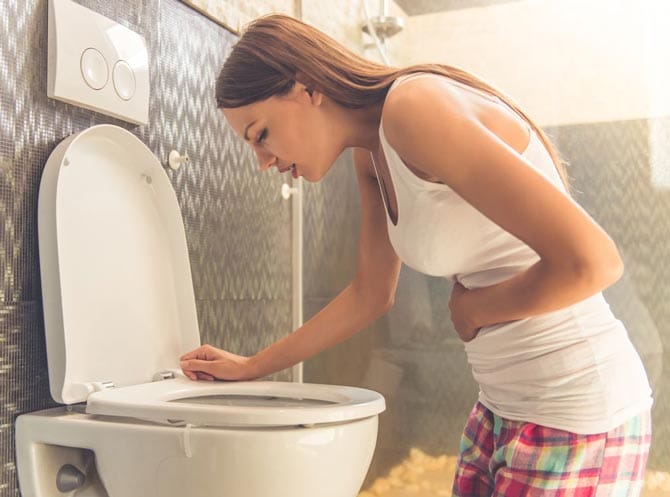
Stomach hurts during menstruation
Menstruation is a physiological process by which the lining of the uterus (endometrium) is rejected. This process is monthly in nature and can be accompanied by a number of symptoms, among which are: abdominal pain, vomiting, dizziness, headaches, apathy, loss of appetite.
Why does the stomach hurt during menstruation? The process of separation of the endometrium from the walls of the uterus occurs under the control of hormones. During pregnancy, the fertilized egg must attach to the endometrium, which produces hormones that allow the fertilized egg to be attracted to itself. So that in the future the fetus can develop and receive nutrition, for growth and development. But during menstruation, the egg is not fertilized, it does not attach to the endometrium, so the lining of the uterus is rejected.
The endometrium is permeated with small convoluted vessels. Before the regulation (menstruation), the vessels twist and bleed. The hormones that control the cycle affect the rapid blood flow. Therefore, filling sharply, the vessels rupture under the influence of pressure and tear off the mucous layer of the uterus from the muscular layer, filling with blood cavities.
In response to mucosal rejection, the uterus, which is a multi-layered muscle, begins to contract. This is necessary in order to stop bleeding from the injured vessels of the mucous membrane. Also, spasms of the muscles of the uterus help to clear the cavity of the remains of the endometrium. Contractions of muscles that are laced with nerve endings cause abdominal pain.
How badly the stomach hurts during menstruation is influenced by the following reasons: the woman's age, lifestyle and heredity.
Very sore lower abdomen during menstruation
How much does the stomach hurt and how does the soreness manifest? The increased sensitivity of the genitals and tissues of the uterus manifests itself in the first two days of menstruation. This is due to irritation of the genitals due to imperfect attachment of the follicle to the endometrium. In the labia majora there are fibrous endings of the round uterine ligaments. When the muscles contract, the ligaments are stretched, leading to pulling pains in the abdomen and in the external genitals.
Symptoms
The course of menstruation has various symptoms:
- pain in the lower abdomen of a pulling, sharp, stabbing character;
- irritability;
- back pain;
- headache, dizziness;
- weakness, fatigue, lethargy;
- swelling of the breasts, increased sensitivity of the nipples;
- nausea, vomiting.
In this case, the symptoms can appear both at once all together in one woman, or separately, prevailing one over the other. For example, someone has a very stomach ache during regulation, in another case, a woman may complain that she is sick around the clock in the first 2 days of menstruation.
Why does it hurt during your period?
Most often, painful periods are primary dysmenorrhea, that is, unpleasant sensations arise not due to diseases, but by themselves. If you are healthy, but you are in pain, then prostaglandins are to blame for the malaise – these are mediators that increase the sensitivity of pain receptors. They are produced in the lining of the uterus during menstruation. Because of them, the uterus contracts to remove blood and endometrium faster.
When there are a lot of prostaglandins and the uterus contracts strongly, pain appears in the lower abdomen that resembles cramps.
Sometimes back pain is added to these sensations. Prostaglandins also affect smooth muscle contraction in the gastrointestinal tract, so these substances are responsible for nausea and diarrhea during menstruation.
What other causes of pain?
If the pain begins suddenly, then you need to examine the genitourinary system and organs that are located nearby. Perhaps the real cause of the discomfort is diseases such as:
- Endometriosis
- Inflammation of the bladder (cystitis).
- Fibroids, fibroids and other tumors.
- Inflammatory diseases in the pelvic organs.
- Bowel diseases.
With painful periods, any of these diseases can join the increased production of prostaglandins. Therefore, if the pain becomes stronger than usual, lasts longer than three days, the cycle is broken, unusual discharge or pain during sex appears, consult a doctor with these symptoms.
What tests should I take to understand that this is not a dangerous disease?
An examination by a gynecologist is needed (at the same time, the doctor can take smears, including for hidden STIs), as well as an ultrasound examination of the pelvic organs.
This is enough to draw conclusions about health and treat either illness or dysmenorrhea.
If, upon examination, the doctor does not find anything, and the pain during menstruation is severe, does not go away with bleeding, and the prescribed treatment does not help, then a diagnostic operation will be required to find or exclude endometriosis.
Why does it hurt and my friend tolerates her periods without problems?
You were unlucky. No one can say for sure why some women are menstruating more heavily than others. This is a feature of the body that needs to be dealt with.
What pills can you save yourself with?
First aid – non-steroidal anti-inflammatory drugs, NSAIDs. These are fairly safe pain relievers, available over-the-counter and in a wide variety of combinations.
Anti-inflammatory drugs don't just dull pain. They reduce the production of prostaglandins, the very ones that are to blame.
It makes no sense to immediately rush for funds with a complex composition. Ordinary ibuprofen may help. There are also stronger drugs – indomethacin, ketoprofen. All drugs have contraindications. Women who have stomach ailments need to be especially careful. To take NSAIDs in these cases, you need to consult a doctor who will select the drug.
But antispasmodics help with dysmenorrhea worse (if they help at all), because they do not affect the cause of the pain.
Will birth control pills help?
Hormonal oral contraceptives create an artificial menstrual cycle with their own hormonal levels. In this case, the endometrium becomes thinner so that a fertilized egg cannot attach to it. And since this layer is thinner, then there are fewer prostaglandins in it. Therefore, birth control pills are often prescribed for painful periods.
If your doctor recommends pills, try to choose modern drugs with minimal side effects and check if you have any contraindications.
Therapy is not limited to pills: hormonal coils or injections perform the same tasks.
What can be treated besides pills?
There are methods that make it easier to endure pain during menstruation. Unfortunately, it's impossible to say for sure that they will help: everyone has their own reactions. Try everything in turn, focus on your own state and listen to the sensations.
- Warmth. The best option is to get under the covers and sit with a mug of hot tea, you can even put a heating pad on your lower abdomen, but this is not always possible. Dress warmly if you need to get out of the house and get busy. Choose clothes that do not create discomfort in the abdominal area: tight jeans and belts that cut into the body will wait a few days. A warm shower works too.
- Sports. You need to go in for sports for prevention, and when it becomes difficult, do light exercises to relax muscles and stretch.
- Acupuncture. There is no evidence that such alternative medicine works. But at least the procedures are a distraction from the pain.
- Relaxing massage. It distracts from unpleasant sensations and is generally useful for the body and mind, which also needs to rest sometimes. Massage your abdomen by stroking it clockwise in the area where the pain is felt.
- Comfortable posture. If you can lie down, try to raise your legs higher or lie on your side with your knees bent.
- Quitting smoking. You need to quit permanently, not just on the days when you feel pain.
- Vitamins and minerals. Also not an absolutely reliable method, but it is possible that supplements with vitamins B6, B1, E, magnesium and calcium will help you.
Is it possible to get rid of pain once and for all?
Unlikely as long as you have your period. Although there are surgical procedures that destroy the nerves in the uterus. The effectiveness of such treatment is low, but there are risks.
When to see a doctor
Pain during menstruation can be a sign of serious pathology or is associated with physiological causes. In any case, it is better to sign up for a consultation with a gynecologist to find out the reasons.
If you have any suspicious symptoms, contact the varch.
There are cases when a specialist needs to be visited urgently:
- possible pregnancy;
- duration of pain and menstruation for more than a week;
- the appearance of pain for the first time;
- the pain is severe and cannot be tolerated;
- the woman's body temperature has risen to a high value;
- together with discomfort, abundant discharge appeared.
How is drug therapy
Most often, women use antispasmodics or NSAIDs to eliminate unpleasant symptoms. It is impractical to use only them, since they do not treat the cause, but relieve pain, therefore it is necessary to use complex therapy.
To get rid of pain in the abdomen during menstruation, the following groups of drugs are most often used:
- Oral contraceptives. Birth control can help reduce discomfort. After several months of use, the pain that occurs during menstruation disappears.

It is recommended to take a sedative, for example, Novo-Passit
- Sedatives. If a woman is often nervous, she may have pain during menstruation. The condition is treated with the use of sedatives, for example, tincture of valerian or motherwort, Novo-Passit, Afobazol, Tenoten.
- Pain relievers or antispasmodics. You can use tablets to relieve menstrual pain. Ibuprofen (Nurofen), Indomethacin, Diclofenac are suitable as NSAIDs. Antispasmodics include Spazmalgon.
It is necessary to pay attention to the fact that strong drugs (Ketans) must be abandoned, since they irritate the mucous membrane of internal organs and this can lead to additional diseases.
How to relieve pain at home
In addition to medications, you can use other therapies. The following procedures are suitable for home:
- Applying a warm heating pad. If it hurts in the lower abdomen during menstruation, you can use a plastic bottle. In warmth, the uterus contracts less intensely and it relaxes.
- Warm bath. An effective method for eliminating pain during menstruation. The bath provides muscle relaxation and relaxation. For these purposes, you can use a warm shower.
- Physical exercises. If a woman is in a sitting position for a long time, blood stagnates in the pelvic area and pain appears. Therefore, it is necessary to devote time to physical activity. But you should not be zealous with sports.
- Yoga classes. During exercise, the organs of the genitourinary system are toned. If a woman is constantly engaged, there is the possibility of resorption of adhesions, stimulating ovulation. Plus, yoga can help reduce muscle tension when your period starts.
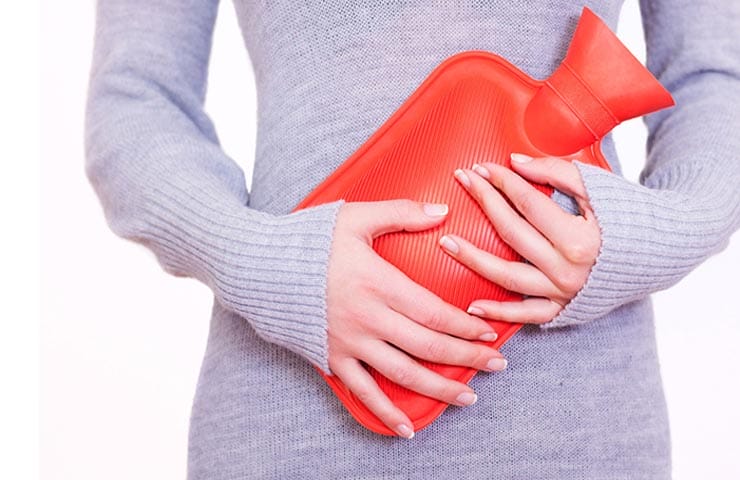
You can relieve the condition with a heating pad.
In addition to procedures, you must adhere to the rules of nutrition. Avoid unhealthy, fried, salty, smoked foods. It is better to add more vegetables and fruits to your diet. 2 – 3 days before the expected menstruation, you should replace harmful products with broths, cereals, juices.
Hypothermia should also be avoided. This means that you cannot wear a short skirt in winter. Temperature changes can affect the onset of abdominal pain during menstruation.
Diseases of other organs of the small pelvis
Pathology can affect the bladder and colon, which are located next to the genitals, which is why pain occurs.
Treatment
It is worth noting that not in every case of abdominal pain during menstruation requires treatment, this is an acceptable phenomenon with which you need to learn to live. What to do with pain during menstruation, which does not cause severe discomfort and is tolerant, is to try to refrain from pills.
In the case when spasms interfere with work and lead a normal life, you can take antispasmodics (“No-shpa”, “Drotaverin”, “Spazmalgon”, etc.). When diseases are detected, special treatment is used.
Doctor's advice
For any pathological conditions, including pain during menstruation, you should always seek advice from a gynecologist. Any problem always has a solution, if we are talking about organic pathology, the earlier the treatment starts, the higher the chance of its effectiveness
A huge number of women suffer from uterine fibroids, and the incidence increases with age. And in many cases, fibroids are not treated in any way, but observational tactics are used: often after menopause, it disappears on its own. In the opposite situation, hormones and surgery are used. Read about the size of fibroids for surgery here.
Urogenital tract infections are treated with appropriate antibacterial drugs. The correct treatment can only be prescribed by a doctor, after receiving the test results.
Intrauterine device – removal from the uterine cavity, synechiae of the uterine cavity – hysteroscopy.
The diagnosis and treatment of diseases of the female organs is carried out by a gynecologist.
You can ask a question to a gynecologist online and get an answer to your specific problem.
Diagnostics and examinations
Examination for algodismenorrhea includes the following manipulations: consultation and examination by a gynecologist.
Manual examination can detect changes and volumetric formations of the abdominal organs, and with the help of mirrors, the doctor will assess the condition of the cervix.
A smear from the vagina and cervix diagnoses infections and tissue degeneration.
- An ultrasound of the pelvic organs will detect changes in deeply located tissues.
- Blood, urine, and stool tests are done to assess the general condition of the body and the presence of an infection.
- CT and MRI allow detailed visualization of all organs and find pathology.
- To clarify the diagnosis can also be prescribed: curettage of the uterine cavity, fibrocolonoscopy, laparoscopy and other methods.
Prophylaxis
Specific prophylaxis is not carried out.
Risk factors:
- early age of menarche;
- long periods;
- smoking (active, passive);
- family history;
- hypodynamia;
- frequent stressful situations in the family;
- frequent changes in life;
- low socio – economic status.
Ways to reduce pain
Experts say that any pain cannot be tolerated, because it not only has a detrimental effect on the emotional state, but can harm both physical and mental health. If a woman experiences severe pain during regulation, first of all, she is advised to consult a gynecologist, but if this is not possible, there are some ways to help with pain during regulation:
- thermal procedures perfectly relieve muscle spasms, but they cannot be used for inflammatory or purulent processes, as well as for inflammation of appendicitis. If you do not know the exact cause of severe menstrual cramps, then you do not need to experiment with warming procedures. If the cause is muscle spasm, then a warm heating pad for pain during menstruation will be the best help. It is applied to the lower abdomen for a quarter of an hour, but no more than twice a day. A more gentle method of warming up is to apply a warm diaper, which is ironed on several sides;
- water procedures. A hot bath is relaxing, but during regulation it is better to replace it with a short warm shower. Such a procedure will eliminate fatigue and relieve pain, while you can additionally massage the abdomen with a washcloth to relax the muscles and ease the spasm;
- you can make a compress with sea salt and apply it to the lower abdomen, this will remove painful sensations during regulation;
- massage using a warm mala containing warming additives or essential oils, which are preheated in a water bath to body temperature. Essential oils of saffron, bergamot and grapefruit relieve spasm, but you can replace them with ordinary baby massage oil. Before the massage, it is imperative to measure the heating temperature of the oil in order to prevent thermal burns of the massaged area. Massage movements on the abdomen and lower back should be done in a clockwise direction, this will reduce the pressure on the abdominal cavity. If a woman does not have allergies, then you can rub a composition of essential oils into the lower abdomen and lower back throughout all the regulations, which includes 4 drops of clary sage oil, 5 drops of marjoram and yarrow oil and 50 ml of St. John's wort oil;
- if painful periods are caused by dehydration of the body, which often accompanies heavy menstrual blood loss, then as a treatment it is enough just to normalize the drinking regimen. If there is a lack of fluid in the body, pain in the lower abdomen will be dull or sharp, but in no case cramp-like. Usually, pain of this kind is not too intense, but it may well cause discomfort for women with a low pain threshold. You can fill the lack of liquid with spring water, mineral water without gas, teas and herbal infusions, berry compotes and decoctions of dried fruits. You can drink fruit juices, but it is better not to use alcohol, strong tea, coffee and cocoa;
- it is useful not only throughout the cycle, but also during regular periods to engage in not too intense physical activity that improves tone and eliminate spasms – Pilates, gymnastics, yoga, morning exercises and swimming;
- some experts recommend applying an ice pack to the lower abdomen, but for no more than 10-15 minutes, this advice is not supported by all gynecologists, therefore, before using it, you should consult with your doctor;
- physiotherapeutic procedures can cope with menstrual pain – electrophoresis, acupuncture, auto-training, psychological therapy, etc.;
- it is necessary to improve the psycho-emotional state, to relax, for this you can read a book or watch an interesting film, go to the cinema or spend time in the company of a loved one. Positive emotions can reduce the intensity of the pain;
- take the pose of an embryo. This position relieves spasm and relaxes the muscles. For a positive effect, a woman needs to lie on her side, pull her legs to her chest and lie down, even better to sleep.
In especially severe cases, the treatment of pain during critical days cannot do without medication.
Drugs
In some cases, in order to cope with the pain during regulation, the doctor prescribes the intake of painkillers for the woman. Medications are usually prescribed from several groups with a different mechanism of action:
- progestogens;
- hormonal contraceptives in pill form;
- non-steroidal anti-inflammatory drugs.
The first group of drugs affects the secretory changes in the mucous layer of the uterus, but does not affect ovulatory function. Progesterone and testosterone are actively used. These artificial hormones reduce the uterine tone and the amount of prostaglandins produced, and reduce the excitability of the nerve roots located in the uterine muscles.
The use of hormonal contraceptives has a beneficial effect on the hormonal background of a woman and normalizes her menstrual cycle. Contraceptive pills suppress ovulatory function, reduce the intensity of menstruation, suppress nervous excitability and uterine tone. Therefore, with the systematic use of oral contraception, menstrual pain is significantly reduced. Gestagens and oral contraceptives have a long-lasting effect.
If women have a contraindication or excessive susceptibility to hormonal drugs, for menstrual pain, the doctor may prescribe non-steroidal drugs that reduce the level of prostaglandins, but the effect of taking them will be observed for 2-6 hours. This group of drugs includes Mig, Diclofenac, Ketoprofen, Nimesil, Ibuprofen, Nurofen Express, Next, Ibufen.
There are a number of drugs that experts recommend taking to get rid of menstrual pain:
- antispasmodics. They ease spasms of smooth muscles and blood vessels. The most famous drugs from this group are Droverin, No-shpa. To relieve a spasm, it is enough to drink 1 tablet, you can repeat it 2-3 times a day. You can also use intramuscular injections, they quickly relieve pain. The antispasmodic Papaverine has a milder effect; it is produced in the form of rectal suppositories. It must be put on 1-2 candles for 3-5 days, it has a cumulative effect, so you should not wait for a lightning-fast effect;
- if in addition to pain there are other unpleasant symptoms, experts recommend using complex drugs that not only relieve pain, but also eliminate spasm and inflammation. This group of drugs includes Spazmalgon and Pentalgin;
- if pain during regulation provokes overexcitation of the nervous system, sedatives may be prescribed (Persen, Fitosed).
Separately, it should be said about the well-known Analgin. These pills were previously used to relieve any pain. Most women still use it for menstrual pain, although Analgin has too many side effects that have been eliminated by modern counterparts. Since this drug can cause bleeding and reduce white blood cell production, it should only be used if other medications are ineffective. With mild pain, Paracetamol can be used, women choose this medication because of its fast action, although it is useless with severe pain syndrome.
Any medication, the action of which is aimed at eliminating pain, has a number of contraindications and side effects, therefore it should be prescribed exclusively by a doctor, based on the diagnosis and general health of the patient.
Help of folk remedies
There are many home remedies that can soothe your menstrual cramps and can be easily made at home. It is important to remember that taking any medications from alternative medicine should be coordinated with your doctor.
Let's talk about the most effective folk recipes for helping to cope with menstrual pain:
- ginger tea. Ginger root contains many phytoncides, esters and glycosides that can soothe pain and have antibacterial effects. To make tea, you need to take 1 teaspoon of grated, fresh or half dry ginger root, pour boiling water, add a pinch of cinnamon and leave for 6-7 minutes. The drink can be supplemented with a lemon balm leaf, a lemon wedge, or sweetened with sugar. A woman will be able to feel the effect of tea in half an hour. This recipe is not suitable for women with acute diseases of the digestive system and blood diseases. Ginger tea should also not be drunk with heavy periods;
- mint tea with lemon balm. This herbal mixture has a pronounced analgesic effect. To prepare the drink, mix 2 g of dry or fresh leaves of peppermint and lemon balm, add 4-5 drops of lemongrass oil and pour a glass of boiling water. Tea is brewed for 6-7 minutes. Lemongrass can be substituted for 5 g of orange, lemon or other citrus peel. Tea is drunk daily until the end of the regulation. It can serve as a prophylactic agent, for this it is taken daily in the morning and a couple of hours before bedtime;
- chamomile tea with raspberries. In this recipe, it is the raspberries that are used, and not the leaves, since the latter, on the contrary, contribute to the strengthening of uterine contractions. A tablespoon of pharmaceutical chamomile filled with a glass of boiling water, to which 15 g of dried raspberries are added, will help to eliminate muscle spasm in the uterus and thereby remove pain. The drink is infused for 10 minutes, then a little cinnamon and honey are added. Such tea will not only soothe and relieve spasm, but also have a general strengthening effect on the female body;
- herbal decoctions with horsetail and bearberry will help get rid of pain, but have a diuretic effect. You need to drink such a drug before menstruation;
- tea with catnip will help to calm and relax the uterine muscles;
- infusion of oregano will help get rid of spasms not only in the uterus, but also in the intestines, this greatly facilitates the condition of a woman during menstruation. A spoonful of dry raw materials is poured with a glass of boiled water and infused for a while, taken three times a day before meals;
- good effectiveness in the fight against menstrual pain is shown by a decoction of viburnum bark. 4 tsp. dry bark, you need to pour 0.25 liters of water and boil for half an hour. Drink a tablespoon before meals;
- infusion of parsley and strawberry works well.
Physical exercises
Specialists have developed a whole range of physical exercises that allow you to get rid of not only severe menstrual pains, but also from concomitant symptoms without the use of medications. The following exercises can be done every day for prophylaxis and during menstruation to relieve pain:
- lying on your back, legs bent at the knees and rest their feet on the floor. Hands are placed along the body with palms to the floor. On a short exhalation, a smooth deflection of the abdomen is made for several minutes. The muscles are completely relaxed. Repeat 4 times;
- you need to lie on your back while the buttocks should be located as close to the wall as possible, and the legs are raised up perpendicular to the floor, then the legs bend at the knees. In this position, you need to linger for 4-5 minutes;
- you need to lie on your back, straighten your legs, pull one leg to your chin, and leave the other on the floor. In this position, you need to spend 2-3 minutes, and then do the exercise on the other leg;
- you need to get on all fours and lean on the floor with your elbows, you need to keep your head between your hands. In this position, you need to linger for 2-3 minutes. A similar exercise can be done while lying on your back;
- you need to lie on the floor face down, bring your feet together and strain your knees. On exhalation, the body rises, the head is thrown back and the buttocks contract. In this position, you need to linger for half a minute. As you exhale, return to the starting position.
These exercises are suitable for those for whom drug treatment is contraindicated, but they should be performed only as directed by a doctor in cases where a woman has a spinal disorder and arterial hypertension is diagnosed.
Dysmenorrhea degree
In proportion to the intensity, the sensations are distributed in 4 degrees:
 0 degree. Minor abdominal pain, no need for pain relievers;
- 1 degree. General mild malaise, you can tolerate. May be accompanied by melancholy, migraines, indigestion. Disposable with the use of a pain reliever;
- 2nd degree. Pain during critical days is strong, accompanying manifestations: dizziness, chills, slight weakness, headache, nervousness. As time passes, the ailments intensify. Anxiety medications and pain relievers can help you feel better.
- 3 degree. Pronounced pain in the lower abdomen occurs a few days before the first discharge and lasts the entire period of menstruation. The symptoms are as follows: fever, severe pain in the head, arrhythmia, loss of consciousness is possible.
How to reduce pain during menstruation?
 To minimize pain before, during and after menstruation, contribute to:
- Foods containing potassium and calcium. Deficiency of these substances provokes tension and pain;
- Surgery or gynecological treatment of the reproductive organs;
- Medicines;
- Alternative medicine and physical activity
When should you see a doctor?
All women, without exception, should be aware of situations when it is dangerous to independently treat severe pain in the lower abdomen:
- When the painful syndrome does not go away for 2 days after the first discharge;
- When antispasmodic and pain relievers do not work;
- Excessive hemorrhage, along with large clots;
- Temporary failure of menstruation, weight loss;
- When uncharacteristic vomiting appears, a nauseous feeling, loose stools during women's days.
A similar picture of symptoms indicates serious diseases in the genitourinary and reproductive spheres, these include: tumors, polyps, infectious and pathological development, as well as oncology of the uterus.
The consequences of painful periods
According to the natural physiology of the endometrium – the inner lining of the uterus, every month it is replaced by a new mucous membrane. Getting rid of obsolete tissue is carried out through uterine contractions, and as a result, squeezing of sensitive nerve fibers and narrowing of the lumen of blood vessels appears.
This is what causes the manifestation of pain during menstruation. The lumbar region and sacrum are involved in pain. The manifestation of dysmenorrhea in time is characterized by the beginning and the first couple of days of critical days.
Painful periods are not the norm. The aforementioned ailments are sometimes aggravated by a high degree of manifestation. In the case when the cycle is not broken, there are no prominent signs, the discomfort is short-lived. If the pain persists, appropriate treatment is necessary.
Severe pain during menstruation: when to see a doctor
Unpleasant sensations in the lower abdomen bring certain inconveniences to a woman every month. Sometimes the nature of the pain changes or other, more serious symptoms join, in the event of which it is necessary to immediately seek medical help.
Accession of infection and the appearance of inflammatory diseases of the pelvic organs are manifested by the following symptoms:
- An increase in temperature to subfebrile numbers;
- Prolonged pain of a constant aching or cramping character, localized in the lower abdomen;
- An abundant amount of menstruation, different from the bleeding of the previous cycle;
- Violation of general well-being, which is manifested by weakness, increased fatigue, headache;
- Abundant discharge after the end of menstruation;
- Itching and swelling of the soft tissues of the external genital organs;
- Pain during intercourse.
If such signs are found, you need to consult a gynecologist as soon as possible, identify the focus of inflammation and correct the pathological condition.
The presence of pain during menstruation of high intensity, which accompanies the entire period of menstruation, can be the cause of the development of a benign tumor in the uterus or adenomyosis. To differentiate the disease, one cannot do without a specialist consultation and additional examination methods.
Endometriosis is manifested by the presence of pain during menstruation with a tendency to increase its intensity with each subsequent cycle.
Sometimes pain appears after menstruation. By its nature, aching or dull pain in the lower abdomen prevails with irradiation into the bladder or rectum. Such a clinical picture with characteristic discharge from the genital tract indicates that a woman has diseases such as vulvitis or inflammation of the ovaries.
A certain regularity was revealed between the rhythm of life, the conditions of a woman's labor activity and the occurrence of pain in the lower abdomen. It has been proven that increased physical activity and difficult working conditions or high physical activity increase the appearance of algodismenorrhea.
Women with a burdened heredity should be especially careful to monitor their health, as this category of patients increases the chances of painful high-intensity menstruation.
If there are no additional unusual sensations, but there is severe pain during menstruation, this is also an important signal for contacting a clinic specializing in menstruation pain problems.
What to do if your stomach hurts badly during your period
The slightest discomfort during menstruation, manifested by severe pain in the lower abdomen, requires special attention and careful examination. Sometimes a woman assumes that unpleasant symptoms are a variant of the norm or believe that painful sensations will disappear with the birth of a child. This opinion is erroneous and not always correct, especially if the pain tends to intensify.
To eliminate the pain syndrome, it will not be enough to take a pill of an anesthetic or an antispasmodic. It will only relieve the pain for a short period of time. It is important to find the cause and act on it in all possible ways.
It is helpful to follow some principles of a healthy lifestyle before starting diagnosis and treatment:
- To clearly distinguish between the mode of work and rest;
- Do not be exposed to severe stress and nervous strain;
- Exclude heavy foods from the diet on the eve of menstruation;
- Quit smoking and drinking alcoholic beverages;
- Limit the use of coffee and strong tea;
- Eat seasonal fruits and vegetables, natural juices;
- In the autumn-winter period, take a course of vitamin therapy;
- Eliminate hard physical labor;
- Avoid hypothermia;
- Engage in the prevention of adynamia.
Following these simple guidelines, you can achieve good results in the fight against pain.
Each menstruation is accompanied by symptoms of varying intensity, so it is important to keep an observation diary on your own, where you can record changes in your well-being, the nature of pain and discharge. This will help the doctor correctly formulate a diagnosis and adjust drug therapy.
Relief of a pain attack
To relieve pain during menstruation, you can resort to an independent method of stopping it. Sometimes the following methods help:
- Put a warm heating pad on the lower abdomen;
- Make a light massage of the abdomen clockwise;
- Lie on your stomach, tuck your legs under you and try to relax as much as possible;
- Take a warm shower;
- Go to Pilates or yoga classes.
If the above methods are ineffective and the pain does not go away, but only intensifies, you can take a pill of an antispasmodic or non-steroidal anti-inflammatory drug to relieve symptoms. This method does not directly affect the cause of the onset of pain, but simply removes the unpleasant sensations.
It is important to understand that the pain syndrome during menstruation is not always physiological, so you need to go through all the diagnostic methods of examination. This includes the collection of complaints and anamnesis, a gynecological examination, a complete blood count to detect possible inflammation, an assessment of the woman's hormonal background and an ultrasound examination of the pelvic organs. These diagnostic methods allow you to identify all kinds of developmental anomalies and existing concomitant diseases. The high level of specialists of the highest category in the European Clinic and the Center for Family Planning and Reproduction will competently correct the problem of lower abdominal pain during menstruation, and examination on high-tech medical equipment will help to exclude or identify pathology of the pelvic organs. The medical institution has specialized in the treatment of uterine fibroids since 2002, which is one of the causes of pain during menstruation. The clinic is equipped with all the necessary diagnostic equipment for the treatment of fibroids by the method of uterine artery embolization, and the operating doctors are constantly improving their medical qualifications and exchanging experience with foreign colleagues.
Power features
In order for menstrual pains to recede, a woman needs to adjust her diet. You will need to remove eggs, meat, milk and foods with a high caffeine content: coffee, green tea from the menu during critical days.
Increase your intake of fruits, especially bananas, and vegetables. However, you should avoid legumes and cabbage – they contribute to excess gas formation.
Stop drinking alcoholic beverages completely. During critical days, ginger tea should be introduced into the diet.
Massage
During menstruation, massage helps to relieve pain. It is necessary to massage in a clockwise direction for a few minutes the area on the abdomen where the pain is pronounced. You can also do the following:
- You need to take two tennis balls, lie on your back, placing objects under your lower back and roll them for a few minutes.
- There is a point between the ankle and knee, pressing on which for a couple of minutes, you can eliminate the pain. Run on both legs.
Thermal treatments
During menstruation, a woman can resort to thermal procedures to relieve pain. It is possible to relieve pain if a warm heating pad is applied to the stomach. Hold for no more than 20 seconds. Then take a minute break and repeat the procedure.
Menstrual pain will go away with a warm but never hot bath. You can add sea salt or essential oils to the water. The procedure should be carried out no more than 20 minutes.
A woman should remember that heat helps to thin the blood, which can provoke a strong discharge. With thermal procedures, you need to be extremely careful.
Herbal infusions and decoctions
Traditional medicine offers a wide range of remedies to relieve pain and cramps during critical days. Herbal infusions help to relieve pain without harming the woman's body and without causing side effects.

The most effective herbs are as follows:
- Melissa. This herb helps relieve pain and normalize the cycle. Lemon balm also eliminates irritability and stress. You can take the herb two or three times a day as a tea.
- Raspberries. The leaves of this berry are valuable and can help relieve headaches and fever. The broth will require 250 ml of boiled water and 3 teaspoons of raspberry leaves. Drink in small portions throughout the day.
- Oregano. This herb helps to relieve aches and pains throughout the body and relieves diarrhea, which can also be caused by periods. For the broth, you will need 1 tablespoon of oregano and boiling water – 250 ml. It is necessary to brew the infusion for 15 minutes. During the day, you need to drink a glass of oregano broth, dividing it into three doses.
- Elecampane root. It relieves pain and evens out hormones. To prepare the infusion, take 1 teaspoon of the root and 250 ml of boiling water. Pour in the root and let it brew for an hour. Drink 1 tablespoon three times a day.
- St. John's wort, calendula and motherwort tincture eliminate discomfort in the lower abdomen. They also have a sedative effect. For the broth, you need 1 tablespoon of St. John's wort and 1 tablespoon of calendula. They need to be poured with boiling water – 500 ml. When the infusion has cooled, add 2 tablespoons of motherwort. Take the broth a couple of days before your period begins. For the best effect, you need to drink this remedy for 5 days.
- Broth from bird highlander and stem of water mushroom. It helps with heavy discharge. For the infusion, you will need 2 parts of the mountaineer and 1 part of the mushroom. Pour all ingredients with 800 ml of water, bring to a boil and cook for 2 minutes. On the day, you need to drink a glass of the drink every three hours.
- Oak, St. John's wort and chamomile. A decoction of these medicinal herbs reduces pain and reduces discharge. You will need 1 tablespoon of each ingredient and 500 ml of boiling water. The broth is infused for two hours, after which half a glass is taken 2 times a day – half an hour before meals or an hour after eating.
General helpful tips
In order for menstruation to pass painlessly and not harm the general state of health, a woman should pay as much attention to herself as possible. Do not endure pain, cramps and bad mood.
It is necessary to take medications well in advance to relieve pain and stress. By slightly changing the diet, a woman will be able not only to eliminate pain, but also to cheer herself up. However, do not limit yourself to food, as this has a detrimental effect on the emotional side. If you want, for example, to eat one chocolate, you don't need to forbid yourself to do it. Well, if food is generally disgusting, you should limit yourself to fruits and yogurt. The main thing is not to starve.
Hygiene products should be changed at least every four hours. Wear light underwear, use non-allergenic wet wipes after every toilet.
Traditional medicine to ease the course of critical days
To reduce unpleasant symptoms on the background of critical days, it is permissible to use various medicinal herbs. But folk remedies for pain with menstruation are advised by experts to take another week before the onset of monthly bleeding.
Elecampane root
The plant not only helps to cope with the delay, because it contains essential oils that have an analgesic effect.
You need to take 1 tbsp. l. chopped root and add 0.5 liters of boiled water. Insist on a water bath for 15–20 minutes, followed by another half an hour warm. The strained broth should be drunk 3 times a day, one tbsp. l.
Herbal tea
Reduces the intensity of cramps and helps calm down during menstruation.
Ingredients (1: 1):
- chamomile flowers;
- lemon balm leaves.
For 40 g of the mixture, 1 liter of boiling water is needed. The infusion time is 40 to 60 minutes. Ready tea is taken before meals, 100 ml. Can be used both before and during menstruation.
Acid
To prepare a medicinal broth, you need to take 2 tbsp. l. herbs and 0.5 liters of boiling water. Let the product brew for 60 minutes and drain. Drink half a glass 3 times a day.
The course of treatment is two weeks, repeat three times at intervals of 14 days.
Systematic pain
With constant painful menstruation, a leaf-based infusion will help:
- eucalyptus;
- eleutherococcus.
It is necessary to mix the ingredients in a 2: 1 ratio and pour boiling water over (1 glass). After half an hour, the infusion is ready for use before meals for 2 tbsp. l. three times per day.
Dandelion roots
If the lower abdomen hurts during menstruation, then at home it does not hurt to make the following infusion:
1 tsp boil dandelion roots in a glass of water over low heat for 5 minutes, then leave for several hours and strain.
The finished infusion is taken twice a day for half a glass.
It is better to start a course 10 days before menstrual pain. At the beginning of the cycle, add mint or lavender to the recipe to eliminate nervousness. These herbs also help relieve menstrual migraines.
It is important to remember that before using any alternative method, it is important to make sure that there is no allergy to the components of the decoctions.
Oral contraceptives (COCs)
Hormonal contraceptives are very common for initial dysmenorrhea, especially in women of active sex life.
Combined oral contraceptives (COCs) are considered the most effective in this sense, they contain an imitation of the hormone estrogen.
The principle of their activity is aimed at suppressing the ovulation process, because of this, the amount of prostaglandins decreases, and the painful syndrome disappears.
In addition, there is a decrease in pressure inside the uterine cavity and the frequency and strength of contractile tension of smooth muscles slows down, which provides pain relief.
Progestogens
Gestagens are essentially a group of hormones synthesized in the human body.
These enzymes stimulate the growth of new endometrial cells in the uterine cavity, relieve tension from the smooth muscle corset of the reproductive organ, and create all the optimal conditions for estrogen synthesis.
In addition, they are directly related to the fertilization process and their insufficiency can result in the inability to have offspring, interruptions in the cycle of critical days, spontaneous childbirth (miscarriage).
In order to prevent initial dysmenorrhea, hormones with active progesterone, by analogy with natural enzymes, are applicable. In such drugs, the main task is to reduce the presence of prostaglandin in the blood, and to normalize the cycle of critical days.
Causes of menstrual pain
It should be noted right away that the localization of the underlying disease that causes painful periods is not always associated with the pelvic organs. The main causes of menstrual discomfort are:
- Diseases of the digestive system (inflammatory, destructive) – colitis, enteritis, peptic ulcer
- Problems in the musculoskeletal system (osteochondrosis)
- Infectious and inflammatory lesions of the urogenital tract (urethritis, cystitis, endometritis, chlamydia)
- Anatomical features of the uterus (two-horned, saddle-shaped, with a bend)
- Endocrine disorders (increased concentration of estrogen in the blood)
- Formation of neoplasms of benign or malignant origin (fibroids, cysts, carcinomas)
Predisposing factors – irregular sex life, previous abortions, history of problem childbirth. Even a violation in the blood clotting ability leads to additional pain during menstruation. If blood clots form from the secreted masses, it is more difficult for the uterus to move them into the vagina. The increased contractility of the genital organ is characterized by spasms. It is them that a woman feels during menstruation, and experiences severe pain, which is complemented by dizziness, weakness, irritability.
How to prevent pain during menstruation?
Since the realities of today do not allow to postpone current affairs referring to pain during menstruation, women are forced to look for ways to eliminate discomfort and prevent it.
- Approximately 3-4 days before a certain time of the onset of menstruation, you need to exclude from the diet coffee, fried, seasonings, fatty foods and desserts, milk and dairy products.
- All raw foods, or cooked plant foods (cereals) and boiled dietary meat, are of great benefit during this period. Since blood loss occurs, it is worth replenishing it with iron-fortified foods.
- The most optimal drinks in a given period of time and during preparation for menstruation are teas with the addition of mint, chamomile, lemon balm. It will not be superfluous to use supplements with magnesium and calcium, multivitamins.
- Gymnastic exercises contribute to the removal of the old mucous membrane and contractions. Experts are sure that women who go in for sports are very rarely prone to ailments during menstruation. Unsportsmanlike women, of course, are not told to win medals, but jogging in the park, brisk walking and cycling can help. Also, it is not prohibited to visit fitness centers, but with a slight decrease in the usual load.
Eat right
Of course, there are no special diets that would relieve women from menstrual cramps. But these days you can limit yourself to those products that aggravate the condition. These include various smoked and salted foods, as well as fried and spicy foods.
Include in your diet more dairy products (cheese, cottage cheese), fish, broccoli, dried apricots – they are high in calcium, which helps in relaxing the uterus, reducing pain. Bananas do not hurt either, which, in addition to being beneficial, also cheer you up.
Instead of coffee and strong tea, it is better to drink a soothing tea with mint and chamomile.
When a symptom is a manifestation of hormonal disorders
A hormonal imbalance or treatment with incorrectly selected corticosteroids can lead to menstrual irregularities. This is the reason for the onset of persistent pain like during menstruation. A similar condition is accompanied by brown or yellow vaginal discharge, delayed menstruation, scanty or abundant vaginal secretions.
When a sign indicates inflammation
The appearance of pulling and aching pains in the lower abdomen may indicate the presence of inflammation in the genitourinary system. With an increase in unpleasant signs, accompanied by an increase in temperature and vomiting, one can suspect the development of inflammatory processes in the area of the appendages – adnexitis.
At an early stage of this disease, painful sensations are not pronounced, but over time they can intensify.
Can there be no pain if menstruation has come?
When your period has arrived, your abdominal pain should subside. However, this symptom is individual for each woman. Sometimes pain remains during the first days of the monthly cycle.
Some of the fair sex do not have pain during menstruation. Lack of pain is not a pathology. If menstruation begins on time and are not accompanied by unpleasant symptoms, the woman is absolutely healthy. Anxiety should cause the emergence of new unpleasant sensations. To exclude pathology, you need to consult a doctor.
Sources used and useful links on the topic: https://jivotzdorov.ru/bolit-niz-zhivota/pri-mesjachnyh-bolit-niz-zhivota/ https://Lifehacker.ru/boli-pri-mesyachnyx/ https: // mesyachnie.com/boli/zhivot-pri-menstruacii.html https://sprosivracha.com/articles/health/132-boli-vnizu-zhivota-pri-mesyachnyh https://TvoiMesyachnye.ru/boli/bolit-zhivot- vo-vremya-mesyachnyh https://woman-centre.com/ovulyaciya-i-menstruacii/boleznennie-menstruacii/silnye-boli.html https://www.mioma.ru/boli-vnizu-zhivota-pri-mesyachnyh. html https://disbakter.ru/oblegchit-bol-pri-mesyachnyx.html https://MesyachnyeDni.ru/menstruaciya/umenshit-bol-pri-mesyachnyh.html https://PlastikaPlus.ru/matka/kak-umenshit -bol-pri-mesyachnyh.html https://GuruSpa.ru/pochemu-pri-mesyachnyx-bolit-niz-zhivota/ https://woman-centre.com/ovulyaciya-i-menstruacii/boleznennie-menstruacii/tabletki.html https://zen.yandex .ru / media / proexpress / kak-izbavitsia-ot-boli-vo-vremia-mesiachnyh-5dcd8329f3cd8870191c7964 https://mesyachnie.com/boli/niz-zhivota.html https://VseProRebenka.ru/planiroevanie/olbitach -zhivot-a-mesyachnyh-net.html
Post source: lastici.ru