
What to do if your muscles hurt after a workout. Pain after exercise. Good or bad?

Why do muscles hurt after a workout?
Pain is a reflection of the process by which muscle structures are destroyed. According to a study by Sterlig and Morozov, exercise shifts the myofibrils of muscle fibers, mitochondria break down, which provokes a rise in the level of leukocytes in the blood. A similar condition occurs with injuries, inflammations, infections.
As a result of the destruction of muscle tissue fibers, protein scraps of molecules are formed, and cells that digest damaged tissues, which are called phagocytes and lysosomes, are activated. They secrete foods that cause pain. When muscle fibers break down, they form satellites, which are cells that provoke the production of protein by tissues.
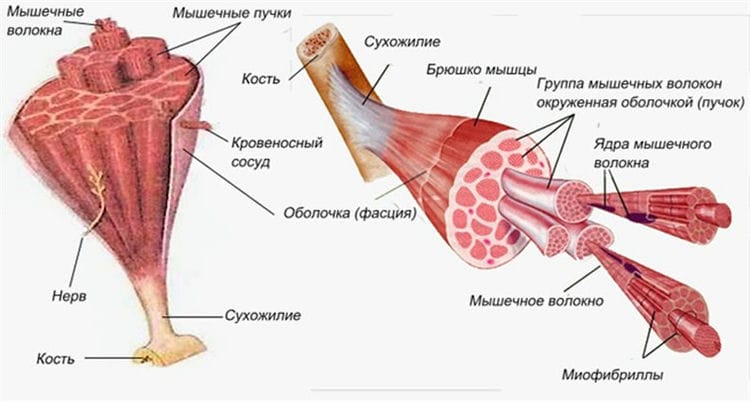
There is another fact that does not cause any doubts, which is that the painful sensations during bodybuilding are felt especially acutely only after the first workouts, and then, when they become regular, they are almost no longer felt. If there is a long pause in classes, then they reappear.
When training is over, the body's production of protein accelerates, which leads to the accumulation of creatine phosphate in muscle tissues, increasing the level and activation of glycolysis enzymes. This process becomes much more efficient over time, and, therefore, oxidation occurs, which is a source of energy for muscle contractions. The amount of exercise is the reason why it becomes almost impossible to deplete the power source of energy resources for muscles.
Thanks to regular training, the energy potential for the muscles increases, and, consequently, the performance indicators with strength. On the other hand, there is a decrease in applied stress and training impact. The opposite reaction is that the adaptation of the muscles is slowed down. This phenomenon is called the training plateau, when, in order to achieve a breakthrough, it is necessary to change the load and training factors, changing the splits, the time for rest between sets, the exercises performed using super sets, drops, and so on.
Muscle burning during exercise and where does lactic acid have to do with it.
Every athlete knows the situation when, during an intense workout, performing a large number of repetitions, the muscles begin to burn strongly, muscle pain reaches such strength that it does not allow us to complete the desired number of repetitions and in the end simply forces us to stop. This burning sensation in the muscles is precisely the result of the work of lactic acid.
Lactic acid is derived from the anion of lactate and hydrogen. During training, it is released in order to replenish energy reserves in the muscles. By rapidly clogging muscle fibers, lactic acid lowers the pH level and causes a burning sensation. However, this effect disappears very soon, most of the lactic acid is removed from the muscles by the blood, almost immediately after the exercise. Residual lactic acid is removed from the body within an hour after training. As a result, the pH level quickly returns to normal and the painful burning sensation disappears.

How to avoid muscle soreness during exercise
During training, the blood flow in the trained muscle is impeded, so lactic acid can remain in the trained muscle for a relatively long time, causing a burning sensation. Pain during exercise can be avoided mainly by preventing lactic acid from lingering in muscle fibers for a long time. For example, you can achieve this by doing exercises in low repetitions. There is no pain in the muscles, because lactic acid simply does not have time to accumulate in them. It is also allowed to increase the rest time between repetitions, so most of the lactic acid is removed from the muscles, reducing soreness.
Coffee and cherry juice
Researchers at the University of Georgia found that taking caffeine one hour before maximal effort reduced muscle pain by 48% and pre-exercise with submaximal (75-85% of maximal) effort by 26%. However, the study involved only women who did not drink a lot of coffee in their daily lives. Therefore, it is impossible to say for sure whether this method will help coffee lovers.
After a hard workout, it's best to drink some cherry juice. According to a 2010 study, cherry juice contains the antioxidants anthocyanins, which can reduce inflammation and muscle pain after exercise.
But the maximum benefits will be received by people exercising in the evenings, shortly before bedtime. Cherry juice contains melatonin, which can help you fall asleep faster.
What to do
- Drink coffee before your workout if you're not a coffee lover.
- Drink cherry juice or eat cherries after exercise.
Compression jersey
Roman Petukhov, an expert at the CEP brand, says that in order to prevent pain and shorten the recovery period, it is necessary to improve blood circulation. Then the tissues will receive more oxygen and nutrients, and the venous blood flow will quickly remove toxins and decay products.
Athletes use compression hosiery for this.
A 2013 study found that compression tights reduced post-exercise muscle damage by 26.7%.
A 2017 study also showed the effectiveness of compression garments for relieving DOMS. The compression sleeve provided quick recovery of isometric strength and reduced muscle pain.
Compression hosiery creates distributed pressure on tissues, supports muscles and veins, improves blood flow, and reduces muscle microvibration. This results in increased muscle endurance and performance.
What to do
- Wear compression garments during and after exercise.
Supplements: BCAA and taurine
A 2010 study found that taking 100 mg of isoleucine, leucine, and valine (100 mg per kg of body weight) before exercise significantly reduced muscle pain and muscle weakness 48 hours after exercise.
BCAAs can be helped by taurine, which has anti-inflammatory effects and reduces oxidative stress. In 2013, scientists found that taking 2 grams of taurine and 3.2 grams of BCAAs three times a day for two weeks reduced post-workout inflammation. And this is evidenced not only by the feelings of the athletes, but also by biochemical markers.
What to do
- Take BCAAs as recommended by the manufacturer or your coach.
- Try combining BCAAs and taurine. But keep in mind that the effect will be noticeable in at least two weeks.
Cold or warm
Athletes often take ice baths to reduce inflammation after exercise. However, scientific evidence does not support the benefits of this method. A 2003 study found that ice massage had no effect on post-workout muscle pain. And a 2007 randomized trial found no beneficial effects from an ice bath.
In 2012, Canadian scientists found that menthol cream-analgesic copes with DOMS better than ice. Menthol does not cool the tissues, but acts on the receptors, causing the sensation of coldness and relieves muscle pain.
Warmth is more appropriate for relieving sore throat. Perhaps this is due to its ability to improve blood circulation.
To quickly cope with post-exercise myalgia, it is necessary to restore blood circulation in the muscles, which in turn will eliminate stagnant metabolic products.
Warming patches and moist, warm compresses work well to relieve muscle pain. In 2013, scientists compared the efficacy of ThermaCare dry warming patches (stuck on for 8 hours) and moist warming compress (put on for 2 hours). Both dry and moist heat reduced pain and helped maintain muscle strength and activity after exercise.
You can also try a contrast shower. A 2008 study found that it reduced pain after exercise.
What to do
- Use a warming patch or wet compress immediately after training or when you get home.
- When the muscles become sore, smear with menthol analgesic cream.
- Take a contrast shower to relieve pain.
Massage and rolling on rollers
Massage can help relieve muscle pain. One old study found that 30 minutes of massage two hours after exercise reduced delayed muscle pain, creatine kinase (an enzyme that rises in response to injury), and cortisol.
The most effective ways to combat muscle pain are fluid intake, massage, and sauna. Manual massage can be used. Lymphatic drainage massage on a low-frequency apparatus for EMS training works no less effectively.
A 2003 study found that 20 minutes of massage two hours after exercise significantly reduced muscle pain 48 hours after exercise.
You can use massage rollers or balls with different embossed surfaces. They act mechanically on soft tissues to relax them. Alternatively, you can use kinesiological tapes.
A 2017 study showed the benefits of rolling on a massage roller two days after training. Participants in the study rolled their quads for one minute, then rested for 30 seconds and performed four more sets of one minute each. As a result, painful sensations decreased by 45%.
What to do
- Roll out the painful muscles on a massage roller or with a tennis ball. Give each muscle at least two minutes. Look for exercises in this article.
- Go for a regular massage, lymphatic drainage massage, or do it yourself.
Medium intensity exercise
Delayed muscle pain usually occurs after unusual exertion. If you train regularly and increase the load gradually, your muscles won't hurt.
During training, the body adapts and learns to cope with free radicals by activating the antioxidase system (more enzymes are produced).
In addition, physical activity should not be completely ruled out: moderate exercise will help reduce discomfort. A 2013 study found that 10 minutes of elastic band exercise reduced muscle soreness as well as massage. Light restorative exercise increases blood flow, which helps the body to deal with inflammation faster.
So that the muscles do not hurt, it is worth doing a hitch. A 2012 study found that 20 minutes of moderate-intensity cardio right after a workout can help reduce muscle soreness.
What to do
- Train regularly and increase the load gradually.
- Finish your strength workout with some light cardiovascular exercise.
- The next day, after a serious load, do a recovery workout with 50% of the working weights or with an elastic band-expander.
Medicines for muscle pain
If the sensations are so painful that they are difficult to tolerate, nonsteroidal anti-inflammatory drugs (NSAIDs) based on Ibuprofen or regular Aspirin are used. They should be taken only in extreme cases, since NSAIDs have a toxic effect on the gastrointestinal tract and can slow down the recovery process.
In sports medicine, various vitamin complexes are widely used to help replenish lost energy and support the body during intense physical exertion.
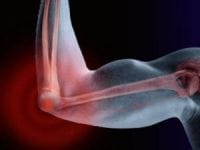 Why does the hand in the elbow joint hurt with a slight load?
In addition, taking a multivitamin can significantly reduce muscle soreness. The most popular are:
- Aerovit (vitamins + calcium and rutin);
- Decamevit (the whole group of B vitamins + Folic acid);
- Undevit (vitamins of group B, C, A, P, E + Folic acid);
- Glutamevite (vitamins + Glutamic and Folic acid, iron, copper, potassium, calcium and rutin);
- Vitamin B;
- Ascorbic acid (vitamin C);
- Vitamin E.
The aforementioned vitamin complexes are referred to as plastic drugs. They accelerate protein production, repair cells and improve intracellular metabolism. A more pronounced effect is possessed by such agents as Potassium Orotate, Riboxin, Cocarboxylase (vitamin B coenzyme), Cobamamide, Carnitine, Inosine, Lipocerebrin, Lecithin-silver.
Plastic preparations are recommended for use with increased physical exertion to prevent overstrain and maintain performance.
Products containing antihypoxants and antioxidants will help to avoid fatigue and excessive fatigue after training.
Energy preparations are used to activate all vital organs and systems and to increase the body's resistance to oxygen deficiency. These are Asparkam, Panangin, Gluconate and Calcium Glycerophosphate, Glutamic Acid and Methionine.
Preparations from the group of adaptogens have a powerful strengthening effect, which are especially effective in an unstable climate and are indicated for people experiencing high physical exertion. They are made exclusively from natural products – ginseng, eleutherococcus, aralia, mummy, zamanihi, etc. You can drink this medicine only in the morning, so as not to disturb the natural phases of night sleep.
Accumulation of lactic acid
Lactic acid is a by-product of the physiological processes that take place in the muscle being exercised. With each repetition, it becomes more and more. Well, at the end of the approach, there is so much of it that it “burns” the pain receptors and causes a special sensation, very similar to a burning sensation.
 Scientific studies have shown that the accumulation of lactic acid in muscle is safe in itself. After you put the sports equipment aside, the blood almost instantly flushes the lactic acid from the muscle, and it ends up in the general bloodstream. The total acidity of the blood rises, and this has a stimulating and rejuvenating effect on the entire body. It's another matter that many contradictory fitness myths are piled up around this very burning sensation.
In the years when Arnold Schwarzenegger was a very young champion, it was believed that pain during exercise was a criterion for its effectiveness. The more painful it is, the better. The halls were filled with screaming bodybuilders wriggling under the weight. By the way, a similar point of view existed in other sports, so that those who could not endure pain were generally denied the right to consider themselves a real athlete.
When science began to study the phenomenon, it did not find a direct connection between pain and the result. The result, as it turned out, depends on the weight. The larger it is, the better muscles grow – in both men and women. Moreover, if you regularly bring yourself to pain, training becomes the strongest nervous stress that interferes with the growth of results.
Here's the conclusion: there is no need to be afraid of such pain, but there is no need to deliberately bring the matter to a scream – there is no point. Among hard-working fitness women, there is such a technique: before training, they throw a pinch of soda into a glass of water and drink. The acidity of the blood decreases and the pain threshold of the muscles becomes significantly higher. The burning sensation is very weak, or it is not at all.
Retarded muscle pain (ZMP)
Delayed muscle pain always occurs if you give yourself unusual physical activity. In this sense, lagging pain is not only common for beginners. It cannot be avoided if you master new exercises, return to half-forgotten complexes, increase the intensity, duration or frequency of training – in a word, if you are doing fitness correctly, according to science.
This pain is caused by microscopic tears in the muscle fibers. These micro-tears are tiny wounds. This is where the pain comes from. Microtrauma prompts the body to activate its internal defenses – there is an active secretion of hormones that stimulate healing and suppress inflammation. In the muscle, the division of protein cells is intensified – just like when you cut the skin. As a result, the muscle gains its volume and weight.
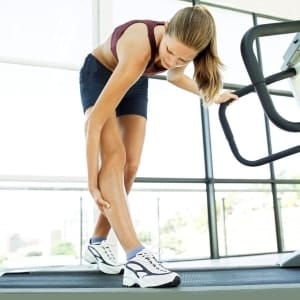 It is curious that the process extends to the body as a whole, because the blood carries hormones throughout the body. Hair and nails grow faster, and the skin also renews itself faster. An important question: since this pain accompanies muscle growth, should it occur after each workout? And can training without ZMB be called bad?
Actually, ZMB syndrome gets weaker over time. After 3-4 workouts, even a completely new exercise does not provoke muscle pain, but this does not mean at all that the exercise did not work. However, one workout program should not be practiced for more than 2 months. Well, if you changed the complex, and there is still no pain, this is a sure sign that the intensity of the exercise is too low.
It's about injuries. And they all have varying degrees of severity. There are fractures, sprains, inflammation of the joint capsule, bursitis, etc. According to statistics, fitness is the most traumatic sport. There are no accidents like motorcycle races. However, injuries do happen. Where do they come from?
The first and only reason is lack of caution. Let's say you gave up on a warm-up hand and immediately took up heavy exercises. Injury guaranteed! It happens that simulators provoke injuries, again due to negligence. You sat down in the simulator, you feel that it is uncomfortable for you, but you continue the exercise anyway. Your joints are under “improper” stress, and this is a real prerequisite for injury.
The training regimen is fatal. Thoughtlessly heavy loads, lack of rest also lead to injuries.
Acute pain caused by trauma
How do you know what caused the pain – injury or banal muscle fatigue? Here are the typical signs of trauma: with trauma, the pain is aching, acute. Sometimes, when the limb moves, painful lumbago occurs. Sometimes a swelling or bruising occurs at the site of the injury. If you hear a clicking or crunching sound in the joint while exercising, be alert. These are the harbingers of imminent trauma. To avoid injury, follow these simple rules:
- Before each workout, do a warm-up, preparing the muscles for stress;
- Do not get distracted when doing strength exercises;
- Before lifting large weights, learn the technique of the correct execution of the movement in the exercise;
- In the initial period of strength training, increase the load on the wrist, elbow, ankle and knee joints slowly and gradually;
- Eliminate exercises that cause pain from your workout;
- Ensure that the strength training equipment is in good working order and observe the order and safety rules in the gym
Overtraining
If the muscle has not had time to heal microtraumas, the next workout will be frankly harmful. And if more than a dozen of such “harmful” workouts accumulate, overtraining will come – a state of physical exhaustion. It is accompanied by a decrease in immunity, and therefore foci of inflammation appear in the stressed joints. At the same time, hormonal secretion decreases, and with it the strength of the tendons and joint tissues decreases. The injury is just a stone's throw away.
An important sign of overtraining is wandering, phantom joint and muscle pain. Unpleasant, nerve pain appears an hour or two after training, and it comes and goes as it pleases, for no external reason. Here you need to immediately take action: sharply drop the intensity of training. If the pain persists, stop training for 2-3 weeks.
You have to love good pain – there is simply no other way out. When it comes to bad pain, it's easier to prevent than to cure. Unfortunately, the treatment of injuries of the osteo-ligamentous apparatus is complex and protracted. The diseased limb cannot be loaded, so training, alas, will have to be abandoned. In addition, injuries are rarely fully healed. Then relapses occur, and the course of treatment begins again.
 The first step is to say a resounding “no!” your impatience. Each of us wants to fulfill his dream faster, but our body is able to “digest” far from any physical activity. Train in moderation, increasing the intensity of your training to match your endurance and strength. Ignoring warm-ups, unnecessary reps, sets and exercises – all of this, more likely to lead you to injury than to records.
Special care should be taken by those who come to the fitness center after years of physical inactivity. Do not hesitate to call an instructor to you, and let him check the correctness of your exercise, which you yourself find uncomfortable. If everything is in order with the technique, but the exercise still causes discomfort in the spine or joints, take it out of the workout. Perhaps the accumulated stoop or the individual characteristics of the skeleton is bothering you. Know that there are no irreplaceable exercises in fitness!
Stretching is of paramount importance in injury prevention. Coarse, inactive joints are prone to injury. Start your fitness journey with Pilates or Yoga. Get athletic flexibility first, then move on to strength class.
Moderate pain the day after exercise

High-quality training provokes painful sensations that appear either in the evening of the same day or the next day. Their character in this case will be slightly different. These pains are usually mild, but can be quite severe. Why do muscles hurt a day after training? The presence of pain indicates that the muscle tissue has received sufficient microdamage, which, in principle, is logical if the training was intense. If, after training, you often experience moderate pain the next day, this indicates that you have worked your muscles well, and the body begins to repair them.
Consider the process of the appearance of such pain sensations. If the fibers receive microdamage, blood penetrates into them, which is there until the moment of excretion and restoration. This process takes on average 2-3 days. As a result, scars form on the fibers in the damaged areas, due to which muscle mass increases.
During these 2-3 days, you do not need to load the muscles, but give them the opportunity to recover completely. If you load them again, without allowing them to heal completely, then there is no point in talking about gaining mass. In view of the same in sports, there is a recommendation to work out each muscle group once a week.
If you exercise easily, you also don't have to talk about gaining mass. Then you can get in shape and keep your muscles in good shape. In this mode, you can engage in every day, since training is not stressful for the body. But it is important to listen to your body – possible muscle pain after training can be a signal that you need to take a break in training.
Post-workout pain and injury
The last type of pain is trauma. If you feel severe aching pain right in the process of performing the movement, stop performing it. There is a high probability that you have been injured, and continuing to be active can only make the situation worse. The main symptom of trauma is the sharp and intense pain that usually occurs when you exercise. It is also worth considering the likelihood of injury if you are interested in why muscles hurt a lot after exercise.
Redness and swelling may appear on the skin. Painful sensations of this kind in this case do not go away, but intensify gradually, if nothing is done to get rid of them. In this situation, it is necessary to consult a doctor as soon as possible and undergo an examination. Do not self-medicate, as the problem can be very serious, and in some cases, even surgery is required.
How muscles adapt to stress
It is also necessary to consider how the process of adaptation of muscles and the body as a whole to physical activity takes place. Since pain can be considered an indicator of the quality of training, many are worried about another question – why the muscles do not hurt after training, and whether this indicates insufficient training efficiency.
In practice, things are a little different. Even if you are not in pain, your muscles can still grow. The body adapts to the loads gradually (and we know that they need to be gradually increased), while the pain threshold changes. First of all, this is true for professional athletes who train often and a lot. Their pain threshold is already simply significantly reduced, and the receptors do not react to minor pains.
In addition, people who exercise vigorously for extended periods have an increased capacity for recovery. Their body needs less time to cope with the resulting microdamage. If the load does not constantly increase, then there will be no progress. Muscle growth is also a consequence of the body's adaptation to physical activity.
Now you know what causes can lead to muscle pain. At the same time, it is important not to confuse muscle pain and articular pain, since the latter are quite dangerous and require specialist advice. In addition, you should not consider classes ineffective after which your muscles do not hurt. They just adapted, and you need to increase or diversify the load.
It is important to be able to distinguish between “beneficial” muscle pains from those associated with injury or overtraining. You also need to consider that regular dyspathy can be quite severe, and if you find it difficult to tolerate it, you can help yourself and relieve the pain. You can read a separate article on this topic (link). Remember the importance of warming up before training and the correct exercise technique – this will help you practice with benefit and pleasure, without negative consequences.
Folk remedies if muscles hurt after exercise
Several folk remedies may be helpful in reducing muscle pain after exercise. Here are some recipes that may be helpful:
- Extraction from mountain arnica can be used for compresses and rubbing. You can dilute it in the bathroom with a liter of water for three tablespoons of herb.
- For internal intake, you can use the herb of the mountain hernia. Pour 200 ml of boiling water over 2 teaspoons of the dried plant, strain after half an hour. Drink 100 ml a day.
- A decoction of thyme can also be helpful. Pour a teaspoon of raw materials with a glass of water for 20 minutes, strain the broth, use 200 ml twice a day.
- In painful areas, you can rub an ointment based on bay leaves and juniper. Grind them in a 6: 1 ratio, then add twice as much petroleum jelly or vegetable fat. Rub the mixture into painful areas 2-3 times a day.
- You can also boil the potatoes in their uniforms, crush them and lay them on several layers of cheesecloth. The latter is superimposed on problem areas, everything is wrapped on top with a warm scarf. It is better to make a compress at night.
- Take two large cabbage leaves, brush with soap and baking soda. It is best to do this before bedtime.
- Stir in one egg yolk, a teaspoon of turpentine, and a tablespoon of apple cider vinegar. Before going to bed, treat problem areas with this mixture, put a warm scarf on top.
- A mixture of 40 g of badger or pork fat, 10 g of horsetail powder, to which vegetable oil is added, can relieve pain well.
- Pour a teaspoon of dry adonis herb with a glass of boiling water, strain after an hour, and drink three times a day. It is recommended to apply this remedy in a month-long course, then take a break for 10 days and repeat the course again.

How to prevent the problem
If your muscles hurt a lot after a workout, you need to know what to do to avoid it as much as possible. There are tricks that will help, if not completely eliminate the soreness, but at least reduce the level of its intensity. To achieve the result, experts recommend the following tips:
- Drink plenty of water, this is very important, since it is the liquid that regulates metabolic and excretory processes, and this is very important with regular and intense exercise.
- Before training, you can drink a glass of water with a teaspoon of baking soda. This will help lower acidity levels and increase muscle pain threshold.
- Proper nutrition is also important. The body must receive with food a sufficient amount of all the substances it needs, which will be processed into energy.
- It is useful to take a tablet of ascorbic acid before and after training.
- Let your body rest, because constant strong overexertion will not be beneficial. Sauna, swimming pool, massage are useful for relieving fatigue.
The use of medicines
If the athlete is not helped by folk remedies, you need to switch to traditional medicines, which are designed to remove muscle pain after exercise.
The use of strong anti-inflammatory drugs in sports is prohibited, especially if a person participates in sports competitions. However, there are also milder ways to relieve muscle soreness after exercise. Among them are modern medicines, such as ointments, balms, aspirin, etc. Before taking the pills, you should definitely consult with your doctor so that he can pinpoint the cause of the pain and choose a safe remedy.
Ointments
Creams and ointments for muscle pain are quite effective remedies. They are also called an option for the lazy – smeared the necessary part of the body, and wait for the result. They mainly use herbal ointments, as well as with the addition of various oils, bile, etc. The active ingredient in the balm helps to relieve muscle pain. It can be capsicam, voltaren and other active ingredients.
Pills
Pain relievers such as aspirin or ibuprofen can be used to relieve muscle pain after exercise. It is necessary to treat self-medication with caution, because the frequent use of these drugs is addictive to the body and very slow muscle recovery in the future. Also, these drugs are aimed only at eliminating the symptoms, and not the pains themselves after training, so taking pills and going to training is the most losing option.
Reduce muscle pain without medication
When the whole body literally aches and twists from severe muscle pain, it is not necessary to resort to medication on the first day. Time-tested techniques like massage and proper nutrition are excellent at removing unpleasant symptoms. You just need to figure out exactly how it works.
Hot tub
If an athlete wants to reduce muscle pain after vigorous training, all they need to do is take a soothing bath. The fact is that after training, the entire muscle mass in the body is maximally tense, the body is on edge. Hot water is excellent for reducing feelings of overtraining and acts as a pleasant pain reliever.
A visit to a bath or sauna gives the same effect.
Important: taking a bath, especially a hot one, is not recommended for people with cardiovascular problems.
Primary myalgia and myositis
Why do all the muscles in the body hurt? Primary myalgia can be the cause of this condition. This condition is characterized by a violation of soft tissues. In this case, pain is felt over large areas of the muscles, however, when pressing on specific points, it can be concentrated.
Another fairly common cause of muscle pain throughout the body is myositis, or inflammation of the muscle fibers. Such a pathology often develops as a complication after overvoltage, severe infections and injuries.
Myositis is characterized by a dull pain in the muscles, which can become more intense during the patient's work.
It should be said that unpleasant sensations in muscle tissues can be the first signs of such serious diseases as polymyalgia rheumatica or polymyositis.
Pain in the lower extremities
Muscle pain in the legs can occur with the following conditions:
- Flat feet. With such a pathology, the arches of the feet become flat, and the process of walking becomes more difficult (the legs seem to “get heavy”). In this case, pain can cover almost the entire lower part of the limbs.
- Prolonged standing (or sitting) on the legs. If for a long time a person is in a fixed position, then blood circulation in the lower extremities worsens. At the same time, the muscles receive less oxygen, metabolic products accumulate in them, after which unpleasant sensations appear. Aching and dull pains can sometimes turn into convulsions.
- Muscle pain in the legs very often occurs with vascular disease. Blood begins to flow poorly and flow to tissues, and nerve receptors become irritated, resulting in unpleasant sensations.
- Thrombophlebitis. The muscles of the legs with this disease hurt very much. Unpleasant sensations are jerky in nature. Also along the affected vein, there is a pronounced burning sensation. As a rule, pain with thrombophlebitis is constant and it is most felt in the calf muscles.
- With atherosclerosis, the patient feels as if his legs are strongly compressed by a vice.
- Neuralgia. With a disease of the nervous system (peripheral), the attacks last for a few seconds or minutes. At the same time, no unpleasant sensations arise in the intervals.
- Obesity. Large body weight significantly increases the load on the lower limbs. This is what causes muscle pain. Those who suffer the most are those who have a large weight combined with a small foot.
Pain in the upper extremities
Pain in the muscles of the hands can be pathogenetic (with tissue edema and changes in the permeability of the cell membranes that make up the muscle fibers) and inflammatory (with inflammation in the muscles). In addition, such unpleasant feelings can develop in healthy people after heavy sports training or uncharacteristic physical activity. Also, the causes of pain in the hands are often:
- polymyositis;
- various infections (influenza, brucellosis, muscle damage to parasite toxins);
- alcoholic and other types of intoxication;
- metabolic disorders in diabetes mellitus, glycogenosis or primary amyloidosis;
- trauma;
- diffuse myalgia (with flu or infection with the Coxsackie virus);
- violation of the production of certain enzymes;
- muscular rheumatism (in persons over 50);
- diseases of the peripheral NS;
- inflammation of muscle fibers;
- fibromyalgia;
- osteomyelitis.
Back pain
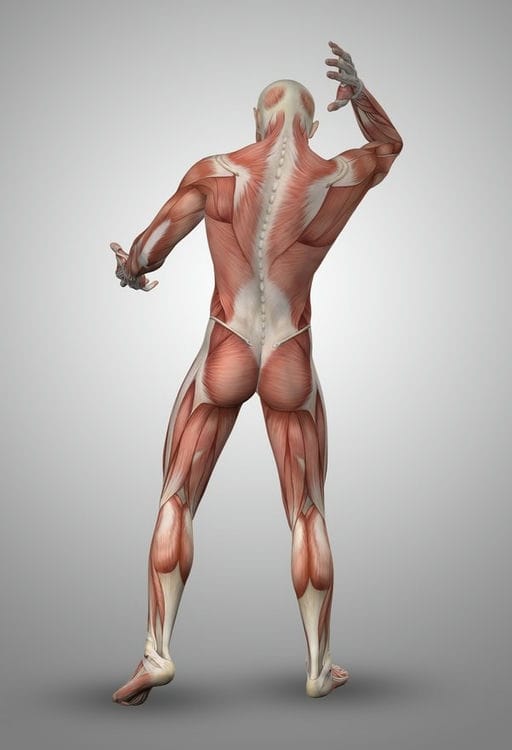
Why do all the muscles in the body hurt? The reason for this condition is often a person's prolonged stay in a non-physiological position. This very often causes muscle tension and, consequently, muscle pain in the back. They also affect people who are actively involved in sports or perform hard physical work.
Pain in the muscles, including in the back, develops due to impaired blood circulation and lack of oxygen. This may be due to:
- osteochondrosis;
- disc hernia;
- scoliosis;
- short leg syndrome;
- decrease in the volume of half of the pelvis;
- elongated 2 metatarsal bone;
- short shoulders;
- kyphosis;
- blockage of joints;
- long-term muscle compression;
- gynecological diseases;
- diseases of the digestive organs.
Hypodynamia
Hypodynamia is a pathological condition that occurs as a result of a significant limitation of physical activity. This disease is characterized by disruption of the musculoskeletal system, gastrointestinal tract, cardiovascular and respiratory systems, etc.
What happens during hypodynamia? Symptoms of this condition do not appear immediately, but gradually. At first, the patient feels increasing fatigue, rapid fatigue, sleep disturbance, decreased performance, increased unreasonable nervousness, weight gain, regular headaches, shortness of breath even with little physical exertion. Also, hypodynamia is accompanied by a decrease in strength indicators, a decrease in the volume and mass of muscles, a violation of neuro-reflex connections and back pain.
With a prolonged course of such a pathological process, the patient's bone mass decreases, after which the work of the joints and the spine is disrupted. In connection with the weakening of the ligamentous apparatus, intervertebral hernias are formed.
Why do all the muscles in the body hurt for no reason? Despite the fact that physical inactivity is not a very common occurrence, it is this condition that can contribute to the development of unpleasant sensations in the upper / lower limbs and back.
Lower limbs
Often a person's legs hurt due to the fact that he is overworked. A child or adolescent has discomfort due to the fact that the body is growing. The load on the arteries and veins changes because microcirculatory processes at this age occur intensively. When the child is resting, the load on the vessels decreases sharply.
If a person's legs hurt, then he may suffer from atherosclerotic changes. The body accumulates cholesterol components that affect the inner arterial membrane. The pain of a compressive nature will manifest itself when a person walks. With varicose veins enlarged in a person, the lower extremities will also hurt, aches will appear, the legs burn, pull.
Pain syndrome in the calf muscles is due to the fact that the legs are overloaded, injured, and it also manifests itself in people with “sedentary” work. Microcirculatory processes are disrupted, hypoxic changes in muscle tissues occur. Therefore, a person sometimes needs to do gymnastics, walk in the fresh air.
The muscles of the thigh area can hurt due to the fact that a person suffers:
- From injury, physical overload.
- Herniated disc located between the vertebrae.
- Varicose changes.
- Vertebral pathologies.
If a person has arthritic changes in the hip joint, then it will hurt in the femoral zone when he squats. If the hip joint is affected by aseptic necrosis of the articular head, then the symptomatology resembles that characteristic of arthrosis. In addition, pain from the femoral area will radiate to the groin area.
With piriformis syndrome, pain will appear unexpectedly, will grow rapidly, and become unbearable.
Upper limbs
The shoulder, forearm, hand can hurt due to injuries, physical overload, infections, seizures, pathologies of the peripheral nervous system. And also painful sensations on the hands will arise during intoxication with alcoholic beverages, carbon monoxide, lead.
When you need help
It is necessary to consult a doctor in the following situations:
- With a sharp, sudden, twitching pain syndrome.
- With hyperemia, muscle swelling.
- For pain accompanied by crackling, clicks.
- With pain in the spine.
- With pain lasting 7 days, constantly increasing.
- With joint pain.
- With pain that arose after sports activities, which does not disappear even when the person is rested.
- With impaired urination, rashes, shortness of breath, hyperthermia.
Treatment
What to do to prevent muscle pain? If the pain syndrome does not occur too often, then methods will help to alleviate it and eliminate it. The muscles should be in a relaxed state. If, after a person is injured, a cold compress is applied to the affected area, the inflammation will stop.
With muscle pain, discomfort can be relieved with a damp warming bandage, a warm bath, and a heating pad. Non-steroidal pills that relieve inflammation will help relieve pain. They are treated with Ibuprofen, Diclofenac, Nimesulide, Nise, Ketorol. We also remove pain with a pepper plaster with a warming effect or use Ketonal Thermo, Nanoplast Forte.
If the upper or lower limb hurts, then you need to use an elastic bandage or tightly bandage the affected limb. Massage procedures will help relieve pain, which will improve microcirculation, myofibers will relax. You can treat discomfort with the help of gymnastics aimed at stretching the muscles, exercises are performed slowly.
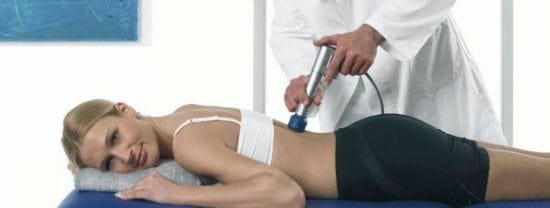
To eliminate myalgia, physiotherapeutic procedures, paraffin applications, mud treatment are used, acupuncture will have an analgesic effect
You can reduce the discomfort with the help of ointments. External preparations consist of substances that relieve inflammation and pain. And also the ointment will have a warming, distracting effect. This medicine consists of snake, bee venom with turpentine, camphor, capsaicin, menthol and essential oil. Are treated:
- Apizartron.
- Vipratox.
- Sanitas.
- Myoton.
- Naphthalene.
- Ketonal.
- Voltaren.
- Diclofenac.
- Indomethacin and other means.
Muscle strain
Muscle pain is familiar to almost everyone, but this only applies to its harmless form. In most cases, muscles are overloaded during exercise or other physical activity, which causes microcracks in the muscle fibers, which in turn give rise to small and painful inflammatory reactions. Thus, muscle pain usually begins not immediately after exposure, but only after a few hours. They usually end in a few days.
Muscle spasms
Muscle cramps come on suddenly – and often in the middle of the night. They can be the result of a lack of salts in the blood, fluid or nutrients in muscle cells, or are caused by an overactive nervous system. Failure manifests itself during physical exertion, as well as in some metabolic diseases such as diabetes or kidney disease. Stretching of the muscle that has been shortened by cramping is often helpful as an emergency measure.
Medication
Certain medications or toxins can cause muscle pain. A classic example is the so-called statins, which are used as cholesterol lowering agents. Muscle pain when taking statins is a very common side effect that gets worse with movement. In addition, some antibiotics also affect muscle metabolism and can lead to pain, cramps, or muscle weakness.
Stress
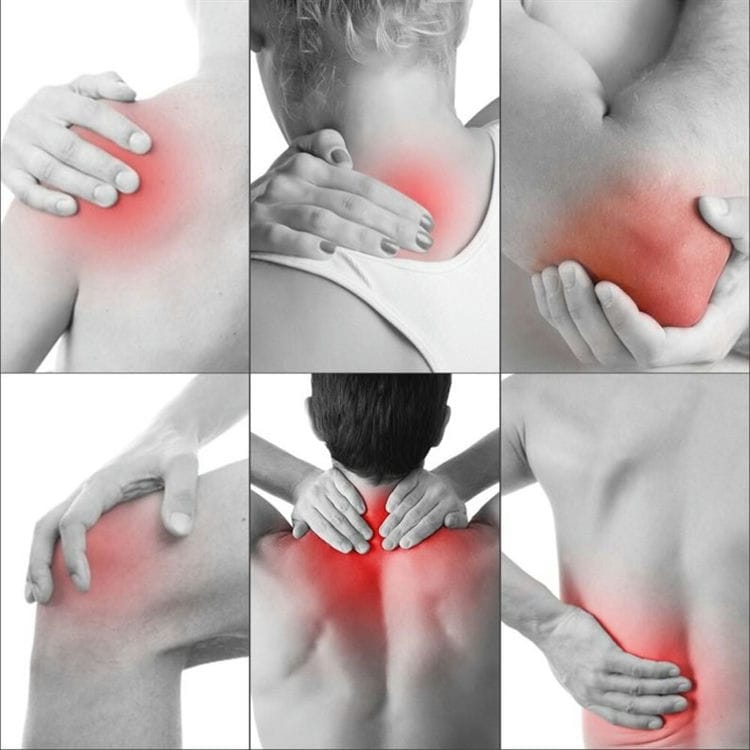
Stress and mental strain are especially often underestimated as the cause of muscle pain. Stress is often reflected in increased muscle tension and poor posture. As a result, the muscles harden, pain and sensitive pressure appear. The shoulders and cervical region are particularly affected – a good massage or warmth can help ease tension.
Is Dramatic Disease an Indicator of Exercise Effectiveness?
So should muscles hurt after exercise? Muscle pain is normal, but it is not the only factor in training effectiveness.
If you are not experiencing DOMS, but you continue to gain muscle mass, and your strength indicators increase, then everything is going according to plan. In this case, you should not dwell on the absence of pain. The intensity of pain can also vary.
In particular, it depends on the following factors: the severity of the loads performed; regular training; your fitness level; individual sensitivity to pain; the training of a particular muscle group.
Reasons for the absence of pain
Most often, the soreness becomes less pronounced, or even disappears altogether if the loads you perform are not enough for a good muscle training.
You may have increased your strength and endurance more than you think during the session. There may be no discomfort even if you practice the same pattern for quite a long time (2-3 months) (perform similar exercises in the same sequence).
Muscle tissues gradually adapt to the monotonous load and the very micro-tears that cause pain no longer occur in them. In other words, they get tired but not hurt. Improper exercise technique can also lead to a lack of muscle soreness. For example, the answer to the question of why the muscles of the buttocks do not hurt after a workout may be that you are performing a “lightened” version of squats and do not go down low enough, thereby depriving the tissue of the legs and buttocks of the same “peak” load.
You can also, without knowing it, transfer the load to another area of the body, thereby weakening the intensity of the pumping of the target zone. For example, if the grip is not wide enough and the shoulders are raised during pull-ups, the arms (especially the triceps) will work along with the lats of the back. As a result, you will do more pull-ups, but less stress on your back.
Novice athletes often feel sorry for themselves and deliberately avoid high loads. In this case, it is important to understand that you can deceive others, but you will not get the desired result for yourself. No stress – nothing to hurt and nothing to grow. Remember this and always do your best in the gym.
Learn to notice even small progress, because it is a great motivation for training. Do not forget about the genetic predisposition, as well as the fact that the pain threshold differs from person to person. What one person perceives as a slight tingling sensation in the legs and does not even consider it a dizziness, another person will regard as severe pain and will not be able to move normally. Moreover, the degree of destruction of their muscle tissue can be the same. It is also quite possible that you just didn’t wait for the pain to appear.
After hard training, leading to massive destruction of muscle fibers, soreness sometimes occurs not on the first day after exercise, but on the second or even the third.
Is it worth worrying if there is no pain?
Is it good or bad if no pain occurs? The answer depends on the goals set for the person. The main ones are:
- SLIMMING. When the ultimate goal of a person is to lose weight, then most likely he is performing a set of strength and cardio training. With this regimen, the muscles can ache for up to three weeks, and then stop.
- BODY-BUILDING. If an athlete strives to significantly increase muscle mass, he will need to give all his best to 100%. It will be impossible to do this at every workout, simply because it is impossible to constantly be in this state of 100% concentration and concentration. Even the pros are not capable of this, although the lion's share of their hellish workouts are held under the motto “either one more approach – or die …”. If you train with the same attitude, then pain will become your faithful companion for a long time. From the very beginning, even with a small weight, it will be felt.
- MAINTAINING FORM. If you are training to stay fit by running in the morning or going to the fitness rooms several times a week, and your goal is to maintain muscle tone and the arrow of the weights at the same level, and not change them, then pain is NOT NECESSARY for you.
What's going on in the muscles
The reason you feel muscle soreness after exercise is because of minor micro-muscle injuries. Microtrauma causes your muscles to swell and grow. This is why we feel muscle pain.
Thus, what we consider to be sore muscles is nothing more than muscle growth.
How long will the pain last
Generally, your muscles do not ache immediately after exercise. Soreness usually peaks 24 to 48 hours after exercise. But don't worry, in most cases, muscle pain goes away relatively quickly. The worst pain should go away within a week.
So, sore muscles are nothing more than tiny injuries to your muscles. But your body repairs damaged tissue and, in the process, increases your body's performance levels. Provided you give your body enough time to recover
Muscle habituation to stress
Muscles are able to adapt to different loads. Did your muscles hurt after your first strength training session? The good news is they will get stronger!
If you do the same workout for a certain amount of time, you will see and feel that your muscles hurt less or not at all because your body has adapted to the training load.
Good to know:
As a rule, it takes two or three sessions to get used to a particular load. The reason you don't have muscle soreness is because your body is now at a higher level of performance.
Conclusions.
Sometimes, the absence of muscle pain after going to the gym is not an indicator of lack of growth. But in most cases, this fact indicates that you are doing something wrong. We hope our tips will help you find the causes of your lack of muscle soreness and eliminate them, thereby significantly increasing the effectiveness of your workouts.
Sources used and useful links on the topic: https://builderbody.ru/posle-trenirovki-bolyat-myshcy/ https://diary-workout.ru/blog/pochemu-bolyat-myshtsy-vo-vremya-posle-trenirovki/ https://Lifehacker.ru/bolyat-myshcy/ https://sustavik.com/raznoe/bol-myshcah-posle-trenirovki https://trenexpert.ru/fitness/boli-posle-trenirovki/ https: // www .fitnessera.ru / prichiny-po-kotorym-u-vas-bolyat-myshcy-posle-trenirovki.html https://www.fitnessera.ru/sredstva-kotorye-pomogut-snyat-bol-v-myshcax-posle- trenirovki.html http://vsudu-sport.ru/article/bol-v-myshcakh-kak-izbavitsya https://FB.ru/article/442111/bolyat-vse-myishtsyi-tela-prichinyi-k-kakomu- vrachu-obraschatsya-kak-lechit-myishechnuyu-bol https://sustavik.com/diagnostika/boli-myshcah https://zen.yandex.ru/media/systavi/8-prichin-myshechnoi-boli-5bea5dc33ac7ec00aa34dd04 https://kachalka-24.ru/poleznosti/pochemu- posle-trenirovki-ne-bolyat-myshtsy.html https://pumping-effect.ru/vse-o-myshcax/pochemu-ne-bolyat-mkiyshcy-posle-trenirovki.html https: // sport-i-zdorovie. ru / zdorove / bol-v-myshcah-posle-trenirovki /
Post source: lastici.ru