
Air: what do we breathe? How the composition of inhaled, exhaled air changes

Dry air chemical composition table,%.
The proportions of the gases contained depend on:
- Climate and season
- Geographical location
- Density and population size,
- Humidity and pollution of the environment.
The composition and structure of the atmosphere: Video
Air composition
The Earth's atmosphere is multi-layered. The layer of the atmosphere closest to the Earth that we breathe consists of the following elements of the periodic table: nitrogen, oxygen, argon, and carbon dioxide. Then there are gases, the share of which in the total volume of air is less than 0.002% – helium, neon gas, krypton, hydrogen, xenon, methane and ozone. This composition can vary significantly depending on the location, for example, it differs in the city and in the forest, on the seaside and in the mountains.
Water vapor, ozone and carbon dioxide play a critical role in preventing the sun's rays from heating up and destroying living organisms that live on the planet's surface.
Separately, it should be said about carbon dioxide: it is exhaled by all living things on the planet, it is emitted by rotting plants and organisms, it is contained in the smoke from a fire. Only plants are able to “inhale” carbon dioxide and “exhale” oxygen, while humans and animals, on the contrary, inhale oxygen and exhale carbon dioxide.
Air properties
The air can be compressed and it becomes elastic. People have learned to use the power of compressed air, thanks to which many mechanisms work. These are, for example, a compressor for an aquarium, a pump for inflating tires of bicycles and cars.
Air retains heat well. This property helps people, animals and even plants. A person inserts double frames, between the doors of which there is air, and this is how he insulates his house. Birds and mammals retain their body heat thanks to the air trapped between their feathers or fur. In frosty weather, plants are warmed under the snow by the air, which is located between the snowflakes. This is why plants need a blanket of snow in winter.
Ozone layer
The smell of freshness after a thunderstorm is the smell of ozone. The sun's ultraviolet radiation converts oxygen to ozone. Such a blanket of gas covers the Earth at an altitude of 18-25 km. It is it that stops the sun's rays, which are destructive to all living things. In addition, ozone is generated by electrical discharges, such as during thunderstorms and the oxidation of algae or the resin of conifers.
Ozone is destroyed by chemical compounds containing chlorine or fluorine. For example, this is freon used as a refrigerant. As a result of exposure to these substances, the ozone layer in the atmosphere becomes thinner, forming an ozone hole. However, the growth and reduction of ozone holes are also natural phenomena and are not entirely dependent on human activity.
Today, scientists have found that the thickness of the ozone layer over Antarctica has decreased significantly. Because of this, a large amount of ultraviolet rays reach the Earth's surface.
Intervention in the atmosphere

A person pollutes the atmosphere by throwing harmful gases into it, which have different names: methane, carbon monoxide, sulfur dioxide. Harmful gases are produced by the combustion of various substances: gasoline, which is used by cars, coal, which is used to heat a stove, artificially created materials and chemicals that are burned by various enterprises. This leads to the fact that the oxygen content in the air we breathe greatly decreases and the carbon dioxide content increases.
Particularly dangerous for all living matter, which are called aerosols. If you inhale such substances, you can become seriously ill. Over large cities, the amount of aerosols is very large. Therefore, it is often difficult to breathe in cities.
What is air made of
Almost all of the earth's atmosphere is made up of only five gases: nitrogen, oxygen, water vapor, argon, and carbon dioxide.
Other mixtures are also present in it, but for the sake of purity of presentation, the chemical composition of water vapor will not be considered. It is worth mentioning that it occupies no more than five percent in the air mass.
Air composition in percent
Ideally, the air collected in the jar consists of:
- 78 percent from nitrogen,
- 16-20 percent oxygen
- 1 percent argon
- three hundredths of a percent carbon dioxide,
- one thousandth of a percent neon,
- 0.0002 percent methane.
Smaller components are:
- helium – 0.000524%,
- krypton – 0.000114%,
- hydrogen H2 0.00005%,
- xenon – 0.0000087%,
- ozone O3 – 0.000007%,
- nitrogen dioxide – 0.000002%,
- iodine – 0.000001%,
- carbon monoxide,
- ammonia.
The composition of the inhaled and exhaled air
Breathing takes precedence over other human needs. From the school course, everyone knows that a person inhales oxygen and exhales carbon dioxide. Although there are other substances in the air in addition to pure O2 in life.
Inhale exhale. This cycle repeats about 22,000 times a day, during which oxygen is consumed, which maintains the vitality of the human body. The problem is that delicate lung tissue is attacked by air pollution, cleaning solutions, fibers, vapors and dust.
In the first half of the article it was said about the reduction of oxygen, but what will happen with an increase. Twice the concentration of the main gas would lead to a reduction in fuel consumption in cars.
Breathing in more oxygen, a person would become much more psychologically positive. However, a favorable climate would allow some insects to grow in size. There are a number of theories that predict this. It seems that no one would like to meet a spider the size of a dog, and one can only fantasize about the growth of large representatives.

Inhaling less heavy metals, humanity could defeat a number of complex diseases, but such a project will require a lot of effort. There is a whole program aimed at creating a practical paradise on earth: in every home, room, city or country. Its goal is to make the atmosphere cleaner, to rid people of hazardous work in mines and metallurgy. A place where jobs would be occupied by masters of their craft.
It is important that it is possible to breathe in clean, untouched by industry air, but this requires political, or better, world will. And while people are busy looking for money and cheap (dirty) technologies, all that remains is to breathe in city smog. How long this will last is unknown.
The map will allow you to visually assess the atmospheric air of the capital of our country, which is inhaled by more than a dozen people.
Hygienic value of atmospheric air
Officially, air pollution can be defined as the content of harmful substances in the air or particles or microscopic biological molecules that pose a threat to the health of living organisms: people, animals or plants.
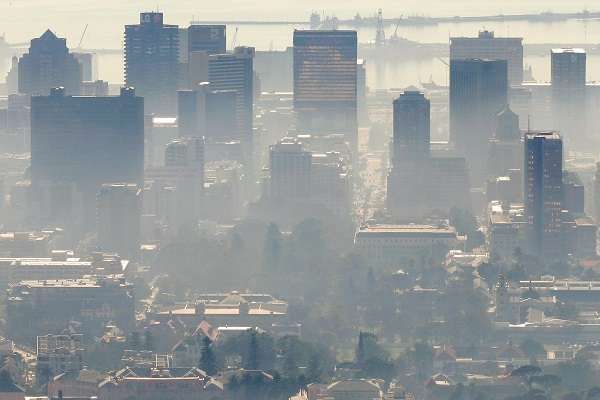
The level of air pollution in a particular location depends mainly on the source or sources of pollution. This includes:
- exhaust gases of cars,
- coal power plants,
- industrial plants and other sources of pollution.
All of the above spews various types of hazardous substances and toxins into the air, exceeding the norm by tens, and sometimes hundreds of times. In combination with natural springs – volcanoes, geysers, etc. – a deadly cocktail of poisonous air masses is created, which is commonly called “smog”.
The evidence of each person's guilt is clear. Our personal choices and industry can have a detrimental effect on much needed gas. For a century of technological breakthrough, nature has managed to suffer, which means that revenge is inevitable.

Increasing emissions, humanity is approaching an abyss, from which there is no return and cannot be. Before it's too late, at least something should be fixed. It has been proven that alternative industrial technologies can help purify the air in Moscow, Petersburg, Tokyo, Berlin and any other major city.
Here are some solutions:
- Replace gasoline with electricity in cars, and the sky over the city will be a little more beautiful.
- Remove coal stations from cities, let them go down in the history of the country, start using the energy of the sun, water, wind. Then, after the rain, soot will not fly out of the chimney of the next plant, but there will only be a smell of “freshness”.
- Plant a tree in the park. If thousands do this, asthmatics and depressed people will stop visiting hospitals in search of a unique recipe from a psychologist.
Why do teens sniff air freshener?
The use of substances that can cause toxic intoxication was typical for the era of the 90s. However, in recent years, a return of a dangerous trend has been observed. Air fresheners contain a large amount of volatile solvents and chemicals that are toxic to humans if used improperly.
The attraction to household chemicals is sometimes called “child drug addiction.” Schoolchildren begin to abuse volatile solvents for the following reasons:
- insufficient level of education of the population
- features of the local mentality
- imitation of “authoritative” comrades
- trying to cope with stress, negative emotions
- quarrels between parents, inability to be at home
- inability to resist the influence of a “bad” company
- curiosity, thirst for experimentation
- social protest – “in spite” of teachers, parents
- unsatisfactory material and living conditions
- antisocial behavior
- Herd instinct
- the presence of abnormal personality traits in a child – hyperactivity (ADHD), attention deficit, aggression, cruelty, violent tendencies, self-esteem problems, character instability, long-term mental disorders
- weak volitional qualities
Despite the general trend of the spread of bad habits among the asocial contingent, substance abuse is often found in children from prosperous families. Due to their age or lack of money, adolescents are not able to purchase alcohol, as well as “heavier” substances. Therefore, improvised means become the subject of abuse.
Action on the body
Depending on the quality, air fresheners can contain many different substances, in addition to adsorbents and disinfectants. According to the BEUC (European Bureau of Consumer Unions) report, household aerosols release toxins that are dangerous to humans and the environment. These include benzene, formaldehyde, styrene, terpenes, esters, toluene (banned in the Russian Federation).
Effects
Intoxication from the same dose of substances may differ from person to person. It all depends on the individual susceptibility, the composition of the aerosol and the concentration of volatile compounds. Air freshener substance abuse is characterized by the following alcohol-like symptoms:
- good mood, usually with elements of foolishness
- elimination of negative emotions, fear, tension
- wanton laughter
- muscle relaxation
- euphoria is possible
- feeling of lightness in the body
- tendency to irrational actions, singing, dancing
- lethargy
- weakness
- thought disorder
- inability to concentrate for a long time
- loss of self-preservation instincts
- when high doses are inhaled, some adolescents develop a typical picture of psychosis – hallucinations, delusional ideas, loss of sense of time / space
You won't be able to get high with normal use. The easiest, but dangerous, way of inhalation is with a bag on your head. In confined spaces, a high, relatively constant concentration of volatiles is ensured. Air fresheners spray the contents, creating a mist of tiny droplets (30 to 50 micrometers) that quickly enter the lungs and systemic circulation.
The effects do not last long – 5-20 minutes, but subjectively the time “stretches”. As soon as the addict begins to feel the decrease in high, the process resumes. A continuous form of use is characteristic, when a teenager repeats 7-10 cycles in a row. Inhalation itself may be accompanied by the appearance of side effects – nausea, vomiting, migraines, abdominal pain.
In 2008, Anna S. Steinman of the University of Washington published a study of the most popular air fresheners. She found that all products tested release chemicals that are regulated as toxic or hazardous, including carcinogens without a safe level of exposure. But none of these chemicals were listed on any of the product labels or SDSs. These included acetone, chemical solvents, chloromethane (a neurotoxicant), acetaldehyde, 1,4-dioxane.
Effects
The exact dose cannot be determined, which increases the risks of poisoning. Intoxication is acute and chronic. The abuse of aerosol toxins is fraught with the following consequences:
- the formation of psychological dependence, rarely – physical with the development of withdrawal symptoms (“withdrawal” when canceled)
- developmental delay
- swelling
- irritation of the mucous membranes of the mouth, nose, eyes, respiratory tract
- cough
- possible aggravation of asthma symptoms or its primary development
- constant weakness, fatigue
- gastrointestinal disturbances – decreased appetite, nausea, vomiting, diarrhea, heartburn (gastroesophageal reflux), gastritis, abdominal pain
- jaundice due to toxic hepatitis
- improper reproductive (sexual) development
- renal failure
- very often – allergic reactions: urticaria, rash, lacrimation, swelling, anaphylactic shock
- disorders of the cardiovascular system – heart palpitations, arrhythmia, myocarditis, chest pain
- disorders of mental functions – decreased memory, attention, intellectual abilities (mental retardation)
- emotional dullness, loss of opportunity to enjoy other interests
- antisocial behavior: secretiveness, aggression, violence, truancy at school, frequent escapes from home, theft
- depression
- lethal outcome, possible with a single, often the first, case of sniffing
Carcinogens (paradichlorobenzene) are found in the liquids of many air fresheners, which increase the risk of cancer. VOCs are often not listed on labels.
Long-term abuse can lead to permanent damage to internal organs. Teenagers are more susceptible to toxins.
Does natural ventilation provide fresh air to the apartment?
This raises the question – how to make the air in the apartment fresh and clean, if it is winter outside, for example, and you catch cold easily? In summer, you can't open the windows too much – dust, noise, tobacco smoke, and lovers of drunken night gatherings simply won't let you sleep. What happens if the windows are closed at night? Even with a large area of the room, after 2-3 hours the air in the room will be oversaturated with breath products, and in the morning you will wake up broken and with a headache.
How often to ventilate? Useless. You will have to open the windows every 20-30 minutes because there is no constant supply of fresh air. It turns out a vicious circle: you open the windows – drafts and colds begin, fluff and dust fly, noisy and dirty. If you keep the windows closed, it is stuffy, humidity increases, and an unhealthy microclimate is created. As a result, the question of how to provide fresh air in the apartment without drafts, noise and dust remains open.
Why is that? The fact is that in almost 99% of apartment buildings, the project does not provide for forced ventilation. Internal ventilation in old houses most often simply drives “aromas” from kitchens and toilets from one apartment to another, and in new buildings, erected strictly according to SNiP – all extraneous odors are removed outside the building. And it's all. It turns out that the task of providing apartments with fresh air is entrusted to the tenants themselves – however, you will not read about this in the brochures of the developers.
Fortunately, you don't need to invent ways to solve this problem – it has already been solved with the introduction of new compact forced ventilation systems on the market that are designed with today's levels of air pollution in mind. An example of an air handling unit capable of supplying fresh air to an apartment in winter and summer without opening the windows is Breezer Tion o2 – a compact, high-performance device with electronic control.
It must be said that other means can now be used to solve the problems described above. Let's try to assess how effectively they do it.
Arsenal of modern ventilation equipment: from air purifiers to air conditioners
Air conditioner. Strictly speaking, it is not a ventilation system: its main function is to maintain the desired temperature in the room. However, here it is necessary to take into account the prevailing stereotype – the majority of consumers believe that the street (outdoor) block of the split-system of the air conditioner “drives” fresh air into the apartment. In fact, this is not the case. The outdoor unit is needed to evaporate moisture and reduce noise during the operation of the system, as well as mainly to release heat, which is generated by the air conditioner in exchange for cooling the apartment.
The reader may have doubts about this, because the conditioned air feels like fresh. This sensation is deceiving – such air may have a high carbon dioxide content, but due to the lower temperature and low humidity, it seems to be clean and fresh.
So, the conclusion is this: the air conditioner has nothing to do with ventilation, its task is to cool the air.
Air purifiers, ionizers and humidifiers
This is a fairly large class of devices that can be presented as unitary devices or as devices with combined functions, for example, a “purifier-humidifier-ionizer”. Purifiers, or as they are also called “air washers” absorb dusty, dry air, purify and humidify it. Ionizers saturate the indoor air with negative ions, making it more beneficial for breathing. Humidifiers increase the humidity in the air to compensate for the operation of the radiators.
All this is great, but none of these devices solve the main problem – the removal of respiratory products and the flow of fresh air. What is the point of humidifying, ionizing and “washing” the stale air filled with carbon dioxide? And if you decide to ventilate the room, then the work of the cleaners essentially starts from scratch.
Ventilators: ventilation valves, supply systems and breathers
Against the background of the devices described above, the ventilators look much more optimistic. With the help of such devices, you can provide fresh air in the apartment without opening the windows. For installation of ventilators, a through hole is made in the wall; in the case of the valve, we are talking about natural ventilation due to the difference in pressure or temperature, and supply systems and breathers “drive” air from the street into the room forcibly.
Ventilation valves, for example, KIV 125, are a silent, simple device without a fan, with one basic level filter (G3). In order to provide fresh air in the apartment in the required volume, you need 2-3 or even more valves. With regard to supply systems, most do not have filters and heating, but they provide forced ventilation.
Let's compare – the breather has a three-stage filtration system, air heating, provides high performance and an electronic autonomous control system.
If you objectively assess the capabilities of these types of devices, it becomes obvious: valves and conventional supply systems have their pros and cons. Breathers, in turn, are devoid of all their shortcomings and take into account all the needs of consumers. One of the most famous brands of breathers is Tion o2 – a product of the Russian company TION.
No combustion products
Wood-burning fireplaces are a charming part of the interior and a romantic place for lovers. They make your home more comfortable and help you to psychologically relax after a hard day. But, as it turned out, they are harmful to our health, as they produce solid particles that are fed into the lungs and make it difficult to breathe.
Away from smokers
Smoking as such is the cause of a large number of diseases. In the United States, in particular, smoking is responsible for approximately 85% of cases of chronic obstructive pulmonary disease (COPD). Therefore, you should check if you are a passive smoker in your own home?
Smokers poison the air not only around them, but also harm their neighbors, relatives and households. If you stop smoking in time, and thereby clear your apartment from smoke, you can significantly improve the quality of the air.
Dust mite control
Dust mites, which live mainly in people's homes, can cause an allergic reaction in humans – tick-borne sensitization.
The size of the pliers ranges from 0.1-0.5 mm. About 200 species are widely distributed around the globe. These arachnids live in mattresses and carpets and feed on dead skin particles that a person loses annually in the amount of 350-400 g. Ticks leave behind feces containing digestive enzymes, which can cause severe allergic reactions in humans.
To get rid of dust mites, it is necessary to use mattress covers and pillowcases, which create a barrier between the person and the mites living in pillows and mattresses.
It is also recommended to sleep on pillows that are made of foam rather than goose down or feathers, and wash the laundry in hot water at least once a week.
Reducing the use of chemicals
Almost all household chemicals are harmful. But with the use of chemicals, the situation is not easy. On the one hand, we are forced to use them to do a full-fledged cleaning in the house, dust and collect pet hair. But the more effective the remedy, the stronger it smells and spreads more poisonous substances around itself, and this is already dangerous to health.
In order not to walk around the apartment in a protective mask every time after cleaning, replace chemicals with ordinary vinegar or soap. In this case, only those things that have no aroma are safe for the human body.
This also applies to hairspray, perfume, glue, dyes, air fresheners – they all pollute and make the air we breathe heavier.
Animal fur
The main trouble of pets is their fur, which fills the apartment, as a result of which the amount of dust increases and you have to clean up much more often. But pet dander is actually far more harmful than hair. Despite the fact that the particles of this dandruff are quite large and cannot get deep into the respiratory tract when breathing, they are also the cause of many diseases. Especially the presence of animals in the house is dangerous for allergy sufferers, for whom dogs, cats and even birds are contraindicated.
But if you do already have an animal, be sure to wash your hands after stroking it. Also, it is better to keep your pet away from the bedroom – where you sleep and spend most of your time, it definitely does not belong.
Make it cooler
WHO recommends maintaining the temperature in the apartment from +18 to +22 degrees Celsius. Warm air has a negative effect on mucous membranes and lungs. Buy a thermometer and estimate the temperature – reduce the intensity of the batteries if necessary. Yes, this can be done with modern batteries.
Keep an eye on the air conditioner
Many people forget that the air conditioner is equipped with filters – which need to be cleaned. We regularly change our kitchen filters in order to drink clean, tasty water. What about air? Remember to thoroughly clean the air conditioner every year. And once every two weeks, flush the filters.
Ventilate
A musty, unventilated room cannot evoke positive emotions. A stream of fresh air on a summer evening, or having a window open for five minutes on a snowy winter will help you breathe easier.
Avoid dust
Many people forget that dust is not just a sign of a bad housewife. By settling on various surfaces, it gets into our lungs. Remember how long ago you wiped the top of the cabinets or looked under the bed? Or maybe it's time to throw out the old mother-in-law's carpet and take the boxes from the closet to the garage?
Humidity
The humidity in the apartment should be between 40 and 60 percent. However, the dry climate and ecology of large cities do not allow maintaining such a level of humidity. If possible, buy a humidifier. If not, try to raise the humidity in the apartment using household methods. To do this, you can hang a wet cloth on the battery. Tell the fashionable guests that this is a performance.
Is the air in the apartment actually worse than outside?
Indoor air is, on average, five times dirtier and ten times more toxic than outdoor air. Moreover, it is in the premises that most people spend up to 90% of their time. Such statistics are given by the head of the laboratory of the manufacturer of the Potok Inter air disinfection system Yevgeny Kobzev.
Stagnant air contains a large number of microorganisms – including those that can potentially harm human health. The main source of microbes is the person himself. “From the surface of the skin, such pathogenic bacteria as Staphylococcus aureus and various types of streptococci get into the air, and during breathing, sneezing and coughing, pathogens of tuberculosis, various pneumonia and flu,” Kobzev comments.
Pathogenic microorganisms appear in apartments due to the fact that air conditioners, household air purifiers and forced ventilation devices rarely or poorly serve: for example, an ordinary home air conditioner, if you do not change filters in it, can become a breeding ground for the causative agent of legionellosis, which in some cases causes a person the most severe form of pneumonia (up to death). Fighting legionellosis with traditional disinfectants is practically useless. You can only increase the body's resistance, improve immunity, and prevent the growth of bacteria: clean climatic equipment in time, prevent stagnation of warm water (for example, in water heaters).
Another type of air pollution in an apartment that Evgeny Kobzev points out is mold: “From the surface of the walls and ceiling (especially in bathrooms), mold spores can enter the air, causing asthma attacks and exacerbation of chronic respiratory diseases such as chronic obstructive pulmonary disease, respiratory allergy and pulmonary hypertension “.

Dust
Dust is dangerous because mites can settle in it. Alena Glushakova, the deputy chief physician for the medical part of the therapist at the MEDSI clinic in Khoroshevsky proezd, clarifies that the mites themselves are safe for humans, but their metabolic products can cause the development of allergic reactions, up to the development of bronchial asthma: “If you constantly breathe dusty air, then respiratory diseases are inevitable. systems (chronic diseases of the nasal cavity, pharynx, bronchi, lungs), inflammation, headaches, irritation of the mucous membrane of the eyes due to allergic reactions. “
Automotive exhaust gases and industrial emissions
Penetrating through open windows, they also pose a health hazard. Exhaust gases contain nitrogen and carbon oxides, sulfur dioxide, aromatic hydrocarbons, and lead compounds. They can cause the development of diseases of the respiratory and nervous systems, provoke the development of allergic reactions, skin diseases.
The smell of cigarettes
Tobacco smoke is harmful not only at the time of smoking: there are many oily resins with a high penetrating ability in tobacco leaves, which means that the smoke from them is well absorbed into clothes, upholstered furniture, curtains, carpets. Tobacco tar and nicotine build up in the lungs and cause lung disease, exacerbate allergic reactions and increase the risk of heart disease. To eliminate the smell, you need to constantly ventilate the room, wash fabric upholstery and wallpaper, wash textiles, have powerful ventilation in the apartment or air purifiers with filters specializing in retaining particles of cigarette smoke.
Chipboards and fibreboards
Particleboard and fiberboard are layers of pressed wood that are joined together with glue or various resins. Formaldehydes and phenols, carcinogens that increase the likelihood of cancer, are released from furniture made from this material. A source of carcinogens, according to Alena Glushakova, can also be laminate, linoleum, decorative plastic and cheap building finishing materials.
In Russia, formaldehyde belongs to the second of five hazard classes, where the first is the most serious. Short-term contact with an object that emits formaldehyde will not harm, but constant presence in the same apartment with it can cause skin reactions (irritation, itching, rash), eye inflammation, lethargy, frequent headaches, difficulty sleeping. At the same time, while the source of carcinogens is isolated, for example, furniture made of chipboard is laminated or covered with veneer, the harm is minimal, but any damage to the surface will become a place for the release of formaldehyde.
Doormat near the front door
From the street, we can bring pathogens along with dirt and dust. In 2008, the University of Arizona conducted a study: more than 400 thousand different bacteria were found on the soles of shoes. Large quantities of E. coli, Friedlander's bacillus and Serratia ficaria are carried on shoes – these bacteria cause urinary tract infections and respiratory infections. In this way, chemicals can also be brought home: gasoline particles after a walk in the rain, toxic fertilizers from the lawn, tar from the asphalt, or reagents for dissolving snow from winter streets.
Mercury
This is a substance of the first hazard class (according to GOST 17.4.1.02-83). If you break a thermometer and at least one ball of mercury rolls up behind furniture or into a crack in a parquet floor, then mercury in contact with air will release toxic substances. That is why it is important to completely collect and dispose of it, and then decontaminate all surfaces that it touched with a solution of potassium permanganate.
About 80% of inhaled mercury vapor is retained in the body. The longer the exposure and the more volatile mercury particles enter the body, the more dangerous the toxic effect. Acute mercury vapor poisoning manifests itself in intestinal upset, vomiting, and swelling of the gums. A decline in cardiac activity is characteristic, the pulse becomes rare and weak, fainting is possible. In chronic poisoning, a metallic taste appears in the mouth, looseness of the gums, severe salivation, slight excitability, weakening of memory, a strong effect on the nervous system.
Atmosphere of earth
The Earth is the only planet known to modern science on which life exists, which became possible thanks to the atmosphere. She provides our existence. The atmosphere is, first of all, air, which must be breathable for people and animals, free of harmful impurities and substances. How to protect the air from pollution? This is a very important issue to be resolved in the near future.

Human activity
In recent centuries, we have often behaved extremely unreasonably. Mineral resources are wasted ineptly. Forests are being cut down. The rivers are drying up. As a result, the natural balance is disrupted, the planet gradually becomes uninhabitable. The same thing happens with air. It is constantly polluted by all kinds of industrial waste that enter the atmosphere. Chemical compounds contained in aerosols and antifreezes destroy the ozone layer of the Earth, threatening global warming and related disasters. How to protect the air from pollution so that life on the planet continues?
The main reasons for the current problem
- Gaseous waste from factories and factories, in countless volumes emitted into the atmosphere. Previously, this happened generally uncontrollably. And on the basis of waste from enterprises that polluted the environment, it was possible to organize whole factories for their processing (as is done now, for example, in Japan).
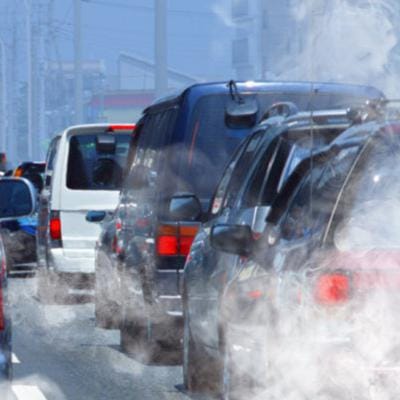
- Cars. Gasoline and diesel fuel burned produce exhaust gases that escape into the atmosphere, seriously polluting it. And if, at the same time, we take into account that in some countries there are two or three cars for each average family, one can imagine the global nature of the problem under consideration.
- Combustion of coal and oil in thermal power plants. Electricity, of course, is extremely necessary for human life, but getting it in this way is a real barbarism. When fuel is burned, a lot of harmful emissions are generated that greatly pollute the air. All impurities rise into the air with smoke, concentrate in clouds, and spill on the soil in the form of acid rain. Trees, which are designed to purify oxygen, suffer greatly from this.
How to protect the air from pollution?
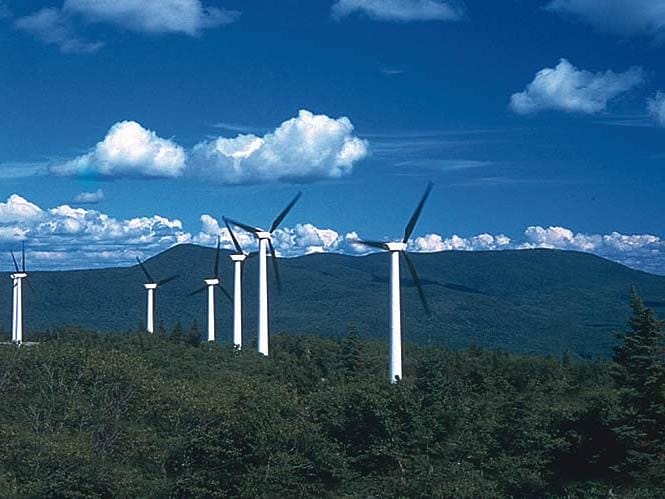
Measures to prevent the current catastrophic situation have long been developed by scientists. All that remains is to follow the prescribed rules. Humanity has already received serious warnings from nature itself. Especially in recent years, the surrounding world literally shouts to people that the consumer attitude to the planet must be changed, otherwise – the death of all living things. What do we have to do? How to protect the air from pollution (pictures of our amazing nature are presented below)?
-
Ensure increased control over compliance with the recommendations of environmentalists in industrial production. Create a closed-type treatment plant everywhere (so that emissions into the atmosphere are not carried out at all). Enterprises that do not meet standards must be closed or, at the legislative level, forced to engage in re-equipment of production.
![Air: what do we breathe? How the composition of inhaled, exhaled air changes]()
-
The entire existing vehicle fleet will gradually be converted to environmentally friendly fuel. In some European countries, people already prefer electric vehicles and hybrid cars. As a result, emissions of harmful materials into the atmosphere will decrease several times.
-
Go to the extraction of environmentally friendly types of energy, using the power of the wind, sun rays, streams of water. And thermal power plants should be closed as an outdated type of production.
-
Stop deforestation and thoughtless use of minerals.
According to environmental experts, such measures will contribute to a significant improvement in the current situation.

What spoils the climate
Let's consider how to protect the air from pollution, since this problem is very important today. Earth is a unique planet, the only one known to us on which life is present. This is due to the atmosphere. It contains various gases, including the oxygen that we breathe.
The development of industry and transport has led to the pollution of the atmosphere with harmful substances and impurities. It affects not only people, but also the world around us, because industrial emissions are the cause of acid rain. They spoil the soil and poison water bodies. Only a person can solve this problem and eliminate the causes of its occurrence.
People in the 21st century behave extremely unreasonably in relation to the environment. Industrial waste, car exhaust, chemical compounds harm the planet's ozone layer are emitted into the atmosphere.
Nuclear power plants and illiterate human waste disposal have a huge impact on air pollution. All these actions pose the threat of global warming and environmental disasters, cause an increase in population diseases and a deterioration in the quality of life. We should not forget about the influence of nature on the purity of the atmosphere. Let's explore the causes of natural pollution:
- Volcanic eruption. During this process, many particles of sulfur, ash, toxic substances and other harmful elements are thrown into the sky.
- Forest fires. When burning, carbon dioxide, soot and other products are released that change the composition of the air. The cause of fires can be nature during periods of solar activity and man. More often forests burn because of fires that have not been extinguished.
- Dust storms. They appear in very strong winds. When hurricanes rage, everything rises, polluting the atmosphere.
For the normal continuation of life on the planet, it is necessary to conserve the air – carefully monitor the fires in the forests, try to use less cars, dispose of waste correctly, and plant more trees.
Protection methods
Scientists around the world have long developed effective methods to protect the atmosphere from pollution. These include the following actions:
- Installation of cleaning structures in factories and plants.
- Switching to alternative energy sources – electricity, solar panels. This will help stop vehicle emissions.
- Using the power of nature instead of combustible fuel – wind, sunlight, water.
- Compliance with state-established environmental protection rules.
- Disposal and recycling of waste.
- Greening contaminated areas, increasing the number of green areas. They saturate the air with oxygen. Up to 70% of the dust remains on the leaves of the trees. Therefore, the air in parks, squares and gardens is always cleaner than on ordinary streets.
- Reduction or ban on deforestation.
- Decrease in the level of mining.
If you carry out the above activities, the situation will definitely change for the better. It is also possible to deal with the current ecological situation in an informative way – to tell children about air pollution, to arrange lectures and seminars, and to organize subbotniks.
How to protect the air in the apartment
The indoor climate is sometimes much worse than outside. Although it is at home that we spend most of our free time from work and study. This is especially dangerous for children and the elderly, whose immunity is often weakened. Stagnant apartment air contains such unpleasant things as:
- Microbes. Their main sources are man himself. From his skin, when coughing or sneezing, many microorganisms that cause various diseases get into the air. The second reason for their occurrence is the irregular maintenance of climatic equipment.
- Mold. Spores get into the air from the ceiling and walls. They cause asthma, obstructive bronchitis and other pulmonary diseases.
- Dust. By itself, it is not dangerous to people, but ticks start in it. Their waste products are the main source of allergies. And also long-term inhalation of dusty air leads to headaches and eye diseases.
- Cigarette smoke. It is easily absorbed into fabrics. To eliminate it, regular cleaning and airing are required. Tobacco smoke is bad for your health – tar and nicotine from cigarettes cause dangerous lung diseases.
- Cleaning products. Household chemicals contain many harmful substances. If it is used frequently in poorly ventilated rooms, health problems arise. In order to avoid negative consequences, after cleaning, they switch to environmentally friendly or folk remedies that cope with dirt no worse, but do not harm the inhabitants of the house.
Many people think about how to protect the air in the apartment. Effective methods include getting rid of the habit of smoking in the house, regular wet cleaning, refusal to use harmful household chemicals, and airing the house. It is especially worth thinking about how to protect the air from pollution for those who have one or more babies living in the house, since their fragile body is very vulnerable.
Study of the topic by children
Advocacy of the harm that a person can cause to nature and information about air pollution, ways to combat it has been introduced even in kindergartens for preschoolers. This is done so that the younger generation learns to protect and appreciate nature. Ecology classes are held in the kindergarten.
Kids are instilled with respect for the environment and taught to protect nature, talk about the benefits of plants. In primary educational institutions, children learn the atmosphere in the classroom and in extracurricular activities. In grade 2, students will learn how the air is protected from pollution. This serious topic is studied carefully, more often on the example of the hometown. Pupils of the 2nd grade are told about the patterns of air pollution, the level of its dustiness. They explain the important role of green spaces, which release the oxygen necessary for a person.
In grade 3, children continue to learn methods and techniques for air pollution. The first experiments are being carried out, with the help of which the quality of ecology is determined. One example is snow samples taken from multiple locations. This project shows Grade 3 students where the level of air pollution is higher and how it is affected by the proximity of industrial sites or green areas.
It is essential that children from an early age understand how important it is to maintain a normal environment and keep the air clean.
If this is not done, serious problems await humanity in the future. Studying the topic of ecology, children will learn exactly how a person spoils the atmosphere and what needs to be done so that there is less harm.
Starting in elementary school, students can independently improve the world environment. Each student is able to plant trees or plants, save resources at home – not leave lights and water on unnecessarily, divide waste into categories. Children learn to collect materials for recycling – paper, metal, plastic, take part in subbotniks, help with greening the city. Love for the planet and maintaining order around oneself, wise use of resources will help preserve the Earth for many millennia.
Oxygen rate in the air
So, with regard to the ratio of oxygen in the air, there are certain standards, for example, for the working area. In order for a person to work fully, the oxygen rate in the air is from 19 to 23 percent. When operating equipment at enterprises, it is imperative to monitor the tightness of devices, as well as various machines. If, when testing the air in a room where people work, the oxygen indicator is below 19 percent, then it is imperative to leave the room and turn on emergency ventilation. You can control the level of oxygen in the air at the workplace by inviting the EcoTestExpress laboratory and examine the chemical analysis of air.
Let's now define what oxygen is.
Oxygen is a chemical element in Mendeleev's periodic table of elements, oxygen has no smell, no taste, no color. Oxygen in the air is extremely necessary for human breathing, and also for combustion, it's not a secret for anyone that if there is no air, then no materials will burn. Oxygen contains a mixture of three stable nuclides, the mass numbers of which are 16. 17 and 18.
So, oxygen is the most abundant element on earth, as for the percentage of oxygen, the largest percentage is found in silicates, it is about 47.4 percent of the mass of the solid earth's crust. Also, the sea and fresh waters of the entire earth contain a huge amount of oxygen, namely 88.8 percent, as for the amount of oxygen in the air, this is only 20.95 percent. It should be noted that oxygen is part of more than 1500 compounds in the earth's crust.
As for the production of oxygen, it is obtained by separating air at low temperatures. This process takes place like this, at the beginning the air is compressed with the help of a compressor, when the air is compressed, it starts to heat up. The compressed air is allowed to cool to room temperature and, after cooling, is allowed to expand freely.
When the expansion occurs, the gas temperature begins to drop sharply, after the air has cooled, its temperature can be several tens of degrees below room temperature, such air is again compressed and the released heat is taken away. After several stages of air compression and cooling, a number of procedures are performed as a result of which pure oxygen without any impurities is separated.
And here another question arises which is heavier than oxygen or carbon dioxide. The answer is, of course, carbon dioxide will be heavier than oxygen. The density of carbon dioxide is 1.97 kg / m3, but the density of oxygen, in turn, is 1.43 kg / m3. As for carbon dioxide, it, as it turns out, plays one of the main roles in the life of all life on earth, and also has an effect on the carbon cycle in nature. It has been proven that carbon dioxide is involved in the regulation of respiration, as well as blood circulation.
What is carbon dioxide?
Now define in more detail what carbon dioxide is, and also denote the composition of carbon dioxide. So, carbon dioxide in other words is carbon dioxide, it is a colorless gas with a slightly sour smell and taste. As for the air, the concentration of carbon dioxide in it is 0.038 percent. The physical properties of carbon dioxide is that it does not exist in a liquid state at normal atmospheric pressure, but passes immediately from a solid state to a gaseous state.
Solid carbon dioxide is also called dry ice. Today, carbon dioxide is a participant in global warming. Carbon dioxide is obtained by burning various substances. It should be noted that in the industrial production of carbon dioxide, it is pumped into cylinders. Carbon dioxide pumped into cylinders is used as fire extinguishers, as well as in the production of carbonated water, and is also used in pneumatic weapons. And also in the food industry as a preservative.
Clean country air saturates the body with oxygen in excess
It is not that simple. Inhalation is only the initial stage of a complex system for processing and evenly distributing oxygen throughout the body. The air from the lungs must be split into atoms and delivered to all “needy” organs and tissues, every “choking” cell.
Acute oxygen starvation inflicts a severe blow on all complex systems of the body. The heart and blood vessels, immunity, spinal cord and brain are affected.
Deep breathing with purified air does not mean full saturation of cells with oxygen. This can be prevented by the following reasons:
Tobacco smoke
Nicotine causes the blood vessels in the brain to narrow sharply. That is why the brain tissue of smokers experiences colossal oxygen deprivation directly during smoking. Abruptly quitting cigarettes only exacerbates the situation. In the first 12 hours of “nicotine abstinence” a person's metabolism slows down significantly (which is why many people gain weight so rapidly). And the metabolic rate is directly related to the rate of oxygen distribution in the blood.
Harmful emissions
The air in large cities is filled with carbon monoxide – the main component of gasoline engine exhaust. When carbon monoxide enters the lungs, it instantly binds to hemoglobin, displacing pure oxygen molecules. The tissues of the body begin to “suffocate”, at the same time being poisoned by harmful substances. A person feels dizziness and nausea, legs give way, and a headache begins.
Acute inflammation
Certain inflammatory processes very often cause oxygen starvation of cells. Inflammation can be caused by infectious diseases and cancer.
The more oxygen the better
Perhaps you think that air and oxygen are the same thing. But this is far from the case. Air is not even slightly diluted oxygen. Almost 80% of the mixture we inhale is nitrogen. There are also some impurities (carbon dioxide and argon) and the remaining 20% is oxygen.
You can't even tell right away which is more harmful: a lack of oxygen or an excess of it. Both the one and the other extremes carry death for living organisms. Mice placed in pure oxygen begin to show signs of loss of coordination after half an hour. In this case, serious and irreversible damage to brain cells occurs.
Oxygen serves as a catalyst for the formation of free radicals, which act deadly on all living tissues.
A slight increase in oxygen (no more than 10%) in the air has a therapeutic effect on humans. The metabolic rate returns to normal, the blood sugar level decreases. A slight increase in oxygen in the air promotes fat burning.
People have learned not only to breathe in oxygen, but also to drink. We've all heard about oxygen cocktails. These are special foam-like mixtures, which are 90% oxygen. In this case, the excess gas is completely harmless. Why? Because our oxygen will not be assimilated through the lungs, but through the digestive tract (stomach and intestines). Such a cocktail instantly suppresses the feeling of the strongest hunger, therefore it is effective for losing weight.
Lymphocytes, cells of the immune system, become more active after taking an oxygen cocktail. This has a positive effect on human immunity in the long term.
Oxygen cocktail – a miraculous remedy for diseases
An oxygenated cocktail is not a drug. By itself, it is not capable of curing diseases. It is prescribed only as supportive therapy (for example, for women with disorders of placental function).
Since the cocktail is not officially recognized as a medicine, you can freely buy it in regular supermarkets.
Oxygen cocktail is very difficult to prepare
This misconception is very beneficial to retail outlets that produce such cocktails. Having bought a special apparatus, you can easily prepare oxygen mixtures at home. Concentrators are commercially available that can produce up to six liters of cocktail per minute. The device is small and requires no maintenance.
The concentrator is very quiet. An ordinary conversation between two adult men is able to drown out the noise of the device. In terms of composition and quality, the mixture prepared at home does not differ from the cocktails sold in specialized outlets. The device does not require any special maintenance: the filter is changed every six months.
To make a cocktail, you will need to purchase a special blend. It is produced ready-made with an admixture of various additives and flavorings. The method of making a cocktail is quite simple. A flavor base (compote, juice or liquid jam) is poured into the cocktail and a special mixture is added.
Oxygen causes allergic reactions
When using oxygen cocktails, allergies sometimes do occur. But it is caused by various additives, not oxygen itself. The body may react with an allergy to the egg white or gelatin in the cocktail. These substances are used to form a stable foam.
Licorice extract is also added to cocktails. This is a very strong allergen, in addition, licorice is not recommended for people with heart failure. Gelatin is contraindicated in kidney disease.
Additives related to flavoring, again, can provoke an allergic reaction. Therefore, before use, be sure to find out the detailed composition of the mixture. Find out if you are allergic to the ingredients used.
Sources used and useful links on the topic: https://ovozduhe.ru/sostav/sostav-vozduha https://SiteKid.ru/planeta_zemlya/iz_chego_sostoit_vozduh.html https://tvercult.ru/nauka/sostav-vozduha-kakie- veshhestva-vhodyat-i-ih-kontsentratsiya https://nasrf.ru/baza-znaniy/tipy-narkomanii/osvezhiteli-vozdukha-kak-predmet-toksikomanii https://aeros.su/articles/kak-obespechit-svezhiy- vozduh-v-kvartire https://aif.ru/health/life/21132 https://woman.rambler.ru/home/41280611-7-sposobov-sdelat-vozduh-v-kvartire-chische-i-luchshe/ https://www.the-village.ru/village/people/wellness/299790-vozduh-v-dome https://FB.ru/article/172950/kak-zaschitit-vozduh-ot-zagryazneniya-rekomendatsii-ekologov https://musorish.ru/zaschitit-vozduh-ot-zagryazneniya/ https://ecotestexpress.ru/articles/sostav-vozdukha/ https://natural-medicine.ru/stati/11389-chem-my-dyshim- 7-populyarnyh-zabluzhdeniy-o-kislorode.html
Post source: lastici.ru