
A selection of the best films of the documentary genre. Best BBC documentaries

Content
House. Travel history
Country: France, 113 min.
Directors: Yann Arthus-Bertrand
A warning film, in a sense even a disaster film that shows how our planet is suffering. The tape shows the realities of Human life on our planet. The consequences of human intervention, where natural beauty coexists with lifeless landscapes that people have left behind. These are insanely beautiful shots, breathtaking panoramas and large-scale views. This is a true story, shown with precise clarity and taste.
DMT: Spirit Molecule
Country: USA, 75 min.
Director: Mitch Schultz
DMT is a powerful psychedelic also known as dimethyltryptamine. He interested a group of scientists, since DMT is present in small amounts in the human body and is produced by the pineal gland, which is located in the center of the brain. Even in ancient times, people believed that the pineal gland is the location of the soul. In fact, DMT causes hallucinations and significantly affects the perception of reality.
Inner Universe: The Secret Life of a Cell
Country: UK, 57 min.
Director: Michael Davis
All of our body parts are made up of cells. The smallest fundamental unit of life. Scientists do not stop studying it, decomposing it into its components, and confronting it with various problems. Again and again they are surprised and amaze us with their discoveries. And yet this beautiful microcosm has not yet been studied. But we nevertheless grasped some secrets. Which ones, see the documentary.
A Brief History of Stephen Hawking's Time
Country: UK, Japan, USA, 80 min.
Director: Errol Morris
Finally, we left a film about the life and scientific active genius of our time Stephen Hawking. Without further ado, just watch the movie. He's incredible.
Secret
Country: Australia, 91 min.
Directors: Drew Hariot, Sean Byrne, Mark Goldenfein, Damien McLindon
If you have embarked on the path of change, then this revelation film will help you to tune in the right way. He will tell why some people are constantly attracted to failures, while others live for their own pleasure and have everything. Although the answer is obvious: thoughts are material. What we imagine in our head directly affects how our life develops. Don't believe me? Then watch the popular science film “Secret” (“Secret”), which is accessible and, most importantly, factually prove this dependence to you.
Baraka
Country: USA, 96 min.
Directed by: Ron Frike
A meditative picture film that takes you on a tour of the globe. A silent tour. There are no dialogues in the tape, but there are sounds of nature, magnificent images, ethnic music. The film took 14 months to create. Filming was carried out in 24 countries of the world. There are horrific pictures of the industrial world and the beauty of the wild. All thoughts, feelings, experiences are transmitted through the picture. At the end of the film, catharsis and a huge surge of love for our planet await each viewer.
The Whole Truth About Menopause (2020)
Menopause, or, as it is often called, menopause, is a phenomenon that absolutely all women in the world face in one way or another. This topic has become the subject of numerous jokes and memes, often very offensive. But how much does the general public know about what happens to the physical and mental state of a woman during this period?
For journalist Mariella Frustrup, this topic is a sphere of personal interest, since she has already reached the age of menopause. She wants to know the risks of the most popular symptom treatment, what innovative tools are being developed to help women get through this difficult period in their lives, and whether menopause can be reversed.
The Dancing Boys of Afghanistan (2010)
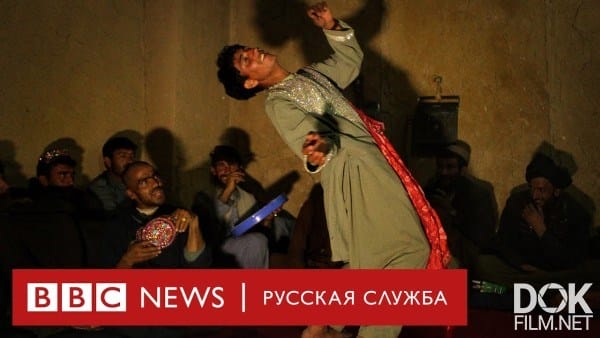
In Afghanistan, women are forbidden to dance in public, so the tradition of “bacha-bazi” is widespread in the country: boys are dressed up as women and forced to dance in front of wealthy men. As a rule, these are orphans or children from poor families.
War Factories (2019)
Unknown story about the war production that provided for World War II. The story of how the war was won and lost. It doesn't matter how many soldiers you have, what smart generals you have, or what daring strategy you have, you won't win a war if you don't have enough ammo, steel, aircraft, food, and tanks. This series is more than an epic history of military production … It was a secret war of factories that decided the fate of the entire world.
Syrian Love Story (2015)
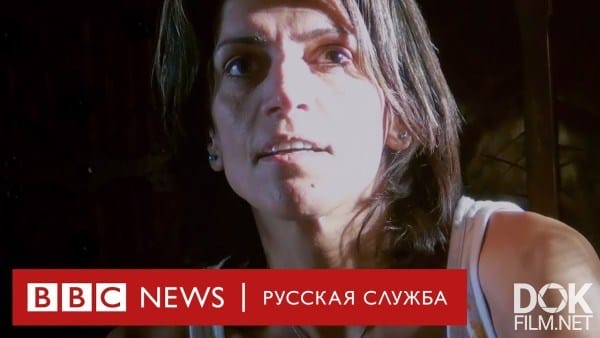
Amer first saw Ragda in a Syrian prison, and they conducted their first conversation through a hole in the wall of a prison cell. There, in prison, their romance began, which then grew into family life. The couple had four sons, but their common cause and common passion was revolution.
Independent filmmaker Sean McAlister has been filming this film for several years. In Syria, Lebanon, France, he watched what metamorphoses their love for each other and for Syria, scorched by the revolution, underwent.
Desert Greening Against Water Scarcity (2020)
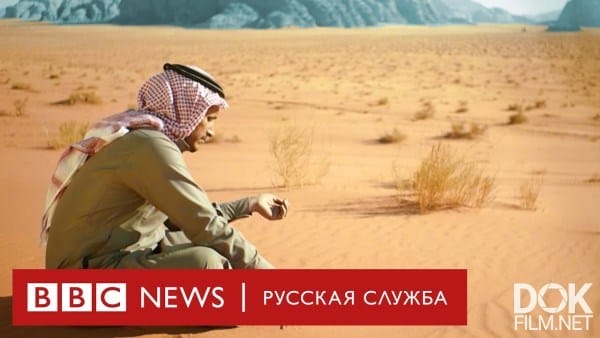
Countries in the Middle East and North Africa are increasingly faced with a shortage of fresh water and therefore import most of their food.
British engineer Bill Watts and a team of experts from around Europe have joined forces to create a true oasis in the Sahara Desert: greenhouses powered by seawater and solar energy, capable of supplying nearby areas with vegetables and fruits, fresh water and electricity. But the construction of the complex in 50-degree heat under the scorching sun of the desert is not an easy task, and it seems that every drop of clean water will have to pay with a drop of sweat.
Concorde: Supersonic Race (2020)
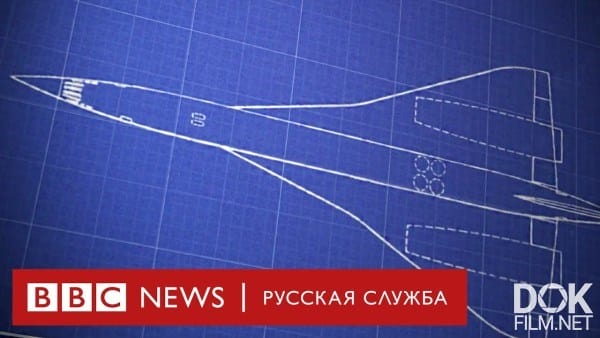
The history of the Concorde is the story of one of the greatest scientific achievements of the twentieth century, which brought world aviation as a whole to a new level.
In 1962, a historic agreement was signed between Britain and France to build the world's first supersonic passenger aircraft. The engineers had to overcome many obstacles and overstep the boundaries of aeronautical capabilities, so that passengers could be on the other side of the Atlantic in just 3 hours and 20 minutes. The history of the Concorde is also the history of industrial espionage on a global scale; In the midst of the Cold War, the British-French project had to enter into a merciless race with the American Boeing 2707, as well as with the Soviet Tu-144.
Seoul: World Plastic Surgery Capital (2020)

BBC presenter Annie Price has lived with burn scars all her life. She had to undergo many plastic surgeries, but all of them were for medical reasons. Now, for the first time, she feels that she is ready to undergo an operation just for the sake of appearance, and goes to the capital of the world of plastic surgery – Seoul. People from all over the world come here for ideal proportions, and every fifth local resident between the ages of 20 and 30 has done at least one plastic surgery. The beauty industry is on the stream here, but the lack of regulation and a huge number of unskilled surgeons often lead to the fact that operations end in injuries and even death of patients.
Is a lot of oil a lot of money? (2013)
A lot of oil is a lot of money. But who will get this money? A Ghanaian businessman who convinced a small, private American company to look for oil off the coast of Ghana? An American company that ventured to search, discovered a lot of oil here, and attracted a private investment giant to develop the project? A private investment giant that found investors and formed a board of directors? Or the government of Ghana, which acts exclusively in the interests of the people?
One of the producers of this BBC documentary was Brad Pitt, and the heroes were major businessmen, politicians, journalists and officials of Ghana and the United States, and even the king of Ashanti. project? A private equity giant that found investors and formed a board of directors? Or the government of Ghana, which acts exclusively in the interests of the people?
One of the producers of this BBC documentary was Brad Pitt, and the heroes were major businessmen, politicians, journalists and officials of Ghana and the United States, and even the king of Ashanti.
Atlantic: The Wildest Ocean on Earth (2015)
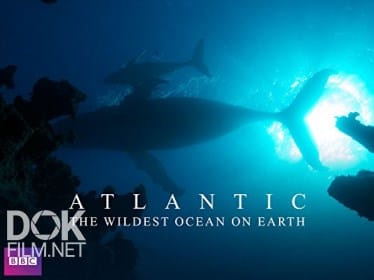
Due to powerful currents, violent hurricanes and underwater volcanoes, the Atlantic Ocean is incredibly rich and diverse, but it is very difficult to survive by accepting its challenge. A new BBC documentary follows the wildest oceans on planet Earth.
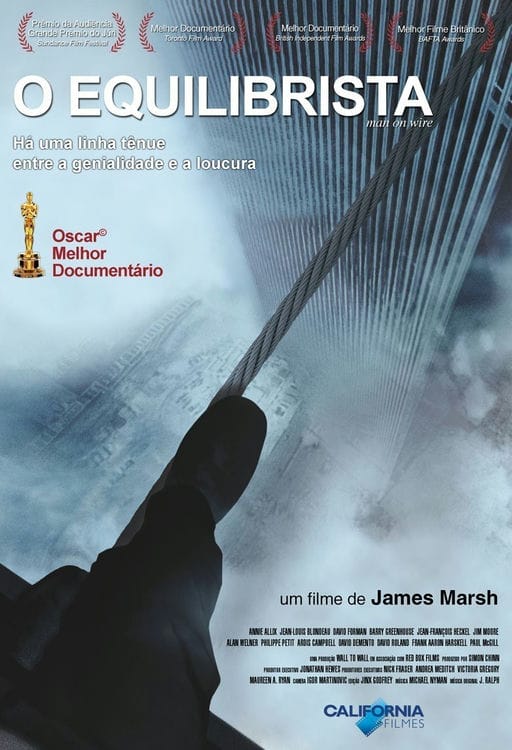
Rope walker
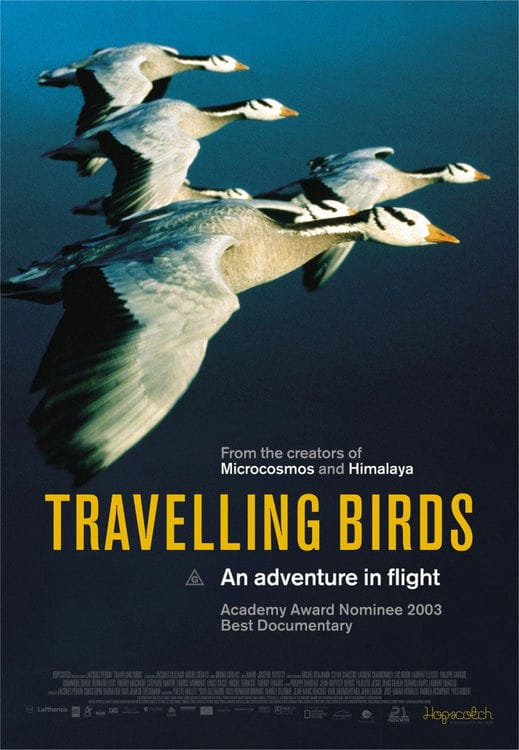
Birds
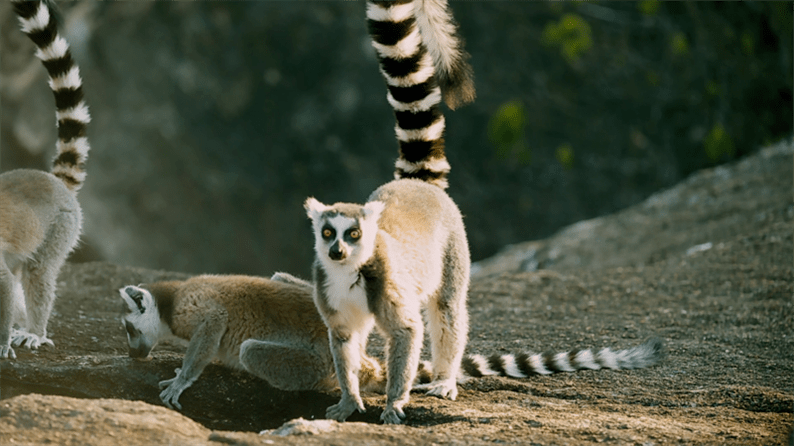
Isle of lemurs: Madagascar
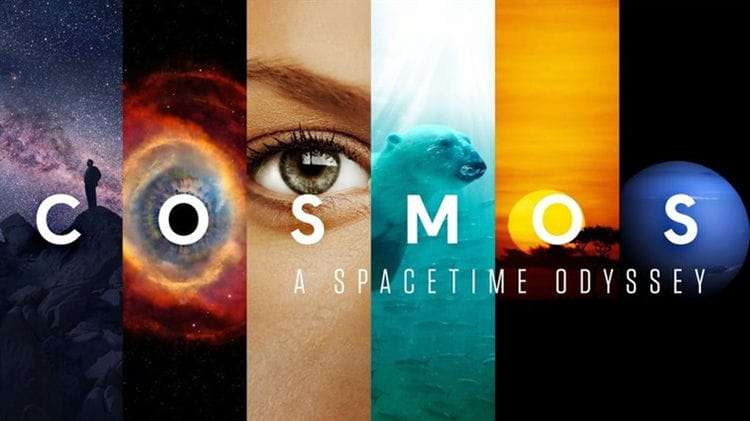
Space: Space and Time
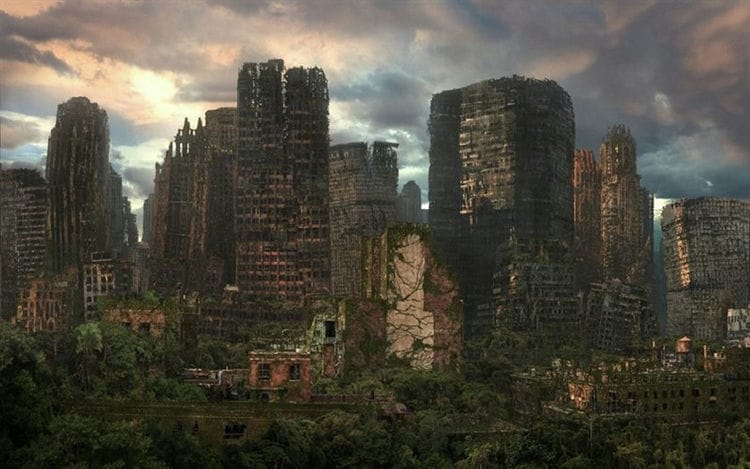
The future of the planet: Life after people
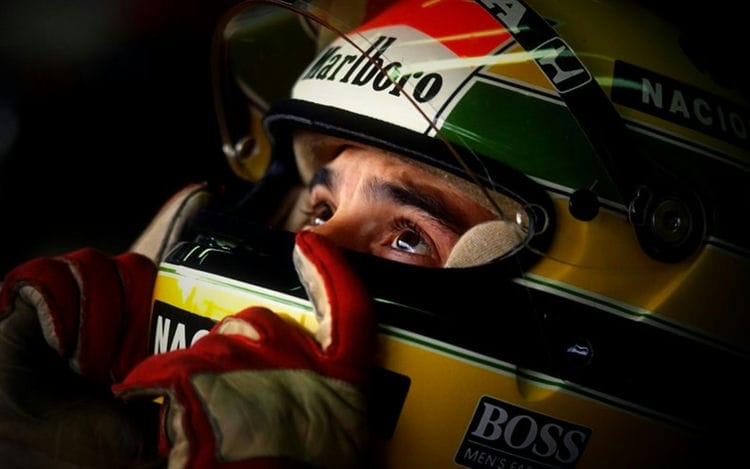
Senna
The first step into the abyss
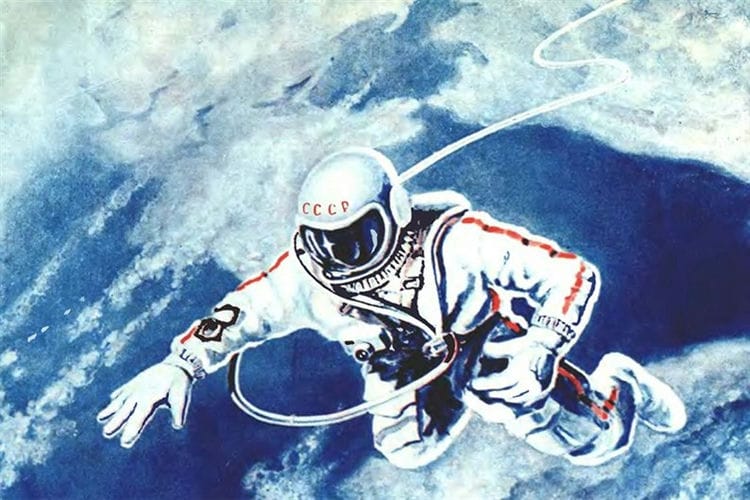
Prophetic Oleg

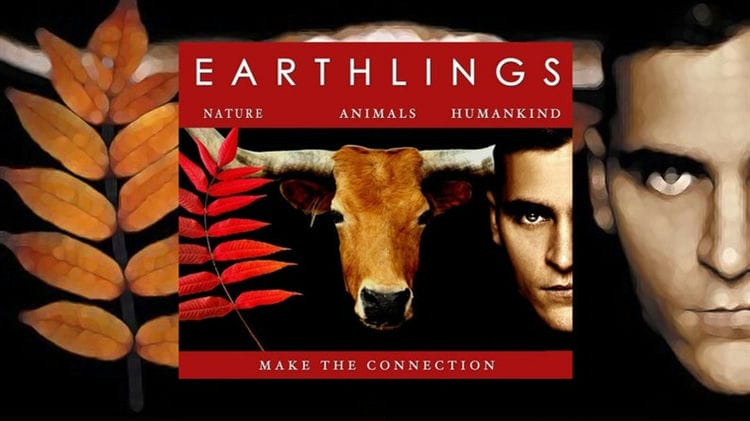
Earthling
The art of flying

“The Man with the Movie Camera”, dir. Dziga Vertov, 1929
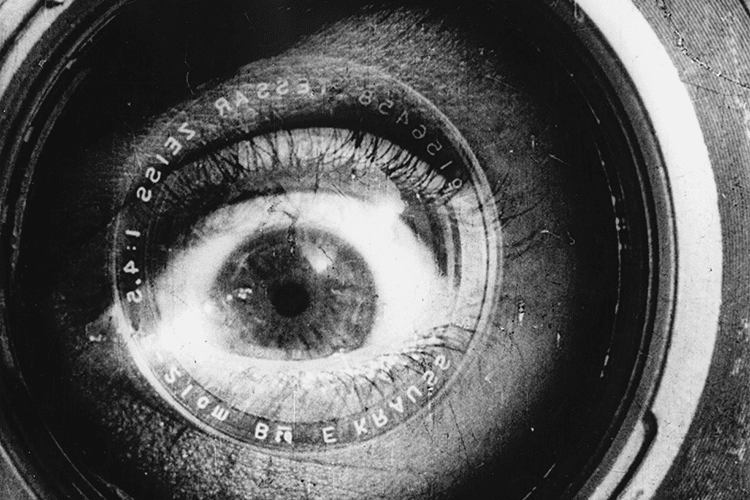
One of the main Russian films in the history of cinema and an unambiguous monument to 1920, where each director was a pioneer, experimenter and theorist. “Kinoglaz” Vertov, cameraman Mikhail Kaufman and editor Elizaveta Svilova tries to capture the rhythm of life of an ordinary person in the early USSR – with utopian hopes for the impartiality of the camera and the power of mechanical vision. The awakening and hurrying, dancing and working residents of Kiev, Odessa and Moscow are forming a fantastic pattern of orderly chaos of the big city and, more generally, of the society of the future. A practical guide to editing and creating a rhythm in a completely silent film, “The Man with a Movie Camera” has been voiced several times – the best versions belong to Michael Nyman and The Cinematic Orchestra, who combined the dances of black and white with modern jazz,
“Grizzly Man”, directed by Werner Herzog, 2005
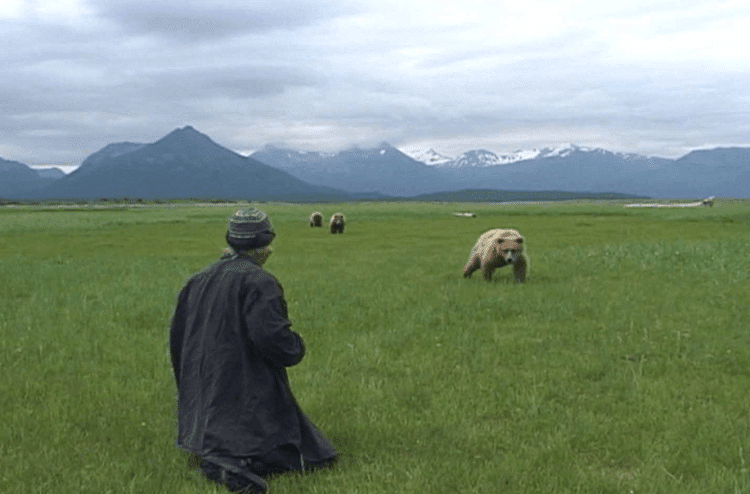
Biography of one of the main conservation enthusiasts Timothy Treadwell, who has dedicated his life to saving grizzlies from human influence and fostering a responsible attitude towards the environment. In 2003, he and his girlfriend, also a researcher, were killed by bears while filming documentary materials about preparing grizzlies for hibernation: it is the autumn hunt for food that makes grizzlies especially dangerous to humans. Out of hundreds of hours of filming grizzlies, which Treadwell considered not just his smaller brothers, but friends and companions, Herzog edited the film, including interviews with family members of the zoologist, other scientists and local residents. Stunning suspense, the result of which is known to everyone at the beginning of the film, is an example of Herzog's work with the theme of mortal danger. The conflict of faith and the instinct of self-preservation, which is important for him, comes to the fore here as well:
In Jackson Heights, dir. Frederick Wiseman, 2015
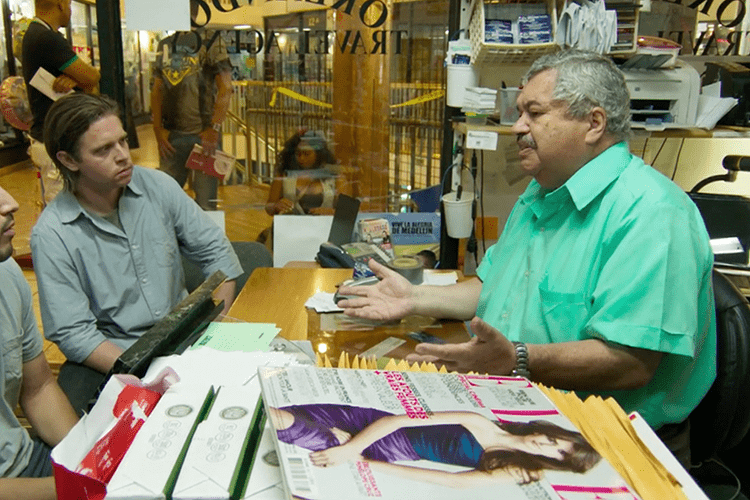
In the most cosmopolitan New York district of Jackson Heights, changes are brewing: local owners of real estate are raising prices and, it seems, soon you will find the usual supermarket and Starbucks instead of shops and eateries across every street. Diverse, chaotic, filled with people of all religions and origins, Jackson Heights is gradually surrendering under the onslaught of global capitalism, and American documentary classic Frederick Wiseman is watching. For 50 years, he has been registering a changing America – without voiceover and talking heads, he has been filming the complex and incomprehensible life around him: from the University of Berkeley to high school students in the 60s. Here he draws attention to how horizontal ties and an anarchic self-governing community are arranged. Municipal politician and openly gay, pride participant. Driving and language courses for immigrant taxi drivers. Grandmothers worried about the local kindergarten. Participants of development circles. Street musicians. A meeting of concerned equity holders. A collection of worried illegal immigrants. In Wiseman's cell, everyone is allowed to speak and everyone has a place: this is how an uncontrollable, inspiring, complex life around us looks like, built on a thousand small agreements.
“Without the sun” (“Sans soleil”), dir. Chris Marker, 1983
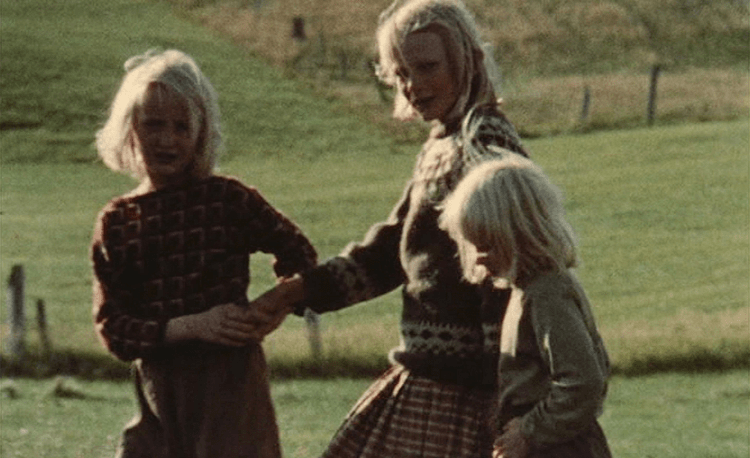
Often referred to as one of the finest documentaries in history, an 80s experiment from French legend Chris Marker – a movie about the nature of memory, the freshness of impression and the constant inner monologue that accompanies the traveler and explorer. Marker's essay reflects several geographic and aesthetic polarities – technologized Japan, commercial America, spontaneous Iceland and the still wild Guinea-Bissau, under which a female voice reads fictional letters from a fake film operator with the fabulous name Sandor. Without the Sun is a diary film that, like poetry, is pointless to retell in your own words: otherwise you will have to choose the right expressions for the grain of the film, contrast and the village covered by volcanic sand, in which the author finds himself at the beginning and end of the film.
“Monterey Pop”, directed by D.-A. Pennebaker, 1968
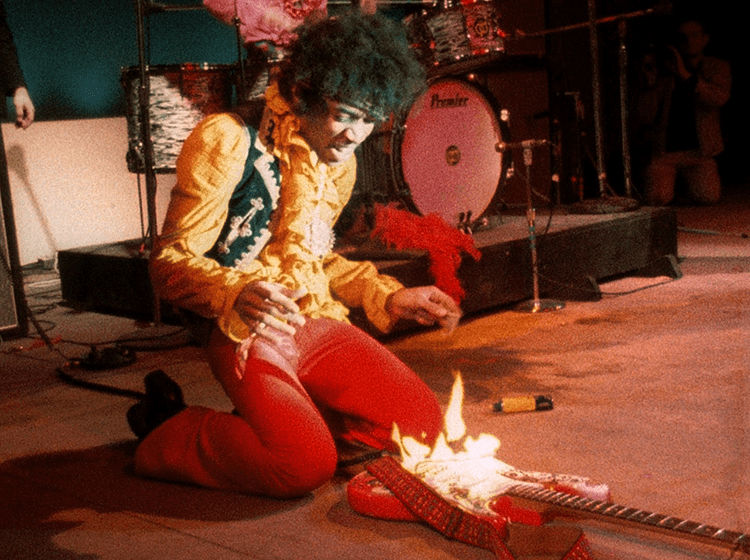
In the 60s, there were two major musical events, Woodstock and Monterey Pop, filmed one year apart. In Monterey (directed by films about Bob Dylan, John Lennon, and David Bowie), it is clear that the summer of love crowd has not yet turned into a flood of undressed people dressed in hippie fashion. Monterey Pop, a festival that has been attended primarily because of music, and secondarily because of the buzz and nature, registers the transition to a different quality and a new scale of Janis Joplin, Ravi Shankar, The Who and Simon and Garfunkel … Young guys sitting on chairs and cautiously dancing in a small square are, first of all, intellectuals and advanced fashionistas of their time, who bought tickets to launch their favorite subculture into space. As is often the case with archival footage, watching the makeup and styling of ordinary festival guests is almost more interesting than watching Townsend's stage convulsions or Jimi Hendrix's guitar. Eternal, charging and 50 years later and a unique film from the very heart of an interesting time.
Good Ol ‘Freda, dir. Ryan White, 2013
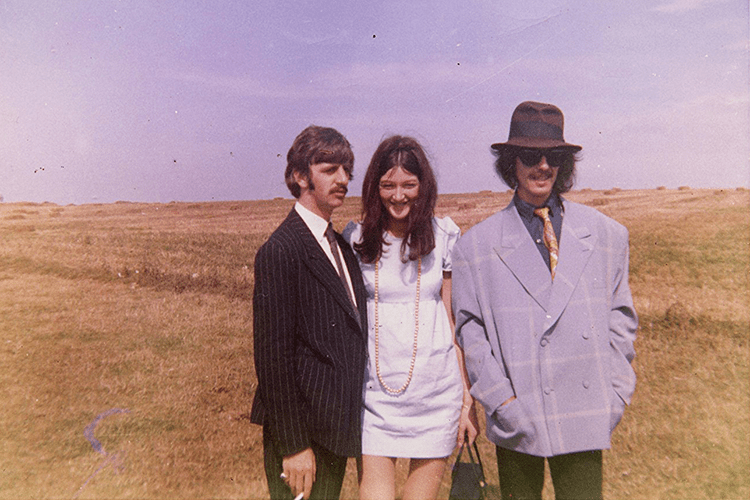
In a small British house, the filmmakers find an elderly Frida, a girl who worked as a typist and, as a teenager, became the keeper of the Beatles fan club. From the first day, when the group performed in Liverpool basements, until the collapse, when tens of thousands of fan regrets were sent to the studio, Frida spent a lot of time with the Beatles: like the invisible heroine of Richard Lester's comedies, accompanying them on the Star Trek. “Good Old Frida” is a tender film about friendship, about the neighborhood of stellar life and extraordinary life, and why the world, including Frida, was head over heels in love with The Beatles. An excellent student, a quiet mouse and a big soul, 70-year-old Frida recalls the swinging 60s and looks at the adventures of her youth from the distance of her unremarkable British life. The former secretary, who can be found in half of the group's pictures,
Paris Is Burning, dir. Jenny Livingston, 1990 / Strike a Pose, dir. Esther Gould, Reyer Zwaan, 2016
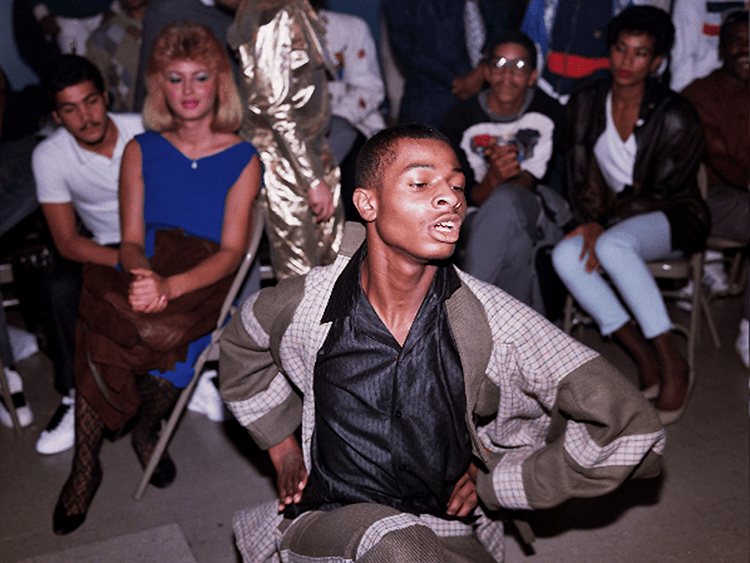
In the late 80s, Jenny Livingston oversaw the subculture of ballroom dancing for several years, popular primarily among poor and underprivileged New Yorkers: African Americans and Hispanics, mostly gays and transgender people. Local competitions and gated clubs, marginal companies and day jobs have all remained on the filmmaker's lens in the form of stunning grainy film archives and an unprecedented access code. For a long time, there was nothing so interesting in terms of color, brightness of characters and anthropological accuracy in underground musical documentaries. Until a couple of Europeans traveled to the States again to meet the famous dancers who invented voging – something that Paris Burns did and that became the basis of Madonna's landmark Vogue video. Most of them grew out of the context of the ballroom and in the dance of Madonna finally gained worldwide fame and incredible fees. Strike a Pose documentaries meet them two decades after their triumph, AIDS epidemic, world tours and chronicles of beautiful life. As often happens in such cases, the meeting of fellow soldiers says a lot about the generation, the past time, irreparability and the power of personal choice: two deaths, poverty and worldwide fame, discrimination and calm maturity – each of the heroes of “Take a pose” reflects a dozen possible scenarios for the well-known dancer of the early 90s, where sharing the stage with Madonna is either the very beginning, or the peak of life.
Searching for Sugar Man, dir. Malik Benjellul, 2012

Sixto Rodriguez – one of many Detroit musicians on the American scene of the 60s – was completely lost in the avalanche of talent that swept the United States during the struggle for civil rights. The son of Mexican labor immigrants and the sixth child of his parents, Rodriguez has released several albums without ever becoming famous. But his records became incredibly important for South Africa, which is experiencing an era of resistance to apartheid – Rodriguez's albums were for every active and conscientious young man, regardless of skin color. In the mid-90s, they are trying to find a musician who has disappeared into obscurity, in order to invite him to South Africa as an honored guest, and at the same time restart a career that did not happen in due time. Malik Benjellul's film, shot with the last money and sheer enthusiasm, is a terrific argument about the role of man in history: The unsuspecting Rodriguez contributed to a community completely alien to him and became a symbol of great change on the other side of the world. The protagonist many years later, with stories of broken dreams, odd jobs and marginal maturity, is a true nugget and proof of how music can change the opinions and lives of others.
Sources used and useful links on the topic: https://zen.yandex.ru/media/id/5a323345780019a66a1ed2c7/top-10-dokumentalnyh-filmov-dlia-rasshireniia-soznaniia-5ac5e5f71aa80cd01ad15350 https://dok-cfilm.net/bbdok-cfilm.net / https://fishki.net/2319694-20-interesnejshih-dokumentalynyh-filymov-kotorye-stoit-posmotrety.html https://daily.afisha.ru/cinema/7744-20-dokumentalnyh-filmov-kotorye-stoit- uvidet-hotya-by-raz-v-zhizni /
Post source: lastici.ru