The first signs, symptoms of a stroke and first aid rules. A few basic rules of first aid for stroke.
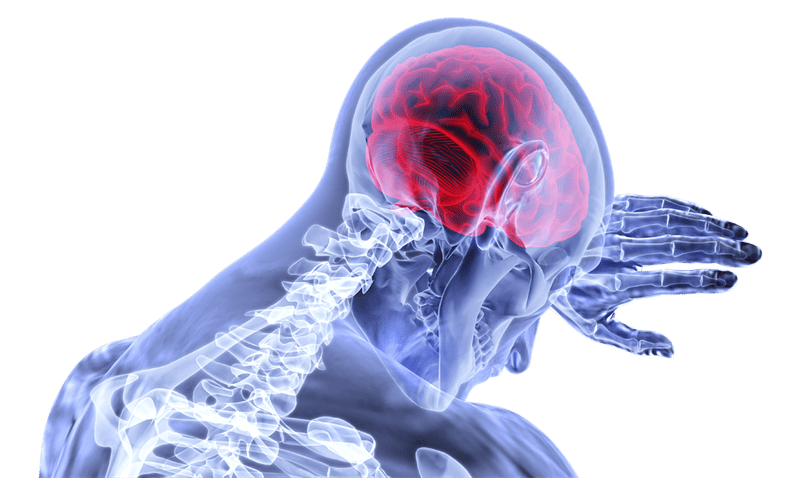
What is a stroke, its types
A stroke is a violation of the cerebral circulation that leads to brain damage.
Pathology is widespread. In the Russian Federation alone, there are 3 cases of stroke per 1000 inhabitants. In the posthumous discharge, he is listed as the cause of death in 23.5% of people.
Even if patients do not die after suffering a vascular accident, more than 80% of them remain disabled. Often, neurological disorders are so severe that the patient is unable to take care of himself. Stroke is the third leading cause of death.
There are 2 types of stroke: ischemic and hemorrhagic. The mechanism of their development and the features of treatment have nothing to do with each other. There is also a special type of hemorrhagic vascular lesion – this is subarachnoid hemorrhage.
What is a stroke
A stroke is a disorder of cerebral circulation in an acute form in some of its areas, as a result of which severe symptoms of a neurological nature appear. A lack of blood supply to the brain leads to nutritional deficiencies. The nerve cells that are in the areas where the circulatory disorder has occurred are damaged or begin to die off. Therefore, there is a deterioration or loss of the body's functionality associated with the work of the affected brain zones.
In medicine, two types of stroke are considered – ischemic or hemorrhagic. The first is a consequence of the occlusion of cerebral vessels under the influence of a thrombus or plaque of atherosclerotic origin. The second is caused by a rupture in the vessels.
Ischemic
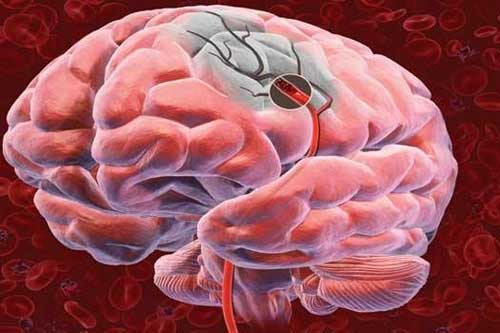
Ischemic stroke is a violation of the blood circulation in the brain, accompanied by an acute onset. Pathology develops due to a violation or complete cessation of blood supply to the brain. This leads to softening of its tissues and infarction of the affected area. It is cerebral vascular ischemia that is one of the main causes of death in people all over the world. Such a stroke occurs 6 times more often than a hemorrhagic lesion.
It can be of 2 types :
- Thrombotic. It develops due to blockage of blood vessels in the brain by a thrombus.
- Embolic. It occurs when the vessels located far from the brain are blocked. The most common source of embolism is the heart muscle (cardioembolic stroke).
In 80% of cases, the pathological focus is localized in the middle cerebral artery. Other vessels account for the remaining 20%.
The reasons that can provoke ischemic damage to the cerebral arteries and veins :
- Myocardial infarction.
- High or low blood pressure.
- Atrial fibrillation.
- Diabetes.
- Lipid metabolism disorders.
Risk factors include: old age, hereditary predisposition to vascular accidents, as well as lifestyle features.
Symptoms of ischemic stroke do not increase as quickly as symptoms of hemorrhagic brain damage.
Its manifestations :
- Drowsiness, deafness.
- Short-term fainting.
- Headache, dizziness.
- Nausea and vomiting.
- Pain in the eyes that is worse with movement.
- Convulsions.
- Sweating, hot flashes, dry mouth.
The neurological manifestations of ischemia differ depending on which part of the brain is affected. To a greater or lesser extent, the lower and upper limbs are affected, paresis of the tongue and face is observed, visual and / or auditory function worsens.
Hemorrhagic
Hemorrhagic stroke is a hemorrhage in the cranial cavity. The most common cause of a ruptured vessel is high blood pressure.
Other provoking factors include :
- Aneurysm.
- Malformation of the cerebral vessels.
- Vasculitis.
- Systemic connective tissue diseases.
- Taking some medicines.
- Amyloid angiopathy.
The onset of pathology is acute, most often the manifest occurs against the background of high blood pressure. A person has severe headaches, dizziness, accompanied by vomiting or nausea. This state is quickly replaced by stunnedness, loss of consciousness, up to the development of a coma. Convulsions are possible.
Neurological symptoms are manifested in the form of memory loss, impairment of sensitivity and speech function. One side of the body, which is on the opposite side of the lesion, loses its ability to function normally. This applies not only to the muscles of the trunk, but also to the face.
Stroke with a breakthrough of blood into the ventricles of the brain is difficult. The victim develops symptoms of meningitis and seizures. He quickly loses consciousness.
The next 3 weeks after suffering a stroke are considered the most difficult. At this time, cerebral edema progresses. It is he who is the main reason for the death of patients. Starting from the fourth week, in surviving people, the symptoms of the lesion acquire a reverse course. From this time on, the severity of the brain damage can be assessed. They determine what degree of disability to assign to the victim.
Subarachnoid hemorrhage
Subarachnoid hemorrhage is understood as a condition that develops as a result of a breakthrough of blood vessels into the subarachnoid space of the brain. This pathology is a type of hemorrhagic stroke.
In the subarachnoid space is the cerebrospinal fluid, the volume of which increases due to blood flow. The patient's intracranial pressure increases, meningitis of an aseptic nature develops. The situation is aggravated by the reaction of the vessels of the brain. They spasm, which leads to ischemia of the affected areas. The patient develops ischemic stroke or transient ischemic attacks.
The following reasons lead to hemorrhage into the subarachnoid space :
- Traumatic brain injury with damage to the integrity of the vessels.
- Aneurysm rupture.
- Dissection of the carotid or vertebral artery.
- Myxoma of the heart.
- A brain tumor.
- Amyloidosis.
- Diseases associated with bleeding disorders.
- Uncontrolled intake of anticoagulants.
The pathology manifests itself as a severe headache. Loss of consciousness is possible. In parallel, symptoms of meningitis develop, with stiff neck, vomiting, photophobia. The hallmark is an increase in body temperature. In severe cases, there is a disorder of respiratory function and cardiac activity. With prolonged fainting and coma, it can be suspected that blood has entered the ventricles of the brain. This happens with its massive outpouring and threatens with serious consequences.
Risk factors
Risk factors are divided into three categories: major, moderate and minor. Together, they affect the likelihood of developing apoplexy.
Main risks:
- Blood pressure level (including hypertension).
- Atrial fibrillation.
- Arrhythmias of the heart.
- Chronic alcoholism.
- Age (increased vascular rigidity).
Medium risks:
- Diabetes.
- Hypergomocysteinemia.
- Tobacco products.
- Lack of estrogen or progesterone.
- Infections.
- Hereditary predisposition.
- Hairdressing chair syndrome.
Small or conflicting risks:
- Hypercholesterolemia.
- Migraine headache with aura.
- Obesity.
- Depression.
Modification of hazardous factors (smoking, drinking alcohol) can prevent the onset of a second and first stroke. The patient should do everything to exclude the influence of these factors on life.
Smoking
Stroke symptoms
The onset of hemorrhagic stroke usually occurs in the afternoon. It is often accompanied by a hypertensive crisis, and in some cases it is observed after physical exertion.
Stroke usually has no significant signs. The symptomatology is of a general cerebral nature, its manifestation is accompanied by increased pain in the head, reminiscent of dagger strikes in the region of the cranium. Pain syndrome, as a rule, is characterized by a one-sided effect.
Signs of hemorrhagic stroke include:
- high blood pressure;
- an increase in body temperature;
- nausea syndrome with increasing gag reflex;
- epileptic seizure;
- indifference of a look;
- increased breathing, which is clearly audible, severe wheezing appears;
- the skin becomes purple, feels cold;
- mental problems – stunning and coma.
A number of signs are focal in nature. They depend on the area of the brain where the hemorrhage occurs. Paralysis, muscle weakness, loss of balance, problems with sensitivity, speech and visual disturbances may occur.
In ischemic stroke, the development pattern is somewhat different. It progresses slowly against the background of the harbingers of the disease. Among the main symptoms are:
- manifestation of paralysis and decreased sensitivity in the arms and legs;
- problems with speech function;
- disorder of consciousness in a patient;
- the presence of nystagmus – movement of the pupils in an arbitrary manner;
- disorder of coordination and gait.
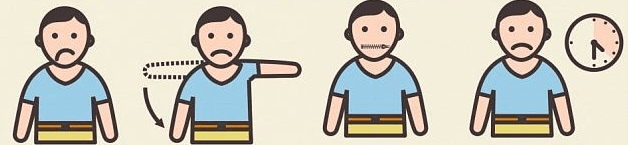
How to recognize a stroke for sure
An accurate diagnosis is possible only after a comprehensive examination. The patient is prescribed laboratory tests, CT, MRI, vascular ultrasound. However, it is often required in time to suspect changes in a person's condition in order to ensure timely hospitalization and treatment. That is why it is recommended to pay attention to the following symptoms:
- one-sided limb weakness or numbness;
- skewed facial area, the presence of numbness in a part of the face;
- impaired ability to speak, fuzzy, incomprehensible speech;
- complaints of dizziness and poor vision;
- loss of normal ability to write, read.
To clarify the patient's condition, it is enough to perform four simple steps:
- Ask the patient to smile. The drooping of the corner of the mouth on one side indicates a loss of control of this part of the face.
- Offer to speak. It is enough for the patient to give his full name or repeat a simple phrase, for example, “It's a sunny day outside.”
- Raise your hands up. With a stroke, a person will not be able to raise both limbs to the same level – one arm will not rise.
- Ask to stick out your tongue – its location will be asymmetrical.
Causes of Stroke
During an ischemic stroke, blood circulation is impaired due to the processes of vasoconstriction or blockage. Oxygen and nutrients do not enter the brain, which causes brain cells to die. They completely die after 48 hours, so it is so important to timely identify the violation and start treatment. But at the same time, the therapeutic window when it is possible to prevent the development of the consequences of a stroke is much smaller – only 4.5 hours.
Hemorrhagic stroke is less common, it occurs more often among people at a young and middle age. However, the mortality rate reaches 90%. This is due to the fact of hemorrhage against the background of vascular rupture. In this case, the blood will flow out under pressure, which provokes the formation of hematomas and tumors. Vessels may not rupture. Then the vascular walls are stretched, allowing the blood mass to flow into the brain tissue. Scars and cysts are the result.
Stroke-provoking factors include:
- A state of increased blood pressure, when constantly increased pressure reduces the elasticity of blood vessels and creates a risk of rupture.
- Heart disease leading to blood clots.
- High concentration of cholesterol in the blood, which provokes the formation of vascular plaques.
- Diabetes mellitus, when the vascular walls become thinner and fragile.
- The presence of aneurysms in the vascular system of the brain, which thin the blood vessels.
- Problems with the composition of the blood, its thickening – lead to blockages.
- Excessive body weight that builds up cholesterol.
- Smoking and drinking. They affect the level of blood pressure and the state of blood vessels.
How to find out if a person has had a stroke using additional examinations?
Many people wonder how to understand that a person has had a stroke? At the initial stage, a series of examinations is carried out to help doctors understand the etiology of apoplexy.
Research has a dual purpose:
- Confirm the diagnosis of stroke by imaging the brain (ischemic or hemorrhagic).
- Find the causes and prerequisites for a stroke.
How do you recognize a stroke using cerebral imaging?
Brain imaging allows you to localize the affected area and the cause of the neurological deficit. If the stroke is ischemic, computed tomography visualizes the topography, extent, and number of lesions.
An MRI of the skull after administration of a contrast agent provides the same type of information, but is more sensitive if a stroke has occurred recently. Angio MRI is used to visualize the main extracranial and intracranial vascular axes.
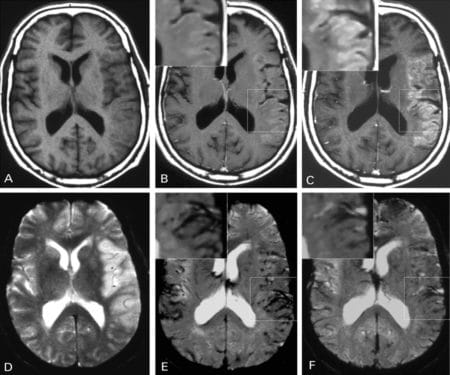
MRT
In the case of an ischemic attack, several examinations are done to identify the underlying cause. Doppler ultrasound of the neck vessels will help detect narrowed arteries and assess their number.
Echocardiography can detect cardiac embolism. A blood clot (blood clot) is rarely visualized and the procedure is performed if the following conditions are present:
- Mitral valve interference.
- Expansion of the left atrium.
- Complications of myocardial infarction.
Analyzes can be supplemented with transpeophageal ultrasound. An electrocardiogram reveals complications of acute myocardial infarction. It can be used to diagnose persistent atrial fibrillation that can cause embolism. In a young patient, for no apparent reason, a search for thrombophilia (a hypercoagulable state of blood, congenital or acquired) may be carried out.
Advice! Don't look for methods of how to identify and treat a stroke at home. If the victim becomes ill, it is necessary to call an ambulance. Every minute is decisive for the patient's health.
First aid
To stabilize the condition, first aid is an important factor. The extent to which it will be correct will affect the patient's health, the speed of his recovery. If you see in a loved one at least one of the signs preceding a stroke, call an ambulance and try to provide first aid yourself.
Reference! It is believed that a person should be taken to a medical facility within 3 to three hours after the first signs appear.
General algorithm of actions:
- suppress panic;
- assess the general condition of the patient: pressure, pulse, breathing, consciousness;
- to determine the obvious signs of the disease, which include fuzzy speech or its absence, paralysis of the limbs, convulsions;
- call an ambulance.
If possible, without waiting for the arrival of the ambulance, it is necessary to start carrying out resuscitation measures. These include cardiac massage and artificial respiration. In this case, the patient must lie on his side or back to provide access to receive oxygen.
If an ambulance cannot arrive for a number of reasons, then you need to transport the patient yourself to the nearest medical facility.
Important! Sometimes you have to act very quickly, performing several points at the same time. In this regard, it is necessary to attract 2-3 people to help.
Thus, according to the above symptoms, you can quickly identify a stroke and provide first aid to the patient. The sooner the diagnosis is made, the better the chances of a successful recovery from the illness. Self-medication in this case should be excluded. All that can be done at home is to provide competent first aid.
Treatment of ischemic stroke
 In the hospital, the primary tests, which are given above, are performed to detect a circulatory disorder in the brain. This is usually sufficient to make a diagnosis. For a deeper study of vascular damage, an ultrasound of the vessels of the brain, computed tomography, and MRI can be prescribed. Then therapy is started.
Treatment for ischemic stroke includes:
- Thrombolysis
If the first signs of a stroke in men and women appeared no more than 6 hours ago, then the patient is prescribed therapy against blood clots. At the beginning of treatment, a thrombolytic agent is prescribed to help prevent the formation of new blood clots and restore normal blood circulation.
Alteplase injections are prescribed. The agent dissolves blood clots and restores normal blood circulation in the vessels of the brain. Alteplase therapy is considered most effective if it is started as soon as possible after an attack. Before using the medication, a diagnostic scan of the brain should be performed to accurately diagnose and differentiate stroke. If you start therapy with alteplase for hemorrhagic stroke, it can provoke even more bleeding and the situation will worsen.
- Thrombectomy
The procedure consists in removing a blood clot from a cerebral vessel using a special suction. It is performed under local or general anesthesia. Thrombectomy is performed in the treatment of ischemic strokes, when a blood clot has formed in a large artery in the brain.
- Aspirin
Patients are given regular doses of aspirin to reduce the risk of blood clots.
- Anticoagulants
They change the composition of the blood so that blood clots stop forming (heparins)
- Blood pressure lowering drugs
Statins (means to lower blood cholesterol levels)
- Carotid endarterectomy
The operation is performed if an ischemic stroke has occurred as a result of narrowing of the cervical artery due to the deposition of cholesterol plaques. The doctor makes an incision in the neck and removes fat deposits in the carotid artery.
GI therapy
 The best treatment option for this type of disease is surgery. If the doctor makes a choice in favor of medications, then he must take into account the possibility of a recurrence of a stroke, since the defect in the vessel will remain. The following medications are prescribed: diuretics, which help to reduce cerebral edema; drugs that lower blood pressure; hemostatic medicines.
The selection of medicines is carried out exclusively by a doctor. Self-prescribing medications for oneself, reducing their dose or even canceling the prescribed drugs significantly worsens human health.
Surgery is especially effective if the cause of the disease has been identified. Initially, the neurosurgeon tries to remove hematomas as much as possible. This is done using a special apparatus through a small hole in the skull. After that, they begin to eliminate the defect in the vessel. Clipping is performed or endovascular technologies are used (filling the gap with special medical spirals).
Physical therapy plays an important role in the treatment of stroke. They begin to do it already after a few days after the attack to develop paralyzed limbs. Physiotherapy exercises will prevent inflammatory processes in the affected joints and help restore sensitivity. The load should be gradual, the strength of the movements should be increased in dosage. In case of speech disorders, the patient is recommended to study with a speech therapist.
Features of the
At home or in any room, it is necessary to provide the victim with an influx of fresh air – open a window or window, even if it is frosty outside.
If a person has lost consciousness, there is no need to try to lift him onto the bed, it is better to leave him on the floor, putting a pillow or jacket under his head and covering his legs with a blanket.
Important! If a blow happened to a person in a store or in a shopping mall, ask those around him to call the security or administrator. An employee will help provide emergency assistance – service personnel are often trained to do this.
Ask the person if he suffers from hypertension, if he is taking medication. If the answer is yes, ask the guards to bring a pressure gauge and measure the pressure. A blood pressure monitor can be obtained from the pharmacy, and they are often available from the administrator in the first aid kit for first aid.
If necessary, give the victim medicine for pressure, if he has it in his purse.
Useful video on the topic:
Nuances for hemorrhagic type
In case of rupture of blood vessels, it is necessary, in addition to standard measures, to apply a cold towel, ice from a freezer, a bag of frozen vegetables to the patient's head – this will relieve swelling and help prevent extensive hemorrhage.
The victim cannot be moved before the arrival of the doctors – it is only permissible to gently turn him on his side or turn his head.
Important! Do not turn the victim onto his stomach! The ideal position is on your side, with your head slightly raised, ice on your head, and a heating pad on your legs.
It is good to rub the patient's feet and hands, you can use a drop of oil.
Nuances for ischemic type
According to the standards of medical care, for ischemic stroke, if the patient has high blood pressure and is conscious, you can give the pills prescribed by the doctor before.
If the patient blushes strongly, sweats – wipe the face and body with a damp towel.
Cover the victim with a blanket, avoiding hypothermia.
If the blow happened on the street
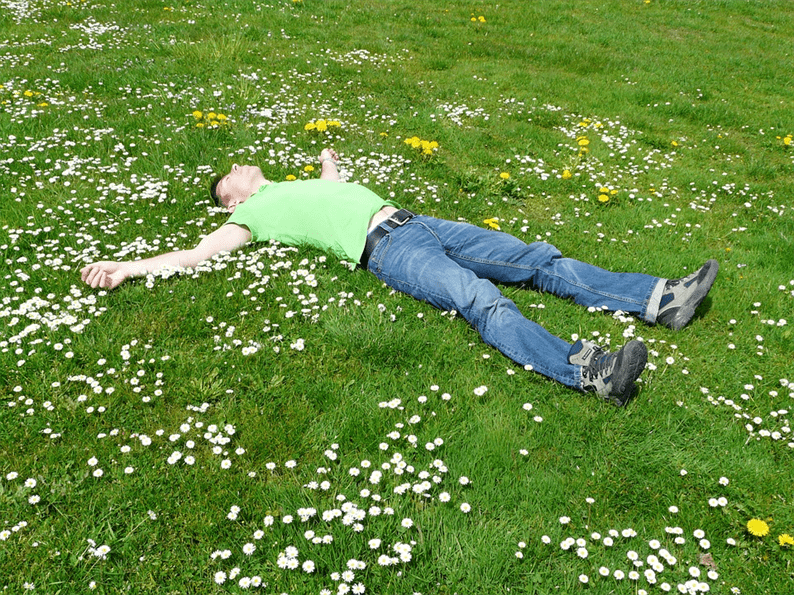 If a person has a stroke on the street, ask others to call an ambulance.
It is better to contact a specific person in this case – this way you will speed up the process of doctors' arrival.
Ask someone passing by to help you lay the victim.
There is no need to lift the unconscious person to the bench, try to bring him into the car – this can worsen his condition. What you should definitely do:
- Place the patient on their side (if vomiting) or on their back. Put a jacket folded several times under your head and shoulders, if this is not possible – keep the victim's head in an elevated state until the ambulance arrives;
- Unbutton the victim's jacket, shirt, provide fresh air;
- When you call doctors, describe the person's well-being in as much detail as possible (is he conscious, is he breathing, is there an intermittent pulse, the skin is pale or cyanotic, is there vomiting);
- Rub the victim's palms, earlobes
- Stay with the person until the doctors arrive, if necessary, leave your phone number to the doctor in the ambulance.
Prevent hypothermia of the patient, be sure to cover his legs, put on gloves if it's cool outside.
How to help yourself when you hit
What actions should be taken if the blow happened to you – on the street or at home?
The most important thing is to calm down. If possible, call for help.
Important! On the street or in a public place, you need to contact a specific person – a girl, a young man, a man – and ask to call an ambulance, explaining that by all indications you have a stroke.
Step by step guide:
- If the attack happened at home and you are conscious – gently, without making sudden movements, call the emergency room, explain the symptoms, open the door in advance and lie on the sofa or on the floor.
- Unbutton outer clothing.
- If you feel that there has been a pressure surge, take the medicine prescribed by your doctor.
- You can also put a valerian tablet under your tongue.
- Wait for the arrival of the doctors, inform your loved ones which hospital you will be taken to.
The main thing is not to make sudden movements and not to panic, so as not to cause an even greater increase in pressure.
What is forbidden to do?
 Unprofessional care can worsen the patient's condition.
What is strictly forbidden to do with a stroke:
- Shake the victim, try to lift him, turn him abruptly from back to side;
- screaming, throwing hysterics instead of help;
- try to drink water or feed the victim;
- try to wake him up with ammonia, slapping his cheeks
- give any medicine.
Important! During resuscitation, the patient's head must not be lowered below the level of the chest!
The most important thing that cannot be done is to be indifferent and pass by if a person feels bad.
Complications
If a person had a stroke, the symptoms (first and second) were ignored, then it can cause very dangerous complications, including the following:
- loss of visual and auditory perception;
- immobility;
- coma;
- a problem with the speech apparatus;
- the appearance of dangerous ailments of the heart and blood vessels;
- memory problems and a decrease in a person's mental abilities;
- epilepsy;
- uncoordinated movements;
- problems with urination;
- fatal outcome.
Recovery
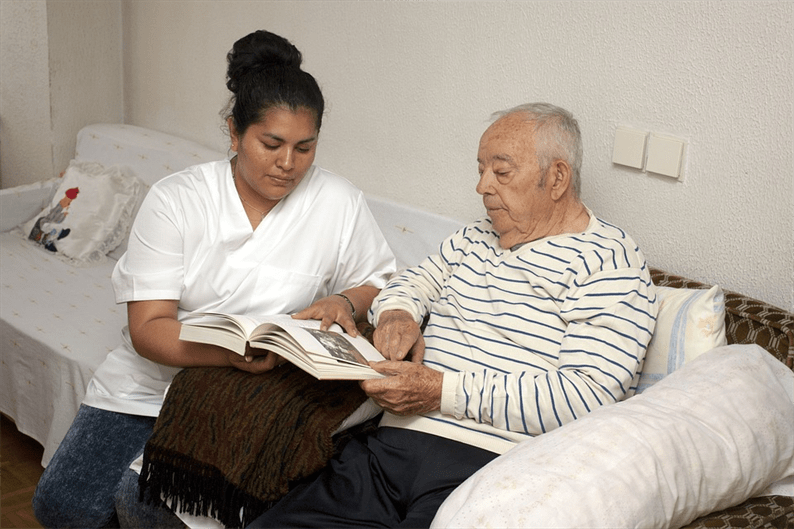 The rehabilitation period of a patient with cerebrovascular accident lasts quite a long time. The first 6 months after a stroke are considered the most favorable for recovery. This time should not be wasted, you need to carefully restore the lost functions of the body.
First of all, you should pay attention to the room where the patient spends his time. The room should be as bright as possible, often ventilated and it is worth wet cleaning every day.
The mattress on the bed should be firm. For bedridden patients, it is necessary to purchase special diapers. They are also advised to perform specially designed breathing exercises on a daily basis to maintain the normal function of the respiratory system.
The diet should be adjusted. Minimize salt and fat intake. Monitor your blood pressure constantly.
Sources used and useful links on the topic: https://bolit.net/bolezni/116-insult.html https://mediccare.ru/pervaya-pomosch-pri-insulte-poshagovaya-instruktsiya.html https: // lechiserdce. ru / sosudyi / 12170-insulta-u-cheloveka-kak-raspoznat.html https://doktor-ok.com/zabolevaniya/golovnogo-mozga/insult/priznaki.html https://SilaSerdca.ru/insult/simptomy- pervye-priznaki-insulta https://doktor-ok.com/zabolevaniya/golovnogo-mozga/insult/pervaja-pomoshh.html
Post source: lastici.ru