Stroke. Causes, symptoms, types and treatment of stroke. Consequences of a cerebral stroke
What is a stroke
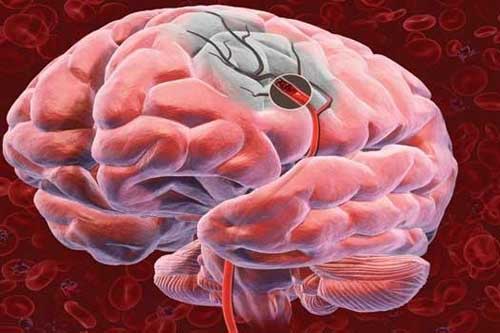
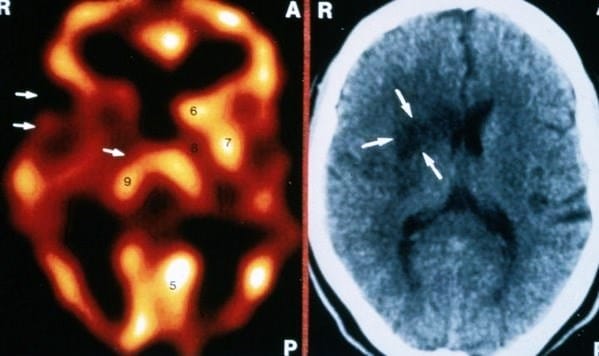
A stroke is a disorder of cerebral circulation in an acute form in some of its areas, as a result of which severe symptoms of a neurological nature appear. A lack of blood supply to the brain leads to nutritional deficiencies. Nerve cells that are located in the areas where the circulatory disorder has occurred are damaged or begin to die off. Therefore, there is a deterioration or loss of the body's functionality associated with the work of the affected brain zones.
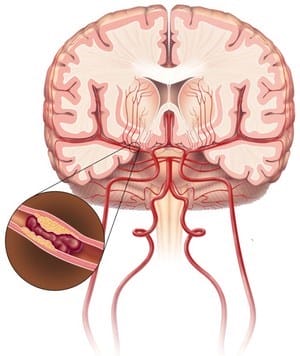
In medicine, two types of stroke are considered – ischemic or hemorrhagic. The first is a consequence of the occlusion of cerebral vessels under the influence of a thrombus or plaque of atherosclerotic origin. The second is caused by a rupture in the vessels.
Stroke symptoms
The onset of hemorrhagic stroke usually occurs in the afternoon. It is often accompanied by a hypertensive crisis, and in some cases it is observed after physical exertion.
Stroke usually has no significant signs. The symptomatology is of a general cerebral nature, its manifestation is accompanied by increased pain in the head, reminiscent of dagger strikes in the region of the cranium. Pain syndrome, as a rule, is characterized by a one-sided effect.
Signs of hemorrhagic stroke include:
- high blood pressure;
- an increase in body temperature;
- nausea syndrome with increasing gag reflex;
- epileptic seizure;
- indifference of a look;
- increased breathing, which is clearly audible, severe wheezing appears;
- the skin becomes purple, feels cold;
- mental problems – stunning and coma.
A number of signs are focal in nature. They depend on the area of the brain where the hemorrhage occurs. Paralysis, muscle weakness, loss of balance, problems with sensitivity, speech and visual disturbances may occur.
In ischemic stroke, the pattern of development is somewhat different. It progresses slowly against the background of the harbingers of the disease. Among the main symptoms are:
- manifestation of paralysis and decreased sensitivity in the arms and legs;
- problems with speech function;
- disorder of consciousness in a patient;
- the presence of nystagmus – movement of the pupils in an arbitrary manner;
- disorder of coordination and gait.
Ischemic
 Spasm or blockage of blood vessels can occur suddenly.
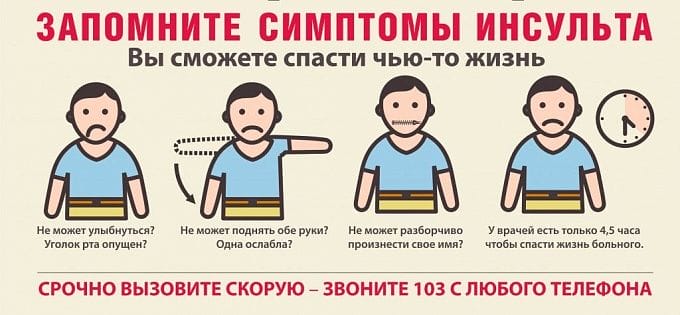
It is imperative to provide a person with first aid if he has at least a few of the following symptoms or a whole group of signs:
- sudden numbness of hands or feet
- loss of orientation – a person forgets for a while who he is, where he is going or is going;- the victim cannot correctly say a simple phrase, does not understand the questions well;
- loses sight – in whole or in part;
- the main sign is the inability to smile, the smile either does not come out at all, or it turns out to be crooked, asymmetric;
- limb paralysis – in severe cases;
- loss of control over the tongue – it can stick out slightly, while deviating to the side.
There may also be neurological disorders – a short-term loss of consciousness, a sharp headache, the victim begins to stir up or vomit.
Hemorrhagic
An extremely severe type of the disease, manifests itself in the form of a rupture of blood vessels in the brain region, hemorrhage and is accompanied by the following symptoms:
- loss of consciousness;
- vomiting;
- sharp, unbearable headache;
- flushed face;
- serious speech disorders;
- a sharp jump in pressure;
- rapid pulse;
- paralysis or severe numbness of body parts – right or left;
- inability to raise both arms symmetrically up or spread apart;
- photophobia, increased symptoms with loud sounds;
- coma.
Important! The faster the victim is given first aid, the higher the chances of a successful outcome. At the first signs of a stroke in yourself or others, you must immediately call an ambulance and start a first aid complex.
Next, we will talk about what to do at the first signs of a stroke and how to provide emergency care at the prehospital stage.
Causes of Stroke
During an ischemic stroke, blood circulation is impaired due to the processes of vasoconstriction or blockage. Oxygen and nutrients do not enter the brain, which causes brain cells to die. They completely die after 48 hours, so it is so important to timely identify the violation and start treatment. But at the same time, the therapeutic window when it is possible to prevent the development of the consequences of a stroke is much smaller – only 4.5 hours.
Hemorrhagic stroke is less common, it occurs more often among people at a young and middle age. However, the mortality rate reaches 90%. This is due to the fact of hemorrhage against the background of vascular rupture. In this case, the blood will flow out under pressure, which provokes the formation of hematomas and tumors. Vessels may not rupture. Then the vascular walls are stretched, allowing the blood mass to flow into the brain tissue. Scars and cysts are the result.
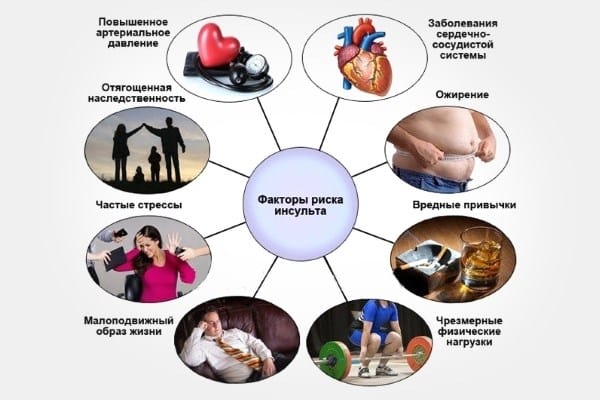
Stroke-provoking factors include:
- A state of increased blood pressure, when constantly increased pressure reduces the elasticity of blood vessels and creates the danger of their rupture.
- Heart disease leading to blood clots.
- High concentration of cholesterol in the blood, which provokes the formation of vascular plaques.
- Diabetes mellitus, when the vascular walls become thinner and fragile.
- The presence of aneurysms in the vascular system of the brain, which thin the blood vessels.
- Problems with the composition of the blood, its thickening – lead to blockages.
- Excessive body weight that builds up cholesterol.
- Smoking and drinking. They affect the level of blood pressure and the state of blood vessels.
What to do before the ambulance arrives?
Upon impact, it is necessary to provide the patient with a sufficient amount of fresh air, prevent vomit from entering the throat and lungs, ensure peace and warmth, and be sure to place the victim in a horizontal position.
Also, if possible, it is necessary to prevent the patient from moving independently, to collect an anamnesis (for correct primary diagnosis).
If it is cool indoors or outdoors, cover your legs and lower body with a blanket or jackets.
If the patient has cramps, turn him to one side and try to insert a folded handkerchief between his teeth.
Algorithm of actions
What if all the symptoms of a brain disorder are present, and the patient is at home? First of all, you should perform the following algorithm of actions for emergency care:
- calm both yourself and the victim – increased nervousness can worsen the patient's condition, lead to a jump in pressure;
- check all symptoms – pulse, pressure, problems with consciousness and speech;
- if there are at least two symptoms, immediately call an ambulance, describing in detail the person's condition;
- ask the victim (if he is not familiar to you) the circumstances of the blow and the presence of diseases (hypertension, diabetes mellitus);
- to lay the patient – if there is vomiting, then to one side, if not – on his back, raising his head and legs;
- unbutton the victim's shirt or jacket ; if the blow occurred indoors, open the window;
- if the patient has lost consciousness or is not breathing, if possible, perform artificial respiration and heart massage;
- if the patient has high blood pressure and has pills, give medicine. Before the arrival of doctors, these are the only drugs that can be given to a person with a stroke.
Also, in some cases, a gentle massage of the ears and head can relieve the victim's condition. Similar first aid should be provided in the event of a heart attack.
Important! Before the ambulance arrives, you should not give the patient any medicine, drink water or try to feed. This can blur the symptoms and lead to additional bouts of vomiting.
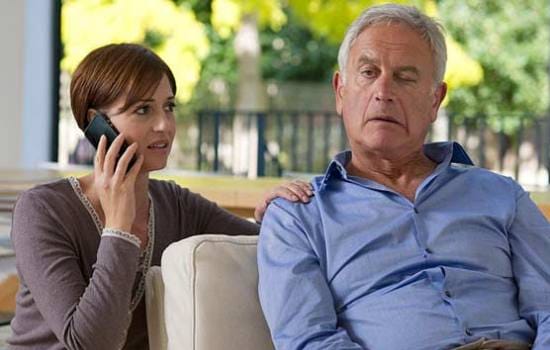
First aid for stroke indoors
If there are suspicions of the development of a stroke in hemorrhagic or ischemic form, then it is necessary to promptly call an ambulance.
While waiting for doctors, you need to provide the victim with first aid:
- Place the victim in a horizontal plane so that the head with the shoulder girdle is above the level of the body. You can rest it on the pillows. This will prevent cerebral edema.
- Create conditions for the flow of fresh air. It is necessary to unfasten the belt, collar, tie or tight clothing. When you are in the room, open a window or window for the flow of oxygen.
- If you have a device, measure the person's pressure. In some cases, it is permissible to give the pressure-lowering agents that are usually used by the patient, although it is advisable to wait for the arrival of the medical staff. You can put your feet in a bowl of hot water or apply a heating pad to your lower extremities – this stimulates the outflow of blood from the brain. It is permissible to use several tablets of glycine under the tongue.
- If the patient is unconscious, but the respiratory function is preserved, he should be turned on his side, bending one leg at the knee and placing his hand under his head. So you eliminate the risks of tongue sinking and choking on vomit.
- The patient should not be given food or liquid until there is confidence in the presence or absence of swallowing function.
- With the vomiting reflex, it is advisable to turn the head to the side and clear the oral cavity from extraneous masses.
- If you do not feel the pulse or respiratory function, it is advisable to start resuscitation measures – to carry out measures of chest compressions or mechanical ventilation.
- In case of an epileptic seizure, turn your head to the side, place a pillow under your head. While fixing the head, remove the components of the emerging foam with a handkerchief. To exclude damage to the tongue, separate the teeth with a comb or stick, after wrapping them with cloth.
- Medicines, especially vasodilators, should not be given.
First aid for stroke on the street
The most severe case is stroke in a person driving. In such a situation, there is a threat not only for the patient, but also for passengers, other drivers and pedestrians. Stop transport, open windows and call an ambulance.
First aid algorithm for stroke:
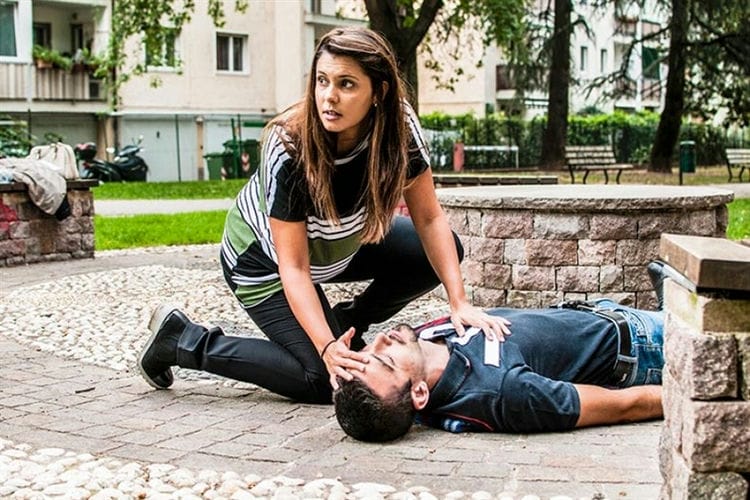
- If the attack occurred on the street, then you should adhere to the above order, while eliminating the influence of other life-threatening factors.
- After laying the patient down, a roller of clothing, a bag or other items should be placed under him, which will ensure the elevation of the head and shoulder girdle by 30 degrees.
- Provide airflow by removing tight clothing, collar and waistband unbuttoned.
- While waiting for the arrival of medical professionals, you can give the patient glycine under the tongue.
- In the absence of breathing, pulse, it is required to begin manipulations with the aim of resuscitation.
- It is important to monitor the condition of the victim and prevent the accumulation of vomit.
If the attack has passed, it is imperative to visit a doctor. This condition is a sign of a transient ischemic attack, followed by a stroke.
Nuances for ischemic type
According to the standards of medical care, for ischemic stroke, if the patient has high blood pressure and is conscious, you can give the pills prescribed by the doctor before.
If the patient blushes strongly, sweats – wipe the face and body with a damp towel.
Cover the victim with a blanket, avoiding hypothermia.
Nuances for hemorrhagic type
In case of rupture of blood vessels, it is necessary, in addition to standard measures, to apply a cold towel, ice from a freezer, a bag of frozen vegetables to the patient's head – this will relieve swelling and help prevent extensive hemorrhage.
The victim cannot be moved until the arrival of the doctors – it is only permissible to gently turn him on his side or turn his head.
Important! Do not turn the victim onto his stomach! The ideal position is on your side, with your head slightly raised, ice on your head, and a heating pad on your legs.
It is good to rub the patient's feet and hands, you can use a drop of oil.
Ambulance standard
You should not give yourself medications to a stroke victim, limiting yourself to first aid. Follow-up assistance will be provided by specialists.
Emergency procedure for nursing staff
The algorithm of actions of a nurse and a paramedic to provide emergency care for a stroke includes several mandatory points:
- Conducting an indirect heart massage.
- If necessary, artificial respiration is done.
- Tracheal intubation is performed.
- In ischemic stroke, thinning drugs are injected into the blood.
- In the case of hemorrhagic stroke, thrombus-forming agents are used.
- Anticonvulsants are administered to a patient prone to seizures.
- When blood pressure is high, medications are used to lower it.
- If cerebral edema is suspected, osmodiuretics may be given.
- The use of drugs that promote better blood circulation.
How to help yourself with a stroke
If you feel unwell and your ailments are very reminiscent of the symptoms of a stroke, immediately call an ambulance, inform any person about it, calling for help from a neighbor or a passer-by on the street. Next, you need to act according to the standards of care for stroke:
- First of all, calm down, open the windows and the front door (so that the medical team can easily enter the house).
- Get into a comfortable position on the bed with your head slightly raised. If this happened on the street, lie with your back on the nearest bench or on the sidewalk, placing any object at hand under your head, be it a handbag or outerwear.
- To improve breathing, free the neck and chest from the constraining attributes of clothing (scarf, shawl, tie, etc.).
- Lie still, do not make any sudden movements and wait for the arrival of the “ambulance”.
Of course, helping yourself in such a situation can sometimes be difficult, so do not hesitate to ask other people for help.
How to help yourself when you hit
What actions should be taken if the blow happened to you – on the street or at home?
The most important thing is to calm down. If possible, call for help.
Important! On the street or in a public place, you need to contact a specific person – a girl, a young man, a man – and ask to call an ambulance, explaining that by all indications you have a stroke.
Step by step guide:
- If the attack happened at home and you are conscious – gently, without making sudden movements, call the emergency room, explain the symptoms, open the door in advance and lie on the sofa or on the floor.
- Unbutton outer clothing.
- If you feel that there has been a pressure surge, take the medicine prescribed by your doctor.
- You can also put a valerian tablet under your tongue.
- Wait for the arrival of the doctors, inform your loved ones which hospital you will be taken to.
The main thing is not to make sudden movements and not to panic, so as not to cause an even greater increase in pressure.
What not to do
There are strict rules, which is strictly forbidden to do with stroke. If you are not a qualified specialist, your task is only to call an ambulance and, if possible, help the patient, acting in accordance with generally accepted instructions.
When providing first aid for a stroke, it is prohibited:
- Feed and water the patient. In addition, give or administer any pharmacological drugs.
- Use ammonia if you lose consciousness. This solution can cause respiratory arrest.
- Forcibly unclenching the clenched jaw of a person with an epileptic seizure. Excessive pressure can injure your teeth, tongue, or jaws.
- Move the victim from place to place, and even more so independently (without the instructions of doctors) take him to a medical facility. Transportation of a patient after a stroke should be carried out only in the presence of a doctor and specialized transport, which has everything that is necessary to provide emergency care.
Many, trying to help a person with a stroke, give him pills, begin to do massage, pierce the earlobes, fingertips with a needle, or carry out other useless manipulations prescribed on the Internet. It must be understood that such actions can aggravate the already serious condition of the patient.
Prehospital errors
Actions to be avoided when providing help so as not to harm a person:
- Many, trying to help the patient, begin to disturb him, sharply shake, move, turn, try to plant it more comfortably. This is not recommended. You should carefully treat the patient and do everything with caution.
- There is no need to panic and even more so to show your state of excitement to the patient.
- Food and drink should be avoided.
- It is forbidden to use ammonia, which can cause respiratory arrest in case of a stroke.
- The patient should not unclench his teeth. There is a risk of injury from unconscious human actions.
- It is necessary to refrain from administering pharmaceutical preparations to the patient until the arrival of an ambulance.
In the case of an epileptic seizure, accompanied by a loss of consciousness of a person, you should not unclench the patient's fingers, hold him and try to bring him to consciousness with ammonia.
It is advisable to insert an oblong object between the teeth to avoid biting the tongue. There should be a soft object under the head that protects against injury from blows.
What is the probability of death?
It is possible to find out how many years they live after a stroke, based on statistical data, but a specific case must be analyzed. Each of them is unique, does not develop according to generally accepted rules, but includes a huge range of individual characteristics. Take the numbers given as a big picture, which does not necessarily apply to your loved one.
With ischemic form
How long they live after an ischemic stroke, first of all, depends on the type of brain damage. The probability of death in atherothrombotic and cardioembolytic injury is 15 to 25%. According to forecasts, the least number of patients, about 2%, dies with the lacunar type. The cause of death in the earliest stages arises:
- With edema located in the area of vital centers, or with cardiac pathology. For this reason, 40% of patients die in the first week.
- In the first 30 days, death is caused by: pulmonary thrombosis, pneumonia, heart failure.
The following statistics show how long people live after a stroke:
- Up to 70% of people overcome the 12-15 month line.
- With unfavorable concomitant diseases (old age, cardiovascular disorders, not normalized blood pressure), half of the stroke patients overcome the 5th birthday.
- The ten-year period is overstepped by 25% of patients.
- About 18% are recovering and live more than the listed terms.
Atherothrombotic, thromboembolic ischemic stroke is the most dangerous form that can lead to death.
With intracerebral hemorrhage
Hemorrhagic stroke is more dangerous, therefore it leads to death in up to 65% of patients. The reasons are the same as for ischemic stroke. Plus, the vastness and area of the affected hemisphere matters. If the volume of the hematoma exceeds 60 ml, the patient is likely to die unless urgent surgery is performed. Aggravating symptoms:
- the person is in a coma;
- complete paralysis of the left or right side (hemiplegia);
- elevated blood glucose levels;
- the patient's age is over 70 years;
The most severe form of the disease is cerebellar hemorrhage. First, it is the most difficult to diagnose. Secondly, the disease often develops rapidly. A person can die before an ambulance arrives. Therefore, if a stroke is suspected, accompanied by vomiting, pain in the back of the head, loss of consciousness, a cut in the limbs, high blood pressure, every second counts.
There are about 10% of cases of damage to the cerebellar region. Most often people who have reached old age – from 60 to 80 and more years – are exposed to severe attacks.
The likelihood of a second attack
Half of people who have had a stroke are at risk: a second stroke can occur at any time. As a rule, the consequences will be more severe, the recovery period will be longer. This leads to: unfavorable concomitant diseases, non-compliance with the doctor's prescriptions, a return to bad habits.
How many strokes can a person suffer? It is popularly believed that no more than three, but this does not depend on the quantity, but on the patient's condition and the severity of the consequences of the injuries suffered. In fact, three or four attacks can be tolerated. Much depends on the timely medical care provided and the patient's compliance with rehabilitation measures.
Cardiovascular complications are the most common cause of death. They are also one of the main factors causing recurrent stroke. To prevent relapse, you need to be monitored by a specialist if you have:
- high blood pressure;
- signs of the development of atherosclerosis;
- high cholesterol;
- diabetes.
The risk of a second stroke increases if:
- the patient's age is over 60 years old;
- atrial fibrillation worries;
- diagnosed with heart failure;
- you are overweight;
- have bad habits;
- exposure to physical or emotional stress.
The consequences of a stroke
The effects of a stroke are different for each person. Some people, thank God, have no consequences, others may have a temporary or permanent disability, for example:
– paralysis or loss of muscle movement;
– impaired speech or swallowing;
– loss of memory or problems with clarity of understanding;
– pain or numbness in some parts of the body;
– loss of the ability to take care of yourself.
Remember that a person who has had a stroke needs care, love, and understanding. Help such a person, be patient.
Stroke recovery (rehabilitation)
After leaving the hospital, a person who has suffered a stroke needs recovery (rehabilitation). Restorative post-stroke therapy is the paramount item in the treatment of stroke, because the risk of developing a secondary stroke according to statistics is 4-14%.
It's very good to send the person to a specialized rehabilitation center right away.
In such centers, a person will be helped to restore strength, body functions and return to independent life. The effect and duration of recovery depends on the area of the damaged brain and the extent of the damage.
Stroke recovery procedures
Physiotherapy exercises (kinesitherapy). It is prescribed to restore full range of motion, strength and dexterity, as well as balance and self-care skills. Therapeutic exercises are carried out under the supervision of a physician, with the measurement of pulse and pressure. During physical education, it is imperative to give a person a rest.
First, this is passive gymnastics, for the patient, the movements are performed by a rehabilitation therapist or trained relatives, then the exercises become more complicated, a person re-learns to sit, get up, stand and walk, eat on his own, dress, adhere to the rules of personal hygiene.
Massage. The massage consists in slowly and lightly stroking the muscles in which the tone is increased. Grinding and gentle kneading is also possible.
Anesthesia. To relieve pain, procedures such as electrotherapy, magnetotherapy and laser therapy are recommended. The procedures relieve pain, activate immunity, improve microcirculation, etc.
Improving tissue trophism. To do this, use: ozokerite, paraffin applications, hydro procedures, etc.
Fixing bandage. It is prescribed for sore shoulder syndrome.
Speech rehabilitation. To restore one's own speech and to understand the speech of others, classes with a speech therapist-aphasiologist are assigned. These include exercises in the classroom as well as homework to restore writing, reading and counting.
Psychological and social adaptation. For a person who has suffered a stroke, the support of friends, relatives and friends is very important, who could surround him with care and love. A positive attitude is essential for a full recovery. A healthy psychological climate in the family, smiles and help are needed. Show patience, communicate, find such a person an occupation (hobby) of interest, take part with him in cultural and social events. After all, it is not for nothing that the Holy Scriptures say: “A cheerful heart is wholesome, like medicine, but a dull spirit dries up the bones” (Proverbs 17:22).
Stroke recovery medications
After general recommendations for recovering from a stroke, we will consider medicines that will help us carry out post-stroke therapy.
After hemorrhagic strokes, blood thinners should not be taken, because from these funds the secondary development of the disease increases. All other drugs are prescribed not differentially, regardless of the type of stroke.
Medicines that improve the blood supply to the brain: “Pentoxifilin”, “Cavinton”, “Cerebrolysin”, drugs based on aspirin.
Drugs that improve metabolic processes in brain cells: “Ceraxon”, “Actovegin”, “Solcoseryl”, “Cinnarizin”, “Ginkgo-Fort”, “Cortexin”.
Nootropics (drugs that have a specific effect on higher brain functions). Such drugs are able to stimulate mental activity, activate cognitive functions, improve memory and increase the ability to learn: “Piracetam”, “Noofen”, “Lucetam”.
Combined means: “Fezam”, “Neuro-norm”, “Tiocetam”.
Also use:
“Glycine” – reduces the excitability of the nervous system);
“Sirdalud” – eliminates muscle tension, muscle spasm and hypertonicity;
Herbal teas and herbal teas;
Gidazepam and Adaptol are antidepressants.
Man after hemorrhagic stroke
This type of stroke is considered to be the most dangerous, because it is associated with cerebral hemorrhage, which means that the affected area can have a significant area. Patients with hemorrhagic stroke experience severe problems with movement, speech, memory and clarity of consciousness. Partial paralysis is one of the most common consequences; it affects the right or left side of the body (face, arm, leg), depending on the location of the brain damage. There is a complete or partial loss of motor activity, changes in muscle tone and sensitivity. In addition, behavior and psychological state change: speech after a stroke becomes slurred, incoherent, with obvious violations of the sequence of words or sounds. There are problems with memory, character recognition, as well as depression and apathy.
Man after ischemic stroke
The consequences of this type of stroke may be less severe; in the mildest cases, after a short period of time, the body's functions are fully restored. Nevertheless, doctors do not give positive forecasts so often – problems of blood circulation in the brain rarely go away without a trace. After ischemic stroke, there are disorders in swallowing, speech, motor function, information processing and behavior. Often this type of stroke is accompanied by subsequent pain syndromes that do not have a physiological basis, but are caused by neurological problems.
Throughout the recovery period after a stroke, you need to carefully monitor the upper limit of the patient's blood pressure in order to take timely measures in case of a dangerous increase. The normal indicator is 120–160 mm Hg. Art.
Features of care for patients after a stroke: expert advice
If the result of a stroke is paralysis, then the patient needs bed rest. In this case, every 2–3 hours, the position of the patient's body should be changed to avoid the formation of pressure ulcers. It is necessary to monitor the regularity and quality of the discharge, change linen in a timely manner, observe any changes in the skin and mucous membranes. At later stages, first passive, and then active gymnastics, massage should be practiced, it is necessary to restore the patient's motor functions, if possible. During this period, psychological and emotional support from relatives and friends is very important.
Duration of rehabilitation after stroke
It is necessary to take measures to restore each lost body function after a stroke as soon as the patient's condition stabilizes. With an integrated approach to this task, motor activity returns to the patient after 6 months, and speech skill – within 2-3 years. Of course, the term depends on the degree of brain damage, the quality of the procedures performed, and even the desire of the patient himself, but if you approach the problem with all responsibility, then the first results will not be long in coming.
The more sudden a stroke occurs, the more shocking the consequences become. Yesterday your close relative was healthy and cheerful, but today he cannot do without outside help. It is necessary to understand that in this situation, a lot depends on the people who are next to him. And it's not only the degree of professionalism (although this is an important factor), but also in simple human care and understanding.
Stroke prevention
The main prevention of stroke is the identification and elimination of risk factors. Consider the basic rules and recommendations that reduce the risk of stroke or recurrent stroke:
- be calm and positive;
- maintain a healthy weight, avoid obesity
- eat right, focusing your diet on fresh fruits and vegetables so that the body gets all the vitamins and minerals it needs
- limit yourself to salt intake;
- lead an active lifestyle;
- get enough sleep, the best sleep will be if a person goes to bed at 21: 00-22: 00;
- give up bad habits (alcohol, smoking, drugs);
- control your blood pressure (for hypertension
- control your blood sugar, which can be done with a glucometer;
- control the level of “bad” cholesterol in the blood.
Sources used and useful links on the topic: https://mediccare.ru/pervaya-pomosch-pri-insulte-poshagovaya-instruktsiya.html https://doktor-ok.com/zabolevaniya/golovnogo-mozga/insult/pervaja-pomoshh .html https://inBrain.top/bolezni/insult/lechenie-in/pervaya-pomosch-v-domashnih-usloviyah.html https://MedicoWay.ru/zabolevaniya/serdcze/pervaya-pomoshh-pri-insulte.html https://vsepromozg.ru/teoriya/posle-insulta-chelovek https://mediccare.ru/insult-prichiny-simptomy-vidy-i-lechenie-insulta.html https://www.pravda.ru/navigator/ zhizn-posle-insul-ta.html
Post source: lastici.ru