
Muscles ache after training – why and what to do. Muscle pain after exercise: good or bad

The nature of muscle pain
Muscle pain after training occurs due to tears of muscle fibers and, as a rule, is observed only at the initial stage of training, when the muscles are not yet adapted to the load received. The most severe pain is observed in beginners in the first weeks of training, in experienced athletes after a long break in training or when changing a work program. This process is normal, it does not physically affect the effectiveness of the training (it affects morally, since it is harder to deal with pain) and, as it adapts to the load and the regularity of training, it almost completely disappears.
Why does muscle pain disappear over time? It's simple. At the first time of training, thin muscle fibers are not adapted to heavy physical exertion, therefore, under its influence, they strain. These tears are not traumatic tears in the literal sense of the word, but are micro-tears. Over time, they heal, the fibers thicken, become more ready for stress and stop tearing. However, if you change the training program or take a long pause in training and start practicing again, the situation will repeat itself. The muscles will again take time to adapt to the new load for him.
Good and bad pain
Pain can be “good” or “bad.” It can come from really hard work, but pain often signals muscle and joint damage. And if you do not pay attention to what, where and when it hurts, you are unlikely to achieve more or less serious results in fitness, not to mention that you will ruin your health.
“Good” and “bad” pain for beginners (and experienced amateurs too) is not easy to distinguish. However, specialists have professional secrets that will help you understand your post-workout sensations and draw appropriate conclusions.
The good side of pain
In strength training, there are two types of natural and therefore safe pain for the body. The first is muscle pain during the last and usually hardest repetitions of the exercise. This type of pain is most often experienced by most people after intense training. The cause of its occurrence is considered to be micro-ruptures and microtraumas of muscle fibers, as well as the accumulation of lactic acid in loaded muscles.
Secondly, this muscle pain, which comes much later, on vacation. In medicine, it is called delayed muscle pain.
Accumulation of lactic acid
Lactic acid is a by-product of the physiological processes that take place in the muscle being exercised. With each repetition, it becomes more and more. Well, at the end of the approach, it becomes so much that it “burns” the pain receptors and causes a special sensation, very similar to a burning sensation. The further, the stronger it is.
 Scientific studies have shown that the accumulation of lactic acid in muscle is safe in itself. After you put the sports equipment aside, the blood almost instantly flushes the lactic acid from the muscle, and it ends up in the general bloodstream. The total acidity of the blood rises, and this has a stimulating and rejuvenating effect on the entire body. It's another matter that many contradictory fitness myths are piled up around this very burning sensation.
In the years when Arnold Schwarzenegger was a very young champion, it was believed that pain during exercise was a criterion for its effectiveness. The more painful it is, the better. The halls were filled with screaming bodybuilders wriggling under the weight. By the way, a similar point of view existed in other sports, so that those who could not endure pain were generally denied the right to consider themselves a real athlete.
When science began to study the phenomenon, it did not find a direct connection between pain and the result. The result, as it turned out, depends on the weight. The larger it is, the better muscles grow – in both men and women. Moreover, if you regularly bring yourself to pain, training becomes the strongest nervous stress that interferes with the growth of results.
Here's the conclusion: there is no need to be afraid of such pain, but there is no need to deliberately bring the matter to a scream – there is no point. Among hard-working fitness women, there is such a technique: before training, they throw a pinch of soda into a glass of water and drink. The acidity of the blood decreases and the pain threshold of the muscles becomes significantly higher. The burning sensation is very weak, or it is not at all.
Retarded muscle pain (ZMP)
Delayed muscle pain always occurs if you give yourself unusual physical activity. In this sense, lagging pain is not only common for beginners. It cannot be avoided if you master new exercises, return to half-forgotten complexes, increase the intensity, duration or frequency of training – in a word, if you are doing fitness correctly, according to science.
This pain is caused by microscopic tears in the muscle fibers. These micro-tears are tiny wounds. This is where the pain comes from. Microtrauma prompts the body to activate its internal defenses – there is an active secretion of hormones that stimulate healing and suppress inflammation. In the muscle, the division of protein cells increases – just like when you cut your skin. As a result, the muscle gains its volume and weight.
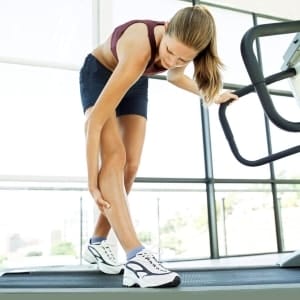 It is curious that the process extends to the body as a whole, because the blood carries hormones throughout the body. Hair and nails grow faster, and the skin also renews itself faster. An important question: since this pain accompanies muscle growth, should it occur after each workout? And can training without ZMB be called bad?
In fact, ZMB syndrome gets weaker over time. After 3-4 workouts, even a completely new exercise does not provoke muscle pain, but this does not mean that the exercise did not work. However, one workout program should not be practiced for more than 2 months. Well, if you changed the complex, and there is still no pain, this is a sure sign that the intensity of the exercise is too low.
It's about injuries. And they all have varying degrees of severity. There are fractures, sprains, inflammation of the joint capsule, bursitis, etc. According to statistics, fitness is the most traumatic sport. There are no accidents like motorcycle races. However, injuries do happen. Where do they come from?
The first and only reason is lack of caution. Let's say you gave up on a warm-up hand and immediately took up heavy exercises. Injury guaranteed! It happens that simulators provoke injuries, again due to negligence. You sat down in the simulator, you feel that it is uncomfortable for you, but you continue the exercise anyway. Your joints are under “improper” stress, and this is a real prerequisite for injury.
The training regimen is fatal. Thoughtlessly heavy loads, lack of rest also lead to injuries.
Acute pain caused by trauma
How do you know what caused the pain – injury or banal muscle fatigue? Here are the typical signs of trauma: with trauma, the pain is aching, acute. Sometimes, when the limb moves, painful lumbago occurs. Sometimes a swelling or bruising occurs at the site of the injury. If you hear a clicking or crunching sound in the joint while exercising, be alert. These are the harbingers of imminent trauma. To avoid injury, follow these simple rules:
- Before each workout, do a warm-up, preparing the muscles for stress;
- Do not get distracted when doing strength exercises;
- Before lifting large weights, learn the technique of the correct execution of the movement in the exercise;
- In the initial period of strength training, increase the load on the wrist, elbow, ankle and knee joints slowly and gradually;
- Eliminate exercises that cause pain from your workout;
- Ensure that the strength training equipment is in good working order and observe the order and safety rules in the gym
Overtraining
If the muscle has not had time to heal microtraumas, the next workout will be frankly harmful. And if more than a dozen of such “harmful” workouts accumulate, overtraining will come – a state of physical exhaustion. It is accompanied by a decrease in immunity, and therefore foci of inflammation appear in the stressed joints. At the same time, hormonal secretion decreases, and with it the strength of the tendons and joint tissues decreases. The injury is just a stone's throw away.
An important sign of overtraining is wandering, phantom joint and muscle pain. Unpleasant, nerve-racking pain appears an hour or two after training, and it comes and goes as it pleases, for no external reason. Here you need to immediately take action: sharply drop the intensity of training. If the pain persists, stop training for 2-3 weeks.
You have to love good pain – there is simply no other way out. When it comes to bad pain, it's easier to prevent than to cure. Unfortunately, the treatment of injuries of the osteo-ligamentous apparatus is complex and protracted. The diseased limb cannot be loaded, so training, alas, will have to be abandoned. In addition, injuries are rarely fully healed. Then relapses occur, and the course of treatment begins again.
First of all, say a resounding “no!” your impatience. Each of us wants to fulfill his dream faster, but our body is able to “digest” far from any physical activity. Train in moderation, increasing the intensity of your training to match your endurance and strength. Ignoring warm-ups, unnecessary reps, sets and exercises – all of this, more likely to lead you to injury than to records.
Special care should be taken by those who come to the fitness center after years of physical inactivity. Do not hesitate to call the instructor to you, and let him check the correctness of the exercise by you, which seems uncomfortable to you. If everything is in order with the technique, but the exercise still causes discomfort in the spine or joints, cross it out of the workout. Perhaps the accumulated stoop or the individual characteristics of the skeleton is bothering you. Know, there are no irreplaceable exercises in fitness!
Stretching is of paramount importance in injury prevention. Coarse, sedentary joints are prone to injury. Start your fitness journey with Pilates or Yoga. Get athletic flexibility first, then head to strength class.
The mechanism of pain development
Pain syndrome is a consequence of a process in which muscle fibers are damaged or destroyed. Studies have shown that during exercise, the main structural muscle cells – myofibrils – are displaced, and some of them disintegrate. As a result, there is a sharp increase in the level of leukocytes in the blood, which is characteristic of infectious and inflammatory processes in injuries and diseases.
The products of the breakdown of muscle tissue are fragments of protein molecules, which are becoming more and more, at the same time, the activity of phagocytes and lysosomes – cells that absorb damaged tissues – increases. These cells, in turn, secrete pain-causing substances. And muscle fibers continue to break down with the formation of special substances that stimulate protein synthesis by the surrounding tissues.
It has been noticed that weightlifters and bodybuilders have muscle soreness only after the first workout, and over time, subject to regular exercise, the pain dulls. But after breaks, especially long ones, they appear again.
At the end of a sports activity, protein synthesis is accelerated in the body, and creatine phosphate, an organic compound that serves as a rapidly mobilized reserve of high-energy phosphates, accumulates in the muscles. The latter support the reverse synthesis of adenosine triphosphate – the energy “currency” of cells, consumed during movement.
In addition, the level rises, and the work of glycolysis enzymes is activated, that is, glucose is oxidized at an accelerated rate. As a result, the source of energy required for muscle contractions increases. With regular training, this source becomes inexhaustible.
If a person regularly goes to training, the energy potential for skeletal muscles is steadily increasing. Consequently, the indicators of endurance and strength also increase.
Some athletes, especially beginners, make the mistake of going overboard by training too hard.
But there is also a downside to the coin: over time, the stress effect on muscles decreases, and their adaptive capacity slows down. This phenomenon even has its own name – a training plateau, upon reaching which it becomes necessary to change loads and training conditions. Splits change, rest time between sets increases or decreases, supersets are introduced or removed, the types and weights of weights vary.
Can I continue to study
Is it possible to play sports if the muscle pain has not yet disappeared after the previous workout? It all depends on how much they hurt. With severe pain, you should not go to the gym, since physical activity should be enjoyable and lead to progress, and not cause the feeling of a “squeezed lemon”.
In addition, if you load muscles that have not fully recovered, then overtraining and even death of muscle fibers can occur. You should find your ideal balance between the need for microtraumatization for further muscle growth and well-being.
A 10-point scale can help in this, with the help of which readiness for physical activity is assessed. The absence of pain is taken as 0, 10 means high intensity pain syndrome. If after the last workout the muscles hurt somewhere in the C, then you can and should do it.
With pain, the intensity of which corresponds to 5-6 points, training also does not hurt. 7 points is already a limit, which means that you need to rest or change the type of activity. For example, if your legs hurt badly, you can do arm or abdominal exercises. It is categorically not recommended to load the strained muscles a second time.
In general, muscle pain is a kind of indicator of the quality of the training process. Worst of all, if they do not hurt at all or hurt too much. Moderate soreness is the very golden mean to which one must strive.
It is also worth noting that by exercising regularly for 2-3 weeks, a person increases his potential, therefore, instead of discomfort and soreness, only a pleasant heaviness in the body will be felt.
When to go to the next workout
In case of severe pain, it is better to take a break of 2-3 days. For some, it may take a couple more days, especially if the person has never played sports before. On the second day, you should not go to do fitness or bodybuilding, so as not to injure the muscles even more and give them time to recover.
In any case, muscle pain is not a reason to stop training and is not a sign of “unsportsmanlikeness”, you just need to adjust the schedule of classes “for yourself.”
Can you exercise if there is muscle pain?
Unambiguously, if pain persists in the muscles, it means that they have not fully recovered after the load, and it is not worthwhile to carry out full-fledged training of such muscles. The causes of pain lie in complex mechanisms of immunity, destruction of intracellular structures, restoration of energy reserves, etc.
If the muscle pain is severe
If the pain is severe, there can be no question of any training. You need to give yourself time and recover. Usually 2-3 days are enough for the pain to stop causing discomfort.
If the pain is bearable
But, if the pain is minor, I usually recommend doing a light workout of these muscles 1-2 days after the very workout from which the muscles ached.
Easy means one or two exercises on the muscle, two approaches each. The weight of the shells should be no more than 60% of the worker. The number of repetitions is no more than 12-20. An important condition is to do this workout if you feel like exercising. Otherwise, it is worth waiting for the pains to pass.
When you can't practice
The answer to the question “is it possible to train if the muscles still hurt”, will be unequivocally negative in case of injury. Sometimes it is difficult to recognize a muscle or ligament strain, especially for beginners.
You can get injured when forcing loads using too heavy weights, insufficient warm-up, or unsuccessful and sudden movement. Symptoms of damage do not always appear immediately, often soreness does not appear until the next day.
The pain syndrome caused by trauma is usually acute and constricting in nature, aggravated by movement. Do you need to train in such conditions? In no case. If the pain persists and even intensifies, it is imperative to see a doctor and find out the cause.
BTW: the cause of damage to muscles and ligaments can be improper execution technique, an untreated chronic injury, or the mechanism of the simulator, which is not adjusted in accordance with the height and weight of the student.
No pain no gain?
The well-known slogan “no pain – no growth” turned out to be a fiction, a myth, and this postulate has long been refuted by scientific data. There is no doubt that a person in the process of sports activities is obliged to constantly increase endurance. However, when muscles ache after training as from a beat, this has nothing to do with the norm.
Exercise to the point of exhaustion in the sports and medical community is discouraged as it does not benefit the body
BTW: Excessively prolonged exercise causes a burning sensation in the muscles, due to which the intensity of the pain increases significantly. The same “pain threshold” is approaching, which not all athletes are able to increase. As a result, malfunctions in the work of the whole organism are not excluded.
It is important to know that mild discomfort during exercise is natural, while pain is never. No exercise should be done through pain, as it may indicate an injury. But a little soreness is still allowed, especially in novice athletes.
The meaning of the quote “no pain no gain” was rejected by medical specialists, however, even today, many are convinced of the inevitability of pain during exercise. Of course, training can and should be intense, but severe pain is always a signal to slow down or need to rest.
The goal is to be in good shape
In this case, we are not interested in the constant increase in the load, and therefore there should be no question after how many workouts the muscles will stop hurting. Pain, if it will be present, it will be only at the beginning of training. Gradually, when the muscles get used to certain loads, they will stop hurting and will maintain their current state without development. If you do not have a goal to change your body, to correct forms, then such loads are quite enough to maintain tone and good mood.
Good exercise options in this case would be Pilates, yoga and aerobics. These exercises develop well all muscle groups without overloading them or causing pain.
The goal is to lose weight

Here we are already interested in active burning of calories, which is possible only with high loads. At the same time, a complex of aerobic and anaerobic loads is considered, the first of which are mainly cardio load, and the second – power. However, you may feel muscle pain for the first 2-3 weeks. After adaptation, if the desired result has not been achieved, the program changes, the load increases, which means that painful sensations resume.
The goal is to build muscle

Here, of course, you need complete dedication and a willingness to endure pain. Moreover, if the strength training program is built correctly, then you will feel muscle pain even if the load is within your power and you will feel the ability to pull more. This means a positive training result. The main thing is not to overdo it. It is important to remember that building muscle is a laborious and slow process. It is also necessary to be careful for those considerations that in the event of an injury, training will have to be stopped immediately, and returning to them and going through the entire path again is much more difficult physically and mentally than systematically following the established program.
What muscles should hurt after exercise
Obviously, the ones that your exercises were aimed at. That is, if, after lifting the barbell, your biceps and triceps will hurt, then the exercise can be considered completed successfully, you have achieved the desired result. If, with the same exercise, there is a burning sensation in the back, you should immediately stop performing it. This means that the technique was not followed. Although sometimes a situation arises that a trainee, due to inexperience or lack of understanding, is harmful to his health, nevertheless, much more often the cause of injury is negligence and neglect of safety techniques, which trainers in the gym tirelessly repeat.
How can you reduce pain after class?
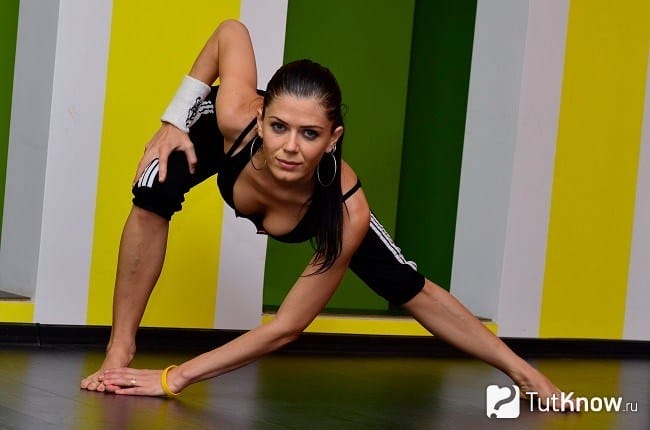
In order for each lesson to be as effective as possible, and the muscles have time to fully recover, it is necessary to correctly approach the preparation of a training program. To do this, you should adhere to several rules, which will be discussed now. With their observance, the question of whether the muscles hurt after a workout is it possible to train, you will not have.
Let's start with the frequency of the classes. If you exercise every day, then your body will not have time to recover. This will lead to premature wear and tear of the body, which should not be allowed. You should always be concerned about your health. Only moderate physical activity can be healthy. Thus, classes should be held every second day. This time will be enough for your muscles to recover, and they will not lose their tone.
Each workout must necessarily begin with a warm-up. This is extremely important, because unheated muscles can be easily injured. You can use a treadmill for this, swing your limbs, and also work with a rope.
It is also very important to alternate loads, focusing on different muscle groups. Let's say that in the last lesson you trained your chest, then today you can pay attention to the legs, and in the next workout – to the back. This approach to building the training process is the most effective, and you will quickly achieve your goals.
We have already said that muscles adapt to stress. Actually, it is thanks to this that the adaptation processes are taking place. In order to constantly progress, each new training must be slightly more difficult. However, the load should progress systematically. We recommend that you increase your working weights by no more than 10 percent weekly. This is enough to force the muscles to adapt to new physical activity.
How to eliminate muscle pain?

Since the main cause of muscle pain after training is lactic acid, it is necessary to remove it from the muscle tissue in a short time. We have already said that this is possible due to the normalization of blood flow. Lactic acid is quickly excreted and this metabolite can no longer be the cause of pain that appears several days after training.
Massage is an excellent remedy to normalize blood flow. A hot bath followed by a cold shower can also help. Remember to drink water throughout the day, including during class. We have already mentioned the need to warm up, but you should also cool down.
Stretching the muscles well after the main part of the workout will restore blood flow faster. Antioxidants, for example, vitamins C, E, or A, can also be very useful in this situation.
To reduce and even completely eliminate dyspepsia, some food products, namely fruits and vegetables, can also be useful. Moreover, they should be consumed with the peel. You can use decoctions of some herbs, for example, chamomile, licorice, St. John's wort, linden. They can be taken even during class. Most professional athletes go to the pool after training. Swimming perfectly relieves tension from the muscles and the spinal column.
In conclusion, I would like to say that pain in the muscles can also be negative. With dyspnea, pain is felt during movement, but if it persists even when you are at rest, then you may have been injured.
Novice athletes often make serious mistakes when they experience muscle pain. Some people stop exercising until the discomfort goes away. As a result, the previous activity loses its effectiveness and you have to start all over again. Another group of novice athletes continue to train intensely through pain, which is also a serious mistake. You should approach the construction of the training process competently, and try to use the services of a trainer who will select the optimal loads for you and draw up a training program.
What muscles hurt after exercise?
The pain occurs in those muscles that were involved in training. In the morning you will feel which muscles are working actively and which are not.
Pain in the muscles of the legs after the first workout
If you have focused on the muscles of the legs and buttocks, then in the morning you will have pain in your legs. Usually the muscles on the front and back of the thigh and, of course, the gluteus muscles hurt.
Pain in the arms after exercise
If you've done push-ups or planks hard, you'll be wondering how to relieve post-workout pain in your biceps, elbows, serratus anterior, triceps, and deltoids.
Back pain after exercise
Typically, your latissimus dorsi muscles hurt after planks, boats, push-ups, and dumbbell exercises. Muscle pain after exercise in the back should go away in 2-3 days. If later the discomfort persists, then you need to see a doctor – you may have pulled a muscle.
Joint pain after exercise
If muscle pain after exercise is the norm, then pain in the joints is not at all. Be sure to check with your doctor. Possible causes of joint pain:
- various injuries – from bruises to dislocations or fractures;
- joint inflammation, or arthritis;
- deformation of the joint due to intense and regular physical activity.
Method 1: Active Recovery
A simple life hack on how to relieve pain after a workout – do the workout again, but in a simplified version so as not to harm yourself. Light exercise will make your blood circulate faster and help damaged muscles heal faster. Optimal physical activity is jogging, swimming, or yoga.
2nd way: massage
Massage helps you relax and recover from a tough workout. It's not for nothing that professional athletes go to massage sessions every week. You can make an appointment with a specialist or do a massage yourself using video tutorials.
3rd way: compression garments
Buy special clothing that will support your muscles and prevent overstraining in future workouts. Sports stores offer both compression tights and complete sets of clothing.
4th method: contrast water therapy
A great tip for relieving pain after exercise is contrast water therapy. Fill the bath with warm water and use the shower to alternate between cold and warm streams.
5th way: stretching
What to do the next day after training and how to relieve pain? Do a gentle 10-minute stretch to help your muscles recover. Don't know how to relieve pain after exercise – prevent it! Be sure to warm up before strength training and stretch at the end of your workout.
How to Reduce Dramatic Pain
To reduce pain after training and continue exercising as usual, you need to use the following techniques.
- Hitch. It allows you to increase blood flow to those muscle groups on which approaches were made. Because of this, the removal of damaged cells is accelerated and, in general, regeneration is improved.
- Lightweight activities. Do not neglect these types of workouts, as they will speed up the recovery of muscle tissue.
- Proper nutrition. The diet of a person who regularly engages in strength sports is slightly different from the diet of other people. The body needs a little more protein in order for muscles to grow normally. When planning your diet, consider the rate of 2–2.5 grams per 1 kg of body weight.
- Full rest. Muscle pain practically disappears if you take a break of 3-4 days between classes.
- Massage. It helps improve blood flow, which increases the supply of nutrients and oxygen to damaged muscles.
- Bath, sauna and warming ointments. All of these products also improve blood flow, which speeds up recovery.
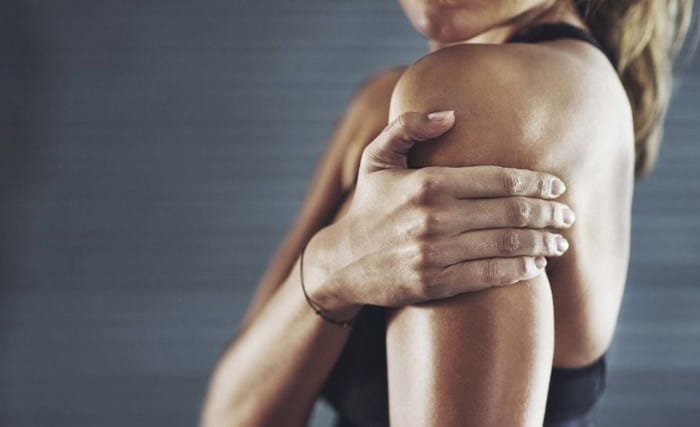
Watch your sensations while exercising – don't overexert yourself
Non-standard remedies for reducing muscle pain
- Cherry juice and coffee. Studies have shown that a cup of coffee about an hour before exercise can reduce pain intensity by up to 50%. And tart cherry juice should be drunk after a workout so that the antioxidants it contains can reduce inflammation and discomfort. Better yet, cherry juice will help those exercising in the evenings. Since it contains melatonin, which will help you fall asleep easily and quickly.
- Various sports supplements. But don't buy them just because they helped your friend. Each organism is different, so take a close look at the information available to understand which supplements are right for you.
- Cold and warm. If unpleasant sensations in the muscles appear from dyspnea, then warmth helps well. These are already peachy baths, saunas and warming ointments. There are also special plasters for athletes. But if the pain appeared from overexertion and microtraumas in the muscles, then the cold will help better. This can be a cold shower or special cooling ointments.
- Compression jersey. Men neglect this remedy, but some women regularly use this method to reduce pain. The outflow of venous blood is accelerated, because of this, decay products are removed faster.
Moderate soreness is a sign of incomplete recovery of muscle tissue after intense training. Therefore, it is not always necessary, overcoming pain, to go to practice the next day. It is better not to overtrain the body so as not to harm yourself.
When does muscle pain require medical attention?
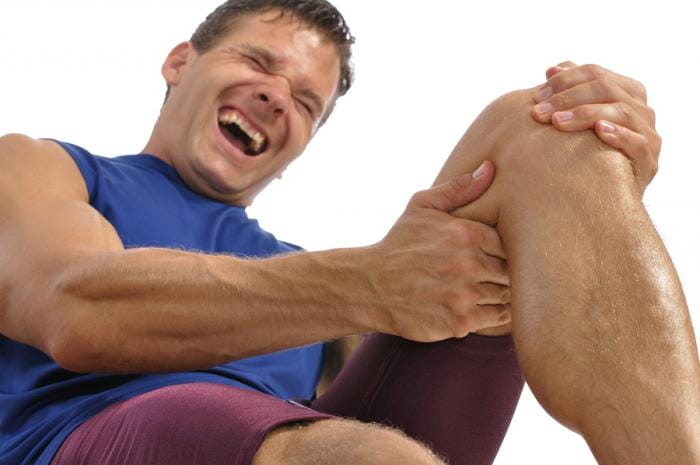
If the painful sensations persist even 3 days after training, then most likely you were injured. It can be a bruise, bursitis, sprain, fracture, rupture of muscle fibers, and more. Usually, in such a situation, additional symptoms are present: edema, hemorrhage, changes in the skin, limitation of mobility. The pain is most often pronounced, sharp, sharp when the muscle is loaded. But in a less serious situation, such as a minor sprain or bruise, there may not be additional symptoms. The person will feel only mild aching pain. Often, athletes confuse such symptoms with microtrauma of muscle fibers and do not pay due attention to the problem. In some cases, such pain goes away on its own, but in others, a complication develops. Therefore, if the muscles are very sore after training,
Additional remedies for muscle pain
Five interesting and effective tricks that athletes practice.
Coffee and cherry juice
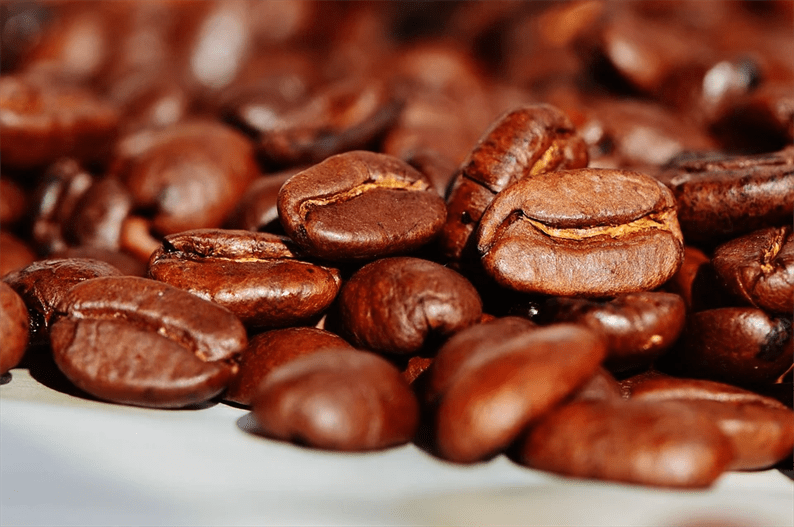
American scientists have found that drinking caffeine 1 hour before exercise with maximum effort will reduce pain by 48%, and with submaximal work (75% – 85% of maximum capacity) – by 26%. The study involved women who do not drink a lot of coffee, so it is not known how the method is applicable to coffee lovers.
It is recommended to drink cherry juice immediately after a hard workout. The antioxidants anthocyanins in the drink will help reduce inflammation and pain. A favorable time of consumption is shortly before bedtime. The melatonin in cherry juice helps you fall asleep better. Therefore, the method is suitable for those who train in the evenings.
Recommendations:
- not avid coffee lovers are advised to drink a cup of Americano before training;
- for recovery after exercise, it is better to drink cherry juice or eat fresh berries.
Compression jersey
Stimulation of blood circulation will shorten the recovery period and reduce pain: the tissue receives more oxygen and nutrients, and the venous blood will help to remove waste products with toxins. For this, athletes wear compression jersey clothing, which reduces the risk of muscle fiber injury by 26.7%.

Sports Supplements
To avoid the destruction of muscle tissue (catabolism), it is recommended to consume the BCAA complex of amino acids. Additionally, glutamine is used, which strengthens the immune system and speeds up the body's recovery.

Studies have shown that consuming 2 g of taurine and 3.5 g of BCAA three times daily for 2 weeks in a row will reduce inflammation after exercise. The effect is cumulative.
Amino Acids & BCAAs for Recovery
-
The supplement contains all amino acids (essential and nonessential) derivatives of whey protein.
-
Category:
Amino acids
take 25 ml. before and after training
The drug is produced in liquid form, in which amino acids are in their free state, that is, they are absorbed faster, it is indispensable for athletes to strengthen muscle tissue tired from training, and as a “fuel” during long-term exertion.
-
Designed to quickly replenish amino acid deficiencies that occur after intense training and as a result of insufficient protein intake.
-
Category:
Amino acids
8 capsules immediately after training. On non-workout days: 2 times a day, 4 capsules 30 minutes before meals.
AMINOMAX 6800 contains a complex of amino acids and micropeptides resulting from the hydrolysis of whey protein concentrate, with the addition of large amounts of pure L-glutamine and taurine, due to which the complex has an exemplary aminogram. AMINOMAX 6800 is also enriched with vitamin C and vitamin B6, which improve the absorption of amino acids in the body.
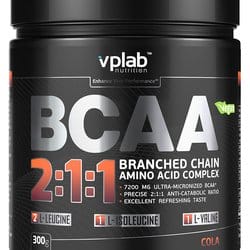
-
BCAA amino acids enhance performance and also aid in post-workout recovery.
-
Category:
More about the category
One serving before training. Mix 8 g of powder in 300 ml of water.
Amino acid complex Vplab “BCAA 2: 1: 1” – ultra-micronized essential branched-chain amino acids (BCAA) of the new generation. Their distinctive features are the best solubility, quick absorption and the absence of bitterness. The anti-catabolic ratio of amino acids leucine – isoleucine – valine 2: 1: 1 is the most optimal for preventing the breakdown of muscle tissue, especially in the process of losing weight. For best results, it is recommended that you take BCAAs before and after your workout.

-
Geneticlab “BCAA Pro” is a modern sports supplement based on the essential amino acids BCAA, glutamine and a specially selected amino acid matrix, in an optimal ratio of 4: 1: 1.
-
Category:
More about the category
mix 1 scoop with 350-400 ml of water or other beverage and consume 30 minutes before and immediately after training
BCAA Pro will provide energy, improve metabolism, protect muscles from catabolism and help you get rid of excess fat. Your workouts will become more intense and efficient.
Sports nutrition recommendations are indicative only. Before buying, we recommend that you consult with a specialist in addition to the store.
Cold or warm
When the muscles are very sore after a workout, which indicates that you have received an excessive load, you can do ice baths to reduce inflammation. An alternative is an ointment with menthol in the composition. The substance acts on the receptors, provoking sensations of coldness and reducing soreness.
Heat fights more successfully with dyspnea. Perhaps because blood circulation increases. Warming plasters, warm compresses will help in this. Dry and wet heat equally affect the muscles, maintaining strength and performance.
As a variety, you can try a contrast shower.
Rolling on a massage roller
Massage rollers with relief of different shapes mechanically act on soft tissues and relax them. The tennis ball replaces the roller. There are many exercises to choose from with this set for effective myofascial release.
How do muscles adapt to physical activity?
We already know why muscles hurt a day after training, and now it is worth considering the process of adapting the body to physical activity. Since painful sensations may indicate a high-quality training, some novice athletes often believe that if there is no pain after training, then they did not work effectively enough.
In practice, things are a little different, although many athletes hear the expression “without pain there will be no growth.” Even if you do not feel pain after training, the muscles can grow. The expression we just talked about has a slightly different context – you will not progress. If you don't put in enough effort.
The body gradually adapts to the load (remember the need to increase it?) And the pain threshold changes. This primarily applies to pro-athletes who train a lot and often. It's just that their pain threshold has dropped significantly and the receptors no longer respond to minor pains.
In addition, people who actively train for a long time increase their recovery abilities. Their bodies need less time to cope with the microdamages received in the classroom. If you do not constantly increase the load, then you will simply stop progressing. Muscle growth is an adaptation of the body to physical activity.
Having received an explanation of why the muscles hurt the day after training, you should remember that the absence of pain after training cannot mean that they are ineffective. The muscles just had time to adapt, and you should increase the load on them. In this case, it is worth distinguishing between “useful” pain sensations from dangerous ones, the cause of which is injury or overtraining.
What does it mean if the muscles stopped hurting?
If you stop hurting, it means that you either stopped experiencing stress, or you are already trained enough and your muscles can grow without pain. If you are comfortable with the size of your muscles, then you don't need to steam. In this case, you do not need muscle pain.
But if you want to make some muscles bigger and stronger, but they never hurt again? This is either a signal that they do not grow due to insufficient load on them. Or, as I said above, you are already very experienced. In well trained athletes, muscles can grow without pain. This has been tested on many people and is shown in the video at the bottom of the article. But if you do not have several years of training behind you, then, most likely, just insufficient load.
Let me emphasize that the load should be one-time. That is, in one workout. For example, you can pump the same muscle group a little bit every day. Then the load per week will be very large, and the load per workout will be small.
In general, you need pain if you are not an experienced athlete and want to increase muscle volume. For weight loss or fat burning, pain is not important and does not play any role.
Prevention as an effective pain prevention method
The main preventive methods to prevent muscle abnormalities include:
- limitation of physical heavy loads;
- maintaining emotional calm;
- maintaining an active lifestyle;
- timely treatment of diseases, including those of infectious origin.
Maintaining muscles in a constant tone will help prevent pain associated with sports stress during training. This requires regular exercise for different muscle groups, exercise therapy.
After suffering infectious, rheumatoid, neurological pathologies, the prevention of their recurrence is the observance of the doctor's recommendations, nutrition in accordance with the established diet.
In order to reduce the load on the muscles during training, it is recommended to take a hot bath with sea salt. To achieve a similar effect, athletes use ointments specially formulated on the basis of turpentine, apple cider vinegar or badger fat.
Compresses of honey, which are applied to the disturbing place at night, wrapped in a blanket, also have a beneficial effect on muscle relaxation.
It is recommended to leave spasmodic muscles alone for several days, protecting them from possible stress, and letting them relax.
Proper nutrition to strengthen muscles
Chronic muscle ailments are adversely affected by certain foods.
To relieve discomfort, it is recommended to exclude the following foods from your diet:
- Milk. Lactose and milk protein – casein, if difficult to process by the body, can cause inflammation in the tissues of the neck and back.
- Gluten. These are gluten, proteins that make up cereals. Basically, wheat, rye, barley, soybeans are rich in their content. They are included in bakery products, noodles, instant soups, semolina, chips, ice cream, sweets. Gluten-sensitive people not only suffer from stomach malfunction, but also are prone to muscle inflammation. This is how the body's protective function against the autoimmune reaction caused by gluten is expressed.
- Eggs. Responsibility for muscle soreness lies with arachidonic acid, which is abundant in egg yolk. Regular use of the product leads to the establishment of a chronic disease.
- Roast. Vegetable oils in fried foods upset the balance of omega-6 and 3 fatty acids in the body. This leads to the development of inflammation and chronic disease.
- Beer. Purines, found in excess in beer, create the prerequisites for the development of arthritis and gout. The high-risk zone includes already beer drinkers who consume only two to four glasses of foam a week.
As causing deviations in the work of the body, there are also foods, the addition of which to the daily diet has a beneficial effect on health in general and muscles in particular.
Among such products:
- Walnuts. Restores the balance of omega acids.
- Cherry. Rich in antioxidants. The use is recommended for advanced arthritis and other muscle pathologies.
- Ginger. It has anti-inflammatory properties.
- Turmeric. Fights osteoarthritis, relieves inflammation.
A balanced diet is the key to health. A correctly composed menu will soothe, relieve tension from sore muscles, and prevent the development of complications.
How to determine when to do a hard workout and when to do an easy workout?
There are various options for periodizing loads, for example:
- 1 hard workout / 2nd easy / 3- hard / 4th easy and indefinitely.
I personally have been using periodization for a long time already. Now I will explain to you.
Periodization – can occur according to well-being (that is, according to well-being, you determine when it is hard to train, and when it is easy).
- If you come to a workout and feel a surge of strength, energy, you feel that you have recovered well, you are ready to work hard = then do a “hard” workout, with the progression of the load.
- If you come to a workout and feel that you have not recovered, well, for example, on our topic – muscles ache, there is not so much strength, well, somehow it’s not so good = then do a light workout.
Roughly, if you have 8 workouts per month, then somewhere 4 strength and somewhere 4 light.
For example, I can come on Monday and do a hard workout. And then come on Thursday – and again do the hard one, because I feel the strength that I have recovered, that everything is ok.
And next Monday I can come and do an easy one, because I feel that there is not so much strength. Well, I think you get the point. I have nothing more to say about this (when to do heavy / light).
The Purpose of Easy Workout and How to Do It …
When the muscles have not yet recovered, they hurt, or there is little strength, etc. I recommend doing a light workout. Light workouts are all the same exercises, the number of approaches / repetitions (everything is the same as in a hard workout), just with light weights, 50% of 100%, and no load progression.
If you do not know what a progression of loads is, read: “About the progression of loads.”
For example, if you did a squat on a hard workout – 130 kg, then on a light one you do a squat – 40-50kg. And so in all exercises – weights are reduced by 50-60%. And there should be no progression of loads.
Light workout goal 1: on light workouts – we do not destroy the muscles (because the workouts are light, not complete), respectively, such workouts will harm muscle growth = will not, but !!! by doing a light workout, we have the opportunity to stimulate blood flow, stimulate nutrients into our muscles, in addition, we warm up the muscles so that the pain in them is not so severe, and most importantly, we additionally spur protein synthesis in the muscles (protein synthesis = this is anabolism, that is, growth), that is, we accelerate the recovery and healing of muscles and thereby accelerate the growth of muscles.
The goal of light training 2: to properly contract them with the help of the brain (i.e. we have the opportunity to hone the perfectly correct technique for performing exercises, along the way developing the NEURO-MUSCLE LINKAGE BRAIN-MUSCLE (mental connection)).

As you can see, light training gives us colossal (huge) advantages, compared with inaction (waiting for full muscle recovery and not exercising) or generally constantly hard training (where the muscles do not even have time to recover and, accordingly, do not grow at all or grow, but very bad / slow).
I will definitely use this information for my own benefit.
And so, on light training, the weight is light (50%), muscle failure, burning, clogging, etc., there should not be garbage in the muscles during light training in any case. Trainings – LIGHT!
And unlike a hard workout, there is NO LOAD on EASY PROGRESSION (not used, not needed) !!! Accordingly, you do not need to take your training diary with you either.
Actually, that's all I can say about this topic. That's all. Good luck to you!
Stagnant progress
Very often situations arise when an athlete begins to work in the gym, he has muscle pains and progress on his face. He maintains the sequence and variety of workouts, constantly increasing the load and the intensity of the workouts. But at one point, the muscles stop hurting, and with it the effect of the trainings stops – the mass does not build up.
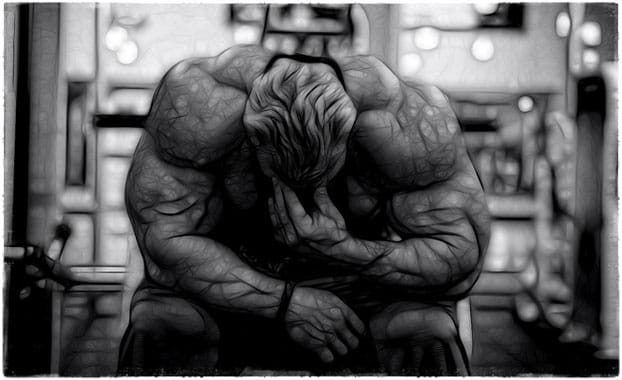
Why did the muscles stop hurting? This condition is called “plateau” and many people experience it. This is a kind of stagnation in progress, in which the athlete reaches his limit. Here's what can help you:
- Check your exercise and nutrition regimen. Are you using sports supplements correctly and are you giving your muscles proper rest. Also make sure you get enough sleep.
- Don't be tempted to do some of the hardest exercises found on the internet. Make several complexes that are right for you and gradually increase your working weight.
- Reboot. Reduce your working weight by a quarter and work your way back up gradually. While this method is intimidating to most athletes, it works. You can reload only those muscle groups that are stagnant, such as the arms.
- Change your training mode. Decrease the number of repetitions, but increase the working weight. For example, instead of lifting a 50 kg barbell 10-15 times, try lifting 55 kg, but 7-8 times. You can also change the grip or the thickness of the barbell.
- Change the training package. If you swing your glutes, instead of squats, do core raises from a prone position. Vary your activities and forget about stagnation.
- Focus on weaknesses. If you are constantly pumping your upper part – your back, chest and arms, and you pay little attention to your legs, try changing tactics.
- Take breaks from your workouts. If you can't get out of the plateau for a long time, try to take a break from training for at least a week. After that, the body will begin to work with renewed vigor and build muscle.
Summing up the results, everyone should understand that muscle pain is not an indicator of your success, you should only clearly monitor the results and adequately assess your progress.
I am sure this article was useful for you and maybe to some extent helped you change the way you look at your workouts. I wish you to deal with this and clearly define for yourself the reasons for the absence of pain.
And that's all for me. Bye Bye.
Outcome
Pain after a workout indicates the effectiveness of the exercise. You just need to learn to distinguish between good and bad pain. You should not be afraid of it, but rest and recovery are required. Otherwise, there will be no positive effect from the classes.
Sources used and useful links on the topic: http://s-body.com/trenirovki/dolzhny-bolet-myshcy-posle-trenirovki.html https://trenexpert.ru/fitness/boli-posle-trenirovki/ https: / /sustavik.com/raznoe/mozhno-trenirovatsya-bolyu-myshcah https://ggym.ru/view_post.php?id=174 https://tony.ru/399917a-perestali-posle-trenirovki-bolet-myishtsyi-prichinyi -sovetyi-trenerov-otzyivyi https://tutknow.ru/bodyfitness/7122-mozhno-li-trenirovatsya-pri-boli-v-myshcah-posle-zanyatiy.html https://www.cosmo.ru/health/sport / bol-posle-trenirovki-kak-izbavitsya-raz-i-navsegda / https://www.hudeem-bez-problem.ru/mozhno-zanimatsya-esli-bolyat-myshcy.htm https: //www.syl. ru / article / 184792 / new_dolgo-bolyat-myishtsyi-posle-trenirovki-chto-delat https://bodymaster.ru/training/bolyat-myishtsyi-posle-trenirovki https://tutknow.ru/bodyfitness/7121-prichiny-boli-v-myshcah-cherez-den-posle-treninga.html https://tvoytrener.com/fiziologua/bol_trenirovki.php https://GidPain.ru/bolit/skolko-myshtsy-trenirovki.html http://steelsports.ru/mozhno-li-trenirovat-sya-esli-my-shtsy-bolyat/ https://pumping-effect.ru/vse-o-myshcax/pochemu-ne-bolyat-mkiyshcy-posle-trenirovki.html https://tony.ru/400407a-kak-dolgo-bolyat-myishtsyi-posle-trenirovki-prichinyi-poyavleniya-boley
Post source: lastici.ru