
Alfalfa instead of retinol: the benefits of Chanel Le Lift Yeux eye cream
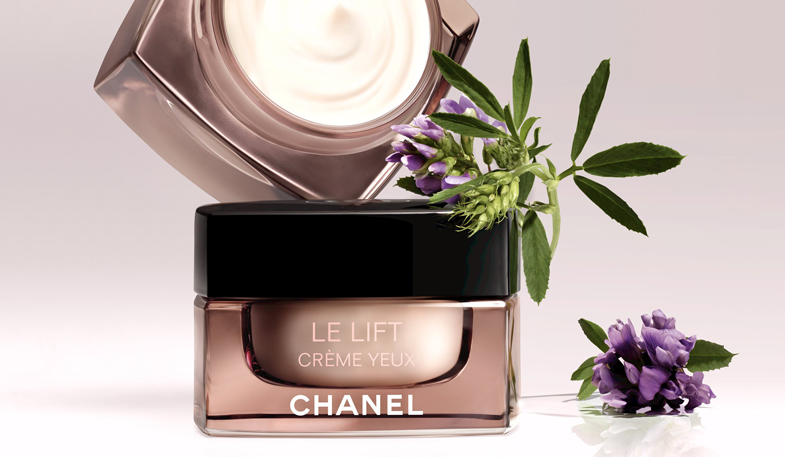
Does retinol, the main enemy of age-related changes, have competitors? Chanel has created a botanical alfalfa formula that works even better!
Does mature skin care need to include harsh ingredients like acids or retinol? Especially when it comes to the eye area – a delicate area that is practically devoid of sebaceous glands and even in youth can easily react with dark circles and puffiness to improper care or mistakes in choosing a diet. And can mild botanicals work just as well—for example, could alfalfa be used instead of retinol to help fight age-related changes?
Plant extracts vs retinol
Vitamin C, peptides, natural oils and, of course, retinol are considered the most popular anti-age ingredients in cosmetics. But retinol has advantages over all its counterparts: only it gives the fastest and most noticeable result in the fight against age-related changes. It accelerates the synthesis of collagen and elastin, enhances the production of its own hyaluronic acid. The skin becomes smooth and moisturized from the inside.
After 25 years, fibroblasts (cells that just produce hyaluron, collagen and elastin) begin to "lazy". And retinol literally makes them work – and this is a scientifically proven fact. For this property, it is quite justifiably called the "gold standard" of anti-aging cosmetics.
But cosmetics with retinol have many nuances of use that should not be overlooked. Most care experts say that it should not be used for a long time. Retinol is still a form of vitamin A, and an excess of any vitamin is harmful. In the case of retinol, it is expressed in intense peeling, swelling and redness. It can accumulate in the liver and extremely negatively affect the health of the fetus if you are pregnant. In general, the search for a safer alternative was a matter of time. Many brands worked on it, but Chanel was the first to succeed – and they synthesized a replacement for retinol from a modest field plant with purple and yellow petals.
How Chanel Le Lift Yeux Eye Cream Works
The fashion for organics brings results: alfalfa has replaced retinol in the Chanel Le Lift Yeux eye cream. In the form of a plant component Alfalfa, which has a cumulative effect. That is, you do not have to regularly change care and each time it will be more and more effective.
Are there any differences between retinol and Alfalfa in terms of how they affect the skin? There are – and they are in favor of alfalfa. Alfalfa doesn't just stimulate collagen production, it helps new cells move faster to the top layer of the skin. In the area of the eyes, where it is the thinnest, this ability of the Chanel Le Lift Yeux cream will be most useful. Together with yeast extract and horse chestnut seeds, Alfalfa forms a powerful phytocomplex that simultaneously works in the dermis and epidermis. This is a new word in skin care around the eyes, from which we always expect a lot.
Post source: salon.kr.ua