
Why walking is good for your health. Why is walking useful?
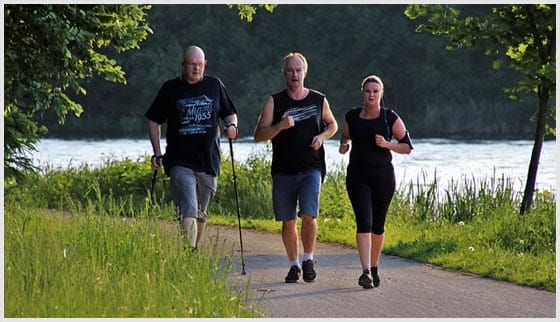
Content
Benefits
The human body works in such a way that in order to maintain its correct functioning it is necessary to be in motion all the time. People who spend most of their lives in a stationary position are much more prone to many diseases, including heart failure or digestive tract problems.
Researchers who work with the prerequisites for obesity argue that excess weight is more influenced by lifestyle (human activity), and only then by the calorie content of food.
Walking is a beneficial exercise that helps people stay healthy and look good at an older age. This is a great way to deal with your excess weight.
Let's highlight the main advantages of this type of activity:
| Slimness of the figure | Systematic walking is an effective way to get rid of extra pounds. People with weight problems in the gluteal and hip areas begin to lose volume within a few weeks after starting a workout. This means that walking promotes a fast metabolism, which in turn prevents excess fat from accumulating in the body. |
| A good sleep | Walking helps to lower levels of the hormone cortisol, thereby improving sleep. Walking is best done in the evening, after dinner. This will allow you to digest food efficiently and a full stomach will not cause discomfort during sleep. Also, if a person is in a state of intense anxiety, then walking is a great way to get rid of stress. |
| Strong immunity | It is scientifically proven that walking allows blood to circulate actively, delivering oxygen to all parts of the body. There are several elements in the blood, thanks to which the body fights various infections. The circulation of blood allows the circulation of the protective elements in the human body, destroying all harmful bacteria that threaten health. |
| Strong skeleton | The best-known age-related bone problem is osteoporosis. Normal wear and tear on the skeleton can be delayed by walking. Hiking is considered a moderate-stress exercise that, when combined with calcium intake, will have a positive effect on bone health. |
| Correct heart function | Cardio training in conjunction with walking will help improve the quality of the heart and blood vessels. Walking helps to train the muscles of the heart, allowing them to work harder and better. |
| Hypertension protection | A large number of people who lead a mostly immobile lifestyle suffer from hypertension. However, morning and evening walks can protect the body from this disease. Thanks to walking, the deposition of excess adipose tissue is prevented, the walls of the vessels are strengthened, so an abundance of blood passes through them with the usual division. Additional adipose tissue constricts blood vessels, which causes increased blood pressure. |
| Always in a good mood | Walking, like any physical activity, helps to produce hormones of joy, giving a person positive emotions and a sense of happiness. Walking stimulates mental capacity as the brain receives more oxygen. For this reason, a person begins to look at everyday things more logically and judiciously, finding possible causes of problems and ways to solve them. |
| Healthy lungs | The fresh air that a person breathes during walks improves the functioning of the lungs and respiratory muscles. The air that a person consumes indoors contains a much lower concentration of oxygen. Therefore, walking is much more beneficial than exercise indoors. |
| No diabetes | Diabetes is known to be hereditary. But, systematic walking in the fresh air will help break this painful chain. Walking improves metabolism, so blood sugar and insulin levels are much better regulated. |
| New acquaintances | While walking, you can easily meet like-minded people with whom you can later arrange joint health walks. Live communication along with physical activity is the best medicine for all problems. |
The benefits of walking
What is the use of walking? It is known that mental and physical health are closely related. Studies have shown that low-intensity exercise, such as walking, can prevent neurodegenerative changes in the brain. Hiking reduces symptoms in people with clinical depression.
Walking stimulates blood circulation, which means that nutrients will be delivered faster to the organs that need them.
Thanks to this, intraocular pressure is also reduced, and vision is improved. Walking helps fight glaucoma.
Walking is good for your health. It strengthens the heart muscle, evens the heart rate, and regulates blood pressure. There are many known cases when people suffering from heart diseases significantly improved their condition, stopped the development of heart pathologies. Regular walking can lower your bad cholesterol levels.
Lung function is restored. While walking, they are filled with oxygen, their volume increases. The body gets rid of waste products and toxins.
A daily half-hour walk can improve digestion and intestinal motility. In parallel, it is worth consuming more pure water.
When combined with a healthy diet, walking can help prevent diabetes. A six-month study showed that the bodies of people who regularly run or walk are better at processing glucose.
If you keep your posture while walking, you can improve blood circulation in the tissues surrounding the spine. This strengthens the back muscles. Walking is also recommended for lower back pain.
Long-term walking increases muscle tone and reduces weight. The musculoskeletal structure becomes stronger, and the mobility of the joints improves. Walking regularly helps prevent fractures and bone loss.
Walking is also beneficial for insomnia. A leisurely walk before bedtime improves metabolic processes, relieves stress, soothes, and also nourishes brain cells with oxygen. Thanks to this, it will be possible to fall asleep faster, and the person will sleep more soundly. The walk should not last longer than 1.5 hours.
Walking is beneficial for weight loss and rejuvenation. Regular walks will keep you healthy and fit.
Influence on the body
Walking is a physical activity that is carried out by the muscles of the trunk and limbs. The muscles of the core and back, legs and arms are involved in the walking process. You ask what walking does and how it affects the body:
- A heart. Walking strengthens the cardiovascular system, increases blood circulation in the body, which is generally beneficial for the whole body.
- Brain. Hiking can help prevent early dementia (“senility”) and reduce the risk of Alzheimer's disease.
- Lungs. When walking, the diaphragm is included in the breathing process. Due to this, the volume of air that enters the body increases.
- Muscles. The whole body is in motion, all muscles are involved. When walking, stabilizing muscles provide us with confident movement and reduce stress on our joints. This saves the joints from rapid wear.
- Bones and joints. During walking, the joints are naturally lubricated, which makes them wear-resistant. The condition of the bones improves.
- Vision. Walking can be a good prevention of glaucoma. Walking decreases eye pressure, which in turn affects the optic nerve. Due to the pressure on the optic nerve, vision problems arise.
- Digestion. The work of the internal organs improves, as well as a light massage of the internal organs due to the work of the muscles of the trunk also gives its effect.
- Nervous system. Walking helps reduce stress levels in the body. A very simple way to improve your mood is to go outside for a walk and get some fresh air. Time alone with yourself will help resolve issues of concern. On a walk, emotions calm down. This allows you to look at problems and concerns soberly and find a solution.
- Improve immunity. And here the tandem “blood and oxygen” has a positive effect. Free radicals are removed, and immunity is increased. Improving immunity in general allows you to resist disease.
For people of all ages
Physical activity in the form of walking is suitable for both adult men and women and the elderly. For the elderly, this will be the prevention of reducing the risk of heart disease, Alzheimer's disease, “senile marasmus”. Muscles and joints will receive their stress, which will allow them to last longer.
Walking will help the elderly lose weight, normalize breathing, and strengthen the heart. Brain activity will improve, and overall mood will improve.
Attention. For middle-aged people, a walk is a prophylaxis against “senile” diseases.
Which is better – walking or running
Many people think about which is more useful, running or walking? The benefits of running should be considered first:
- he trains anaerobic endurance;
- the body spends more energy, the heart and lungs work harder;
- more calories are burned, therefore, running is preferable for figure and weight loss.
In the absence of contraindications, doctors of course recommend jogging even to the elderly. Still, running is fraught with a number of dangers that you need to be aware of. Read about it in a separate article.
Running quickly puts a heavy load on the body. He has to work to the limit. Therefore, for many people it can be harmful or even dangerous. This is due to existing diseases, as well as poor physical fitness. If a person did not play sports and immediately decided to run at a fast pace, then there is a risk of injury.
You shouldn't run even with flat feet. As for walking, with this pathology it is allowed, but it is better to practice in special shoes or by placing orthopedic insoles in sneakers. With flat feet, the distribution of the load on the foot is uneven. Because of this, there is a gradual deformation of the ankle, knee and hip joints. This often leads to chronic joint inflammation and hallux valgus.
The health benefits of walking, when viewed in the same context as running, boil down to the following:
- endurance increases;
- improving physical condition and increasing energy levels;
- strengthening the cardiovascular system, preventing heart disease;
- improvement of the musculoskeletal system;
- waste of calories, weight loss.
Scientists have come to the conclusion that running and long walking are equally beneficial for the human body. Accordingly, everyone can choose what suits him best. But still, walking is more preferable, especially for people over 40 years old. Therefore, I still recommend everyone to replace running with walking. The benefits are almost the same, but there is practically no harm, which cannot be said about running.
Who better to walk than run
Running is a serious load, so some categories of people are better off doing sports walking for health improvement:
- After 35 years, if a person has not practiced any sports before. Physical education at school and university is not taken into account.
- With pathologies of the spine and orthopedic diseases.
- After a stroke or heart attack.
- Suffering from diabetes mellitus.
- Smokers with more than a year experience.
- If you have joint pain while running.
Running is not recommended for the groups of people listed above. They are better off walking.
Is walking harmful?
Walking can not harm if you move, observing the safety rules:
- It is important to breathe correctly while walking. With improper, out of breath, the benefits of walking are reduced to nothing. Such activities can even be harmful. Breathe naturally. If shortness of breath occurs, stop exercising.
- Walking for the purpose of recovery is necessary only in comfortable, sports shoes and clothing.
- The pace needs to be increased gradually. Acceleration at the very beginning of a workout can lead to injuries, sprains and even ligament tears.
- While moving, you need to pay attention to the sensations in the knees. Pain indicates that the exercise is not being performed correctly and is damaging the joints. It is better to postpone classes and consult a doctor.
Despite all the useful properties and relative safety of walking compared to running, even it has its own contraindications:
- viral diseases;
- pathology of the development of the musculoskeletal system;
- exacerbation of chronic diseases;
- high blood pressure;
- flat feet;
- recent surgery;
- joint and ligament injuries.
If you have any doubts about whether you can do race walking, it is better to consult a specialist. Your doctor may recommend walking at a slow pace and not long distances.
What time is it?
On average, you need to walk 10,000 steps. In time, it takes about 1.5 hours. At first glance, this figure may seem large. But this is not the case. After all, even moving around the apartment is counted. You can increase your daily step count:
- go up the stairs, not the elevator or escalator;
- go through 1-2 stops on the way from work or to work;
- take out the trash and walk around the house, for example.
Not as scary as it seemed at first glance.
When walking, it is advisable to inhale through the nose and exhale through the mouth. Breathing should not be confused. Therefore, it is best not to talk while walking. It is better to choose a route with a flat road, because on rough terrain without special shoes you can harm your joints or simply get into a hole and dislocate your leg.
What types of walking are there?
There are many types of walking. Among them:
- walking in place;
- on foot;
- scandinavian;
- sports;
- energy;
- up the steps.
Let's take a closer look at some types.
Nordic walking
This type consists in movement supported by two, similar to ski, sticks. When walking, you should slightly push off from them.
A feature of Scandinavian walking is considered to be the involvement of most of the muscles, only 10% are not included in the work.
The benefits of Scandinavian type walking are:
- improving the work of the heart muscle;
- enhanced ventilation of the lungs;
- strengthening muscle tissue.
In order not to harm your health, you should choose the right sticks. Their size is calculated by the formula: P * K, where P is the height of the athlete, and K is a constant coefficient equal to 0.68.
Sports walking
This walking style is characterized by speed. You must try to move at the highest possible speed. At the same time, you cannot go on a run, that is, at any moment in time, one of the feet must touch the surface of the earth.
The benefits of walking in a sports style are provided by a general strengthening effect on the body, with such movement a person gets tired much less than when running.
Girls should pay special attention to race walking, because it contributes to the creation of beautiful feminine outlines of the figure.
How to walk properly?
You need to be able to do walking correctly. It's not just about rearranging the legs and moving in space. In order for walking to be beneficial, it is important to adhere to some rules.
Do I need a warm-up
Before starting hiking, as well as sports or Nordic walking, you should prepare your muscles for the load. To do this, you should carry out at least a minimal warm-up. It can include the following groups of exercises:
- Initial.
- swing legs;
- shallow squats;
- jumping in place.
- Intense. Includes muscle stretching exercises:
- wide steps with body fixation;
- springy squats.
How to keep the pace
Recreational walking involves several speed modes:
- Slow. Is no more than 3 km / h. This type is recommended for use by people with weakened health or in the period after an illness.
- Middle. The speed can vary from 3 to 4 km / h. Preferable as a starting point for untrained people who do not have experience yet.
- Fast. The speed can be increased up to 5 km / h. Recommended for people without health problems.
- Very fast. A person moves 6 kilometers in 1 hour. Suitable for healthy, fit and trained people.
How to finish
Walking should not be interrupted without preparation. Just as before starting a walk, you should do several gymnastic exercises. In this case, it will be moderate walking and exercises to relax the muscles that were overextended during the walk.
Three principles of walking
The usefulness of hiking lies in the observance of three clear principles:
Moderation
The choice of the degree of intensity and duration of walks should be based on the state of health and state of the body. No sudden overvoltages.
Gradualness
The duration and pace of walking should be increased without any sudden jumps and transitions.
Regularity
It is necessary to take walks every day. If there is no opportunity for daily walking, it is permissible to walk for at least 30 minutes, three to four times a week.
Contraindications
It would seem, what are the contraindications to go out into the fresh air and wind a couple of kilometers around the park. But, alas, not everyone is recommended to take long walks. Take special care if you:
- have had a stroke or heart attack;
- have high blood pressure or cardiovascular problems;
- have a cold or are sick (including diabetes, liver disease, glaucoma, threat of retinal detachment);
- have pulmonary failure.
We set a goal
The main goals can be broken down into the following groups:
- Strengthening the muscles.
- Getting rid of extra pounds.
Depending on the goal, the speed and time of walking will change, which will be discussed below.
Choosing speed and time
According to the level of speed, walking can be divided into the following groups of intensity:
| Intensity | Speed, km / h | Notes (edit) |
| Low | four | It is considered the most comfortable, usually it is at this speed that most of us stroll leisurely, looking at the surrounding landscapes. If the body is healthy, then the pulse will not exceed 60-80 beats per minute. Good exercise for the body if you walk at this pace for at least 20 minutes. |
| Average | 7 |
It has a healing and muscle strengthening effect. Walking at this speed for 35 minutes or more can be considered a workout. Allows you to reduce the risk of cardiovascular disease, lose weight, stabilize blood pressure. It is necessary to ensure that the pulse does not rise above 80 beats / min. Once this has happened, slow down. |
| High | fifteen | Used in race walking competitions. Without mastering the correct technique, you will not be able to develop such speed. |
To select the optimal load on the body, it is necessary to take into account not only the speed, but also the number of steps per unit of time, because the length of each step is individual.
| Level | Steps per minute |
| Very slow | up to 70 |
| Slow | 70-90 |
| Average pace | 90-120 |
| Fast | 120-140 |
| Very fast | more than 140 |
Choosing a route
First, create a route that will run away from highways. If a regular walk is too easy for you and you want to increase the load, then add inclined roads, steps, etc. to the routes.
There are special hiking trails used by people who want to improve their health or test their strength. Here are some well-known examples.
Circle of Manhattan (32 miles or 51.5 km)
Every year since 1982, the non-profit event The Great Saunter has been held in New York (USA ). The organizers say that you need to walk 64 thousand steps. The original mission of the public walk was to reclaim the coastal zone from commercial developers who were trying to seize tidbits of land and restrict citizens' access to it. Thanks to the efforts of everyone who took part, it succeeded and today park zones have been organized in these places.
If you decide to take part in the event, then be prepared for a serious load – the average time for participants to complete the distance is 11.5 hours.
The Way of Saint James
In Spanish, the name sounds like El Camino de Santiago. They are called the network of roads along which people in ancient times walked to the alleged tomb of the Apostle James. The path is an international heritage site of UNESCO. The longest route, the so-called French (passes through the cities of Spain and France, is shown below on the map) is about 800 km. There are both cycling and hiking options. All roads are properly marked, it is extremely difficult to get lost.
What do you need to start walking?

To start walking, you need a few basic things. Here's a list:
- Walking shoes
- Comfortable clothes
- Water bottle and energy bar for long walks
- If you decide to walk to the office, wear office clothes and a pair of comfortable shoes that you can change at work.
- Raincoat
- Motivation is absolutely essential for at least the first 5 days.
Here's how to keep yourself motivated for your daily walks at a high level.
How to stay motivated to walk?
- Ask a friend to join you in your new activity.
- Walk your dog in the morning or evening.
- Take a walk with family or friends in the evening or after dinner.
- Walk to the nearest store or cafe.
- Think about how much money you can save by walking.
- Use a planner to determine the best walking route, measure your heart pressure, calories burned, use a pedometer, and more.
- Explore different routes every day.
- Join a group of people walking.
- Go hiking.
- Go to social events.
How to eat while walking
In order for exercise to bring maximum effect, you should pay special attention to your diet. Herbalife 24 Cocktail promotes muscle recovery and growth. It is a source of protein required during intense exercise. The iron contained in the product contributes to the optimal supply of oxygen to tissues, which helps them to fully function. There are only 190 calories in one serving of the drink, so there is no risk of gaining extra pounds. However, for each athlete, the dose must be selected individually. This is due to the fact that the body's need for nutrients depends on the load, as well as the weight, age and degree of preparedness of the person. The duration of the course of taking a cocktail must be discussed with a specialist.
Thus, walking is a special type of physical activity that has many advantages. However, walks should be done regularly and gradually increase the load so that the body gets an impetus for development.
Useful Tips
If you are a beginner in walking, it will be difficult to overcome long distances at once. Therefore, break your walks into stages. Start with 10 minutes every day. Gradually increase their duration to 30 minutes. Then you can walk for 30 minutes in the afternoon and 30 minutes in the evening. You should also gradually increase your walking speed. When you're comfortable, try to walk at least 10,000 steps a day. Take breaks from the process if necessary. And of course, don't forget to drink water. Here you will find out how much water you need to drink every day to maintain health.
Now that we've made it easier for you by explaining the benefits of walking every day and all the health benefits, all you need to do is go for a walk, keep yourself motivated: put on comfortable shoes and go outside, it will be much more beneficial than sit at home and watch TV. Good luck!
Sources used and useful links on the topic: https://stroy-telo.com/drugoe/khodba-peshkom-prostoe-sredstvo-dlya-privedeniya-figury-v-poryadok.html https://zslife.ru/obzor-shkol -sistem-i-metodik-obreteniya-zdorovya / polza-xodby-peshkom.html https://mybegom.com/hotba/chem-polezna.html https://beguza.ru/polza-xodby-peshkom/ https: / /builderbody.ru/polza-ot-xodby-peshkom/ https://AthleticBody.ru/polza-hodby-dlya-zdorovya.html https://bud-v-forme.ru/weight-loss/polza-xodby- peshkom /
Post source: lastici.ru