
Where is the liver and how it hurts. Liver hurts: symptoms, sensations, first signs. Where does the liver hurt?
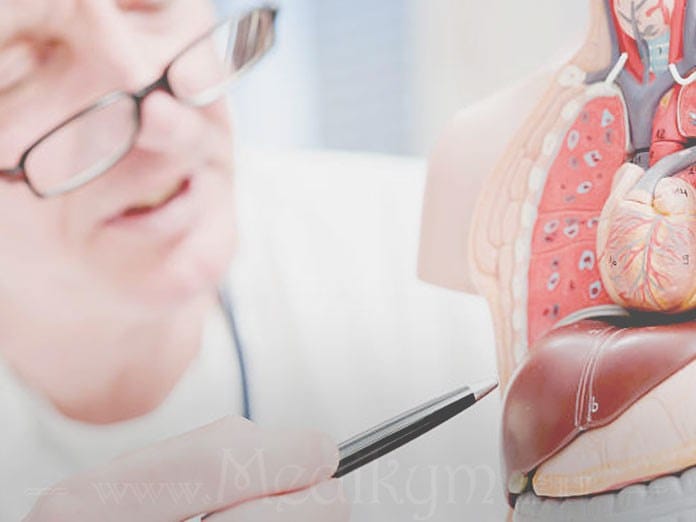
Where and how does the liver hurt?
This gland is not capable of pain, due to the fact that nerve endings are not embedded in it. But they are in the fibrous membrane of the liver. This is a glisson capsule. When you press on it from the inside, from the side of the liver, and a specific soreness of the right hypochondrium is felt.
Important! A clear pain syndrome signals a difficult situation. Here, diseases such as cirrhosis, hepatitis or tumors have every chance of being. If the pain is mild, they are rarely perceived as an impetus for seeking help, although this is not correct.
Symptoms and diagnostics
Pain when the liver hurts, there are:
- acute or chronic;
- stabbing, pulling or aching;
- disturbing all the time or only at specific moments.
Additional signs of gland dysfunction are:
- jaundice;
- itching of the skin;
- difficulty in stool;
- diarrhea;
- puffiness, bags under the eyes;
- vomiting;
- nausea;
- bad dream
- bleeding from the gums, plaque on the tongue;
- unacceptable odor from the mouth.
The deterioration is due to the fact that the liver itself gradually loses its ability to provide sufficient dehydration and release of toxins. As a result, the body is poisoned with decay products, which initially affects the nervous system, in particular, the brain.
The progression of the condition leads to the appearance of clearer symptoms: the skin and sclera of the eyes will be yellowish or grayish. The affected liver will enlarge, the mouth will become bitter despite the measures taken.
Exacerbation of allergic reactions, hair loss, drying out is quite likely. The nail plates will become weaker, delaminate. The skin will become drier, acne and blackheads will appear. The urine will be darker and the stool will be discolored. Fever is possible at times.
Men have every chance of developing erectile dysfunction and a decrease in sperm count. Ladies are likely to have a violation of the menstrual cycle.
Diagnostics
Depending on the alleged diagnosis, the following studies are performed:
- ultrasound examination;
- MRT;
- computed tomography;
- general blood test;
- biochemistry;
- tests to establish the presence of viruses and pathological cells;
- immunological tests;
- genetic factoring tests;
- biopsy;
- laparoscopy;
- percutaneous sampling of biomaterial.
Important! In order not to smear the clinical picture on the eve of a consultation with a doctor, it is forbidden to take analgesics. These substances, with difficulties with the liver, will be dangerous and toxic. Do not practice self-medication.
Effects on other organs
The weakening of the liver's performance means an increase in cholesterol levels. This leads to a mandatory increase in blood pressure, which actually increases the risk of heart attack and stroke, cardiovascular diseases.
If the liver is bad, then there will be serious consequences for the eyes:
- the clarity of the image is lost;
- the risk of glaucoma increases;
- development of cataracts is possible;
- “twilight” vision worsens;
- Tears flow “for no reason”;
- soreness occurs as a reaction to lighting.
Physical activities
If the liver hurts after serious physical exertion, this is not bad. It happens that it tingles during long walks, jogging and the like.
The root cause of the phenomenon is that the liver essentially acts as a depot for venous flows. When the body is strained, a decent volume of venous blood accumulates in the gland, which means an increase in the liver with a subsequent increase in backpressure on the glisson capsule.
The process proceeds more actively if the technique of performing the exercises is violated, and the diaphragm and respiratory muscles are not used correctly. The discomfort is aggravated if you eat tightly before class, especially something fatty.
What to do in case of painful manifestations in the right hypochondrium during physical stress – take a break and everything will return to normal on its own.
Minimizing physical activity is dangerous for the liver. Physical inactivity provokes stagnation of bile, which provokes a violation of the outflow. And this is fraught with the formation of calculi, which cause hepatic colic.
Good to know! Literally all overweight and obese patients have liver disease. Most often, hepatosis develops when an organ is reborn as a result of the fact that the liver cells are replaced by adipose tissue.
Drug reaction
Certain drugs – antibiotics as well as medications used in neurological and psychiatric practice – end up in the liver, where they are further processed. The withdrawal of drug components occurs simultaneously with bile.
Accordingly, if the dosage is exceeded, or if the drugs of these groups are taken for a long time without medical supervision, the liver will undergo toxic damage. The result will manifest itself in the form of the following symptoms:
- headache;
- stupidity;
- jaundice;
- itching;
- disturbances in the digestion of food.
Important! The appearance of such signals indicates a manifestation of medicinal hepatitis. Therefore, taking into account the state of health, it is important to make an appointment with a doctor, or call an ambulance.
Alcohol
Why does the liver give out soreness due to the consumption of a large volume of alcohol:
- this organ contains the enzyme alcohol dehydrogenase, which is responsible for cleansing the circulatory system of toxins. This means that when alcohol is abused, the liver is forced to work with overstrain;
- organ cells are directly affected by ethyl. The lost liver cells will be replaced by connective tissue;
- with the simultaneous use of junk food with alcoholic beverages, the liver is forced to work to the limit.
Good to know! A number of drugs used to relieve hangovers have a negative effect on liver tissue. Sometimes the pains caused by alcohol consumption become permanent.
Pathologies as evidenced by liver pain
No organ can hurt just like that, without a reason. Pains of a different nature can indicate the presence of various diseases or a malfunction of the organ.
For what ailments and problems in the body the liver hurts:
- Intoxication. This is a poisoning of the body with alcohol (when consumed for a long time), as well as drugs.
- Bacterial infections.
- Diseases of a viral nature.
- Inflammation of organs close to the liver.
- Diseases of the digestive system.
- Disruptions in metabolism.
- Congenital and hereditary pathologies.
- Infections caused by parasites (lamblia, amoeba, helminths), which can affect both the liver itself and the organs adjacent to it.
- Malignant or benign tumors.
Any of these diseases is directly related to the work of the liver. Based on this, you need to be able to determine the symptomatology of a particular disease, and if you have at least a few symptoms, immediately seek medical advice for a complete examination and appropriate treatment.
You should not try to independently understand why the liver hurts, and self-medicate. Everyone should undergo a preventive examination at least annually, this will allow time to identify abnormalities in the work of not only the liver, but also other vital organs.
For any, even the slightest at first glance, violations in the liver, you must immediately contact a specialist in a gastroenterological dispensary for detailed advice.
Symptoms
Common symptoms of liver disease:
- Rapid fatigue, unmotivated fatigue for a long time – days, weeks.
- Weight loss, especially if it occurs without changes in diet or lifestyle.
- Regular nausea, dizziness.
- Decreased appetite, bitter taste in the mouth.
- Swelling that regularly occurs in the ankle area.
- Increased incidence of bloating.
- Prolonged itching of unknown origin – the skin can itch in any area: on the back, chest, arms, legs.
And if, against the background of any of these symptoms, you find darkening of urine, stools that are obviously yellow or too light in color, yellowing of the skin and mucous membranes of the eyes – you need to take emergency measures as soon as possible.
Characteristics of pain
- Aching and pulling pains
If the patient indicates that “whines in the hypochondrium on the right”, it should be understood that the process has a chronic course, often started. Functional pains are not aching. Usually, at the same time, a feeling of heaviness after eating and physical exertion or for no reason is disturbed.
Drawing dull pains spread up and into the back (in the neck, shoulder blades, shoulder). Strengthened by excitement, inclinations. They are accompanied by nausea, bloating, belching, unstable stools.
- Dull pain
Dull pain is most similar to the pathology of the hepatobiliary system. The fibrous capsule is stretched over the entire surface, so the pain does not have a bright localization. It is possible to differentiate the disease with the help of an examination.
Other symptoms should be considered at the same time. For example, with neoplasms, dull pain accompanies weight loss, signs of liver failure, is expressed already in the late stage of the disease.
- Intense pain
The definitions “severe” and “acute pain” indicate a high intensity of pain syndrome. Increased pain after a period of “aches and pains” is associated with a growing tumor, cyst, liver abscess. It is necessary to pay attention to the nature of the temperature (rapid rise with chills and a sharp decline with abscess formation), loss of appetite, stool disorders, moderate yellowness of the sclera.
Hepatitis does not cause severe pain. It is associated with an attack of gallstone disease. Arises suddenly, localized in the middle of the right hypochondrium, accompanied by vomiting.
- Pulsing pain
The wave-like pulsation corresponds to the heart rate. This can be understood by placing one hand on the hypochondrium and the other on the pulse. Possible with heart defects (insufficiency of the tricuspid or aortic valves). When the liver is enlarged, it can be seen by muscle vibration.
A rare pathology – aneurysm of the hepatic artery is also accompanied by throbbing pain. Congestion with circulatory failure is caused by adhesive pericarditis, mitral stenosis.
- Sharp pains
Sharp pain in the liver area is not a sign of liver damage. This is inherent in acute cholecystitis. The pain radiates to the right and upward, to the neck, lower jaw, scapula. Arises suddenly, accompanied by chills, fever, vomiting. An attack of biliary colic is provoked by shaking, physical exertion, and a violation of the diet.
The consequences of excessive alcohol use
Regular consumption of alcohol with a high content of ethyl alcohol leads to the development of serious chronic pathologies of the bile-forming organ. However, in some cases, even a single intake of a strong drink can cause pain in the liver. Symptoms of alcohol intolerance can vary – vomiting, nausea, diarrhea, or constipation. This is why this can happen:
- The liver enzyme alcohol dehydrogenase, designed to stimulate the oxidation of alcohols and acetals entering the body, does not cope with the load, which leads to an increase in organ motility.
- Ethyl alcohol kills liver cells.
- Drugs designed to eliminate the consequences of excessive intake of alcoholic products also negatively affect the liver and often cause a taste of bile in the mouth and aching pain in the hypochondrium.
With the systematic use of alcohol (the strength of the drink does not matter much), the neutralizing function of the mixed secretion gland gradually atrophies. As a result, the toxicity of all substances (drugs, food products, alcohol) that enter the liver increases several times. This contributes to the accumulation of fat cells, disruption of the circulation of bile through the ducts, the death of organ cells.
The processes of alcohol poisoning of the body proceed in a latent form and become apparent only when the disease progresses to the next stage, and changes in the structure of the liver become irreversible.
Signs of organ dysfunction appear brighter if, while drinking alcohol-containing drinks, a person ate abundantly fatty or spicy foods. Having felt pain in the right hypochondrium, a person must immediately take one of the drugs of the group of hepatoprotectors that protect the liver from destruction.
Acute hepatitis
What to do if this ailment is diagnosed and the liver hurts? What are the symptoms, how to treat and how to get rid of the disease? Hepatitis is a collective name for acute and chronic infectious diseases that affect the largest gland of the body.
There are four types of acute hepatitis:
- Hepatitis A. The first pulling pains in the liver with this type of hepatitis occur a month after infection with the virus, then an icteric staining of the skin appears, accompanied by an improvement in the general condition. A complete cure for Botkin's disease is impossible, but if medical recommendations are followed, relapses can be avoided.
- Hepatitis B. The onset of the disease is characterized by symptoms similar to acute respiratory infections or overwork, and only after a few days specific symptoms appear: the liver hurts, pressure arises in the right hypochondrium, the skin turns yellow, the feces and urine darken. In a severe course of the disease, there is a risk of developing liver tissue necrosis, but with timely treatment, the prognosis for recovery is favorable.
- Hepatitis D. The disease usually develops against the background of hepatitis B, but the painful symptoms, as well as the consequences of organ damage, are less pronounced. The prognosis for recovery is almost always positive.
- Hepatitis E. The disease lasts on average up to two months and proceeds with an increase in symptoms – from a feeling of general fatigue and discomfort to acute pain in the hypochondrium and the area above the navel. With this form of hepatitis, usually symptomatic treatment is prescribed, which does not require the presence of the patient in the hospital. An exception is made by pregnant women who suffer from this disease very hard.
If any type of hepatitis is detected, the doctor prescribes a diet that excludes food from the patient's diet that puts a load on the liver. The appointment of treatment is carried out by an infectious disease doctor and only after the completion of all diagnostic procedures.
Tumor formations on the liver
Liver tumors can be benign or malignant. Benign neoplasms are characterized by a mild course of the disease with a gradual increase in signs, so their diagnosis can be difficult. There are the following types of atypical structures of a benign course:
- Adenomas are rounded neoplasia arising from the glandular epithelium of the organ.
- Hemangiomas – occur on the surface of vascular tissues.
- Nodular hyperplasia is an oncological process of the formation of many nodular structures in epithelial tissue.
- Cystic formations – arise from the tissues of the common bile duct (common bile duct).
How does a person's liver hurt with symptoms of a benign tumor? As a rule, the diagnosis of neoplasia occurs even when the tumor has reached a large size and began to cause inconvenience in the form of pressure in the hypochondrium, nausea, and heartburn. In this case, surgical treatment is performed to remove atypical tissues.
Malignant neoplasms of the liver, with all their diversity, are characterized by similar symptoms:
- body temperature is kept within 380
- a person loses appetite, feels constant drowsiness;
- the liver swells up, and when it is palpated, a sharp pain is felt.
If the patient complains that his liver hurts, and the symptoms indicate the presence of an aggressive neoplasm, in addition to the standard examinations prescribed in this case, a test for tumor markers is performed. For the treatment of pathology, methods of ionizing radiation, chemotherapy or surgery are used.
Cholecystitis
Chronic cholecystitis is an inflammatory process in the gallbladder that lasts more than six months and has a characteristic flow pattern with periods of remission and relapse. The chronic form of the disease is marked by dull, jerking pains in the area under the liver. In some cases, there is an icteric staining of the skin and various disturbances in the work of the digestive system.
What are the signs when the liver hurts with cholecystitis? The acute form of the disease, expressed by severe inflammation of all layers of the gallbladder wall, is always accompanied by severe suffering of the patient. As a rule, pain in the liver radiates to the back, right arm and shoulder. At the same time, a person feels nausea, strong pressure in the peritoneum and hypochondrium, severe vomiting and sudden temperature jumps are possible.
Forms of cholecystitis according to the severity of signs of the condition:
- Mild form – is determined by minor impact pains lasting no more than 20 minutes. The patient's condition worsens up to 2 times a year for 10-14 days. Other organs, even during relapses, retain their full functionality.
- A form of moderate severity – dull pain in the liver manifests itself quite clearly, and the patient's condition during attacks requires anesthesia. Exacerbation of the disease occurs 3-5 times a year and lasts about a month. The functionality of the liver is partially impaired.
- Severe form – the patient experiences almost continuous torment, and even periods of remission (no more than 2-3 months a year) are accompanied by painful sensations. Attacks can be repeated several times a day and can only be relieved with strong pain relievers. The development of concomitant diseases (pancreatitis, pleurisy, pneumonia) is possible.
One of the factors that makes the liver hurt in a person with cholecystitis is the patient's conniving attitude to the food culture – excessive consumption of aggressive (spicy, salty, fatty) food, carbonated drinks, sweets. First, discomfort occurs after eating large volumes of prohibited foods, and then even from microscopic portions. The patient is treated in stationary conditions.
Additional symptoms of pain
If the liver hurts, then there are necessarily symptoms that indicate a malfunction of the parenchyma, digestive disorders, metabolic processes. Most often, the pain is aggravated after eating fatty foods, alcohol, running, and physical activity.
Signs of liver pain can be:
- irritability, weakness, apathy;
- rotten-smelling belching;
- itchy skin;
- nausea;
- yellowing of the sclera and skin;
- dark urine;
- gray feces;
- headache and muscle pain (in the back and legs);
- vascular “asterisks” (telangiectasias) on the face, abdomen, shoulders, chest;
- a tendency to bleeding gums;
- in men, complaints of sexual weakness come first, and in women – of infertility.
The main danger of liver disease is mild symptoms. Patients go to the doctor at the stage of irreversible changes (fatty degeneration, cirrhosis). In a chronic course, pain may be absent altogether.
It is necessary to take into account what symptoms are associated with secondary pathology of neighboring organs and establish a diagnosis based on them. This is done by qualified doctors. And patients should be guided when pain in the area of the liver requires a quick call to an ambulance.
Urgent doctor's help is needed if:
- it is not possible to relieve pain with home remedies;
- there was vomiting with bile;
- pain in the hypochondrium on the right is cutting in nature, has arisen suddenly;
- noticeable yellowing of the sclera and skin;
- the temperature has increased significantly.
Liver cirrhosis and pain
Liver cirrhosis is a disease that disrupts the structure and function of the hepatic parenchyma. The disease is irreversible: areas of the liver tissue are replaced by scars. Progression leads to hepatic renal failure.
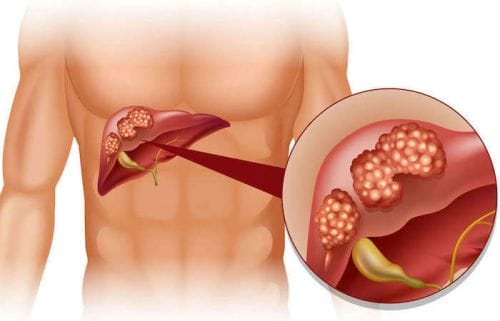
Replacement with scar tissue occurs gradually, instead of lobules, dense tubercles are formed
Pain in the liver of a dull nature is constant. There are several types of cirrhosis:
- alcoholic – caused by chronic alcoholism;
- viral – the result of chronic viral hepatitis;
- medication – with the toxic effects of drugs;
- primary biliary – causes a pathology of the hereditary type;
- stagnant – with heart failure.
Against the background of pain, other signs appear: a moderate increase in temperature, severe weakness, weight loss, an increase in the abdomen (ascites) with fluid effusion from the vessels into the abdominal cavity, yellowness and itching of the skin, expansion of the superficial umbilical veins, intoxication of the brain with mental changes. A biopsy confirms the diagnosis, and allows you to establish the degree of loss of liver function. Treatment requires hemodialysis, organ transplantation.
Pain in the area under the liver
The sensations in diseases of the subhepatic organs are very similar to pain in the liver. These include:
- an attack of appendicitis;
- right-sided renal colic;
- ectopic pregnancy and adnexitis in women;
- cholecystitis;
- bowel disease (Crohn's, ulcerative colitis, helminthic invasion).
Sometimes it is necessary to differentiate pain from osteochondrosis. A separate conversation about pain in the liver can be conducted with traumatic organ damage, parasitic diseases, abscesses.
There are many diseases and injuries that are dealt with by different specialists. The examination should begin with an appeal to a therapist. Procrastination threatens to lose the opportunity for recovery.
Why you can't ignore the fact that your liver hurts
Let's say a very important thing right away. If you regularly feel unpleasant – pulling, spasmodic, painful – sensations in the liver, consider this a reason to immediately contact a hepatologist, gastroenterologist, or at least a therapist. Let us explain why now.
Here it is, the liver, in the picture below. Put your hand on your right side, covering your ribs with your palm, and with your fingers, pointing them towards the navel, hypochondrium – you have found it.
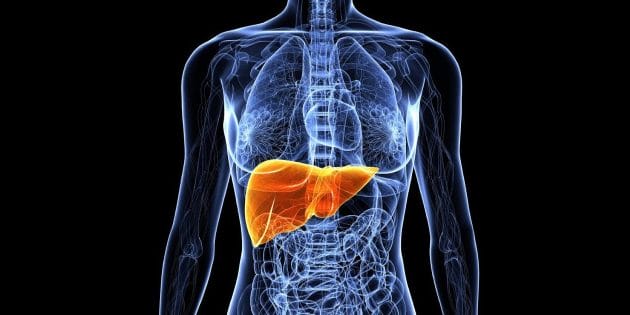
By itself, the liver cannot hurt, even if it is really unwell: it does not have pain receptors. Usually, unpleasant sensations appear only when this or that disease has gone far enough. The liver swells, enlarges and presses on the walls of the surrounding membrane (capsule). There are already nerve endings in the capsule – this is how a feeling of heaviness or pain arises.
Once again: if discomfort appears in the right side and is repeated for several days or lasts longer than several hours, run to the doctor.
Perhaps you will not find anything serious. Maybe the cause of the unpleasant sensations will not be the liver: for example, stones in the gallbladder manifest themselves as painful (which is also dangerous). But this is the very case when it is better to overshoot.
How do the functional causes of pain manifest themselves?
Functional impairment is possible with the aggravating effect of factors, a person may not even guess that the liver hurts.
The action of increased physical activity
Often when trying to do physical exercise, jogging, long walking, people complain that “it hurt under the ribs on the right.” This becomes the reason for the refusal to study. Prolonged physical inactivity leads to de-training of the body.
When running, an increased volume of venous blood accumulates in the liver. Those people who are not used to breathing correctly are especially affected. Their diaphragm does not facilitate the pumping of blood from the venous bed. A sharp increase in size overstretches the capsule, so the person feels pain.
To overcome the symptom and continue exercising, it is recommended:
- a short rest, then the pain will disappear on its own;
- think over a gradual increase in the load and breathing technique;
- do not eat 2 hours before training.
In case of drug overdose
Uncontrolled intake of drugs, especially antibiotics (from the group of macrolides, penicillins, cephalosporins), sedatives and stimulants of the nervous system, leads to the accumulation of toxic substances in the liver. Decay products are excreted in the bile. At the same time, they manage to disrupt the viscosity of bile in a thicker side, cause stagnation and impairment of outflow.

In old age, the usual dosages of drugs can become toxic.
The toxic effect can cause individual intolerance, the presence of a disease that a person does not know about. Pains, bloating, jaundice, itching of the skin appear. In practice, the symptoms can be regarded as acute drug-induced hepatitis. A week is enough for its formation.
To treat this condition should be the abolition of all drugs and the use of hepatoprotectors. A positive result appears quickly. Organic liver damage can be inflammatory and of a different nature. We will focus on some of them.
Pain in hepatitis (acute and chronic)
Inflammation of the liver that lasts up to six months is considered acute hepatitis. Infectious disease doctors are engaged in the detection and treatment of acute viral hepatitis. Hepatitis A – begins as a respiratory disease with fever, headaches, weakness.
Aching pain in the liver occurs after 3 weeks. Instead, a feeling of heaviness, bloating is possible. Jaundice appears on days 2–4. Against her background, the patient's condition improves. All signs gradually disappear, the person recovers.
Hepatitis B – Lasts up to two months. The pain syndrome grows gradually from a whining character to a dull feeling of heaviness. Start with a rise in temperature, general weakness, lethargy. Characterized by an enlarged liver, signs of jaundice.
With hepatitis D, there are no typical symptoms, it accompanies hepatitis B, and is easier to tolerate. Hepatitis E – differs, in addition to signs of intoxication, severe pain in the liver and above the navel. Sometimes the disease begins with pain. The infectious disease doctor prescribes treatment depending on the form.
Viral hepatitis B and C are known to become chronic. What can be done to prevent unwanted transformation does not always depend on the wishes of the patient and the doctor. Pain in the right hypochondrium is permanent, for some it is only worse when the diet is violated and when eating fatty foods.
Localization is inaccurate: patients notice pain in the epigastrium, then in the navel. Possible nausea and vomiting, flatulence, discomfort, all symptoms of hepatitis appear. The reason is confirmed by biochemical blood tests, urine tests, identification of markers, ultrasound. If necessary, computed tomography is performed.
The most unfavorable option is when the disease is asymptomatic and is detected already in the stage of liver cirrhosis.
Slow response
Pain is one of the most common signals of an illness. The liver is a special organ. It lacks nerve endings. Therefore, by the time signs of pathology appear, the tissues are already significantly damaged. As a result of untimely diagnosis, the disease does not respond well to therapy and has a devastating effect on health. How, then, do you know if your liver hurts? Signs that indicate pathology are not necessarily related to physical discomfort. They represent external changes and general deterioration.
Initial manifestations
Often, patients notice their weakness and increased fatigue. Of course, these symptoms can occur after an illness, against the background of disturbances in the activity of the myocardium, blood vessels, stomach, intestines. They are often the result of a respiratory infection. Any disturbance in the body causes a feeling of weakness. And it can be difficult for a patient to determine which ailment provokes fatigue. How to understand where a person's liver hurts? Discomfort under the right rib, which is accompanied by constant fatigue, is one of the signs that indicate a disorder in her work.

Fatigue is not related to lifestyle. A person gets enough sleep, does not suffer from serious illnesses, but feels a breakdown. If you have such a symptom, you should consult a doctor and check the condition of the liver. Fatigue occurs in the case of intoxication, the accumulation of harmful compounds in the tissues of the body.
Disruptions in the digestion process
Dyspepsia (disorder of the stomach and intestines) is observed with liver pathologies. It is accompanied by unstable stools, alternating diarrhea and constipation, nausea, bouts of vomiting. The patient's taste sensations are distorted, appetite decreases, a bitter taste occurs in the oral cavity in the morning and after eating.
Other external changes
The skin is the mirror of the body's health. Any ailments affect the condition of the epidermis. A disease in which the liver does not filter toxic substances entering the body is accompanied by external changes. After all, the skin begins to take over some of the functions of the organ. The cells of the epidermis are not designed to excrete toxic compounds. Therefore, their condition begins to deteriorate. How to understand if the liver hurts? What signs indicate the presence of pathology? The violation of the organ's work is evidenced by:
- The appearance of a vascular pattern in the form of asterisks on the surface of the cheeks, back and other parts of the body.
- The appearance of spots on the skin. They are usually brown or bronze in color. Formed on the surface of the palms and armpits.
- Pale skin coloration. It testifies not only to anemia. Sometimes this symptom indicates the presence of hepatitis or cirrhosis. Pallor also occurs as a result of other reasons (heredity, lack of vitamins). However, if this symptom is combined with other manifestations of liver ailments, you should consult a doctor.
- Hematomas on the surface of the body. They arise due to the fragility of blood vessels.
- Yellowish plaques on the elbows, feet, eyelids.
- Redness of the palms and soles.
- Loss of a lot of hair. With violations of liver functions, an imbalance of hormones is observed. The fact is that this organ is involved in the production of insulin and removes excess estrogen from the cells of the body. Pathologies affect the condition of the hair, provoking hair loss.
- Itching of the skin.
Combating pain and biliary colic with UDCA
How to relieve liver pain associated with diseases of the hepatobiliary system? According to experts, the best solution would be to take drugs based on UDCA (ursodeoxycholic acid).
UDCA is produced in every organism, albeit in small concentrations. Back in the 20th century, the first drugs based on ursodeoxycholic acid were developed. Doctors noted that under their influence it is possible to stop inflammation in the organs of the hepatobiliary system, improve the functionality of the liver, and improve the quality of bile.
To date, it is reliably known that drugs with UDCA:
- Strengthens the immune system.
- Able to eliminate stagnant processes in the biliary tract.
- They help fight attacks of biliary colic.
- They reduce the lithogenicity of bile, due to which it is possible to prevent the formation of calculi in the gallbladder.
- Destroy cholesterol stones in the gallbladder, reduce the saturation of bile with cholesterol.
- They have a positive effect on lipid and protein metabolism.
- Reduces the toxicity of bile acids.
- Able to fight reflux gastritis and reflux esophagitis.
- Helps remove toxins from the body. That is why it is recommended for many to take UDCA after chemotherapy and a course of taking hepatotoxic drugs, including antibiotics, cytostatics, etc.
- Relieve pain, spasms and other symptoms inherent in diseases of the hepatobiliary system.
- Fight jaundice in newborns.
Means with ursodeoxycholic acid can be taken provided that the gallbladder is functioning normally, there is no blockage of the bile ducts, and there are no acute inflammatory processes in the pancreas and intestines. Medicines are allowed to be drunk even by pregnant and lactating women, if there is an urgent need for it.
The best hepatoprotectors with UDCA are Ursoliv, Ursosan, Ursofalk, Grinterol, Urdoksa.
Essential phospholipids
 Essential phospholipids are substances that are the main elements of the cell membrane. These substances are obtained from soybeans. In structure, EPLs resemble phospholipids, which are produced in liver cells.
However, essential phospholipids are somewhat superior in activity to phospholipids that are produced in the body. When ingested, EPLs are embedded in liver cells and have a pronounced membrane-stabilizing effect.
If a person thinks about what to take for pain in the liver, and at the same time not harm health, then the choice will be unambiguously for EFL. These medicines:
- They help to “calm down” the liver, namely, they reduce the activity of liver enzymes.
- Cleanses the body of toxins. Phospholipids do an excellent job with ethanol breakdown products, so these drugs are suitable even for alcoholics.
- They guarantee relief from digestive disorders.
- Reduces lipid and protein metabolism disorders.
- They reduce the lithogenicity index of bile and, at the same time, stabilize its passage and synthesis.
- They bind to free radicals and neutralize their negative effect on liver cells, thereby preventing damage to hepatocytes.
- Facilitate the course of hepatitis, as they stop inflammatory processes in hepatocytes.
- Improves immunity.
Phospholipids can also be taken to prevent toxic liver damage. Moreover, EPL is used in the treatment of autoimmune pathologies and radiation sickness. Sometimes drugs are prescribed to pregnant and lactating women.
The best essential phospholipids are Hepatrin, Essentiale Forte N, Fosfontsiale, Phosphogliv, Rezalut PRO, Gepagard Active. If a person constantly has severe liver pain, it is recommended to take these hepatoprotectors for at least 2-3 months.
What to do with acute biliary colic?
 The definition of “biliary colic” means an acute attack of pain that occurs in the area of the gallbladder and its ducts. The main causes of development are cholelithiasis, an acute form of cholecystitis, the consumption of large amounts of fatty foods, prolonged binge drinking, taking hepatotoxic drugs, biliary dyskinesia.
With the development of colic, a person experiences severe stabbing pain in the right hypochondrium. Pain sensations can be “given” to the shoulder blades, limbs, lower abdomen, lower back and even neck.
Biliary colic requires emergency treatment. Doctors recommend:
- Remove tight clothing from the patient, lay the patient on his right side.
- Apply a cold compress to the right hypochondrium.
- Give the patient an anesthetic. Before the arrival of the ambulance, it is advisable to give the patient an antispasmodic (No-Shpa, Drotaverin, Papaverin) and NSAIDs (Ibuprofen, Nurofen, Aspirin).
- On the arrival of doctors, the patient is administered more potent pain relievers. Usually Atropine, Promedol, Baralgin are used.
Symptomatic therapy continues in a hospital setting. Painkillers, hepatoprotectors, antispasmodics are administered intravenously or intramuscularly. It is possible to completely get rid of biliary colic and prevent their re-development only after eliminating the root cause of the attacks.
Oats for liver treatment
Treatment and prevention of liver disease with folk remedies is popular. However, even medicinal tinctures should be supplemented with medications and proper nutrition.
During treatment, the patient should forget about bad habits, walks in the fresh air, drinking plenty of fluids are useful. It is possible to restore the functioning of the organ and protect it from complications only with an integrated approach to the problem.
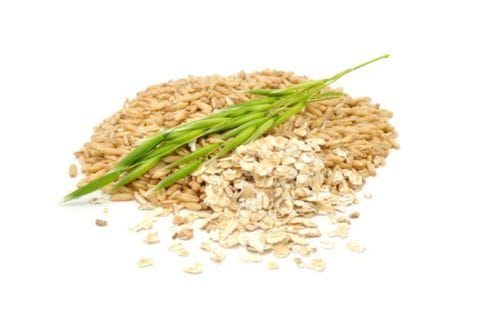
A plant with unique properties
Oats have a beneficial effect on the state of the liver, accelerate the regeneration processes.
There are many ways to use the plant, the most common are as follows:
- With a liter and a half of boiling water, 150 gamma grains are poured, cooked over low heat for twenty minutes. The broth should cool. The finished product is used once a day, 220 milliliters, the duration of the course of treatment is twenty days.
- Tincture made from oats. The grains are crushed with a blender along with the husks. 20 grams are separated from the resulting powder, filled with a liter of boiled and hot water. The liquid is infused for three hours, drunk instead of water.
- Kissel made from unrefined oats. A glass of grains is poured with six hundred milliliters of water, the mixture is cooked over low heat until a viscous consistency is obtained. The resulting broth should resemble jelly, it is used in its pure form, if desired, you can add a small amount of honey.
The recipes above will help keep your liver healthy and healthy.
Interesting! A beneficial effect can be achieved with oatmeal boiled in water. People suffering from gland pain should include it in their diet.
Garlic and onions to treat the gland
Many people are interested in, if the liver hurts, is it possible to do something at home? It is recommended to include garlic and onions in the daily diet. Foods increase the secretion of liver cells, the amount of fat around it decreases rapidly.
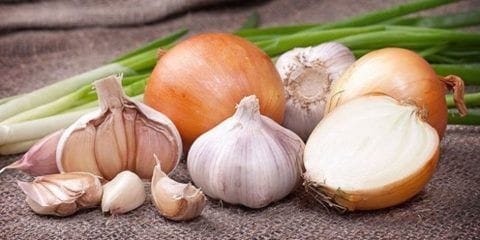
Products that have a healing effect on the entire body
For the treatment of diseases of the gland, it is recommended to use the following recipe:
- Cook a few cloves of garlic, peel and chop finely. Boil two hundred milliliters of water, pour in the garlic, leave for eight hours.
- Drink the remedy on an empty stomach in the morning.
- Repeat the procedure several times throughout the day. Prepare a new tincture in the evening.
The duration of such a course of treatment is ten days. The recipe helps support the liver during the development of cancer, but provided that there are no metastases.
Honey therapy
Honey is excellent for treating the liver with folk remedies. When using a beekeeping product, you must make sure that there is no allergy to it.
The most common honey-based recipes are as follows:
- Prepare a small black radish, peel and finely chop. Add honey to the resulting mass. Eat twenty grams three times a day.
- Finely chop half a kilogram of currants, add the same amount of honey. Eat a small amount each time you eat.
- Add two tablespoons of honey to 220 milliliters of mineral water (Essentuki or Borjomi). Drink a small amount in the morning on an empty stomach.
Honey products are effective and safe. The outflow of bile is accelerated, discomfort disappears, the work of the gastrointestinal tract is normalized.
Oil treatment
For the treatment of diseases at home, vegetable oils can be used: olives, milk thistle, black cumin. To cleanse the organ, up to twenty grams of any of the oils are consumed per day on an empty stomach.
Traditional methods of relieving pain
Effective treatment of the liver is possible not only with drugs from the pharmaceutical industry, but also with folk remedies at home. They are recommended to be taken only after consulting a doctor, if no serious violations in the work of the organ have been diagnosed.
Consider the most advanced treatment methods:
- Oat broth treatment is the most gentle therapy. Pour two tablespoons of dry grains with one liter of water, bring to a boil and boil for fifteen minutes. Then add honey, freeze. The tool needs to be drunk a day, a third of a glass three times before meals. The course of treatment is two weeks;
- treatment with corn fibers – you need to collect the fibers from ripe cobs, pour boiling water and leave for thirty minutes. Drink the resulting liquid, sweetening it with honey a little, and the pain in the right side of the abdomen will go away;
- A good way to get rid of toxins that impair liver function is to drink grapefruit juice with olive oil. Both components must be mixed in equal proportions and drunk at night. Go through this procedure for several days, and the result will not keep you waiting – nausea and painful sensations in the liver will pass;
- you can cure the liver with mint – one tablespoon of mint leaves is poured with boiling water and insisted for a day, after which the patient drinks the liquid three times a day to drink the whole glass;
- if it hurts in the right side, it is recommended to mix carrot juice (natural, freshly squeezed) with the same amount of milk. They drink this mixture in small sips in the morning, after which you can have breakfast in thirty minutes. Use the remedy before the improvement appears;
Rosehip is also considered a pretty strong remedy for pain in the liver. Rosehip flower petals are mixed with honey and taken several times a day with warm tea. People who have been treated with this remedy claim that the pain has passed in a few days.

What tests should be done when the liver hurts?
Pain in the right side of the abdomen, indicating liver problems, is an indication for an extended examination. The basis for the diagnosis of liver pathologies is a blood test, in which it is important to determine such parameters as:
- ALAT and ASAT
- GGTP, gamma glutamine transferase;
- alkaline phosphatase;
- an increase in the concentration of total and conjugated bilirubin in plasma;
- markers of inflammation (usually measured by CRP);
- the degree of coagulation.
Symptoms of liver failure require a general urinalysis.
In liver diseases, the production of blood coagulation factors is impaired, thrombocytopenia, anemia appear, and cholesterol levels increase.
From instrumental and instrumental studies, the largest amount of data is provided by ultrasound of the abdominal cavity and a detailed study of the liver and gallbladder.
In the case of cirrhosis, endoscopy of the upper gastrointestinal tract may also be recommended, revealing varicose veins of the esophagus as a consequence of portal hypertension.
Computed tomography usually has no advantages over ultrasound. An exception is the suspicion of hepatocellular carcinoma.
In some cases, histopathological examination of the liver section or elastography is also necessary.
Sources used and useful links on the topic: https://medikym.ru/bolit-pechen/ https://medprior.ru/pechen-kak-bolit/ https://MyPechen.com/bolit-pechen/ https: // SamMedic.ru/447597a-bolit-pechen-simptomyi-oschuscheniya-pervyie-priznaki-v-kakom-meste-bolit-pechen https://vrbiz.ru/diagnostika/bol-pecheni https://Lifehacker.ru/bolit- pechen / https://MedBoli.ru/zhkt/pechen/bol-v-pecheni https://labuda.blog/202880 https://blotos.ru/bol-v-pecheni-chem-snyat https: // bolitpechen .ru / simptomatika / bolit-pechen-chto-delat-v-domashnih-usloviyah-378 https://MyPechen.com/lekarstva-ot-boli-pecheni/ https://medcentr-diana-spb.ru/gastrojenterologija/ bol-v-pecheni-simptomy-gde-i-kak-bolit-pechen /
Post source: lastici.ru