
Lower abdominal pain in women and men. Causes of pain in the lower abdomen
Each person at least once in his life experienced pain in the lower abdomen. These painful sensations can occur for a variety of reasons.
In men and women, pain in the lower abdomen can occur against the background of inflammatory processes of the genitourinary system. They can be caused by injuries and infectious diseases. When urinating, the pain intensifies. The fact that pain is associated with infection is evidenced by the appearance of purulent discharge from the genitals or from the urethra. Fever and chills are also an accompanying symptom of many infectious diseases. Aching pain, which is constantly present in the lower abdomen, indicates chronic inflammatory processes.
With cholecystitis, an inflammation of the gallbladder, pain may occur from below in the right side of the abdomen or in the right hypochondrium. Usually, an exacerbation of chronic cholecystitis occurs after eating fatty and spicy foods. An additional symptom is often the appearance of bitterness in the mouth, and sometimes the body temperature rises. In severe cases, vomiting of bile occurs, after which the condition slightly improves. To alleviate the condition, you can drink still water and lie on your right side. If the pain persists, then this may indicate the presence of stones in the gallbladder.
For cystitis, pain in the lower abdomen is a characteristic feature. Moreover, its intensity can be different. At the initial stage of inflammation, there is a slight dull pain in the lower abdomen. As the inflammatory process develops, edema of the bladder walls occurs, and the pain syndrome increases. Sharp pains, burning sensation occur during urination, which usually becomes more frequent.
Strong pain in pyelonephritis extends to the entire abdominal cavity. Sometimes abdominal pain is so severe that a person is forced to take a certain position to minimize it. With an exacerbation of the disease, the pain by its nature resembles renal colic and can provoke a short-term loss of consciousness. In chronic pyelonephritis, pain is constantly present or may have a periodic cramping character. An additional sign of the development of the disease is an increase in body temperature. Pain can be relieved with pain relievers.
Various diseases of the digestive system can be accompanied by pain in the lower abdomen. These can be tumor processes of a benign or malignant nature. Constant aching pain always occurs with the growth of polyps in the intestine. With the growth of tumors, the intestinal lumen is blocked, and the pain intensifies. Constipation can be an additional symptom. Very often, an admixture of blood appears in the feces. Against the background of pain, a person's condition deteriorates significantly. He loses his appetite and may experience weight loss.
Intestinal colic (cramps) can be of varying intensity and duration. It is noteworthy that outside the seizures, a person feels normal, and there is no residual pain in the lower abdomen. The reasons for the periodic occurrence of intestinal colic can be very diverse, so this pain syndrome can be considered a warning one. It is imperative that diagnostics be carried out as soon as possible. A feature of painful sensations is that the focus of inflammation is not always located in the place of their localization.
Acute pain in the lower abdomen can occur with an attack of acute appendicitis. It is noteworthy that the pain syndrome may subside a little, and after a while it may intensify, but at the same time it does not subside. With the classic development of pathology, pain first occurs in the center of the abdomen, and then goes down. An accompanying symptom may be nausea and single vomiting. But after it, the pain does not disappear. Fever may occur with acute pain. If you suspect appendicitis, you should definitely call an ambulance. Otherwise, when the appendix ruptures, peritonitis may develop, which is life-threatening.
Lower abdominal pain can be associated with infections or parasites. Infectious infections are caused by pathogenic bacteria that enter the body if hygiene rules are not followed. The most common diseases of a bacterial nature are dysentery and salmonellosis. Very often, infectious bowel diseases are accompanied by repeated vomiting. At the same time, there is no relief after it. Also, diarrhea, aversion to food, intestinal cramps against the background of acute painful attacks indicate an infection. Treatment is carried out only after diagnosis and provides an integrated approach.
Chronic colitis is very common in older people. The thing is that age-related changes in the body can provoke atherosclerotic damage to the arteries that feed the intestines. If this happens, then the blood begins to flow poorly to the intestines, therefore, necrosis develops in some of its areas, which causes severe pain. Against the background of such a disease, there is a risk of developing intestinal obstruction. Chronic colitis is accompanied by additional symptoms: bloating due to flatulence.
Sigmoiditis is characterized by inflammation of the sigmoid colon, which is a section of the large intestine. In typical cases, pain during the development of pathology is localized from the bottom in the left abdomen. They can increase when raising the left leg and when lying on the left side. An additional symptom is frequent diarrhea, which can sometimes be replaced by constipation. In severe cases, fecal matter takes on a fetid odor; they contain mucus and impurities of pus. An exacerbation of the disease is characterized by severe pain, which is often forced to call an ambulance. In the chronic course, the pain is constant, but dull. An exacerbation can occur with a violation of the diet, nervous strain or hypothermia.
Lower abdominal pain can be one of the symptoms of pelvic inflammatory disease. Such pathologies are most often associated with sexually transmitted infections. The most common of these are gonorrhea and chlamydia. Pain during infection and the development of pathology of internal organs can have different intensities. But their significant difference is that they radiate to the perineum and anus. In women, abnormal vaginal discharge is often observed, as well as discomfort during intercourse. In addition, bone aches and persistent headache are an additional symptom.
Intoxication of the body can be caused by the intake of poor-quality food products, as well as various toxic substances with which a person could contact for some time. Pain in the lower abdomen during poisoning is always very severe. They are accompanied by a significant deterioration in general health and vomiting. Sometimes the temperature may rise. Lower abdominal pain persists for some time after the body has been cleared of toxins. This is due to the fact that the intestinal microflora is restored gradually. In addition, the pain syndrome may persist due to the fact that the poisoning provoked an exacerbation of chronic diseases.
Also a common purely female problem. With such diseases, pulling discomfort in the pelvic region is not necessarily associated with menstruation: they can appear at any time of the cycle. Menstruation with such disorders lengthens and becomes more painful.
If you suspect a disease of the reproductive system, be sure to consult a gynecologist. Surgery may be needed.
With an ectopic pregnancy, the fertilized egg becomes fixed and begins to grow not in the uterus, as it should be normally, but in the fallopian tube, cervix or ovary. This does not lead to anything good: sooner or later the growing embryo breaks the walls of the organ to which it is attached. The result is massive and deadly internal bleeding.
At the first suspicion of pregnancy, be sure to contact your gynecologist. All the more so if, with an increase in the term, you more and more clearly feel a pulling pain in the lower abdomen.
When bacteria in the small intestine break down incoming and partially processed food, they release carbon dioxide and other gases. If there is too much gas, the pressure in the intestines rises. Parts of the small intestine expand, press on the nerve endings in the abdominal cavity, this causes bloating and pain – sometimes acute.
As a rule, the body copes with such situations on its own: excess gases escape through the anus. If the belly swells up regularly after eating, it is worth reviewing the diet and refusing foods that lead to increased work of bacteria.
It is also useful to consult with a gastroenterologist – perhaps he will prescribe prebiotics for you and recommend other ways to cope with the problem.
 After intercourse, some women experience unpleasant feelings. This often happens at night. Why and what can hurt depends on many factors.
Often, if in this case the lower abdomen pulls, the reasons may be associated with frustration, that is, with moral dissatisfaction. Why the lower abdomen pulls after sexual contact, only a doctor can determine for sure. You can ignore such a symptom if this rarely happens in women and the pain is mild. By the way, men can also have stomach ache after intercourse. And some women claim to have felt pain during conception. But if the right or left pulls constantly, you must contact a gynecologist.
In medicine, pain that occurs at different stages of sexual intercourse is called dyspareunia . Pain can be different – sometimes a woman complains that she presses, tugs, burns, tingles in the groin area.
Whether pain can occur with thrush depends on the intensity of the disease. Thrush is an infectious disease in which discharge appears, which can cause discomfort. At the same time, the woman is worried about itching – itching in the genital area, as well as discomfort in the lower abdomen.
Concomitant symptoms
Attention should also be paid to the accompanying symptoms. Constant pain in the lower abdomen is often accompanied by the following manifestations:
- Bleeding from the genital tract. Cramps and pains often occur on the days of your period. If the bleeding is not associated with menstruation, then the pain syndrome can be caused by polyps and tumors of the uterus, as well as endometriosis.
- Fever and chills. Fever is a sign of inflammation.
- Loss of appetite and dyspeptic symptoms (nausea, vomiting, diarrhea). Such manifestations are observed in bowel diseases.
- Painful urination and blood in the urine. This is a characteristic symptom of cystitis and urolithiasis. Unpleasant sensations often radiate to the lower back.
- Fainting. This is a dangerous sign that indicates internal bleeding in the abdominal cavity.
- Discharge of pus or mucus from the genital tract. This symptom may indicate inflammation of the appendages in women.
Etiology
Constant pain in the lower abdomen is noted in a variety of pathologies. In both men and women, pain syndrome can be a sign of internal diseases:
- cystitis;
- tumors of the bladder;
- urolithiasis;
- appendicitis;
- intestinal pathologies.
In female patients, such pains are noted more often than in men. This may be due to gynecological diseases and pregnancy pathologies:
- algomenorrhea (painful menstruation);
- ovarian cyst and its complications;
- inflammation of the female reproductive organs;
- endometriosis;
- polyps and fibroids;
- threatened miscarriage;
- ectopic pregnancy.
Often, patients complain that in the middle of the menstrual cycle they are worried about pain in the lower abdomen and constantly pulls. However, after a few days, all unpleasant sensations disappear. It can be caused by ovulation. Women who are hypersensitive to hormonal changes may physically feel the release of an egg from the follicle.
Constant pain in the lower abdomen in men can be a symptom of the following diseases:
- prostatitis;
- inflammation of the seminal vesicles (vesiculitis);
- adenoma of the prostate gland.
In addition, pain in men can be triggered by an inguinal hernia. This disease may not manifest itself for a long time. Only in advanced cases does the hernia pinch, which is accompanied by a pronounced painful attack.
Cystitis
With this pathology, the mucous membrane of the bladder becomes inflamed. Most often, cystitis is of an infectious origin, its causative agents are staphylococci or Escherichia coli. One of the main symptoms of this pathology is constant aching pain in the lower abdomen. The inflammatory process in the bladder is also accompanied by the following manifestations:
- fever;
- increased painful urination;
- a cloudy impurity in the urine;
- general malaise (chills, weakness).
Since the inflammation has an infectious etiology, the patient is prescribed antibiotics. The necessary drug is selected based on the results of urine analysis for bacterial culture.
Bladder tumors
This pathology is more often diagnosed at the age of 45-50 years. At the initial stage, bladder tumors are often asymptomatic. Pain in the suprapubic region occurs in the later stages of pathology. They can be quite intense and are often permanent. This is accompanied by the following symptoms:
- the appearance of blood in the urine;
- painful urination;
- violation of the outflow of urine.
Even benign tumors can trigger the development of pyelonephritis or chronic renal failure. The sooner the patient seeks a doctor, the more chances of a favorable outcome are.
Bladder tumors are treated exclusively with surgery. At the initial stage, the neoplasm is eliminated by endoscopic methods, as well as using electrocoagulation or a laser. In advanced cases, it is necessary to remove not only the tumor, but also part of the bladder, and sometimes the entire organ completely.
Urolithiasis disease
With the formation of calculi in the kidneys and bladder, the patient may not feel any signs of pathology for a long time. However, stones often block the lumen of the ureter and interfere with the outflow of urine. The patient has an attack of renal colic. This difficult condition is accompanied by intense persistent pain in the lower back and lower abdomen. The patient also has the following pathological manifestations:
- blood in the urine;
- heat;
- severe weakness;
- nausea.
In severe cases, colic lasts several days. Pain syndrome is stopped by antispasmodic drugs. For small stones, patients are prescribed special medicines to crush stones. In advanced cases, a surgical operation is necessary, during which the doctor removes crystals from the excretory organs.
Bowel disease
Constant aching pains in the lower abdomen often appear with intestinal pathologies such as Crohn's disease, diverticulosis, ulcerative colitis. Let's consider these diseases in more detail.
Ulcerative colitis is accompanied by inflammation of the colon with the formation of erosions on the mucous membrane. The exact causes of the pathology are unknown. The first sign of the disease is the discharge of blood from the rectum during a bowel movement. Then there are constant pains in the lower abdomen on the left. Ulcerative colitis is also accompanied by a lack of appetite, weight loss, and a rise in temperature. The patient is prescribed a diet that restricts food that irritates the intestines. The administration of anti-inflammatory drugs from the group of aminosalicylates is shown.
Crohn's disease is inflammation in the gastrointestinal tract, accompanied by the formation of nodules on the mucous membrane. The pathology is of autoimmune origin. With lesions of the blind, rectum and sigmoid colon, patients complain that their side in the lower abdomen constantly hurts. The clinical picture of this pathology sometimes resembles the symptoms of acute appendicitis. The patient is advised to follow a gentle diet. The administration of anti-inflammatory drugs, as well as corticosteroids and cytostatics is indicated.
Diverticulosis is accompanied by the appearance of protrusions (diverticulums) on the intestinal wall. This disease can be provoked by frequent constipation, obesity, and the abuse of laxatives. At the initial stage, the patient does not feel any unpleasant symptoms. Pain appears only with the growth of diverticulums. Constipation occurs, followed by diarrhea, and bloating is noted. Treatment consists of following a diet, taking antibiotics, as well as anti-inflammatory and antispasmodic drugs.
Intestinal tumors at an early stage are asymptomatic. However, as the neoplasm grows, a dull or aching pain syndrome appears. Other pathological manifestations are also noted:
- discharge of blood from the intestines;
- alternation of constipation and diarrhea;
- an admixture of pus, mucus and blood in feces;
- false painful urge to defecate;
- increased gas formation;
- weakness;
- weight loss.
Intestinal tumors are treated exclusively by surgery.
One of the most dangerous causes of pain is intestinal obstruction. This condition develops due to blockage of the intestinal lumen. In this case, there are not aching, but acute cramping pains. They appear suddenly and quickly become so intense that the patient rushes about and moans. The obstruction is accompanied by severe constipation and vomiting with a fecal odor.
The patient needs immediate attention. In case of incomplete blockage of the gastrointestinal tract, conservative treatment is possible with the help of siphon enemas and drug therapy. In case of complete obstruction, an urgent operation is required.
What is the difference between lower abdominal pain?
Avoiding the unnecessary suffering that pain in the lower abdomen always brings with it is not so difficult. One pain reliever tablet, available over the counter at your local pharmacy, may be sufficient. Although, some may need longer treatment.
In any case, you first need to clearly define what kind of pain is bothering you. To do this, you will need to comprehensively answer the following questions:
When did the first discomfort arise?
Lower abdominal pain often occurs after eating. Still, not every organism responds well to an overly nourishing and plentiful lunch or dinner. A fairly common situation is when pain in the lower abdomen after sex makes itself felt. And for many women, pain in the lower abdomen during menstruation has long become familiar.
What is the nature of the pain?
To make it easier for the doctor to make the correct diagnosis, the patient must somehow describe the pain. Dull pain in the lower abdomen is quite common. Also, many complain that there is acute pain in the lower abdomen.
Many have difficulty describing pain. But the doctor needs to hear at least some comparison in order to understand which disease is most likely. To explain what kind of pain a person is experiencing, you can use the following adjectives: sharp, dull, cutting, stabbing, sharp, cramping, throbbing, etc.
How long does the pain last?
Perhaps it has not stopped for a long time or, on the contrary, periodically occurs in the form of seizures.
What is accompanied by pain?
The accompanying symptoms can be very diverse: fever, nausea, vomiting, chills, etc. In addition, when it hurts in the lower abdomen, the discharge should not be ignored either. It is worth paying attention to their color, frequency and the presence or absence of blood in them.
Hidden Causes in Gynecology
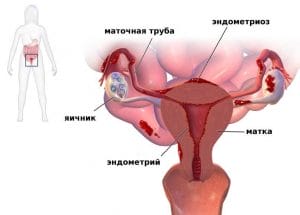 Pulls the lower abdomen, while there are no menstruation – this may be a consequence of gynecological diseases. A woman may not even be aware of some diseases of the female appendages, but these are obvious symptoms of problems.
First of all, when there are painful sensations in the lower abdomen, but there is no menstruation, you should contact a gynecologist and undergo an examination. Some diseases can be latent and develop into chronic diseases.
Let's consider the most common problems:
- Inflammation of the female appendages: ovaries, fallopian tubes, the like. Additional signs may be: increased body temperature, aching pain in the groin area. You need to be more careful about your health, and if you exclude hypothermia of the body, you can avoid a similar fate.
- Endometriosis also gives off a stretching sensation in the abdomen. This problem most often causes severe bleeding during menstruation. The essence of the disease is associated with the growth of the endometrium beyond the uterine limits. In addition, a woman may have other signs of endometriosis: disruptions in the work of the menstrual cycle, pain syndrome develops before the onset of critical days, and its intensity increases during menstruation.
- Ovarian apoplexy is a hemorrhage in the tissues of the ovary. Occurs due to rupture of the follicle during ovulation. The ovarian tissue is damaged, blood is poured into the abdominal cavity or other organs. In this situation, at first, the lower abdomen can be pulled, then the pain increases, moves to the lumbar region, the woman feels severe fatigue, blood pressure drops and the lady can lose consciousness. Carefully, if there is a suspicion of this, you should immediately contact an ambulance.
- Myoma of the uterus is accompanied by a stretching or dull or cramping sensations. The soreness is complemented by a choking impression, as if something is interfering in the female organs. In such cases, bleeding may be present even if there is no period.
Not from the female area
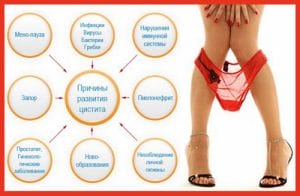 Pulling in the lower abdomen may not be due to problems in the field of gynecology.
It so happened that pain in the lower abdomen is most often associated with the monthly cycle.
But, in addition to the appendages, there are other equally important organs in the pelvic area.
Here are some possible sources:
- The well-known appendicitis causes similar symptoms. It happens that the location of the appendix of the small intestine is atypical, which complicates the assumption of a focus of inflammation. Appendicitis is terrible because the complication is terrible – diffuse peritonitis, which can cause death. Therefore, if this organ is inflamed, an urgent operation is needed to remove it.
- Inflammation of the gallbladder – cholecystitis. Assumes the presence of stones in the gallbladder and if they reach large sizes, surgery is required.
- Cystitis, pyelonephritis – inflammation of the bladder. Additional symptoms: the lower abdomen aches, gives to the lower back, the body temperature rises, painful urination.
Help with lower abdominal pain at home
Can you help yourself at home without harming the fetus? The first thing a woman needs to do during the onset of discomfort is to calm down, lie down and breathe deeply. If bloody discharge appears, it is necessary to urgently call an ambulance and take No-Shpu or Papaverin.

If the patient suffers from low blood pressure, you can take only those drugs that have been previously agreed with the doctor and will not harm the child. Any other medications while carrying a baby can be very dangerous for the life of an unborn baby.
In what situation do you urgently need to see a doctor?
The expectant mother should be responsible for her own health and the health of her baby. It is very important during this period to learn to distinguish physiological pain from pathological. In addition, you need to know when what symptoms you need to urgently go to the doctor:
- Intense pain that does not go away at rest.
- The discomfort is mild, but it grows every day.
- Bloody discharge of any intensity appeared.
- The body temperature has risen.
- The expectant mother discovered a leakage of amniotic fluid.
- There was a severe headache, dizziness, flies before the eyes.
- At a later date, the child's activity decreased, movements became rare.
- The woman suffered a fall or abdominal injury.
In such situations, you should not risk your life and the life of your baby and stay at home. When the above symptoms appear, it is imperative to seek qualified medical attention as soon as possible. This will help preserve the fetus and give birth to a healthy baby.
How is the diagnosis
If you experience pain similar to your period, you should definitely consult with your gynecologist or surgeon. In such a situation, a clinical examination of urine and blood is carried out, as well as an examination on a gynecological chair. Also, in order to determine the disease, ultrasound, MRI of the peritoneal region, coloscopy can be prescribed.
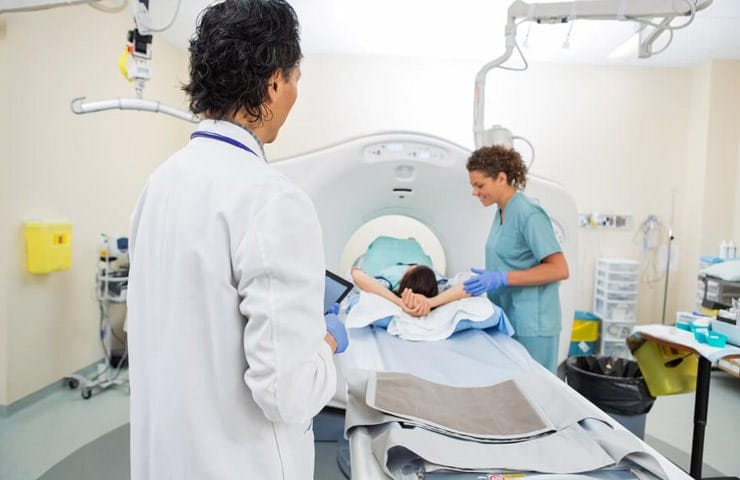
MRI of the abdomen recommended
In laboratory conditions, the PCR technique is used to identify the causative agent of the pathology. The concentration of sex hormones in the bloodstream is also determined. If the type of secretion is suspicious, a vaginal swab is taken.
When urgent medical attention is required
An urgent need to seek the help of a specialist if the following symptoms are found:
- pain that interferes with normal life;
- uncomfortable sensations that appear during movement;
- the appearance of a vaginal secretion with an unpleasant odor;
- the appearance of bloody discharge at a time when menstruation cannot be;
- sudden cutting pain in the side;
- fainting;
- high temperature;
- the occurrence of vomiting;
- painful urination, blood in the urine.
Medical attention is needed if vomiting is present
You need to see a doctor regardless of the day of the menstrual cycle, during which negative signs appeared.
If such pains appear during pregnancy, then the doctor's help is needed immediately, as this may be evidence of the development of an ectopic pregnancy.
What diseases of men cause pulling pains in the lower abdomen?
Closest to the lower abdomen is the pelvic zone, in which men have an important organ – the prostate gland with seminal vesicles.
Chronic prostatitis
If a man complains that “it hurts and pulls in the lower abdomen”, then first of all there are suspicions of chronic prostatitis. Middle-aged men are more likely to get sick, especially during sedentary work (drivers, pilots). The pains are permanent, radiating to the suprapubic zone, coccyx, anus, groin and external genitalia.
 Why does the lower abdomen hurt when lifting weights?
Itching in the anal area is typical, with straining the secretion of the prostate gland in drops through the urethra. Exacerbations of prostatitis are caused by hypothermia, alcohol consumption, sexual excesses.
At the same time, cramps during urination, increased urge, delayed urine flow, a feeling of incomplete emptying of the bladder are added to the characteristic pains. The man's temperature rises, dizziness, weakness, headaches, insomnia appear. Character often changes, in the family they notice a tendency to isolation, irritability over trifles.
Benign tumor
Adenoma of the prostate gland is formed by overgrown glandular cells. The disease manifests itself more often in older men. An enlarged prostate compresses the urethra. Therefore, in the early stages, the symptoms indicate impaired urination: straining to push urine, frequent urge without a feeling of complete emptying of the bladder.
Aching constant pain in the groin above the pubis is painfully tolerated by patients. A further increase leads to stagnation of urine and the addition of inflammation. Men are diagnosed with cystitis, prostatitis, pyelonephritis.
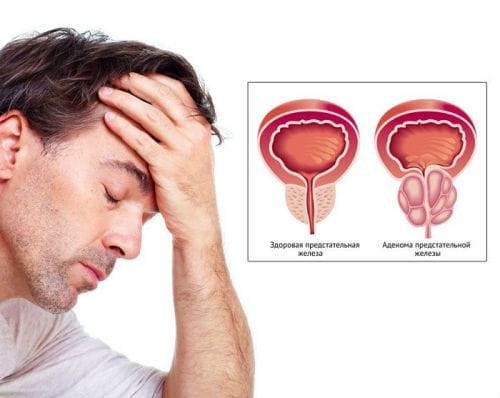
Adenoma is associated with hormonal disorders
Prostate cancer
A malignant tumor of the prostate gland occurs against the background of a long course of adenoma, inflammatory processes in the genitourinary organs. The disease begins with pulling pains above the pubis and in the perineum, frequent urination, the appearance of blood in the urine. Further development of the tumor is characterized by rapid metastasis, pain in the bones (legs, spine, ribs), loss of appetite, weight loss.
What congenital pathologies can cause pain in the lower abdomen in women?
With congenital abnormalities of the reproductive system, a woman may experience discomfort and pain. They appear spontaneously with bright flashes and gradual fading. Such pain can be provoked by:
- abnormal structure of the genitals;
- disproportionate size of internal and external genital organs;
- the absence of a part of one of the pelvic organs;
- congenital unnatural growths.
Quite often, a woman does not know about the problem of a congenital anomaly and lives with her until the first trip to the ultrasound of the pelvic organs.
A woman's lower abdomen hurts badly during menstruation
Moderate pain in the lower abdomen during menstruation is normal for every woman. Severe aching pain during menstruation may be present in young girls, since their hormonal background is not yet stable, and the prostaglandin (sex hormone) produced by the uterus causes it to contract more actively, which causes pain.
The cause of pain in the lower abdomen during menstruation can be a displaced or incorrectly inserted intrauterine device. If you have a spiral and there is a symptom in the form of pain in the lower abdomen during menstruation, then visit a gynecologist and check if everything is normal with you.
Pathology of the urinary tract
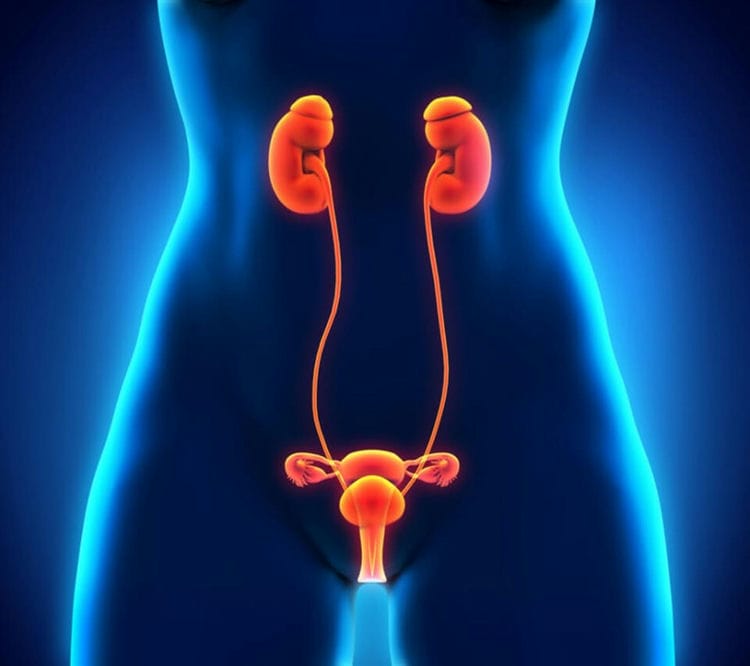
Diseases of the genitourinary system are accompanied by pain over the pubic bone radiating to the right or left side. Some tension or pressure, frequent urination, change in the color of urine indicate the presence of one of the diseases:
- Cystitis. It is characterized by a false urge to urinate (there is no feeling of complete emptying), aching sensations in the lower abdomen, less often – urinary incontinence. The clinical picture is complemented by general malaise, fever, in chronic cases, there is an admixture of blood in the urine.
- Chronic pyelonephritis. Pathology worries patients in the winter season with excruciating pain in the lower abdomen and lower back. Developing discomfort, high fever, headache, fatigue, arterial hypertension are common causes of insomnia. The urine contains an admixture of pus.
- Stones or sand in the bladder, kidneys (urolithiasis). Concrements grow on the inner walls, are able to move along the passage of the genitourinary system. This process causes an attack of renal colic. The pain increases when the stones are fixed inside the narrow canals. A sudden urge to urinate can occur with any increase in physical activity. But urinary retention is often observed due to blockage of the ureter with a stone.
- Urethritis. It is an inflammation of the urethra due to the penetration of pathogenic microflora into the body (Trichomonas, staphylococcus). The main symptom is a burning sensation when urinating, purulent discharge from the urethra.
The listed pathologies can be combined – with a prolonged absence of adequate treatment, one disease becomes the cause of the appearance of another. In this case, there are signs of intoxication – weakness, fever, chills.
Inflammation of the abdominal organs
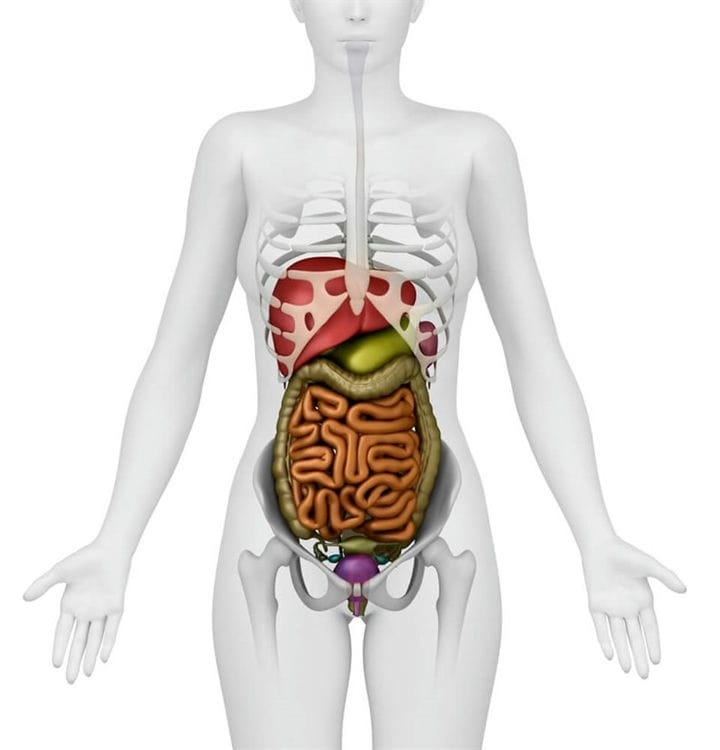
The causes of inflammation of the abdominal organs are the ingress of pathogenic microflora into the bloodstream, infection of the stagnant biological environment with them. Less commonly, the movement of the pathogenic environment from other parts of the body (urogenital, ENT organs).
A more threatening condition is total inflammation of the entire abdominal wall (peritonitis), the development of which is facilitated by:
- Perforation of the inflamed appendix, in which an imminent surgical intervention is inevitable. Diffuse pain near the navel moves to the iliac region. The condition is accompanied by leukocytosis.
- Ulcerative lesion of the duodenum or stomach, subsequent perforation of the walls of the problem organ, the ingress of contents into the abdominal cavity.
- Violation of the integrity of the intestinal walls due to a physical puncture, if the swallowed object has sharp edges,
- A ruptured tumor or diverticulum (protrusion) of the intestine.
- Infection during surgery or in the postoperative recovery period.
- Abdominal trauma.
The pain with peritonitis does not have a specific localization, it increases with movement, as well as during sneezing or coughing. If you do not carry out a full-fledged treatment, then the death of nerve receptors is quite likely. In this case, pain will be absent altogether – this condition is due to necrosis.
Symptoms are complemented by vomiting, nausea, lack of intestinal motility, pale and dry skin, tachycardia, and decreased blood pressure. The position of the body – with bent knees pressed against the stomach – allows you to somewhat reduce the discomfort. Complications include panic attacks, seizures, even loss of consciousness or coma.
Soreness of the menstrual cycle

Young women who have not yet had time to give birth often have unstabilized hormonal levels. This imbalance causes pain during menstruation. The discrepancy between the volume of prostaglandins produced and the level of progesterone is the reason for the increased number of uterine contractions, headaches, nausea, weakness of the body, irritability, and possibly vomiting. Dysmenorrhea occurs due to hormonal imbalance. The condition is the cause of chronic pain of a cyclical nature. Certain discomfort in the first days of the cycle is considered the norm.
With the full functioning of all organs, menstruation does not cause pain. The exception is cases of improperly installed intrauterine device. Soreness in the lower abdomen that occurs in already established mothers during menstruation is a manifestation of endometriosis or inflammation of the ovaries. Urgent hospitalization is necessary if bleeding develops – then 1 pad is not enough even for an hour. Other reasons for calling an ambulance are fever, fever, foggy, or loss of consciousness.
Abdominal cramps on the right side
Sometimes a painful attack that suddenly grasps the side is taken by surprise. She can lie in wait under the most inappropriate circumstances, then calming down, then flaring up with a new, even more intense force.
Causes of pain in the right side:
- Appendicitis is an acute inflammation of the appendix, which is an appendage of the cecum. It can wear both acute and chronic forms. The incision is localized mainly on the right side, but may radiate to the center or to the left side. At the same time, the temperature rises, nausea and diarrhea appear.
- Pyelonephritis and urethritis. Inflammation of the kidney and the ureter coming from it. The disease proceeds both through an infectious lesion and independently arising (hormonal factors, sudden hypothermia, trauma). Pain, as a rule, is concentrated in a certain area, but can radiate if the inflammatory process is started.
- Improper attachment of the ovum with the onset of an ectopic pregnancy. The cutting is centralized, often cramping, aching. It is associated with the germination of the egg into the thickness of the right epididymis. Ovarian apoplexy has similar symptoms. But an important difference is that cramps appear in the thigh, sacrum and rectum.
- The threat of miscarriage during pregnancy is localization in the middle part of the abdominal cavity. It can be correlated with placental or chorionic abruption in this place. The pain is at first pulsating, then pulsating-diffuse. On the right side, an irradiation background can be noted.
- Salpingo – oophoritis is a disease of the epididymis and ovary. The pain, as a rule, is of a shingles in nature, irradiation to neighboring organs is often noted.
- Endometriosis is a pathological proliferation of the tissue of the inner uterine layer, both inside the organ itself and outside it. In the initial stages, it may not manifest itself in any way.
- Twisting or other deviation of the cyst pedicle. This is often the result of heavy physical exertion. Nausea, fever, blood when urinating are the main symptoms of this ailment.
Pain localized on the left side
Most often, many girls are faced with the problem of various inflammations on the left side. Pulling, unpleasant aching pain causes unpleasant sensations and interferes with the woman's usual way of life, you have to refuse to visit the gym, various types of entertainment and other active activities.
Diseases that cause pain in the left side of the abdomen:
- Inflammatory processes of the bladder or urinary system. Women are more susceptible to this disease than men. This is due to the length of the urethra, in women it is much smaller than the man's – about 3-4 centimeters. Hypothermia, non-observance of the rules of intimate hygiene, stimulation of one's own conditionally pathogenic flora leads to the appearance of cystitis.
- Chronic or acute inflammation of specific parts of the large intestine. In addition to pain, there is bloating or rumbling of the abdomen. A large number of inflammations in the lower intestines are accompanied not only by aching pain, but also by tingling.
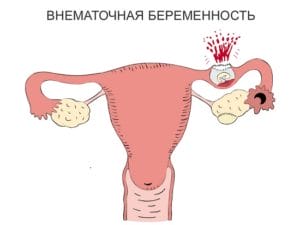 Formation of an ectopic pregnancy… It arises in connection with the attachment of an already fertilized egg outside the uterine cavity. Experts attribute an ectopic pregnancy to complications of conception and believe that the fetus may die. There is also the possibility of internal bleeding, which puts the life of the expectant mother at risk. During the rupture of the fallopian tube, the girl feels instant sharp pain in the lower abdomen, of constant intensity. After that, the pulse quickens, weakness appears, the mucous membranes and skin become pale, blood pressure decreases, all these are signs of internal bleeding. The release of blood clots from the genitals is noticed, but the body temperature, most often, remains normal. One of the main indicators for diagnosing an ectopic pregnancy is a delay in menstruation and a pregnancy confirmation test.
- Ovarian cyst. In the case of the weaker sex, a sharp rise in body temperature, nausea, vomiting and unbearable aching pain on the left side of the lower abdomen.
- Unnatural cramps during menses. Often this process is observed in nulliparous women. It occurs when the follicles rupture and the egg is subsequently removed, accompanied by cuts in the lower abdominal cavity, but with the normal process of menstruation, such pains will not cause severe discomfort.
- Apoplexy of the ovary. This is a hemorrhage that appears when a mature follicle ruptures with a completely healthy egg. The reason for this may be cruelty during intercourse and increased physical activity.
- Twisting of the cyst leg. When the cyst is twisted by more than 90 degrees, the patient is worried about the pain of a pulling view from the lower abdomen on the left side.
- Problems with the urinary system. Inflammatory processes and hypothermia of the kidneys will cause aching pain on the left, below and in the lower back.
It is necessary to pay attention to the signals of the body in time. Pain is not the cause, it is just a consequence of any disease. The best solution would be to visit a doctor as soon as possible, who will conduct the necessary examination and diagnose, and then prescribe the correct treatment.
Pain and impaired urination
Inflammation of the bladder and urethra (cystitis and urethritis) is more common among women than among men. This is due to the peculiarity of the structure and location: the urethral canal is short, wide, and lies close to the anus and vagina.
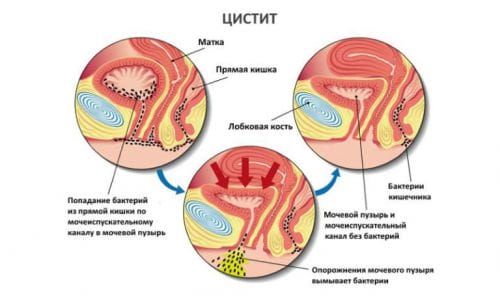
Infection is caused by E. coli, a disturbed flora of the vagina (especially in sexually transmitted diseases)
If a woman's lower abdomen hurts at the same time as cuts during urination, frequent urge, then you should think about inflammation in the lower urinary tract. Usually the pains are pulling in nature, constant, exhausting the patient, causing insomnia.
Severe inflammation is accompanied by flakes of mucus in the urine, bloody streaks. When pain is irradiated to the right or left side of the lower back, pyelonephritis should be excluded. Inflammation of the renal pelvis is also accompanied by dysuria, a burning sensation in the lower abdomen.
Treatment is usually long-term. Combines phytopreparations that flush the bladder, the use of a significant volume of liquid and antibacterial agents. Not complete without consulting a gynecologist. Often, the inflammation of the genitals and the bladder is often combined and supported each other.
Pain with violations in the genital area
Gynecologists divide lower abdominal pain in patients into functional (physiological) and organic. Functional reasons are caused by temporary underdevelopment of the genitals in girls, due to menstruation, pregnancy. They are associated with anxiety, hypothermia, and the onset of sexual activity.
Organic causes always manifest themselves in the acute or chronic course of the pathology of the uterus, appendages. Pains are of a different nature, may be accompanied by uterine bleeding, vaginal discharge.
Differences between physiological and organic pains:
- lack of a clear connection with the previous action, spontaneous onset and disappearance;
- short-term nature;
- moderate intensity;
- comparatively satisfactory state of health.
Secondary dysmenorrhea, depending on the pathology of the uterus and appendages, must be distinguished from physiological reasons.
Twisting of the cyst vascular bundle
Any cyst is supplied with blood vessels growing from the main organ (ovary). The severity of a woman's condition is determined by the degree of twisting of the vascular pedicle, that is, the greater the twisting, the more pronounced the dystrophic and necrotic changes in the cyst, the more pronounced and severe the clinical picture of the disease. Twisting of the vascular bundle, as a rule, occurs after aggressive intercourse, excessive physical exertion.
If there is a partial twisting of the vascular bundle, then the blood flow in the cyst is partially preserved. The woman feels aching, gradually increasing pains in the lower abdomen; the general condition does not change. With complete twisting, the pain is sharp, rapidly increasing, and does not stop. It is clear that if a woman knows about the existence of an ovarian cyst, the diagnosis can be made quickly enough.
Treatment of the twisting of the base of the cyst is only surgical. In the process of surgery, the ovarian cyst is removed. Returning the cyst to its original position is impractical.
Discomfort in the lower abdomen: a clinical picture
Pain sensations can be determined by the degree of intensity and location. It is these basic data on the initial diagnosis that will help the doctor narrow down the range of suspicions.
First of all, you need to understand the nature of the discomfort. She may be:
Probable pain classification problems are distributed as follows:
- Aching and dull pain can be caused by: obstruction or volvulus, inflammation of the gastrointestinal tract, pancreatitis or various types of neoplasms.
- Cramping pains result from: poisoning, parasite infestation, mechanical damage to the intestinal mucosa.
- Acute recurrent pain is provoked by: ulcerative colitis, gastrointestinal infections, appendicitis.
- Cutting pain can be caused by: ulcerative colitis or intestinal irritation.
- Gastritis or irritation of the esophagus results in pressing pain.
First, you need to determine the location of the pain: on the right, in the left or central part. In this case, diseases are distributed as follows:
- Enteritis, parasite infestation and intestinal colic cause pain in the navel.
- With appendicitis or pathologies of the cecum, acute pain occurs on the right.
- The left hurts with dysentery, diseases of the sigmoid colon or colitis.
- In the lower abdomen or throughout the intestinal area, pain occurs with inflammation of the intestine or duodenal ulcer.
You always need to listen to your body. The patient must describe the problem in great detail.
Determining the time of the onset of pain will also be important. It is possible that there are situations that provoke abdominal discomfort.
For example, if stomach pains appear after a meal, then the problem is most likely related to inflammation of the large intestine or fermentation.
When discomfort occurs after an enema, movement or physical exertion, it is possible that adhesions have appeared in the intestines.
Pain during bowel movements is caused by neoplasms, proctitis, or hemorrhoids. Sharp pain on the right is often caused by the appendix.
Colon obstruction
This disease occurs due to a failure to promote content. In this case, cramping pain is observed, which has a time interval of 15 minutes.
Additional symptoms:
This disease is characterized by the fact that when the symptoms are treated, they can actually disappear after 3 days.
But this alone does not mean at all that the treatment has helped. In fact, this is a bad sign of the course of the disease.
The fact is that by this time intestinal peristalsis may cease its activity and the body begins to poison itself. As a result, such intoxication can lead to death.
What should be done?
The diagnosis should be carried out exclusively by a specialist, because if you establish the diagnosis yourself, you can make a mistake and start inappropriate treatment. Having established the cause, you can begin treatment of the disease. These will be special drugs that help heal a person and improve the work of his intestines. Massages or compresses can also help relieve pain.
Drug therapy
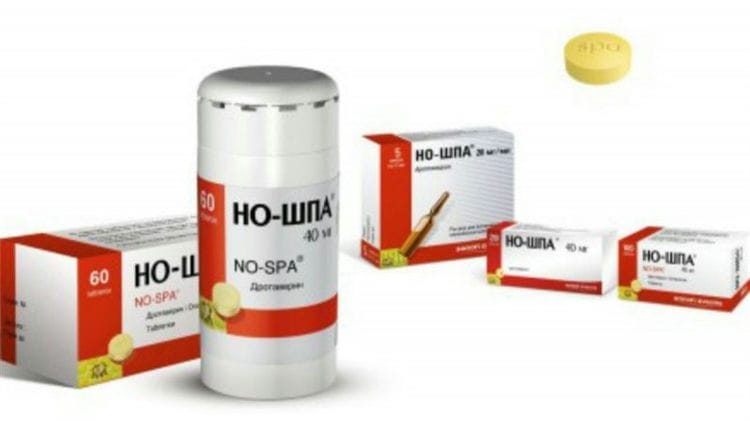
If a person refuses to diagnose or he himself knows why pains in the lower abdomen occur, then you can take drugs from certain groups:
| Drug group | Act | Examples of |
|---|---|---|
| Antispasmodics | Relieve muscle spasm, eliminate pain, relax smooth muscles | No-shpa, Spazmolgon, Metoclopramide, Papaverine |
| Laxatives | Softens and propels feces, relieving pressure in the intestines and thereby relieving pain | Duphalac, senna leaves, Normase, Guttalax, magnesium sulfate, Microlax |
| Adsorbents | Remove symptoms of intoxication, remove toxins and facilitate bowel function | Activated or white carbon, Enterosgel, Smecta |
| Anthelmintic drugs | If the pain in the intestines is caused by parasites, then you should choose the right medicine and drive out the worms, after that everything will work out | Wormwood, Vermox, Decaris |
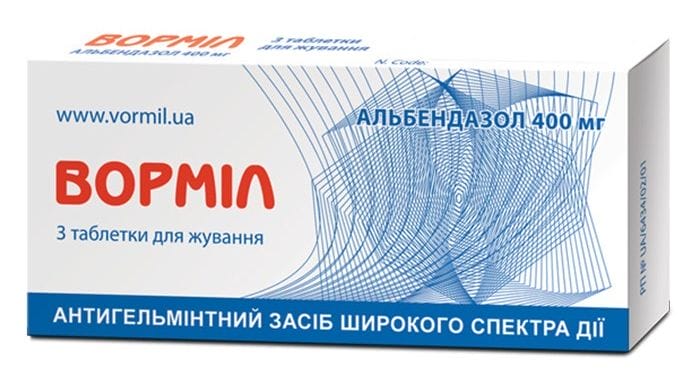
It is advisable to take pain medication as directed by your doctor. Yes, if the pain is not severe and stops immediately after taking antispasmodics, then there is nothing to worry about. But if the drugs do not help, the pain intensifies, then you should immediately seek medical help.
Cold or warm
 If the pain in the lower abdomen is caused by an intestinal spasm, then you can apply a warm heating pad. But with an inflammatory process, this method will only worsen the situation.
A hot water bottle with ice will help to temporarily relieve pain, but this method only dulls the feeling of pain, and does not cure, and you can also chill other organs, especially the genitourinary system.
Massage
Gently massage the abdomen in a clockwise direction sometimes relieves pain if it is provoked by food stagnation in the intestines or colic. But the procedure should be carried out very carefully, you should not press hard, you need to hold several circles with your hands and then press the navel a couple of times. If the pain is strong, cutting, sharp, then massage should not be done.
Irritable bowel syndrome
Chronic pain in the intestines in the lower abdomen, which transforms from lungs to intolerable, occurs at any time and intensifies after eating, are symptoms of a fairly common disease. It is called irritable bowel syndrome (IBS). Interestingly, this disease does not show any organic disorders.
A feature of IBS pain is that it disappears at night, during sleep, but can occur as soon as a person wakes up. They are usually accompanied by bloating, flatulence and stool disorders (constipation or diarrhea, and sometimes one thing or the other). Feelings of incomplete emptying, “lump in the throat” when swallowing, detection of mucus in the stool, as well as muscle pain and nausea are also common.
If you adhere to the correct treatment, then you can completely get rid of this disease. Your doctor will prescribe it for you. But do not forget about proper nutrition, which will restore the intestinal flora and its contractility.
Conclusion
When experiencing pain in the intestines, in no case do self-diagnosis and self-medication. You can harm your health and miss the moment, allowing you to safely get rid of the painful symptom and the underlying disease. Only a specialist will help you with this. Be healthy!
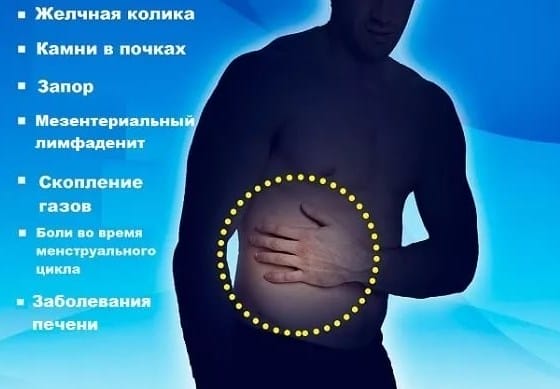
Constipation is a prolonged absence of bowel movements. Along with this, a person can feel pain. The feeling of discomfort can be present in different parts of the body.
Constipation and pain in the lower abdomen is a huge problem that makes it impossible for a person to maintain their ability to work.
For example, pain after an intestinal blockage can be felt in the lower abdomen. How to solve this problem and get rid of the painful sensations of constipation? The answer will be given below.
Sources used and useful links on the topic: https://bolit.net/bol-v-zhivote/35-boli-vnizu-zhivota-u-zhenschin-i-muzhchin.html https://Lifehacker.ru/bolit-niz -zhivota / https://medside.ru/prichinyi-boley-vnizu-zhivota https://SamMedic.ru/440731a-postoyannyie-boli-vnizu-jivota-prichinyi-vozmojnyie-zabolevaniya-lechenie-otzyivyi https: // www .tiensmed.ru / news / boli-vnizu-jivota1.html http://livewomen.ru/tyanet-niz-zhivota-kak-pri-mesyachnyx/ https://malishzdorov.com/beremennost/bolit-zhivot-na- rannem-sroke-kak-pri-mesyachnyh.html https://mesyachnie.com/boli/niz-zhivota.html https://vrbiz.ru/diagnostika/tyanushchie-boli-vnizu-zhivota https://formulazdorovya.com/1481784439719856365/bolit-niz-zhivota-u-zhenschiny-prichiny-i-lechenie/ https://GuruSpa.ru/pochemu-bolit-niz-zhivota-u-zhenshhiny/ https: // UroHelp.guru/diagnostika/zhaloby/bol-vnizu-zhivota-u-zhenshhin.html https://vrbiz.ru/diagnostika/bol-vnizu-zhivota-zhenshchin https://yandex.ru/health/turbo/articles? id = 4682 https://kishechnikok.ru/lechenie/kak-lechit-kishechnik/bolit-kishechnik-vnizu-zhivota-chem-lechit.html https://LechimZapor.com/oslozhneniya/bolit-kishechnik-vnizu-zhivota https://LechimZapor.com/oslozhneniya/bolit-kishechnik-vnizu-zhivota: //ZhivotNeBoli.ru/neotlozhnye-sostoyaniya/bolit-kishechnik-vnizu-zhivota.html
Post source: lastici.ru