
The occurrence of pain in the lumbar region after running. Backache

Why does my back hurt when running
Painful sensations while running can be caused by various factors and mistakes that are not taken into account or made by the athletes themselves:
- Incorrect body posture while running;
- Excessive stress in the spine or limbs;
- Weak muscles, especially in beginner or infrequent athletes.
Excessive bending at the waist or excessive bending forward
This mistake is often made by beginners who have neglected the advice of experienced runners. With such a technique, during running, an incorrect posture was noted and an overload on the vertebral back was noted.
Subsequently, aching, pulling pains when straining the spinal muscles or performing bends forward and backward.
You can avoid discomfort during training if:
- Keep your back straight at all times;
- When running, lean forward not only the upper body, but the whole body.
Extend a straight leg forward and land on the heel
A completely unfortunate maneuver. Using it, the pain syndrome will very soon make itself felt. Throwing a straight leg forward automatically results in a heel landing.
The impact from the collision of the limb with the surface will cause vibration that travels from the foot to the upper body. Not only the dorsal components are injured, but also the largest joints of the legs: ankle, hip, knee.
In the lower back, after the shock, shooting pains appear. It will be impossible to perform sharp movements. With frequent movement in this way, the risk of vertebral fractures increases.
Muscle weakness
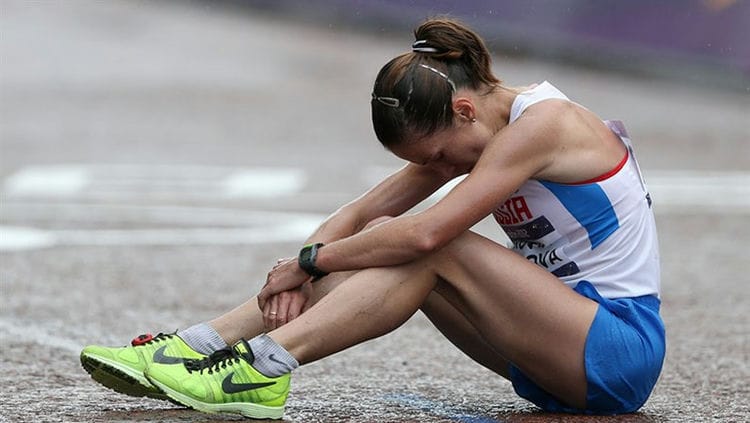
Weakness and unpreparedness of the muscles leads to the appearance of pain during sports – jogging.
The main muscles that need to be strengthened and supported for a successful workout without injury or pain are:
- The gluteal muscles. In poor condition of the “nuts”, the pelvis leans forward, a deflection appears in the lumbar region, because the back remains level. From here comes nagging in the lower back while running.
- Back muscles. As a rule, the abs are always better strengthened than the back corset of the body. As a result, it becomes more difficult to keep your back straight, and the lumbar region begins to bend, causing pain when moving.
It is very important to maintain a balance of preparedness of the muscles of the front and back of the corset.
Possible diseases
Lower back pain after running may indicate protrusion of the spinal discs. This pathology arises as a result of trauma or age-related changes in the body. The disease can be asymptomatic for some time, until the nerves located nearby are irritated, which can occur during running.
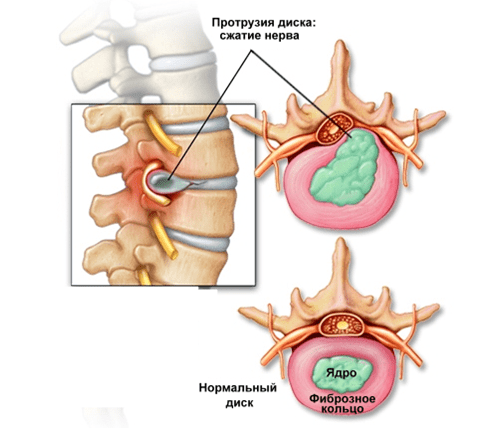
In the lumbar region, the disease appears due to the fact that the center of gravity of the body is located in this area. The amplitude of human movements also affects the development of pathology. Spinal protrusion in this area in men can lead to pain in the left testicle.
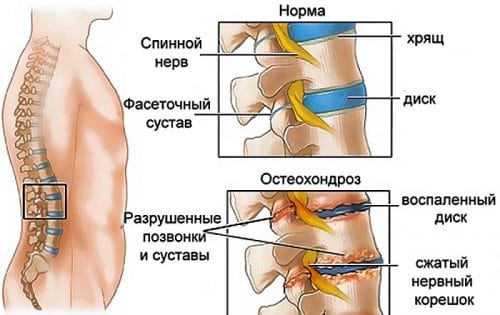
Osteochondrosis is a pathology that occurs in many people. The disease is characterized by the destruction of the cartilaginous tissue of the intervertebral disc and its loss of elasticity. The most common is lumbar osteochondrosis. With a strong load on the spine (which happens during running), complications may appear in the form of protrusion, which leads to an intervertebral hernia.
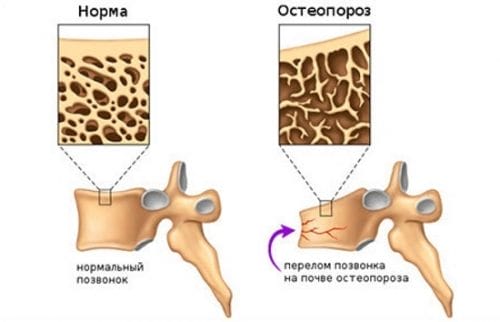
Osteoporosis is another spinal disorder characterized by back pain, including back pain. With this pathology, the bone tissue loses its rigidity, which contributes to the occurrence of microtraumas. If nothing is done, the destruction of the vertebrae will begin.
Lumbar scoliosis is a curvature of the spinal column in the lumbar spine, in which the load on this part of the spine is greatly increased. There may be aching pains after running.
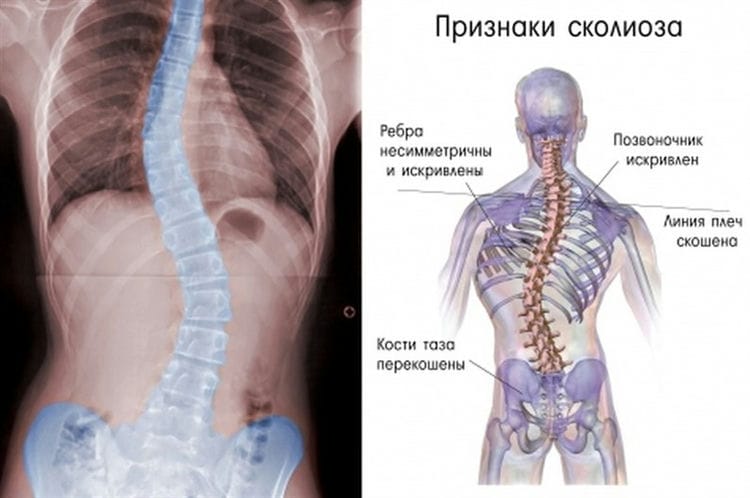
Due to the fact that the spinal column is entangled with nerve endings, pain can be localized in the spine with dysfunctions of the central nervous system. Painful sensations often appear with neurosis or depressive conditions.
Running is an additional load that can intensify or provoke pain syndrome.
Recommended treatment
To get rid of back pain, it is necessary to eliminate the cause of the discomfort. Spine treatment is a process that requires endurance and willpower from the patient. Some diseases cannot be completely eradicated even with a properly selected complex treatment. In such cases, therapy can only reduce pain and the risk of complications.
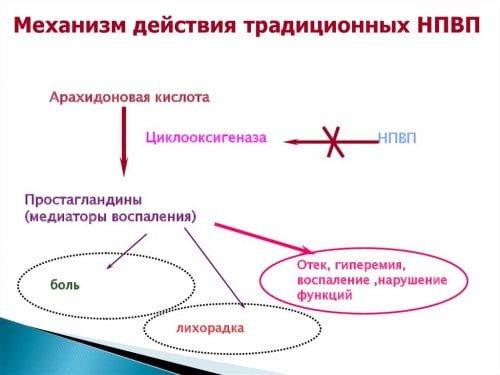
After diagnosis, the doctor prescribes several groups of drugs for the patient:
- anti-inflammatory nonsteroidal drugs;
- muscle relaxants;
- pain relievers.

In addition, medications must be present that are aimed at eliminating damage, accelerating the renewal of cartilage tissue and repairing intervertebral discs.
As additional methods of treatment, the following can be used:
- special massage;
- physiotherapy;
- acupuncture.
In order not to aggravate the situation, at the first pain in the spine, the following preventive measures should be taken:
- Sleep on a firm mattress.
- Maintain posture when walking, sitting and playing sports.
- Choose the right footwear (preferably orthopedic, especially for sports).
- Go in for sports (including jogging), observing the correct exercise technique.
Running technique
With the wrong running technique, when the entire body weight collapses upon landing on the heel, the shock wave in a straight line reaches both the lower back muscles and the spinal column. The most harmless consequence is overstrain of the lumbar spine.
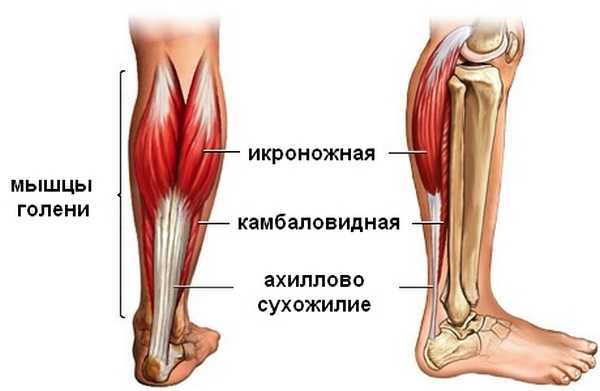
But the consequences can be even more serious. True, they rarely come earlier than problems with knee joints, Achilles and ankle. The wrong running shoes only contribute to this.
Weak or inharmoniously developed muscles
Unevenly developed muscles of the core (aka a corset, aka a torso, or a core) entail a curvature (deflection) in the lumbar region during prolonged running load.
And although these muscles have a direct effect on maintaining a straight body position while running, posture must be worked on separately if it is far from ideal (due to scoliosis, etc.). Poorly developed gluteal muscles lead to the same deflection of the lower back. But in this case, this is due to the tilt of the pelvis slightly forward.
A standard exercise for any runner and triathlete to strengthen the core muscles is the so-called plank, which is performed in conjunction with other exercises, including strength.
Note that the muscles in the lower back can be quite hardy and well developed, but weak abdominal muscles can negate this advantage. Therefore, we are talking about the harmonious development of all core muscles.
Muscle elasticity and joint mobility
Working on joint mobility and muscle elasticity improves blood circulation in critical areas. Stretching exercises on recovery days can help release muscle tension. And in our case, this refers directly to the piriformis muscle, the existence of which, for some reason, few people know about.
Medical care for lower back pain after running
Obviously, you cannot do without visiting a doctor, because whatever the pain, you should not endure it. Specialists will help to cure the problem area, and you will be able to continue to keep yourself in shape. Below we will tell you about the possibilities of traditional and traditional medicine in the treatment of a damaged lower back after running.
Medication
Among the drugs that may suit you, several stand out :
- warming ointments with anti-inflammatory and analgesic effect;
- analgesics and medications that relieve inflammation;
- muscle relaxants
- woolen belts and orthopedic corsets.
| Among the ointments and creams, the following stand out: | It is better to consult on pills individually, but there are several types that will definitely help: |
|
|
Ointments will help you cope with pain and relieve inflammation in the outbreak. Arcoxia is ideal for your symptoms, as it is actively used in orthopedics and sports medicine.
Regarding muscle relaxants, it is better to consult with doctors and take a short vacation, since often this type of drug almost completely paralyzes human activity, however, it helps the disease go away. Particularly highlighted: Mydocalm, which is the safest drug in this class with minimal contraindications.
Surgery
In sports medicine, just like in everyday life, surgical intervention without urgent need is undesirable. If you are not paralyzed, go to work and move around relatively calmly, you most likely should not have surgery, because after it, your happy life may end.
Any surgical intervention in the work of the spine threatens with neurological complications, which can only aggravate the situation, which happens quite often.
However, if you think this type of intervention is necessary, you will probably be offered herniated disc surgery, where the “torn” discs will be replaced with artificial tissue or metal bolts.
Folk remedies
We will offer you several options for folk remedies, among which there will be a compress and rubbing :
| Compress : | Three rubbing : |
|
|
And also, mustard plasters, which are usually used to treat respiratory diseases, will help you. The warming effect will help the blood circulate better, and you will quickly cope with lower back pain.
LFC
We offer you 3 most effective exercises that will not only heal you, but also strengthen your back and abs.
Flying Dog Exercise :

- Get on all fours.
- Extend your arm parallel to your back.
- Extend the opposite leg parallel to your back.
- Tighten your abs.
Exercise “Plank on the side” :
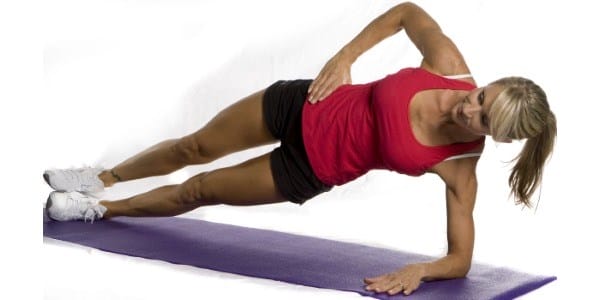
- Lie on your side.
- Lean on your forearm and rise.
- Legs should be straight and on top of each other.
- Raise and lower your pelvis.
Exercise “Swimmer” :
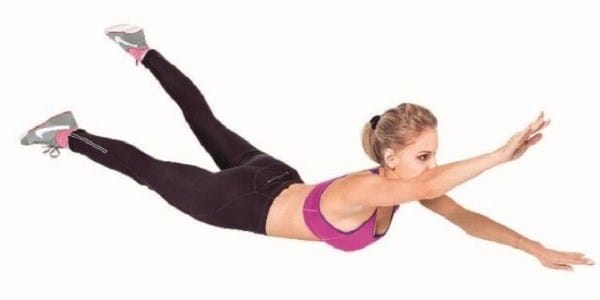
- Lie on your stomach.
- Arms and legs are straight.
- Arch your back as much as possible.
- Simulate swimming.
These exercises will not only make you a healthier person, but also a stronger athlete with powerful back and abdominal muscles!
Massage and self-massage
If you encounter this kind of trauma, the sports masseur and chiropractor will become close friends for a while. You will receive not only massage sessions, but also full recommendations for homework, medications that are worth buying.
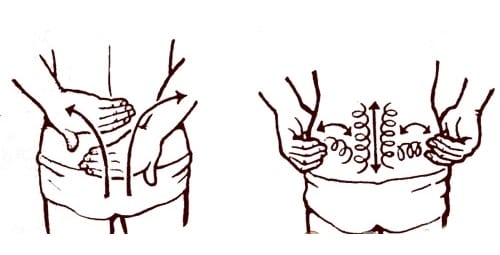
Self-massage is also fine. Try to either rub your lower back well, or knead your lower back with your fingers while lying on your stomach.
Diseases of the internal organs
In some of these conditions, the shock wave shaking the body on contact with the ground causes pain in the lower back (left, right), upper back, or kidney area.
Women's diseases
The pelvic organs are the most common source of pain in women. The back and lower abdomen hurts before and during menstruation, with chronic inflammation, impaired patency of the fallopian tubes, hormonal disruptions. Some are worried about pain at the very beginning of pregnancy, with a delay in menstruation and other similar conditions. Lower back may hurt with cysts and tumors, endometriosis.

Disruption of the pelvic organs in women can provoke lower back pain after running
Diagnostics of gynecological diseases includes examination with taking smears, ultrasound of the pelvic organs, if necessary, colporrhaphy, diagnostic curettage. Treats a gynecologist, if necessary, a gynecologist-surgeon. Anti-inflammatory medicines (Ampicillin, Ofloxacin, Metronidazole), infusion therapy (Glucose, Dextran, protein preparations) are used. Puncture of the posterior vaginal fornix is widely used to remove pathological discharge.
Chronic adnexitis (inflammation of the ovaries) with autohemotherapy (transfusion of one's own blood), electrophoresis, UV and UHF radiation, mud, vibration massage.
Prostatitis
This is an inflammation of the prostate gland in men. Treat by urologist or andrologist, surgeon. Prostatitis is acute and chronic. The chronic process is often primary, complicating poorly treated genital infections. Diagnostics – rectal examination of the prostate, smear analysis, ultrasound, spermogram.
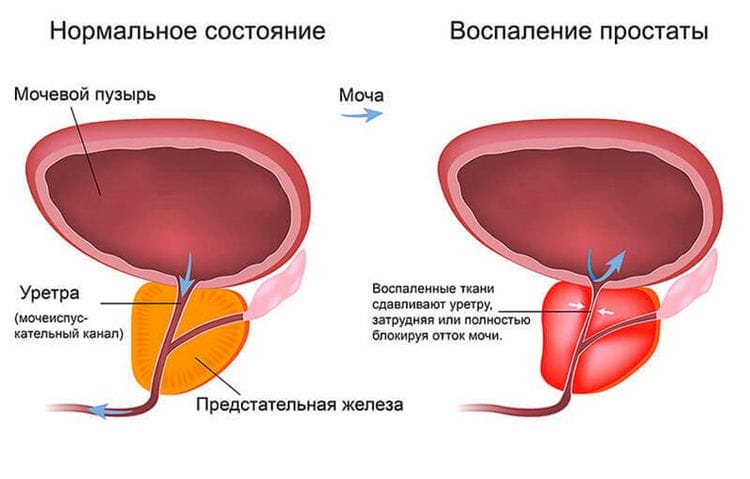
What is prostatitis
For treatment, antibiotics are used that can penetrate the tissue of the prostate gland (ciprofloxacin). In case of urinary retention, a cystostomy is installed – a drainage tube. If an abscess has formed, it is opened by access from the urethra.
Apply massage of the prostate through the rectum, laser treatment, ultrasound. Chronic prostatitis without treatment can lead to infertility, decreased sexual function.
Kidney disease

What is pyelonephritis
This is pyelonephritis (inflammation of the pelvis and calyces), sometimes resulting in renal failure. Nephrologist treats.
Treatment – a diet low in protein and salt, detoxification, if necessary, hemodialysis on an artificial kidney machine. Antibiotics are given based on urine culture, starting with the most effective drug.
With changes in the kidney tissue, a stent (tube) is inserted into the ureter. Immunostimulants are used – Immunal, Bioaron C, Dekaris, Diucifon.
For urolithiasis, lithotripsy (ultrasonic stone crushing) or surgical removal, sometimes together with part of the kidney, is used.
Diseases of the alimentary canal
In the back can be given:
-
gastritis, acute and chronic, with increased or decreased acidity;
-
stomach or duodenal ulcer;
![The occurrence of pain in the lumbar region after running. Backache]()
With duodenal ulcers, it can give back pain during physical exertion
-
inflammation of the gallbladder (cholecystitis) or gallstone disease;
-
inflammation of the pancreas (pancreatitis);
-
inflammation of various parts of the intestine (duodenitis, enteritis, sigmoiditis, proctitis, Crohn's disease);
-
tumors of the alimentary canal.
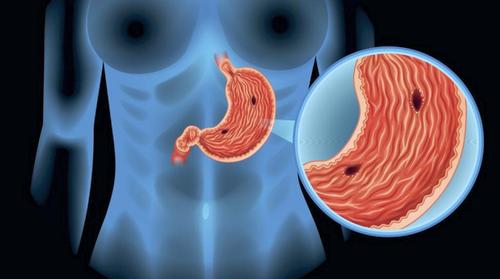
Treats by a gastroenterologist and a surgeon.
Diagnostics – fibrogastroscopy, endoscopic biopsy, X-ray of the stomach or intestines with contrast, antroduodenal manometry (study of the evacuation function of the stomach).
Treatment – fractional nutrition with pureed food, antibiotics (Clarithromycin), antiprotozoal (Metronidazole), bismuth preparations (De-Nol), remedies for heartburn (Almagel). Physiotherapy is used – paraffin, electrophoresis, ozokerite. In advanced cases – resection of the stomach or part of the intestine with the restoration of patency.
Heart diseases
In the back gives pain during an attack of angina pectoris or heart attack, rhythm disturbance. Pain in the chest or between the shoulder blades. A cardiologist treats.
Diagnostics – Holter monitoring (daily ECG recording), ultrasound of the heart, laboratory tests.
Treatment in an acute case in a hospital. You can independently take Nitroglycerin up to 6 tablets (sequentially) under the tongue, with the permission of a physician – an anesthetic (Analgin).
How to run properly to avoid pain
There are some rules of thumb for avoiding lumbar pain while running.
Morning work-out
Exercising in the morning puts a small amount of stress on all muscle groups, which increases blood flow throughout the body. To warm up the body, a simple complex is recommended, which includes exercises (turns, bends, bends) for the neck, back and 3 large joints: ankle, knee and hip.
It is also useful to do push-ups and jump in place several times. It is advisable to start and end morning exercises by walking calmly in place.
Strong muscles and ligaments of the back are guaranteed to protect the spine from injury and disease.
Gradual loading
If you are a beginner and have not been running for a long time, then you will hardly be able to run long distances right away. To prepare the body for serious stress, it is enough to start running, gradually increasing the time. For example, on the first day – 5 minutes, then increase this indicator daily by 2-3 minutes.
Lower back and legs
An increase in load is obtained if the body is tilted forward. The body must be always upright, without any tilt. To find out what position the body takes when running, you need to ask others to film the runner on the camera in profile. Viewing the record will reveal all the shortcomings.
Weight control
Many people start running to lose weight. It's important not to use jogging as a way to compensate for your unhealthy diet. Even a 30-minute run will not help if after that you pounce on fatty and sugary foods. If you go in for sports, then the diet should be, if not ideal, but with a minimum amount of junk food.
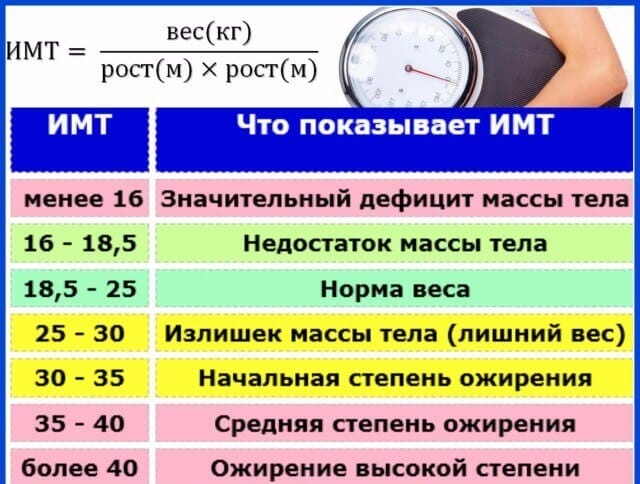
How to calculate body mass index
Fat burning jogging should be longer than 30 minutes because the heart rate must be fast for a long time.
Before you start training, you need to calculate your body weight. For this, there is a universal formula – body mass index. To do this, divide the weight in kilograms by the square of your height (in meters).
The formula looks like this: BMI = weight: height 2. Normal values range from 18.5 to 24.99. Anything above (starting at 25) is overweight followed by obesity. These values still should not be taken as the ultimate truth, since there are correction indices for the volume of the body (Brock, Noorden and others). There is also an index of the thickness of the skin fold – at the level of the navel, no more than 2 cm.
You need to start running no earlier than the body weight approached the physiological norm. Until then, you can walk, otherwise injuries are inevitable.
If a person has a very large weight, then jogging should be started with walking.
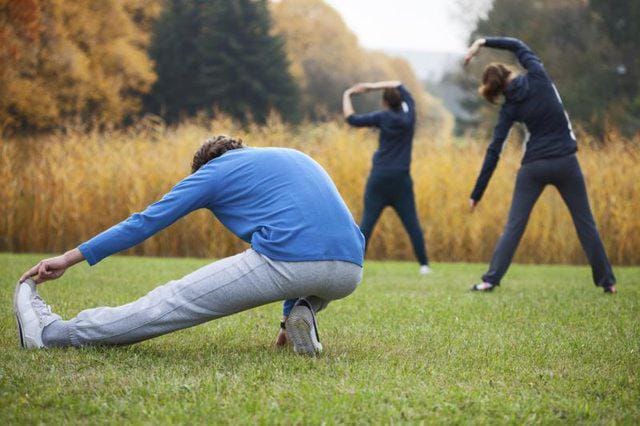
Warm up
An obligatory part of the running load. Slight bends, several squats, torso rotations and limb swings are enough. If you don't feel like doing this, you can simply start by walking, which gradually accelerates. Further, switching to a slow run, gradually accelerating to the desired pace.
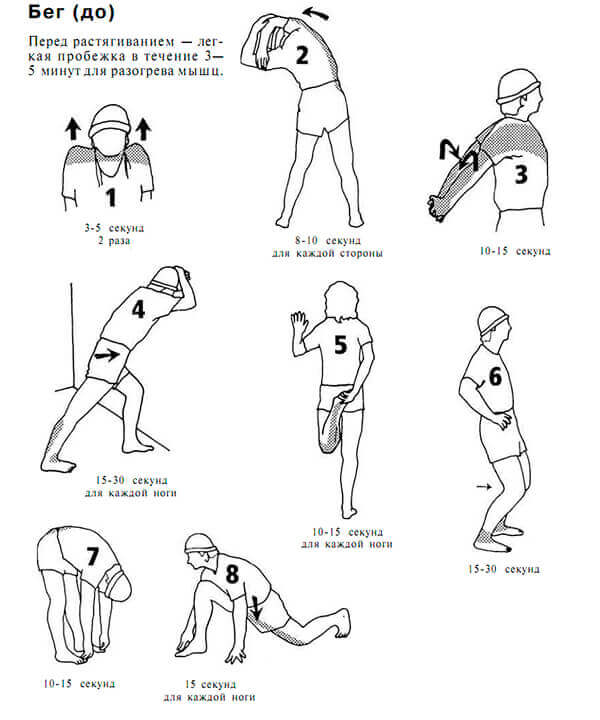
Warm up is a must before running
Belly and breathing
When running, the abdomen should provide support for the spine. To do this, he must work properly during training. How to breathe correctly while running? You need to breathe not with your chest, but with your stomach. This helps to stretch and strengthen the abdominal muscles.
Do not forget that it is necessary to additionally strengthen all the muscles of the press: lateral, lower and upper. If they always contract for long runs, then lower back pain will cease to bother the runner.
Three principles that are important in strength training
- Nutrition – the intervertebral cartilage contains not only collagen, but also many microelements. In addition, the intervertebral fluid that “leaves” during heavy lifting must be replaced by another fluid, or it is restored due to the body's nutrients during sleep. Inadequate nutrition is one of the causes of changes in cartilage tissue.
- Get enough sleep so that your body is fully rested and rejuvenated.
- The water that the athlete loses during training must necessarily be replaced. Not only the vertebrae, but also your kidneys are affected by the “withdrawal” of water. After training, you need to drink a lot of water (at high weights – at least 30 ml per 1 kg of weight).
There was pain during training when bending to the sides, “lumbago” in the lumbar region during certain exercises, aching pain that was not there before – these are all reasons to consult a doctor (chiropractor, orthopedist, neurologist).
You need to know what is happening in your body, why pain has appeared and does not go away, why the lower back reacts so to the load, and for this you need a full examination, a medical opinion. There should be no dissonance between maintaining health and the desire to play sports. Be smart about yourself!
Many adults suffer from back pain sooner or later in their lives. If you lead an active lifestyle, learn good mechanics of movement and exercise regularly, then you significantly reduce the likelihood of back pain. However, people who play sports should be familiar with the correct way to do the exercises in order to avoid injuries and unpleasant consequences in the future. If you enjoy running, jogging, or other high-intensity workouts that put stress on your back muscles and spine, then all the more you need to be careful when doing this type of physical activity. This article provides tips on how to run properly to avoid back pain later on.
Advice
- If your back pain is accompanied by foot pain, make an appointment with an orthopedist. This doctor will be able to make the correct diagnosis and even prescribe you to wear orthopedic medication while running.
What do you need
- Running Shoes with Foot Support
- Orthopedic medications (on the advice of a doctor)
- Rubber coated treadmill
- Light weight weights
- Pilates or yoga lessons
- Anti-inflammatory drugs
- Ice or hot compresses
Anatomical features of the body
From an anatomical point of view, the abdominal cavity is covered with a thin shell, which consists of two parts. Motor activity, coupled with increased activity of the diaphragm, provoke friction of these parts against each other.
This version explains why it hurts in the right side when running in a certain place – the point of contact of the shell parts determines the localization of pain.
Insufficient muscle preparation
If you don't do a good warm-up before running, the body will experience stress. In a calm state, blood circulation and oxygen saturation of all body systems are debugged. Without preliminary preparation of the body for physical activity, normal blood circulation and oxygen delivery are disrupted. The spleen and liver immediately react to this – they increase in size, they squeeze the nerve endings.
The presence of serious pathologies
Pain in the right hypochondrium while running is provoked by the following pathologies:
- appendicitis;
- the presence of stones in the right kidney;
- biliary dyskinesia, gallstones;
- gastrointestinal diseases (colitis, gastritis, etc.).
If pain in the right side occurs periodically and at rest, you need to undergo a medical examination.
Juice or soda was drunk before exercise
In the human intestine, there is a small volume of fluid (its scientific name is intraperitoneal). It is located between the parts of the shell covering the abdominal cavity, this prevents them from rubbing against each other. Juices, carbonated drinks and energy drinks significantly change the composition of the liquid, reducing its amount. If pain occurs after using them, this is the answer to the question of why the right side hurts when running.
Before physical activity, as well as during it, it is recommended to drink only clean water without gas, it does not affect the fluid in the intestine.

Why does the chest hurt: reasons
Chest pain while running can be the result of problems with any of the organs or muscles in the upper body. Cardiac conditions such as angina pectoris cause pain when the heart has to exert considerable effort, such as while running.
Likewise, respiratory conditions such as asthma, pneumonia, pleurisy, pneumothorax, and pulmonary embolism can cause pain in the front and middle of the chest during vigorous exercise due to the patient's increased breathing rate while running.
Read also: pills from the heart names alphabetically list in Russian
Digestive problems such as heartburn and inflammatory digestive disorders can also cause chest pain during exercise, especially after eating.
1 Intercostal neuralgia or, as it is also called, thoracic sciatica. With this disease, a person will be disturbed by severe pain attacks in the chest on the sides (left or right).
Treatment for intercostal neuralgia should focus on “freeing” the pinched nerve or its end that extends from the spinal cord. As a rule, such a disease is caused by chronic osteochondrosis or intervertebral hernia, which were not cured in time.
2 Thoracic osteochondrosis is a disease of the intervertebral discs, due to which they lose their “working” functions. Due to their thinning and loss of elasticity, the gaps between the vertebrae exude, which leads to pain in the thoracic region.
As a therapeutic therapy for the treatment of thoracic osteochondrosis, massage, moxibustion and taking medications aimed at restoring the affected intervertebral discs are effective.
3 Kyphosis is one of the types of curvature of the spine, due to which a person suffers from muscle spasms, as well as pain when pressing on some parts of the spine.
4 Schmorl's hernia provokes deformation of the spine, as well as pinching of nerves, as a result of which a person is worried about aching pains in the chest, as well as a feeling of fatigue when walking. It is best to treat this disease with massage.
5 Neurosis can cause acute pain in the chest. Most often, severe stress or nervous strain leads to such symptoms. As a treatment, you need to take sedatives and relaxing drugs. In more severe cases, the patient may be prescribed antidepressants.
in diseases of the stomach, pain and the frequency of its occurrence depend on food intake (pain that occurs on an empty stomach or after eating). With heart disease, acute chest pain can occur regardless of the frequency and amount of food consumed.
An unhealthy diet, consumption of too spicy foods and alcohol, as well as smoking provokes the occurrence of ulcers. Treatment of stomach ulcers should be carried out exclusively by medication. In addition, the patient is advised to follow a strict diet.
7 Diseases of the gallbladder can also cause pain. In this case, the nature of such sensations will be burning, as if scorching from the inside. Localization of pain – mainly in the right chest area. Treatment should be based on the diagnosis.
8 Vegeto-vascular dystonia occurs in humans due to a violation of homeostasis in the body. In this case, the patient may suffer from chest pain, fear of death, panic attacks and pain in the heart.
9 Bruised chest (fall, etc.).
Intercostal neuralgia

Description Intercostal neuralgia is a condition in which the nerves between the ribs are pinched by the same ribs. Intercostal neuralgia can be caused by tumors, inflammation, and trauma. The nature of the pain Pain sensations arise sharply, with a certain turn of the body during walking or other loads associated with constant movement. The patient is “shot” from the rib to the spine or arm. If you change position, the pain disappears over time, until the next pinching.
In addition, the pain changes with breathing: it increases with inhalation, weakened with exhalation.
Additional symptoms Bruises and abrasions (from trauma), fever (from inflammation). Who diagnoses and how? Neurologist. Methods: history, general and biochemical blood tests, urine protein analysis, MRI, CT, X-ray, abdominal ultrasound, ECG. Diagnosis is by exclusion. Treatment Painkillers. The rest of the therapy depends on the reason the nerve is pinched.
How to reduce the likelihood of pain while running
Running is one of the best ways to improve the overall health of the body, with its help it is easy to lose weight and improve well-being.
So that the process does not cause discomfort and pain, you need to properly prepare for it, and also follow a number of rules while running:
- If you are determined to go jogging, you need to reconsider your lifestyle. It is not recommended to overwork too much, the rest should be complete.
- You need to go for a run during the hours of maximum relaxation. Psychological stress, fatigue, desire to sleep, etc. after running will manifest even more strongly.
- If jogging in the morning, you need to give the body time to wake up (about half an hour). If you start running immediately after waking up, the body will experience stress, metabolism will be disrupted. If the jog is in the evening, the muscles should rest after a hard day for a couple of hours, this will help to avoid overwork.
- You need to organize the right diet. Any snack before running increases the likelihood of pain in the right side to almost 100%.
- It is important to monitor the quality of the food consumed. Even with the observance of the time frame, the pain will arise due to junk food, fatty foods simply will not have time to digest at the set time.
- If diseases of internal organs and systems are excluded, and pain in the right side is regular, it is recommended to put on an elastic belt on the abdomen before jogging. When pain appears, it should be tightened as tightly as possible.
- Do not run until exhaustion, depletion of the body will not bring the desired result.
- At the beginning of the process, you need to immediately establish the optimal pace of running. It is a mistake to believe that the faster the better – physical fitness is individual for everyone. A poorly prepared person from too fast a pace will begin to choke in the first minutes.
- It is important to learn how to breathe correctly. Swimming is a good example. They can breathe only at the moment when the face is above the surface of the water, their breathing is synchronous with body movements. Synchronization of inhalation and exhalation with the strikes of the feet on the running surface will allow evenly oxygenated all organs and muscles, which will significantly reduce the likelihood of pain in the right hypochondrium.
- Trainings should be regular. The better endurance and physical fitness, the less often pain in the right side worries.
- To prevent curvature of the spine from interfering with a full-fledged workout, you should always walk with your back straight and your head held high.
- Warm-up is a mandatory item before running, the better the muscles prepare for further stress, the lower the risk of injury and pain.
- The load should be strictly metered and increase smoothly. Overestimation of one's own sports capabilities will result in stabbing pain in the right hypochondrium.

Running is one of the best sports for improving health and fitness. So that the acute pain in the right side does not become an obstacle to regular exercise, it is important to reconsider your lifestyle, undergo a medical examination to exclude the presence of possible pathologies, and also follow certain rules during the running process.
It happens that while running, it begins to hurt so sharply in the side that you have to pause the workout.
This condition is rarely seen in experienced athletes, mainly for beginners. This is usually due to the inability to choose the optimal load mode. However, this pain in the side sometimes becomes a problem for professional runners, and it seems like a paradox that it matters what distance you cover. At the same time, all the joys from the usual training come to naught.
Therefore, it is very relevant for people who decide to go in for sports, the question of the possibility of preventing pain, and in the event of its occurrence – to promptly eliminate unpleasant sensations.
If pain in the side while running occurs temporarily in the form of short colic or contractions in the side, then, according to experts, these are spasms of the diagram, in which the source of pain is in the muscles located between the chest and abdomen, the reason is not enough oxygen. This is due to a lack of oxygen.
Sometimes pain comes from different directions. Pain in the left side is usually caused by a spleen overflowing with blood, poor muscle development, since the result of these reasons is a shortage of the required amount of air by the chest. The cause of pain in the right side is the liver, which is full of blood.
Initially, excessive load, unpreparedness of the body, and the beginning of training without proper warm-up can provide itself with pain in any side.
While the body is in a calm state, it does not feel the need for active blood circulation. At the same time, most of the blood is in a reserve, which is located in the liver and spleen.
With the start of running, the load on the body increases, and the entire reserve is used for muscle work, and here the outflow simply may not keep up with the inflow. The liver and spleen expand from the constant replenishment of blood and press on their membranes, completely penetrated by nerve cells. Hence, there is pain in the side when running.
Localization of pain – where and why
If you feel pain or a slight tingling sensation in your side after starting a workout, determine on which side these sensations are localized. If the pain is in the left side:
-
Perhaps the spleen is responding to physical activity. Do not stop, lean your left elbow against your body and slow down;
-
Inhale deeply with full breasts. By this action, you will create pressure inside the body, which acts on the internal organs. While exhaling, hold your breath for a while, then continue running.
In the case when the pain is localized in the right side:
-
Take a deep breath and exhale;
-
Slowly reduce your running speed. When you get to a step, stop and reach your toes with your hands;
-
Pull your stomach in, inhale deeply and exhale several times.

What to do while running to stop the pain
It is difficult to cope with spasms while running. There are several tips that can help, but each case is different and their effectiveness is not guaranteed.
-
Press lightly on the area of pain and remove your hand while exhaling;
-
Reduce your running speed, but do not stop for a long time;
-
Breathe in deeper, breathing in two steps and exhaling in a third. This will relax the muscles and spasms can go away;
-
Stop and do stretching exercises – bends to the side or forward;
-
Smoothly take a step and then stop. After that, lean forward a little – the tense internal organs and the diaphragm will relax;
-
Massage the area where the pain is located.
Narrowing, spasm of the esophagus
Description
Esophageal problems are associated with stomach ailments.
The esophagus may narrow on its own due to gastritis, ulcers, or other reasons from the same area.
The nature of the pain
Pain sensations begin in the central spine and spread upward. Strong, sharp, burning. Located behind the spine.
Additional symptoms
Diseases of the stomach, discomfort along the esophagus, heartburn.
Who diagnoses and how?
Gastroenterologist.
Methods: analyzes, X-ray, probe.
Treatment
Diet, supportive medications, root cause elimination.
Infectious diseases
Various discomfort in the spine can be the result of infectious pathologies. The most common are:
- folliculitis, in which the hair follicle becomes inflamed, pus is formed;
- a boil, in which not only the follicle becomes inflamed, but also the soft tissues surrounding it, because of which the soreness only increases;
- carbuncle – a case when not one hair follicle is inflamed, but at once a group of several foci located close to each other;
- an abscess is a focus of a purulent inflammatory process, limited by the surrounding tissues;
- phlegmon is also a focus of purulent inflammation, but of a diffuse type, due to which there is an active destruction of the surrounding muscles and tissues.
A person's neck can also hurt with meningitis. This is an inflammatory disease of the lining of the brain caused by pathogenic microflora. With it, the occipital muscles spasm, which leads to the appearance of a symptom.
Diagnostics
If the upper back hurts for several days in a row, this is a serious reason to see a doctor. What will be the diagnosis and treatment depends on the specifics of the disease. You may need to check with a cardiologist, neurologist or traumatologist. The following work is likely to be done:
- collection of anamnesis – the doctor will ask several questions regarding well-being. The patient should help collect all the information, tell about his lifestyle, chronic diseases and bad habits;
- direction for analyzes – laboratory studies of the biomaterial will show which assumptions need to be excluded and which ones should be confirmed;
- additional examinations – perhaps the doctor believes that the cause of the pain is in the degenerative processes of internal organs, so he can prescribe a referral for an electrocardiogram if he suspects angina pectoris or ultrasound of the kidneys, if everything indicates pyelonephritis.
These are ordinary methods: anamnesis and analyzes are prescribed for any even simple examinations.

Why does the upper back hurt?
If the upper back hurts, it is generally accepted that degenerative processes are localized in the thoracic spine. The main causes of pain in the upper part can be different, here are the most common:
- mechanical injury;
- stretching;
- stress caused by physical exertion;
- rachiocampsis;
- sedentary lifestyle.
Pain in the upper back can be caused by the following diseases associated with pathology in the joints and spine, the so-called vertebrogenic diseases:
- cervical osteochondrosis – a disease caused by deformation of the intervertebral discs and cartilage;
- arthrosis is an ailment indicating degenerative processes in the joints;
- displacement of the vertebral discs – the pain is caused by the deviation of the vertebrae relative to the axis of the ridge in the upper spine;
- osteoporosis – increased bone fragility.
Often, the causes of pain in the upper spine are associated with diseases of the internal organs. These may include the following ailments:
- diseases of the cardiovascular system (ischemia, atherosclerosis, angina pectoris, pericarditis) – caused by insufficient blood circulation in the heart muscle;
pathology of the respiratory system (inflammation, collapse, pulmonary edema, pneumonia, pneumothorax, pleurisy); - diseases of the digestive system (inflammation of the gallbladder, gastric ulcer, gastritis) – the pain is localized in the stomach and hypochondrium, but it radiates higher, thus the upper back may also hurt;
- inflammation of the pancreas – pain can also spread to the upper torso, particularly the shoulder and scapula.
You need to be attentive to the concomitant states of the body and even the psyche. Upper back pain may be related to non-obvious factors. Here are some examples:
- panic disorder – this condition is accompanied by shortness of breath, which can cause pain in the upper back;
- shingles – causes discomfort behind the sternum, pain syndrome is localized only on one side;
- heartburn – usually pain worsens after eating.
As can be seen, it is difficult to make an accurate diagnosis based on symptom alone. Upper back pain can be caused by a variety of factors. Therefore, the best solution would be to be examined in a hospital. Only a doctor can find the right treatment.
Symptoms
To correctly establish the diagnosis, it is required to evaluate the parameters of the pain syndrome:
- It is acute or the pain is dull, in the form of lumbago or throbbing.
- The location is on one or both sides, or the central chest zone will be painful.
- Pain sensations can be intense, weak, and growing.
- It can get sick constantly or periodically.
- Pain can occur during movement, exertion, if a person sneezes, coughs.
Vertebral pathologies
If the nerve roots of the neck, chest are infringed, tension will arise, respectively, in the cervical, chest area. Osteochondrosis of these parts of the spine will manifest itself:
- Numbness.
- Low skin sensitivity.
- Lack of pain in a calm state.
- Low physical activity.
- Irradiation of pain to the upper limb, shoulder.
- Hyperemia or pallor of the skin.
Kidney dysfunction
Discomfort due to renal dysfunction will not only affect the lumbar segment. Intense pain can be in the upper back from one or both sides. This symptomatology is typical for pyelonephritis. Also, the patient's urine will darken, he will begin to shiver, edema will appear, blood pressure will rise, and pain will appear when urinating.
Muscles are overstrained
The patient must understand what circumstances led to the pain. It happens when you turn your head sharply, carry heavy objects, unevenly distribute weight, and train for a long time. Aching, burning pains will cover the shoulder area with the neck, chest, scapular area, move to the spine, the person will feel weakened.
If there is a panic
Panic happens in different conditions, mental disorders. With her, there are painful sensations caused by overstrain of the vertebral muscles. Tachycardia with tremors, hyperhidrosis, vomiting, disturbed sleep will also appear.
Diseases of the internal organs
Pathological processes occurring in the internal organs of the upper half of the body can also cause pain radiating to the back.
Neoplasms in the lungs
Tumors in the lungs and metastases spreading to the spine can cause chronic aching pain in the upper back.
Pancreatitis
Inflammation of the pancreas is characterized by a girdle aching pain in the abdomen, but it can also radiate up the back. It differs from other diseases in that it increases after a meal. In parallel, the patient often has nausea, vomiting, bloating, fever and heart palpitations.
Stones in the kidneys
With urolithiasis, the movement of the stone causes attacks of severe pain, which can be given to the abdomen, hypochondrium, groin, side, as well as to the upper back and under the scapula. In addition, the patient may experience problems with urine flow (increase or decrease in its amount), blood impurities, nausea, vomiting, etc.
Heart attack
In case of cardiac disorders, pain can be localized not only in the front of the chest, but also spread along the center of the body, on the neck, jaw and concentrate at the top of the back. At the same time, there are shortness of breath, weakness, chest tension, abdominal pain, nausea, heartburn, cold sweat, dizziness.
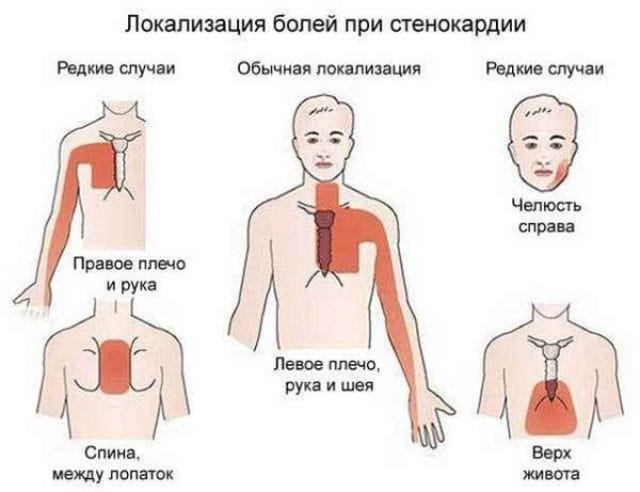
Localization of pain during a heart attack
Scoliosis
This term is understood as a three-plane deformity of the spine, which can be congenital or acquired, including after trauma. Upper back pain can occur with thoracic or cervicothoracic scoliosis. The pain syndrome can be strong, it can also affect the neck and head.
Pathology may be accompanied by the following symptoms:
- deformation of the neck, cranial bones, chest;
- osteochondrosis of the thoracic region;
- disturbances in the work of internal organs: heart, lungs;
- asymmetry of the spinal column, shoulder girdle, waist;
- possible impairment of the functionality of the spinal cord.
Kyphosis
This pathology is also a curvature of the spine, but in the sagittal plane. The bulge is directed backwards. The disease is congenital and acquired.
The pain is concentrated at the site of localization of the extreme apex of the deforming process, and can spread to neighboring areas. The disease is accompanied by the following symptoms:
- round back syndrome, with significant curvature, humpiness occurs;
- deviation of the shoulders downward and forward;
- narrowed chest;
- weakening of the abdominal muscles;
- lowered diaphragm;
- forward bend of the upper body;
- stretching of the back muscles;
- with the progression of the disease, the vertebrae are deformed, the intervertebral cartilages are destroyed.
Lordoz
This pathology is characterized by a curvature of the spine when the bulge is facing forward. Lordosis is pathological and physiological.
Pain with such a pathology occurs against the background of overstrain of the spine and stretching of the musculo-ligamentous apparatus. Pain syndrome is accompanied by the following symptoms:
- moving the head forward;
- the plane of the chest with the transition to the protruding abdomen;
- pushing the shoulders forward;
- breeding the lower limbs in the knee joints;
- limitation of mobility in the affected area;
- possibly a negative effect on the work of some internal organs: intestines, stomach, heart, lungs.
Pneumonia
This pathology is inflammatory and affects the lungs. Pain usually occurs in the pleural area, but may radiate to the upper back. The disease is also accompanied by the following symptoms:
- a sharp rise in temperature;
- cough and profuse discharge of purulent sputum;
- hard breathing;
- with atypical pneumonia, the head and throat ache, it has a tickle, weakness and malaise are felt;
- with croupous pneumonia, the disease begins acutely with high fever, shortness of breath, cough and rusty sputum.
Pneumothorax
This pathological condition implies that air or gas accumulates in the pleural cavity. The pain in this case is acute, arises in the chest and can radiate to the upper back – mainly under the scapula on the affected side.
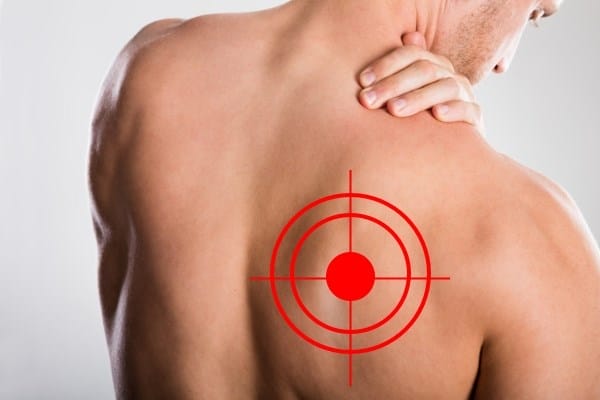
The disease is also accompanied by the following symptoms:
- increased pain on inspiration;
- dyspnea;
- increased breathing;
- paroxysmal dry cough;
- lacrimation;
- increased heart rate;
- blanching of the skin;
- panic attacks are possible.
Intervertebral hernia, protrusion
Hernias and protrusions at the top of the back are not so common, since this section is not highly mobile.
However, when such a formation occurs, the spinal cord is pinched, which, in turn, leads to pain and serious disorders.
At the stage of its formation, an intervertebral hernia does not cause pain, and this pathology is called protrusion.
However, the absence of pain is not at all a good sign, since a person does not notice the changes taking place until a full-fledged intervertebral hernia is formed.
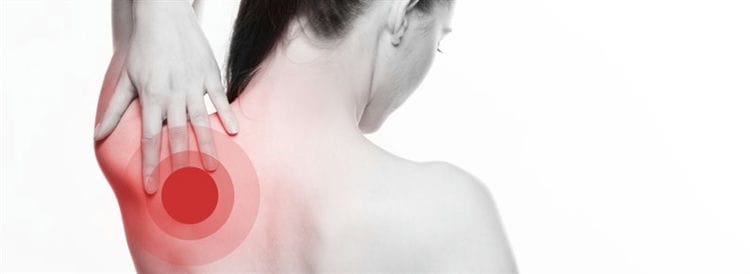
Osteochondrosis
Osteochondrosis is a disease associated with the excessive formation of cartilage tissue near the vertebra. It is dangerous because, during its development, damage to adjacent tissues occurs, which affects a person's ability to work.
He feels stiffness of movements, becomes less flexible, muscles weaken. It is this disease that can cause pain in the upper back.
According to statistics, more than half of the world's population over the age of 40 suffer from this pathology. With osteochondrosis, there is a risk of damage to the discs and the appearance of a hernia.
The disease is treated by using special physical education, creating blockages that prevent the formation of chondrocytes.
Sciatica and inflammation of the nerve processes
Formed when the nerve roots of the spine are squeezed. Usually, a person with these pathologies has an inflammatory process, swelling, he feels pain.
With sciatica, long-term and sharply arising pain sensations are characteristic, they negatively affect the respiratory activity and mobility of the patient.
With active actions, a person feels worse. So, when moving, sneezing and coughing, pain can increase significantly.
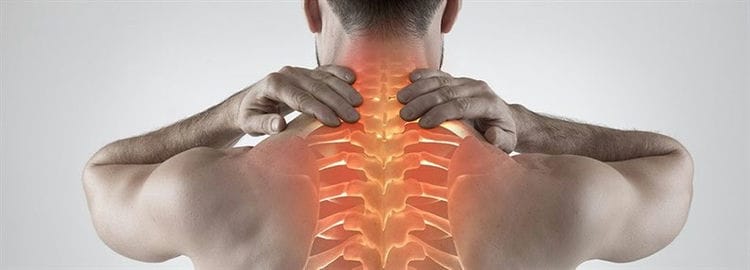
How to get rid of back and neck pain?
Pain can be caused by diseases of varying complexity. Therefore, it is not recommended to delay treatment and consult a doctor in a timely manner.
If you lead an active lifestyle, you feel that the pain gets worse with movement, then this may be a signal of problems with the musculoskeletal system.
Unpleasant sensations are caused by the presence of gastritis or cholecystitis, deviations from the usual diet.
If pain haunts you, then you can help yourself as follows:
provide peace, relax;
use an ointment with anesthetic components, applying to the pain site (for example, Diclofenac ointment, Capsicama);
in a supine position, do several exercises that stretch and relax muscle tissue;
cover the damaged area with a natural wool cloth.
In the event that the discomfort does not go away, you will need a specialist examination. If the pain is acute, there is a significant increase in temperature – this is a reason to call an ambulance.

Sources used and useful links on the topic: https://keeprun.ru/health/beg-i-boli-v-poyasnice-kak-izbezhat-i-kak-lechit.html https://OrtoCure.ru/pozvonochnik/boli /v-poyasnitse-posle-bega.html https://runiron.com/back-pain/ https://SpinaTitana.com/diagnostika/posle-bega-bolit-poyasnitsa.html https://spinolog.com/bol /bolit-poyasnicza-posle-bega.html https://tvoysustavchik.ru/pochemu-posle-bega-bolit-spina/ https://FB.ru/article/323494/pochemu-pri-bege-bolit-pravyiy- bok-pod-rebrom https://klinika-krovi.ru/bolezni-sosudov/pochemu-posle-bega-bolit-grudnaya-kletka.html https://veltain.ru/boljat-rebra-pri-bege/ https: //www.sports.ru/tribuna/blogs/zdorovyeblog/2820470.html https://medspina.ru/osteohondroz/bolit-verh-spiny.html https://MoiPozvonochnik.ru/otdely-pozvonochnika/pozvonochnik/bol-v-verhnej-chasti-spiny https://spina.guru/diagnostika/ bol-verhney-chasti-spiny https://sustavik.com/diagnostika/boli-verhney-chasti-spiny https://sustavy.expert/boli/drogoe/bol-v-verhney-chasti-spiny/ https: // zelkinezis.ru/boli-v-verhney-chasti-spiny
Post source: lastici.ru