
Dangerous fruits and “healthy” fructose. How to determine your level of security? Low sugar fruits, berries and vegetables

Cunning and love
Food manufacturers support the belief in the health benefits of fructose for marketing reasons. Fruit producers and traders are added to these.
As a result, the health-conscious population is increasingly consuming products in which glucose is replaced by fructose and is increasingly eating fruit. More and more sweet fruits …
And it turns out that fruit obsession can also lead to serious health problems (see the article about the fact that people who eat a lot of fruit live less in the article on how excess fruit consumption increases the risk of death here.
That's just before the onset of serious illness or a significant deterioration in health due to fructose overeating, most often many years pass. And with a love of fructose or an excess of fruit, as a rule, rarely anyone associates them.
Why is sugar bad for you?
Sugar is a high glycemic index (GI) product. Excessive consumption of it raises blood sugar levels, disrupts metabolic processes and provokes weight gain. There are completely refined (refined) types of sugar and minimally processed (brown sugar). Any of the types of sugars, regardless of the degree of purification, contains a disproportionately small amount of vitamins and nutrients in comparison with natural products – fruits, berries and vegetables.
If you're still struggling to eliminate sugar from your diet, explore healthy sugar alternatives and natural sugars. Fruit is one of the natural sources of sugar and is beneficial when consumed correctly.
What sugar is found in fruits?
It is not worth completely eliminating the consumption of fruits and berries due to the fear of sugar. Whole fruits (not mashed potatoes or even freshly squeezed juices) must be present in the diet. They contain not only sugars (in the form of fructose and in a lower concentration than sugar by itself or in finished products), but also fiber, vitamins, minerals, and other useful nutrients necessary for the body.
Even a banana with a high amount of sugar (12/100 g) contains essential nutrients for the body in significant quantities. These are potassium and magnesium, as well as the essential amino acid tryptophan, which produces the hormone of joy and prevents the development of nervous and mental disorders.
Dose of fructose
Eating 2-4 apples a day, let's say, will not pose absolutely any problem for most people.
But, in addition to fructose, fruits, as you understand, have a huge amount of hidden fructose in other foods. This is not only the one added to drinks, sweets and “diet” foods.
Our usual sugar – sucrose – is also converted in the body into a mixture of fructose and glucose, 50-50. Moreover, the hydrolysis of 100 g of sucrose gives approximately 53 g of fructose and 53 g of glucose.
The permissible daily rate of fructose is considered to be up to 0.75 g per 1 kg of body weight. That is, about 45-55 g of fructose is relatively safe for a 70-kilogram person.
With an increase in the amount of fructose consumed, diarrhea, abdominal pain, and bloating may occur. With chronic overload with fructose, after some time, a depressive state may well appear.
If today the average daily consumption of fructose by ordinary average people (not even fruitorians) is 80 g, then our parents, using sugar and honey with tea and (moderately) fruits, received an average daily dose of about 16-24 g. And at the same time, their fruits and vegetables were one and a half to two times more vitamin and much less sweet than the current
If we think that the fruit lover gets fructose only from them and honey, then we are wrong. Many vegetables also contain significant amounts of fructose and sucrose.
Nuts mainly contain sucrose (4-7 g per 100 g), which also gives 2-3.5 g of fructose when digested. Indicative quantities are shown in table 1.
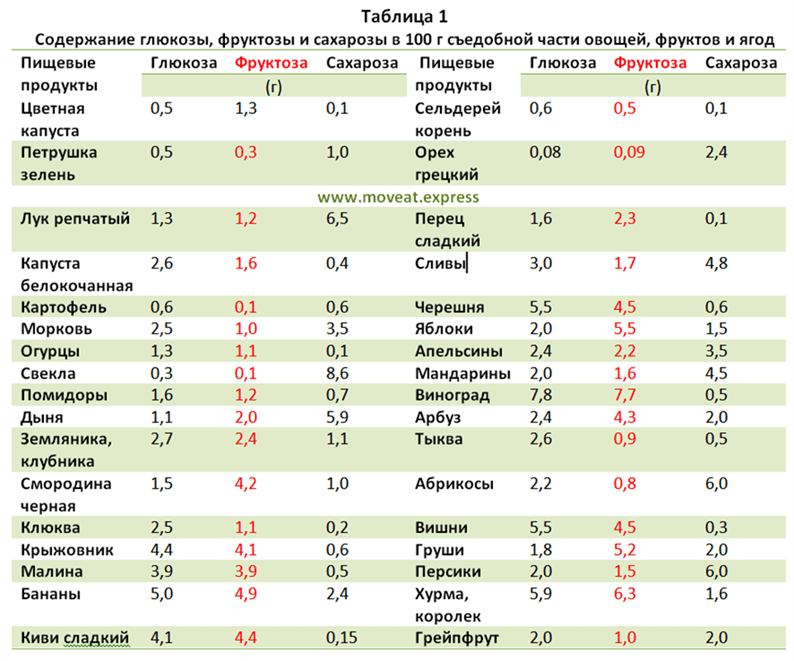
Table 1.
The content of glucose, fructose and sucrose in 100 g of the edible part of vegetables, fruits and berries
Fructose overdose
On average, fruits contain 40 to 50 calories per 100 g. Therefore, one and a half kilograms of fruit will contain 600 to 750 calories. That is, only from a quarter to a third of the daily requirement.
But in terms of fructose content, 1.5 kg of fruit will be a very dangerous thing!
Let's estimate the fructose content (direct and from sucrose) in 1.5 kg of fruit (which is a total of 6-8 apples, say). To do this, you need to take the% fructose from the table and multiply by 15 and add the% sucrose multiplied by 7.5.
One and a half kilograms of watermelon, say, are eaten in one sitting unnoticed. But they contain about 80 g of fructose (direct and from sucrose). One and a half kg of apples per day is 94 g of fructose. strawberries – about 44 g cherries – 73 g, oranges – about 60, raspberries – about 62, apricots – 57, sweet grapes – 119, pears – 93 g of fructose.
But in the diet of vegetarians there are also vegetables! Grosso salad made from 50 g of parsley, 200 g of tomato, 200 g of paprika, 50 g of onion and 100 g of cucumber is just 600 g of vegetables. It contains about 12 grams of fructose. And 2 such salads a day for a vegetarian is a trifling matter = 24 grams of fructose.
And a little “but” and “however”
Of course, fructose from fruits and fructose from sweets, whether made with fructose or sucrose, or fruit juices made from concentrates, are very different products. In order to extract fructose from fruits, the body needs to digest a large number of plant cells (which we did not grind when we chewed the vegetation).
It takes time and therefore fructose from fruits or vegetables does not come in one gulp, but much more gradually. This makes it easier for the liver and the body as a whole to deal with it.
Well, and one more optimistic note in the fructose symphony. Since the number of transporters of GLUT5 fructose is limited, then when eating, for example, 90 grams of fructose in 1.5 kg of watermelon at a time, most likely, only part of it is absorbed. It is this part that will be processed by the liver.
And the rest of the fructose will go to feed the bacteria. If your microflora, rumbling with joyful rumbling on fructose, does not cause you unnecessary trouble, then perhaps one and a half kilograms of watermelon will not be such a bad decision for a stuffy July evening.
What kinds of fruits are there?
There is a generally accepted division of fruits and berries into groups – sweet, sour and semi-sour. Slightly acidic or sweet fruits can be combined with any fruit from the “sour” group, but it is not recommended with each other.
- Sour fruits and berries
Lime, lemon, sour varieties of kiwi, grapes, apples, pears, plums, peaches, pomegranates, oranges, cherries; pineapple, cranberries, currants, sour berries. - Semi-acid fruits and berries
Sweet varieties of apples, pears, peaches, oranges, plums, pomegranates, cherries and grapes; strawberries, raspberries, blackberries, figs, apricots, blueberries, blueberries and most berries. - Sweet fruits and berries
All dried fruits, bananas, persimmons, figs, lychee, mango, melon, papaya, sweet cherry.
Apple basics
Fresh apples are a whole complex of vitamins and minerals. They are 85% water, the remaining 15% are carbohydrates and proteins, fiber, ash, starch.
Structure:
- B vitamins, high content of vitamin C, E.
- useful trace elements: iron; iodine; zinc; potassium; fluorine; calcium; boron; magnesium;
- a polysaccharide such as pectin.
The amount of sugar is quite low: in a fresh, medium-sized apple, it is about 20 grams. Nutritional value: 46 kcal.
As a rule, there is even less sugar in green varieties than in red ones.
Apples reduce appetite and promote better digestion of food. These facts undoubtedly speak about the benefits of this product.
The effect of apples on blood sugar
Apples contain many vitamins and minerals. Eating fruits quenches thirst, improves appetite, and has a good effect on the overall performance of the body. Different fruits differ in their taste, sweetness, but with diabetes, they must be consumed with caution.
Cultivars grown in southern latitudes contain less acid and more sugar. Skin color does not affect the amount of glucose in the pulp. In the southern regions, yellow and red fruits grow more often, green ones are common in the northern regions.
Diabetics can eat 2-3 small apples a day or 1-2 large apples a day. If you do not follow the measure, the amount of glucose will increase.
Variety Recommendations for Diabetics
If you follow the correct diet for diabetics with type 1 or type 2 disease, you can eat several apples a day. You need to consume such a product in dosage, despite the low calorie content of 45-50 kcal and the low amount of carbohydrates – 9% per 100 g of pulp.
With type 2 diabetes, doctors are allowed to eat half an apple 2 times a day. The daily portion differs from the general norm depending on the condition of the body. Therefore, the amount allowed varies. To increase the portion of fruit in the diet, you need to consult a doctor.

Contraindications
There are no strict contraindications to eating apples in diabetes. With a high concentration of sugar in the blood, before and after eating apples, you need to use a glucometer to measure the amount of glucose. If the indicator on the device is too high, you will have to limit or refuse sweet fruits.
With high acidity, you also can't eat a lot of apples, flatulence and diarrhea appear. Consider the advice on fruit processing.

Diabetes always leads to fatal complications. Excessive blood sugar is extremely dangerous.
10 lowest sugar fruits and berries
Top 10 most affordable fruits and berries in the middle lane that will give you the least amount of sugar and the most benefits.
- Avocado An
unsweetened fruit that tastes like a vegetable. Eat half an avocado daily for healthy fats and fiber. - Lime and Lemon
Eating a whole lemon or even lime is difficult, try adding them to lemonades and salads to get all the benefits of these fruits. - Cranberries
Cranberries are one of the most sour berries. Mix it with semi-sour fruits and berries, or add it to vegan dairy or porridge. - Cherry plum (homemade plum)
An alternative to ordinary plum, it contains less sugar and is very low in calories. - Strawberries
The minimal sugar content, the presence of vitamin C in the composition, a large amount of nutrients and availability make strawberries one of the best berries on the list of semi-acid berries. - Raspberries
Raspberries contain a minimal amount of sugar and are very tasty. It is rich in vitamin C, magnesium, iron, calcium, vitamin B6 and fiber - Grapefruit
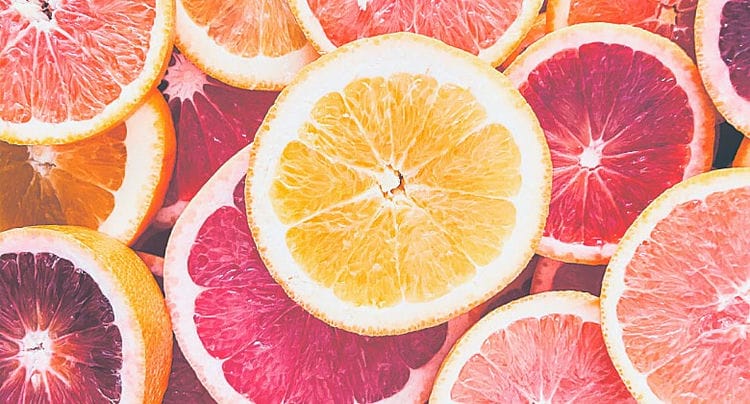
Rich in vitamins, grapefruit contains the lowest sugar content of any citrus fruit (except lime and lemon). - Watermelon
Juicy watermelon contains a small amount of sugar, but there are 3-4 tablespoons of sugar for a whole slice. If you like to gorge yourself on watermelon, just remember this. - Currants
White and red currants contain less sugar, and black currants a little more. Moreover, all types of currants contain less sugar compared to other berries. - Kiwi
Kiwi contains not the least amount of sugar and rounds out our list. But at the same time, kiwi contains a large amount of vitamin C and nutrients, it goes well with semi-acid fruits.
Berries
When spring comes, everyone eagerly awaits the strawberry ripening. This berry contains a low amount of sugar, therefore it is suitable for inclusion in the diet of diabetics. Moreover, it contains many minerals and vitamins.
Table: Sugar content in berries.
| Berry name | The amount of sugar per 100 g |
|---|---|
| Grapes | 12.23 |
| Watermelon | 6.2 g |
| Fig | 16 g |
| Merry | 11.5 g |
| Strawberry | 4.66 g |
| Sea buckthorn | 3.2 g |
| Strawberry | 6.2 g |
| Blackberry | 4.9 g |
| Cranberry | 4.04 g |
| Raspberries | 5.7 g |
| Blueberry | 4.88 g |
| Black currant | 8 g |
| White and red currants | 7.37 g |
A large amount of sugar is found in figs and grapes. These berries are rich in antioxidants that fight cell aging, they have a tonic and tonic effect. However, you should not overeat them in case of diabetes mellitus, metabolic disorders, excess weight.
 Berry name
Sugar per 100 g Grapes 12.23 Watermelon 6.2 g Figs 16 g Cherries 11.5 g Strawberries 4.66 g Sea buckthorn 3.2 g Strawberries 6.2 g Blackberries 4.9 g Cranberries 4.04 g Raspberries 5, 7 g Blueberries 4.88 g Black currants 8 g White and red currants 7.37 g
A large amount of sugar is found in figs and grapes. These berries are rich in antioxidants that fight cell aging, they have a tonic and tonic effect. However, you should not overeat them in case of diabetes mellitus, metabolic disorders, excess weight.
Wild berries are rightfully considered the most useful. They contain a huge amount of vitamins, minerals, bioflavins. At the same time, they are low in sugar. They are recommended to be used for various diseases.
Many fruits and berries appear on sale only during the warmer months. People have long learned to store such fruits in order to be able to eat them in winter. For a healthy diet, avoid canned foods that contain added sugars.
Nutritional value of cherries and the presence of nutrients:
| Vitamins and vitamin-like | in 100 g |
| Vitamin C, Ascorbic acid | 7 mg |
| Vitamin B1, Thiamine | 0.027 mg |
| Vitamin B2, Riboflavin | 0.033 mg |
| Vitamin B3, PP, Niacin | 0.154 mg |
| Vitamin B4, Choline | 6.1 mg |
| Vitamin B5 Pantothenic Acid | 0.199 mg |
| Vitamin B6, Pyridoxine | 0.049 mg |
| Vitamin B9, Folate | 4 μg |
| Folic acid | 0 μg |
| Vitamin B12, Cobalamin | 0 μg |
| Vitamin A | 3 μg |
| Retinol | 0 μg |
| Carotene, beta | 38 mcg |
| Carotene, alpha | 0 μg |
| Cryptoxanthin, beta | 0 μg |
| Lycopene | 0 μg |
| Lutein + zeaxanthin | 85 mcg |
| Vitamin E, Alpha-Tocopherol | 0.07 mg |
| Tocopherol, beta | 0.01 mg |
| Tocopherol, gamma | 0.04 mg |
| Tocopherol, delta | 0 mg |
| Tocotrienol, alpha | 0.03 mg |
| Tocotrienol, beta | 0 mg |
| Tocotrienol, gamma | 0 mg |
| Tocotrienol, delta | 0 mg |
| Vitamin D (D2 + D3) | 0 μg |
| Vitamin K, Phylloquinone | 2.1 mcg |
| Minerals | in 100 g |
| Calcium, Ca | 13 mg |
| Iron, Fe | 0.36 mg |
| Magnesium, Mg | 11 mg |
| Phosphorus, R | 21 mg |
| Potassium, K | 222 mg |
| Sodium, Na | 0 mg |
| Zinc, Zn | 0.07 mg |
| Copper, Cu | 0.06 mg |
| Manganese, Mn | 0.07 mg |
| Selenium, Se | 0 μg |
| Fluorine, F | 2 μg |
| Basic substances: | in 100 g |
| Water | 82.25 g |
| Protein | 1.06 g |
| Fats | 0.2 g |
| Ash | 0.48 g |
| Carbohydrates | 16.01 g |
| Fiber, total dietary | 2.1 g |
| Sakharov, total | 12.82 g |
| Sucrose | 0.15 g |
| Glucose (dextrose) | 6.59 g |
| Fructose | 5.37 g |
| Lactose | 0 g |
| Maltose | 0.12 g |
| Galactose | 0.59 g |
| Starch | 0 g |
| Alcohol | 0 g |
| Caffeine | 0 mg |
| Theobromine | 0 mg |
| Fatty acid: | in 100 g |
| Saturated | 0.038 g |
| Myristic | 0.001 g |
| Palmitic | 0.027 g |
| Stearin | 0.009 g |
| Monounsaturated | 0.047 g |
| Palmitoleic (omega-7) | 0.001 g |
| Oleic (omega-9 ) | 0.047 g |
| Polyunsaturated | 0.052 g |
| Linoleic (omega-6 ) | 0.027 g |
| Alpha linolenic (omega-3 ) | 0.026 g |
| Total trans fatty acids | 0 g |
| Cholesterol | 0 mg |
| Amino acids: | in 100 g |
| Tryptophan | 0.009 g |
| Threonine | 0.022 g |
| Isoleucine | 0.02 g |
| Leucine | 0.03 g |
| Lysine | 0.032 g |
| Methionine | 0.01 g |
| Cystine | 0.01 g |
| Phenylalanine | 0.024 g |
| Tyrosine | 0.014 g |
| Valin | 0.024 g |
| Arginine | 0.018 g |
| Histidine | 0.015 g |
| Alanine | 0.026 g |
| Aspartic acid | 0.569 g |
| Glutamic acid | 0.083 g |
| Glycine | 0.023 g |
| Proline | 0.039 g |
| Serin | 0.03 g |
Composition and calorie content of other berries:
Watermelon  30 Kcal
Lingonberry  46 Kcal
Isabella Grape  67 Calories
Muscat Grape 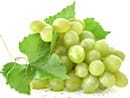 57 Kcal
Cherry  50 Kcal
Blueberry 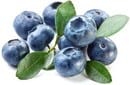 57 Kcal
Dzhambolan  60 Kcal
Melon  34 Kcal
Blackberry  43 Kcal
Fig 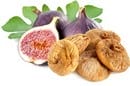 74 Kcal
Karissa  62 Kcal
Strawberry  32 Kcal
Cranberry 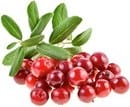 46 Kcal
Red currant  56 Kcal
Gooseberry  44 Kcal
Logan 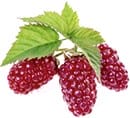 55 Kcal
Longan (Lam Yai)  60 Kcal
Raspberry  52 Kcal
Cloudberry  51 Kcal
Sea buckthorn  82 Kcal
Green olives  145 kcal
Ripe olives 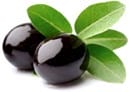 81 kcal
Ohelo  28 Kcal
Rowan 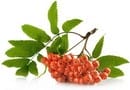 50 Kcal
Tamarind  239 KCal
Turn 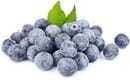 54 Kcal
Feijoa  61 Kcal
Physalis  53 Kcal
Cherry  63 Kcal
Black currant 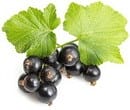 63 Kcal
Blueberry 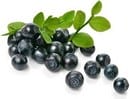 61 Kcal
Chokeberry 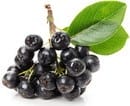 55 Kcal
Mulberry 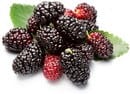 43 Kcal
Rosehip  162 Kcal
What is unsweetened fruit? G. Shelton's list
Particular attention was paid to the division of fruits into sweet and savory ones by the founder of the theory of separate nutrition, the American G. Shelton. He recommended that everyone start their day with a portion of fresh fruit, and not in the form of juices. At one time, it is allowed to eat 2-3 of their types.
In his theory, G. Shelton singled out unsweetened fruits into a separate group. The dietitian's list suggests sour and semi-sour fruits. In addition, there is another group consisting of sweet fruits.
Sour fruits include oranges and pineapples, unsweetened apples, peaches, grapefruits, lemon, oxalis, and cranberries. Their sugar content is minimal, which means that they are among the most useful fruits.
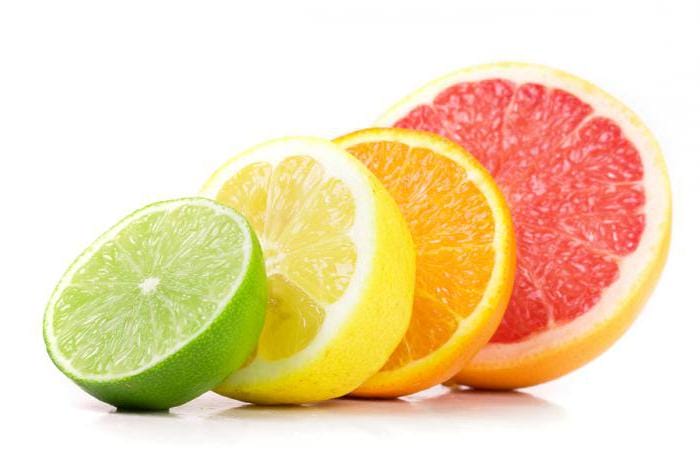
The group of semi-acidic fruits includes fresh figs, sweet cherries and apples, plums, mangoes, pears, sweet peaches, apricots, blueberries. According to the theory of G. Shelton, sour and semi-sour fruits are recommended to be combined with each other.
Sweet fruits include bananas, dates, dried figs, raisins, prunes, dried pears, persimmons. The consumption of such fruits in food should be minimized.
Today, many nutritionists disagree with G. Shelton and believe that the group of unsweetened fruits should be made even smaller. It should include only fruits with the lowest possible sugar level.
The quantitative content of sugar in fruits: table
Depending on the quantitative content of sugar in fruits, their list can be presented in the form of the following table.
| Fruit name | Sugar content in 100 grams, g |
| Avocado | 0.66 |
| Lime | 1.69 |
| Lemon | 2.5 |
|
By the way |
4.5 |
| Grapefruit | 5.89 |
| Nectarine | 7.89 |
| Papaya | 5.9 |
| Apricot | 9.24 |
| Quince | 8.9 |
| A pineapple | 9.26 |
| Orange | 9.35 |
| Pear | 9.8 |
| Guava | 8.9 |
| Kiwi | 8.99 |
| Clementine | 9.2 |
| Kumquat | 9.36 |
| Mandarin | 10.58 |
| Marakuya | 11.2 |
| Peach | 8.39 |
| Plum | 9.92 |
| Apple | 10.39 |
| Bananas | 12.23 |
| Grapes | 16.25 |
| Cherry | 11.5 |
| Garnet | 16.57 |
| Fig | 16.0 |
| Dates | 16.53 |
| Mango | 14.8 |
All fruits presented in this table, according to the amount of sugar in them, can be conditionally divided into 4 groups.
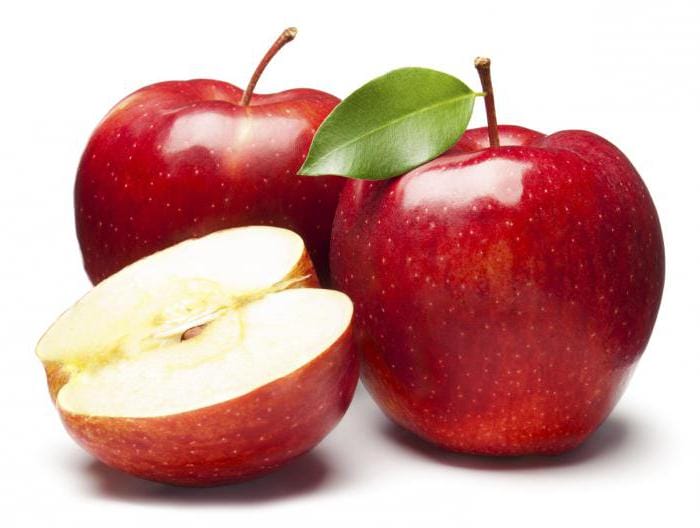
- Low sugar content – up to 3.99 g per 100 grams of fruit. The “record holder” in this group is avocado – an unsweetened fruit, which is sometimes referred to as a vegetable by its taste.
- With a small amount of sugar – from 4 to 7.99 g per 100 grams. Cherry plum is the winner in this group. The average fruit of this fruit contains up to 1 gram of sugar.
- With an average sugar content of 8 to 11.99 per 100 grams. The most beneficial in this group is the peach.
- High in sugar. The consumption of these fruits should be limited to people with diabetes.
What fruits are right for the diet?
People who are on a diet should eat lower-calorie, low-sugar foods. Unsweetened fruits such as grapefruit, kiwi, pineapple, apples will be useful for them. They speed up metabolism, promote the breakdown of fatty deposits and saturate the body with essential vitamins and minerals.
Vegetables
The presence of vegetables is mandatory in a person's diet, regardless of his health. They are an irreplaceable source of fiber, vitamins and minerals. Vegetables contain substances that fight bacteria, antioxidants that slow down cell aging.
The low glycemic index of vegetables makes them indispensable in dietary nutrition. Nutritionists advise choosing green fruits, since they contain less sugar.
Certain vegetables, such as tomatoes, beets, and bell peppers, help stabilize blood sugar. A vegetable like Jerusalem artichoke contains inulin, an analogue of insulin. It is used to prevent diabetes.
Vegetable sugar table
| Vegetable name | The amount of sugar per 100 g |
|---|---|
| Salad | 0.1 g |
| Celery | 0.3 g |
| White cabbage | 0.5 g |
| Cauliflower | 0.7 g |
| Onion | 0.9 g |
| A tomato | 3.5 g |
| Zucchini | 2.2 g |
| Sweet pepper | 2.4-4 g |
| Potatoes | 1.7 g |
| Carrot | 4.2 g |
| Corn | 3.0 g |
The value of vegetables as a source of fiber and nutrients leads to the creation of many diets based on them. However, with diabetes mellitus, obesity, some fruits should be limited. Eliminate fried vegetables and prefer steamed, boiled, raw.
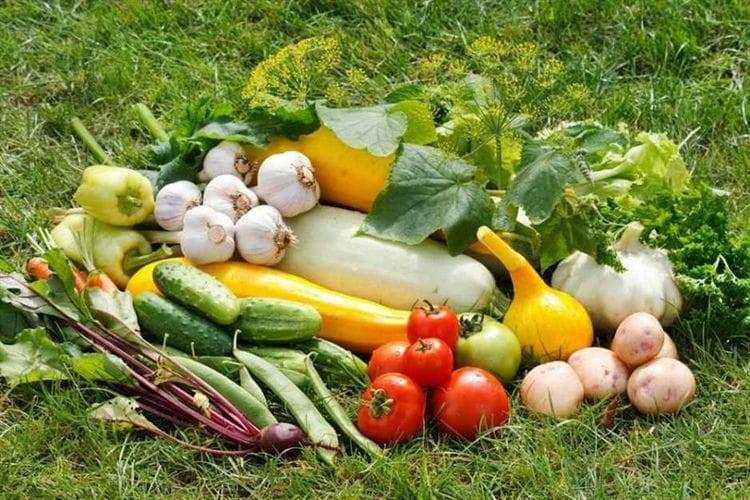
Traditionally, raw vegetables undergo thermal processing, after which they make an independent dish on their basis. This changes their properties, the glycemic index. For example, carrots have a low GI raw, but they increase when cooked.
Potatoes are so popular that it is difficult to imagine life without it, as well as without bread. It contains a lot of starch, which, when ingested, is broken down into glucose. A large amount of this vegetable causes jumps in sugar in diabetics, leads to weight gain in healthy people. Corn is also a starchy vegetable.
Excessive use of sugar is called the scourge of our time. Although medical professionals warn that sugar is harmful to health, it remains a good source of income for the industry.
High sugar fruits
Like vegetables, fruits are very healthy because they are an excellent source of numerous vitamins, minerals, and antioxidants. For example, many fruits contain large amounts of vitamin C, nutrients that ensure our immune system is functioning well.
Unlike vegetables, many fruits tend to contain significant amounts of sugar, giving them their sweet taste. It is for this reason that experts generally recommend that fruit consumption should be limited to two cups a day. If you are obese or diabetic, it is important to speak with your doctor so he or she can advise you on how much high-sugar fruit you can eat in your diet.
There are certain fruits that are much higher in sugar than others.
1 Dates
- Fat 0.15 g
- Carbohydrates 74.97 g
- Proteins 1.81 g
- Sahara 66.47
When the fruit is dry, most of the water evaporates, leaving behind the concentrated amount of sugar. It is for this reason that dried fruits such as dates contain the most sugar.
Together with sugar, dates are a source of small amounts of potassium, magnesium, manganese and iron. They are also rich in antioxidants.
Since dried fruits contain much more calories and sugar than fresh fruits, they should be consumed in moderation.
2 Raisins
- Fat 0.46 g
- Carbohydrates 79.18 g
- Proteins 3.07 g
- Sahara 59.19
Several studies have found that consuming raisins can reduce cardiovascular risk factors and increase feelings of fullness. Raisins are another type of dried fruit enjoyed all over the world. Raisins are dried grapes, so they retain a lot of the sugar and nutrients that grapes contain. Raisins contain vitamins such as B1 B2 B3 B5 B6 C.
3 Prunes
- Fat 0.38 g
- Carbohydrates 63.88 g
- Proteins 2.18 g
- Sahara 38.13
Another type of dried fruit, prunes are what you get when you dry plums. They are a good source of vitamins A and K, and studies have also shown that they can help prevent cancer and heart disease because of their high antioxidant content.
Prunes and prune juice are well known for their laxative effects, which are due to their high fiber and sorbitol (a type of sugar alcohol) content. In fact, prunes are considered to be more effective than many other laxatives, which is why it is recommended during constipation.
4 Figs
- Fat 0.3 g
- Carbohydrates 19 g
- Proteins 0.8 g
- Sugar 16 g
Figs are native to Asia and the Middle East but are currently grown all over the world. They can be eaten raw or dried, with the latter being higher in calories, sugar and nutritional value. Like many other fruits, figs are loaded with powerful disease-fighting antioxidants.
Figs are very versatile, which means they can be used in all delicious recipes. This includes muesli, health salads, and sauces. Fig leaves are also used as a medicine. Figs are useful for bronchial asthma, rapid heartbeat, skin diseases, kidney stones, and pain in the liver. Figs contain vitamins A B1 B2 B3 B6 B9 C.
5 Grapes
- Fat 0.2 g
- Carbohydrates 16.8 g
- Proteins 0.6 g
- Kcal 65
100 grams of grapes will provide you with 27% vitamin C and 28% vitamin K.
Grapes also contain resveratrol, a phytonutrient mainly found in the skin that protects cells from free radicals, lowers blood pressure and supports heart health.
Both red and green grapes should be part of your diet. Grapes are a great substitute for fat-rich desserts or sweets.
6 Garnet
- Fat 0.0 g
- Carbohydrates 13.9 g
- Proteins 0.9 g
- Kcal 52
Pomegranates contain unique nutrients, making them one of the healthiest foods on the planet.
One of these is their powerful anti-inflammatory effect. Reducing inflammation in the body, in turn, lowers the risk of several types of diseases, such as cancer. Indeed, research has shown that pomegranates may be effective in fighting breast cancer.
Other studies have also found that pomegranate may help with arthritis, improve memory, and reduce the risk of heart disease.
7 Mango
- Fat 0.27 g
- Carbohydrates
- Proteins 0.51 g
- Sahara 14.8
From their very sweet taste, it is easy to tell that mango contains a lot of sugar. This is along with significant amounts of dietary fiber, vitamins and minerals. One of them is vitamin A. Mango fruits are used in home medicine. For better brain function and bleeding control. Mango is a valuable source of pectin.
8 Bananas
- Fat 0.016 g
- Carbohydrates 19.33 g
- Proteins 1.87 g
- Kcal 65.5
As bananas ripen, their color changes from green to yellow and their sugar content increases.
Bananas are a source of many important nutrients, including vitamin C, vitamin B6, potassium, and dietary fiber.
Eating bananas can be beneficial for the health of the digestive system, heart, and kidneys.
Bananas are often the main ingredient used in smoothies.
It is extremely difficult to eat an amount of fruit in one sitting that is equal in sugar content to a bar of milk chocolate.
The sugar found in berries and fruits and making up the lion's share of their energy value is called fructose. It is a close relative of glucose: they share the same chemical formula C6H12O6. Our cells can use both for energy. Although fructose tastes twice as sweet as glucose, both contain 4 kcal per gram. From these two monosaccharides, sucrose is formed – in other words, sugar – and in the body it again breaks down into glucose and fructose.
In the chemical sense, there is no difference between “natural” and “artificial” fructose: their molecules are absolutely indistinguishable, have the same properties and behave in an identical way in the human body. In industry, fructose is mainly obtained by the method of glucose isomerization using enzymes. “Natural” fructose, which is found in fruits and vegetables, is produced in cells in the same way. Unlike glucose, fructose is absorbed by the intestines rather slowly, but it is broken down much faster. Some of the fructose is converted to glucose, which only slightly increases blood sugar levels. Fructose is almost completely absorbed by liver cells, rapidly converting to free fatty acids.
Everyone who needs a balanced diet has learned long ago that, say, corn syrup or sugar are not healthy sweeteners, but the reason is not that corn syrup contains industrially produced fructose, but sugar is actually a disaccharide. It's mainly about quantity: consuming the same amount of “natural” fructose in the form of fruit will have the same effect. As we found out, fructose is processed into fat much faster than glucose, and in large quantities can significantly increase the level of triglycerides (fats) in the body. At the same time, of course, it is extremely difficult to eat an amount of fruit in one sitting, which is equal in sugar content to a bar of milk chocolate, and in calorie content – to three Old Fashioned cocktails.
The concentration of naturally occurring sugar in fruits is significantly lower than in finished products with added sugar. In addition, even bread or sour cream manufacturers often cannot do without sweeteners, so it is important to pay attention to the composition. As you know, an excess amount of sugar entering the body can cause fatigue and apathy, and over time lead to tooth loss, obesity and possibly osteoporosis.… Since the point is not in the origin of sugar, but in its concentration, then this applies not only to table refined sugar, but also to its supposedly “dietary” substitutes, as well as maple syrup, molasses and honey. It makes sense to limit the amount of sucrose, glucose, fructose, dextrose, maltose and other highly concentrated “-oz” used in the production of beverages, confectionery and baked goods.
The American Heart Association recommends no more than 6 teaspoons of added sugar per day for women
Of course, fruits are not all glucose: they are made up of water, fiber, and a number of beneficial vitamins and minerals, making them an important part of a healthy diet. Many fruits contain phenols, antioxidants that can lower the risk of heart disease, cancer, and other diseases suspected of being associated with free radicals. Antioxidants attach to the unpaired electrons on the outer electron shell of the free radical and remove it from the body.
Therefore, a moderate consumption of fruit is unconditional benefit – it remains to find out the very “measure”. The American Heart Association is more than democratic in this sense and recommends no more than 100 kcal (24 g, or 6 teaspoons) of added sugar per day for women and no more than 150 kcal (36 g, or 9 teaspoons) for men. On the other hand, just one glass of soda can contain more than 8 teaspoons of sugar, so going over the norm is not a tricky business. The Association is silent about the permissible amount of “natural” sugar.
There are recommendations on the Web according to which women between the ages of 19 and 30 are supposedly supposed to eat about two glasses of fruits and berries a day (that is, 400-500 g). Firstly, it is not known why such sex and age restrictions are justified, and secondly, the required amount of fruit directly depends on which fruits you prefer: two glasses of bananas can contain about 35 g of sugar, or even more, in while the same amount of strawberries is up to 20 g.
Many trainers and fitness bloggers adhere to the principle: “Fruit – only in the morning.” Nutritionists have different opinions on this matter. Some believe that it is best to snack on fruits during the day and limit their consumption in the evening, others argue that in the morning and in the morning our body is set up mainly to process proteins and fats, and in the late afternoon it copes better with carbohydrates, so that the time fruit comes in the afternoon. A study published in the American Journal of Physiology foundthat the maximum level of insulin production after a meal does not depend on the time of day, which means, contrary to popular belief, you can not be afraid of a prolonged “insulin reaction” after a fruit eaten at night looking. In any case, in order not to get bogged down in all the variety of tips and tricks until the end of the summer season, it is best to rely on your own feelings and enjoy juicy fruits and berries in moderation.
Sources used and useful links on the topic: https://moveat.expert/stati/opasnye-frukty-i-poleznaya-fruktoza-kak-opredelit-svoj-uroven-bezopasnosti-chast-2/ https://greenvegan.ru/ zdorove / frukty-s-nizkim-soderzhaniem-sakhara / https://FermoVed.ru/yablonya/skolko-sahara.html https://mercabadom.ru/skolko-gramm-sahara-v-jabloke/ https: // DiabetSahar .ru / diets / frukty-yagody-i-ovoschi-s-nizkim-soderzhaniem-sahara.html https://edaplus.info/composition-calorie/cherries-berry.html https://FB.ru/article/237904 / nesladkie-fruktyi-pri-diete-pri-saharnom-diabete-soderjanie-sahara-v-fruktah-spisok-tablitsa https://sport-in-my-life.ru/pravilnoe-pitanie/85-frukty-s- vysokim-soderzhaniem-sahara.html https://www.wonderzine.com/wonderzine/health/food/219175-more-sugar
Post source: lastici.ru