
Products for teeth: for whitening and strengthening of enamel, growth, containing calcium. Useful and harmful foods for teeth and gums: how to keep them healthy

General dietary and lifestyle recommendations
- The condition of the teeth and gums directly depends on how healthy the human body is as a whole. Experts recommend to devote time to sports, active leisure, strengthening the immune system and positive emotions.
- Nutrition should be balanced. It should contain the optimal amount of vegetables and fruits (non-acidic varieties) in order to enrich the body with trace elements and vitamins. Also, raw fruits help improve blood circulation in the oral cavity, cleanse the gums and strengthen the tooth enamel.
- In addition to nutrition, other manipulations are also important. For example, finger massage of the gum area is the prevention of periodontal disease.
- But a full-fledged work of the gastrointestinal tract can be considered a prophylactic agent against plaque. In order to start the process, you need to drink a glass of water on an empty stomach.
- Cracks in the enamel can provoke even the most useful nutrition at an uncomfortable temperature. It is best if the food is not too hot or cold. Food should be at room temperature.
- The main source of fluoride is water. If there is little fluoride in it, then the enamel becomes very weak, and if there is a lot, then the surface of the tooth becomes covered with black dots. The diet should include water with an ideal balance of fluoride.
- Some adherents of a healthy lifestyle and yoga use pear, oak or cherry twigs to brush their teeth instead of a toothbrush. To do this, one end of the twigs is flattened, dividing into fibers, and used like a brush.
- Experts believe that toothpaste is better for dental care than toothpaste. For cleaning, you can also use a mixture of salt and vegetable oil. This mixture doesn't taste good, but it works well.
- Interestingly, healthy bananas and eggplant can be used for more than just part of the diet. The ashes from the peel of these fruits are used to clean teeth. This powder effectively whitens their surface.
- Strengthening the teeth and stopping the development of caries can be achieved by strengthening the body. To do this, adjust the nutrition, making the menu balanced, and regular meals. Tempering procedures and feasible physical activity contribute to stopping caries.
Why are carbohydrates harmful?
Carbohydrates are essential for the human body to produce energy. They begin to break down already in the oral cavity. And the bacteria that live there feed on glucose. Foods that contain refined sugar are especially harmful to the teeth. These are confectionery, sweets. It is these sweets, so beloved by many, that destroy teeth.
In addition, carbohydrate foods are harmful to the teeth because they are soft. In order for tooth enamel to receive all the necessary nutrients, it is necessary that they are subjected to regular stress. This improves blood flow to the gums. And food that contains carbohydrates (baked goods, bread, pastries, pasta) is too soft.
The relationship of dental and gum disease to food
All foods that a person eats nourish not only the body, but also the bacteria living in the oral cavity. If the food contains a large amount of carbohydrates, especially sugar, a favorable environment for microorganisms is created. In the process of their vital activity, they convert sugar into acid, which flushes minerals from the enamel of the teeth. As a result, enamel sensitivity develops. Then cracks appear on it, through which bacteria penetrate. Caries, pulpitis and periodontitis develop. Foods also affect gum health. For example, the acids found in some drinks or fruits erode tissues, leading to gingivitis, stomatitis, and ulcers.
But there are also foods that are good for your teeth. They help to remove plaque, massage and strengthen the gums, improve blood circulation and metabolic processes, destroy bacteria and promote enamel mineralization. To maintain oral health, you need to include them in your diet every day.

Healthy products for our gums and teeth
Nutrition is one of the keys to our health. “We are what we eat,” said the famous classic. This is true. To keep your teeth and gums healthy, you should include the following foods in your diet:
- Milk products. They contain a large amount of calcium, and it is a building material for all bone formations in the body.
- Carrot. This vegetable is a source of carotene, which makes it beneficial for the mucous membranes of the mouth and gums. Also, this substance helps to strengthen the tooth enamel. Another function of carrots is training: if eaten raw, it turns into an excellent trainer for the functional elements of the oral cavity. These procedures are quite beneficial for the health of the oral cavity.
- A fish. It is very important for teeth to get enough phosphorus.
- Seaweed. The product contains a lot of iodine, which allows it to have a positive effect on the body's metabolism. It contains many trace elements, so it must be present in the diet.
- Greens. It is a natural source of organic calcium.
- Onion. This vegetable contains a huge amount of phytoncides and vitamin C, so it helps to avoid scurvy and strengthens the gums.
- Apples. These fruits have long been used to massage gums and remove plaque, so they should be a must in a healthy diet.
- Chicory. This healing root not only restores normal metabolism in the body, but also stimulates blood circulation in the oral cavity.
- Pumpkin. It is used to whiten teeth, helps to strengthen them, contains trace elements such as zinc, fluoride, selenium.
Milk products
What food should you eat more often to strengthen your teeth? First of all, these are dairy products. They contain a large amount of calcium, phosphorus, casein. The latter retains the first two components and is embedded in the plaque surrounding the teeth, and increases the concentration of phosphorus and calcium in this plaque.
Calcium is the main building block for human bones and teeth. The protein casein is also able to form a protective film on the teeth and provide protection against tooth decay.
- Bacteria living on tooth enamel produce acid that flushes phosphorus and calcium out of the tooth. Later, caries appears and destroys the tooth. Dairy products neutralize this unfortunate acid, thereby strengthening the teeth.
- In addition, dairy products contain vitamin A, which ensures healthy teeth and at the same time boosts the immune system. And also in dairy products there is vitamin D, which contributes to the complete absorption of calcium and its penetration into tissue cells.
- Yogurt, preferably sugar-free, has been shown to kill bacteria that cause bad breath and reduce plaque build-up, according to Japanese research. Vitamins and micronutrients found in dairy products help maintain healthy gums and tooth enamel.
- Hard cheeses. According to the research results, hard cheeses contribute to mechanical cleaning of the tooth surface, and in addition, they contain a large amount of calcium and phosphates useful for tooth enamel.
- Milk porridge is generally good for the body and can also be beneficial for dental health. But the disadvantage is that they are a viscous substance that envelops and adheres to the teeth. Its remains in the oral cavity contribute to the development of caries, especially children are susceptible to this. Dentists recommend brushing your teeth or rinsing your mouth after this breakfast.
In the Land of the Rising Sun, clinical studies were conducted with the participation of people aged 40 to 79 years. As a result of these studies, Japanese scientists have concluded that regular consumption of dairy products reduces the risk of dental and gum disease.
Dairy products can be considered good for teeth if they do not contain sugar.
Celery
This wonderful product cleans teeth. It is good for teeth, which was proved by British scientists from the Oxford John Radcliffe Hospital. According to them, celery requires thorough chewing (the vegetable is rich in insoluble coarse fibers), which allows you to remove plaque and bacteria from the most inaccessible places.
In addition, during chewing, a considerable amount of saliva is released, which has a bactericidal effect.
Cheese
Research by French scientists has shown that hard cheeses are helpful in protecting tooth enamel. These cheeses are low in salt and high in calcium and phosphates. Due to these properties, a piece of cheese helps to maintain a normal pH balance in the oral cavity, preventing excess acid, which promotes the growth of bacteria. And calcium and phosphorus, which cheese supplies to the body, strengthen the enamel.
What to do: Instead of a sweet dessert, train yourself to eat a 15-gram piece of cheese (size 22 cm) after lunch and dinner as a remedy to protect your teeth.
Rose hip
The fruits of this plant are rich in vitamin C. With its lack, scurvy develops, during which the gums begin to bleed. With a lack of vitamin C, the vessels located in the jaw become fragile and easily damaged.
Remember that vitamin C breaks down at high temperatures. Therefore, it is best not to heat this product.
Horseradish
This is not only a seasoning for many dishes, research by doctors of the Center for Alternative Medicine of the Siberian Branch of the Russian Academy of Medical Sciences has shown that horseradish reliably protects teeth and gums. The fact is that the substances that give horseradish a burning taste also prevent the growth of bacteria that are responsible for the appearance of caries.
What to do. Horseradish should appear on your table several times a week. You can add it to salad dressings. Take 1 teaspoon of grated horseradish, 1 teaspoon of soy sauce, 1 tbsp. a spoonful of honey, 3 tbsp. tablespoons of rice wine vinegar and 1/2 teaspoon of sesame oil, mix thoroughly and season with this mixture fresh vegetable salad. You can dissolve half a teaspoon of grated horseradish in a glass of warm water and rinse your teeth with this solution after meals.
Sesame
Archaeological excavations confirm that those tribes of ancient people, which traditionally consisted of plant seeds in their diet, had very strong teeth. Sesame seeds remove plaque and strengthen enamel and are also rich in calcium, which protects not only bones but also teeth from destruction.
What to do. Add a tablespoon of sesame seeds to salads or vegetable dishes 2-3 times a week. This gives you an additional 87 mg of calcium.
Green tea
The catechins in green tea are deadly to bacteria called carious monsters. And what prevents the development of caries is useful for tooth enamel.
Shiitaki mushrooms
Recently, American and Japanese doctors have been paying the most serious attention to the study of the beneficial properties of these mushrooms. In addition to the beneficial effect on the immune system, it turned out that these mushrooms contain special substances that prevent the growth of bacteria in the oral cavity.
What to do. Add 4-5 chopped shiitaki mushrooms to soups or vegetable side dishes 2-3 times a week. Both fresh and dried mushrooms are equally useful. The latter fully recover their properties when soaked in hot water for 25 minutes.
Raisins

Food for dental health excludes desserts, sweet snacks due to the presence of sugar. If you want to pamper yourself with something tasty without harm to the enamel, eat raisins. Dried grapes are a source of oleanolic acid. It kills bacteria in the mouth and prevents tooth decay or gum disease from developing. Raisins contain antioxidants that boost immunity.
Parsley
A few fresh parsley or mint leaves are great for refreshing your breath. These plants contain a lot of easily evaporating essential substances, which, together with the blood flow, quickly reach the lungs and refresh the air you exhale, acting like a deodorant.
What to do. Add 1-2 tbsp to ready-made meals. tablespoons of finely chopped parsley and fresh mint.
Vegetables and fruits
Plant foods are the healthiest foods for your teeth and gums. Vegetables and fruits contain many vitamins and minerals needed for oral health. In addition to enriching the enamel with calcium, phosphorus, magnesium, fluorine and other microelements, vegetables and fruits have a massaging effect. They help to improve blood circulation in the gums and clean the teeth of soft plaque. In addition, chewing hard vegetables and fruits stimulates the production of saliva. But it is from its lack that many diseases of the oral cavity develop. All vegetables and fruits are good for teeth, especially fresh:
-
Greens are rich in vitamins and minerals. It is able to strengthen blood vessels and whiten enamel. For example, dill freshens breath and kills bacteria.
-
Berries contain pectins, organic acids and other trace elements. Some of them can prevent the development of tooth decay, such as cranberries and grapes.
-
Doctors have an ambiguous attitude to citrus fruits. It is believed that grapefruit reduces gum bleeding and inflammation, while lime prevents tooth decay. They are capable of killing bacteria and strengthening the gums. At the same time, all citrus fruits contain a large amount of organic acids that can destroy enamel.
![Products for teeth: for whitening and strengthening of enamel, growth, containing calcium. Useful and harmful foods for teeth and gums: how to keep them healthy]()

Water
Russian dentists recommend drinking enough water to keep the body hydrated. In addition, drinking water allows you to release a sufficient amount of saliva, which is a natural neutralizer of harmful bacteria. Do not forget to rinse your mouth more often, this will help you get rid of food debris in time, the rotting of which contributes to tooth decay and bad breath.
What to do. Drink at least 6 glasses of pure or mineral water throughout the day. Rinse your mouth or brush your teeth after every meal.
Onion
This vegetable is rich in phytoncides – natural bacteria destroyers. The bad smell is not so bad, you can get rid of it by chewing a sprig of parsley or menthol tablet.
Carrots and apples

The nutrition of children and adults must necessarily include hard vegetables and fruits. Hard abrasive particles promptly clean the interdental spaces from stuck food, make a gentle massage of the gums.
The list of useful foods includes:
-
Carrots. It is a source of important minerals, vitamins for the oral cavity. The vegetable cleans plaque, keeps a snow-white smile. Eating carrots after meals increases saliva production. This helps to clear the enamel from germs.
-
Apples. Fruits contain a large amount of water, iron, vitamins. They strengthen the gums, freshen breath, remove stains and brighten enamel.
Kiwi
These small fruits contain much more vitamin C than many others. For example, one fairly large fruit almost completely covers the daily intake of the vitamin, which is very important for gum health. Studies by scientists from a medical center in Sydney have shown that when vitamin C is deficient in the body, collagen production decreases, tissues become more vulnerable to bacteria, gums begin to bleed, and periodontal disease may even develop.
Chocolate
Yes, this product can be good for your teeth too. In the composition of chocolate, American scientists have discovered elements that protect teeth from caries. Researchers at the Massachusetts Institute of Technology found that cocoa powder that was added to the food of animals did not cause tooth decay in them. Rather, he slowed down the development of this disease.
Two groups of animals were given food harmful to the teeth, but one of the groups was mixed with cocoa powder. In animals that periodically consumed cocoa powder, the development of caries slowed down. It turned out that cocoa butter covers the teeth with a protective film. In addition, cocoa beans contain flavonoids and polyphenols, which have an antibacterial effect and stop the appearance of plaque.
Later, a scientist from Tulane University in New Orleans made another discovery. Cocoa powder extract caobromine strengthens tooth enamel. It can be concluded that chocolate, best of all natural, with a high content of cocoa, is good for teeth and gums.
But do not lean on chocolates. Remember that most store-bought chocolates are very high in sugar, which is not very good for your mouth. Also, cocoa beans contain tannins and dyes that can change the appearance of teeth.
It is best to eat dark chocolate that is high in cocoa and low in sugar. Dentists and nutritionists recommend eating no more than 1-2 bars of chocolate per week.
Harmful products for teeth

Everyone knows from childhood that sweets, cakes and other sweets spoil teeth, but it turns out that they are not the only ones. We have compiled a small list of the most dangerous foods for dental health. What foods are bad for teeth and enamel?
Roasted seeds and nuts
Fresh nuts and seeds can even be useful, but during heat treatment, most of the valuable substances are destroyed. Instead of vitamins, fatty acids, amino acids, harmful substances are formed. Particles of seeds and nuts can get stuck in the interdental spaces, under the edge of the gums. If a person often chews seeds, he injures, abrades the enamel on his teeth. Gnawing hard nuts cannot be called useful either. If you cannot do without such snacks, it is better to cook them yourself, frying so that they remain raw inside.
Sweets
The main enemies of the teeth are gummies and caramel. Pieces of toffee or other gummy candies can get stuck in the interdental spaces, for a long time in contact with the enamel, provoking an accelerated multiplication of bacteria. Caramel changes the composition of saliva, if it dissolves, it can cause tooth decay, chips, cracks, if it is gnawed.
Dried fruits are considered harmful sweets. They contain a lot of sugar, stick to the teeth, and get stuck in the interdental spaces.
The exception is dark chocolate, which is considered healthy for the teeth due to the content of polyphenols, flavonoids. They have antibacterial properties, slow down the formation of plaque.
Medicines and alcohol

Some medications and all alcoholic beverages upset the water balance and cause dry mouth. The secretion of saliva decreases, it ceases to constantly wash the teeth, cleaning them, saturating the enamel with minerals. Dry mouth makes the gums vulnerable to injury, inflammation, which can lead to periodontal disease. Sweet alcoholic drinks are especially harmful: liqueurs, wines. The action of sugar and acids is added to the dryness of their use. Red wine additionally stains the enamel.
Marinades
Most often, vinegar is included in the marinade, and it is known to have a serious damaging effect.
If you eat pickled vegetables too often, unpleasant symptoms may appear in the form of increased sensitivity, discoloration of the enamel, the appearance of small chips, in the place of which caries may “blaze” in the future.
Small-pit berry jam
Another product that is harmful to the teeth. Not only are the berries, as a rule, sour in taste, which means they contain a large amount of acid harmful to enamel. Not only are they rich in coloring pigment, but a large amount of sugar is also required to neutralize this acidity.
The third negative factor is small but dense bones that get clogged between the teeth and can severely scratch the surface layer of the enamel.
Citruses and citrus juices
Good for health in general, but not when it comes to teeth. Citruses are rich in organic acids that destroy dental tissue. A 2008 study found that grapefruit and lemon juice are the most dangerous for teeth, while orange juice is relatively safe. But this does not mean that you need to completely abandon citruses: the main thing is not to get carried away with them. Two or three citrus fruits a week will be enough for the body. And the missing portions of vitamin C can be obtained from apples, fresh herbs, cabbage and other vegetables.
Red wine
Red wine contains substances that are beneficial to the body (for example, polyphenols). But it is they who are the enemies of the enamel – teeth can darken over time.
In addition, for sure, many are familiar with the state of dry mouth after a party. This is due to the fact that the acid-base balance in the oral cavity is disturbed, and this is not entirely favorable for dental health.
What is worth giving up
In the acute period of inflammation, it is worth abandoning excessively hot or cold foods – the former can lead to a burn of the weakened mucous membrane, the latter – to disrupt metabolic processes. The diet should not contain too hard vegetables and fruits – biting off of them can damage the gums. Naturally, you don't need to give them up at all – but while you are undergoing treatment, you can enjoy baked apples, soft bananas or pears, or even transfer products to puree.
Diet for gum disease is just a rational and correct approach to nutrition. Vegetables, fruits, well-cooked meat and fish, eggs, dairy products, green and herbal tea, vegetable oil are important. You should not give up sweets either – but they should be present in limited quantities and it is better to eat a few slices of dark chocolate than a couple of pieces of cake.
What foods need to be excluded:
- carbonated and alcoholic drinks,
- hard and poorly cooked meat (its fibers get clogged between the teeth and provokes gum inflammation),
- spicy, salty, spicy food,
- sweets with a high sugar content,
- vinegar.

Restricting sweets and drinks
How to recognize different gum diseases
It is necessary to strengthen the gums with those means that will be effective for a certain disease, therefore, first it is necessary to identify the cause of the weakening of the gingival tissues. Common dental diseases are characterized by the following symptoms:
Only an approximate diagnosis can be determined by external symptoms; only a dentist can perform an accurate diagnosis.
What foods contribute to dental health
The effect of food on enamel is controversial. A balanced diet helps to strengthen teeth, preventing the development of diseases. It is noteworthy that some products help to whiten the enamel.
Dentists pay attention that the health of the dentition is positively influenced by food, which ensures the intake of nutrients into the body:
- calcium;
- fluorine;
- magnesium;
- fiber;
- phosphorus;
- vitamin D.
Teeth strengthening products should have the following properties:
- antiseptic;
- whitening;
- anti-inflammatory.
This should be taken into account when drawing up a daily menu. There are groups of foods that help strengthen teeth and gums:
-
Dairy products. To maintain the health of the oral cavity, the following names are of greatest value: natural yoghurts, kefir, milk, cottage cheese. These foods contain significant amounts of phosphorus and calcium. Substances are capable of mutually reinforcing the effect. The anti-inflammatory effect is distinguished by enzymes, casein.
![Products for teeth: for whitening and strengthening of enamel, growth, containing calcium. Useful and harmful foods for teeth and gums: how to keep them healthy]()
Dairy products should be on the menu on an ongoing basis
-
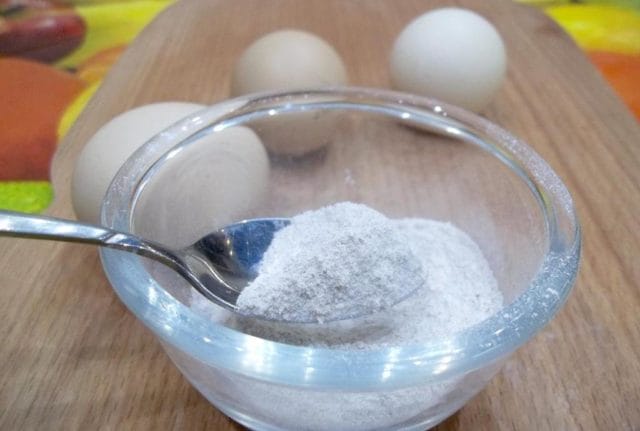
Chicken and quail eggs. The regulation of phosphorus is carried out due to the content of vitamin D. An important component is the shell. It helps to strengthen teeth when consumed daily in powder form.
![Products for teeth: for whitening and strengthening of enamel, growth, containing calcium. Useful and harmful foods for teeth and gums: how to keep them healthy]()
The shell eliminates bleeding gums and prevents tooth decay.
-
Nuts. Cashews, almonds and other varieties are rich in amino acids, vitamins and minerals. Analgesic and antiseptic properties are noted separately.
![Products for teeth: for whitening and strengthening of enamel, growth, containing calcium. Useful and harmful foods for teeth and gums: how to keep them healthy]()
Pine nuts strengthen teeth due to the presence of vanadium and phosphorus
-
Seafood. Fish, kelp and other names contain high concentrations of phosphorus, calcium, vitamin D. They help to strengthen the enamel and prevent caries and plaque formation.
![Products for teeth: for whitening and strengthening of enamel, growth, containing calcium. Useful and harmful foods for teeth and gums: how to keep them healthy]()
Shrimp is the leader in the amount of fluoride
-
Solid vegetables and fruits. These are products for strong teeth and healthy gums. When chewing, plaque is cleared. A kind of massage of the oral cavity, increased blood circulation and salivation are essential.
![Products for teeth: for whitening and strengthening of enamel, growth, containing calcium. Useful and harmful foods for teeth and gums: how to keep them healthy]()
Fruits, such as pineapples, contain special enzymes that reduce the risk of tooth decay by strengthening the enamel
-
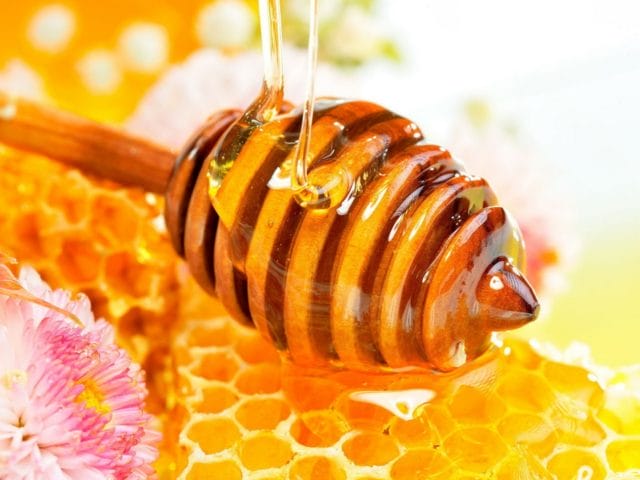
Honey. Beekeeping products (propolis, wax honeycomb) are distinguished by the presence of enzymes that inhibit harmful flora.
![Products for teeth: for whitening and strengthening of enamel, growth, containing calcium. Useful and harmful foods for teeth and gums: how to keep them healthy]()
Useful sweetness provides prevention of stomatitis and gingivitis, disinfection of the mouth




What foods strengthen teeth and gums
Healthy food maintains an adequate periodontal condition. Foods for healthy teeth as well as gums include minerals. Magnesium is known to help strengthen bone tissue. A useful substance is absorbed by the body when nuts are consumed. Experts recommend paying attention to foods rich in calcium and vitamin D:
- dairy products (milk, cheese);
- sea fish (salmon, sardines, tuna);
- liver;
- squid;
- prunes;
- kelp;
- bran;
- cereals (millet, buckwheat);
- leafy vegetables;
- peanut;
- pumpkin seeds.

Citrus fruits contain a significant amount of vitamin C, which provides the synthesis of the so-called organic Ca
What foods strengthen teeth enamel
The outer shell of the crown has a protective function. It is noteworthy that enamel is the hardest tissue in the human body. This is due to the high concentrations of inorganic substances.
With a lack of minerals, the enamel gradually becomes thinner, which is accompanied by the formation of carious cavities. To prevent the development of pathological conditions, it is necessary to eat foods high in vitamin D, magnesium, phosphorus and calcium:
- dairy products and eggs;
- fresh vegetables and fruits (beets, carrots, pineapple);
- bran;
- dried fruits;
- cereals;
- legumes;
- wheat;
- Pine nuts;
- liver, fish and poultry meat, offal, caviar.
Vitamin A in spinach is important to maintain the integrity of the enamel.
What foods do adults need for dental and gum health?
Oral health must be maintained at any age. The following products are named that will protect teeth from caries and gums from inflammation:
- carrot;
- milk;
- seaweed;
- pumpkin;
- apples;
- white onions;
- grapes;
- cheese;
- celery;
- sesame.
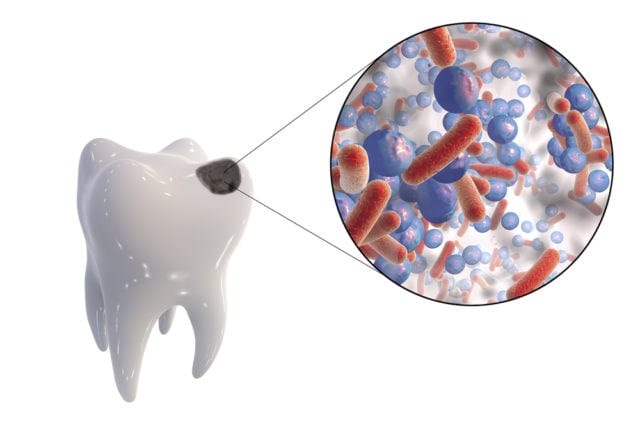
Rinsing your mouth with water regularly neutralizes harmful bacteria and eliminates unpleasant odor
What foods are good for children's dental health
The formation of the dentition begins during intrauterine development. In this connection, a pregnant woman is recommended to include foods rich in calcium, phosphorus and vitamin D in the diet.
Dentists indicate the following foods are necessary for the full growth of teeth:
- cheeses;
- kefir;
- fish;
- garlic and onions;
- fresh herbs;
- eggs.
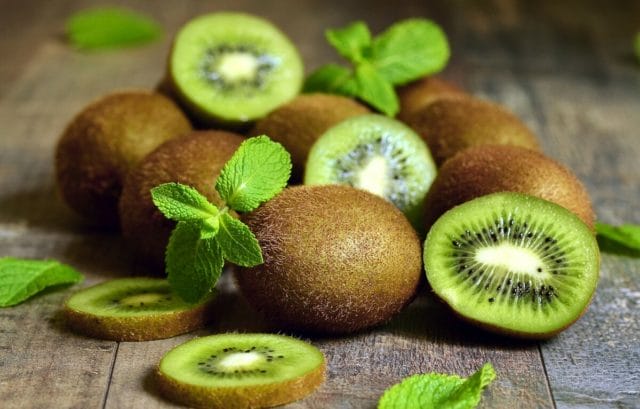
Kiwi contains significant amounts of ascorbic acid necessary for children's oral cavity
Strengthening the gums and teeth with folk remedies
When the gums bleed, it means they are inflamed. With improper or infrequent brushing of teeth, oral hygiene is impaired, which contributes to the appearance of harmful microorganisms, tartar and plaque.
Therefore, first of all, you need to regularly brush your teeth, and brushing should take at least three minutes of your time. Use various decoctions for rinsing the mouth, eat foods containing vitamins and nutrients that help strengthen teeth and gums.
Even if your gums are perfectly healthy, strengthening and maintaining them is essential. This will avoid the appearance of various diseases and keep them healthy. You can strengthen weak teeth and gums with folk remedies.
Recipes for decoctions and infusions of herbs that strengthen teeth and gums, for rinsing the mouth
-
Prepare a tea tree oil solution and rinse your mouth with it. The way to prepare it is quite simple: mix three drops of oil with a glass of water. Tea tree oil effectively strengthens teeth and gums, prevents bad breath from the mouth, fights periodontal disease and caries.
-
Another popular recipe for a solution to strengthen the gums and teeth: take an eggplant peel, dry it in the oven and chop it. Dissolve a spoonful of the resulting powder in a glass of water and leave for ten minutes. Then you need to add a teaspoon of salt to it, and rinse your mouth with this solution.
-
Cognac is also an effective tonic. They also rinse the mouth. In addition, it is also a disinfectant due to its alcohol content.
-
Ordinary salt can get rid of the unpleasant smell and taste in the mouth. Stir one dessert spoon of salt in a glass of water and rinse your mouth.
-
You can get rid of bleeding gums with a solution from oak bark. Mix linden blossom and oak bark. Pour one teaspoon of the mixture with a glass of boiling water, let it brew, cool and strain. Rinse your mouth three times a day.
A decoction of oak bark saves from bleeding
-
Rinse your mouth after eating with the following solution: grate horseradish and add two teaspoons of its juice to a glass of wine.
-
A decoction of burdock will help freshen your breath and strengthen the gums. Pour a glass of boiling water over one teaspoon of burdock, cook over low heat for several minutes. The broth should be infused for an hour, after which it must be filtered. Rinse your mouth a couple of times a day.
-
Another infusion that has a good therapeutic effect for the oral cavity: mix in equal parts the flowers of willow-tea, mint leaves and rosehip petals. Pour one tablespoon of the mixture with a glass of cold water, put on fire and bring to a boil. Let the broth infuse for two hours, strain, add five grams of mummy to the infusion, and rinse the resulting solution into the mouth several times a day.
-
Wormwood infusion is considered one of the most effective folk remedies that eliminate bad breath. To prepare such an infusion, pour two glasses of boiling water over dry wormwood, leave for twenty minutes and drain. Rinse your mouth four times a day.
-
For the prevention of caries, with the onset of bleeding of the gums, and with periodontal disease, an infusion of turnip leaves is used. Chopped turnip leaves must be poured with a glass of boiling water, insisted for half an hour and used for rinsing.
Other folk remedies for strengthening teeth and gums
Alcohol tincture of St. John's wort
Helps get rid of unpleasant odor from the mouth, is effective for gum disease. The recipe is as follows: pour one tablespoon of chopped St. John's wort with alcohol in an amount of half a liter, close the lid tightly and leave to infuse for a week. You need to take such a tincture twice a day, forty drops in half a glass of water for a week.
Lemon juice or plantain juice
Strengthens the gums and heals ulcers. They need to lubricate their gums with a soft brush. Do not let lemon juice get on your tooth enamel, it is quite harmful for it. You can also lubricate the gums with plantain juice, it is much safer for tooth enamel.
Use lemon juice to heal your gums
Gum massage
-
Place your thumb and forefinger around your gums on both sides. Massage in vertical movements ten times in each place. With this massage, you can use vegetable oil with the addition of finely ground salt.
-
A good effect can also be obtained with a simple gum massage. Every time you brush your teeth, use the brush to massage your gums for two minutes in a circular motion.
-
There is another massage exercise: close your lips and touch the palate with your tongue. Tap your teeth twenty to thirty times. This will strengthen the muscles in your gums and mouth. This exercise can be done three times a day.
In order for the teeth to stop loosening, and weak gums to strengthen, it is necessary to eat fresh garlic every day, chewing thoroughly. You can also chew fresh primrose leaves or calamus root to strengthen the gums and get rid of the unpleasant odor and inflammation in the mouth.
Take vitamins that help strengthen your gums and tooth enamel.
Vitamins needed to strengthen teeth and gums
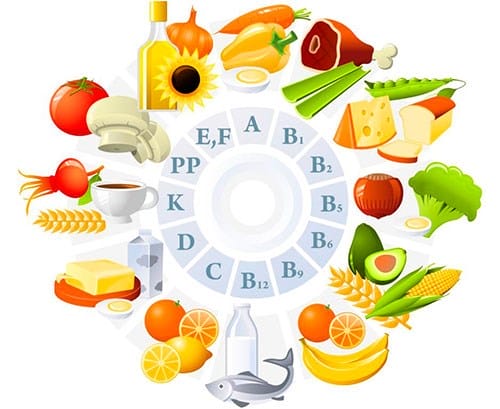
Products that contain essential vitamins and minerals are considered beneficial for teeth and gums. It is also very important that in your diet there are those foods that will protect the enamel and neutralize the effects of acids.
In order to keep the teeth and gums healthy, it is necessary to have such vitamins B6, C, D3, A in the diet. Phosphorus and calcium are also needed.
If there is a lack of vitamin A in the body, proper metabolism will be disrupted. If this vitamin is not enough, the oral mucosa begins to coarse, the secretion of the salivary glands decreases, and the tooth enamel deteriorates. The teeth begin to wobble because the gums are not being properly nourished.
Vitamin D is essential for the absorption of phosphorus and calcium. This vitamin helps phosphorus and calcium to be absorbed in the intestines, contributes to their precise distribution in the gums and teeth.
Vitamin C contributes to the restoration of bone tissue, takes part in metabolic, reduction and oxidative processes, strengthens capillaries and vascular walls.
Vitamin B6 supports the structure of bones, teeth and gums.
All these products will be useful not only for teeth and gums, but for the whole organism as a whole. By consuming them every day, you replenish the body with vitamins and minerals necessary for health. Follow these guidelines and your teeth and gums will be healthy and strong.
How to strengthen the gums with periodontal disease and periodontitis
Periodontitis and periodontal disease are diseases that are similar in symptoms, but different in nature. In the first ailment, exposure of the tooth roots occurs due to periodontal inflammation due to poor hygiene, in the second – due to a malnutrition of the tissues surrounding the tooth, which is not inflammatory in nature. Since the causes of these two diseases are different, the methods of dealing with them are also different.
The main condition for strengthening the gingival tissue with periodontitis is a high-quality daily cleaning of the teeth. Soft plaque, which is on the enamel for more than two days, becomes very dense, hard and turns into tartar, which can no longer be removed with a regular brush. Under solid deposits, the conditions for the reproduction of pathogenic microflora become even more favorable, even with careful cleaning of the teeth, microorganisms are not eliminated and continue to harm soft tissues and enamel. Therefore, you should remember about the following rules for dealing with periodontitis:
- You should visit the dentist and clean your teeth from calculus and soft deposits. Further hygiene procedures should be thorough and regular – twice a day. After each meal, you need to rinse your mouth.
- After brushing your teeth and eating, it is advisable to rinse your mouth with special pharmaceutical products or make homemade herbal decoctions for this.
- In the presence of loose teeth and for prevention, it is advisable to use special toothpastes, which contain strengthening components. When choosing medicated pastes, it is best to consult your dentist.
If the tooth is exposed due to periodontal disease, it will not be possible to effectively strengthen the gum at home. First, surgical treatment is carried out, which consists in restoring the dental processes, and only then rinses, special toothpastes and a diet are used to strengthen the soft and bone tissues of the jaw.
Sources used and useful links on the topic: http://healfoods.ru/pitanie-organov/pitanie-dlya-zubov.html https://FB.ru/article/306448/produktyi-dlya-zubov-spisok-poleznyih-i -vrednyih-luchshie-produktyi-dlya-otbelivaniya-zubov https://znaniyaetosila.ru/poleznye-i-vrednye-produkty-dlya-zubov/ https://aif.ru/health/secrets/14385 https: // sovets .net / 21213-14-poleznyh-produktov-dla-zubov.html https://dentaclass.ru/uhod/kakie-produkty-polezny-dlya-zubov.html https://zen.yandex.ru/media/roott / eshte-eto-a-ne-to-samye-poleznye-i-vrednye-produkty-dlia-zubov-5d7648389515ee00ae91917a https://ultrasmile.ru/dieta-pri-zabolevaniyah-desen/ https://StomaGet.ru/ bolezni / desen / kak-bystro-ukrepit-desny https://poleznii-site.ru/pitanie/prochie-produkty/kakie-produkty-pitaniya-sposobstvuyut-zdorovyu-zubov-i-desen-top-10-luchshih.html https://www.wmj.ru/stil -zhizni / zdorove / ukreplenie-zubov-i-desen-narodnymi-sredstvami-kakie-produkty-i-vitaminy-dlya-etogo-neobhodimy.htm https://dentalzub.com/produktyi-poleznyie-dlya-zubov-i- desen
Post source: lastici.ru