
Vision-improving products for children, adolescents and adults. Food to improve vision

Content
General rules
Many factors in modern life provoke excessive eye strain and decreased vision. However, this process is affected not only by non-compliance with the regime, the load on the organ and the lack of adequate rest, but also by irrational nutrition. It has been noticed that a varied and nutritious diet, containing all the necessary vitamins and minerals, helps to maintain vision. Products containing antioxidants have a positive effect on the condition of the retina, since many eye diseases are dystrophic in nature.
First of all, nutrition to improve vision is necessary for persons suffering from myopia, hyperopia, cataracts, macular degeneration, destruction of the vitreous body, as well as hypertensive patients and patients with diabetes mellitus. Given the possible age-related changes in the structure of the eye, people over 40 years old also need to take care of proper nutrition or additional intake of vitamins. The intake of vitamins improves vision by 7-20%, while their regular use is important. At the same time, it is important to comply with the rules of a healthy diet:
- Moderation in food (excluded abundant food intake, overeating, especially in the evenings).
- Balance the composition (proteins-fats-carbohydrates-minerals).
- Diet (3-4 meals a day, fasting or long breaks between meals is not permissible).
- Limiting or excluding foods rich in fats, as they hinder digestion and impair the absorption of beneficial food components.
- Exclusion of refined carbohydrates (baked goods, sugar, white bread, polished rice, pasta, confectionery, candy, etc.).
- The role of vitamins entering the body with food is very important. It should be noted that long-term storage products, thermally processed or canned, lose most of their vitamins.
What vitamins are most important for the eyes?
- Vitamin A (retinol) is a vitamin of vision. This fat-soluble vitamin is part of the visual pigments of the retina, rhodopsin and iodopsin, where there is a certain supply of this vitamin. With its lack, degenerative changes in the optic nerves and retina develop, and vision in the dark worsens. Vegetable products contain provitamin A (carotene ), from which vitamin A is formed in the body. Its suppliers are carrots, lettuce, plums, sorrel, spinach, pumpkin, tomatoes. Animal products already contain vitamin A: egg yolk, butter, cod liver oil, liver.
- Vitamin E is a natural antioxidant that plays a role in protein synthesis, tissue respiration, and intracellular metabolism. It is contained in plant products: olive, corn, cottonseed oils, sprouted cereal grains (most of all in wheat).
- Ascorbic acid, the role of which for the body as a whole and for maintaining eye health can hardly be overestimated. Protects the lens from the action of free radicals and, if it is lacking, there is a risk of developing cataracts. And there is an explanation for this – she is an active participant in redox processes in all tissues. Sources of vitamins – all vegetables and fruits: citrus fruits, sea buckthorn, currants, rose hips, apples, strawberries, melons, green salads, Brussels sprouts, bell peppers, broccoli, tomatoes, apricots, strawberries, peaches, persimmons. In addition to vitamin C, grapefruit contains a large amount of bioflavonoids.that slow down the aging of the lens of the eye. The most useful is the transparent membrane that separates the slices of the fruit, giving it a bitter taste, so a whole grapefruit is healthier than juice from it. It must be remembered that under the influence of temperature, ascorbic acid is destroyed, therefore, all vegetables and fruits must be consumed in their natural form.
- Vitamin D, mild deficiencies of which are manifested by decreased appetite, insomnia and blurred vision. It is formed in the skin under the influence of the sun from provitamins, which are partly obtained in ready-made form from plants, and partly formed in the body from cholesterol. Additional sources of it are: fish oil, fatty fish (herring, mackerel, salmon), dairy products, egg yolk, fat of aquatic mammals (seals, walruses, manatees, whales, sea otters).
- Thiamine (B1) is involved in metabolism and neuro-reflex regulation. It enters the body only with food: eggs, kidneys, liver, lactic acid products.
- Riboflavin (B2 ), the biological role of which is determined in the protection of the retina from UV. It is not synthesized in the body and can be obtained by eating liver, heart, kidneys, milk, green vegetables, eggs.
- Pyridoxine (B6 ), which is involved in hematopoiesis and the functioning of the central nervous system and optic nerve, which originates from the ganglion cells of the retina. It is necessary to include pine nuts, beans, walnuts, sea buckthorn, tuna, mackerel, hazelnuts, sardines, liver, garlic, bell peppers more often in the diet.
- Cyanocobalamin (B12), which is involved in the construction of nucleic acids and affects metabolism. The amount synthesized by the intestinal microflora is not enough for normal life. An additional intake with animal food is required: liver, octopus, mackerel, sardine, rabbit meat, beef, sea bass, cod, carp.
- Nicotinic acid (PP) is involved in redox reactions and tissue respiration. In legumes, this vitamin is in an easily assimilable form, which cannot be said about its assimilation from grains. Nicotinic acid is a persistent vitamin with respect to cooking. Its highest content is in peanuts, pine nuts, cashews, pistachios, turkey and chicken meat, squid, chum salmon, salmon, sardines, and mackerel.
Role of micronutrients in eye health
- Calcium is essential for the scleral skeletal function. They are rich in: sesame seed, milk, cottage cheese.
- Magnesium regulates the relaxation of blood vessels and eye muscles. With its lack, intraocular pressure increases (glaucoma ), which gradually leads to loss of vision. It is necessary to include in the diet wheat bran, walnuts, almonds, peas, cabbage, cereals.
- Potassium ensures the constancy of the intracellular environment, since 98% of it is concentrated inside the cells, promotes the removal of excess fluid from the body, which is important in case of the threat of glaucoma. Its highest content is in apricots, dried apricots, bananas, pumpkin, cabbage, legumes, zucchini, oat and buckwheat porridge.
- Zinc is contained in the retina of the eye and is necessary for the normal functioning of enzymes and the absorption of vitamin A by the body. Its deficiency impairs the ability of the lens to absorb glucose, resulting in an increased risk of developing cataracts. In addition, with macular degeneration, there is a decrease in retinal zinc levels. A lot of this element contains pine nuts, sprouted wheat grains, oysters, lentils, blueberries, pumpkin seeds, beans, beef, oats and oatmeal, animal liver.
- Selenium is essential for eye health as an antioxidant. Its deficiency can cause clouding of the lens. It improves visual acuity and color perception. To prevent this pathology, you need to use bran, liver, pine nuts, pistachios, peanuts, beef, garlic, lamb, pumpkin seeds, Brazil nuts.
The eye diet should contain other antioxidants as well. Protection against free radicals is provided by the amino acid taurine, which is found in the retina, where its concentration is highest. The number decreases with age, which explains the deterioration in vision. In the body, it is synthesized from the amino acids methionine and cysteine with the participation of vitamin E… Additional sources are animal products and seafood: scallop, shellfish, octopus, squid, oysters, pork, veal, shrimp, tuna, cod, chicken, milk, eggs. From plant sources, unrefined oils can be distinguished: linseed and olive. It is enough to consume 200 g of seafood 3 times a week and 2 tablespoons daily. olive oil.
The carotenoids lutein and zeaxanthin are also antioxidants. These are plant pigments that give the fruit a yellow-orange-red color, but are also found in garden greens. They are part of the macular pigment. They are not synthesized in the body and their daily intake with food is important. A high percentage of the content is noted in egg yolk (eggs from chickens receiving natural feed), corn, orange peppers, kiwi, broccoli, spinach, turnip, kale, zucchini, carrots, salad greens, marigold flowers, mustard and dandelion leaves, grapes, oranges, tangerines, tangerines, peaches, apricots, melon, papaya.
Polyphenols-anthocyanins of blueberries and black currants also act as antioxidants, in addition, they help to strengthen retinal vessels, preventing the development of retinopathy.
Polyunsaturated fatty acids play a special role in maintaining vision. Thus, docosahexaenoic acid, one of the most valuable omega-3 fatty acids for humans, is important during intrauterine development for the formation of the child's brain and vision. It is absent in vegetable fats, but it is found in the fat of marine fish. When used, it is observed not only an improvement in visual acuity, but also memory. Low levels of omega-3 acids can cause diabetic retinopathy, dry eye, and age – related macular degeneration.
What vitamins are needed to maintain vision?
To determine which foods are good for your eyes, you need to study the vitamins that our visual system needs to maintain normal functioning. Ophthalmologists say that the number of patients with myopia and farsightedness has increased significantly recently. This is due to constant stress, environmental degradation, excessive exercise and unbalanced diet. Adults, children and adolescents regularly eat fast food – fast food that does not contain vitamins for vision.
What vitamins do our visual system need:
-
Riboflavin (B2). Strengthens the capillary network of the eye, improves the performance of the pupil, and also prevents the development of glaucoma and cataracts;
-
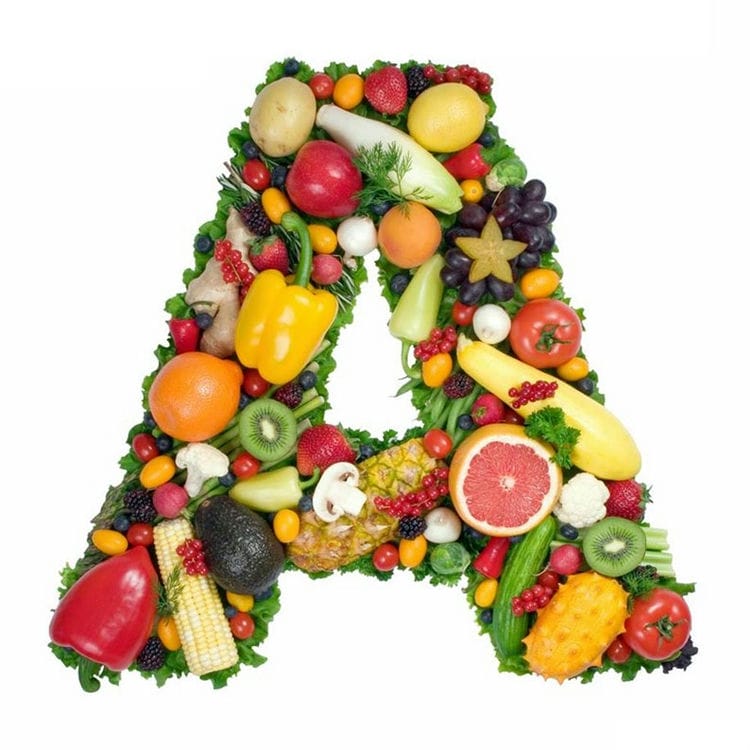
Vitamin A. One of the most important vitamins for the eyes. It strengthens the cornea, improves visual acuity and is responsible for the ability to see in the dark;
- Thiamine (B1). Normalizes intraocular pressure, improves the condition of the pupil and the transmission of nerve impulses from the brain to the visual system;

- Cyanocobalamin (Vitamin B12). It is necessary for normal blood circulation in the eyes and stabilization of the functioning of nerve fibers;

- Vitamin C. It is used to provide the organs of vision with oxygen;

- Lutein. This substance helps to strengthen the lens and retina.
What foods are good for the eyes: berries and vegetables
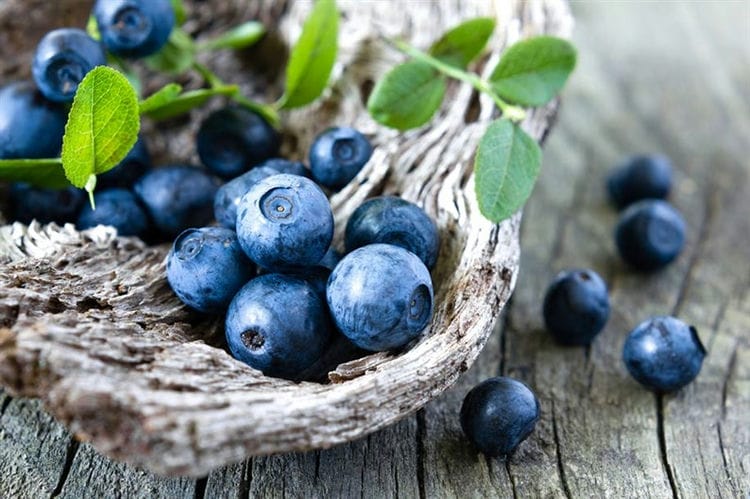
The main component of most modern vitamin complexes for the eyes is blueberry. This berry protects the organs of vision from fatigue and overexertion, and also helps maintain the health of the capillaries, through which the eye muscles receive all the useful components. Blueberries contain lutein, anthocyanins, and vitamins A and C. They have antioxidant properties and improve vision clarity. It is enough to eat 1-2 tablespoons of berries (frozen). Some people prefer to eat blueberry jam, which is also very good for the eyes.
Ophthalmologists advise eating as many orange and green vegetables as possible.
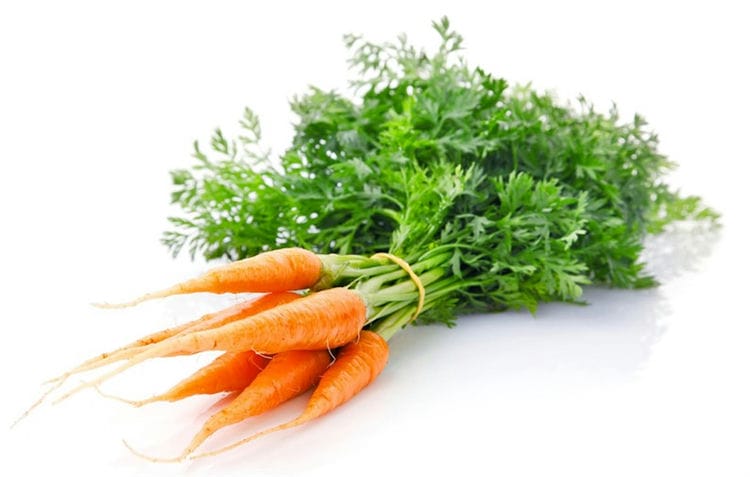
For example, carrots, which are rich in many vitamins that are useful for the organs of vision. It contains carotene, which is converted in the human body into vitamin A, which plays an important role in maintaining eye health. You can stew carrots with the addition of cream, or make a salad. Such preparation methods improve the absorption of fat-soluble carotene.
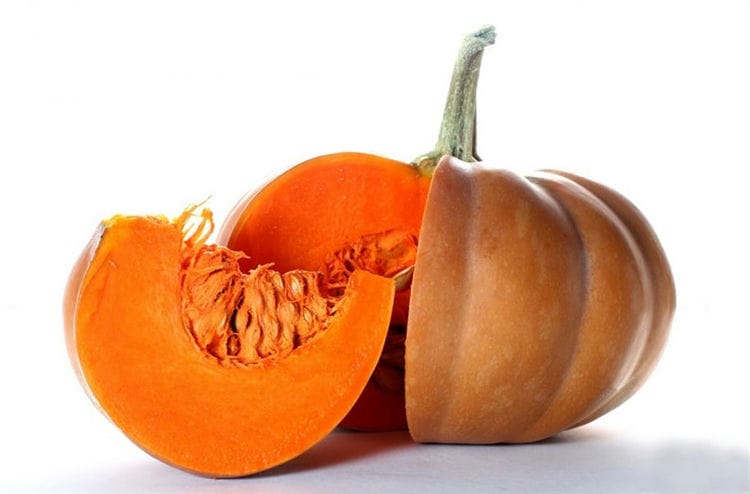
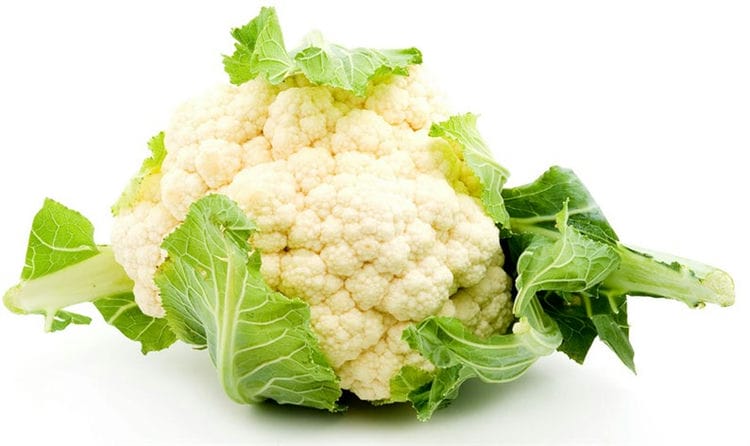
To prevent the appearance of conjunctivitis and dystrophic eye diseases, it is recommended to eat onions and garlic. Vitamins for vision are also found in white cabbage, red and cauliflower. It contains vitamins: C and P, B1, B2, PP, as well as the useful substance choline. Broccoli helps maintain vision through lutein, zeaxanthin, and karatine. Spinach, which holds the record for lutein content, is no less useful. Another healthy vegetable for the visual system is pumpkin. It contains zinc, zeaxanthin and lutein, as well as a whole range of vitamins. By eating this product, you can significantly reduce the risk of such a serious eye disease as cataracts.
new: C, A, B1 and B2. You can cook various dishes from it: soups, salads, cereals and even sweet desserts.
What berries and vegetables are good for the eyes:
- Blueberries;
- Carrot;
- Onion and garlic;
- Any cabbage (cauliflower, white cabbage, broccoli, etc.);
- Spinach and other greens (parsley, lettuce);
- Pumpkin.
What other foods are good for your eyesight?
Nutritionists recommend eating fish at least two to three times a week. And ophthalmologists fully support them in this, because fish contains polyunsaturated fats and fatty acids that are needed for eye health (especially Omega-3). It is recommended to eat 300 grams of this product twice a week.
To maintain vision, you must include orange and green fruits such as oranges, grapes, apples and peaches in your usual diet. We recommend paying special attention to grapefruit. It contains special substances that help slow down the aging of the eye lenses, as well as vitamins B, C and A, iron, calcium, potassium, manganese, phosphorus and folic acid.
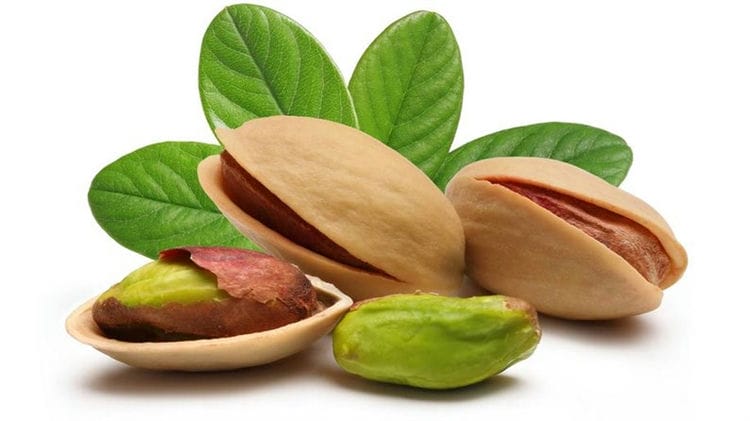
Those who choose products to improve vision and strengthen retinal tissues should pay attention to pistachios. In addition to phosphorus, fat, potassium and fiber, they contain lutein and zeaxanthin, which the body requires for the normal functioning of the visual system. In addition, dark chocolate has been proven to be beneficial for the eyes. Due to the presence of flavonoids, it protects blood vessels and strengthens the cornea.
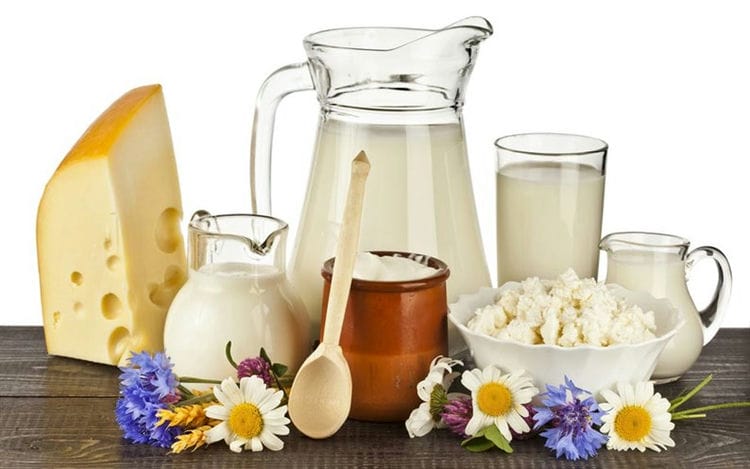
Ophthalmologists also recommend eating healthy dairy products: milk, kefir, yogurt, fermented baked milk and cottage cheese. They contain a large amount of calcium and beta-carotene, which strengthens the membrane of the eyes and prevents the appearance of various refractive errors.
To improve vision, it is advisable to eat:
- Fish;
- Orange and green fruits;
- Dark chocolate;
- Pistachio;
- Eggs;
- Milk products.
Foods That Improve Eyesight

Basically, everyone has heard that eating carrots and blueberries is good for the eyes. However, this is not the entire list of products that will help restore fullness and visual acuity.
Carrot
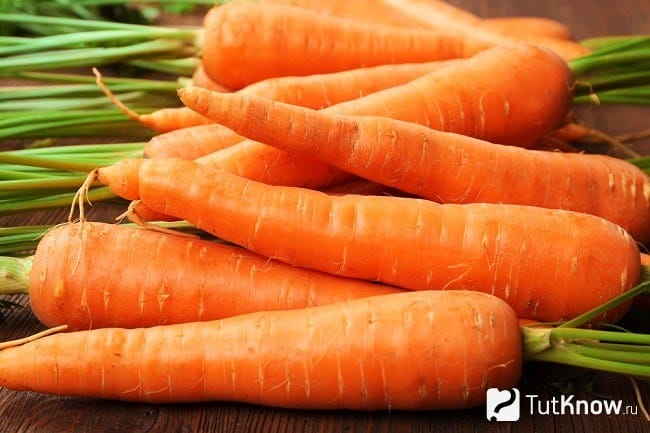
Carrots are the first on the list of medicinal products for improving vision. It contains a lot of beta-carotene, which in the body turns into vitamin A. But carotene is absorbed only in combination with fats: vegetable oil, mayonnaise or sour cream. This valuable element makes it possible to distinguish objects in the dark. With its lack, the acuity of twilight vision begins to decrease until it is completely lost.
To a lesser extent, the vegetable contains vitamins C, B, D, E, potassium, calcium, sodium, zinc, copper, fluorine, phosphorus, and iron.
It is better to eat carrots fresh or stewed grated with any fats. You can drink 200 grams of carrot juice in the morning.
Blueberry
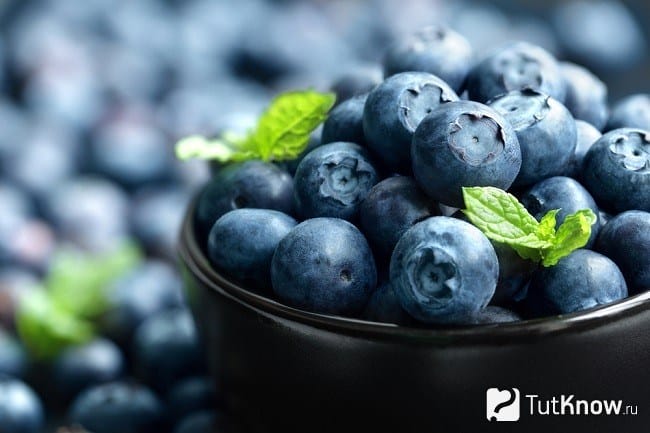
Blueberries are a very healthy wild berry. It contains iron, cobalt, selenium, manganese, copper, zinc and vitamins A, C, B. It increases visual acuity, prevents myopia, reduces eye fatigue, improves blood supply to the retina, strengthens capillary walls, improves blood circulation, prevents cataract and glaucoma diseases.
Doctors recommend using it especially for those people who work at a computer for a long time. The daily norm is 100 g of fresh berries. The effect is not very great when frozen. In winter, you can brew vitamin teas from dried blueberries. For prevention, it is enough to consume 1 glass of berries a day for 2 months.
Spinach
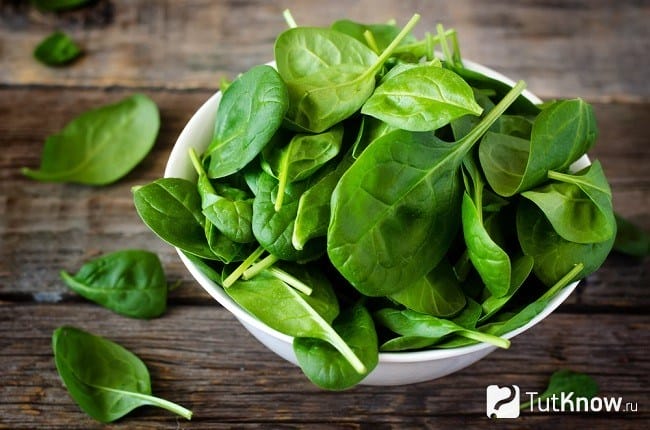
Spinach protects the eyes from disease, protects against premature aging, and is responsible for retinal degeneration that leads to blindness. It contains a wide range of vitamins (A, B1, B2, C, E, K, PP, P), plant proteins, amino acids, carotene, zeaxanthin and the most important component lutein, which protects the eyes from cataracts.
Regular consumption of spinach will not only prevent the development of cataracts, but also strengthen the eyes, relieve stress and fatigue. The daily amount of grass is 100 g per day. You need to eat it raw or boiled.
Fish, fish oil, seafood
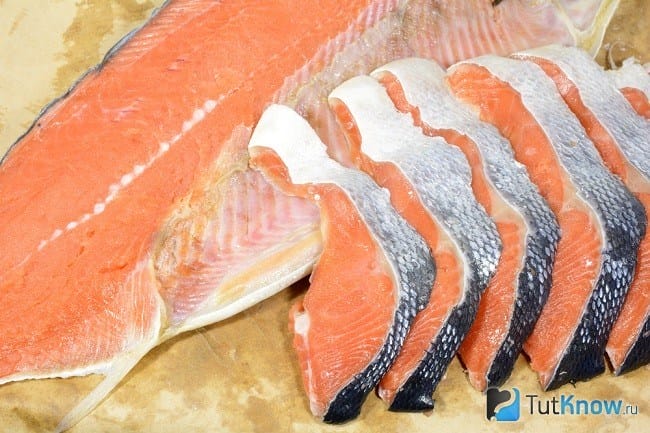
Almost every type of fish contains fatty acids that have a positive effect on all organs. Fatty fish, seafood and fish oils contain vitamins D, A, group B, folic acid, omega-3 and omega-6 (unsaturated fatty acids), which are important for eye protection. These elements form the lacrimal fluid, strengthen the eye muscles, prevent the development of macular degeneration, improve blood circulation in the organs of vision and the condition of nerves in the retina.
Fatty acid deficiency threatens vision impairment and dry eyes. To maintain your eyes in good condition, it is enough to consume a portion (300 grams) of fish once a week, for example, salmon, tuna, sardines, herring, mackerel.
Dark chocolate

The healing properties of chocolate are explained by the content of flavonoids, which protect and strengthen the blood walls of the vessels of the eyes, nourish and improve the cells of the retina. The treat can prevent the onset of myopia and loss of vision in old age. The daily rate of exclusively dark chocolate without additives and impurities is 10-30 grams.
Nutrition for eye diseases
The main principle of drawing up the correct diet for eye diseases is a combination of moderation, usefulness and variety. That is, the food should be natural and easily digestible.
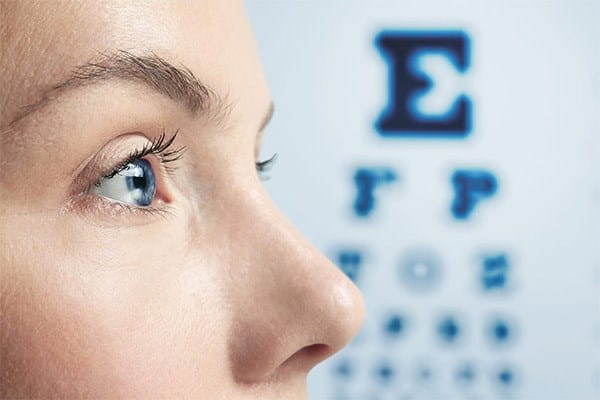
First of all, preference is given to herbal products – herbs, vegetables, fruits and berries. Among the latter, only those are useful for the eyes, which contain molecules of the following substances:
- Carotene and its derivatives – contribute to the adaptation of vision in low light conditions.
- Ascorbic acid – normalizes blood flow and improves tissue nutrition.
- B vitamins – maintain normal intraocular pressure.
- Tocopherol – stabilizes cell membranes and prevents the development of myopia.
- Minerals – copper, zinc, selenium, iron.
Together, all components restore visual function and neutralize provocateurs – free radicals.
Hawthorn
Contains in large quantities vitamins B, C and pectin. The daily norm is 100 g. It is used fresh or dry – in the form of a powder, it is mixed with honey in a 1: 1 ratio and eaten. Also common in teas – the proportion is 1 tablespoon. in a glass of boiling water.
Blueberry
A real storehouse of valuable minerals. Normalizes blood flow to the retina, thereby increasing visual acuity. With a daily use of 70–90 g of berries, the risk of eye pathologies is reduced. In summer, they are eaten without any processing, and in winter, a healthy drink is prepared from dried blueberry leaves: they are brewed with lemon and leaf tea.
Video: 5 Products to Help Your Eyesight Expand
Chinese lemongrass
Reduces fatigue and adapts the eyes to changes in lighting. It is produced in the form of a tincture and is sold in pharmacies. The monthly course of the remedy is to take 15–20 drops before breakfast and lunch.
Black currant
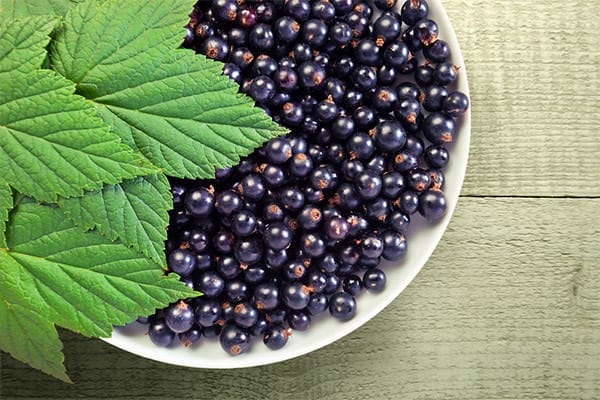
Includes a high concentration of carotenoids and ascorbic acid. Protects the retina. In addition to fresh and frozen fruits, currant leaves are also involved, which are poured with boiling water at a rate of 1: 2, infused for 30-40 minutes and drunk 2 times a day.
Rose hip
Leader in vitamin content. Responsible for the sharpness of vision. A useful broth is prepared from the fruits and taken three times a day, 150-200 ml.
” Important: all information on the site is provided for informational purposes only. Before applying any recommendations, consult with a specialized specialist. Neither the editorial board nor the authors are responsible for any possible harm caused by the materials. “
How to keep your eyes healthy?
A balanced diet is the basis for maintaining the health of the organs of vision. However, it is equally important to maintain a sleep schedule and control the amount of visual stress. For those who work at a computer for a long time, ophthalmologists recommend doing eye exercises every 45 minutes. In addition, it is advisable to systematically undergo an examination by an ophthalmologist, since diseases detected in the early stages are much easier to treat. If necessary, the specialist will write a prescription for the purchase of glasses or contact lenses (such as Acuvue, Alcon, Adria, etc.) that will help restore clarity of vision.

Nutrition for the prevention of eye diseases
We offer two options for your daily diet: protein and carbohydrate-rich foods.
A carbohydrate-rich breakfast may include
- bread,
- baked goods,
- smoked sausage,
- porridge
- cottage cheese,
- honey,
- jam,
- oat flakes.
But if your breakfast includes protein foods as the basis: eggs, boiled sausage or sausages, then you should give up porridge and bread. But cottage cheese, especially low-fat, is quite acceptable. If you find it difficult to do without bread, then replace it with one or two slices of skillet-dried wholemeal bread.
Protein lunch
Includes soup or hated broth, seasoned with any vegetables except potatoes. No added cereals and pasta. On the second – meat, fish, eggs, vegetables in any form.
Carbohydrate lunch
- Lean cereal or pasta soup,
- vegetarian vegetable soups,
- borscht,
- cabbage soup.
You can add sour cream to the first. For the second – potatoes, rice or pasta with vegetables. You can diversify your meal with any additions from the neutral group. The amount of bread is not limited.
In the evening, do not overload the body with the digestion of protein foods. Better to eat porridge with fruit, baked goods, macaroni and cheese or potatoes with vegetables and drink a glass of kefir or yogurt.
The condition of the eyes, visual acuity largely depend on the work of the intestines. Violation of its functions has become commonplace for many women. Food in the slagged organism is digested and absorbed incorrectly, vitamins “do not reach” the blood vessels. General contamination leads to impaired absorption of vitamins, especially vitamins A and E. This affects both the general state of health and the condition of the eyes.
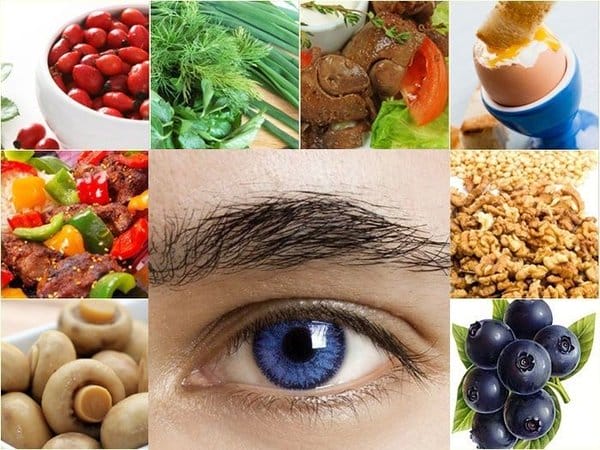
Monotonous foods not only reduce appetite, but are also difficult to digest.
To cleanse the body twice a year, you should resort to intestinal lavage. This procedure will help remove all toxic products from the body. It will take four weeks. Every day of the first week, you need to do a one and a half liter enema from boiled water with the addition of one tablespoon of apple cider vinegar or the juice of half a lemon. The second week should be done this procedure every other day, the third – in two days, the fourth – once a week.
Three times a year, you should take activated charcoal on an empty stomach for 7-10 days at the rate of one tablet per 10 kg of body weight.
A purified body and healthy fortified food will benefit your vision, at least stabilize your visual acuity and protect your eyes from many diseases.
7 good eye habits
Few people want to wear glasses or lenses, and doing restorative operations is not very pleasant, and it costs a lot.
But everyone is able to keep their eyes healthy. One has only to acquire some good habits.
-
Wear sunglasses
Bright sunlight is not only inconvenient, but also detrimental to eye health. Ultraviolet rays damage the cornea of the eye and accelerate the development of cataracts.
The sun is especially dangerous for those who use drugs that increase their sensitivity to light, have had eye surgery, or are simply exposed to the sun for a long time.
Of course, it is better to choose high quality sunglasses. Even if they are more expensive, they will definitely protect your eyes from ultraviolet rays.

-
Quit smoking
People who smoke are at high risk of developing cataracts and macular degeneration. In addition, vitamins and nutrients are poorly absorbed by smokers, which negatively affects vision and can lead to blindness.

-
Quit drinking
As you know, alcohol greatly dehydrates the body, this also applies to the eyes. If you drink regularly, you can develop dry eye syndrome. Also, large doses of alcohol have a strong toxic effect, which leads to various diseases.

-
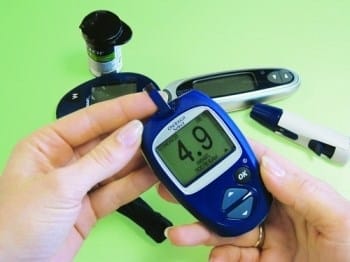
Monitor your sugar levels
If you regularly eat fatty or sugary foods, then blood sugar levels may rise, and as a result, diabetes may develop.
Diabetes, in turn, can lead to glaucoma, diabetic retinopathy and cataracts.
Even fluctuating sugar levels can harm and lower your vision.
-
Monitor cholesterol and blood pressure
If you have high blood pressure, be careful as you are at high risk of developing hypertensive retinopathy, which can lead to blindness.
With high cholesterol, the vessels that feed the retina are damaged. This can lead to a stroke in the central artery, after which vision will be completely impaired.

-
Eat foods rich in antioxidants
Eating a diet rich in zinc and antioxidants can significantly lower your risk of most eye diseases and slow down the development of cataracts. You will also have better night and color perception.
-
Remember to visit your ophthalmologist regularly
A visit to a doctor will not take much time or effort, but you can detect any problems and diseases in time. Do not forget that almost all diseases can be cured early.
The ophthalmologist will also help you choose the means to correct your vision and slow down the decline in vision.
The main thing, remember, eye health is completely interconnected with the health of the whole organism. Lead a correct lifestyle, give up bad habits, monitor your health, and your vision will remain unchanged until old age.
Nutrition for the eyes
How often do you think about what kind of food your eyes love, how do you feed your vision? I mean nutrition for the eyes, vitamins, on which eye health directly depends.
To maintain vision, you need to eat right, but since these are general words, I want to add specifics and talk about the most important substances in this matter.
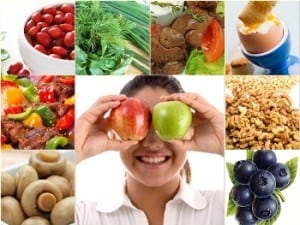 My friends, nutrition for the eyes is very important, but it is not a panacea for eye diseases, but rather a way to preserve vision and improve eye health.
In general, anything that is good for the eyes is good for the whole body. And we are talking about foods rich primarily in vitamin A, vitamin E and vitamin C. The commonwealth of antioxidants vitamins C and E, as well as selenium and zinc, protects vision from free radicals.
Due to the lack of B vitamins, a person literally goes blind in bright light, and a deficiency of vitamin B2 can lead to the formation of cataracts.
Zinc is essential for protecting the retina and prevents the development of a number of diseases, and selenium affects visual acuity.
Moderate vitamin A deficiency is a very common phenomenon that is hardly noticed, but even a small deficiency of this vitamin impairs vision, as it is part of the cells that recognize color and light in the retina.
With an average degree of vitamin A deficiency, there are practically no complaints of vision, only twilight vision worsens. If the vitamin deficiency increases, burning sensation, pain, itching appear in the eyes, mucus can accumulate in the corners.
Vitamin A (retinol) is found in butter, caviar, fatty fish, cod liver, pumpkin, persimmons, carrots, apricots, peaches, sea buckthorn, tomatoes.
Vitamin C enhances the antioxidant properties of selenium and vitamin E, it helps to protect the lens from ultraviolet radiation, which triggers the formation of free radicals in the eyes.
In addition, vitamin C protects our body from infections and stress, and promotes tissue repair.
It contains: rose hips, citrus fruits, cranberries, sauerkraut (prepare a delicious and healthy sauerkraut salad), currants, leafy vegetables and green fruits.
In addition to vitamins, eye health is supported by the amino acid taurine, which prevents the development of cataracts and glaucoma.
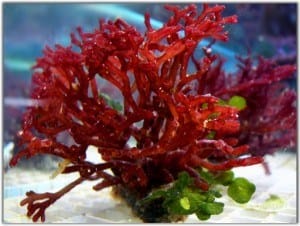 The retina loses taurine in the light; it accumulates at night. Our body is able to synthesize a certain amount of taurine, but its main source is animal products (meat, milk), a large amount of it contains marine animals, from plant sources – red algae.
Importantly, the loss of 50% of the normal taurine is an irreversible process that leads to blindness.
Taurine deficiency develops with stress, heart failure, diabetes, and old age.
Other substances that are equally important for eye health are lutein and zeaxanthin, which is formed from lutein in the tissues of the eye.
They carry out a protective shielding function, absorbing the harmful blue part of the light flux spectrum, in addition, they play the role of antioxidants, neutralizing the destructive effect when part of the rays enter the retinal structure.
A decrease in the concentration of lutein occurs in certain cardiovascular diseases, rheumatoid arthritis, stroke, and cancer.
If you are fond of windsurfing, mountaineering, mountain skiing (the presence of large water and snow surfaces), then you also need an increased intake of lutein.
When working at a computer, eyes get very tired, so you should pay attention to foods with the highest amount of lutein, namely: spinach, kale and white cabbage, tomatoes, corn, zucchini, Brussels sprouts and broccoli, lettuce and lettuce, eggs, avocado and pistachios.
Features of products for good vision
Vision restoration products are most often dark green or orange in color. They are given their orange hue by carotenoids, which are considered powerful antioxidants. They maintain visual acuity and prevent the development of eye diseases. Green foods contain zeaxatin and lutein. They protect the lens of the eye from oxidative processes and protect it from free radicals that form in the light.
A decrease in vitamins in the body leads to early deterioration of vision and deformation of the lens. It is advisable to replenish the stock of nutrients using sources of natural origin. It is imperative to ensure that you have a regular, nutritious diet. With the help of diet therapy, you can achieve the following result:
- preservation and enhancement of visual acuity;
- strengthening of blood vessels;
- prevention of cataracts and glaucoma;
- strengthening the eye muscles;
- moisturizing the mucous membrane of the eye;
- protection of the retina from ultraviolet radiation;
- increasing the perception of colors.
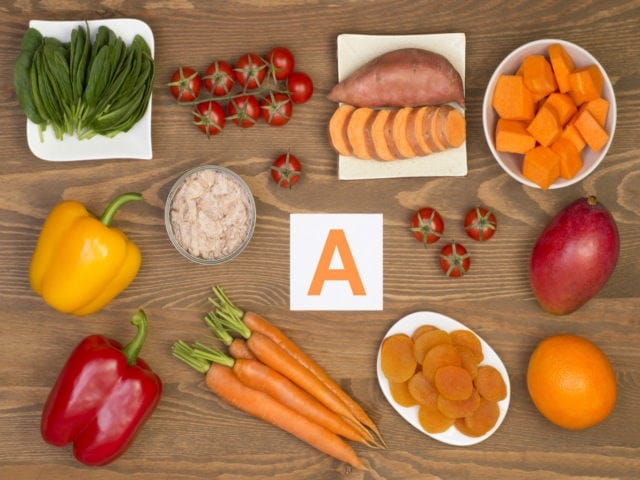
Vitamin A-rich foods are paramount in the fight for good vision
To improve the effectiveness of products designed to improve vision, you need to do specific exercises. It is also required to limit the time spent at the computer and watching TV. Sleep quality and emotional stability are of great importance in therapy.
Attention! If you have vision problems, you need to do special exercises daily to relax the muscles.
Vision Products Table
Eye diseases are very difficult to treat. It is much easier to prevent their occurrence by providing nutrients. To do this, you need to follow the basics of proper nutrition. The list of products required for normalization of vision is shown in the table:
|
The product's name
|
A useful element that improves eyesight
Carrot
|
Vitamin A
Olive oil
|
Vitamin E
Grapefruit
|
Ascorbic acid
Salmon, herring, mackerel
|
Vitamin D
Eggs
|
Thiamine
Cashews, pistachios, peanuts
|
A nicotinic acid
Green vegetables
|
Riboflavin
Broccoli
|
Vitamin C
Dairy products
|
Vitamin B1
Beef liver
|
Vitamin B12
Turkey and chicken meat
|
Vitamin PP
Beans
|
Pyridoxine
|
Rules for the use of products for vision
Products for improving vision with myopia can be consumed absolutely at any time of the day. The main thing is to combine them correctly in order to improve the absorption of nutrients. Fruit is recommended to be consumed before lunch, but grapefruit can be eaten for dinner as well. Fish, meat and offal are eaten along with a side dish for lunch and dinner. Dairy products and nuts can be used for snacks. No less important nutritional rules for improving vision include the following:
- the diet should contain both proteins and complex carbohydrates;
- it is advisable to boil the products and steam them, avoiding frying;
- it is necessary to quit smoking and drinking alcoholic beverages;
- 50% of the daily diet should consist of fruits and vegetables;
- it is advisable to limit the use of sweet and fatty foods;
- it is required to protect the eyes from exposure to ultraviolet rays;
- it is necessary to refuse products containing E-additives;
- to enhance the effect of the diet, special exercises should be performed.
The number of meals during the therapeutic diet reaches 3-5 times. Breakfast should be taken no later than half an hour after waking up. In this case, it is advisable to eat protein foods or complex carbohydrates in the form of porridge. The last reception should not be carried out immediately before going to bed.
Important! If changing the diet does not give the desired result, you should consult a doctor for the selection of a drug.
Conclusion
Useful products for vision and eyes can only prevent possible difficulties. If visual function is already impaired, a comprehensive approach will be required. It also includes regular visits to the ophthalmologist.
Sources used and useful links on the topic: https://medside.ru/dieta-dlya-glaz-pitanie-dlya-uluchsheniya-zreniya https://www.ochkov.net/informaciya/stati/kakie-produkty-polezny-dlya -zreniya.htm https://tutknow.ru/rukodelie/4997-kak-uluchshit-zrenie-chto-nado-est.html https://polzavred-edi.ru/kakie-jagody-polezny-dlja-zrenija-top -5-luchshih-jagod / https://www.pravda.ru/health/39798-eyesmenu/ https://ozrenie.com/interesno/chto-polezno-dlya-glaz.html https: // poleznii-site. ru / zdorove / produkty-dlya-zreniya-vzroslym-i-detyam-dlya-uluchsheniya-i-vosstanovleniya.html
Post source: lastici.ru