Pop-it, simple-dimple and squish: how anti-stress toys became a trend again
Do you see popping "pimples" as a special soothing ritual that works as well as mint tea? Then you will definitely be interested in a new trend – pop-its and simple-dimples, which TikTok and YouTube managed to conquer.
Remember spinners? They became the main anti-stress trend in 2017, but quickly lost their popularity. 2020 and the coronavirus pandemic have been able to cause increased anxiety and negative emotions even in those who have not previously suffered from a tendency to neurosis. And we found a way out – in the form of "eternal bubble wrap" and other new anti-stress toys. Let's get to know them better and see if pop-it, simple-dimple and squish really help to calm the nerves.
How to distinguish one anti-stress toy from another
The easiest way is with squishes: these are soft toys made of a material with memory: after pressing, it takes some time to restore its previous shape. Squishy experienced the first boom in popularity in 2018, but it does not compare with the popularity that TikTok gave him.
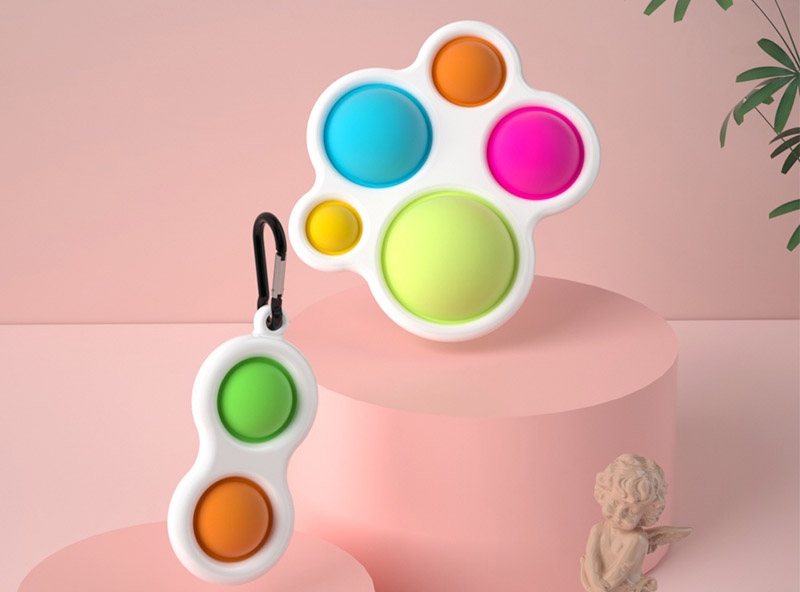
But pop-it and simple-dimple can be confused with each other if you do not know how these two toys differ from each other. Pop it is translated from English as “pop it": this is the name of silicone sheets with identical cells that make a pleasant sound when pressed. Because of this, pop-it is called the "eternal pimple".
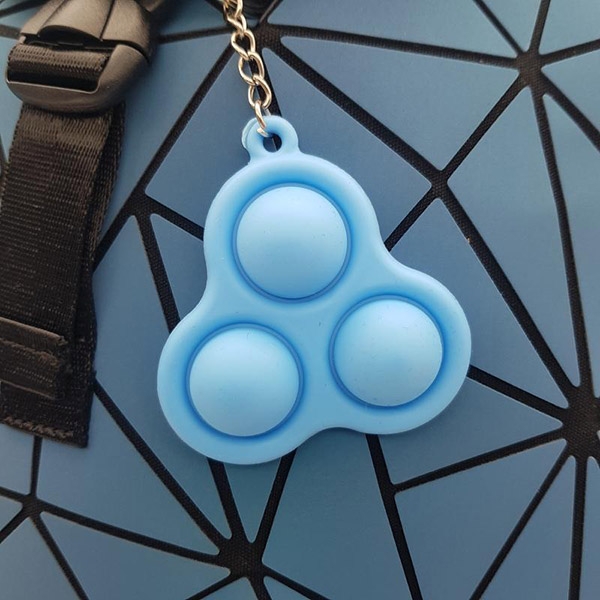
Simple-dimple, by the way, too. But his "pimples" differ from each other in size and chaotic arrangement. The base for them can be compact – there are toys that are made in the form of a keychain.
Pop-it, simple-dimple and squish: useful or harmful
The bulk of buyers of these anti-stress toys are children and teenagers. But adults are also buying them: a couple of weeks ago, the largest marketplaces in the world reported record sales of “eternal pimples” for three years, and they also associate them with increased anxiety and uncertainty that the pandemic brought. Interest is so high that at the end of May, Rospotrebnadzor instructed several research institutes to evaluate their impact on children and adults.
Foreign scientists have already found their explanation for the popularity of pop-its and simple-dimples. In a state of stress or emotional tension, many people are calmed by what in psychology is called "stereotypical behavior." This is the need to perform the same type of repetitive movements, which occurs as an unconscious reaction to an emotional trigger.
Dr Will Shield from the University of Exeter in England confirms: “These are sensory toys that help divert our attention from some strong emotions. They engage the senses to help us think less about the situation associated with stress. And they work no worse than the habit of turning a pen in your hands or repeating mantras.