
Why does the lower back hurt and what to do about it. Causes of back pain

General information
Low back pain occurs quite often and manifests itself in different circumstances.
Often patients go to the doctor and ask: if the lower back hurts, what can it be, because of which severe pain develops.
Back pain in the lumbar region can develop with a variety of pathologies of both the spine and internal organs. Also, periodic painful sensations develop in people with systemic diseases. The localization of such pain can be different: many people complain that it hurts more on the right or left, below or above the lower back, and ask what is in this area. Often this condition develops during pregnancy, and this is possible both in the early and late stages. If the pain is acute, there is also a temperature, it is imperative to call emergency help.
If there is constant pain, but temperature is not, then a specialist will help to understand the cause of this phenomenon. Initially, you should contact a therapist who will assess the patient's condition and tell you which specialists you need to contact next.
To find out if the spine hurts, or the reasons for this condition are different, it will be necessary to conduct a number of studies, including ultrasound, MRI, etc.
Causes of back pain in the lumbar region
If the back hurts in the lumbar region, the causes of this phenomenon are most often associated with the development of lumbago and sciatica. These conditions are a consequence of lesions of the lumbar spine, osteochondrosis. Also, such pain can be associated with intervertebral hernias and protrusions. It hurts a lot if the vertebra is displaced. Whether there can be a temperature with osteochondrosis depends on the condition of the woman, but in this case, you should immediately consult a doctor.
If persistent lower back pain develops, the causes in women and men may be associated with irritation of the nerves of the spinal column, irritation or swelling of muscles and ligaments. The answer to the question of why the lower back may hurt may also be that the patient develops a certain disease of the internal organs, and the pain radiates to the lumbar region. In this case, pain may be felt lower and higher, on the left, on the right.
If we are talking about why lower back pain in women, the reasons may be in pyelonephritis, cystitis, urolithiasis. Sometimes the reasons for lower back pain in women are associated with diseases of the genitourinary system, in particular, with inflammation of the uterine appendages. But even if it periodically aches and whines in the lumbar region, a specialist must definitely find out the reasons for this phenomenon.
Why the lower back hurts in men also depends on the disease, which must be diagnosed. If lower back pain is manifested in men, the causes may be associated with diseases of the prostate gland.
In addition, there is a possibility that pain in the lumbar spine can develop due to intestinal problems, and pain can also radiate when the lungs are affected.
But no matter why severe back pain develops, the reasons for this phenomenon must be found out immediately and adequate treatment must be provided.
According to statistics, up to 60% of urban residents in developed countries periodically complain that their lower back hurts. The reasons for this phenomenon are associated with pathologies of the spine. In most cases, such violations are reported by people aged 30 to 60 years.
60% of cases of such pain are a consequence of osteochondrosis, when one of the roots of the first sacral, 4, 5 lumbar vertebra is damaged. This phenomenon is called monoradicular syndrome. When two roots are damaged, biradicular syndrome develops (in about 33% of patients). The defeat of the three roots is called triradicular syndrome, it is rarely diagnosed.
Lumbosacral osteochondrosis tests
These tests are used as a way to conduct preliminary diagnostics, they are named after the doctors who suggested them.
| Dejerine's symptom | If you tighten your abdomen and listen to your lower back, the pain will become stronger. In this case, there is a high probability that the patient has osteochondrosis. |
| Neri's symptom | If, with a sharp tilt of the head forward before touching the chest, there is pain in the lower back, this also indicates problems with the spine. |
| Lasegue symptom | This can be felt after the following actions: while lying on your back, you need to lift each leg in turn. If, after that, the lower back is twisted, and the pain will be given along the sciatic nerve to the leg, this is evidence of the pathology of the spine. |
| Larrey's symptom | If pain occurs in a person along the sciatic nerve, after he rises forward without bending his knees, from a lying position, we are talking about manifestations of chondrosis. |
Types of pain
Back pain is a nonspecific symptom, and the causes of its occurrence can be very diverse. There are very different pains in the spine in the lower back. And by how exactly the spine in the lumbar region hurts – strongly or pulling pain, heaviness manifests itself – and the cause of this condition is determined. It is also important to understand where the pain manifests itself – at the top or bottom of the spine; it develops periodically or constantly.
Causes of pain in women
The female body is constantly subject to changes and hormonal shocks.
Certain types of pain in the female body occur normally and are not an alarming signal.
Pain associated with the menstrual cycle
Pain that occurs at different times of the menstrual cycle does not necessarily indicate any pathology:
- During menstruation, the enlarged uterus presses on the muscles of the back, causing discomfort;
- If pain occurs before menstruation for 7-8 days and is given to the stomach, then this indicates the need to revise the diet. It is better to include in the diet more foods rich in fiber and fruit acids.
- Pain in the middle of the cycle may be associated with the release of the egg from the ovary;
- Pain after menstruation indicates problems in the work of the reproductive system, in this case, a visit to a specialist is necessary.
Pain caused by pregnancy
In the first weeks, when a woman does not yet know about her situation, she may have pain in the lower back and lower abdomen. Such pains are similar in nature to premenstrual pains and often coincide with them in terms of time.
A delay in menstruation in this case may indicate pregnancy or an infectious process.
Sometimes small bleeding is possible, they are associated with the introduction of the ovum into the wall of the uterus.
If the lower abdomen and lower back hurt, but there is no period, the first thing to do is a pregnancy test.
Often, such pains will accompany a woman for several months, in such cases, the doctor suggests taking medications with magnesium.
During pregnancy, especially in the late stages, most women experience pain below or above the lower back.
This is because the growing belly puts a lot of stress on the back muscles.
If the pain is constant and associated with vigorous activity, the expectant mother needs a support bandage that will distribute the load between different muscle groups.
If the lower back hurts during sleep and in the morning, most likely the woman is sleeping in an uncomfortable position.
Special sleep pillows can help, which support the body and prevent muscle tension. Lower back pain should go away at night.
By the end of the term, pain can be concentrated in the lower back on the right or left: this indicates not the position of the fetus, but about the curvature of posture.
The pain can pass in a pregnant woman when she sits, fully leaning against the support.
After abortion
Women who decide to terminate their pregnancy or who have done it for medical reasons almost in 100% of cases complain of pain after an abortion.
The causes of pain can be:
- inflammation of the inner lining of the uterus (endometritis);
- stressful state of a woman;
- contraction of the uterus after an abortion.
In this case, the pain can be given to the leg or concentrated in the lower back.
Pain associated with childbirth
After giving birth, women often experience back pain. Sometimes the pain is localized where the tailbone or where the sacrum. This is due to injuries and sprains sustained during childbirth.
You can prevent pain by doing special exercises during pregnancy or by visiting the pool.
Breastfeeding mothers can also do a set of exercises, paying special attention to their posture.
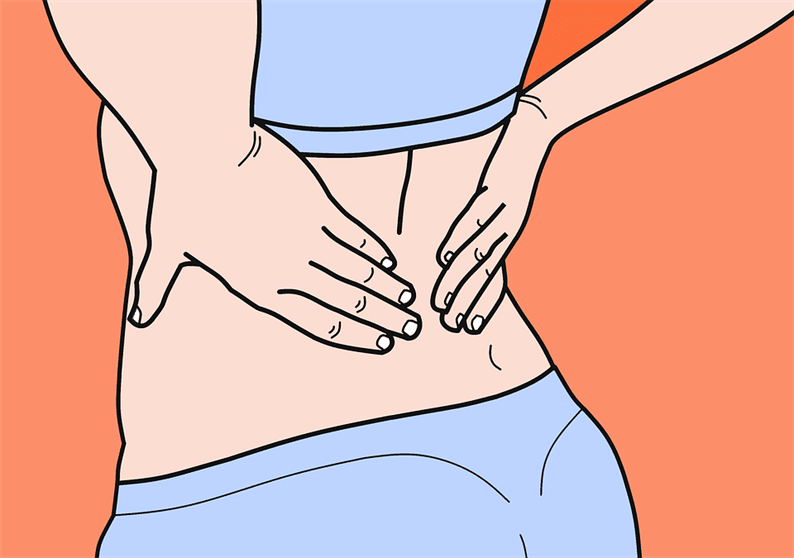
If the pain is accompanied by a rise in temperature to 37 degrees and above, the woman is suddenly thrown into a fever, a doctor's consultation is necessary.
Perhaps this is an infectious process.
Pain caused by diseases of the female reproductive system
Typically female ailments, symptoms of which are lower back pain, include:
Cystitis
This is an inflammation of the bladder, which is more common in women. Cystitis is easy to treat and diagnose.
It is worth taking urine tests for the presence of this disease if there is a burning sensation during urination, pulls the lower back when leaning forward, and the body temperature is elevated.
Infectious processes in the vagina
A number of inflammations in women cause pain when lying on the stomach.
It can be candidiasis, bacterial vaginosis, or a viral disease.
Such pain can also be a symptom of kidney damage.
Inflammation of the appendages
If a woman has pain in her lower back and ovaries, there is a burning sensation when urinating, the temperature has risen above 38 degrees, ultrasound diagnostics and treatment under the supervision of a specialist are needed (a course of injections or taking oral medications).

Pain associated with diseases of internal organs
Diseases of the intestines or stomach can provoke pain in the spine.
Sometimes pain in these disorders can radiate strongly – give to the leg or give to the stomach.
A similar clinical picture is associated with the fact that the brain misinterprets the signal that the organs give it.
If the lower back and right side hurts, this indicates problems with the liver or pancreas. Pain on the left side indicates appendicitis or intestinal colic.
In the left side, pain can occur while running or other physical exercise. It passes quickly and does not pose a health hazard.
In the area of the tailbone, tingling and pulling pains are possible.
Endometriosis
A common gynecological pathology in which the cells of the inner layer of the walls of the uterus grow outside of it. Endometriotic tissue is sensitive to hormones produced in the body, so endometriosis is clinically manifested by monthly bleeding. This leads to the development of an inflammatory process, one of the symptoms of which is pain radiating to the lumbosacral spine.
Periodic
Moderate pulling pains in the lower abdomen occur in 50% of women before the onset of monthly bleeding or during them. They are quite physiological, disappear immediately after the end of menstruation. Discomfort can spread to the lower back and sacrum area. Concomitant symptoms testify to their pathological origin. These are dyspeptic disorders, diarrhea or constipation, frequent headaches, dizziness. In such cases, women may be diagnosed with algomenorrhea, or a disorder of menstrual function.
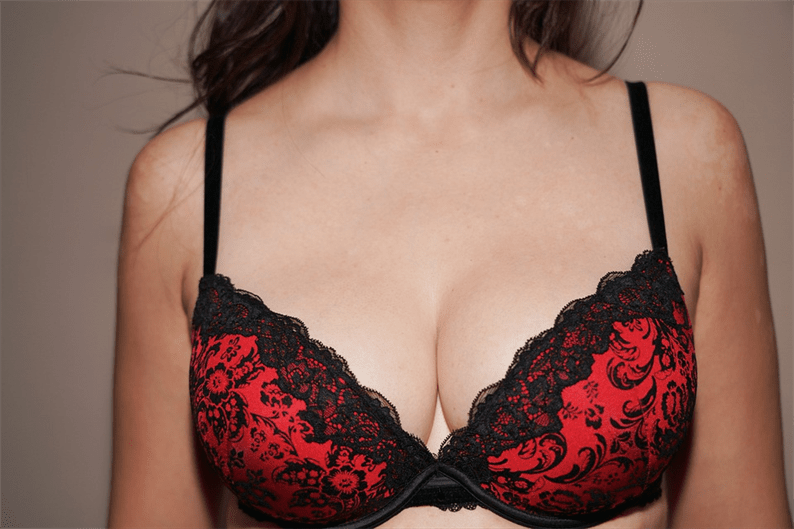
Breast size
The spine of women with large breasts is under increased stress. And with their incorrect distribution, the likelihood of the development of a destructive-degenerative process is high. Women with large breasts also often slouch, which further aggravates the condition of the spine.
Footwear
Lower back pain at the end of the day is common for women who wear tight, high-heeled shoes. There is compression of large and small vessels, circulatory disorders in the legs and pelvis. The result is a violation of the trophism of the lumbar intervertebral discs, their destruction. The situation is aggravated by the increased loads on the spinal column, as well as their incorrect distribution.
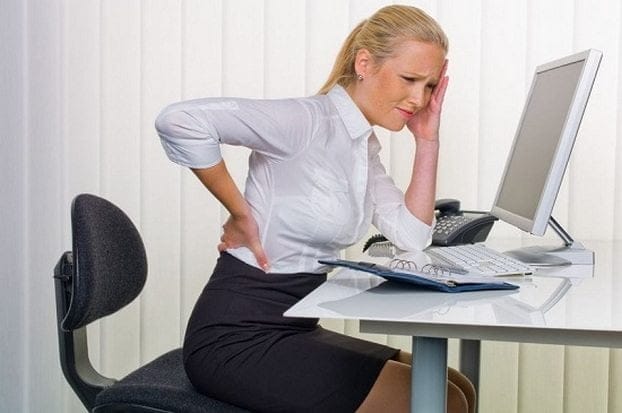
Climax
During natural menopause, the production of estrogens decreases in the body, which regulate the recovery processes in the musculoskeletal system. Bone tissues lose their ability to fully assimilate the trace elements necessary for their regeneration. They become brittle, which predisposes to spontaneous fractures. Lower back pain with menopause may be the first symptom of bone resorption, the development of osteoporosis.
Excess weight
Overweight is one of the factors provoking lumbosacral osteochondrosis. Excess weight becomes the cause of increased stress on the intervertebral discs, their microtrauma and further destruction. Overweight people often do not eat well. Their diet is dominated by high-calorie foods, there is not enough fresh fruits and vegetables with a high content of microelements and vitamins. The combination of increased loads and a deficiency of nutrients predetermines the development of lumbar osteochondrosis.

Oncological diseases
Changes in the genetic apparatus of cells upset the regulation of their growth and division. This leads to pathological tissue proliferation, the formation of benign or malignant tumors. Lower back pain can occur not only due to the compression of sensitive nerve endings, the spinal column, soft tissues, blood vessels by the neoplasm. The tumor “absorbs” a lot of calcium, therefore, a deficiency of this trace element occurs in the bone structures, provoking their thinning.
How to cure low back pain: basic therapies
Treatment for the lower back depends on the cause of the pain. What works in one case may not work in another. Let's look at the main therapies and how to relieve pain at home.
Conservative treatment
Conservative therapy is rarely self-administered. It usually complements the medication.
The conservative methods primarily include physiotherapy. It can be manual therapy, classical or therapeutic massage, acupuncture. Cupping massage with bloodletting at certain trigger points is often prescribed to relieve muscle spasms and restore blood flow.
Sometimes doctors prescribe herbal treatments that improve blood circulation in the spinal column where spasms are troubling.
Kinesitherapy is becoming more and more popular. This is a special gymnastics that must be done on decompression machines. Such devices allow unloading overstrained muscles, forming correct motor stereotypes in a person.
Medicines
In most cases, back pain does not threaten health and can be overcome by taking certain medications and applying ointments.
First of all, patients are shown non-steroidal anti-inflammatory tablets – “Ibuprofen”, “Ketoprofen”, “Piroxicam”, “Nimesulide”, “Diclofenac”. They are good pain relievers that also reduce inflammation.
You can also give pain injections. One of the most effective drugs for relieving pain is “Baralgin”. This is a proven and good remedy to quickly relieve pain caused by a spasm. The drug is available in ampoules, is a non-narcotic pain reliever and allows you to stop even very severe pain.
Kyphosis and scoliosis
There is no pain in the early stages. Perhaps a feeling of severe fatigue of the back muscles, in the evening I really want to go to bed as soon as possible. At the second stage, neurological disorders appear:
- hands go numb;
- shoulders and forearms weaken;
- my back begins to hurt.
Spondyloarthritis
Spondylosis develops simultaneously with it. With it, the cartilage of the intervertebral disc is destroyed, bony protrusions grow around the changed disc. This can lead to narrowing of the spinal canal and compression of the spinal cord, in which the legs become numb or even taken away, and the function of the pelvic organs is impaired.
The main symptoms are:
- back pain, which in rare cases radiate to the thigh closer to the hip joint;
- decrease in pain after rest or cessation of stress;
- soreness and tension in the muscles of the lower back;
- limitation of the mobility of the spine.
The pain is worse when standing and walking, there is a feeling of heaviness and stiffness in the lower back in the morning. Usually, stiffness and heaviness disappear after morning exercises.
The pain is mild and can become chronic. This is due to constant irritation of the nerve roots and nerves.
Protrusions
Protrusions occur where mobility is highest, and therefore wear. Therefore, the lower back is most often affected.
Symptoms are mild for a long time, so people do not even suspect that this is not ordinary fatigue, but a serious diagnosis. However, then the manifestations intensify:
- discomfort in the lower back gradually turns into pain, which becomes stronger and occurs more and more often, it hurts a person to move, the pain radiates to the legs and eventually passes to them;
- leg pains spread to the buttocks, numbness, tingling, cramps may occur;
- worried about lumbago in the lower back;
- there is a constant sharp or aching pain;
- in the last stages, without treatment, the muscles of the legs are weakened, motor activity decreases;
- there are pains in the right and / or left hypochondrium.
Arthritis
The symptoms of lumbar osteoarthritis are similar to those of osteochondrosis. With this disease, the nutrition of the intervertebral discs is disturbed, the joints become inflamed. In the later stages, limitation of mobility and even paralysis is possible.
Arthritis is a chronic disease, so you need to follow all the doctor's orders for life in order to maintain a normal quality of life.
The main symptoms are:
- aching dull pain in the lower back;
- lumbago in the lower back against the background of hypothermia;
- violation of sensitivity in different parts of the body;
- the inability to move because of pain after a person has been in one position for a long time.
Osteomyelitis
With this disease, there are constant aching pains in the lower back, which intensify with movement and do not go away at rest. The pain can be worse at night and can be relieved with a dry warm compress.
Other symptoms are also present:
- signs of general intoxication of the body – sweating, chills, weight loss, a slight increase in body temperature;
- local abscess, due to which the nerve roots are compressed and the functions of the organs innervated by them are disrupted;
- paresis and paralysis (in severe cases).
Pancreatitis
If only the head of the pancreas is affected, then the pain occurs in the right hypochondrium, if its body is “under the spoon”, if the tail is in the left hypochondrium.
If the entire gland is inflamed, then the pain is girdle in nature, radiates to the back, under the left shoulder blade.
In some cases, the pain radiates to the left thigh, groin, tailbone, perineum.
The nature of the pain can be different – acute, pulling, periodic. Usually it starts to hurt 2-3 hours after eating, but sometimes almost immediately – after 10-15 minutes. During physical exertion, the capsule of the gland is stretched, which also causes pain.
Spinal stenosis
Occurs due to hernia, protrusion or sequestration. Compresses the lower spinal nerves that innervate the lower extremities. The pain spreads along the affected nerve root, from the lower back to the foot, disturbs when walking and at rest, increases when a person tries to straighten the spine, and subside when bending forward.
Facet Syndrome
This is a disease of the intervertebral joints, which are called “facet” joints. The pain can be localized only at the site of the lesion or be given to the tailbone, groin, back of the thigh. The unpleasant sensations are aggravated by rotation in the lower back and bending, after physical exertion and in the evening.
What to do for acute lower back pain?
Acute lower back pain occurs with a wide variety of diseases. Protrusion and intervertebral hernia, osteochondrosis, lumbago and sciatica, trauma and spinal circulation disorders. As well as various diseases of the pelvic organs and abdominal cavity. It is almost impossible to determine the cause of the onset of painful sensations on your own, so a person needs to be taken to a specialist.
- If you suspect an injury to the spine or vertebrae, it is important to restrict movement before the arrival of the medical team.
- Stretching of muscles or ligaments. In the first minutes, you can apply cold, which will prevent the growth of puffiness and reduce soreness.
- In case of an attack caused by diseases of the spine, first of all, you should take the most comfortable position. Most often, a person experiences relief by lying on their back on a hard surface with their legs slightly raised. If you cannot see a doctor immediately, you can take a pain reliever.
- If back pain is a symptom of a disease of internal organs, the patient chooses the most comfortable position for him. It is important to remember: if the cause of back pain is not known, it is better to refuse warming compresses and ointments. Indeed, in the presence of an inflammatory process, they can aggravate the situation.
What to do if lower back pain occurs?
We are so arranged that when health problems appear, we try to get rid of painful sensations on our own. Especially in cases where movement is not limited, the condition does not worsen, and after taking the pain reliever, the pain seems to subside. But you should be aware that only trauma is the only cause of back pain that a person can relatively accurately determine on his own. In other cases, it is better to entrust the diagnosis to a specialist. But there are situations when emergency doctor's help is needed immediately:
- impossibility or limited movement;
- decreased sensitivity in certain areas of the body, tingling in the limbs;
- incontinence of urine or feces;
- severe pain, fever, nausea, etc.
Traditional medicine methods
In the treatment of pain in the lumbar spine, traditional medicine can be used as an addition to the main methods. They perform the functions of a sedative and anesthetic, can relieve inflammation, help normalize metabolic processes that occur in the body. Before treating the lower back, you should definitely consult a doctor, since ill-considered self-medication, instead of improving health, can aggravate the situation and lead to serious consequences.
Of the most common unconventional methods of treating back pain, the application stands out:
- compresses;
- rubbing;
- heating baths;
- dry heat;
- healing mixtures taken internally.
Compresses
Compresses are carried out in several ways:
- With the help of a fabric that is impregnated with a pre-prepared composition.
- Direct application of the therapeutic mixture to the area of the body to be treated, which is then covered with cloth, paper or polyethylene (wrapping is performed with warming compresses).
- By applying to the affected area of plant leaves.
For the production of compresses, the evening time is chosen when the person is provided with physical and mental peace. Depending on the composition used, the procedure can last from 1 hour to a whole night.
Most often, radish with horseradish, salt, chaff, honey, garlic, mustard, etc. are used for compresses in the treatment of back pain.
The duration of therapy is determined by the patient's well-being.
Rubbing
They represent the direct rubbing of medicinal mixtures into the diseased area of the body. Similar to compresses, they are made in the evening, because at the end of the procedure, the lower back is wrapped up and should be kept warm for as long as possible.
The most effective for rubbing are alcohol infusions with the following plants:
- eucalyptus;
- burdock root;
- dandelion root;
- amanita;
- Red pepper;
- lilac;
- adam root.
In addition to alcoholic tinctures, a good result is achieved by rubbing with agave juice, and a honey compress is effectively replaced by a massage using honey.
You should know! When rubbing as a way to get rid of lower back pain, the massaged area should significantly exceed the area of the immediate pain sensation.
Heating baths
A hot bath is a great way to deal with lower back pain. The effect is greatly enhanced if healing mixtures are present in it. The procedure continues until the water is warm.
Mustard powder and mint decoction are considered the most effective additives in hot baths.
Dry heat
The method is heating the sore spot with a tissue bag. Sand or cherry pits are used as a filler. An oven, microwave, or ordinary pan can be used to heat the filler.
The temperature of the bag should provide warmth to the lower back, but not burn it.
Healing mixtures for internal use
When treating lumbar pain internally, the cause of the ailment must be taken into account.
If pain occurs due to urolithiasis, diuretics are needed to suppress them, represented by infusions and decoctions with plantain, rose hips and nettles. The pains caused by sciatica are soothed with the infusion of cinquefoil on alcohol. For osteochondrosis, elecampane wine is used.
Professional doctors do not deny the effectiveness of the means and methods of traditional medicine. However, many cases of the use of non-traditional methods of treatment are carried out without the knowledge of a specialist, which is not only not recommended, but also prohibited at home.
When do you need to see a doctor?
If you have any of the signs from the list below, you should immediately make an appointment with a therapist.
- severe pain in the lumbar region does not go away after three days or more;
- the cause of the pain in the spinal cord injury that you know about (for example, a couple of days before that there was an accident or a fall on your back);
- your lower back, hips, lower legs and feet hurt at the same time;
- because of the pain, sensitivity is lost in the buttocks, hips, legs, feet and in the groin area.
Disease prevention
To avoid the recurrence of pain in the lumbar region, we recommend that you follow three main rules:
- Exercise regularly.
Exercises should be of a general strengthening nature. They evenly affect all muscle groups, including the back and abdomen. They are recommended to be practiced daily for at least twenty to thirty minutes. Morning exercises, jogging, pool swimming, or brisk walks are good choices.
- Maintain water and salt balance.
A person is advised to drink up to three liters of liquid per day. Pure mineral water is suitable for this. Soda, coffee and tea are bad for the kidneys and do not saturate the body.
You should drink more water in the morning. After 20.00 it is better to reduce the amount of water consumed, because this is fraught with the occurrence of edema and pain in the kidneys.
- Eat right and see a doctor.
Review your daily diet. You should reduce the amount of fatty, fried and smoked foods, or even exclude them altogether – it is better to add healthy foods and products. The healthiest one is steamed or cooked. The daily diet should contain as many foods as possible, saturated with vitamins, trace elements and minerals necessary for the body.
It is recommended to undergo annual medical examinations, which include a complete examination of the body. Women should regularly visit a gynecologist, men – a urologist. The health of children should be monitored at the level of educational institutions – an established clinical examination will help to identify the disease in time and start treatment as early as possible.
The main condition for maintaining a healthy spine is a correct lifestyle!
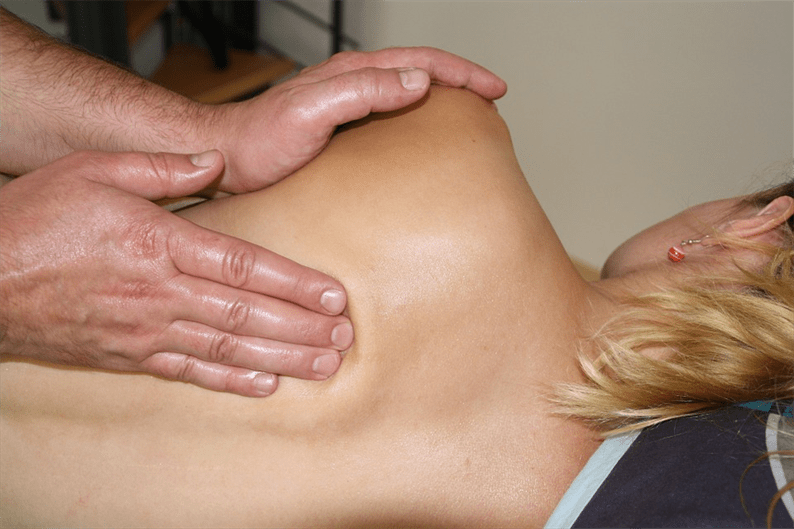
Prevention will prevent lower back pain from taking over again
In addition to these three rules, there are several more that are also recommended to be observed:
- Monitor your posture.
- Avoid uncomfortable sitting positions. The knees should be above the level of the pelvis. You need to sit on a low chair or put a stand under your feet. It is better if a small pillow is placed between the lower back and the back of the chair (chair).
- When doing office work, it is worth moving regularly. Once an hour, take breaks for a small five-minute exercise.
- You need to sleep on a hard orthopedic mattress.
- Lift weights correctly. This is done by flexing the knee joints. You need to sit down on the subject, bending your knees, while keeping your back straight.
- When carrying a load, it is worth distributing the load between both hands.
By localization
Let's consider the possible causes of pain in various parts of the back.
Pain in the right side
Back pain on the right can occur with kidney problems, sometimes it speaks of inflammation of the appendix. In addition, there is a list of diseases that are characterized by pain in the right side from the back:
- curvature of the spine is the most common reason why the sides hurt;
- displacement of the intervertebral discs;
- gastrointestinal diseases;
- kidney stones (pain radiates to the right side of the back, under the ribs, in the abdomen);
- obesity;
- gynecological diseases, most often inflammatory;
- diseases of the respiratory system (if it hurts at the top right), with aching and dull pain, the pathology may go into a chronic stage;
- dysfunction of the peripheral nervous system;
- trauma;
- diseases of the muscles located near the spine;
- too strong physical activity;
- ectopic pregnancy.
Pain in the left side
If the pain is localized in the back in the left side, under the ribs or in the lumbar region, it is possible:
- spinal pathology (inflammation, pinching, etc.);
- diseases of the kidneys and urinary system (accompanied by swelling of the legs);
- gastrointestinal diseases;
- spleen disease.
In the left hypochondrium and above:
- respiratory diseases;
- cardiovascular diseases;
- osteochondrosis;
- intercostal neuralgia.
A pulling pain in the left side from the back in the lower part speaks of pathologies of the reproductive system.
In the area of the shoulder blades
Pain in the upper back (in the area of the shoulder blades) on the left :
- diseases of the musculoskeletal system;
- lung problems (pneumonia, abscess, pleurisy);
- dysfunction of the stomach;
- cardiac pathology (angina pectoris, myocardial infarction);
- spinal diseases (osteochondrosis, hernia, scoliosis, spondylosis, spondyloarthrosis);
- muscle inflammation;
- spleen disease.
Pain under the right shoulder blade from the back :
- injury;
- infections;
- osteomyelitis;
- cholecystitis;
- hepatic colic;
- pancreatitis;
- cholelithiasis;
- cirrhosis of the liver;
- osteochondrosis of the cervical spine;
- scoliosis;
- intercostal neuralgia;
- vegetative dystonia.
Pain along the spine and back
One of the main reasons why the spine hurts is compression of the nerve processes. May be accompanied by hernia, scoliosis, displacement of the vertebrae. Other reasons:
- osteoarthritis;
- myalgia;
- osteochondrosis (pain in the spine can occur in the middle of the back, in the cervical or lumbar regions);
- overwork of muscles;
- curvature of the spine (scoliosis, kyphosis, lordosis);
- spinal protrusion;
- fracture, spinal injury;
- inflammation of the sciatic nerve;
- anomalies in the structure of the spinal column;
- radiculitis;
- ankylosing spondylitis;
- spondylosis.
How to avoid incorrect treatment
Doctors prefer to prescribe unnecessary procedures in order to exclude certain suspicions just in case. To identify the true nature of pain, you do not need X-ray, MRI, CT. Your doctor may order this type of examination if you have signs of serious damage to the spinal cord and roots in the form of peripheral disorders.
A neurologist can prescribe such a study for you if the pain does not lose its intensity for a month or more, despite the correct drug treatment, or if there is a suspicion of a specific process (tumor or tuberculosis in the spine).
Research in recent years has been based on the study of more than 1000 people with pain without peripheral symptoms and 1000 perfectly healthy women and men. All had tomograms (CT and MRI) and found that in both groups the number of people with and without herniated discs was almost the same. Moreover, among the participants there were persons with obvious hernias, but they did not experience back pain, and many of those suffering from pain (dorsalgias) did not have hernias.
Why aren't you getting the right diagnosis? Illiteracy of some doctors and economic interest of specialists.
Statistics: low back pain usually goes away on its own. Studies show that back pain without any treatment goes away in a week in 30-60% of patients, and after 6 weeks 60-90% are healthy, after a year 95% recover.
How to get rid of pain quickly?
- Maintaining vigorous activity during illness
- Non-steroidal anti-inflammatory drugs
- Drugs from the group of central muscle relaxants, prescribed together with NSAIDs (see the first paragraph)
- Reception of mineral waters enriched with zinc, selenium, silicon. The course consists of a month of daily drinking of 200-250 ml, and then you need to take a break.
It doesn't matter how you take your anti-inflammatory drug – the stomach side effect works the same way. The ulcer is aggravated not because the pill irritates the stomach lining upon contact, but because the synthesis of COX-1 is suppressed after the drug has already appeared in your blood. Therefore, be careful when taking any medication. Remember to stay hydrated throughout the treatment.
Ointments, creams and gels based on NSAIDs like Ketonal and Fastum gel will not get directly into the focus of pain, especially if the focus is located deeply, since the drugs almost do not penetrate beyond the subcutaneous tissue and adjacent muscles and ligaments, and what penetrates is carried by the bloodstream and is evenly distributed over the body. However, if you still have enough patience and money, then you can diligently apply the gel thickly and often so that a sufficient concentration of NSAIDs finally appears in the blood of the whole body and then the analgesic effect will still be achieved. Ointments and gels are more effective for bruises and sprains of superficial muscles and ligaments.
What to do when the pain has passed a little, but the symptoms still remain?
- Strengthen your back by doing morning exercises, and if you have a serious problem, consult with specialists for the selection of an exercise therapy complex
- Pay attention to how you sit in the office, how you carry a heavy package, or how you dig a garden in the country.
Prevention Tips
Lift weights by straining your legs, squatting first. Try to perform any actions (lift, pull) so that the spine moves only in 2 planes – strictly forward and backward or left and right. However, if the lifting of the suitcase is inevitable, then press the other hand tightly to the thigh (this technique allows you to correctly redistribute the load on the back muscles).
And, of course, strengthen your back with regular exercises, AS ONLY THE ACUTE PAIN stops attacking you. In addition to improving your overall well-being, you will lose weight. Add mineral water to the diet and drink the course. Taking in the right amount of water will help keep the water balance in the norm and protect all organs from premature wear and tear. The difference in health can be felt after a week of drinking water intake. So, we recommend exercising and drinking water.
Important symptoms in identifying the cause of pain
If you want to roughly understand what caused the low back pain, then pay attention to its type and location:
- When the vertebrae are displaced relative to each other, discomfort appears in the lower back, buttocks, and legs.
- Urolithiasis causes an acute pain reaction only on the left or right.
- With inflammation of the sciatic nerve, the lower back and one leg hurt.
- Osteochondrosis provokes lumbago or stabbing pain in the lower back.
- With fibromyalgia, common musculoskeletal pain occurs.
- In the presence of muscle nodes, pain syndrome can be localized or widespread (buttocks, thighs).
However, remember that a painful reaction can be provoked by a serious pathology, so it is better not to delay a visit to the doctor.
And it is also worth paying attention to when and in what position you feel discomfort:
- For problems with the facet joints, the painful sensations increase when the patient stands, bends back, or turns.
- Sciatica provokes acute pain for no apparent reason, in which there is a crackling sensation.
- With osteochondrosis, the pain syndrome increases when sitting.
- Spinal stenosis causes discomfort that increases when the patient walks and decreases when sitting or leaning forward.
If the lower back hurts periodically throughout the day, then it may be caused by diseases of the internal organs (kidneys, pancreas).
Low back pain is often accompanied by impaired sensitivity, weakness. When the vertebrae are displaced, the muscles of the back are weakened, as well as the muscles of the legs. Stenosis is manifested by weakness during movement, sciatica – by impaired mobility of one leg. With infectious diseases, general weakness occurs, the temperature rises. Cauda equina syndrome is characterized by numbness of the groin and inner surface of the legs.
With spondylolisthesis and reactive arthritis, the mobility of the lower back is limited.
Diagnostic measures
If you have lower back pain, then hurry up to see a doctor. Diagnostics begins with the collection of anamnesis. Depending on the clinical picture, a specialist may conduct several neurological tests:
- Patrick's test is performed to detect diseases of the sacroiliac joint. To do this, the doctor asks the patient to lie on his back and turns his hip outward. If the pain syndrome manifests itself, then problems with the bone connection are present.
- To identify a herniated disc, the doctor lifts the patient's straight leg. The painful reaction indicates stage 3 lumbar osteochondrosis.
- Painful sensations when arching the back back indicate stenosis of the spinal canal.
A laboratory blood test will help identify infectious diseases, if any.
X-ray is used to detect fractures, bone growths on the vertebral bodies. However, x-rays are ineffective in assessing soft tissue health.
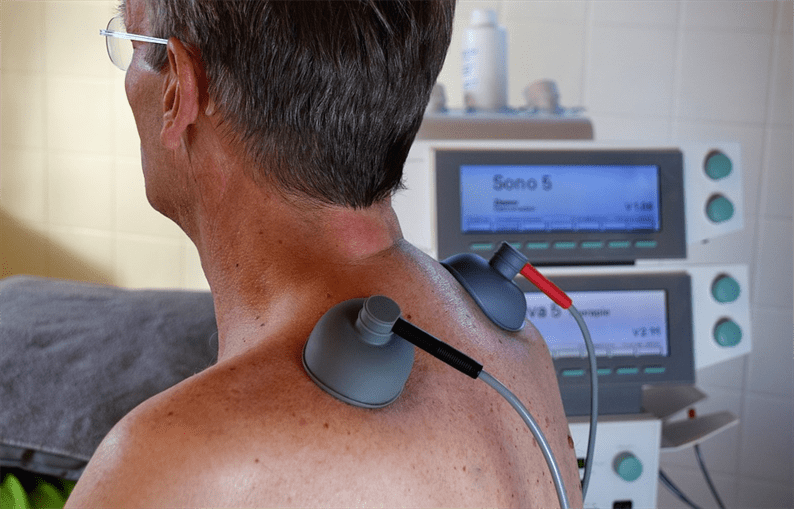
Instrumental studies will help identify the causes of lower back pain
Computed tomography or magnetic resonance imaging will allow you to examine in detail the soft tissues around the spinal column, its vertebrae, and the discs between them. Highly informative studies help to determine disc herniation, narrowing of the spinal canal, degenerative changes in bone joints.
Scintigraphy allows you to carefully examine the bone tissue. During the procedure, a small amount of radioactive material is applied. This test is used to diagnose bone cancer and osteoporosis.
Electromyography is indicated for violation of sensitivity, as well as lumbago in the lumbar region. This diagnostic method is used to assess the condition of nerve fibers and muscles. With its help, it is possible to identify intervertebral hernias, stenosis of the spinal canal.
Displacements of the lumbar vertebrae: treatment, diagnosis
The lumbar region is the most “fighting” of all the spine sections: 5 vertebrae take on almost all the loads of our difficult life. Therefore, it is not surprising that this is where the most frequent breakdowns occur:
- herniated disc, the favorite place of which is the vertebral segments l4 – l5 and l5 – s1
- spondylitis – the formation of osteophytes at the edges of the vertebrae and their fusion
- osteoarthritis – deforming inflammation of the joints and other diseases
Sometimes another type of pathology arises here: displacement of the vertebrae of the lumbar spine. Let's figure out for what reasons the displacement occurs (the medical term is spondylolisthesis), what symptoms and consequences this can lead to.
Causes of the displacement of the vertebrae of the lumbar spine
As with a hernia, subluxation most often selects the 4th and 5th lumbar vertebrae, and this is for the same reason: they are located in the transition area between the two sections, where increased mechanical stress always occurs
Dysplasia and tumors can be the reasons for the displacement, but this is still quite rare, much more often it happens as a result of:
- Injury leading to:
- fracture of the vertebral pedicle or facet joint
- damage to the vertebral arch
- punching or displacement of the disc
- Degenerative age-related changes that begin after age 40
- Spondylolysis – non-closure of the vertebral arch. This pathology occurs when:
- delayed development of the lumbar spine in adolescence
- the formation of scar tissue in the lamina of the vertebra after surgery or a fracture of the leg
Sometimes the displacement of the 4th lumbar vertebra is due to the sacralization of the 5th – that is, due to its fusion with the sacrum. Such consequences are quite understandable:
If one link is immobilized in the chain, then a double load falls on the adjacent one, and if it is destined to break, then it is in this place.
Types and degrees of displacement of the lumbar vertebrae
Displacements in the spine can be anterior (ventrolisthesis) and posterior (retrolisthesis)
In the X-ray diagnosis of spondylolisthesis, 5 degrees are distinguished:

- 1st degree – the area of displacement is less than 25%
- 2nd degree – offset from up to 50%
- 3rd degree – from 50 to 75%
- 4th degree – over 75%
- 5th degree – complete displacement without contact of surfaces and with prolapse of the vertebra
Symptoms of the displacement of the vertebrae of the lumbar spine
There are only four stages of displacement by symptoms:
- Stage 1 Symptoms are practically absent and are manifested in the form of episodic pain during active movements and loads in the lumbar spine
- 2nd stage
- Lower back pain more and more often
- The pain intensifies after turning, bending, sports activities, physical labor
- 3rd stage
- Severe pain syndromes begin
- Movement becomes limited
- The spine sags due to disc displacement or abrasion
- Neuralgic symptoms appear caused by compression by a vertebra or a spinal nerve disc:
- pain radiating to the leg
- genitourinary and intestinal disorders
- 4th stage It is already manifested by obvious clinical symptoms and consequences
- Low back pain becomes chronic
- Knee and hip joints, hands and feet also hurt badly
- Decreases stamina: a person cannot walk, sit or stand for a long time
- Changes in motor reflexes begin:
- the patient walks slowly, in small steps
- when walking, his legs buckle at his knees
- Muscle cramps increase
- Symptoms of neuromuscular atrophy appear: weakness and numbness of the feet, hands

Treat the displacement of the lumbar vertebrae in a timely manner, without bringing it to the last stage, in which the consequences of this pathology may already be irreversible.
Lumbar Displacement Treatment
Treatment of spondylolisthesis of the lumbar spine depends on the stage of the disease, it is comprehensive and is aimed at:
-
Elimination of pain syndrome and removal of muscle spasm
-
Elimination of displacement in the affected segment and stabilization of the spine
-
Cartilage restoration of discs and joints
-
Strengthening muscles and ligaments
-
Pain management includes:
- Taking non-steroidal anti-inflammatory drugs (NSAIDs): Diclofenac, ibuprofen, indomethacin, ketoprofen, etc.
- With a particularly severe pain syndrome, blockades in the form of injections of corticosteroids (glucocorticosteroids) are recommended
-
Muscle relaxation is achieved by taking midocalm, sirdalud, or other similar medications
-
The displacement of the lumbar vertebrae is eliminated by the following methods :
-
By traction with the help of exhaust devices
-
Surgical treatment:
- Removal of scar tissue from fractures
- Spondylosis method (connection of displaced vertebrae with a plate)
After eliminating the displacement, it is imperative to wear a rigid fixing lumbar corset. The wearing time is determined by the doctor, depending on the stage of the pathology
-
-
Chondroprotectors based on chondroitin or glucosamine are used to regenerate cartilage tissues.
-
To accelerate metabolic processes in muscles, blood vessels, bone tissues, you can use physiotherapeutic treatment: Electrophoresis, hot paraffin, mud therapy, radon or salt baths, etc.
-
Therapeutic exercises during rehabilitation At the final stage, rehabilitation treatment is carried out and therapeutic exercises are prescribed.
Due to the fact that displacement is actually equated to injury and can depend on many factors, a set of exercises is prescribed strictly individually for each patient and must be performed under the supervision of a specialist in the field of rehabilitation.
The general requirements for such exercises are as follows :
-
When the pain worsens, they cannot be done.
-
Exercises should be performed in a horizontal position to prevent vertical load
-
The angle of inclination of the trunk should not exceed 20 ° (in order to avoid repeated displacement)
-
Preferred types of exercise:
-
Static
-
Stretching muscles and tendons
A few words about anatomy
Nature has perfectly foreseen the structure of the spinal column. The perfectly flat spine of a baby, which is still only in the crib, as it grows, more and more resembles the shape of the Latin letter S. This is necessary to give the spine stability and strength. During intense movements, the main load is taken by physiological bends, which have springy properties. This is especially true of the natural bending anteriorly, where the human lower back is located.
The lumbar spine itself consists of five vertebrae and connects the sacral and sternal regions. The sacral area is practically static, and the sternal spine has minimal mobility. It turns out that any movement is taken over by the vertebrae of the lumbar spine. In addition, the lower back is subject to a huge pressure in the form of pressure from the upper half of the body. This leads to rapid deterioration of the vertebrae, their deformation and the onset of inflammatory and degenerative processes.
The vertebrae themselves are counted from top to bottom. The upper ones are cylindrical. The shape of the latter is wedge-shaped, with a forward bend. This helps keep the entire department moving. The vertebrae are interconnected by a connecting system consisting of tendons, intervertebral discs, articular parts and ligaments.
Structural pathologies
Usually here we are talking about two main anatomical pathologies of the lower back:
- Lumbarization. In this case, not five, but six vertebrae are included in the lumbar region. Where does the additional element come from here? The sacrum is detached and becomes part of the lower back.
- Sacralization. In this case, on the contrary, the last vertebra is fused with the sacral region. It can be complete, symmetrical, or partial.
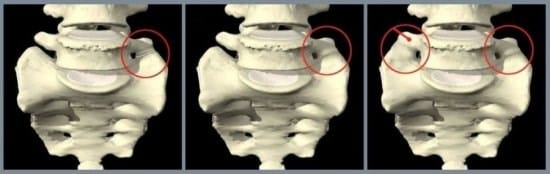
Partial sacralization leads to poor posture and scoliosis – curvature of the spinal column. With symmetrical fusion of the vertebrae in humans, there is a significant deterioration in motor functions in the lumbar spine.
Why does such a violation of the structure of the spinal column occur? Incorrect segmental development is laid even in the womb, during the period of embryonic development. It is believed that infections and intoxication in the first trimester can lead to this. However, it is impossible to reliably talk about this as the only reason for such pathologies, because even a perfectly proceeding pregnancy can end in the birth of a baby with a similar anatomy, and vice versa.
What problems does a person with similar pathologies face in general, and how does it manifest itself? If lumbarization, that is, the presence of the sixth vertebra, is congenital, then a person may not be aware of this peculiarity for a long time. However, the sixth vertebra will constantly increase the lateral curvature of the spinal column, which is already pathological.
The functions of the lumbar spine are weakened, and the person himself may feel rapid fatigue after physical exertion, as well as the appearance of sharp pain in the lumbar region with concomitant factors: lifting weights, falling, impact. Usually, these symptoms occur no later than 20-25 years, when the skeleton is already fully formed.
Lumbar radiculopathy
Sacralization is considered no less dangerous, since the lower back loses the most important element necessary for the mobility of the spinal column – the fifth vertebra of the lumbar spine.
With asymmetric splicing of the vertebra, a person is faced with an uneven load on different parts of the tissues of the right or left lumbar region. A common consequence of this situation is scoliosis, that is, the curvature of the spine to the right or left.
The problems of the structure of this part of the spine include lumbar lordosis, more precisely, hypo- and hyperlordosis. In the first case, there is an excessive smoothing of that part of the lower back, in which there should be a physiological bend. In the second case, this bend takes on a hypertrophied shape.
Such disorders usually begin in childhood, and the lack of treatment will only lead to the progression of the disease.
Lumbar functions
If we take into account the structural features of the human lumbar spine, then its functions are reduced to the following:
- The movable lumbar region is connected to the sedentary thoracic region at the top, below – with the fixed sacral articulation.
- Thanks to a complex connecting system, a person makes all kinds of movements in this particular part of the ridge: turns, twists, bends, bends and extensions.
- Natural lordosis, as well as the massiveness of the vertebral fragments, increase the body's endurance, absorb shocks, shocks, jumps.
- Strong lower back muscles help to produce movement even with additional stress
Causes of development and risk factors
 The main reason for the development of the disease is the wrong culture of everyday behavior in everyday life. The irrational organization of work leads to an incorrect load on the spine, which ultimately leads to the development of lumbosacral osteochondrosis.
The factors that lead to the onset of the disease are:
- decreased physical activity (people leading a passive lifestyle, those who, by the nature of their activity, spend a lot of time in a sitting position are at risk);
- improper walking and posture (from childhood you need to learn the rules of correct gait);
- practicing certain sports (weightlifting, wrestling);
- increased physical activity (lifting or carrying weights);
- flat feet (with this disease, depreciation is impaired, and the entire load is concentrated on the vertebrae);
- being in an uncomfortable position for a long time;
- overweight (this factor serves as the development of many diseases);
- genetic characteristics;
- hormonal disorders in the body;
- back injuries;
- an unhealthy lifestyle (inappropriate nutrition, stress, smoking and alcohol consumption become provoking factors for the development of almost all diseases);
- changes associated with the age of a person (over the years, all organs and systems are subject to “wear and tear”, and the bones of the skeleton are no exception).
At least one of the above reasons can be found in every person, which means that we all risk getting sick with osteochondrosis of the spine.
Sources used and useful links on the topic: https://medside.ru/prichinyi-boley-v-poyasnitse https://proinfospine.ru/bolit-spina-v-oblasti-poyasnitsy-simptomy-prichiny-chto-delat-sposoby -lecheniya.html https://sustavlive.ru/boli/pozvonochnik/bol-v-poyasnice.html https://www.gruzdevclinic.ru/o-klinike/stati/bol-v-poyasnice https: // www. vitajournal.ru/health/disorders/bol-v-pojasnitce/ https://blotos.ru/cto-delat-esli-bolit-spina-v-poasnice-priciny-i-metody-lecenia https: // spina-expert .ru / drugie-bolezni / bol-v-spine-v-oblasti-poyasnicy / https://www.gruzdevclinic.ru/o-klinike/stati/pochemu-bolit-spina https://www.healthwaters.ru/ blog / chto-delat-esli-bolit-spina / https://spina.guru/diagnostika/ostrye-boli-poyasnice https://korona-t.ru/anatomiya/gde-nahoditsya-poyasnitsa-u-cheloveka-patologii-poyasnichnogo-otdela.html https://spina.guru/anatomiya/poyasnichnyy-otdel-patologii https: // columna- vertebralis.ru/stroenie/poyasnichnyiy-otdel-pozvonochnika.html https://proinfospine.ru/osteohondroz-poyasnichno-kresttsovogo-otdela-pozvonochnika-lechenie-simptomy-prichiny-foto.html
Post source: lastici.ru