
What is a placebo and the placebo effect in simple words, examples and how it works. Placebo effect: what is it, list of drugs, placebo method in reverse
What is the placebo effect
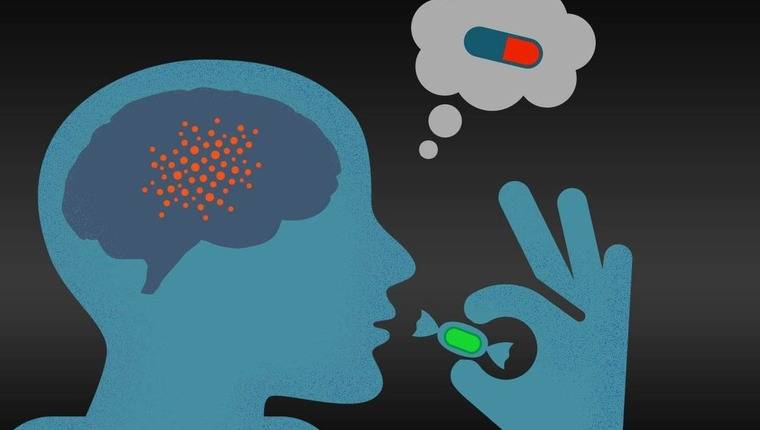
The placebo effect is such an effect on the body when a medically ineffective treatment gives positive results based on the body's ability to heal itself. Subjective or real change in health status depends on the patient's psychological confidence in the effectiveness of treatment.
As a rule, drugs with a neutral effect are used, and the positive effect is associated either with a natural improvement in the patient's well-being during recovery, or with self-hypnosis in the usefulness of this treatment. Also known is the opposite of placebo reaction – nocebo, translated from Latin means “I will harm”.
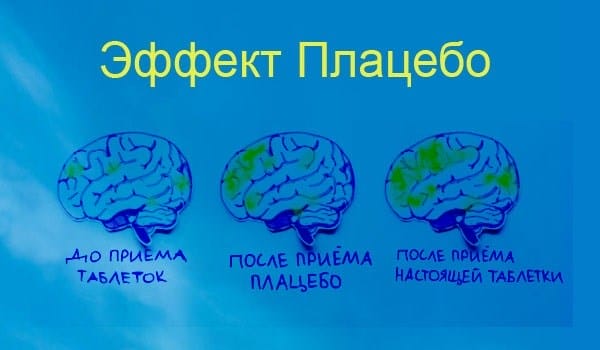
The figure shows what it is – the Placebo effect.
In a situation where the patient is convinced of the ineffectiveness of the treatment, the patient's condition may worsen with a high degree of probability. Often in such situations, negative symptoms are observed that could not be caused by the drug being taken. Patients associate the occurrence of these symptoms with the action of the drug.
Classification
The placebo effect is a property that has been studied for quite some time, but a clear definition has not yet been obtained. Most often, procedures or drugs are meant, the use of which has a medically neutral effect. Based on this, the concept of placebo can include not only drugs that are common everywhere.
This effect extends to a wider range of funds.
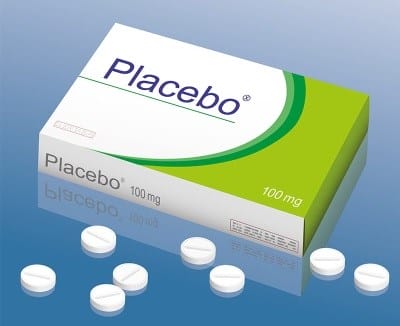
- Medicines. Pharmacological companies produce a considerable number of medicines, the effectiveness of which remains in doubt. Of course, such drugs are not indicated for the treatment of serious diseases. But for the treatment of minor diseases, drugs may well be prescribed, the effectiveness of which is based on the patient's confidence in the beneficial effect of the drug on the state of health.
- Sham surgical interventions. In the history of medicine, there are cases when surgical interventions were only suggested to patients, but were not actually carried out. An important role was played by reliable preoperative preparation of the patient, appropriate manipulations after the “performed” operation. When a reliable performance was played in front of the patient, convincing of the reality of the surgical intervention, the patient's body reacted accordingly.
- Acupuncture. This healing method is of oriental origin. The belief that with the help of injections with needles at certain points on the body, it is possible to get rid of ailments, and is currently helping in the treatment of many patients.
- Homeopathy. The effectiveness of drugs, which are usually called homeopathic, causes a lot of controversy, but their use is quite widespread.
Placebo works on both psychological and physical levels
Many believe that the placebo effect is purely psychological. However, there is compelling evidence for a physical body reaction to false medications. In 2005, researchers at Michigan State University performed brain scans of 14 healthy young men. They were injected into the jaw cavity with a solution that caused pain. Soon, patients were given a placebo, calling it an effective pain reliever. During the scan, the researchers saw that the areas of the brain responsible for the production of endorphins (pleasure hormones) were activated. The participants also stated that the pain subsided, despite the fact that there were no objective prerequisites for this.
This is interesting: in a similar experiment conducted in 2001, participants were given a placebo and additionally injected with drugs that block the production of endorphins in the body. The result was unexpected: This time, the placebo effect did not work. These two studies lead to the conclusion that it depends on endorphins whether taking harmless pills is effective.
What Happens in the Brain and How to Apply Placebos in Life
 What is the real internal process of placebo action? Such systems, reactions and receptors as endocannabinoids, dopamines and endorphins are included in the work. That is, all possible natural foundations begin to interact with each other, creating a state of happiness and euphoria for a person. Sports are said to relieve stress. In general, yes, since the exercise produces hormones of happiness.
When absorbed (literally or figuratively), a placebo activates the pleasure center in the brain, the reward system, the prefrontal cortex (responsible for planning actions). Along with this, immunity increases, the body becomes “open” to positive changes. The exact mechanism of the “power of thought” has not yet been established. Research on the placebo phenomenon is ongoing regularly.
How you can use the body's ability to deceive:
- Are you in a bad mood? Smile! Seriously! Go to the mirror and smile. In just a few minutes you will feel a real uplift in your mood. Here's one psychological effect of a placebo in real life.
- You quarreled with someone – hug. Whether you want it or not. A very useful “snag” for relationships. Make it a rule to always hug and go to bed together. You yourself will not notice how chemical reactions will do their job, and the resentment will pass. The humorous “I'll kiss and everything will pass” is also a placebo. But, you see, does it pass?
- Are you going to the exam, but are afraid, despite the fact that you have learned the material? Take a cheat sheet. You probably won't get it, but this awareness (there is a safety net) will help you.
- Are you stressed and think you need to drink / smoke? Not necessary! All you need is a burst of endorphins (they are produced under the influence of nicotine or alcohol). Offer yourself an alternative (walking, sports, reading, rides). As a last resort, for example, take non-alcoholic beer instead of alcoholic beer. By the way! Electronic cigarettes are also placebos.
- Have you had a fight with someone, but want to make up? Or do you see that someone is sad? Bake a cookie, bring it to that person, and say something like, “I put a spell on them. You need to bite off a piece, and all the sorrows will go away at once. ” Believe me, no matter how old a person is, this will give its effect. Endorphins will go off scale.
Tell me, have you ever said the phrase “now I will rest for 10 minutes and I will do everything”? And after all, we really rested, and then we did it calmly. It was? So much for a placebo. You gave the mind to the brain that in 10 minutes the body will recover, and then whether it wants it or not, you need to do the task.
How do placebo drugs work?
Until now, experts cannot explain the effect of the placebo method. A lot of various studies have been carried out, in the process of which scientists have tried to determine what is the mechanism of its influence. When volunteers taking placebo underwent brain imaging, it was noted that during this time the brain regions responsible for controlling stress and pain are activated. Therefore, the placebo effect is most pronounced if a person experiences:
- pain;
- tiredness and depression
- nausea.
In the process of studying this effect, scientists were able to identify a number of very important patterns.
- The size, quantity, shape of the tablets matters. So, two pacifiers will work better than one. If you take a larger tablet, the effect will be better. A bitter drug is more effective than a sweet one.
- The appearance of the preparation is very important. People with depression are better off with yellow pills; green pills are more effective for treating anxiety. Placebos in brightly colored packaging work better than inconspicuous ones. Pills with engravings are more effective than unlabeled pills.
- It is important to take into account the peculiarities of the patient's nationality and culture. For example, Americans and Russians are accustomed to considering droppers and injections more effective, while capsules help Europeans better.
- Pacifier medications are most effective in fighting depression. Recent research confirms that these drugs work about as well as chemical antidepressants. However, many pharmacological manufacturers deny this fact, since such a high efficiency of placebo directly threatens their profits.
- After taking a placebo, a person may feel drunk. This is proved by studies in which volunteers received a tonic with lime, while believing that they were drinking alcohol. As a result, all people showed a decrease in reaction speed, impaired judgment and deterioration in intelligence.
- A drug that is very expensive or difficult to obtain works better than something that is available and cheap.
- Children are more susceptible to pacifiers than adults. A favorite parenting technique to kiss or hug the baby so that the pain goes away is also a placebo.
- The doctor who prescribes such a medicine is important – if a well-known doctor does it, then the remedy affects the patient more effectively.
- Placebo use can cause withdrawal and addiction.
- Even if the patient knows that he is taking an ordinary “dummy”, the drug still works. This was proved by an experiment in which a group of people suffering from pathological anxiety was given a drug to calm down. At the same time, people were told: this is ordinary sugar. As a result, 14 out of 15 volunteers said they felt better. It turned out that people decided that they were being deceived, and the drugs still contain certain active ingredients. Also, some people were told at the end of the experiments that they actually took chalk or sugar. But even knowing what placebo drugs were, people noted that the positive changes achieved during treatment did not disappear.
That is why much more research is required to understand exactly how placebo drugs work on the body, what they are, and why pacifiers can help people.
Does prayer heal?
Probably, everyone has heard about how certain objects related to religion, or special prayers, healed people from dangerous diseases. How exactly prayer affects a person has been studied by many researchers. There are different explanations – from altered consciousness to bioresonance created during the recitation of a prayer. However, the most likely explanation is an unshakable belief in the power of prayer, which is essentially the same placebo effect.

After all, the main essence of this effect is a strong belief in success, and, it does not matter, as a result of which – the use of pills or reading prayers.
However, one must also take into account the fact that nonzebo also exists in the aspect of religion. As an example, we can recall the “curse of voodoo” – if in Africa a shaman, whose authority in the tribe is incredibly high, curses someone, then this leads to the death of the damned. The thing is that a frightened person believes so much in the impending death that it becomes almost inevitable.
Placebo practice
Physicians around the world use placebos for clinical purposes because of their effects on a variety of diseases. A Danish study in 2008 found that 48 percent of doctors prescribed a placebo at least 10 times in the past year. Most often these were antibiotics for viral diseases and vitamins for fatigue.
A similar survey of doctors in Israel showed that 60% of them prescribed placebos to scare away patients who wanted to receive unjustified medications, or if the patient “needed to be reassured.”
In clinical trials
Why else do you need a placebo? Most often it is used in clinical trials as a control drug, that is, the effectiveness of new drugs is checked. New drugs that pharmaceutical companies create should work better than placebos. How are the tests carried out?
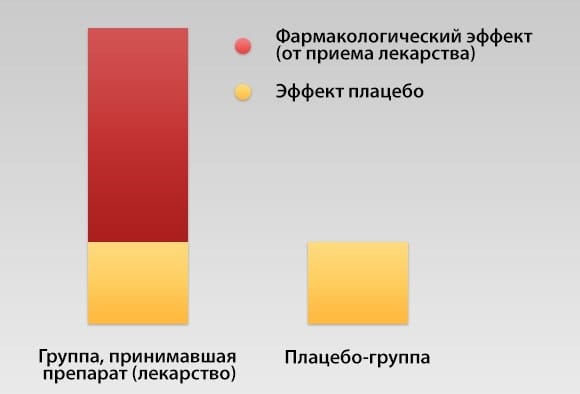
The subjects are divided into two groups: the first group is given the experimental drug, the other group is given a placebo. The state of health of the first group should not only improve, but be much better than that of the second, so that the drug can be considered curative. That is, if a drug has shown itself to be worse or not much better than a placebo, then it is sent back for revision.
A clinical trial is called a “blind placebo-controlled trial “ if only the attending physician knows who gets what.
But the most reliable is the “double-blind, placebo-controlled study. “ Its essence lies in the fact that neither the staff nor the subjects are aware of who is receiving the placebo and who is receiving the drug. It is considered the most reliable, since the doctor will be more convincing, plus the doctor will not be able to accidentally reveal the secret to the patient with facial expressions or gestures.
All these studies can still be randomized, that is, patients are randomly selected into groups.
Recently, there are more and more proposals for three groups to participate in placebo-controlled studies. The first two would receive a placebo and an experimental drug, and the third would receive nothing. What is it for? To separate the placebo effect from the real effect (the body's self-healing) and other unaccounted for factors.
Harnessing the power of a placebo
Rather than rejecting or trying to minimize placebo effects, current researchers are exploring ways to use the power of placebo.
Placebos have been shown to work in a number of situations. When used alongside pharmaceuticals, placebos can improve medical treatment.
Robert Buckman, clinical oncologist and professor of medicine, concluded that:
- Placebo is an extraordinary drug.
- It appears to have some effect on nearly all symptoms known to mankind, and works in at least a third of patients, and sometimes 60%.
- It has no serious side effects and cannot be given in overdose.
Placebo is the best drug in the world in terms of adaptability, effectiveness, safety and cost.
The power of the placebo effect opens up an interesting perspective for us to explore new possibilities.
Where is placebo used?
Let's take a closer look at the scope of the placebo.
In medicine
Usually, the patient is informed that the proposed drug will have the necessary therapeutic effect. Despite the fact that there is no pharmacological effect in such tablets or solutions, the patient still notes an improvement in his condition. After succumbing to suggestion, the human brain produces endorphins that carry a positive effect, thereby partially replacing the action of the drug. The result depends on the patient's level of suggestibility.
In pharmacotherapy
Placebo is used as a control drug in clinical trials. Helps evaluate the effectiveness of a new drug. One group of test subjects receives the real treatment drug, and the second group receives a placebo. The effect of the test drug must be greater than the placebo effect for it to be considered curative.
In narcology
It is widely used to treat drug and alcohol addicts. Among the “dummies” used by Russian narcologists: Vitamerts Depot, Disulfizone, Aktopleks and so on. The placebo effect is achieved by the patient's desire to get well. The doctor warns the patient that if he returns to drugs or alcohol after taking the medicine, it will lead to a disastrous result.
In psychiatry
The placebo is also applicable in psychiatry. Autosuggestion helps the brain to correct its own work, so it is especially effective in mental disorders. An additional motive: until the “ideal” drugs for insomnia, depression, nightmares have been found, some patients manage to solve these problems with a placebo.
The cost of treatment affects the results
Researchers at the University of Cincinnati tested 12 patients with Parkinson's disease. They gave each patient a placebo, saying it was an effective medication to help them cope with the disease. But only to some of them, doctors casually announced that their pills cost 15 times more than an alternative medicine. Can you guess what results were obtained? Patients who were prescribed the “expensive drug” improved their condition faster than people taking its “cheap” counterpart.
Other interesting studies have been done. So, in one of them, 67% of participants said they felt better when they started taking an expensive placebo after a cheap one. These results show how important our brains are in the healing process. If drugs are more expensive, people tend to think that they will be more effective.
Placebo injections are more effective
It is no secret that if someone is seriously ill, one of the fastest and most effective treatments is medication injections. This got the researchers thinking and testing one interesting theory. They were interested in the question: if the placebo effect works when taking pills, will it be observed with placebo injections? In the middle of the 20th and then at the beginning of the 21st century, intensive research was carried out in this direction.
Scientists compared the results of treating people who took sugar pills (and thought it was the drug) and patients who received harmless placebo injections – the effectiveness was the same. It turned out that when using additional medical equipment (for example, needles) to administer the drug, the improvements in the condition occurred faster and were more pronounced than when it was taken orally. This once again confirmed the power of the placebo effect and proved that the objects that we associate with treatment at the subconscious level play a very important role in the healing process.
Is there a placebo effect in animals?

Think the placebo effect only works in humans? Then you are wrong, animals are also susceptible to it, at least dogs.
A study was conducted with the participation of dogs with epilepsy. They, like people, were divided into two groups: the control group received the drug, the experimental group was given a placebo.
Scientists found that 79% of the dogs in the experimental group showed improvements. Scientists have three versions of why the placebo worked.
- The expectations of the owners. The owners' confidence that the treatment will have a positive effect is passed on to their pets.
- Animal expectations. Everything here is based on a conditioned reflex. If the animal has already had to take any medications before, then it knows that after them the condition will improve.
- Epilepsy manifests itself in cycles. The dogs in the experimental group are at the peak of the disease, so it is likely that the disease will briefly subside on its own and the symptoms will decrease.
Scientific Research on the Power of the Placebo Effect
Experts have concluded that larger pacifiers are more “effective”. Dummy injections have a more pronounced analgesic effect. Tablets of bright warm colors have the best stimulating effect. In turn, pacifiers of green, blue and other cold shades work as tranquilizers. In addition, studies have found that the more expensive placebo pills are also more “effective.” Perhaps, applying the high cost of the drug to oneself, a person perceives it as something exclusive, and, therefore, effective.
The study of the effect would not be complete if the attitude of the doctor was not taken into account. If the doctor says that the patient is guaranteed to be cured soon, then the patient is likely to feel better. This is what explains that homeopaths and traditional healers are 100% confident in the final cure of their clients from any disease.
How placebo works
Let's take a closer look at how the placebo works. Many neurophysiological mechanisms are involved in the implementation of this effect. Activation of certain areas of the brain occurs: the anterior cingulate gyrus, the prefrontal cortex, the nucleus presenting. Neurological and mental mechanisms work in parallel. As mentioned, suggestion also plays an important role.
It turned out that with parenteral administration (through droppers), placebo is more effective. If the administration of the drug is sensitive for the patient, then, most likely, he will feel the placebo effect. It is noted that in case of migraine, the effect of the “pacifier” is much higher if the doctor does not give out pills, but injects them.
The price of the drug also matters. If the patient learns that the drug, which is actually a placebo, is not cheap, then its effect will be more noticeable.
The placebo effect can manifest itself in sports and creativity: examples
What else is placebo used for? Every year, more and more new studies appear that indicate that the placebo effect can affect different areas. For example, it improves cognitive and creative abilities, increases stamina.
Incredible endurance
Sometimes you don't even need to accept anything, you just need to convince a person of his unique abilities. Scientists at Stanford have proven this. As usual, the subjects were divided into two groups, and each was tested for the endurance gene, CREB1.
The participants in the experiment were not told about the results, then the groups were mixed among themselves. One group was told that nature had endowed them with unique stamina, while another group was told that the sport was not for them. All subjects were sent to treadmills. What came out of this?
And the result is this: those who were told about incredible endurance ran more and faster (compared to the results before the experiment), regardless of the actual genetics.
Creativity and smell
Another example of the placebo effect. To experiment with creativity, the researchers used a scent-form placebo. The start of the study does not change: the participants were divided into two groups. Only this time, both groups were under the influence of the same scent.
The first group was told that the smell they breathe increases creativity, the second group was told nothing. People from the first group showed better results in tests, compared to previous results.
Who does the placebo work for?
The placebo effect is a remedy that can manifest itself in different ways for different people. The practice of using drugs shows that in children, treatment with dummy drugs is more effective than in many adults. The therapy with similar drugs of patients with mental disorders also yields positive results.
This form of treatment is most effective for more suggestible people than for those who question and double-check any remedy. For the latter, the result is likely to be zero. Susceptible people, taking a pacifier drug, not only experience the sensations appropriate to the treatment, but may also notice manifestations of side effects that the drug taken cannot produce.
The mysterious word placebo – cure or not
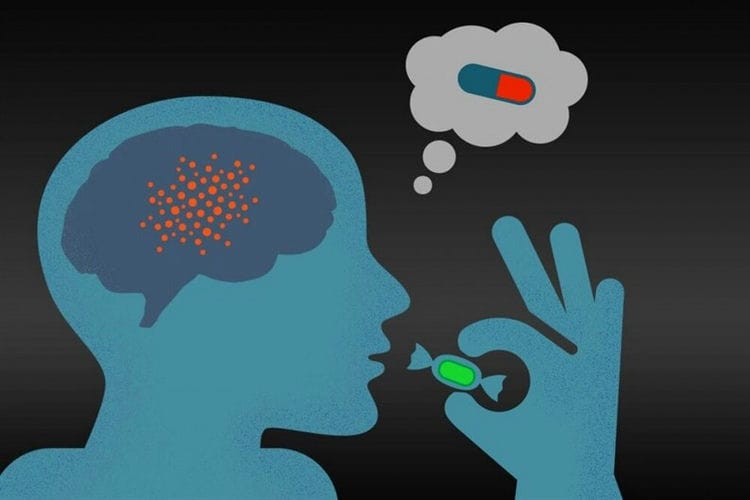
The name “placebo” comes from the Latin language and translates as “like”. In common people, the substance is usually called “dummy”. So, what does this mysterious word conceal? First of all, it should be said that a placebo is not a medicine in the medical sense of the word. It lacks medicinal properties that can affect the body, although in taste and appearance it is no different from real drugs. So how does it work? It's all about the effect on the patient's psyche, or rather, self-hypnosis. For example, a doctor prescribes medicine for a person, which the patient is inclined to blindly believe. Prescribed medication may look like regular pills, and it will contain vitamin C, which will slightly increase the patient's immunity to the maximum. However, the doctor is so persistent in praising the “latest development” drug, that a person unwittingly believes him and when the patient diligently takes such pills as prescribed, he suddenly notes that he has become much better. And now he happily rushes to the doctor's appointment to praise the “newest medicine”, which is actually a placebo.
Psychological features
The placebo effect is based on suggestion, therefore this method is most widely used by psychologists and psychiatrists. The scope of use is not limited to the treatment of any mental abnormalities. This property is included in the educational and upbringing processes to achieve a greater effect in the development and stabilization of patients of any age group.
A fundamentally important component of the recovery process using the placebo effect is the correct preparation for recovery.
The feeling of the positive impact of the applied treatment on the patient's condition becomes a prerequisite for real improvement. The patient's conviction that the drug used is endowed with specific properties helps to mobilize the body's own resources to defeat the disease.
Acupuncture and homeopathy
Acupuncture has a thousand-year history of use. This method is based not only on mechanical action on certain points of the human body in order to provoke certain processes. Without appropriate psychological preparation of the patient, that is, without the component of suggestion, the positive effect of acupuncture is significantly reduced.
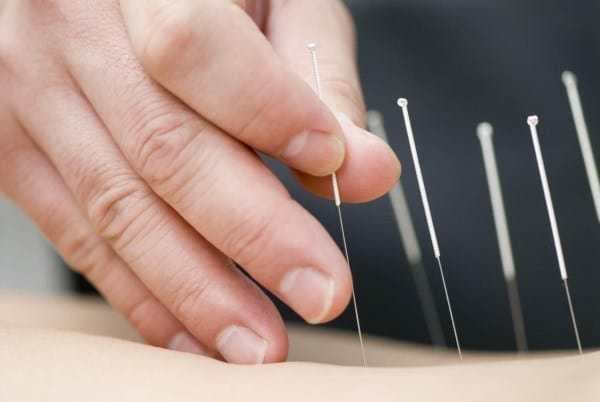
In this regard, acupuncture treatment can also be attributed to placebo methods.
Widespread homeopathy also has a component of psychological influence on the subconscious. The conviction that the drug is conducive to improving the condition allows using neutral syrups to use the body's own reserves for self-healing.
The placebo effect was discovered when trying to expose a charlatan
The placebo effect was first recorded at the end of the 18th century. They looked like metal sticks about 8 centimeters long. The doctor claimed that they were made of special materials, although in fact the “Perkins tractors” consisted of an alloy of brass and steel. After the doctor said that his invention helps fight inflammation and relieves any painful manifestations, a stream of patients rushed to him. Perkins suggested that they hold the “tractor” in the area of the sore spot for 20 minutes. Surprisingly, people said they felt much better after the session.
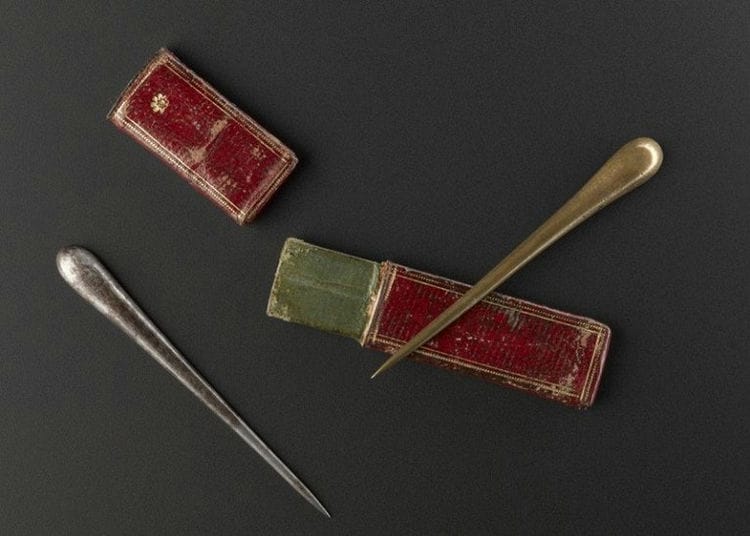
But there were also skeptics – many other doctors doubted the effectiveness of the “tractors”. He created “tractors” from bone, slate, etc. And Haygart's patients also talked about the miraculous effects of these devices, regardless of the material of which they were made. John came to the conclusion that the improvement in the patients' condition did not depend on the treatment, but on their thoughts and expectations.
Definition of placebo in psychology
Placebo is one of the mysteries in the field of psychology. It is not completely known how this substance has a miraculous effect on the body. However, all psychologists agree on one opinion – self-hypnosis and sincere faith of a person can work miracles. In psychiatry, the dummy effect is very often used to overcome the patient's disorders such as depression and insomnia.
Brand also affects the outcome.
It is no secret that similar tablets are produced by various pharmaceutical companies. Their composition is almost identical, only the names and packaging differ. However, studies have shown that people are confident that branded drugs are more effective. It has been proven that if a manufacturer is widely advertised and well-known, a placebo in its package will actually work better than the same dummy presented in a nondescript box.
This is interesting: in reality, branded drugs are often much more expensive just because pharmaceutical companies invest a lot of money in research and marketing. They need to be returned somehow – so people overpay where they could save money.
Surgical intervention
Scientists have conducted studies on the presence of a placebo effect during surgical interventions. As a result of the experiments, it was found that a properly furnished, although not actually performed, surgical operation produces an effect similar to that of a real surgical intervention.
The first sham operations were carried out in the United States in the middle of the last century by surgeon Leonard Cobb. He assured patients suffering from diseases of the cardiovascular system that they had undergone heart surgery. But in reality, the patient made an incision on the chest in the region of the heart, followed by suturing.
The vast majority of patients showed an improvement in their condition. At the end of the last century, another surgeon conducted an experiment with imaginary surgical interventions on the meniscus. Some of the patients were actually operated on, and a convincing idea of the operation was played out in front of the rest. After that, everyone showed an improvement in their condition.
Mechanism of effect in medicine
From a medical point of view, the mechanics of the manifestation of the placebo effect is that, under the influence of conscious and unconscious expectations, the human body starts certain mechanisms of life. The body begins to produce certain hormones, enzymes, or other substances that affect physiological processes.
The external manifestation of these changes can be the removal of pain, a decrease in fatigue, anxiety and other negative symptoms, the use of the drug was aimed at combating.
Practical use
- These days, placebos are quite often prescribed to patients who are prone to looking for manifestations of all kinds of diseases. Since in such cases the disease exists only in the patient's head, it is more expedient to treat it with methods based on suggestion in order to avoid unnecessary drug exposure to the body.
- Placebos are also widely used to control the effects of new medications.
- Treatment of alcohol and drug addiction is also not complete without placebo drugs. In the process of treatment, patients are instilled in the desire to get rid of the disease.
- Placebo is also used effectively in psychiatry. Suggestion-based treatment can easily correct various mental abnormalities, be it depressive conditions, sleep disorders or abnormalities in the sexual sphere.
- Placebo drugs are also used in sports. The athlete's belief that the potion being taken is doping contributes to improved performance.
- Preparations – pacifiers help to get rid of ailments of a psychosomatic nature, since it is easier to remove the influence of the psyche on the human body with the help of suggestion.
What types of placebos are there? List of drugs
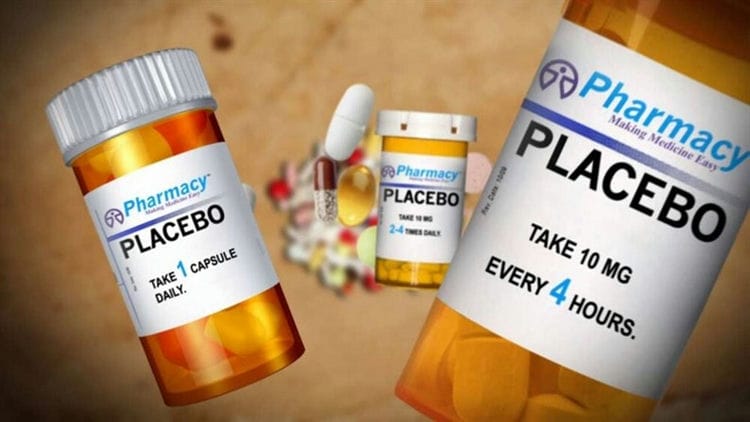
There are quite a few types of placebos, here are some of the most common:
- Pills
- Ointments
- Syrups
- Lasers
- Injections
In addition, medicinal herbal decoctions can also be attributed to this group, since, taking them, many patients almost instantly notice an improvement in their condition. Certain types of massage treatments are also placebos.
As such, there is no placebo list of drugs, but there are drugs whose effectiveness has not been proven, and accordingly there is every reason to doubt the therapeutic effects of these drugs.
- Validol. A medicine that supposedly helps with pain in the heart. Has a soothing, mint effect, but unlikely to help with heart attacks
- Erespal – available in the form of tablets and syrup. Indicated for use in ARVI. The effectiveness of this remedy has not been proven.
- Novo Passit is more a homeopathic remedy than a real medicine
- Wobenzym – comes in pill form. According to the assurances of manufacturers, it has a miracle cure for the whole body. Efficacy in vitro has not been studied
- Most drugs for the treatment of colds are placebo and the maximum effect they can have is to bring down the temperature. Some of these: Imunomax, Engystol, Imudon, etc.
- Hilak-Forte, Bifiform and many other probiotics. They are loved by doctors in Russia. In other countries, probiotics are extremely wary.
Interesting facts about the placebo effect
- A placebo can cause side effects that are typical of the drug that the pacifier is being served under the guise of;
- people who take pacifiers can become addictive. Even healthy people who have stopped taking a placebo may experience withdrawal symptoms: the patient's condition begins to deteriorate;
- about 50% of doctors prescribe medications to their patients that will not benefit, counting on the placebo effect;
- the placebo effect can be recorded by positron emission tomography of the brain;
- children are more susceptible to drugs that have no medicinal properties;
- the mechanism of action of placebo is not fully understood.
Who is more susceptible to the placebo effect?
It all depends either on certain personality traits or on genetics. Let's start with genetics.
- There have been several studies done on people with certain medical conditions. For example, among people suffering from social phobia, those with a certain form of the 5-HTTLPR gene are most sensitive to the placebo effect. This was confirmed by researchers from Harvard, who found that the strength of a placebo depends on the shape of the gene encoding an enzyme that is involved in the breakdown of dopamine.
- Several studies claim that personality traits play an important role. Thus, an anesthetic placebo has a greater effect on optimists, and in a stressful situation, on pessimists.
- Cultural factors that shape personality traits also have a certain impact, which is why people from different countries with different diseases are susceptible to the placebo effect in different ways. For example, ulcers from Germany are more sensitive to placebo than people with the same diagnosis from Brazil.
And finally, there are a few more people for whom a placebo helps better than others. As already written, the effectiveness of a placebo depends on suggestibility, so pacifiers most strongly affect:
- insecure people with low self-esteem;
- weak-willed people;
- people with a weak or fragile psyche, this includes the elderly and children.
There is also a reverse placebo effect.
You've probably noticed that most of the tests tested whether a placebo can act on the body like real medicines. It should be noted that reverse studies were also carried out, during which scientists tried to find out whether a real drug will help a patient if he is sure of its ineffectiveness? It turned out not. Moreover, the opposite effect of placebo is manifested in the fact that the effect of any substances – even narcotic ones – can be blocked if a person does not expect that they will somehow affect him.
German and English scientists scanned the brains of people who were given pain relievers. Half of the group was told that they had taken a very strong drug, while other patients were told that they were taking a placebo. In the end, it turned out that people who believed they had received the pain reliever soon experienced signs of relief. At the same time, patients who were confident that they had taken a placebo had no effect on real pain relievers. That is, our expectations from the treatment largely determine its success.
conclusions
Thus, the placebo effect cannot be unequivocally characterized. This is both salvation and a weapon. If it is used by honest and knowledgeable people, specialists in the field of medicine and psychology, then it is an ingenious invention. But if we are talking about scammers who profit from the naivety or grief of people, then this is evil. However, on the other hand, if any amulet (by the way, you can come up with it yourself) really helps a person, then is this really evil?
Is it possible to somehow use the placebo effect in everyday life for the benefit of yourself? Sure! We are talking about positive attitudes or materialization of desires and aspirations (in this case, they are synonyms). For example, if we are talking about your qualities that you lack, then write them and read them regularly, “try on” yourself, imagine situations where you are exactly like that.
The same principle applies to your environment. If you want to see a caring husband next to you, call him that whenever possible. By the way, this is also true in the direction of nocebo (“if you call a person a pig, then he grunts”).
But first of all, it is important to sincerely believe in the positive effect of suggestion. By the way, as experts say, the effect works even if the person knows about the placebo. However, in this case, you must always adequately assess your strengths and circumstances. Still, no one canceled financial, physical and other factors (if your dreams are material in nature). Well, for the correction of behavior and personality, of course, there are no boundaries.
In general, dear readers, I have shared with you my thoughts on the essence of the placebo phenomenon and how it can be applied in life, and the choice is yours. The best option for a person, of course, is rational self-confidence.
Sources used and useful links on the topic: https://healthperfect.ru/platsebo-effekt-chto-eto-takoe.html https://doctor.rambler.ru/pharma/43157092-10-neveroyatnyh-faktov-ob-effekte -platsebo / https://psychologist.tips/81-effekt-platsebo-chto-eto.html https://medside.ru/effekt-platsebo https://duhitelo.ru/placebo-eto-chto-takoe/ https: //znaniyaetosila.ru/chto-takoe-platsebo-i-effekt-platsebo-prostymi-slovami-primery-i-printsip-raboty/ https://PsyLogik.ru/84-placebo-i-jeffekt-placebo.html https://blog.wikium.ru/chto-takoe-effekt-platsebo-prostymi-slovami-kak-rabotaet-samovnushenie.html https://zen.yandex.ru/media/helperlife/effekt-placebo–chto-eto-takoe-prostymi-slovami-princip-deistviia-i-vidy-preparatov-5da34ecde4f39f00b228d7fa
Post source: lastici.ru