
Lack of iron in the body: how it manifests itself, and why this condition is dangerous. Signs that you have an iron deficiency in your body
The effect of iron on the body
Iron is very important because it is involved in various processes in the body. Its deficiency significantly worsens the condition of the body, affects well-being and general health. Iron deficiency is the main cause of anemia, because a lack of this element can cause headaches, constant fatigue, pale skin and brittle nails.
Iron deficiency significantly affects the functioning of the body and is a serious medical problem. It is part of enzymes containing heme (including hemoglobin) or flavin. Participates in the transport and consumption of oxygen, plays a role in the body's immune processes. Iron (Fe) is the element that is essential for the proper functioning of the body, since it is involved in many biological reactions of the body's cells.
Iron is responsible for the transport of oxygen by hemoglobin, a protein found in red blood cells. Hemoglobin takes oxygen into the lungs and then releases it into the tissues. In the bone marrow, it is iron that influences the formation of red blood cells. The muscles depend on iron, which with its help can receive oxygen and work properly. Iron, along with magnesium, also supports the nervous system and the immune system.
With iron deficiency, the production of red blood cells is impaired. They are formed less and they are smaller in size, in addition, they contain less hemoglobin inside, which affects the gradual deterioration of general well-being and the appearance of symptoms of anemia.
Iron deficiency occurs when the amount absorbed is so small that it does not meet the needs of the body, or because of problems with absorption or hemorrhage when iron “leaves” the body.
Reasons for a lack of iron in the body
Lack of iron in the human body occurs for a number of reasons.
- Loss of blood. It is provoked by surgery, trauma or menstrual bleeding in a woman. After blood loss, the human body requires an increased intake of iron to form new red blood cells.
- Insufficient receipt of a trace element in food. Poor quality food and an unbalanced diet provoke inadequate intake of a trace element in food. What foods can be used to replenish the amount of iron in the body, we will tell you below. Vegetarians often lack this trace element in their food. Since the rejection of meat significantly reduces the amount of daily consumption.
- Avitaminosis. The quality of iron absorption depends on ascorbic and succinic acids, and if they are insufficient, it can decrease significantly. The parallel consumption of calcium and foods with high calcium content impairs absorption.
- Increased need for iron. It occurs against the background of pregnancy in women, impaired absorption in the gastrointestinal tract, or blood loss.
- Deterioration in digestibility. Absorption of the main amount of the trace element occurs in the small intestine. Disruption of the work of this department becomes the reason for low digestibility, and, as a result, a lack of iodine in the body.
These are the five most common causes of iodine deficiency in adults. Children may have a micronutrient deficiency during intrauterine development. This is due to the mother's low hemoglobin levels. This condition negatively affects the physical development of the fetus, and leads to mental retardation. After birth, the baby receives iron from food and may also be deficient.
Iron deficiency symptoms
One can independently suspect a deficiency of this trace element by the following characteristic conditions and signs.
- Fatigue. Even with minimal stress, a person experiences a breakdown, weakness, drowsiness, and apathy. This condition develops into chronic fatigue syndrome and significantly impairs performance.
- Prolonged menstruation in women. Low hemoglobin causes heavy and prolonged bleeding, in which the level of iron in the blood decreases even more.
- Shortness of breath and palpitations. Iron deficiency is also the cause of these two symptoms.
- Pale skin. Lack of blush on the face, light skin tone and slightly bluish color of the white of the eyes signal low hemoglobin.
- Discomfort in the legs. The so-called restless legs syndrome, a clear sign of a lack of valuable trace elements, including iron. A person feels uncomfortable, cannot find a comfortable position of the limbs during sleep, and constantly tosses and turns.
- Headaches. If they are not caused by other reasons, such as surges in blood pressure, then there is a high probability that they were provoked by a lack of iron.
- Unusual taste preferences. For example, you may sharply want meat or liver, quince, persimmon, apples, although earlier people were indifferent to these products.
- Anxiety and sleep disturbances. Typically, these conditions reinforce each other and exacerbate feelings of fatigue and apathy.
- Deterioration of memory and concentration. This is directly related to oxygen starvation of the brain. And it occurs due to circulatory disorders and low hemoglobin.
- Hair loss and deterioration of the appearance of nails. Hair becomes brittle and falls out actively. The nail plate is deformed, painful burrs appear around it, the nail crumbles and exfoliates.
- Thyroid problems. If you already have them, then you are at risk. Try to monitor your blood iron levels regularly.
- Change the appearance of the language. Its color becomes dull, and the taste buds lose their sensitivity. As a result, the food seems bland and not tasty.
- Hands and feet are constantly freezing. This is due to poor circulation and low hemoglobin.
- Ulcers appear in the corners of the lips. They are often quite painful and do not heal for a long time.
- Exacerbation of gastrointestinal diseases. Crohn's disease or ulcerative colitis significantly reduces the absorption of beneficial components in the small intestine, which leads to a decrease in the intake of iron in the human body.
As you can see, most of the symptoms of iron deficiency are fairly general. They can also be provoked by various diseases or a lack of other trace elements. Therefore, by the totality of characteristic signs, one can only suspect a problem, and clinical tests and consultation with a doctor will help to confirm the presence of the disease.
Forms of iron deficiency
The physiological role in the body affects all levels of its organization from genetic to organ and systemic. According to V.A. Burlev's classification, iron deficiency goes through three stages before the onset of clinical symptoms.
Table – Stages of development of clinical symptoms of iron deficiency
| Stages | Development mechanism |
| Pre-latent | Stocks are decreasing, but erythropoiesis is still normal. Erythropoiesis is the formation of red blood cells with the participation of iron in the bone marrow. |
| Latent | Depletion of stocks in the depot. |
| Manifest (iron deficiency) | Decrease in stocks in the depot and disturbance of redox processes accompanied by symptoms of anemia. |
Absorption when it enters the exogenous route in the gastrointestinal tract occurs in the jejunum and duodenum. This process depends on factors:
- trace element content in food;
- bioavailability;
- iron deficiency in body tissues (need).
The Dangers of Iron Deficiency
The absorption mechanism begins with the capture of the mucosa by the bristle border, which dissolves it. Entering the cell through the sensitive membrane, it accumulates in it and enters the bloodstream. Iron in dosage form is absorbed better than from food.
Causes of Latent Iron Deficiency
The deficiency is caused by various reasons.
Table – Causes of latent iron deficiency
| Cause | The mechanism of manifestation |
| Food | Vegetarianism, a diet for weight loss, depleted of foods with iron causes the depletion of iron reserves. In the body, iron is not produced and the source of this trace element is food. |
| Incompatibility of products | Food products affect the absorption of trace elements and vitamins contained in food. Coffee and tea contain tannin, which interferes with the absorption of iron. Ca and Fe are not combined as they neutralize each other (buckwheat with milk). |
| Violation of digestibility | Disruption of the normal microflora, depletion of the 12 intestine in infectious diseases and, as a consequence of antibiotic therapy, impair digestibility. The mucous membrane becomes vulnerable and does not perceive some elements. |
| Growth and development | During the growth period, the child's body uses vitamins and substances more quickly and there is a lack of them in the body. Adequate nutrition makes up for the deficiency, but it may not be enough either. |
| The period of bearing the fetus | Iron is an essential component that ensures the construction of the placenta, increased metabolism, development of the fetus and its needs. The total body need is 1200-1140 mg, which is up to 6 mg per day. |
| Physical work | Iron tends to be excreted during perspiration during physical work, sports. |
| Bleeding | Nosebleeds, donation, gastrointestinal diseases accompanied by bleeding lead to a decrease in iron in the body. The risk of reducing it is especially characteristic of heavy menstruation in women of reproductive age. |
Hemoglobin decreases with gynecological diseases (myoma, endometriosis) and sometimes with intrauterine contraception.
Surgical interventions do not always cause a decrease in hemoglobin in the body. With blood loss as a result of operations and other reasons. Newborn children are at risk, since maternal iron is present in the child's body up to 2 years of age.
Symptoms, consequences of iron deficiency
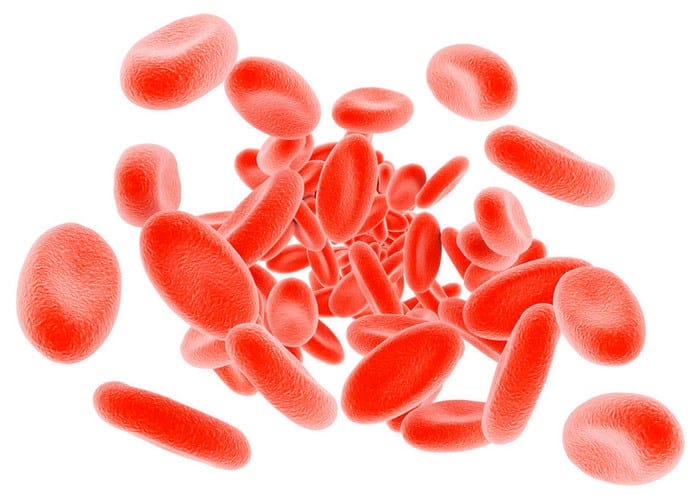
As iron stores decline, fewer and fewer healthy red blood cells are produced and alarming symptoms appear. The first sign of iron deficiency is usually lethargy and constant fatigue for no apparent reason.
The main effect of iron deficiency in the body is anemia. The degree of impairment depends on the degree of the deficiency. Not every person with iron deficiency develops anemia, but it is the result of chronic iron deficiency.
According to the WHO standard, anemia is detected when the level of hemoglobin in the blood falls below 120 g / l in women and children aged 6-14 years, and in pregnant women – 110 g / l, in men – 130 g / l.
Symptoms of anemia are initially subtle and accumulate as iron deficiency increases. It usually starts with chronic fatigue, constant sleepiness, lack of vitality. Another characteristic symptom of anemia is pallor of the skin and mucous membranes. Thus, pale skin, bruises under the eyes, brittle nails and hair, lack of skin hydration, may be symptoms of anemia due to iron deficiency.
With anemia, the amount of ferritin (a protein containing iron stores) falls below the norm, which is in the range of 12-200 mcg / l (norm for men: 15-200 mcg / l, for women: 12-150 mcg / l). This condition can manifest itself at any age, more often it affects women than men.
Symptoms of iron deficiency and anemia:
- Weakness and fatigue, lack of strength;
- Concentration disorder;
- Headaches and dizziness;
- Heart palpitations, shortness of breath;
- Weakening of immunity;
- Pallor of the skin and mucous membranes (they are less red than usual);
- Weakening of hair quality;
- Nail changes;
- Dry skin.
Treatment for iron deficiency is iron supplementation and an appropriate diet rich in meat, fresh fruits, herbs, nuts, egg yolks, fish, vegetables, and legumes.
Fatigue
Feeling constantly tired, even after long periods of rest, is one of the most common signs of iron deficiency. This symptom occurs in over 50% of people with anemia. In addition, you may be concerned about decreased performance and difficulty concentrating.
The reason is a low level of hemoglobin. This iron-containing protein is responsible for transporting oxygen to tissues. The less hemoglobin, the less oxygen is received by all organs, including muscles and the brain. As a result, the body is in a state of constant oxygen starvation. As a result, the processes of cellular metabolism are disrupted, and you feel tired even after a slight load.
It is difficult to diagnose anemia based on this symptom alone, since fatigue is considered almost the norm in the modern rhythm of life, especially in a metropolis.
Pallor of the skin and mucous membranes
Pale skin and inner part of the lower eyelid is a sign of moderate to severe anemia.
It is hemoglobin that gives the blood red color. A decrease in its content in the blood makes it less red. Therefore, the skin of people with iron deficiency becomes pale and becomes earthy. If you drop the lower eyelid down, the color of the mucosa should be bright red. A pale pink hue may indicate a lack of iron.
Dyspnea
Hemoglobin delivers oxygen to the tissues. With a lack of iron, the concentration of hemoglobin decreases. As a result, the muscles do not receive enough oxygen to function properly. As a compensatory mechanism, the respiratory center in the brain is activated, which leads to increased breathing even with minimal physical exertion, for example, walking.
If your usual level of physical activity began to be accompanied by shortness of breath and a feeling of lack of air, one of the possible reasons is a lack of iron.
Dizziness and headache
Iron deficiency can cause headaches, which are usually accompanied by dizziness. The reason for the development of this symptom in chronic hypoxia of the brain, which develops with a low level of hemoglobin in the blood. In conditions of a lack of oxygen in the brain, blood circulation is impaired. First of all, venous blood flow suffers, which leads to an increase in intracranial pressure and headaches.
There are many causes of headaches, but frequent, repetitive pain combined with dizziness can be a sign of iron deficiency.
Heart palpitations
Tachycardia (rapid heartbeat) is one of the possible symptoms of iron deficiency anemia. The increase in the number of heartbeats is due to the fact that the heart begins to work at a higher intensity in order to compensate for the lack of oxygen by increasing the volume of blood flowing through the tissues. This can lead to arrhythmias and a feeling that the heart is beating too fast.
Intensive work of the heart in conditions of oxygen starvation leads to rapid wear of the heart muscle. Therefore, in severe anemia, heart murmurs are heard and heart failure may develop.
Dry skin, hair loss
Dry skin and brittle, thin hair are one of the symptoms of iron deficiency. In severe anemia, hair loss is increased. The reason for this is the deterioration of blood circulation and impaired collagen synthesis. In an effort to compensate for the lack of oxygen, the body restricts peripheral blood flow. The main blood flow goes to vital organs. Therefore, the skin and hair receive not only less oxygen, but also less nutrients, which significantly worsens their condition. In addition, iron is essential for the work of the enzymes that synthesize collagen. This protein is responsible for skin turgor (the ability to resist mechanical stress – ed.).
If you notice that the amount of hair remaining on the comb has increased dramatically, this could be due to an iron deficiency.
Glossitis, stomatitis
With a lack of iron, the oral mucosa is often affected. You may be worried about constant inflammatory processes in the oral cavity – stomatitis, glossitis, dry mouth, non-healing cracks in the corners of the mouth. The reason for this is the violation of reparative processes in epithelial tissues in conditions of a lack of iron, which is necessary for the operation of enzyme systems.
A pale tongue is a sign of low hemoglobin levels in the blood. A swollen, abnormally smooth, and painful tongue is a symptom of a lack of myoglobin in the muscle of the tongue. Myoglobin is an iron-containing protein that stores oxygen in muscle tissue.
Restless legs syndrome
Restless legs syndrome is a strong urge to constantly move your legs at rest and during sleep. May be accompanied by a creeping sensation and itchy legs. Symptoms reach their maximum intensity at night, which leads to sleep disturbance.
The cause of restless legs syndrome and its association with iron deficiency are not fully understood. However, according to research, 25% of people with iron deficiency anemia develop this syndrome. Its severity depends on the severity of the anemia.
Brittle nails
With iron deficiency, the condition of the nail plate worsens. Nails become brittle, peel and break easily. Dystrophy of the nail plate develops – koilonychia. In this case, the nail becomes thinner and takes the shape of a spoon: the edges of the nail plate rise, and the center bends inward. This is a rather rare symptom that develops in severe anemia.
Prolonged periods
In women, iron deficiency is mainly due to prolonged menstruation. As doctors say, some women lose a lot of blood every month, and only half of this valuable fluid is then restored, and the next month they again suffer great losses. That is, the body is constantly on the edge. Normally, during menstruation, a woman should lose only 2-3 tablespoons of blood. Try a tampon test: if you have to change it more often than every 2 hours, go to your gynecologist.
Pica
When you want to eat some strange substances, substances that have nothing to do with food, you can talk about an iron deficiency in the body. People with this condition are often eager to have breakfast or dinner with chalk, paper, clay, and so on. According to statistics, women with anemia most often choose ice for this.
Unreasonable anxiety
If you have no reason for anxiety, panic, and anxiety does not leave you, doctors recommend checking the level of iron in the body. Lack of oxygen also affects the sympathetic nervous system, which triggers the body's anxiety mechanism. It works like a gas pedal. In addition, iron deficiency raises your heart rate, which makes you even more nervous in the most relaxed environment.
Vegetarianism
The body receives iron from a wide variety of sources. Moreover, due to the consumption of meat, fish, poultry, this element is absorbed 2-3 times better and in large quantities than from vegetables, fruits, etc. If you are already a vegetarian, try to eat dark greens, legumes, and grains. Be sure to combine them with foods rich in vitamin C (bell peppers, berries, broccoli), this is how iron absorption increases.
Insufficient thyroid activity
Iron deficiency slows down the function of the thyroid gland, it does not work as it should, accordingly, the regulation of metabolism worsens, and cell growth slows down. According to statistics, hypothyroidism is often overlooked when diagnosing the body, 6 out of 10 patients are not aware of their problems, which aggravates the situation. So if you notice low performance, weight gain, low body temperature, then it's time to go to the doctor.
Pregnancy
Yes, the role of folic acid in the body cannot be underestimated, but future babies also need iron for normal development, which they diligently “steal” from the mother's body. What's more, many women lose significant amounts of blood during childbirth, which can lead to low iron levels. If you are pregnant with twins, give birth to one child after another, suffer from morning sickness and vomiting, doctors advise increasing your iron intake.
The language looks strange
Low iron can lower levels of myoglobin, a protein in red blood cells that maintains muscle health, including the muscles of the tongue. As a result, people complain not only about its pale color, but also about pain, inflammation, and so on.
Other possible symptoms of iron deficiency
The following symptoms of iron deficiency are less common and can be caused by a variety of other causes:
- desire to eat strange edible or inedible substances: ice, clay, chalk, paper;
- irritability;
- cold hands and feet;
- private infectious diseases: iron is necessary for immunity, its lack makes the penetration of infection into the body easier.
Other less common symptoms of iron deficiency include craving for strange substances (chalk, clay, paper, ice), irritability, cold feet and hands, and frequent infections
Causes of iron deficiency in women
Lack of iron in the body (symptoms in women are expressed primarily in iron deficiency anemia, frequent infectious diseases) causes a number of other problems. General fatigue, lethargy, shortness of breath, palpitations, dizziness appear. Loss of blood leads to severe iron deficiency.
Abundant periods
During heavy and prolonged menstrual periods, iron consumption increases. At the same time, the number of building blocks – erythrocytes – decreases, which the body cannot replace with anything. Severe blood loss during menstruation, menorrhagia, is an abnormal uterine bleeding.
This is one of the reasons why women often visit doctors. Prolonged heavy bleeding, hypermenorrhea, in which the duration of the menstrual cycle is up to 2 weeks, leads to anemia if the loss is not compensated for by increased doses of iron.
Uterine bleeding
Anemia can be caused by fibroids, a benign growth that forms in the muscle tissue of the uterus. Fibroids often bleed, which leads to frequent and heavy menstrual cycles, blood loss. Glandular deficiency can be a sign of uterine cancer in older women who experience uterine bleeding. But the main cause of anemia in postmenopausal women is gastrointestinal blood loss.
Bleeding of other etiologies and localizations
Slow chronic blood loss causes iron deficiency anemia. It comes from peptic ulcers, polyps in the colon, colorectal cancer, or hernia of the esophagus. Gastric bleeding occurs as a result of the frequent use of pain relievers, especially aspirin.
Poor nutrition
People on a non-meat diet, vegetarians, are especially prone to anemia. In addition, dietary supplements such as calcium taken with iron-rich foods interfere with the absorption of the mineral.
Factors inhibiting the process of mineral absorption
All iron is absorbed from food into the bloodstream in the small intestine. People with intestinal disorders, celiac disease, cannot fully absorb the micronutrient. If part of the small intestine has been removed, it also affects the ability to absorb trace elements and nutrients.
Colitis, stomach infections, diseases associated with chronic diarrhea interfere with the absorption of the mineral.
The stomach acid also needs to work properly. Chlorhydria is a disorder in which there is no hydrochloric acid in the stomach. And when its environment is not acidic enough, then substances, including iron, cannot be absorbed. Problems with malabsorption occur as a result of taking medications such as antacids, acid blockers.
Increased iron consumption
Women are at risk of getting excess iron when their periods suddenly stop. Amenorrhea can last 6 months or more. It is associated with menopause, hysterectomy, birth control pills.
An excess of iron, an increase in its level to toxic, affects the development of:
- premature heart attack;
- diabetes;
- liver disease;
- osteoporosis;
- hormonal imbalance;
- loss of menstruation.
Pregnancy and lactation
Lack of iron in the body (symptoms in women are expressed by a sharp decrease in hemoglobin) occurs in pregnant women and during lactation. At this time, iron stores are consumed not only by the woman's body, but are also a source of hemoglobin for a growing child or fetus.
During pregnancy, blood volume increases, it becomes more diluted, which leads to a decrease in red blood cells.
Women who are anemic during the period of gestation often have children with severe anemia. The amount of blood lost during childbirth is about 500 cubic meters. see. Thus, 200-250 mg of iron is lost. In addition, another 500-800 mg of the substance that was originally in the mother enters the blood and tissues of the newborn.
Latent iron deficiency
When there is not enough iron, hemoglobin cannot bind enough oxygen to ensure its constant transport to tissues. Then the body begins to get to the reserves of this element, accumulated in the liver, spleen and bone marrow. That is why we do not initially feel iron deficiency.
What does the lack of treatment lead to?
If a person consumes an insufficient amount of iron for a long time or loses it excessively, then the health condition worsens. This is fraught with the following consequences:
- Malfunction of the thyroid gland.
- Decreased bone marrow production.
- Oxygen starvation.
- Disorder of the cardiovascular system.
- Diseases of the upper respiratory tract.
- Decreased immunity.
- In children, there is a delay in physical and mental development.
All these are quite serious consequences that can be avoided by taking timely and effective measures. By increasing the amount of iron intake, and normalizing its level in the body, a person notices an improvement in overall well-being and appearance.
Nutritional rules for deficiency

Depending on age and physical activity, premenopausal women should receive 16-19 mg of iron per day (pregnant women – 26 mg), men – 15 mg, and postmenopausal women – 13 mg.
A well-formulated, varied diet will provide this amount. Iron is found in almost all foods. But the problem is that the body of a healthy person can absorb, on average, only 10 percent of the mineral they contain.
The notorious spinach is not as valuable a source of iron as it used to be. In 100 g of spinach, it is only 2.4-3.9 mg. Most of the iron is found in the liver and meat.
Iron is better absorbed from animal products than from plants. For example, the body absorbs only 1 percent from rice and spinach, from corn 3%, from lettuce 4%, from fish 11%, from liver 12%, from veal 22% of the supplied element.
This is due to the different chemical structure: bivalent (heme) iron is present in animal products, and trivalent (non-heme) iron in plant foods.
A lot of iron is found in beans, peas, broccoli, and shrimp. The iron contained in vegetables is less digestible, but they have fewer calories, so you can eat them at your own discretion, supplying a lot of this invaluable element to the body. The absorption of iron increases vitamin C (up to 2-3 times).
Therefore, every meal should contain foods that provide the most, for example, peppers, parsley, tomatoes, strawberries, black currants, citrus fruits. And because it's sensitive to temperature, the best sources are raw vegetables and fruits, and fresh juices.
It is worth combining on a plate vegetables and fruits, which are a treasure trove of vitamin C, with animal products that contain a lot of iron. It is good to put a few slices of tomato on the sausage sandwich, and eat the cutlet with sauerkraut salad.
The absorption of iron is impeded by phytic acid contained in bran, oat flour, as well as oxalic acid, the source of which is sorrel and rhubarb. In their presence, iron salts precipitate, which are not absorbed.
The most formidable enemies of iron are tea and coffee, because they contain tannins – compounds that interfere with the absorption of the mineral from the digestive tract. Therefore, it is better to limit them in your daily diet. Their effect can be reduced by drinking these drinks not during, but between meals.
Is excess iron harmful
Some studies point to a link between high levels of iron in the body and an increased risk of heart attack and cancer. As a result of the combination of iron ions with hydrogen peroxide, free radicals are formed, which are responsible for the development of atherosclerosis and damage the membranes and nuclei of cells – this can contribute to cancer. Just a few tablets with a high dose of the mineral can cause serious poisoning in a young child.
How to replenish the amount of iron in the body
This can be done by adjusting the diet and taking medications. This will require:
- Balance your diet. Increase your intake of foods rich in this micronutrient.
- Take iron supplements. It is advisable to do this only after passing the examination, and strictly on the recommendation of a doctor. Do not self-medicate, as excess iron in the body is also hazardous to health.
- Vitamin therapy. It helps to improve the absorption of iron in the small intestine, as well as improve your general condition and boost immunity.
- Lifestyle changes. Doctors recommend getting moderate physical activity that improves metabolism, absorption of trace elements and overall well-being.
It is better to apply all these recommendations at the same time. This will help you fix the problem faster and more efficiently. How much iron you need to consume with food and medicines per day, you will find out later.
How is iron deficiency treated?
Iron deficiency is closely related to the concept of anemia (low hemoglobin and / or red blood cells). It should be noted right away that severe and severe anemias are treated only in inpatient conditions (hospitals), because this cannot be done at home. Normal hemoglobin values for men are 130-160 g / l, for women 120-140 g / l.
The World Health Organization (WHO) identifies the following degrees of anemia:
- light (the amount of hemoglobin is 110-95 g / l);
- moderate (94-80 g / l);
- pronounced (79-65g / l);
- heavy (less than 65 g / l).
The National Cancer Institute gives slightly different data:
- I degree (hemoglobin in women 120-100 g / l, in men – 130-100 g / l);
- II degree (99-80 g / l);
- III degree (79-65 g / l);
- IV degree (less than 65 g / l).
With mild to moderate anemia, you need to understand the causes of its occurrence. To do this, you need to contact a hematologist or therapist.
If, according to the results of all examinations, it is precisely established that the cause of iron deficiency is its insufficient intake with food, then after the treatment carried out by the doctor (as a rule, iron-containing medications are prescribed), it is necessary to prevent repeated deficiency. For this, it is important to eat foods rich in iron.
The richest in iron are liver, red meat, poultry, rabbit meat. To a lesser extent, it is found in eggs, legumes, pumpkin and sesame seeds, and whole grains. Greens – thyme, parsley, and field salad – also contain iron. In addition, iron is found in snails, some edible types of oysters, shellfish, whole oatmeal (cereals obtained from unprocessed oats), buckwheat, beans; in mackerel and pink salmon. Iron-rich fruits: apples, pears, plums, grapes, pomegranates, apricots, peaches. Beets and walnuts also contain iron.
Vitamin C or meat protein consumed with food improves the absorption of iron. Eggs, calcium, caffeine, tea interfere with the absorption of iron.
Traditional medicine recipes to improve blood composition
To improve the composition of the blood, it is necessary to eat more often zucchini, celery, apricots, rowan fruits, rose hips.
With anemia, there are alternative methods of treatment, first of all, daily in the morning on an empty stomach, you need to eat 100 g of grated carrots with sour cream or vegetable oil.
If you lose strength, take 1 tbsp before meals. a spoonful of garlic boiled with honey.
It is useful to take an infusion of caraway seeds: 2 teaspoons per glass of boiling water (daily dose).
Infusion of fruits convent beans 2 teaspoons of fruit pour 2 cups boiling water, 1 hour, add to taste sugar or honey.. Drink 3-4 times a day.
Help improve blood oregano com-vennaya: 1 tbsp. pour a spoonful of chopped herbs with a glass of boiling water, insist until cooled, drain. Drink a glass a day in 3-4 doses.
Insist and drink wild strawberry leaves instead of tea with milk and sugar.
Fortifying mixture: mix 150 g of aloe juice with 250 g of honey and 350 ml of Cahors. Drink 1 tbsp. spoon 3 times daily before meals.
Dissolve the gelatin powder in 400 ml of warm boiled water, beat a raw egg, stir and drink in several stages. Take this mixture 2 times a day.
Mix equally between nettle and birch leaves, 2 tbsp. pour spoons of the mixture with 300 ml of boiling water, leave for 3 hours, strain. Drink 3-4 times a day. The course of treatment is 3-4 weeks.
Pour one parsley root with a stem with a glass of water, boil for 5 minutes, leave for 1.5-2 hours. Take within 1 month, glass – daily dose.
Decoction of dandelion roots or leaves: pour 100 heads of color with 1 liter of water, cook for 20 minutes, add 100 g of honey to the broth, take 1 tbsp. spoon 3 times a day.
With anemia, a decoction of oatmeal, barley, baked apples, fresh apples, blueberries, sprouted grains, seaweed, pine nuts works well.
Daily consumption of 1 teaspoon of grated horseradish with sugar or honey improves the general condition.
With anemia, it is useful to eat grated radish 5-6 times a day with water. At the same time, daily, once a day, take 20 mustard grains. The course of treatment is 1 month.
With iron deficiency anemia, it is useful to take the fruits of plants containing a large amount of dissolved iron: gooseberries, peaches, pomegranates, figs.
Collection: nettle leaf, buckwheat color, fireweed take equally; 3 tbsp. Brew spoons of the mixture with 2 cups of boiling water, leave for 2-3 hours, drain. Drink 100 g 4 times a day.
Broth of oats in water: pour a glass of oats with 3 glasses of water, boil for 20 minutes. Drink a glass 2 times a day.
Infusion of herbs for honey nit : 2 tbsp. Spoons of herbs pour a glass of boiling water, leave for an hour, drain. Drink 2 tbsp. spoons 3 times a day.
Infusion of buckwheat – Shebna: color of buckwheat on the basis of a glass of herb in 1 liter of boiling water, infuse 40 minutes, drink like tea with leukemia, leukemia, anemia.
Infusion of clover: 3 hours, spoonful of meadow clover, pour a glass of boiling water, leave for an hour, drain. Drink 4 glasses 4 times a day.
Drink blackberry broth as tea. Vitamin tea is also useful: fruits of mountain ash and rose hips for 25 g. Drink it in a glass 3 times a day.
Cold infusion of three-leaf watch: pour 2 teaspoons of herbs with 2 cups of cold boiled water, leave for 8 hours. This daily dose is drunk in several doses.
A decoction of green walnuts: a decoction of young leaves or unripe fruits (20 g per 300 ml of water) boil for 15 minutes. Drink as tea, 100 ml 3 times a day.
Tincture of green fruits walnut kernels: 30 g chopped immature fruit sugar and 1 liter of vodka and to push the sun 14 days. Drink 25 drops 3 times a day with water.
Such formulations are also useful. Chop 400 g of garlic, squeeze the juice from 24 lemons. Pour everything into a jar with a wide neck and put it in a warm, dark place for 24 days. Shake daily. Take 1 time a day before bedtime a teaspoon of this mixture in a glass of boiled water. Improvement in general condition already occurs in 10-12 days.
In 400 g of unsalted pork fat, put 6 large, finely chopped apples (green). Mix well and put on low heat. While the lard is heating, you need to grind 12 egg yolks with a glass of sugar, then grate a bar of chocolate (400 g) and mix with the crushed yolks. Pass the melted fat with apples through a sieve and add a mixture of yolks with chocolate and sugar there, mix everything well, cool. Spread the resulting mixture on bread 3-4 times and wash down with hot milk.
Balm: fir or pine needles, raspberry roots. Pour 1 kg of needles, 0.5 kg of raspberry roots to the top in a saucepan with warm boiled water, bring to a boil and simmer in a water bath for 8 hours, then wrap and put in a warm place, leave overnight, drain. Drink warm, 1 tbsp. spoon 3 times daily before meals, store in the refrigerator. This balm has great power in various blood diseases, including malignant ones.
Pour wormwood collected in May with vodka (50 g per 0.5 bottle of vodka), insist for 3 weeks, take 25 drops 1 time a day with water in the morning on an empty stomach.
With anemia, the following recipe has proven itself well: 100 g of radish juice, 100 g of beet juice, 100 g of carrot juice, 100 ml of honey, 100 ml of alcohol.
Mix everything, insist in a warm, dark place for 10 days. Keep in the refrigerator. Drink 1 tbsp. spoon 2 times a day 30 minutes before meals.
Conclusion
Iron deficiency anemia is the most common form of anemia.
Iron deficiency may or may not manifest itself in overt symptoms. This is largely determined by the degree of shortage.
Common symptoms of iron deficiency include fatigue, pale skin, palpitations, headaches and dizziness, shortness of breath, dry and damaged skin, painful and swollen tongue and mouth, and exfoliating misshapen nails.
If you think that you have an iron deficiency, do not make the diagnosis yourself, consult your doctor.
Most often, iron deficiency can be easily corrected by adjusting the diet by eating more foods that contain iron.
Sources used and useful links on the topic: https://OneDieta.ru/health/deficit-zheleza-prichiny-simptomy.html https://kreativlife.ru/nedostatok-zheleza-v-organizme-kak-proyavlyaetsya-i-chem -opasno-takoe-sostoyanie / https://welady.ru/skrytyj-defitsit-zheleza https://www.vitajournal.ru/nutrition/vitamins/deficit-zheleza-symptomy/ https://FB.ru/post/ diseases-and-conditions / 2016/7/27/6595 https://promusculus.ru/simptomy-deficita-jeleza/ https://healthperfect.ru/nehvatka-zheleza-v-organizme-simptomy.html https: // azbyka.ru/zdorovie/deficit-zheleza-chem-opasen-i-kak-lechit
Post source: lastici.ru