
I’m afraid to treat my teeth. What to do? Dentophobia is a fear of dentists. How to overcome fear?
Content
Types of dentophobia
The psychological problem is divided into several types. They are distinguished in modern psychology into:
- Hereditary. Currently, there has been a study that says that there are people with an increased pain threshold. This is at the genetic level. After visiting the dentist, such a patient is very painful, even under the influence of anesthesia.
- Acquired. In the course of life, every person needs to see a dentist. Not all doctors are able to do all procedures accurately and painlessly. After visiting the “inept” doctor, all doctors seem scary.
- Fantasized. This is due to the person's easy suggestibility. Acquaintances, neighbors or the media tell stories in which a patient died due to an injection of anesthesia while treating his teeth. Then the fantasy builds up the fears.
Important! More often than not, dentist fear is an acquired problem.
In what cases is tooth extraction indicated?
Modern dentistry has great opportunities for saving teeth, especially the so-called dead teeth, that is, units without a nerve. However, there are times when the removal of any unit of the dentition cannot be avoided. It is necessary to pull out a tooth in the presence of one or more of the following indications:
- pathological destruction, in which conservative methods of treatment are powerless;
- impossibility of curing periodontitis of multi-root units;
- strong loosening of the tooth;
- installation of certain types of orthodontic structures, such as braces;
- displacement of the dentition;
- the need to prepare for the dental prosthetics procedure;
- abnormal location of the erupted wisdom tooth (if it rests on the cheek, injuring it);
- the presence of extra units (this phenomenon is extremely rare).
The procedure for extracting a molar tooth is particularly complex. Before tearing it out, the doctor directs the patient to the necessary examinations, which include an X-ray examination. In addition to the above indications, pulling the molar is necessary in the following cases:
 the presence of tumor or cystic formations;
- the development of inflammation associated with the release of pus, as a result of periodontitis;
- abscesses and phlegmon;
- exposure of the pulp, fracture of the tooth along the axis of the crown, its destruction;
- pathologies affecting the change in bone tissue.
In addition, the teeth of this group must be pulled out with the development of inflammatory processes in the nasopharynx and with sinusitis. It should be noted that the decision to carry out the extraction procedure is strictly individual. Removal is carried out only on the basis of the results of the necessary examinations.
The doctor warns the patient about the particular complexity of manipulations to remove molars on the eve of the operation. In this regard, the question may arise as to whether it is painful to remove a molar. An experienced specialist will surely calm the anxious patient by assuring him that the necessary measures will be taken to eliminate any painful sensations.
Removing a nerve from a tooth does not mean that the unit becomes non-functional. It still performs chewing and anatomical functions. The decision on whether or not to remove a tooth without a nerve is made on the basis of the same indications that apply to units of other groups.
Reasons why people are afraid of dentists
How often can you hear the phrase: “I'm afraid to go to the dentist” and there are many reasons for this kind of fear. According to statistical information, approximately 15% of the world's population suffers from dentophobia, which consists in a panic fear of visiting dentists. Such people, even realizing the depth and seriousness of the consequences of a late visit to dentists, postpone this process indefinitely, relieving pain and other dental manifestations with pharmacopoeial drugs or folk remedies.
Among the key factors contributing to the development of fear of dentists are the following: a previous unsuccessful visit to the dentist, being in a dental chair gives rise to a feeling of helplessness, causing anxiety and fear, embarrassment in front of the doctor due to dental health, fear of being reprimanded for late treatment, insufficient care, high cost of procedures.
The mouth area is considered the most sensitive part of the body. Therefore, people are so afraid of the slightest interference, any procedures and injections. However, today, modern dentistry and technologies allow for treatment, to eliminate dentalgia completely painlessly.
Many people are afraid of the dentist since childhood. Even in the last century, there were no existing treatment technologies, pain relievers and everything that makes modern filling, removal and other procedures absolutely painless. All the memories associated with going to the dental office of the 20th century can be described in five theses: inconvenience, pain, harshness of the doctor, unpleasant odor and disgusting taste.
Also, the fear of dentists creates the unknown. After all, earlier people visited dentistry only in the case of dentalgia. Now the concept has changed. Now you need to visit dentists regularly, since the modern approach of medicine is aimed at preventing the disease, first of all, and then treatment, if it was not possible to prevent the development of the disease. Sometimes dentists prescribe various kinds of procedures, which are full of their loud and strange names. It is the lack of understanding of the necessity of the procedure in the absence of toothache that gives rise to fear. Therefore, they resist with all their might and postpone the next visit to the doctor.
The person is afraid of the dentist also because of shame. Many people are ruled by shyness that stops them and does not allow them to go to the dentist in a timely manner. They are ashamed of the condition of their own teeth and therefore they drag on a visit to the dentist until the last, when it is no longer possible to save the tooth, and only removal is indicated. They fear that the doctor will criticize them or ridicule the condition of their teeth.
It is the high cost of dental services that stops many people. Modern dental treatment is not a cheap pleasure. But you need to understand that if a toothache occurs, then there is a problem and it will not be solved on its own. Dentalgia can only be removed temporarily. In this case, the treatment is not the elimination of pain. And if you delay the process, then in the future you will still have to treat, but the cost of such treatment will increase significantly.
Preparing for a visit to the clinic
To get rid of a phobia, the patient needs to independently determine in which clinic he will be treated. It is necessary to read in advance on the Internet about those dental procedures that are incomprehensible to you and cause anxiety: it is important to know how they go, how much time they usually take, what the doctor does in the process.
In modern dentistry, for patients with anxiety, not only classical injection anesthesia is used, but also sedation and anesthesia. Sedation will allow you to relax as much as possible, while still being fully conscious. Under anesthesia, patients simply fall asleep, see and feel nothing.
Getting Rid of Panic Fear
It sounds fantastic, but here are a few facts that will help you sober up and, at least in theory, understand that tooth extraction is not a scary procedure at all:
- tooth extraction is a long and very painful operation. This stereotype. Today, removal takes only 15-20 minutes. The usual anesthesia is used, which is commonly called “freezing”. The patient feels nothing (absolutely nothing) – there are only unpleasant sensations that the doctor is “fumbling” in the jaw, but there will be no pain. There is, of course, the possibility that the anesthesia will not work on you – but if you have already successfully treated your teeth before, you do not need to worry about it,
- anesthesia is really enough for the entire period, today local anesthesia is used even when installing implants – artificial analogs of tooth roots,
- the likelihood that complications will begin after tooth extraction is less than 5%,
- if a diseased tooth is not removed in time, it can lead to phlegmon, the spread of pus throughout the body. In this case, the treatment will take much more than 15-20 minutes.
It is imperative to deal with your fear, perhaps it is worth visiting a psychologist (for sure, the root of the problem lies somewhere deep and even goes from your childhood). Try to tune in to the fact that a tooth extraction is a necessity. Choose a professional doctor with whom you will be comfortable talking – if you trust him, the operation will take place in a more pleasant environment.
Explore information about the upcoming procedure
Since the described phobia often arises due to unknownness, before visiting a doctor, you should study in detail the information about the upcoming procedure. This is necessary in order to understand why, how and with what instruments and drugs the treatment will be carried out.
To obtain comprehensive information, it is recommended to sign up for a consultation with a specialist and ask him all your questions. This is especially true when it becomes necessary to remove a wisdom tooth, since such a rather complicated procedure scares even the most courageous patients. In addition, this measure will make it possible to establish psychological contact between the patient and the doctor.
You should not be ashamed of your ignorance – a competent and experienced doctor will never show disregard for the patient's ignorance of the intricacies of the treatment process. In addition, it is imperative to inform the dentist about your fears, he will arrange the treatment in such a way that you can reduce painful and uncomfortable sensations to a minimum.
First procedure in the dentist's chair
After the examination, you should definitely make an appointment with the same doctor to brush your teeth, it does not hurt at all and is very useful. At the same time, you need to talk with your doctor about pain relief for dental procedures, talk about what can be done at the next visit, and also taste and test for yourself the effect of the anesthetic gel, the use of which even an anesthetic injection makes it completely insensitive.
What's next?
Further – more, at the next meeting with the dentist, when any procedures have already been scheduled, it is best to come with your loved one and ask him not just to wait for you in the corridor, but to be present with you in the doctor's office, in the Vugi dental clinic – it is not prohibited.
Already at this stage, in most patients, the fear of the dentist becomes much less pronounced or already disappears completely, that's all, we can assume that you have won. After all, the fear of dentists, in most cases, came to us from childhood, after meetings with Soviet dentistry, when for some reason anesthesia was not considered something in itself for granted, plus at that time there was simply no such equipment that doctors use -Dentists now.
Sedatives
In case of very strong tension and anxiety, it is recommended to take a sedative on the eve of a dental procedure. In the treatment of dentophobia, sedatives such as Phenibut, Grandaxin, Afobazol, Tenoten, Trioxazine, Phenazepam are used. Despite the effectiveness, these funds, if the dosage is incorrect, can be hazardous to the patient's health, therefore, the intake of any sedative must be agreed with the doctor.
Taking medications
Of course, sedatives and antidepressants will not help to stop being afraid to treat teeth, but they will reduce the level of anxiety and stress, and partially stop acute physiological and psychological manifestations of fear. It should be borne in mind that most of these medicines are dispensed from pharmacies only on the prescription of doctors, for example, “Phenibut”, “Tsipramil”. After all, these are serious drugs that must be taken strictly according to indications.
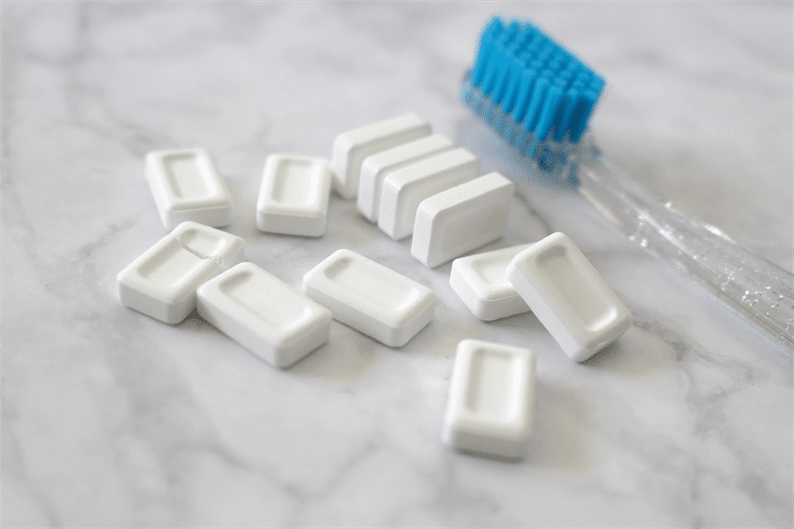
You can buy glycine, valerian, Afobazol, Tenoten over the counter.
Other ways to relieve stress
In order to calm down, on the eve of visiting the dentist, a number of rules should be followed. The following measures will allow you to relieve stress:
- avoidance of stressful situations;
- prolonged sleep;
- eating delicious food;
- listening to soothing music;
- taking a relaxing shower or bath;
- watching motivational videos;
- pleasant communication with loved ones.
Choosing a method of pain relief
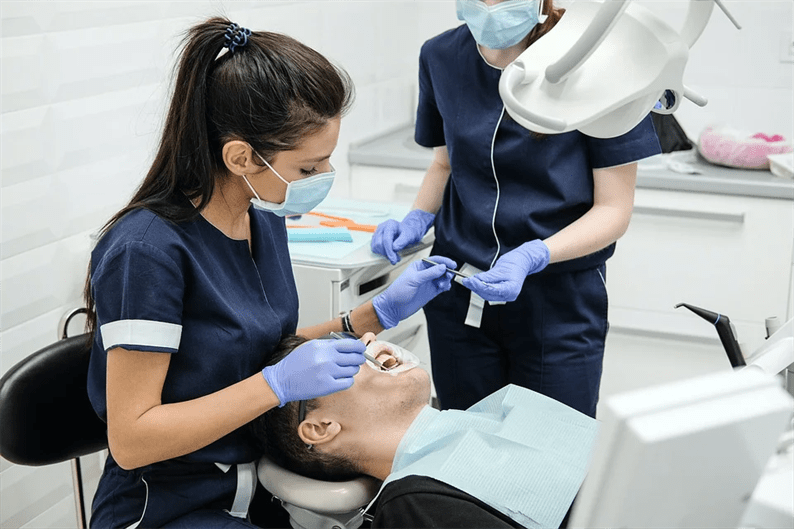
If local anesthesia is absolutely not suitable for you (allergy or fear that it will not be enough), you can consider the method of tooth extraction under sedation or general anesthesia. In the first case, sedatives are used that will put you into a drowsy and relaxed state (local anesthesia is also used to block nerve endings). General anesthesia is complete sleep. It is rarely used in dentistry, but its use is quite possible in really extreme cases of panic fear, as well as if you need to remove a large number of teeth.
But taking sedatives at home should not get too carried away – 1-2 tablets of valerian or motherwort are quite acceptable, but potent drugs are absolutely not, since their combination with anesthesia can give a completely opposite effect.
How dentophobia manifests itself: clinical symptoms
How to get rid of the fear of the dentist? Contemporaries need to know the difference between the natural level of fear and pathological phobic fear. With dentophobia, carriers of the disorder experience panic, all-consuming fear of the dentist, not only when they are in the dental clinic. They are seized with paralyzing horror in anticipation of a visit to the dentist, at the mention in conversations about manipulations in the oral cavity.
Fear of the dentist is an insidious phobia. A person suffering from this disorder understands the absurdity and absurdity of experiences, is critical of the prevailing anxiety ahead, but he loses control over thinking and does not control behavior.
Persons prone to dentophobia prefer to heroically endure debilitating toothache. They provide self-treatment for diseases of the oral cavity. Often, dentophobes uncontrollably take powerful painkillers, use harmful methods of therapy, use life-threatening substances from traditional medicine. However, they do not seek medical help even when there is a real threat to their health.
The difference between pathological fear and natural excitement is the inability to eliminate or reduce anxiety by efforts of will. With natural fear, a person experiences minor anxiety, but he is open to contact with the dentist. With the right approach of a specialist, a person is distracted from worries and calms down. He does not see the dire consequences of dental treatment. The drill is not perceived by them as an instrument of torture.
A dentophobe, once in a dental chair and seeing a dentist, does not relax, anticipating getting rid of a toothache. On the contrary, he strains, does not make contact with a specialist, does not give an opportunity to examine the oral cavity. Any attempts by the dentist to carry out the required manipulations are unsuccessful. A person suffering from dentophobia, finding himself in dentistry, experiences excruciating vegetative symptoms of panic attacks. Some clients faint with fear as soon as they cross the threshold of the clinic.
When the client sees the equipment and tools in the hands of the doctor, he begins to “defend” against the dentist. Dentophobe waving his arms and legs, trying to push the doctor away. He does not open his mouth or bites the employee. Unable to reduce the power of fear, he can get up and leave the office in the process of medical work.
A visually noticeable symptom of advanced dentophobia is a disgusting state of the oral cavity and complex destruction of the dentition. Untimely healed caries leads to tooth decay, inflammation of the gums and pathological processes in the bone tissue. A person who is in panic fear of dentists often suffers from inflammatory diseases of the ENT organs and respiratory tract.
The consequence of untreated dentophobia is often alcoholization of a person. The person, in order to dull a toothache and minimize fear, begins to abuse alcohol. Such self-help measures lead to the development of chronic alcoholism and associated metal alcohol psychosis.
Think about saving time and money
Diseases detected at an early stage are much easier and cheaper to cure than advanced caries or pulpitis, chronic periodontitis or other complex dental lesions. Preventive check-ups and regular professional cleanings will give you a healthy smile for years to come.
Positive psychological attitude
If you are afraid of dental treatment, then it is important to know how to tune in a positive mood before going to dentistry. It is recommended here to exclude as much as possible factors that can provoke additional stress. On the day of the proposed visit to the clinic, refuse important meetings, family issues, trips to different authorities. The day before, it is recommended to have a good night's sleep and relax, listen to your favorite music or read a book.
Psychologist's advice on how to stop being afraid of the dentist
Dentophobia is a completely natural and understandable fear, since dentistry is a rather unpleasant procedure in which a person feels completely helpless. That is why so many people are wondering how to stop being afraid of the dentist, how to overcome the panic caused by the need to visit the dentist.
There are three types of stomatophobia: imaginary, acquired and congenital. The first is more common in children who have not previously visited dental clinics, but have heard about this horror. Acquired – appears after a bad experience. This type is the most common. The rarest variation of a phobia is considered congenital, which consists in a negative attitude towards absolutely all procedures of a medical nature.
The symptomatology of those who are afraid of the dentist is similar for everyone. The person feels an irrational fear of unexplained origin. Such an individual is not able to cope with his emotional manifestations and begins to fear the dentist more strongly. The imagination draws scary plots, frightening content, pulling into their whirlpool more and more a person who cannot stop the flow of unpleasant thoughts.
Experienced dentists distinguish between the main signs of dentophobia, which are different from the usual anxiety. The following are the main signs of a phobia:
– strong muscle tension;
– refusal to interact with the doctor;
– panic anxiety;
– a sharp headache;
– pallor of the dermis;
– the patient is unable to control the actions performed, and also cannot perform elementary movements;
– vomiting;
– cardiac failure (pressure fluctuations, vascular spasms);
– increased breathing rate;
– frequent urination;
– hyperhidrosis;
– light-headedness.
Strong personalities are able to overcome dentophobia on their own, so they do not ask themselves what to do if they are afraid to go to the dentist, but there are few such people.
For all those who are unable to cope with stomatophobia on their own, two approaches have been developed: drug and psychotherapy.
The first is to take special antidepressants. Long-term antidepressant therapy is non-addictive and well tolerated. The patient begins to feel a weakening of the fear after three weeks of taking it. To fix the effect, a therapy lasting 3 months will be required.
Antidepressants are used when the phobia is severe. With a slight variation of fear, an explanatory conversation and an anesthetic injection before medical intervention will be sufficient.
With more resistant stomatophobia, premedication should be carried out, which consists in the appointment of sedatives a few hours before the planned procedure.
The psychotherapeutic approach is aimed at identifying the cause that gave rise to the phobia in order to successfully eliminate it. The main goal of psychotherapeutic sessions is to convey to the patient by the therapist information that fear is easily controllable, and the absence of dental intervention will certainly cause serious consequences.
Among psychotherapeutic methods, preference is given to rational therapy (explanatory conversations regarding the irrationality of fear), cognitive-behavioral direction (the client is taught to identify wrong thoughts and replace them with correct ones), psychoanalysis (consists in working out situations that gave rise to fear), course direction (situations that frighten the patient are revealed, then face him with his own fear), supportive therapy (the result is consolidated).
Psychologists also recommend using a method called “anchoring”. A person should remember situations from his own life, when he felt a sense of fearlessness, courage, endurance, deep calmness and fix it in consciousness. While in a chair at a dental appointment, the person should induce this anchored sensation.
Signs of pathology
Pathological fear of dental treatment is manifested in uncontrollable behavior before the appointment or right at the doctor's appointment. The patient can become hysterical, become aggressive, start waving his arms, he has tremors of the limbs, and sweating increases. There are also those who, on the contrary, fall into a stupor and numbness, their pupils dilate and there is a strong muscle tension, they cannot open their mouths directly at the time of examination and various manipulations.
When you realize that you need to go to the dentist, digestive upset and intestinal colic can occur, and a gag reflex appears. Some develop headaches and dizziness, others faint right in the clinic's office.
At the very thought of treatment in such people, the heart begins to beat faster. In patients with hypertension or cardiovascular diseases, the pressure rises strongly from fear, angina pectoris occurs, and a hypertensive crisis may occur.
On a note! Patients with dentophobia do not go to dentists to have their teeth treated, but more often come to remove them. The condition of the oral cavity in such people is often neglected, they have been trying to heal themselves for a long time, using various alternative methods and getting rid of toothache with only pain relievers.
Phobia manifests itself at the psychological and physiological levels. All of these signs occur against a background of severe stress. Some patients still manage to cope with this condition on their own, but most need the help of specialists.
Stages of the procedure
Extraction of a diseased tooth is considered a surgical operation that can only be performed by a dental surgeon. If it is necessary to carry out this procedure, you need to contact a technically equipped clinic, and an experienced specialist should be trusted to carry out the extraction.
In modern dentistry, the removal is completely painless. For this reason, the question of whether it hurts to pull out a tooth is currently completely irrelevant. Before tearing it, the patient is injected with a certain anesthetic, the type and dosage of which are prescribed individually in each case (we recommend that you read: which pain reliever is better to use when removing a tooth?). However, sometimes the procedure is performed without anesthesia.
With anesthesia
For special indications, the extraction is performed under general anesthesia. However, local anesthesia is most commonly used. At the preparatory stage, the patient fills out a questionnaire in which he indicates a number of information. These include:
![I'm afraid to treat my teeth. What to do? Dentophobia is a fear of dentists. How to overcome fear?]() blood group and Rh factor;
blood group and Rh factor;- the presence of a previously identified allergy to any medications and medical components;
- past illnesses;
- cases of blood transfusion;
- existing bad habits;
- the phone number of the next of kin, who can be contacted if necessary.
 blood group and Rh factor;
This information will allow the doctor to choose the optimal method of anesthesia and assess the likely risks. After collecting the information, local anesthesia is performed – an injection is made with an anesthetic into the gum area and, if necessary, the palate, located on the side in which the unit to be removed is located. Further, the working area is separated from the rest of the oral cavity using cotton swabs. In expensive clinics, a special device in the form of a latex film is used for this – a rubber dam.
To remove a tooth, the doctor usually uses anatomical forceps (see also: how can you remove a tooth yourself?). Carefully fixing the instrument on the tooth surface, the specialist extracts the tooth from the alveolus with swinging and rolling movements. In difficult cases, it is possible to separate the crown with a drill and pull out the tooth in parts.
After a certain time, the anesthesia stops its effect, after which the patient may feel pain of varying intensity. The doctor gives recommendations for its relief, as well as for the care of the wound formed at the site of the removed unit.
No anesthesia
In certain cases, the extraction is performed without prior anesthesia. This happens for a number of reasons. For example, when a patient is allergic to all types of anesthesia. This phenomenon is considered extremely rare. Also, a person may experience an inexplicable fear of various kinds of injections. Anesthesia during tooth extraction is not performed if the patient refuses this procedure for various reasons. However, at the same time, he must be aware that the operation is always accompanied by intense pain, and he must be ready for this.
Time to remove teeth
It would seem that there really is no need to choose – I gathered my thoughts, made an appointment and came to the appointed time. But there are also several nuances here.
Firstly, it is recommended to remove teeth in the morning – this way it will be easier for you to tune in to the operation, because after sleep there will be too little time for worries. Plus, there is a full day of recovery ahead. In summer, mornings are also preferable – less hot. However, if the panic fear does not overwhelm you, you can sign up for tooth extraction in the evening – after the operation, skip dinner and go to bed early, this will allow the body to recover.
Secondly, it is best to extract a tooth on weekends, since the condition after surgery is unlikely to allow you to spend a full working day, especially if your activity involves working with people.
Thirdly, there are a number of diseases and life periods in which it is also better to postpone tooth extraction (of course, if possible):
- decreased immunity (viral and infectious diseases),
- the first few months after a heart attack,
- the first and third trimesters of pregnancy,
- the menstrual period in women, as well as a few days before and after it.
Less frequent visits to the dentist
The less often you need to go to an appointment, the less you will have to rack your brains to get rid of your fear. Dental treatment does not need to be carried out if you take care of them properly. To do this, follow a few simple rules:
- They visit the dentist once every six months as a preventive measure.
- Brush your teeth twice a day: morning and evening.
- They use dental floss and mouthwash.
- Limit sweets in the diet.
- They study all the necessary questions about the clinic in which the treatment procedures are planned.
- Timely treatment of caries is not as painful as in its advanced stage.
Important! Maintaining good personal hygiene will help reduce the number of dental appointments.
Dentophobia is a common disease. It happens in children and adults, it can be overcome. To do this, it is enough to have a permanent proven dentist, find a good clinic. With a more advanced course of the disease, they resort to the use of sedation and anesthesia, treatment with a psychotherapist. Most often, this problem occurs from childhood, after an unsuccessful visit to the dentist.
Methods of dealing with the problem in dentistry
Innovative dentistry is equipped with modern equipment, and also uses techniques that allow treatment with a minimum level of stress for the patient:
- sedation and anesthesia: against pain and fear,
- video glasses: the patient during medical manipulations can be distracted and watch films, clips and programs. Also, many clinics are equipped with TVs and tablets that help to brighten up the time spent in the dentist's chair,
- classical music, sounds of nature: allow you to relax and unwind.
Find “your” dentist
It is possible that this will be a specialist who has been recommended to you by friends and acquaintances. You may need to visit different clinics first. But this is not a problem today, because most dentistry provides an opportunity to undergo an initial consultation free of charge. On it, you can assess the level of your psychological comfort and understand how this doctor is suitable for you, as well as clarify the situation regarding how your problem can be solved. Also, when choosing a doctor, you can use the information that patients leave on the Internet, especially with “difficult” cases and complex clinical situations. Remember, positive reviews fly off as quickly as negative ones.
Features of childhood phobia
Children are very often afraid of dentists. Some researchers believe that the development of phobia is facilitated by the parents themselves, who scare the kids by going to the dentist if they are capricious or disobedient.
Fear can form in children and on a subconscious level. For example, if the parents themselves are dentophobes. If the mother takes the baby to the doctor, and she herself is nervous, then the child literally reads this fear at an intuitive level and begins to panic.
Choose clinics with transparent pricing policy
If you do not trust state dentistry, and you are afraid to apply to private dentists because the final amount of treatment will go off scale and there is simply not enough money, then find out in advance what payment system operates in this clinic. It is better to choose dentistry, where all services are provided on a turnkey basis. For example, dental implantation includes not only the installation of the implant itself, but also the cost includes the required number of studies using computed tomography, as well as the installation and manufacture of a crown or prosthesis on the implant.
It will also be good if the center has the opportunity to get a loan or an installment plan – this will help you be more confident. And remember that the longer you run the problem and do not go to the doctor, the more you will have to pay later.
Dentist Fear Facts
Are you afraid to have your teeth treated? If yes, then especially for you, we have collected the most common fears associated with dentistry, as well as facts to overcome them.
- I am afraid to treat teeth during pregnancy – it can harm the baby. This is one of the most dangerous fears, since any rotten tooth, even if it does not hurt, is a source of chronic infection that can easily penetrate the child and cause serious congenital health problems. Ideally, teeth should be treated at the stage of pregravid preparation, but if a woman is already pregnant and needs dental treatment, then it is absolutely impossible to refuse it. Modern dentistry has tools and materials that are absolutely safe for both the health of the mother and the baby.
- I'm afraid of pain at the dentist, but I'm even more afraid to treat my teeth with an injection – suddenly it will be painful or will not work. This fear dates back to a time when anesthetics were extremely inadequate. Previously, for the purpose of anesthesia, ordinary Novocaine or Lidocaine were used, which required a fairly large dosage, did not act immediately, and the duration of their effect was very short. Modern drugs such as Articaine (in the composition of Ultracaine, Ubestezin, Septanest) and Mepivacaine (included in the Scandonest drug) require minimal dosages for treatment, have a high efficiency and long-lasting effect. In addition, they are safe and can be used in people with various pathologies of the cardiovascular system and even in children or pregnant women.
- I'm afraid to remove the nerve from the tooth, but it hurts. Ignoring the symptoms of pulpitis can lead to serious consequences, including tooth loss. Depulpation or removal of a dental nerve is one of the stages in the treatment of such a pathology. Until recently, such a procedure took several days and was extremely painful: the doctor opened the canals and the cavity of the tooth root, put arsenic in them, put a temporary filling and released the patient until the next visit. In 2-3 days, the dental nerve should have died, and this process was often accompanied by excruciating pains that could not be relieved even by strong painkillers. Today, there is no need for such a procedure. Modern local anesthetics can remove the nerve within 30 minutes and without the slightest discomfort.
- I want to whiten my teeth, but I'm afraid that the whitening procedure is unsafe for the enamel. The fear of treating darkening of teeth with Air flow, Opalescence, White Light or Zoom methods appeared among the population not very long ago. Many people want to give their teeth a white tint, but they are afraid that chemically active substances will affect their teeth. Modern whitening technologies are safe when performed correctly. In order to get a guaranteed positive result, you should choose a clinic with extensive experience, which have modern equipment, certified consumables and only positive reviews from real customers.
- It is necessary to treat caries, but I am afraid to drill my teeth. Dissecting or drilling teeth with a noisy drill is one of the horrors of Soviet dentistry that many remember. And it is because of this sound that many postpone the visit to the dentist. But modern clinics can offer alternative options: chemical and ultrasound tooth preparation. Such techniques are absolutely silent, do not cause unpleasant or painful sensations. They are also effective and allow the doctor to fully clean carious cavities and fill dental tissue defects.
- The doctor insists on prosthetics of the front tooth with a dental implant, and I am afraid of such a procedure. Dental implantation or implantation of an artificial tooth root into the bone tissue is one of the most modern procedures to restore lost teeth. Implants have high aesthetics, they are durable (they do not have to be changed every 5-10 years) and fully replenish the dentition. The implantation technologies are designed very precisely and the operations are always carried out after computer simulation – i.e. the approach to each patient is always individual. In addition, the implantation of the implant is carried out only under anesthesia and after the engraftment process, it is not felt at all.
The main thing is not to let everything take its course and do not forget that keeping your teeth healthy is much easier if you regularly visit the dentist and follow all his recommendations.
What is really worth fearing?
Experts urge to be afraid not of the treatment itself, but of possible complications that often arise when dental diseases are ignored. The neglected pathologies of the teeth and gums can lead to the loss of the entire dentition, and in more severe situations, to the death of the patient. To prevent this from happening, you need to visit the dental office in a timely manner. Defeating the fear of dental treatment is not as difficult as it might seem. To do this, you need to identify the source of fear, accept it and try to eliminate it in all possible ways.
What to do before going to the doctor
In any case, you cannot leave your teeth sick. This entails many consequences and complications. How to calm yourself down before going to the dentist? Before an appointment with a doctor, you can carry out several manipulations that will smooth out the fear:
- Sedatives, sedatives. They will cheer you up, relieve anxiety and fear. They are produced on the basis of herbs, as well as with a chemical composition. They can be prescribed by a psychologist at the reception or purchased without a prescription.
- Conclude a post-sedation treatment agreement.
- Make an appointment with the dentist 14-20 days in advance, so that during this period you can set yourself up for a visit to the doctor.
- Study in advance the process of the procedure, reviews about the clinic and the doctor.
- Agree with your doctor about listening to music during treatment or watching TV programs.
- Talk to friends who liked the specialist's reception, while they were completely satisfied with the work.
- See a psychologist or complete dentophobia treatment.
Important! The most effective option is to find a way to overcome your phobia. This will help to safely visit the clinic in the future.
Sources used and useful links on the topic: https://srazu.pro/pomosh/ne-boyatsya-stomatologa-vzroslomu.html https://AzbukaZubov.com/hirurg/udalenie/bolno-li-vyryvat-zub.html https: //psihomed.com/kak-ne-boyatsya-stomatologa/ https://mnogozubov.ru/boyus-lechit-zuby-kak-byt/ https://ultrasmile.ru/poleznie-soveti-pered-udaleniem-zubov/ https://MikDent.ru/stomatolog/o-zubax/kak-ne-boyatsya-lechit-zuby.html https://vugistomat.com/info/dentofobiya/ https://ProPanika.ru/strahi/dentofobiya-kak -perestat-boyatsya-stomatologa / https://www.denta-sib.ru/o-klinike/blog/kak-preodolet-strah-pered-pohodom-k-stomatologu https://ultrasmile.ru/kak-perestat- bojatsja-stomatologov /
Post source: lastici.ru