
How many carrots do you need to eat to improve vision and what vitamins are in the composition. Are carrots good for vision?
Content
Is it really helpful?
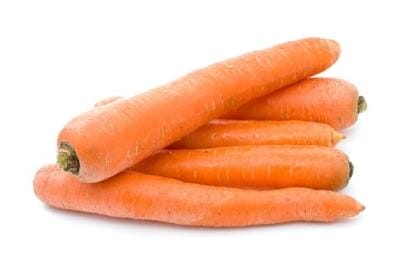
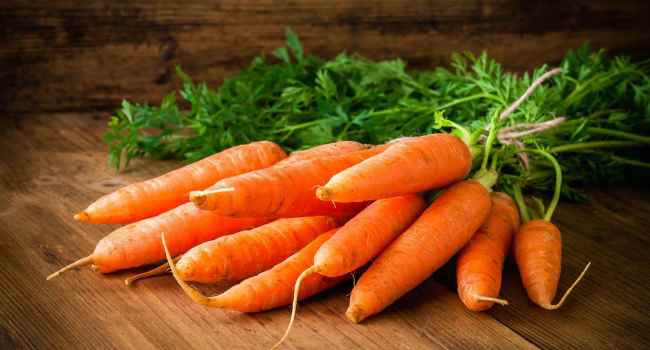
Carrots are rich in composition and are especially prized for their high carotene content. In the body, it is converted into vitamin A, which is important for almost all body systems and especially for vision. The root vegetable contains almost all the nutrients necessary for the health of the eyes and the whole body.
Vitamins
- A – 2000 mcg.
- C – 5 mg.
- E – 0.04 mg.
- Beta Carotene 12 mg
- B1 – 0.06 mg.
- B2 – 0.07 mg.
- B5 – 0.3 mg.
- B9 – 9 mcg.
- PP – 1 mg.
- K – 13.3 mcg.
- H (biotin) – 0.06 mcg.
Minerals
The product contains many minerals necessary for normal health.
Trace elements
- Iron – 0.7 mg
- Iodine – 5 mcg.
- Zinc – 0.4 mg.
- Manganese – 0.2 mg
- Copper – 80 mcg.
- Selenium – 0.1 mcg
- Fluoride – 55 mcg.
- Chromium – 3 mcg.
- Molybdenum – 20 mcg.
- Boron – 200 mcg.
- Cobalt – 2 mcg.
- Venadium – 99 mcg.
- Lithium – 6 mcg.
- Aluminum – 326 mcg.
- Nickel – 6 mcg.
Lutein and Zeaxanthin
Lutein and zeaxanthin are chemically similar substances that perform the same function in the body. These compounds accumulate in the retina, choroid, iris and lens of the eye. They improve accommodation by reducing the influence of chromatic aberration (deviation of the direction of transmitted light rays) when the light beam passes through the lens, thereby increasing visual acuity.
Another function of lutein and zeaxanthin is antioxidant. The greatest amount of these substances accumulates in the macula of the retina. They prevent cancerous degeneration of cells in this area of the visual apparatus and are effective for the prevention of eye cancers.
Lycopene
Lycopene is a powerful antioxidant. In old age, one of the causes of visual impairment is macular degeneration of the retina, caused by an excess of oxidizing radicals.
Due to its antioxidant and anti-inflammatory properties, lycopene is useful for preventing cataracts and preventing degenerative processes in the pigment epithelium that cause macular degeneration.

Macronutrients
- Calcium – 27 mg
- Sodium – 21 mg
- Magnesium – 38 mg
- Phosphorus – 55 mg
- Potassium – 200 mg
- Sulfur – 6 mg.
- Chlorine – 63 mg.
Amazing vegetable
The root vegetable of carrots contains a huge amount of nutrients and trace elements. First of all, these are carotene, thiamine, riboflavin, ascorbic acid, sugar, calcium, phosphorus, iron, cobalt, copper, boron, iodine, etc.
The seeds and leaves of the plant are equally rich in various elements. Even geraniol alcohol can be found in the essential oil. It has antibacterial properties and is especially effective against diphtheria bacillus and streptococci (parasitic bacteria that provoke diseases of the respiratory tract and digestive system).
Of greatest interest is carotene, a pigment that gives the vegetable its orange color. It is a vegetable vitamin A. In terms of vitamin content, carrots are second only to sweet peppers.
This substance is an antioxidant. In simple terms, carotene suppresses the production of oxygen free radicals in tissues. It is believed that reactive oxygen species generated by the oxidative process provoke cell death and natural aging of the body. Thus, by preventing the accumulation of free radicals, carotene (or vitamin A) slows down the aging process. At the cellular level, the vitamin contributes to normal metabolism.
In addition, carotene is a natural immune stimulant. In addition, it acts nonspecifically and increases the immune potential regardless of the type of antigens. Today, there are many assumptions about what is associated with such a high immunostimulating activity of carotene, but be that as it may, the substance makes it easier to transfer any infectious diseases.
Vitamin strengthens bones, repairs epithelial tissues, prevents diseases of the heart, arteries, etc.
Carrots and eyesight
It sounds absurd, but vitamin A really improves visual acuity and allows you to see better at night. It does this by stimulating the rhodopsin pigment with carotene, which is capable of trapping a minimal amount of light. Rhodopsin also helps to moisturize the eyes, preventing the organ from drying out and injuring the cornea.
Vitamin A reduces the risk of macular degeneration. This phenomenon is often the cause of blindness.
However, despite the amazing beneficial properties of vitamins in carrots, you should not give up everything and run to the store for a vegetable. Even if you eat several kilograms of root vegetables every day, your vision will not improve from this.
The fact is that it is practically impossible to influence the cellular processes of the body. The body will take the amount of nutrients it needs. The excess will be discarded and sent down the digestive system.
In pursuit of youth, strong teeth and vision, you can harm your health even more. Carotene tends to accumulate in the body. At first, this will manifest itself in a harmless yellowing of the skin. Then hypervitaminosis may occur. Symptoms include headache, drowsiness, loss of appetite, bone pain, bleeding disorders, peeling skin, etc.
Also, do not forget that vitamin A can also be found in other foods: fish oil, liver, butter, etc.
Of course, carrots will help maintain overall human health and become a valuable source of vitamins for the body. But there is no need to wait for miraculous healings and improvement of vision from a vegetable.
How to use?

Vegetable fat will help assimilate the valuable components of the root vegetable.
For the body, carotene is constantly needed. To see everything normally, it is recommended to eat 200 g of carrots three times a week with sour cream or vegetable oil. With high physical activity, stressful situations, regular long-term work at the PC, an increased rate of carotene consumption is required. To replenish it, you need to eat about 200 g of raw vegetables every day.
Most often, freshly grated carrots are used in salads, adding vegetable oil or sour cream. It is tasty and healthy to include chopped nuts in them. And sugar should not be added, because it makes vitamins worse absorbed. Boiled carrots improve vision. During heat treatment, vitamins are preserved and assimilation is better than if the root crop is raw. It is necessary to cook the product together with the skin in a closed saucepan for no longer than 20 minutes. over low heat or in a double boiler.
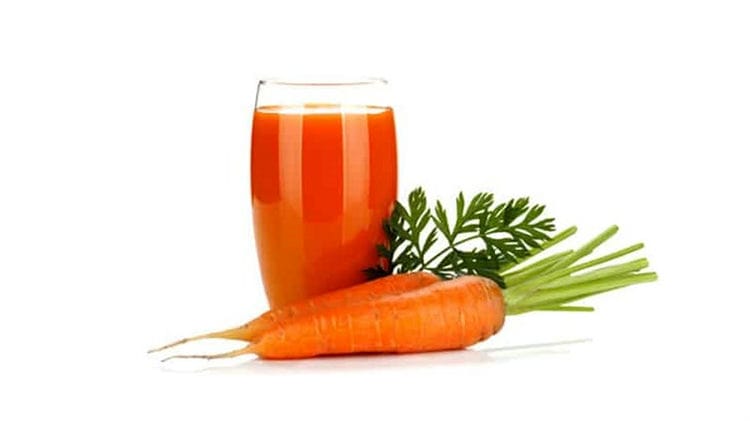
Freshly squeezed carrot juice nourishes the organs of vision. For ophthalmic problems, it is recommended to drink 1 glass on an empty stomach for 1 month. Improvement of the visual organs should be carried out 2 times a year. In order for carrot juice to be better absorbed, it is necessary to combine it in equal proportions with milk. Such a composition will further enrich the addition of beetroot juice with useful substances. It is useful for vision to drink fish oil with carrot juice.
Carrot Recipes to Maintain Eye Health and Improve Vision
To make the process of healing your eyes comfortable, use a few simple and healthy recipes.
Carrot breakfast
This recipe will not take much time and effort. This delicacy is familiar to many from childhood, they loved to cook it for children in preschool and school institutions of the Soviet Union. Carrot breakfast will help preserve not only eyesight, but also a figure, and is also suitable for lovers of vegetarian cuisine.
Ingredients for 4 servings :
- fresh carrots – 200 g;
- apples – 200 g;
- vegetable oil – 2 tbsp. l .;
- sugar or syrup to taste;
- cinnamon, nutmeg – to taste.
Peel the apples and carrots, remove the apple seeds, grate the food on a fine grater. Add butter, sugar and spices, stir.
Carrot and apple salad

It is recommended to consume the dish several times a week.
Ingredients:
- medium-sized carrots – 4 pcs.;
- apple – 4 pcs.;
- cottage cheese – 2 tbsp. spoons;
- vegetable oil – 1 tbsp. the spoon;
- milk;
- walnuts – 1 tbsp the spoon;
- greens;
- salad – 4 leaves;
- celery.
Cooking procedure:
- Finely chop greens, salad, nuts.
- Grate apples and carrots.
- Put the cottage cheese in a deep plate, add the butter and the rest of the ingredients, mix well.
Salad “Brush”
In addition to the visual apparatus, this dish improves the functioning of the cardiovascular and digestive systems.
 Ingredients for 3 servings :
- raw carrots – 100 g;
- raw beets – 100 g;
- fresh white cabbage – 100 g;
- vegetable oil or sour cream – 1 tbsp. l .;
- salt and spices to taste.
Carrots and beets are peeled. Vegetables are grated on a coarse grater, seasoned with butter or sour cream, salt and spices are added as desired and mixed.
Chicken and boiled carrot puree
This dish is used to prevent and treat night blindness. It is used for breakfast or dinner and is suitable for dieters. Chilled mashed potatoes can be used in place of sandwich pâté to indulge in delicious, healthy snacks throughout the day.
 Ingredients for 2 servings :
- carrots – 200 g;
- chicken fillet – 200 g;
- olive or sunflower oil – 2 tbsp l .;
- salt and spices to taste.
Boil chicken and carrots until tender. Peel carrots, cut into large pieces. The fillet is cooled and chopped. Oil, salt and spices are added, then the ingredients are mixed and ground with a blender until a homogeneous gruel is obtained.
Candied carrot
This recipe is suitable for lovers of sweets and will successfully replace sweets in the diet. Despite the long preparation, it is worth trying to make such a dessert – the result will please.
Candied fruits contain a large amount of carotenoids – they will help restore twilight vision. Candied fruits are a clever way to pamper children with a healthy vegetable instead of candy.
 Ingredients :
- fresh carrots – 500 g;
- water – 350 ml;
- sugar – 500 g;
- lemon juice from 1 lemon;
- powdered sugar or sprinkles – optional.
The carrots are peeled and cut into cubes, poured with water, brought to a boil and left to cook for 10 minutes under a closed lid. The finished carrots are removed with a slotted spoon and poured over with cold water. Sugar is added to the water and brought to a boil again with constant stirring. Carrots are dipped into boiling syrup and boiled for 15 minutes, after which the fire is turned off.
Leave the carrots to infuse in the syrup for 10 hours, then the boiling and infusion procedure is repeated 2 more times. Thus, it takes about 31 hours to sugar carrots.
After sugaring, the syrup is decanted (it can be stored in the refrigerator and used later for making sweet pastries), the carrot pieces are laid out on parchment paper for baking so that they do not come into contact with each other.
Candied fruits are sprinkled with lemon juice and dried in an oven at a minimum temperature and an open door or in an electric dryer. The finished product can be rolled in powdered sugar. Store the beneficial sweetness in a glass jar at room temperature.
The benefits and harms of carrots
Carrots are useful not only for the eyes, but also for the full functioning of other body systems.
Useful properties of carrots :
![How many carrots do you need to eat to improve vision and what vitamins are in the composition. Are carrots good for vision?]() The low carbohydrate content allows the orange root vegetable to be included in the diet of patients with diabetes.
The low carbohydrate content allows the orange root vegetable to be included in the diet of patients with diabetes.- Regular consumption of carrots reduces cholesterol levels and the risk of stroke and vascular pathologies.
- Root crops and carrot tops are recommended for use in hypertension.
- The high content of antioxidants reduces the risk of cancer.
- Carrot juice has a choleretic and weak diuretic effect, has a beneficial effect on the functions of the kidneys and liver.
- Vitamin A, formed in the body from carotene, stimulates tissue regeneration, has a wound healing and rejuvenating effect.
- The low calorie and fiber content helps with bowel cleansing and weight loss.
 The low carbohydrate content allows the orange root vegetable to be included in the diet of patients with diabetes.
Carrots can be harmful if consumed in excess of 300 g per day. If the consumption rate is exceeded, symptoms of vitamin A hypervitaminosis occur :
- persistent headache;
- aches in the joints of the limbs;
- dryness and flaking of the skin;
- brittle nails and hair, hair loss;
- increased body temperature;
- yellowness of the skin on the palms;
- the appearance of hematomas on the skin with minor injuries;
- dryness of the mucous eyes, pain in the eyes, burning sensation.
If a number of such symptoms appear, you should exclude dishes with carrots from the diet and seek medical help.
Contraindications and side effects
Eating carrots may not be beneficial in all cases. It is contraindicated in such situations:
- exacerbation of the duodenum and stomach ulcers;
- inflammation of the small intestine;
- intolerance to the components of the product.
Excessive consumption of carrots can cause drowsiness, lethargy, headache, and even vomiting. After eating root vegetables, a slight yellow-orange coloration of the palms, ears or soles is sometimes observed. This condition is harmless, but you need to eat carrots in reduced quantities. The vegetable contains fiber, so excessive consumption of the product contributes to the appearance of constipation.
How many carrots should you eat to improve your eyesight
Unfortunately, carrots will not relieve myopia, hyperopia, and existing diseases. In fact, its regular use can reduce eye fatigue, increase visual acuity (especially in low light), reduce age-related deterioration, and the risk of cataract formation.
How many carrots should you eat to maintain eye health? The body needs carotene every day. To see normally, it is recommended to consume 200 g of carrots 3 times a week with sour cream or any vegetable oil. With increased physical activity, stress, prolonged work at the computer, the rate of carotene consumption increases. To replenish it, you need to eat about 200 g of fresh carrots daily with any fat.
The norms are very approximate, because all people are different. Everyone has to choose a middle ground, there is a lot, but not overuse. Excessive consumption will not improve eye health, but may worsen the general condition of the body (cause rashes in children, yellowing of the skin, nausea, vomiting, headache).
Most often, carrots (fresh) are used in the form of a grated vegetable salad with sour cream or vegetable oil, the addition of chopped nuts will be useful. But sugar cannot be added, it blocks the absorption of vitamins.
Boiled carrots also help to improve vision. When cooked properly, it retains all vitamins and is easier to digest than raw vegetables. How and how much to cook it in order to preserve the nutrients? You need to cook carrots under the lid along with the skin for no more than 20 minutes over low heat. Better yet, in a double boiler.
Carrot juice perfectly nourishes the visual organs. For eye problems, carrot juice is recommended to be taken daily on an empty stomach, 1 glass for 1 month (2 times a year).
Carrots are a very necessary product for vision. It should appear regularly on your desk. And in what form – choose for yourself!
Dose of carrots to improve vision
Carotene, as a component of carrots, doctors recommend to use regularly. For eye health, the recommended dose is 750 g for 7 days. The raw vegetable is mixed with cream, honey or vegetable oil.
If a person goes in for sports, often sits at a computer or is stressed, the dose is increased to 150 g per day. The amount of the fetus is adjusted individually for your body.
To improve the condition of the eyeball, it is also permissible to boil the root crop for 20 minutes. together with the peel so that it does not lose its beneficial properties. After – use together with nuts, it improves the general condition of the visual apparatus and brain activity.
The most common way to consume carrots is through juice. Nutritionists advise to carry out carrot juice therapy once a year, which lasts 30 days. To do this, drink 500-750 ml of fresh juice every day on an empty stomach. Sweets, bread, pasta are removed from the diet.
Carrot tops for vision
Carrot tops consist of useful acids, vitamins and minerals: vitamins B1, B2, B3, B4, B5, D, E, iodine, iron, magnesium and sodium.
The foliage is also used during diets. Greens are crushed and added to dishes as a seasoning. To rid the aerial part of the plant from the bitter aftertaste, 15 minutes. kept in boiling water. Carrot tops cure some diseases:
- allergies;
- avitaminosis;
- hypertension;
- urolithiasis;
- pathology of the digestive tract.
But it is important to choose the dose of your greens to avoid side effects. The aboveground part of the culture also copes well with visual impairment. If the fruit of the carrot only supports the health of the eyes or protects, then the foliage restores and maintains vision. Its addition to the diet helps to cope with myopia and hyperopia.
Daily addition of chopped tops to food helps to improve the condition of the visual apparatus. The greens of the crop contain 6 times more vitamin C than the fruit. If you eat the dish along with the tops, it will speed up digestion.
Other foods that are good for the eyes
Antioxidants and vitamins can help protect the eyes and prevent many eye conditions, including cataracts and macular degeneration. But eating foods rich in eye nutrients will not protect your eyes from problems such as myopia or hyperopia.
In addition to carrots, there are other foods that can help improve eye health. Here is a small list of such products.
A fish
Fish species such as salmon, tuna, sardines, and mackerel are excellent sources of omega-3 fatty acids, which can prevent conditions like dry eyes, macular degeneration, and cataracts. They promote eye health and function.
 Green leafy vegetables
Plant pigments such as lutein and zeaxanthin are found in high amounts in green leafy vegetables such as spinach, kale, and greens. These plant pigments are also found in our macular pigment and serve as retinal protection. Therefore, a diet rich in these types of vegetables will promote good eye health.
Eggs
Some of the nutrients in eggs are vitamin A and lutein. Both of these substances are known to protect the eyes from dry eyes and blindness.
Whole grains
Replace refined carbs with healthy whole grains such as buckwheat, amaranth, brown rice, whole oats, and whole wheat. They are rich in vitamin E, zinc and niacin, which can improve overall eye health.
Nuts
Nuts such as pistachios, walnuts, almonds and others are significantly enriched in omega-3 fatty acids and vitamin E, which help preserve vision.
Legumes
Bioflavonoids and zinc are found in good amounts in legumes such as beans, black beans, and lentils. Both of these nutrients can improve eye health by protecting the retina and reducing the risk of cataracts and macular degeneration.
Citrus fruits and berries
Citrus fruits such as oranges, grapefruits and lemons, as well as berries such as black currants and strawberries, are rich sources of vitamin C and anthocyanins. They are beneficial for eye health as they reduce the risk of macular degeneration, retinal inflammation, and cataract development.
Fish oil, flaxseed oil, and black currant oil
These supplements contain omega-3 fatty acids that provide complete eye care.
Sunflower seeds
Sunflower seeds are also good for the eyes as they are rich in zinc and vitamin E.
Red meat
Beef, lamb, and pork contain zinc, which helps the body absorb vitamin A better. Therefore, eating lean meat in moderation improves and protects eye health.
Blueberry
Blueberries have been proven to be the healthiest berry for vision. To reap the maximum benefits, consume at least ten glasses of berries per blueberry season. You can also make raw blueberry jam, which preserves the unique properties of the berry well. To do this, you need to take sugar and blueberries in proportions one to one.
Parsley
 Parsley is also very beneficial for the eyes. It is effective for:
- eye disease;
- ulceration of the cornea;
- diseases of the optic nerve;
- cataracts;
- conjunctivitis.
Parsley also helps improve vision and strengthen the blood vessels, capillaries, and arteries of the eyes. For treatment, parsley juice is used. It can be added to vegetable juices or drunk separately, diluted with water. One tablespoon is enough for one dose.
Beet
Beetroot is another effective remedy that is used to promote overall health, as well as improve vision and “refresh” the eyes.
Pumpkin
Pumpkin is beneficial for eye health as it contains a lot of beta-carotene. It can be added to salads, mashed potatoes, soups, and other dishes.
Apricots
Apricots have a positive effect on the vessels of the eyes. For the benefit of the eyes, they can be used in any form:
- Fresh fruits.
- Dried.
- The juice.
Carrots are considered a useful root vegetable with many beneficial properties. Its juice is used for treatment, and medicines are made from the seeds that help to dilate the coronary vessels. However, it is always worth remembering that all products have contraindications, as well as the daily intake. Otherwise, instead of benefit, you can harm the body.
Side effects of carrots
The beta-carotene content in carrots has been linked to many health benefits. However, if consumed in excess, it can have potential side effects. Excessive amounts of this substance in the body can cause hypercarotenemia, which leads to yellow pigmentation of the skin. Although this condition is generally harmless and only causes an unhealthy appearance of the skin. hypercarotenemia usually manifests itself on the palms, soles, and ears.
Dietary fiber is vital for proper bowel function. But consuming too much can have the opposite effect. Carrots are rich in fiber, especially insoluble fiber. According to research, it contains about 80 percent of insoluble fiber. Therefore, eating carrots in large quantities can lead to excess water binding in the intestinal tract, which in turn leads to constipation.
Now that we know all the health benefits and side effects of carrots, we can conclude that they are one of the most versatile and healthy root vegetables in the world. Carrots are a rich source of carotenoids, antioxidants and essential nutrients. It is a good healthy food choice and can promote weight loss. In addition, the nutrients in carrots are better absorbed by the body when consumed cooked. But it should be eaten in moderation to avoid potential side effects.
As for vision, it can also be concluded that it makes its own contribution to maintaining eye health. But improving vision is more of a myth, rooted in World War II, when British pilots said that eating carrots helped them see better at night.
However, as science shows, there is some truth in this statement, and therefore carrots should be present in your diet.
The opinion of the Living Healthy program on the benefits of carrots for vision
Conclusion
The benefits of carrots lie in their medicinal properties for the eyes and digestion. The fruit of carrots does not cure myopia and hyperopia, but the foliage helps to prevent eye diseases. To improve vision, it is recommended to eat 200 g of the fruit 3 times a week and add its aerial part to cooked food.
Sources used and useful links on the topic: https://rusfermer.net/ogorod/korneplody/morkov-korneplody/lechebnye-svojstva-m/dlya-zreniya.html https://agronom.expert/posadka/ogorod/zontichnye/morkov /dlya-uluchsheniya-zreniya.html https://zen.yandex.ru/media/different_angle/pravda-li-chto-morkov-uluchshaet-zrenie-5ea420a2092bfa16a46e376d https://EtoGlaza.ru/izlechenie/nar-sposo -dlya-zreniya.html https://narodnaterapiya.ru/tselebnye-svojstva-rastenij/morkov-dlya-zreniya.html https://FermoVed.ru/morkov/polza-dlya-glaz.html https: // edalekar. ru / morkov-dlya-zreniya.html
Post source: lastici.ru