
Heart rate monitors: features, benefits and benefits + how to choose a heart rate monitor and prices. How to choose a heart rate monitor
What does the use of a heart rate monitor give, and what indicators you need to pay attention to
The heart rate monitor is useful for those who are actively involved in sports and monitor the state of their heart due to malaise. “Advanced” models are able not only to capture the heart rate, but also to count the number of steps, calories burned, and the level of oxygen in the blood. Modern gadgets can even act as a means of communication – here's a clock for you. Who needs such a device? As already mentioned, these are people who, for health reasons, need to control their pulse.
If you suffer from tachycardia and need to take medications, the heart rate monitor will help you detect the problem in a timely manner and take a pill.
Who else is a potential buyer of such a device? This is everyone who goes in for sports for the sake of a good figure. Calorie counting and physical activity will help you create a workout plan wisely. This tool is also needed for those who attend cardio training and are professionally engaged in strength training.
What does the definition of the intensity of the load give and how to calculate it? The formula is very simple: 220 – your years = maximum permissible heart rate (HR). For a simple warm-up and recovery of the body after illness or injury, 50-60% of the heart rate is enough. To lose weight, you need to load the heart muscle by 60-70%. To maintain the body in a constant tone and increase physical endurance, 70-80% of the heart rate is enough, and for the muscles to increase in volume – 80-90%. And the last level of full performance with a bias in professional sports activities – 90-100%.
If you are not a professional athlete, it is recommended to stop at a load of 60-70%, sufficient to burn fat and maintain muscle tone.
Keeping in the right rhythm of physical activity will just help the smart measuring device, which we are talking about.
Why monitor your pulse
You can choose the optimal load mode during training only if the athlete knows his heart rate. Every person's heart beats at a different rate. The norm is considered to be 70 beats in 60 seconds. However, with excessive physical exertion, this figure can increase to 220 beats in 60 seconds, which can be dangerous for the heart and the whole body. At the same time, low heart rate indicators indicate that training will not bring any results.
The heart rate monitor can not only measure the heart rate, but also teach you how to properly dose physical activity.
Heart rate levels in training
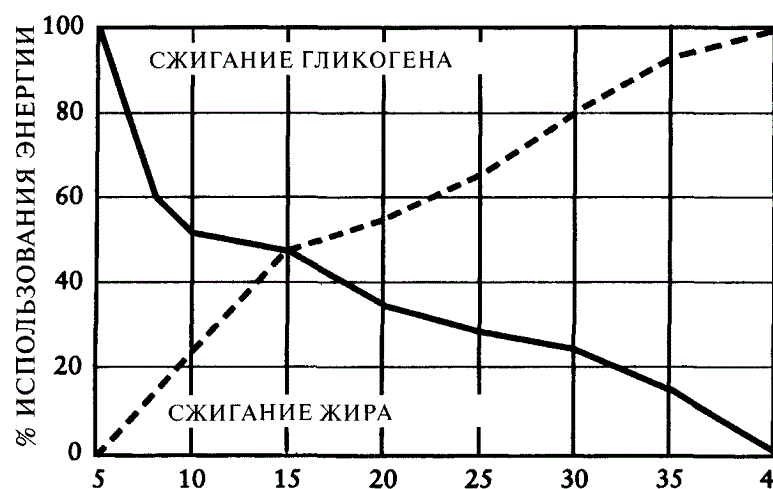
Pulse is the heart rate (heart rate), depending on which the body will use different sources of energy during training. There are several levels of load on the body, as a result of which the pulse increases, and, consequently, the effectiveness of sports activities changes.
Each age has its own maximum heart rate. Calculated by the formula: 220 (maximum possible heart rate) minus the age of the athlete
Thus, you can calculate the maximum heart rate for a person of any age.
At a certain level of heart rate, you can get different effects:
- Very light exercise – 50-60% of the maximum heart rate according to age, typical for warm-up and charging
- Light load – already 60-70% of the maximum heart rate, at which we increase the body's endurance, and the process of burning fat starts
- Average load – 70-80% of the maximum heart rate. As a result of such training, the body's aerobic capacity develops.
- Heavy load – 80-90% of the heart rate, at which there is an increase in muscle mass, the development of explosive strength
- The maximum level of load – the pulse reaches 90-100%. There is an extreme development of strength and speed, which are characteristic of the competitive level.
Thus, a 27-year-old person who wants to burn excess fat should train in such a way that his heart rate is:
- (220-27) x 0.6 = 115 (lower bound)
- (220-27) x 0.7 = 135 (upper bound)
If the same athlete needs to build muscle and develop strength:
- (220-27) x 0.8 = 154 (min.)
- (220-27) x 0.9 = 173 (max.)
So it turns out that the heart rate monitor is not just a newfangled gadget, but an indispensable tool for an athlete or an amateur, because manual heart rate measurements during training are impossible. And keeping your heart rate under control is extremely important.
Do you use a simulator with a built-in heart rate sensor and think that the question of how to choose the right heart rate monitor does not concern you? And in vain, because the heart rate monitors, which the simulators are equipped with, do not display the most accurate information. Moreover, the sensors are built into the handles of the sports units, and in order to receive information about the heart rate, the user's hands must be constantly on the handles. In this case, the built-in sensor will begin to determine the heart rate not immediately, but after a few tens of seconds.
Only a specialized device can provide the most accurate information about the heart rate.
Heart rate sensor device
Heart rate chest devices work on the same principle as electrocardiogram devices. The device is based on a galvanometer invented by W. Einthoven at the beginning of the 20th century. By the way, this invention brought him world fame and the Nobel Prize.
An EKG uses electrodes on the chest, legs, and arms to capture the rhythm of the heart muscle. But, in principle, they can be installed only on the arm or chest. The whole design, thanks to technical improvements, has been reduced to two tiny electrodes and a processor that processes the signal and transmits it to the watch display or smartphone wirelessly. Another type of sensors used in smartwatches is optical. Microscopic photodetectors detect changes in blood vessels.
This technology is widely used today in medical equipment.
Its purpose is periodic heart rate research. The pioneer in this direction was the Philips company, it was she who developed a miniature sensor for use in compact household appliances. And it is this modern technology that is used today in fitness bracelets and smartwatches with a wrist-based heart rate monitor. The green eyes of the LEDs on the inside of the strap are the very same photoplethysmographic sensors.
How to choose a heart rate monitor
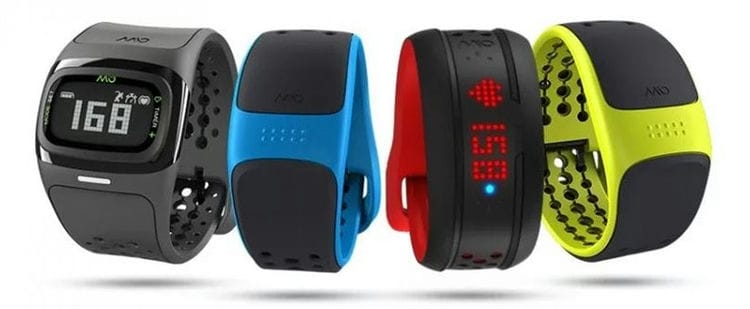
The heart rate monitor is a monitoring device for determining the heart rate. It also has a second name – a heart rate monitor. It is necessary to control the work of the heart, monitor the effectiveness of physical activities, and analyze loads. In the process of sports training, the device will help keep the heart rate within the necessary limits for an effective and at the same time safe for health level of exercise. It is also necessary for the most accurate calculation of the spent calories, since the rate of their burning depends on the heart rate. A heart rate monitor will be useful for both strength and cardio workouts.
The device performs several functions at once:
- Actually, heart rate control
- Sets the heart rate zone
- Informs about changing the heart rate zone with a special signal
- Calculates average and maximum heart rate
- Counts calories burned
- Equipped with timer and stopwatch
Particularly “advanced” models can also be equipped with a GPS sensor, an alarm clock and a pedometer, they can calculate the heart rate for each lap, automatically calculate training zones and even know how to synchronize with a smartphone and fitness applications.
Naturally, each additional function, or sensor, costs separate money. Therefore, when wondering which heart rate monitor is better to choose, think about whether it makes sense to overpay for a function that you personally only need “for show”. And what function will be useful to you more than once. It makes no sense to choose an expensive fancy model if you don't plan to use half of the functions.
How to choose a heart rate monitor: models with GPS and tracking function
Any heart rate monitor is a highly targeted device focused on heart rate control. It allows you to track the pace and adjust the loads used. Budget models are also equipped with a pedometer, clock and stopwatch.
More expensive devices have tracking and GPS functions. Such gadgets are needed by athletes who want to know the speed to which they accelerated during exercise, as well as adjust the workout based on the maps stored in the device's memory.
Types of heart rate monitors
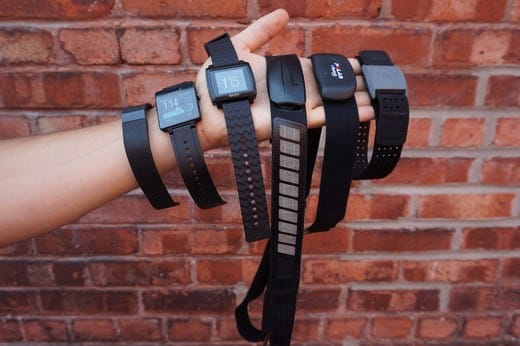
There are two large groups of heart rate monitors:
- Equipped with an external or external sensor – they receive heart rate data and send it to other devices for processing. These can be smartphones, computers, fitness bracelets.
- Having a built-in sensor
Each of these groups has several types. Remote / external heart rate monitors:
- Mounted on the earlobe, they are comfortable to use and do not interfere with your workout. But they can cause unpleasant sensations, squeezing the earlobe. And in subzero weather on the street, they can measure the pulse with a noticeable error
- On the finger – the device is attached to the middle and nail phalanx, and the heart rate is calculated by the strength of the blood pulsation in the finger. Miniature and comfortable, but in frosty weather it can also report inaccurate data
- Heart rate headphones – equipped with an in-ear heart rate sensor and are especially convenient for runners, since they not only monitor the heart rate, but also accompany the workout with music
- Chest – fastened under the bust with an elastic band. Equipped with multiple electrodes that record every heart beat. For accurate measurements, maximum contact of the electrodes with the skin is important. Modern models do not shift from the chest, even during active activities, since their straps are made of special materials, and their size is easily adjustable. Such devices securely hold even on the sweaty chest of the athlete. Chest heart rate monitor provides the most accurate data regardless of weather conditions
- For the forearm – can be worn on the forearm or shoulder, and in terms of data accuracy is an alternative to a chest heart rate monitor
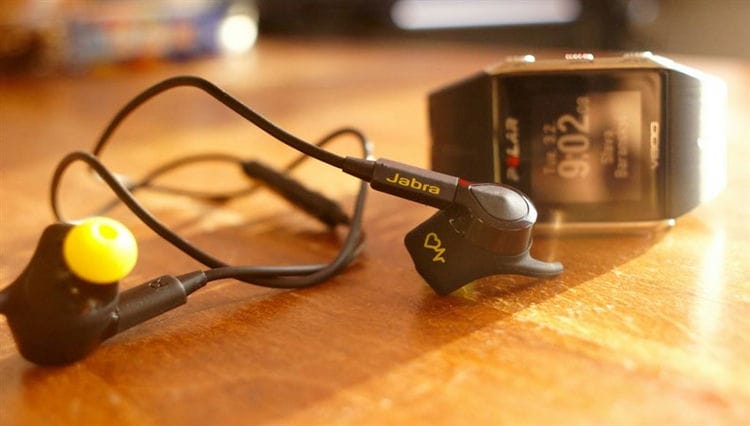
External heart rate monitors transmit information to gadgets using Bluetooth technology, where the data is automatically saved for further analysis. There are two types of data transfer:
- Analog – uncoded. Such heart rate monitors “know how” to transmit data to the simulators, but in group training they are inconvenient because they can accidentally transmit information to the wrong simulator. Also, your simulator can read “someone else's” information. This type is subject to interference, especially near power lines. Slightly less accurate digital, but in the area of insignificant error
- Digital – uncoded. It is more expensive, but the data is also more accurate. At the same time, it is not subject to interference, but does not know how to transfer information to simulators
Both options convey fairly truthful information, so it's better not to overpay for digital without the need. The type of data transfer does not generally affect the measurement accuracy.
The second group consists of devices with a built-in sensor that independently measure heart rate and process data. These are trendy fitness bracelets and a heart rate ring. Such options are more convenient for one-time measurements, but not for regular training.
Chest heart rate monitors (with chest strap)
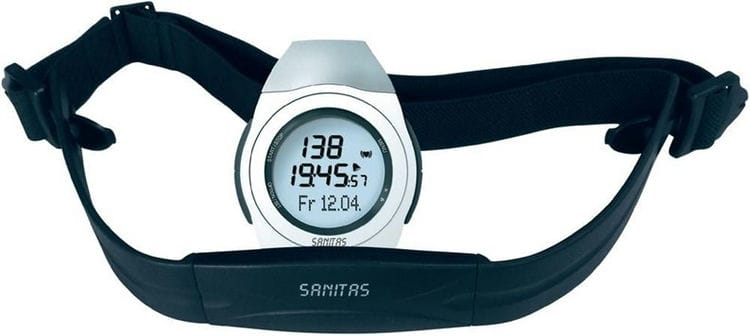
The chest heart rate monitor is a sensor with electrodes that is worn under the chest and transmits data to a watch receiver or mobile app. There are two types of chest heart rate monitor models, which differ in configuration:
- Heart rate monitor without watch receiver. In this case, the data is transferred to the smartphone via Bluetooth Smart technology. The sensors are synchronized with special applications in the smartphone, where all the necessary information about heart rate and burned calories is automatically saved. This is useful for analyzing your workouts as the app stores the entire data history. Most often, heart rate monitors are synchronized with applications on Android and iOs operating systems.
- Heart rate monitor with clock receiver. In this case, the sensor sends data to the receiver watch, where it is processed, and you can see it on the screen. These models are more expensive, but also more comfortable. You do not need to additionally use a smartphone, all information will be displayed on the watch. For example, it is more convenient to use such heart rate monitors outdoors.
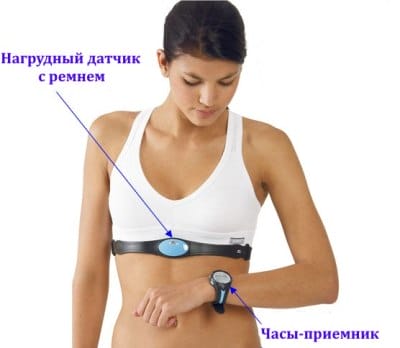
If you purchase a heart rate monitor with an applied watch, then pay attention to the type of data transmission. There are two types of data transmission from the chest strap to the watch:
- Analog (uncoded) type of data transfer. May be susceptible to radio interference. It is considered less accurate, but if there is an error, then it is very small. The analog heart rate monitor can sync with cardiovascular equipment, picking up heart rate data from your belt. However, if someone is using a heart rate monitor with the same type of data transmission in your immediate vicinity (within a meter), for example, in a group training session, interference may occur.
- Digital (coded) type of data transmission. More expensive and accurate type of data transmission, not subject to interference. However, a digital heart rate monitor cannot be synchronized with an exercise machine.
Both analog and digital heart rate monitors are accurate enough that the type of data transfer does not play a key role in choosing a heart rate monitor. It makes no sense to overpay additionally for a digital type of data transfer.
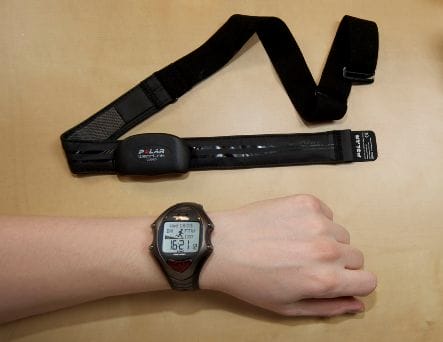
Wrist heart rate monitors
The convenience of wrist-based heart rate monitors is that you do not need to wear a chest strap with a sensor. To measure the data, you only need a watch that you wear on your wrist. However, this version of heart rate monitors also has a number of features and disadvantages, therefore, despite the seeming convenience, wrist heart rate monitors are still less popular.
There are two types of wrist heart rate monitors that differ in the principle of heart rate monitoring:
- The pulse is measured by contacting the fingers and the sensor on the front of the device. You simply put the heart rate monitor on your wrist, touch it, and the device gives you heart rate values. The disadvantage of such monitoring is that you will not measure your pulse for a certain period of time, but on demand, only after the contact of your fingers and electrodes on the body. Such a heart rate monitor is more suitable for tourism, mountaineering, or for those who, due to health restrictions, have to periodically monitor the heart rate zone.
- The pulse is measured by monitoring the blood vessels. The principle of operation of such heart rate monitors is as follows: you put the bracelet on your hand, the LEDs shine through the skin, the optical sensor measures the vasoconstriction and the sensor displays the obtained values on the watch screen. But the disadvantages of such devices are also obvious. For accurate data, the strap must be firmly tightened around the wrist, which is not always convenient during training. In addition, heavy sweating or rainy weather can interfere with the sensor's performance.
Of course, a watch is a more familiar piece of equipment than a chest strap. Therefore, if you are uncomfortable wearing the strap under your chest, we recommend purchasing a second version of the wrist heart rate monitor. But discomfort and inconvenience is almost the only argument in favor of a wrist heart rate monitor. Most exercisers opt for a chest strap heart rate monitor due to the convenience and accuracy of the data.
The prices for the heart rate monitor are determined by the following parameters:
- Manufacturing company
- Heart rate monitor type: chest or wrist
- What's in the box: is there a watch receiver, replacement straps, covers, etc.
- Data transfer type: analog or digital
- Moisture protection
- Belt, its width, quality, ease of fastening
- The quality of the receiver watch case
- Availability of additional functions
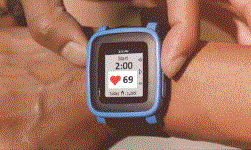
How to choose a heart rate monitor for training
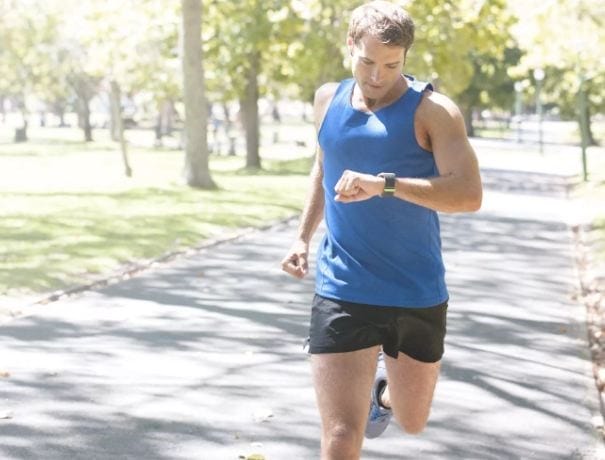
Please note that there are additional functions of the device:
- Calculating your speed and distance traveled is an important feature when choosing a heart rate monitor for running or skiing.
- Calories burned – it is based on heart rate data. The results are arbitrary, but still make it possible to at least approximately determine the effectiveness of training for weight loss
- Monitoring of the number of laps, the time spent on overcoming this lap and the average heart rate. This heart rate monitor is useful for skiers and runners.
- Fitness test – a device with this function will become your personal “virtual” trainer – it will help determine your physical fitness
- The Post-Workout Heart Rate Recovery Check option allows you to determine how quickly your heart rate will return to normal after exercise. This function is useful for those who are engaged in interval or sprint training.
- Almost all modern heart rate monitors have the ability to synchronize with tablets, smartphones and fitness bracelets.
- The GPS module will determine with maximum accuracy the distance traveled by the athlete, as well as the speed of movement. At the same time, he will take into account all slides, ascents and descents.
Studying the additional options that the device is equipped with will allow you to choose the right model for specific types of workouts.

Which heart rate monitor should you choose for running? A model that will display the total training time, will remember the lap time, determine the average and best result, calculate the running speed and record the distance covered. It is also desirable that the model “be able” to record the time of pulse recovery. A special plus will be the presence of a GPS sensor. It is better to choose such a heart rate monitor for skiing. At the same time, skiers are better off avoiding devices that are attached to the earlobe or finger, since they can provide inaccurate data in cold weather. Runners and skiers should choose a chest heart rate monitor or one that attaches to the wrist. When choosing such devices, evaluate the quality of the belts, pay attention to their width and ease of fastening. It is also worth giving preference to waterproof models.
How to choose a heart rate monitor for fitness
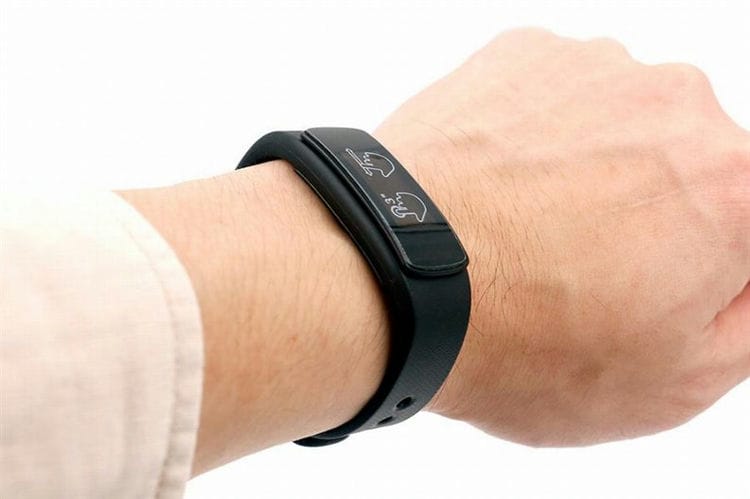
This is perhaps the most versatile device of its kind. They will allow you to find out the number of calories burned, the amount of fat burned, and determine your personal level of stress. Choose a device that can memorize measurements and training results – later this information will help analyze the effectiveness of training.
Physical activity affects the work of the heart, so it is better to give preference to models with instant measurement output. These are mainly fitness watches and fitness bracelets. But the watch is not always convenient to wear on the wrist during intense exercise, and smart bracelets fit well on the wrist and do not cause any inconvenience.
Fitness lovers who are accustomed to playing with music can appreciate the models made in the form of headphones.
But the chest version is not very convenient for fitness, since it will not be possible to see the measurements directly during training. In fitness training, the error in measuring the heart rate of heart rate monitors on the wrist, ear or finger does not play a big role. Therefore, it is optimal to take a closer look at such small and convenient models.
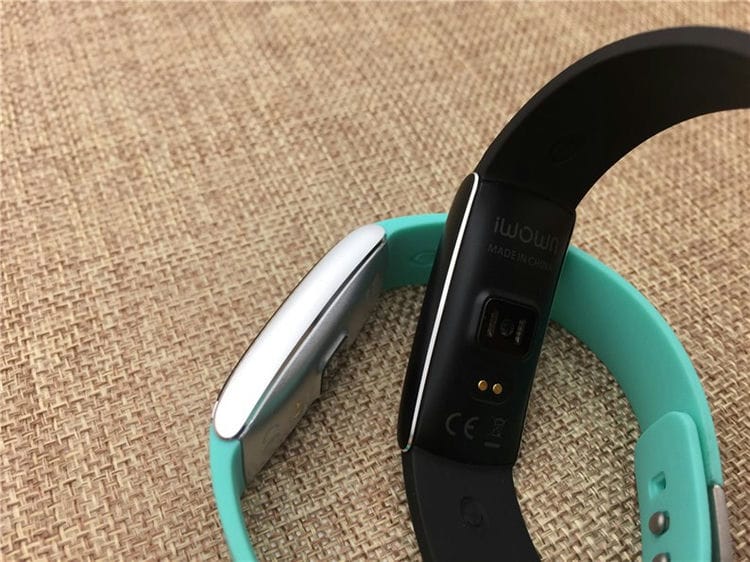
In favor of choosing a fitness bracelet, its functions speak:
- Monitors heart rate, thereby helping to determine the right level of exercise
- Some models take into account not only spent calories, but also replenished ones, which is important for people who monitor weight
- Measures pressure, temperature, sweating intensity, and displays the data in the form of graphs
- The smart alarm will track your sleep phases and wake you up without stress in a quick phase
- Built-in pedometer measures kilometers traveled per day
Best heart rate monitors for running
The easiest and most effective way to keep fit is by running. Someone sets goals and achieves them, for someone it is important to enjoy the process. Beginners definitely need a professional trainer who will monitor the technique and general condition. But if there is no time or opportunity to pay for a personal instructor, a special device comes to the rescue – a heart rate monitor for running. With its help, anyone will get pleasure, the desired result and safety during training.
The first heart rate monitors were invented back in the early 90s. Professional athletes actively used them to monitor their pulse. Today everyone knows how important it is to track the work of their heart during any physical activity. That is why such gadgets are rapidly gaining popularity in modern society.
Today you can choose a model from any manufacturer, with any design, size, cost and functionality. On the Internet and in stores, the choice is so great that it is almost impossible to make a choice immediately. Especially if you exercise for fun and don't know which is the best heart rate monitor for running.
Sigma
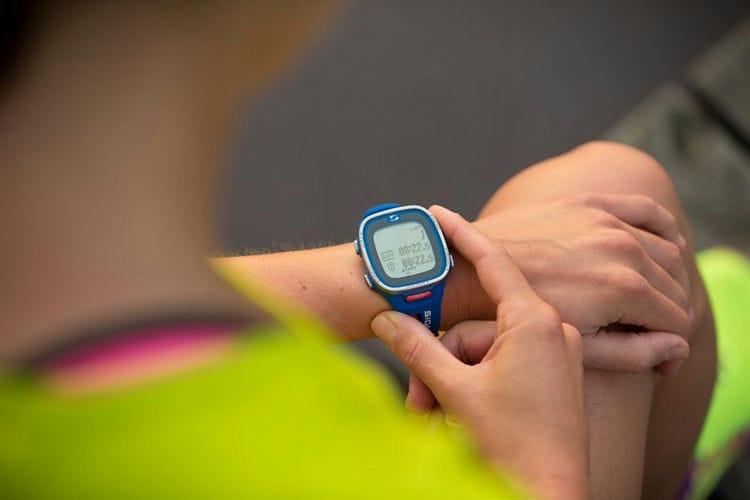
Ideal value for money. The gadget is mounted on the wrist, with prolonged use it is practically not felt on the hand. It has a nice modern design, so many people use it in a casual look.
In order to make it convenient to control the pulse, you are invited to set the maximum allowable values. Over time, the device adjusts to your rhythm and determines the optimal time and state for sports.
SigmaSport PC 26.14 is equipped with an alarm clock, calendar and stopwatch. With it, you can track the total time spent on a workout and even on each exercise. Also, you immediately see your result – the number of calories and laps burned. Running with a heart rate monitor makes it much easier to exercise and track progress. The cost of the gadget is 4000 rubles.
Pros:
- Accurate indicators;
- Multifunctionality;
- Value for money;
- Track every exercise.
Minuses:
- Hard strap;
- The display lights up for a short time.
Polar
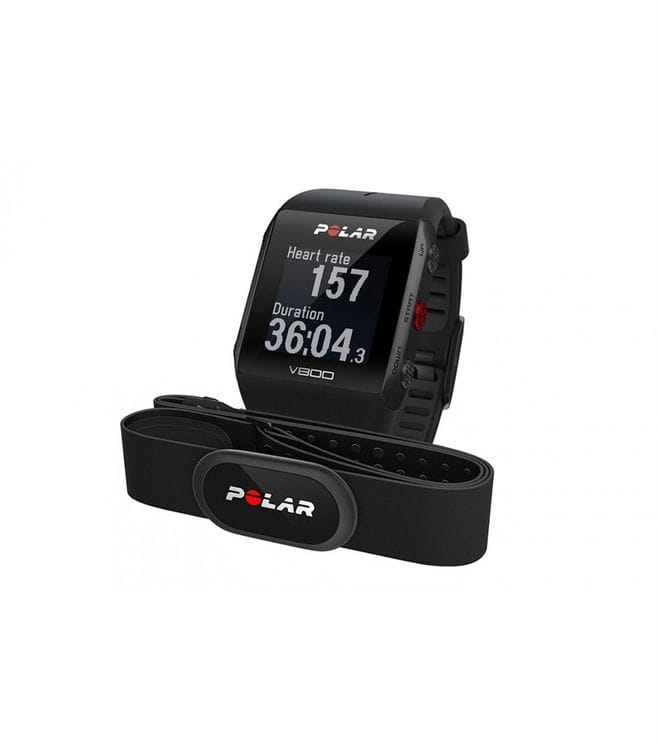
This company has been on the market quite recently. But she was already able to release several worthy models and fall in love with many professional athletes.
Polar H10 is a versatile running watch with gps and heart rate monitor. They are suitable not only for running, but for any other workout. The device is strapped to your chest, so it gives the most accurate readings of your heart rate. They need to be tracked using a smartphone to download a special application. All data is transferred to the screen via Bluetooth.
The model is equipped with all modern technologies. Its autonomous mode allows you to work for 400 hours, and due to the tightness of the structure, it can be lowered under water to a depth of 30 meters. The cost is 6500 rubles.
Pros:
- Availability of gps;
- Accuracy;
- Reliability.
Minuses:
- Price.
Beurer
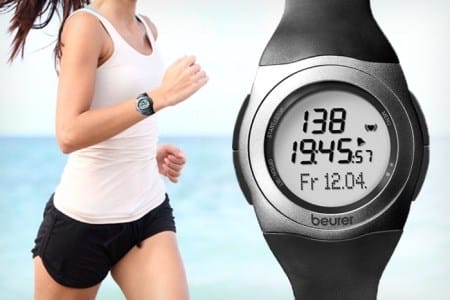
A famous company founded back in 1919. It is famous for its health products (blood pressure monitors, electric blankets, thermometer, etc.), but today we are interested in a heart rate monitor for running on the arm. The German company has deservedly received love and trust from users around the world. Manufacturers produce exceptionally high quality and reliable products at affordable prices.
Speaking of the Beurer heart rate monitor, it can be noted that you can find out your indicators by touching the touch screen of the gadget. It is designed for jogging or walking. Also, with it, you will know at any time the number of steps taken, burned fats and lost calories. In addition, the device is equipped with an alarm clock, stopwatch and calendar. And its water resistance allows you to exercise in the rain or in the water. Price – 4000 r.
Pros:
- Waterproof;
- Multifunctionality;
- Accuracy of indicators.
Minuses:
- You can only check your heart rate by interrupting your workout.
Nike
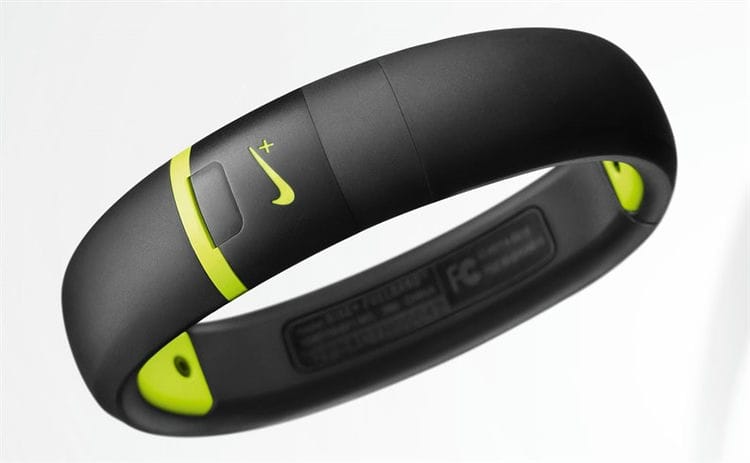
The company is so famous for its sporting goods that it needs no introduction. Not surprisingly, the NikeFuelBand is ranked among the running heart rate monitors. Stylish flexible bracelet is made in four shades (black, pink, red, green). Fits tightly on the hand, convenient to use even in everyday life.
With a dedicated smartphone app, you can track your progress and heart rate as you exercise. You can also display the number of steps taken, jumps, arm swings, calories, etc. on the screen. The battery works continuously for a little more than a week. Unfortunately, not many will be able to afford such a luxury, since its price is about 13,000 rubles.
Pros:
- Light weight;
- Convenience;
- High functionality;
- Quality;
- Possibility to choose a color.
Minuses:
- Cost;
- Cannot be used in the pool.
SUUNTO M2 Men
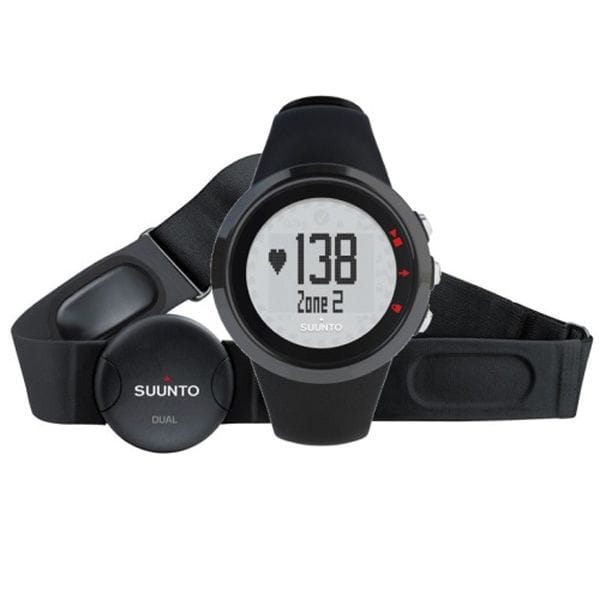
This model is not only a running watch with a heart rate monitor. Their functionality is so diverse that they can easily replace a personal trainer. When you keep all your data about your current fitness and desired results, the heart rate monitor will prepare an individual schedule and training program for you.
If you wish, register on the MovesCount social network and stay tuned for statistical updates. The watch has a mandatory set in the form of an alarm clock, calendar, stopwatch. It also calculates calories, gives information about the heart rate, etc. In this device you will find a training diary. Plus, you can practice with it in the pool. The unit price is 7,000 rubles.
Pros:
- Individual training program;
- Waterproof;
- Autonomous battery designed for 1 year of operation.
Minuses:
- Lack of backlighting.
Running heart rate monitor with chest strap
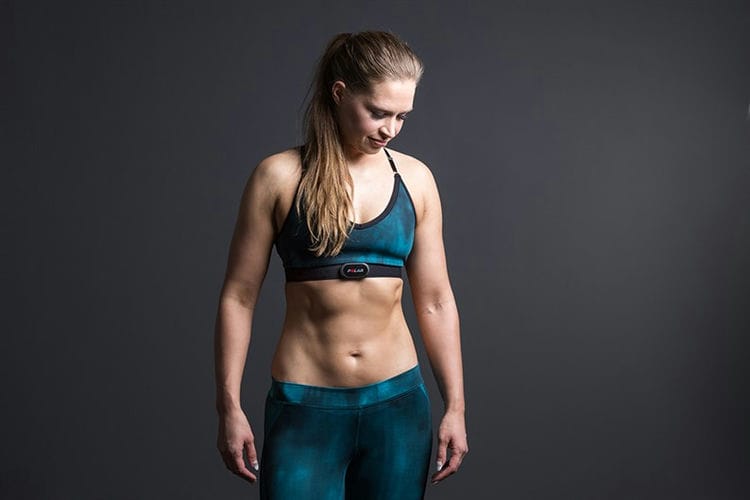
Running heart rate monitor with chest strap is used to get the most accurate results about your body condition during exercise. Usually not used in a fitness room, as it is not necessary. In addition, not everyone considers this type of gadget convenient, so they prefer to take wrist models.
All chest strap heart rate monitors can be divided into three groups:
- The gadget connects to a smartphone or pc. The results can be viewed only on a computer monitor or, for convenience, take a phone for a run.
- Two sensors (chest strap and fitness bracelet) are connected to each other. Your progress and heart rate are shown on your watch.
- Universal heart rate monitor (has both modes). It's up to you to decide which option is preferable.
It is better to look for waterproof models to waste your time in the pool. It is very easy to maintain the sensor screens. Use a soft cloth that can be slightly dampened if necessary. You need warm, soapy water to clean the heart rate monitor. Be sure to dry the machine.
The three most popular chest heart rate monitors are:
- Wahoo Fitness Tickr X.
- Garmin Hrm Tri.
- Suunto Smart Belt.
For everyday activities – Fitbit Charge 2
Rich functionality and reasonable cost became the main criteria, thanks to which the model entered the rating of the best heart rate monitors. The device is presented on the market with different bracelets, and they differ not only in size, but also in color. When you buy a heart rate monitor, you can choose the length of the strap from S to XL. However, the largest bracelet can be purchased only in the manufacturer's online store, but such items are not in great demand. The straps are very easy to change, and the quality of fastening does not suffer from this – the clamps are fixed very reliably.
On a note! Even before the release of this model, users often mentioned in reviews about the appearance of irritation from the bracelet. For this device, this problem is also possible. However, it can be solved. You just need to wash the belt in warm water and soap after purchase.
This model also has a drawback – the Fitbit Charge 2 heart rate monitor is not protected from water. Of course, nothing will happen to him from droplets of water and sweat, but you cannot swim in them. No more shortcomings were recorded.
The bracelet can be worn for a whole week without worrying about charging it – its autonomy is excellent. It is recommended to charge the heart rate monitor during the day, as this model has a sleep monitoring function. You can count the number of steps even if you put the bracelet in your pocket, but keep in mind that your heart rate will not be detected.
The heart rate monitor works perfectly with any OS. To start working in a special application, you need to fill in the necessary data – age, gender and weight. Only then will the program work correctly. The heart rate monitor is equipped with various modes (running, cycling, walking).
The main advantage of this model is high-quality sleep monitoring, as well as automatic switching to this mode. Many competitors cannot boast of this. Also, the advantages can be attributed to the fact that the bracelet understands on a flat surface a person walked or climbed a mountain (stairs), as a result of which the accessory makes adjustments on its own.
Important! The new heart rate monitor is equipped with an exciting function – relaxation. It is intended rather for hot-tempered people who want to learn how to calm down in a short period of time. To do this, you must enter the time of calm breathing, during which the bracelet will analyze how much the pulse has dropped.
The model is lightweight and comfortable, so that the heart rate monitor does not interfere even during sleep. The bright OLED display has a pleasant night illumination. The device works only when activated by the user, so it can be charged for a long time. Today, the device is one of the best and most inexpensive heart rate monitors for everyday use, as well as for beginner athletes. The average cost of the device is 6,990 rubles.
Fitbit Charge 2
Advantages:
- rich selection of straps;
- long autonomy;
- high quality sleep monitoring;
- rich functionality;
- bright display;
- acceptable cost.
Disadvantages:
- not detected.
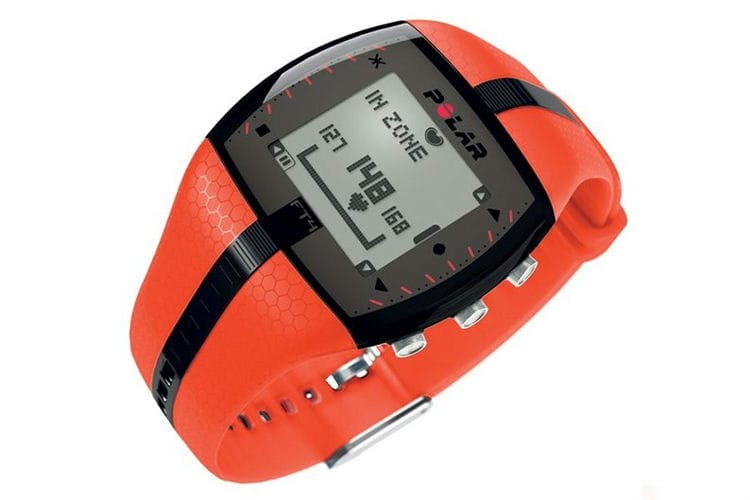
For swimmers and fitness enthusiasts – Polar FT
The device has a chest strap and is waterproof. Consumers note that mounting the heart rate monitor both on the chest and on the wrist is very comfortable. The program includes the calculation of heart rate zones, due to which, during a workout, the bracelet informs the user that his heart rate has gone beyond the permissible norms. The accessory also calculates the calories burned and the workout time: all information is displayed on a black and white display. But you won't be able to find out the number of steps with the help of this device. However, this information is not important for all workouts.
On a note! Among the rich arsenal of functions is the ability to synchronize the heart rate monitor with the GymLink trainers.
Heart rate information is stored in the bracelet for the last 10 workouts, which allows you to compare the results and draw appropriate conclusions. The batteries last for almost two years. Among the shortcomings, one can single out the lack of synchronization with a computer or smartphone – all data is entered and received directly on the device itself.
Most of all, this device is suitable for users who are engaged in swimming or jogging on the simulator. There are not as many functions in the watch as we would like, but this is enough for monitoring sports activity. Users note that this model is the most accurate for swimmers in this price segment. The average cost of a heart rate monitor is 7,300 rubles.
Polar FT
Advantages:
- chest sensor;
- calculation of heart rate zones;
- moisture protection;
- analysis of data for the last few workouts.
Disadvantages:
- small functionality;
- lack of synchronization with computer and phone.
Sources used and useful links on the topic: https://tehno.guru/ru/pulsometr-na-ruku/ https://vyborok.com/luchshie-pulsometry-dlya-sporta/ https://www.SportObzor.ru/ vybiraem-sportivnyy-inventar / kak-vybrat-pulsometr.html https://tech4sport.ru/gadgeti-dla-sporta/kakoj-pulsometr-luchshe-vybrat https://GoodLooker.ru/pulsometry.html https: // fitnessbraslet .com / pulsometr / luchshie-pulsometry-dlya-bega.html
Post source: lastici.ru