
Hallucinations. Why and under what diseases do hallucinations appear?
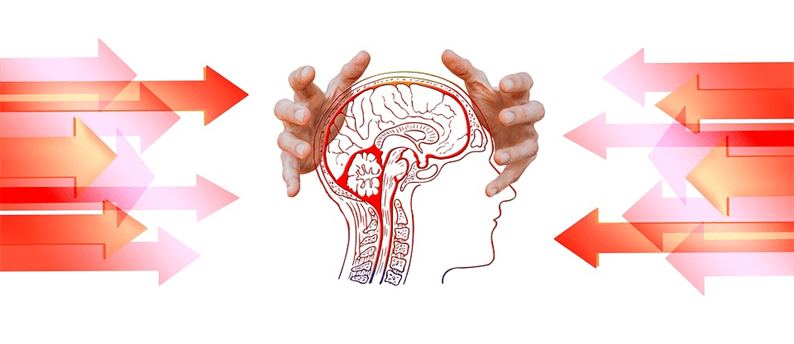
General characteristics of the state
A hallucination is an image that appears in human consciousness without external stimulus, but has the quality of a real object, event or person. In simple words, it is a smell / sound / image / tactile sensation that does not really exist. Hallucinations can develop at all levels of the senses, but most often patients are faced with auditory images.
Most cases are with psychiatric illnesses and disorders, but this is not always the case. Sometimes our consciousness forms images on its own due to lack of sleep, the use of hallucinogens or stimulant drugs. It has been experimentally proven that sensory deprivation can also cause hallucinations.
Sensory deprivation – partial or complete cessation of external influences on the sensory organs. The condition leads to a decrease in the flow of nerve impulses to the central nervous system. It appears in a confined space – an empty dark room, on a submarine, in zero gravity.
In the 1960s, experiments were conducted in which people were locked in dark rooms without access to sound and other external stimuli, creating conditions for sensory deprivation. Over time, people began to hear voices, see non-existent images, and feel impossible tactile contact. So science has proven that hallucinations can occur not only in the mentally ill, but also in absolutely healthy people. In our time, such experiments are excluded for ethical reasons.
For the past thirty years, scientists have been actively studying the mechanism of the onset of hallucinations through neuroimaging and various types of tomography. This makes it possible to observe the activation of a specific part of the brain to a non-existent stimulus. What does this give and what results are already known?
The mechanism of the appearance
Scientists still do not know for certain how hallucinations develop. The scientific community makes guesses, goes through diagnostic methods and tries to find the advantages / disadvantages of a particular theory. Let us consider the mechanism of the occurrence of auditory hallucinations, since it is the most common and studied.
The information below is a theory that has both opponents and followers. While the evidence is somewhat weak, it remains one of the most influential in the past 20 years.
As soon as the patient hears someone else's voice, the Broca's zone is strengthened in the brain. It is located in the lower frontal part of the organ and is activated at the time of speech. By the moment of speech is meant not only explanation with the help of sounds, but also inner speech. This is a voice that voices all our thoughts and seems to be inside our consciousness. When a person asks the question “What is the weather outside?”, He generates inner speech and activates Broca's zone. Sometimes the brain does not perceive internal speech and ascribes it to non-existent objects or people. This is called auditory hallucination.
How do scientists explain auditory imagery? The process of thinking and internal speech takes a split second. Human consciousness continuously generates new words, thoughts, actions, from which our life is composed. As soon as the brain connects to the process of internal speech, Broca's area sends signals to the auditory cortex (Wernicke's area). It is this signal that notifies the body that the perceived speech is generated by us.
If speech is self-generated, the sensory cortex mutes neural activity. If speech is generated by the interlocutor, nervous activity is intensified in order to qualitatively maintain the dialogue.
Bottom line: “alien” sound may develop due to a malfunction in the Broca's zone and incorrect interpretation of signals by the auditory sensory cortex. In fact, the sound that seems to the patient to be “alien” is internal speech generated by consciousness. Hallucinations involving other senses occur in a similar way, activating different parts of the brain.
Types of hallucinations
Non-existent objects of perception are divided into two main groups – true and pseudo-hallucinations. These are two fundamentally different conditions, due to which a specialist can decipher the patient's problem and make a diagnosis. How are they different?
True images affect our senses. It seems to a person that he hears someone else's voice, using his hearing, sees an unreal object, with the help of the organ of vision, feels touches due to tactile contact. Pseudo-hallucinations are not perceived by the sensory system, but by the brain, soul, individual organs or internal cavities. For example, a person senses the smell of an aura, the effect of extraterrestrial radio waves on his own brain, reproduces the thoughts of another person, or senses the movement of objects inside the walls of the skull.
Experiencing true hallucinations, a person is confident that others also see, hear, or feel the same images. He reacts naturally to hallucinations by activating defense mechanisms. For example, he shakes off invisible insects from himself, runs away from terrible visual illusions, closes his ears so as not to hear a heart-rending cry. Experiencing pseudo-hallucination, a person is sure that he possesses some unique power, feels himself chosen or, conversely, doomed to torment. Human actions during pseudohallucination cannot be predicted.
The consequences of hallucinations
Most patients in psychiatric wards suffer from hallucinations. Sometimes images, voices, tactile sensations lend themselves to therapy, sometimes not. In any case, hallucinations adversely affect the general well-being and psychological state of the patient. Often it is unrealistic images that cause suicide. They urge a person to harm himself, obey, stop contact with his close circle, and so on. It is impossible to predict changes in character, behavior and actions if the person or his relatives do not turn to a specialist.
It should be understood that hallucinations do not always indicate illness and need correction. For example, some people regularly hear “other people's” voices, but live happy and fulfilling lives. There is even a “Society of Hearing Voices”, which talks about the positive aspects of hallucinations and encourages humanity to better understand the issue. Some scientists consider this a deviation, others, for example, professor from the Netherlands Iris Sommer, a variant of the norm. She discovered a group of perfectly healthy people who hear voices on a regular basis. People themselves describe them as something positive, important and self-confident.
We should not forget about the hallucinations that develop in response to physiological exhaustion. Regular physical activity, employment, lack of work and rest, the necessary nutrition will certainly affect the body. If a person's thoughts are filled with some event or experience, the brain can independently generate images that will be associated with this object. Learn to distinguish between rest and work, take a day off and think about the distribution of loads. If you cannot cope with the task on your own, make an appointment with a specialist.
Hallucinations cannot occur spontaneously. They are preceded by some kind of illness, event or predisposition. If you suffer from visual, tactile, or auditory imaging, see your doctor. The main thing is to identify and eliminate the root cause of hallucinations in order to prevent their occurrence in the future.
Therapeutic measures
Therapeutic measures depend on the diagnosis made to the patient. Possible reasons include:
- mental disorders (personality disorder, schizophrenia, bipolar disorder, post-traumatic stress disorder, psychotic depression);
- physiology (central nervous system trauma, Parkinson's disease, epilepsy, brain tumor);
- some infectious pathologies (infections of the lungs, bladder, brain, other internal organs);
- the use of chemicals in large doses (nicotine, ethyl alcohol, illegal drugs).
Once the root cause is identified, the doctor draws up a course of therapy. Most often, antipsychotic drugs or antipsychotics are used in the fight against non-existent images. They block a number of dopamine receptors in specific areas of the brain, which can help reduce hallucinations. But antipsychotics do not always cope with the task. About 30% of patients continue to hear, see, or sense images.
There are many options for non-drug intervention. Their effectiveness remains questionable, but doctors still cannot find a quality alternative. One type of non-drug intervention is cognitive behavioral therapy. It includes regular visits to a psychotherapist who changes the patient's attitude towards the problem. The doctor tries to eradicate unpleasant / painful experiences and make the patient get along with the voices or visions in their own head. It should be understood that complete cure with CBT is not possible; only symptom relief can be achieved.
Don't try to get rid of the hallucinations yourself. Be sure to see a doctor, go to group classes with people with a similar diagnosis, visit a psychotherapist regularly and remember that only you can control your own body and mind.
How to get rid of hallucinations?
Before taking any enchanting actions, you must follow simple instructions. The first step is to understand the nature of the hallucinations that have arisen. A person may experience auditory, visual, gustatory, bodily, tactile hallucinations. It is imperative to measure the temperature, since at a high temperature, a person may begin to experience hallucinations.
Mandatory is …
At a high temperature, you need to drink paracetamol with analgin to lower it. It is imperative that every person needs good sleep and a healthy lifestyle. Daytime sleep interrupts the cycle and leads to insomnia. Insomnia, in turn, contributes to hallucinations. Relieve stress in time and not participate in conflict situations. Realize in a timely manner that you need to visit a specialist.
Self-medication is not allowed
Many, in the question of how to get rid of hallucinations, go to extremes and start taking antidepressants, but this is prohibited without consultation. It is possible that the patient chooses the wrong drug or does not calculate the dose. This in turn will lead to disaster. Rest is imperative if hallucinations occur.
Causes of occurrence
Who is susceptible to hallucinations?
The appearance of hallucinations is directly related to the state of the brain, in which images, voices, smells and images that do not correspond to reality appear.
Very often, hallucinations are a symptom of schizophrenia or the result of the use of hallucinogenic drugs.
The brain is still not fully understood by science and is a mystery to scientists. Therefore, all the processes occurring in it cannot be explained accurately and unambiguously, as well as a detailed study of the causes of the emerging disorders.
But all the reasons can be roughly divided into three categories:
- internal (hereditary diseases that affect the brain and nervous system of a person);
- external (acquired diseases and pathologies, such as severe concussions, poisoning and infectious lesions of the body, etc.);
- temporary (metabolic disorders, not pathological in nature, for example, lack of sleep or stress).
Visual hallucinations develop against the background of alcoholism, drug and psychotropic substance abuse, taking certain medications, and even food poisoning.
Visual and auditory hallucinations are complexly manifested against the background of mental illnesses such as schizophrenia, hallucinosis, psychosis and some types of seizures.
Olfactory hallucinations occur with lesions / trauma to the brain.
Disorders can be caused by infection (encephalitis, malaria, typhoid, etc.) or blow / injury to the temporal lobe, as well as schizophrenia and other diseases.
Tactile hallucinations appear as a result of withdrawal symptoms against the background of alcohol abuse. False sensations on the body and inside it can also be triggered by encephalitis, schizophrenia
Risk group
There are groups of people who, as a result of their lifestyle or current state of the body, are prone to hallucinations.
-
Elderly people. The aging process is inevitably associated with changes in the body and irreversible processes in the brain.
After 60 years, the patient may be diagnosed with paranoia or dementia, which is the cause of hallucinations.
Rheumatic diseases and cardiovascular pathologies in the stage of decompensation also provoke false images.
-
People suffering from alcoholism. Severe alcohol poisoning leads to delirium tremens and hallucinations. Alcoholic psychosis, delirium are acute psychotic conditions associated with disruption of the brain and sensory organs.
- People prone to depression. A depressed state of mind, an increased level of anxiety, a depressive view of reality and phobias can lead to the appearance of hallucinations and various visions.
- People who may have inherited mental disorders genetically. If a person has had cases of schizophrenia in the family, hallucinations may become the first sign of the inheritance of pathology.
- People who take drugs. Even if the use of narcotic drugs does not lead to hallucinations directly during the action of the drug, disturbances in perception may occur after (during the withdrawal period, due to withdrawal symptoms)
What to do: which doctor should I go to?
Hallucinations are an unhealthy state of the body that signals disorders that require correction.
At the same time, disturbances in perception are not an independent ailment, but a symptom of various pathologies (physical or mental).
To treat the symptom, it is necessary to find out the cause that provoked the hallucinations. You cannot ignore medical attention and self-medicate, even if hallucinations appear in a mild form.

First of all, a person with perception disorders should consult a therapist, psychiatrist and neuropathologist.
As concomitant examinations, the therapist can refer the patient to an oncologist, narcologist and other narrow specialists who will analyze the patient's condition and confirm / deny the presence of diseases that have caused hallucinations
Hallucinations in grandmother after a stroke
A stroke is a serious condition that requires long-term treatment and recovery.
But even in the case of proper treatment, complications (impaired blood circulation in the brain, irreversible processes and delirium) can be detected. Against the background of these pathologies, there is a violation of perception.
Post-stroke hallucinations appear as incoherent speech, illusions, and delusions. The patient may complain of strange visions and images, realizing his condition, or believe in hallucinations, considering them real.

Relatives of the patient in the event of post-stroke hallucinations should ensure the safety of both the person with a perception disorder and those around him.
It is necessary to call an ambulance unnoticed by the patient, so as not to provoke an attack of aggression or an increased level of anxiety.
Any manifestations of unhealthy interest, challenging the patient's words and panic are strictly prohibited, since all this can aggravate the situation.
In a state of psychosis, sick people are in a state of excitement and experience a surge of physical strength.
Therefore, it is necessary that at least 3 people be present in the room, capable of pacifying the patient. In some cases, even weak elderly people and patients in the postoperative period can reach a window or door, cause physical harm to relatives (against the background of psychosis).
Sharp and heavy objects should not be left in the patient's room. Also, you cannot leave a person with hallucinations unattended.
It is strictly forbidden to use drugs for the relief of hallucinations without medical advice. All actions must be coordinated with a specialist
How to help yourself if visions arise?
How to get rid of hallucinations?
If you suspect you are hallucinating or are confident of a perception disorder, try not to panic.
First of all, reach out to a loved one who can refute frightening visions / voices, etc. Enlisting support can help reduce your anxiety.
If visions have arisen due to poisoning, taking psychotropic substances, drinking alcohol, you must immediately go to the hospital.
Even if the hallucinations are not associated with malaise / pain and ailments, it is imperative to seek medical help and find out the root cause.
In advanced stages, it is very difficult to cure hallucinations or alleviate symptoms.
High fever can cause hallucinations. In this case, antipyretic drugs (Ibufen, Paracetamol) will help to quickly cope with the unpleasant symptom.
Stress, lack of sleep and extreme fatigue lead to hallucinations. If you understand that the body is on the verge of exhaustion, you need to rest (go to bed, turn off instant messengers and get distracted from business).
It is important to admit to yourself on time and honestly that the help of a specialist is needed. A person with hallucinations cannot help themselves on their own, since the line between real and unreal is erased.
There is a substitution of perception, and the patient is increasingly immersed in his world of visions.
It is almost impossible to get out of this vicious circle, since with progressive diseases, a person begins to get confused in sensations and believe in hallucinations
Types of hallucinations
There are several types of classifications, depending on the involvement and type of analyzer:
- simple ones are marked when one system is activated;
- complex, in which several analyzers are involved, and the signals from them are connected by a common meaning.
In accordance with the modality of sensory systems, these types of hallucinations are distinguished
- auditory;
- visual;
- flavoring;
- olfactory;
- tactile – sensation of touch, temperature changes, crawling under the skin, binding, strangulation, striking;
- bodily – the illusion of displacement or deformation of internal organs;
- kinesthetic – the feeling that certain parts of the body are controlled by someone;
- vestibular – in which the patient “hovers” or “falls through”;
- hypnagogic and hypnopompic – visual or auditory images appear on the verge of sleep and wakefulness.
Each type of aberration has subspecies or varieties that describe the features of hallucinatory manifestations.
Auditory or auditory hallucinations
Auditory hallucinations occur against the background of a decrease in the thickness of the gray matter in the temporal lobe of the GM and in the RT (planum temporale) of the speech perception area. This is the most common type of phenomenon, which, in turn, is subdivided into:
- Acoasma – elementary groups, manifested in the form of crackling, noise, rustling, ringing, whistling. In some cases, sounds have a connection with phenomena and objects – the creak of floorboards, the knock of a closed door, steps, sighs, groans.
- Phonemes – a person hears parts of words or individual words.
Such “voices” differ in sound strength, localization and emotional coloring. Some of them “sound” so loud that it seems to the patient that he is deaf.
In addition to simple forms, there are more complex hallucinations:
- musical, during which the patient hears the singing of the choir, well-known melodies, the sound of musical instruments;
- verbal – the patient hears incoherent cries, words that have no meaning, phrases or conversations, monologues that have ideological value for the patient.
Auditory hallucinations differ in meaning:
- imperative – voices order or prohibit to do something. This type is socially dangerous, because the patient can perform actions opposite to conscious intentions (inducement to suicide or murder, self-harm, refusal to take medications or food);
- threatening – the patient hears threats, accusations against him, which are supported by a persecution mania;
- evaluative – voices comment on and evaluate the past, present and future actions, thoughts or intentions of a person.
The imperative and threatening varieties are most often seen in patients who have experienced sexual or physical abuse at an early age. The patient hears voices nearby – from the next room, from the closet, from the roof or in the corridor. They very rarely sound at a considerable distance. With false hallucinations, the sounds do not go beyond the person and sound “in the head.”
Visual hallucinations
Visual hallucinations are no less varied:
- photopsies – threads, cobwebs, wires, spots, flashes, fog;
- completed – figures of people, animals, objects, scenes.
Images are often intensely colored or may even be monochrome, change, “flow” from one form to another. Depending on the subjective perception of size, there are:
- normal optical – the sizes correspond to the real ones;
- microptic – less than normal;
- macroscopic – figures and objects of huge sizes.
With the extracampal variety, the patient sees images outside the field of vision. They are located on the side or back. If the patient sees his twin, then they speak of an autoscopic form of pathology. A person behaves in accordance with what he saw – runs away and hides from pursuers, monsters, shakes off insects from the body. Most often, episodes are observed at night.
A migraine attack is accompanied by photopsy, this effect is called the “migraine aura”. In healthy people, photopsies are noted when the eyes are fatigued, on impact. Sleep deprivation hallucinations can be of different types, but they disappear after the normalization of sleep.
Olfactory hallucinations and gustatory
Often they are closely related – the patient feels not only non-existent smells, but also taste. Patients describe them as unpleasant, strong, obsessive. In healthy people
similar effects occur during pregnancy, after dental operations and dental prosthetics, removal of adenoids and polyps.
In addition to true hallucinations, there are also false or pseudo-hallucinations. The patient perceives reality in an illusory, distorted form – functional, Bonnet. High variability, subjective perception, individuality complicate diagnosis.
Diagnostics
In psychology, the diagnosis of hallucinations is aimed primarily at differentiating this pathology from illusions that may be characteristic of mentally healthy people and do not require medical intervention.
To do this, you need to contact a neurologist, psychiatrist, oncologist or narcologist in order to correctly diagnose and form an effective program for the treatment of hallucinations as a result.
As part of pre-medical care, it is necessary to prevent the growth of excitement and the strength of hallucinations, as well as to prevent socially dangerous actions when the patient can harm himself or others. After consultation with a specialist, the patient will be provided with qualified medical care. Directly diagnostics takes place on the basis of the doctor's observations of the patient's behavior.
The main criteria by which hallucinations are diagnosed:
- constant alertness;
- special care;
- the patient often listens to something and looks closely;
- rave;
- mimic manifestations that have nothing to do with objective conditions;
- talking out loud;
- reactions to images in the form of plugging the ears, closing the eyes, trying to hide.
Treatment methods
Hallucinations in psychology are a disorder that can only be treated under the supervision of a physician. The main method of treatment is medication. In order to weaken negative symptoms, you can use folk recipes to relieve fatigue, tension, and attacks of hallucinations. Also, depending on the cause of the disorder, psychotherapy may be used as part of the course of treatment.
Drug treatment
For hallucinations, the doctor may prescribe the following groups of drugs:
- sleeping pills (during a mild manifestation of the disease);
- tranquilizers (in the acute course of the disease);
- antipsychotics;
- mild sedatives.
A list of drugs that can be included in the medication treatment of hallucinations:
-
Quetiapine. The drug is a neuroleptic and is recommended for short-term treatment during manic periods. Its action is aimed at combating the negative symptoms of acute mania; it, unlike lithium, has far fewer side effects.
Quetiapine
-
Rispolept. The drug is prescribed only for acute forms of schizophrenia and inhibits the active development of symptoms of the disease, eliminates hallucinations, delusional states, increased aggression and depression.
-
Tianeptine. This antidepressant improves mood, increases overall muscle tone, and relieves symptoms of depression.
-
Abilify. Prescribed simultaneously with antidepressants for dementia, schizophrenia, depression. However, it must be remembered that this remedy can cause increased anxiety.
-
Deanola Aceglumat, Pantogam. The drugs are classified as nootropic substances that restore attention, memory and the ability to concentrate.
-
Grandaxin. It is used for increased tension, fear, autonomic disorder, decreased activity.
-
Phenazepam, Diazepam, Chlordiazepoxide, Medazepam. These tranquilizers relieve fear and anxiety, relieve emotional stress. They have a pronounced calming effect, normalize sleep.
-
Paroxetine. An antidepressant is a new generation drug that quickly relieves anxiety, depression, and is well tolerated by patients.
-
Sleeping pills (Trypsidan, Donormil, Andante). The drugs are used for sleep disorders.
Also, during treatment, it is necessary to know that some drugs from different pharmacological groups have an undesirable side effect in the form of the development of false images.
These medicines include:
- Acyclovir;
- Chloroquine;
- Suprastin;
- Triazolam;
- Trazodone;
- Amphoterine;
- others.
Traditional methods
Traditional methods in the treatment of hallucinations are complex and necessary to relieve symptoms, calm down and normalize sleep.
Folk ways to relieve symptoms of hallucinations:
- A remedy for insomnia. For cooking, you need to mix 200 ml (or 290 g) of honey with 1 tbsp. l. apple cider vinegar. Take the resulting product in 1-2 tbsp. l. daily before bedtime. People with stomach ulcers are advised to add just a couple of drops of apple cider vinegar.
- To get rid of stress, they prepare a healing infusion of linden flowers. For this, 1 tbsp. l. inflorescences are brewed in 200 ml of boiling water and allowed to settle for at least 20 minutes. You can drink such a remedy like 200 ml of tea up to 3 times a day. The drink is consumed for no more than 1 month in a row, after this period you need to take a break, after which you can resume treatment.

- Soothing oil. The tool will help reduce irritability and increased excitability. To use, you need to mix 200 g of flowering mignonette and 0.5 liters of sunflower oil. Insist the resulting liquid for about 2 weeks in a cool room, shake it periodically. After the time has elapsed, use the solution, rubbing a small amount of it into the whiskey no more than 2 times a day.
- Nervous tension perfectly relieves angelica tincture. It is prepared like this: 10 g of the root and 30 g of the green part of the plant are crushed and poured into 500 ml of white wine. The mixture is infused for a day, sometimes shaking. After a lapse of time, the tincture is filtered and consumed twice a day for a quarter of a glass.
- Cyanosis for calming. For a decoction, you need to take 6 g of dry crushed roots of cyanosis per 1 tbsp. warm water, boil for 30 minutes, take 1 tbsp. l. 2 times in the afternoon after meals.
- Recipe from hallucinations resin. 2 tbsp. l. Pour the chopped herb of resinous drooping in a thermos with one glass of boiling water, leave for 2 hours. Strain the solution and take 1 tbsp. l. 3 times a day, regardless of food.
- A recipe for hallucinations. It is necessary to prepare medicinal comfrey – 1 tsp. and 1 l. water. Preparation and use:
- Pour medicinal comfrey with a liter of water.
- Bring the mixture to a boil, let it cook for 10 minutes over low heat.
- Let the solution brew for about an hour, drain.
- It is necessary to drink the broth during the day, the treatment course lasts about 10 days.
Other methods
If the causes of hallucinations are psychotic disorders, which are a manifestation of schizophrenia, bipolar disorder or even neurotic disorders, then treatment of the underlying disease is necessary, upon reaching remission of which, the hallucinations cease to bother the patient.
Since most often hallucinations accompany mental disorders and deviations, it is necessary to consider the main types of therapy for treating the underlying disease:
- cognitive behavioral therapy. It allows you to identify and study manic ideas and suicidal tendencies. Identifying cognitive errors in your thinking during periods of mania and depression is an important element of cognitive behavioral therapy; it helps the patient to independently analyze his symptoms, which means it makes it easier for him to deal with them and control his actions;
- dialectical behavioral therapy. It is a modified form of cognitive behavioral therapy adapted to treat mood disorders. Therapy is aimed at identifying their emotions, understanding them and living. The basis of working with patients focuses on understanding and learning basic life skills;
- family therapy, art therapy. These therapies are complementary but useful for working through your emotions and relationships with people. Mental disorder is a difficult disease for loved ones to accept, so family therapy will help to establish contact with the patient's family. Art therapy is the patient's way of expressing their emotions through creativity, which is an important complementary part of mainstream psychotherapy.
Possible complications
Hallucinations in psychology are a disorder that is often accompanied by other mental disorders. If left untreated, they can lead to negative consequences.
At advanced stages, the patient:
- makes suicide attempts;
- can harm others;
- becomes too agitated, his speech becomes incomprehensible to others;
- drinks alcohol in large quantities;
- becomes addicted to drugs and other psychoactive substances;
- loses touch with reality;
- begins to react aggressively to attempts to help;
- becomes insane.
Hallucinations can also trigger other mental disorders, making it less likely to recover from treatment quickly. If the patient was already initially ill with schizophrenia, there is practically no opportunity to completely recover in the later stages.
Many complications from hallucinations can be fatal for both the patient and those around him, therefore, in case of a disorder, timely and comprehensive treatment is necessary.
Hallucinations as a symptom can indicate a number of functional disorders of the brain and psychiatric diseases and are not treated at home.
In psychology, this disorder is defined as a violation of perception, which must be corrected immediately after the onset of symptoms in the form of auditory, visual, olfactory and tactile illusions of exposure.
Intense stressors
The causes of the passing single hallucinatory influxes are the state of acute physical or mental stress. Extreme situations that threaten human life lead to changes in the functioning of the brain. Factors affecting the mental state are capable of provoking visions with increased suggestibility and impressionability – a psychological readiness to see something related to experiences, but does not exist in a real situation. How stressful causes are treated:
- Exposure to critical temperatures. A decrease or increase in body temperature is accompanied by a change in the blood supply to the brain – the body seeks to maintain the constancy of the internal environment, regulates heat transfer, narrowing or expanding blood vessels. Visual hallucinations appear with hypothermia, when the body temperature drops to 35 ° C, with hyperthermia with a body temperature of 39 ° C and above. The state of hallucination does not last long, accompanied by disorientation, confusion, disruption of the functioning of vital organs.
- Deprivation of physiological needs. Critical conditions can act as causes of hallucinatory visions, in which a person is deprived of the opportunity to satisfy basic physiological needs – for food, water, sleep, rest. Blurred images begin to appear on the 8-9 day of fasting, on the 2-3 day without water (up to about 10% of body fluid is lost). The critical phase of sleep deprivation is 4 days, when irreversible life-threatening processes occur, apathy grows, abulia occurs, hallucinatory symptoms develop.
- Lack of sensory stimulation. The human nervous system is able to function normally when a variety of information is received from the outside – when the senses are stimulated. Sensory deprivation is partial or complete isolation from external influences. Its reasons are the loss of the analyzer, being in a closed room without light, sounds, vibrations. Sometimes this condition is created artificially with the use of diversion chambers, baths. In the absence of external visual stimuli, the brain begins to compensate for the lack of information, creating visual hallucinations.
- Social isolation. Visual hallucinatory images are formed as a result of prolonged forced or specially organized loneliness (hermitage). This phenomenon has been studied in most detail using the examples of inmates in solitary confinement cells. They have elementary auditory, visual hallucinations (flashes of light, screams, noises), provoked by sensory deprivation, as well as complex dynamic images – “friends”, “mentors”, “saviors”. They contact the prisoner with glances, silent decrees, words.
- Psychological trauma. Possible causes of visual hallucinatory symptoms are traumatic situations. The first pathogenetic mechanism is associated with situations of loss of loved ones, places or events to which a person was attached. Hallucinatory images “return” what has been lost. Another mechanism is based on post-traumatic experience: the emotions of fear, anger, horror were not experienced in a critical situation, so a person involuntarily returns to it through thoughts, dreams, visual hallucinations. Example: A former military man with PTSD “sees” explosions shooting opponents.
Neurological diseases
Visions in neurological patients occur with local and diffuse brain lesions. Visual images can be provoked by pathological irritation of the zones responsible for the reception and processing of visual information. This type of disorder is characterized by elementary images – photopsies. In addition, visual hallucinations are sometimes included in the structure of the hallucinatory-delusional symptom complex, the syndrome of clouded consciousness. The most common causes of visions are:
- Lewy body dementia. The disease is diagnosed in patients 65-70 years old, characterized by a change in the structure of neurons in the cerebral cortex. Typically, it begins with a triad of symptoms, including extrapyramidal disorders, dementia, and visual hallucinations. Most often, hallucinatory images develop that have a clear color, shape, size, volume. A typical symptom of this type of dementia is the rapid disappearance of visions when the patient tries to interact with them.
- Alzheimer's disease. The basis of pathology is the process of neuronal death, loss of synaptic connections in the cortical areas and subcortical areas of the brain. Visual hallucinations are likely at the second stage of the disease, when there is a noticeable deterioration in everyday, professional activity, the process of constructing a speech utterance is disrupted, and it becomes impossible to perform arbitrary actions. Hallucinatory symptoms are manifested in the context of delusional syndrome, often accompanied by anxiety, fear, panic.
- Parkinson's disease. The disease proceeds with the progressive death of neurons that produce the neurotransmitter dopamine. With a mild (outpatient) form of the disease, psychosis develops in about 20% of patients, with severe – in 65%. The psychotic state is manifested by unmotivated fear, absent-mindedness, insomnia, hallucinatory-paranoid symptoms, disorientation. As the causes of psychosis in Parkinson's disease, the rapid progress of pathology and the use of drugs aimed at alleviating motor dysfunctions are considered.
- Traumatic brain injury. TBI includes bruises and concussions, barotrauma, and cranial injuries. With focal lesions of the occipital regions, visual hallucinations are represented by elementary forms: zigzags, flashes in one half of the field of view. Hallucinatory-delusional psychoses often develop in men after moderate and severe injuries. They appear many years later, in a distant period. Visual hallucinations are formed before psychosis against the background of twilight, delirious or oneiroid changes in consciousness. In a psychotic state, auditory pseudo-hallucinations are more common.
- Cerebral vascular pathology. Diseases of the cerebral vessels (atherosclerosis, arteritis, hypertension) lead to a deterioration in the blood supply to its individual areas, diffuse organic lesions. Neurological symptoms are presented by headaches, dizziness, vomiting, perception disorders, speech disorders. Patients see flashes, sparks, flashes. Visual phenomena unfold during an exacerbation of the disease, accompanied by disorientation in space, general weakness.
- Brain tumors. Clinically, neoplasms of the brain are manifested by focal and cerebral symptoms. The causes of visions are neoplasias localized at the junction of the frontal and temporal lobes. Visions arise in the framework of paroxysmal disorders – short-term hallucinatory influxes without delusions. The critical abilities of the patient remain relatively intact; after a certain duration of the illness, he begins to understand that visible images are a symptom of the spread of the tumor.
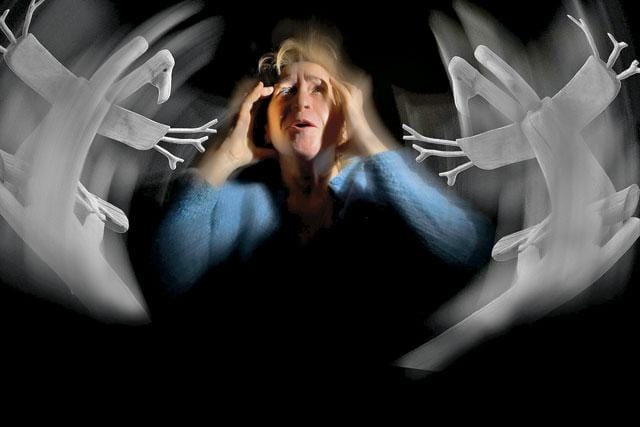
Mental disorders
Visual hallucinations develop in psychotic states of various origins. Exogenous psychoses are characterized by true hallucinatory images, endogenous ones – by pseudo-hallucinations. In both cases, there is an emotional and behavioral inadequacy of the patient, a decrease or complete absence of a critical attitude towards his condition. Common psychotic causes of hallucinations:
- Symptomatic psychoses. This group includes infectious psychoses, psychotic conditions provoked by endocrinopathies, vascular pathologies, acute intoxication with surfactants, alcohol. The clouding of consciousness proceeds in the form of a oneyroid – a dreamlike disorientation with expanded pictures of fantastic pseudo-hallucinatory experiences intertwined with reality. The content is usually adventurous, fabulous, less often mundane. Visual hallucinations are colorful, mobile, massive. Patients either actively participate in visions or remain observers.
- Schizophrenia-like disorder. Common causes of the disease are head trauma, neuroinfection, and epilepsy. In organic delusional disorder, visual hallucinations predominate, and not auditory, as in schizophrenia. Their content is often related to the theme of delirium, reflects scenes of a mystical or religious nature. Hallucinatory-delusional syndrome is manifested by inadequacy of behavior, impulsivity, emotional excitability.
- Schizophrenia. This disease is characterized by auditory hallucinatory phenomena. Visual hallucinatory disorders develop less often, they are not pronounced, fickle, flash fragments, resemble visions. Often their purpose, content, reasons are completed by the patient on the basis of delusional ideas, information from hallucinatory voices. If schizophrenia has developed as a result of taking psychoactive substances, “flashbacks” appear – pictures from the past.
Acute period of intoxication
The state of acute intoxication develops after the administration of a large dose of a psychoactive substance. It leads to impaired consciousness, deterioration of cognitive performance, distortion of perception. The behavior and emotions of people become inadequate, uncontrollable. There is no critical attitude to one's own state. Visual hallucinations are most likely with poisoning with the following substances:
- Drugs. Common causes of visions are the use of hallucinogens, volatile solvents, and hemp preparations. When intoxication with hallucinogens, the world begins to seem brighter, objects – painted in unusual colors. Visual hallucinations are elementary and scene-like, more often true. Substance abuse using volatile solvents is manifested by impaired consciousness with acute hallucinosis, delirium or oneiroid. Hallucinatory pictures are bright, plot. Taking cannabinoids provokes visions that are brighter than the real world, present with open and closed eyes.
- Medicines. Visual hallucinations as part of delirious stupefaction are manifested in case of poisoning with diphenhydramine, atropine, antidepressants. When taking large doses of psychostimulants, intoxication paranoid develops, which includes delusional ideas, visual and other types of hallucinations. There is a risk of the formation of manic-like states with euphoria, motor disinhibition, accelerated thinking.
- Alcohol. Delirium tremens occurs when drunkenness is stopped in patients with stage II-III alcoholism. Alcoholic delirium is manifested by delusions associated with hallucinatory images of various modalities. Visions are usually threatening, appear in the form of unpleasant and dangerous creatures – demons, devils, creeping reptiles. The state of psychosis, psychomotor agitation during intoxication is a common cause of self-harm.
Group of tactile hallucinations
The patient is worried about the feeling of creeping on the body, non-existent touching, changes in cold and heat between each other, while there is no contact with the source of the irritation itself. Hallucinogenic occurrences deliver a lot of discomfort to the patient from imaginary and non-existent touching or stroking, aggravating the course of the pathological process.
Hypnagogic hallucinations
Experts also include hypnagogic hallucinations in a separate group of hallucinations – these are visual illusions that occur when falling asleep or after waking up. Moreover, the patient himself can feel both pleasant smells and scary pictures in front of him. But as some practicing psychologists note, it can be a consequence and indirectly indicate the development of delirium tremens in the patient or intoxication of the body, the development of psychosis.
Visceral hallucinations
Doctors also distinguish visceral hallucinations – such attacks are associated with the feeling of someone else's presence in their own body. For example, the sensation of the presence of a foreign object in the body or a living being inside – an animal or insect, most often worms.
True and false
So those hallucinations that a person sees from the outside are referred to as true, the images are quite real, while they are projected in space. With false hallucinations, the projection in space does not go, and the person sees all this, as it were, in his head. Those. hallucinations do not take place against the background of the real world.
Simple and complex hallucinations
In the course of a simple type of hallucinations – there is a seizure and defeat of one of the senses, but if several senses and organs are affected, for example, damage to the hearing and organs of vision – doctors talk about complex types of hallucinations. As an example, the patient sees devils, feels their touch and cold, therefore we are talking about complex hallucinations.
Why do people see hallucinations?
Hallucinations can be different in their manifestation: a person can hear sounds, see silhouettes, feel touches, smell smells, in general, to one degree or another receive certain signals from, as it seems to him, the world around him. But all types of hallucinations have one thing in common: what happens to a person in the real world does not exist. This is just a subjective perception. But what caused this?
If you try to explain it in simple terms, the appearance of hallucinations is caused by bursts of activity in the brain. The reasons for this can be very different: from changes in the work of the brain itself to injuries, poisoning or taking hallucinogenic drugs. But recently, physiologists at Stanford University were able to induce hallucinations in experimental animals in a very unusual way.
How can hallucinations be caused?
According to the editors of the journal Science, scientists have focused on the study of the visual cortex of laboratory mice. This is the part of the brain in mice (as in humans) that processes information from the retina. Roughly speaking, thanks to this we can see. Two genes were implanted into the visual cortex. The first was in a “dormant” state until infrared radiation began to act on it. The second encoded a protein that would glow green whenever a neuron in the cortex responded to an external stimulus. That is, it showed whether the neuron is “working” at the moment or not. In addition, part of the skull of the mice was replaced with a transparent “window” in order to observe how the brain works.
Then the animals were “seated” in front of the screen and were trained to distinguish between vertical and horizontal black stripes on a screen with a white background. The mice were then taught to drink water from a straw every time they saw a black vertical stripe. When the training was over, the most interesting part of the experiment began. Scientists began to gradually reduce the contrast between the black stripe and the white background, until the mice no longer understood what they were seeing in front of them. All this time, experts observed brain activity and noted which zones glow green. That is, which zones are working. Physiologists then used high-precision infrared emitters to “illuminate” precisely those parts of the brain that are responsible for processing information.
In the end, it turned out that if you stimulate the exact part of the brain that made the mice see the vertical line, the rodents began to drink. That is, it turns out that the animals saw a vertical line, although at that moment there was a completely white screen in front of them.
Perhaps the strangest part of the study is the fact that we only had to stimulate 20 neurons to induce hallucinations, says one of the authors of the work, Carl Deisseroth. If we take into account that the brain of a person and a mouse is very similar in structure, then we can conclude that the occurrence of hallucinations is a much more interesting process from the point of view of physiology. Indeed, tens and hundreds of “spontaneous impulses” regularly appear in the brain, but this does not lead to the fact that we all see hallucinations. Perhaps there is some kind of “defense mechanism” that is worth looking for.
Gunzfeld effect
Tune in to a white noise radio wave (“Shhhh …”) and put on your headphones. Then cut the ping-pong ball in half and glue it to your eyes. Turn on a red light source in front of your face. Lie still and wait for the effect. In half an hour or an hour, the brain will get tired of the absence of visual and auditory stimuli, and it will begin to generate its own images. Someone sees flying horses, someone talks with deceased relatives, but everyone, without exception, falls into a state of deepest relaxation.
Ganzfeld (German for “empty field”) is a method of “orientationless, empty field”, which forms the dream state of consciousness of the investigated person against the background of deep relaxation. Awake and relaxed, but isolated from ordinary sensory stimuli, the subject withdraws into himself, focusing on the images that enter his consciousness uncontrollably.
The candle was burning
You can immerse yourself in an altered state of consciousness using the old method of fortune-telling with two mirrors and a lit candle. The candle is installed between the mirrors in such a way that as a result of re-reflection in the mirrors, an endless path of candles is obtained. The candle flame flickers with the frequency of the alpha rhythm of the human brain (8-13 Hz), which certainly contributes to immersion in a meditative state. Instead of a candle, you can use LEDs or liquid crystal color panels.
False sensations
Hide one hand under the table or cover with something. Instead, place a dummy hand on the table (you can use a glove and an empty sleeve). Ask your partner to hit the dummy with a stick or knife. Unbelievable, but true: you may feel pain even though it was just a dummy. Your brain will mistake the rubber hand for the real one.
Purkinje effect
Turn your face towards the sun, close your eyes and move your hand in front of them. In a few seconds, multi-colored images will appear.
Scientifically, the Purkinje Effect is a shift in spectral sensitivity during the transition from daytime vision, for which the maximum corresponds to the wavelength of yellow-green tones (555 nm), to twilight illumination, for which the maximum corresponds to bluish-green tones (500 nm). Particularly in dim light, the colors of objects become colder, reds and yellows become duller, and blues and greens are brighter.
Reducing pain with binoculars
If you have a painful wound on your body, look at it through binoculars, turned the wrong way. Or just bite your toe to make it hurt a little. Through binoculars, a wound or finger will appear smaller than it actually is. As a result, the pain will ease.
Thus, a study carried out at the University of Oxford led to the discovery of a new remedy for pain – inverted binoculars. Scientists have demonstrated that when looking at a wounded body part through binoculars from the side that reduces objects, the pain decreases and the swelling subsides. Researchers argue that even basic bodily sensations, such as pain, vary depending on what we see.
Doing nothing effect
Professor Dr. Donald Hebb had an interesting experience. For a $ 20 per diem, 46 students were challenged to be lazy. They went to bed in a noise-free room. They wore glasses over their eyes, letting through only the flicker of milky light. Gloves and cardboard tubes were put on the hands so that they could not perceive any external impressions.
The students initially found the experience to be enjoyable. The first hours they slept, but then after waking up they became more restless. As a result, only one survived the experience to the end, having spent more than five days in complete idleness.
The students talked about the visual and auditory hallucinations that they had during the experiment: about colored variegated discs and squares that floated in front of the blindfold. They saw lines and patterns, then prehistoric beasts, yellow people, mammoth fangs, transparent hands, giants, heard voices and sounds.
The Pinocchio illusion
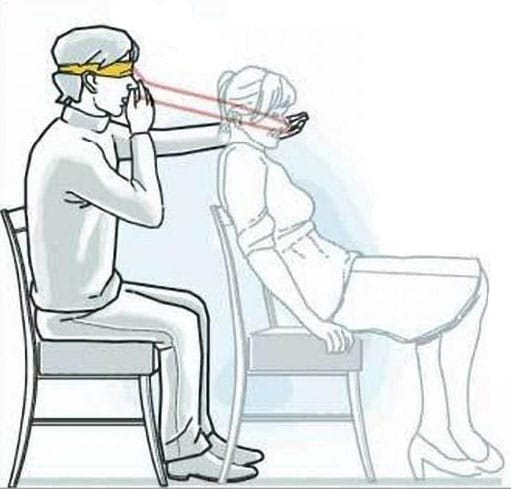
This illusion of proprioception was described by James Lackner in 1988. Two people sit on chairs, one in front and one in the back. The back is blindfolded. The blindfolded man places one hand on the nose of the person in front, the other on his own nose. And starts stroking them. After about a minute, a blindfolded person begins to think that his nose is, well, very long.
Sources used and useful links on the topic: https://FoodandHealth.ru/simptomy/gallyucinacii/ https://nerveslab.com/rasstroystva-chuvstv-i-vospriyatiya/54-metod-izbavleniya-ot-gallyucinaciy.html https: / /psyholic.ru/psihiatriya/tabletki-ot-gallyutsinatsij.html https://xmedicin.com/gallyutsinatsii/ https://healthperfect.ru/gallyutsinatsii-v-psihologii.html https://www.KrasotaiMedicina.ru/symptom / hallucination / visual https://ChtoiKak.ru/gallyucinacii.html https://Hi-News.ru/research-development/uchenye-smogli-vyzvat-gallyucinacii-bez-primeneniya-preparatov-i-narkoticheskix-sredstv.html https://www.officeplankton.com.ua/main/kak-vyzvat-gallyucinacii-bez-upotrebleniya-narkotikov.html
Post source: lastici.ru