
Analysis of the composition: beauty components that may be allergic
Content
Using cosmetics, we want to emphasize our beauty, and certainly do not count on swollen eyelids and lips, skin spots, rashes and itching. Meanwhile, no one is immune from allergic reactions. People with sensitive skin and a tendency to allergies are always at risk, allergy sufferers can also become a victim of individual intolerance to one of the components of cosmetics.
An allergic reaction to cosmetics is a completely logical and fairly common phenomenon. The fact is that most cosmetics (especially decorative cosmetics) are made from synthetic and not the most useful substances that can adversely affect sensitive skin.
Therefore, if red spots appear on your face after a new foundation, and your girlfriend with the same jar is fine, you should contact a dermatologist.
Such manifestations of inflammation as itching, irritation, peeling or swelling of the skin are signs of type IV allergy. They are usually mild and not considered life-threatening. Type I allergy causes swelling of the airways up to anaphylaxis – suffocation. However, such reactions are very rare.
It is also important to understand that an allergy to cosmetics may not appear immediately, but over time. This means that the allergen in the product was not very strong (for your body) or some changes occurred in your body.
What can you be allergic to
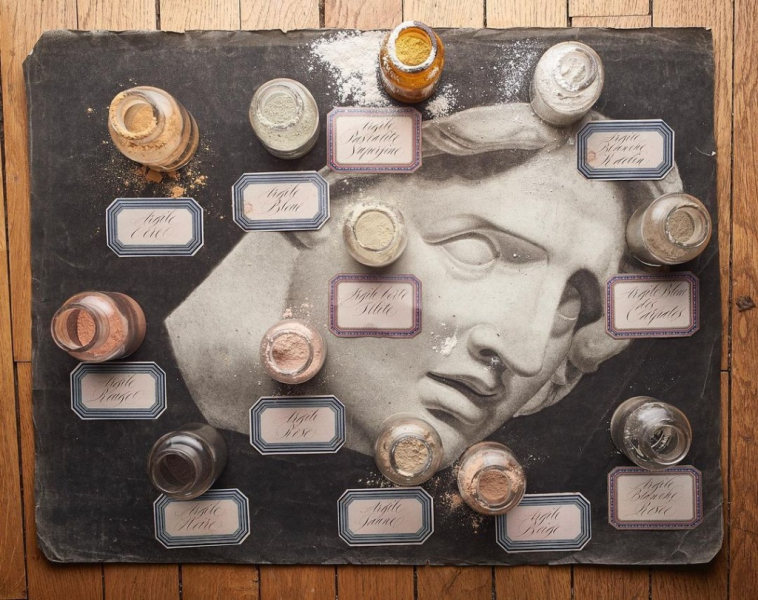
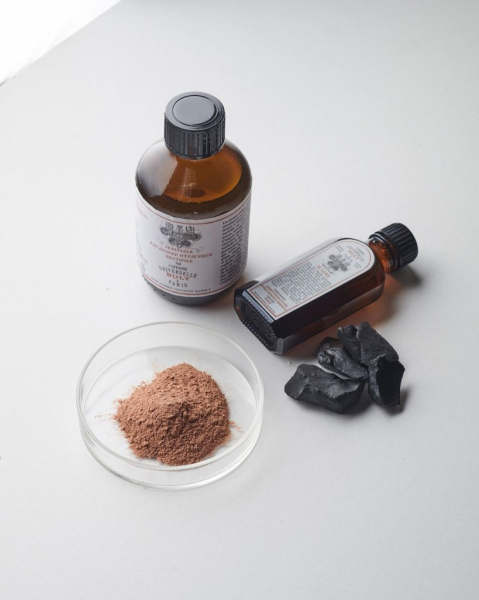
Source here and below: @officine_universelle_buly
There are many allergens, but the most common are preservatives, fragrances and dyes.
preservatives
The more various parabens and formaldehydes in the tube, the longer the shelf life of the product. This is beneficial for the manufacturer: a long shelf life increases the chances of the product not stale on the store shelf.
Meanwhile, the high content of preservatives increases the risk of allergic reactions due to the concentration of aggressive chemical compounds. Products with a shorter shelf life may contain natural preservatives such as sorbic acid or beeswax, but if you are allergic to honey, for example, then such a product will have to be discarded.
fragrances
Only very naive people believe that a peach is actually added to a peach-flavored cream or shampoo. In the era of “flavors identical to natural", this is an unaffordable luxury.
The stronger and more pleasant the smell of cosmetics, the more flavors in it. Sometimes they are simply necessary to hide the unpleasant smell of the feedstock, but sometimes it's just a manufacturer's publicity stunt to attract a buyer.
By the way, scientists have long argued that natural fragrances are sometimes more dangerous than synthetic ones. The fact is that natural essential oils, which are considered wonderful natural flavors, also easily cause allergic reactions. This is especially true of bergamot and citrus oils.
Dyes
Aniline paints in lipstick, metal salts (chromium, silver, nickel) in eyeliners and mascara are the most allergenic components of cosmetics.
By the way, these substances can also be found in the composition of other inhabitants of the cosmetic bag. It's just that lips and eyes are places where cosmetics come into contact with mucous membranes, that is, any allergen comfortably enters the body.
The more stable and bright color the product has, the more aggressive dyes it contains. So, when choosing bright blue hair gel, blood red lipstick and waterproof mascara, it is worth considering whether you are ready to part with them easily in case of intolerance, and whether it is worth testing a new achievement in the cosmetic industry before an important publication.
What components to fear in the composition
Lipstick
-
Carmine. Can be found in lipstick red-pink tones. A very strong allergen.
-
Lanolin (Lanolin). Used for moisturizing and softening effect. May cause allergic reactions and disturb the digestive process.
-
Vaseline (Petrolatum). Vaseline provokes allergic reactions and can dry out lips if you use a product with this component in the composition for too long.
Mascara and eyeliner
-
PEG-6 sorbitan stearate (PEG-6 Sorbitan Stearate) – creates a soft texture for eyeliners. May cause allergies, itching and burning.
-
Silica is an absorbent powder used in cosmetics to control shine. May cause allergies and intoxication.
-
Methylparaben is a preservative. Provocateur of allergies, irritation of the skin around the eyes.
-
Propylparaben is a common preservative and perfume additive. It can initiate an allergic reaction, a violation of the hormonal status.
-
Titanium Dioxide is a pigment that can absorb ultraviolet light. May cause tumors, allergic reactions, irritation of the skin, eyes, lungs. Used in cosmetics with SPF and eye shadow. Individual producers exceed the limit level of the content, which excites negative reactions.
-
Aluminum Powder is the pigment that gives color. May adversely affect the reproductive and nervous system, cause an allergic reaction.
Eyeshadow
-
Kaolin – It's important to note that kaolin is found everywhere. Kaolin is found in mascara, lipstick, and peeling scrubs. Very active allergen.
-
Tocopheryl acetate (Tocopheryl Acetate) – an antioxidant agent used to moisturize the skin. In small quantities, it is safe, but in large quantities it can cause irritation, peeling and burning of the skin, as well as an allergic reaction.
-
Zinc oxide (Zinc Oxide) is a pigment for shadows, as well as a kind of SPF. An allergen that causes burning and irritation of the skin and eyes.
Foundation
-
Vegetable lanolin (Lanolin Oil). It is a moisturizing and safe remedy, but only when it is obtained naturally. But most often in cosmetics there is lanolin, which contains pesticides, and this negatively affects the skin.
-
Mineral Oil. This oil is just the result of refining petroleum products. Small amounts of mineral oil can have a beneficial effect on the skin, but the high content of this substance in cosmetics can lead to clogged pores. It is found in all means and in very large quantities. May cause irritation.
-
Talc (Talc). By its nature, a natural and safe component, but it tends to irritate the lungs.
-
Tocopherol acetate (Tocopheryl Acetate). An antioxidant used to moisturize the skin. In small doses, it is harmless, but in large doses it can cause irritation, peeling and itching of the skin, as well as allergies. Widely used in cosmetics.
-
Propylene glycol (Propylene Glycol). It is used as a flavor and moisturizer, a means to regulate the viscosity of the composition. It can cause skin and eye irritation.
-
Thimerosal. It causes allergic reactions, can irritate the skin, sometimes negatively affects the nervous system, and can also become one of the causes of cancer. Quite toxic.
-
Benzophenone-3 (benzophenone-3). Used to protect the skin from direct sunlight. May cause allergies and skin irritation.
Are there "hypoallergenic" cosmetics?
Loud claims by cosmetics manufacturers that their products are “hypoallergenic” and “allergen free” are nothing more than an advertising ploy.
Loopholes in the law now allow such labeling to be placed on packaging after clinical trials on volunteers. However, allergic reactions are individual, so no one guarantees safety for you personally.
However, they really try to add less of the most common allergens to hypoallergenic cosmetics. She does not have such a long shelf life due to the reduced amount of preservatives. The smell may be less pleasant due to the absence of aggressive fragrances. Otherwise, cosmetics marked “hypoallergenic” are no different from others.
How to do an allergy test
-
If you're trying new cosmetics or returning to a tried and tested one after not using it for a while, do an allergy skin test. To do this, simply apply a small amount of the product on the body (the wrist is best) and leave it on for several hours.
-
If a cosmetic product causes burning or redness, wash it off immediately with soap and water.
-
After applying any unfamiliar cosmetics, be sure to wash your hands. This ensures that the product does not get on sensitive areas of the skin, such as the eyes or lips.
Why the usual cosmetics can cause allergies

Not only a new jar of cream can cause an allergic reaction. You can use the remedy regularly, and only after a while notice a rash or other negative manifestations. There are several reasons for this.
-
The expiration date has expired or more than half of it has passed. The composition of a cosmetic product changes over time, as air and bacteria get into it. The influence of the external environment, too, has not been canceled. People with hypersensitivity of the skin can safely use cosmetics only for the first half of its expiration date.
-
The storage conditions and rules for the use of cosmetics are not observed. Let's say cosmetics are stored on a dressing table, and the table is next to the radiator. In this case, you should not be surprised if something goes bad ahead of time.
-
Again, if the mask is kept on the face not for five minutes, as indicated on the package, but for twenty-five, then the manufacturer is not to blame for the pathological skin reaction.
-
Photosensitization. Components of cosmetics sometimes react in an unpredictable way to interaction with hard ultraviolet (mascara, perfumes, creams with essential oils, etc.). Therefore, from winter to summer, the composition of the cosmetic bag should change;
-
Applying effects. Taking certain medications (antibiotics or immunosuppressants), chemical peels, laser and photoepilation, general weakening of the immune system and other irritants can significantly change the body's response to quite familiar substances.
Rules for the use of cosmetics for allergy sufferers
-
Leave professional cosmetics to professionals. The substances contained in it are more active and aggressive, therefore, such cosmetics should be used carefully, under the supervision of a specialist, and often not every day.
-
Due to the high concentration of potential allergens, avoid bright and toxic shades of cosmetics, as well as overly persistent products.
-
Do not buy new products without first testing them on a small area of u200bu200bthe skin. And always take a sample – at least it will save money.
-
Do not use expired cosmetics. If something has dried up, thickened, changed color or smell, do not wait for the expiration date – ruthlessly throw it away.
-
Do not scoop the cream from the jar with your hands – do not spread dirt and bacteria, use disposable cotton pads.
-
Try to use cosmetics of only one company at a time. It is quite difficult to predict the reaction to a mixture of dissimilar components.
-
Do not use products with a high alcohol content, they dry and irritate the skin, making it easier for allergens to get inside.
-
Some types of perfume can cause increased photosensitivity, so it is undesirable to perfume yourself in front of the beach or tanning bed.
-
Body products should not be used for the face, as well as applying cosmetics to the inner rim of the eyelids. It is better for allergy sufferers to paint eyelashes two-thirds of the length, without touching the roots.
-
Read labels: if you are allergic to cereals, look for wheatgrass extract in cream and cornstarch in powder, and if you are intolerant to nickel, avoid nail polish with stir balls. Moreover, this also applies to proven products – the manufacturer may well adjust the recipe.
If you are allergic to most cosmetics, then the path to the store should lie through the office of an immunologist-allergist and a dermatologist, since the problem is in the body, not in cosmetics.
Post source: salon.kr.ua