
Why does the body need carbohydrates? Carbohydrates: what are they for and how much to use them per day
Content
Just about complicated
There are two types of carbohydrates – slow (complex) and fast (simple). The latter are the most dangerous. Once in the body, they begin to break down rapidly and cause a sharp jump in blood sugar.
Frequent use can lead to diseases of the pancreas, endocrine system and diabetes. At the same time, such carbohydrates quickly satisfy hunger. The truth is not for long and give a person a sense of pleasure. Addictiveness arises.
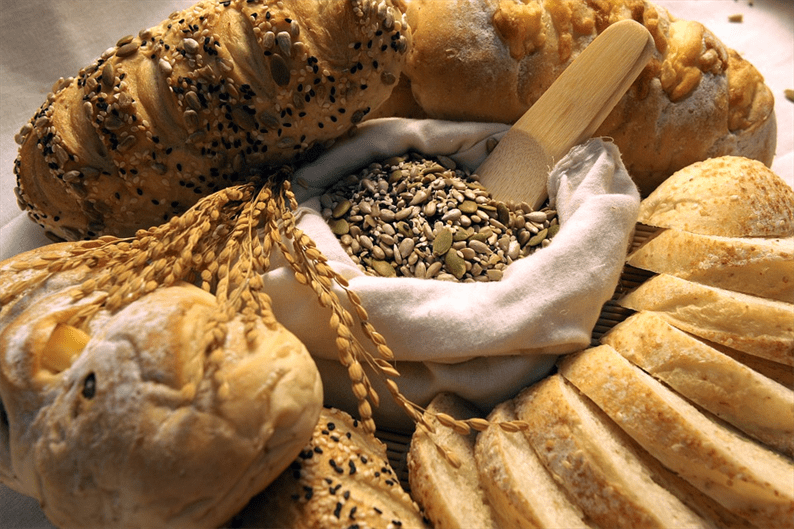
- White bread,
- bakery products,
- sweets,
- rice,
- potatoes,
- corn,
- honey,
- sweet drinks,
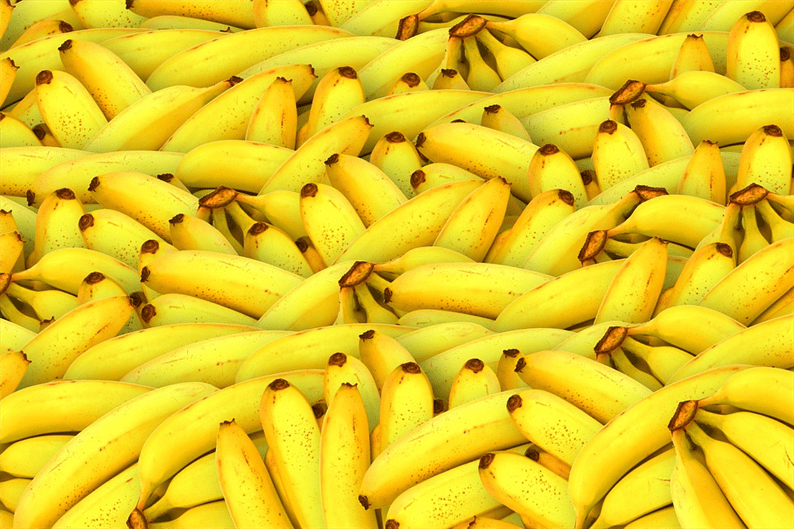
- as well as many fruits (especially grapes and bananas)
– this food contains the most fast carbohydrates.
Slow or, as they are also called, “complex” carbohydrates are broken down gradually. Sugar is absorbed into the blood for a long time, thus suppressing the feeling of hunger and generating energy.
However, these carbohydrates put a lot of stress on the digestive system. It takes a long time to digest. Therefore, it is recommended to use them only in the morning.
Slow carbohydrates are found in all cereals, durum pasta, and vegetables.
Regardless of the species, excess carbohydrate intake combined with a sedentary lifestyle is believed to be a direct path to obesity.
Squirrels for battle
Unlike carbohydrate foods, foods with protein are able to shed those extra pounds in a very short time. This food contains many vitamins, minerals, amino acids and essential proteins.
Thanks to which, the body can receive the necessary energy. And efficiently process fat stores, in the absence of excess carbohydrates.
Let's find out what you can eat in order to rapidly lose weight? The list of products looks like this:
- Beef and chicken
- Fish and seafood
- Chicken and quail eggs
- Dairy and fermented milk products
- Mushrooms and vegetables (cucumbers, tomatoes, radishes, zucchini, eggplant, cabbage)
- Berries and sour fruits (citrus fruits, apples)
Nutritionists warn that one serving should contain no more than 40 grams. protein, the body simply cannot process more.
For correct calculations, special tables have been created. In which the content of proteins, fats and carbohydrates in 100 grams of a particular type of food is described in detail.
Calorie content is indicated. Also, these manufacturers indicate these data on the packaging of each product.
What are carbohydrates and why the body needs them
Chemically, they are composed of carbon, oxygen and hydrogen. A person contains about 3% carbohydrates. Part of them (6%) is deposited in the liver as glycogen, 0.5% in the heart and about 3% in muscle tissue. In absolute terms, the body of an adult male contains about 0.5 kg of glycogen. In addition, sugars are in the form of glucose in the blood plasma in a dissolved form. True, there is not much of it, about 5 g. The higher a person is trained, the more expressed his glycogen-forming function. Read on here how to use slimming shorts.
To a small extent, the body is able to synthesize carbohydrates. However, most of them come from outside. Most of them are found in plant foods. Cereals contain 80% of them, and the sugar content is close to all 100.
The value of carbohydrates for humans
Carbohydrates are the most important energy source for the human body. They can have a different number of structural units. The difference in structure leads to the division of carbohydrates into two types – simple and complex.
The first are easily digestible. This feature has led to the fact that they are also called “fast”. Once ingested with food, they increase the concentration of sugar in the blood. This mechanism of action entails a decrease in metabolic rate and an increase in body fat.
Unlike simple carbohydrates, complex carbohydrates are compounds of many saccharides, tens and hundreds of different elements. The energy contained in them is released gradually, providing long-term and stable saturation. This makes complex carbohydrates healthy.
Functions of carbohydrates
- Energy component. They are the main suppliers of energy to the body. They account for up to 60% of all daily energy. When oxidized, 1 g of carbohydrates gives energy equivalent to 4.1 kcal. This also produces water. With a lack of carbohydrates, previously accumulated water begins to be consumed and weight loss occurs. Many people mistake this for fat burning. But it has nothing to do with this process. This only suggests that glycogen stores are running out.
- Build function (plastic). Enzyme structures and membrane cell formations consist of them. Carbohydrates are included in the polysaccharide structure and organization of complex proteins. Complex molecules are composed of them and the construction of ATP is carried out. They are representatives of the repository of information at the genetic level, which is the DNA molecule. They are also part of the RNA.
- Specific function. They are credited with the role of substances with anticoagulant properties. They prevent blood from clotting when it is not needed. The body takes care that a certain supply of them is created. For this purpose, glycogen exists. They consist of receptors for some hormonal substances that are capable of exerting some antitumor effect. A function related to the supply of nutrients. The body has a supply of carbohydrates in the form of glycogen. It is a rapidly mobilized energy-related reserve depot. Glycogen provides the body's need for glucose. This refers to the glycogen-forming function of the liver. By creating a depot in muscle structures, it provides the body with the possibility of physical activity.
- Protection function. The immune system consists of members of the complex carbohydrates class. Mucopolysaccharides are part of the mucus that covers the surface of the bronchi, lines the inner surface of the nose. They prevent the penetration of dust particles, microbial flora, foreign bodies.
- Regulation function. Fiber is a carbohydrate. It is not broken down in the intestine, but it is able to cause the activation of its peristalsis. As a result, the absorption of nutrients and digestion in general are improved.
Types of carbohydrates
Pasta, representatives of the fruit and vegetable assortment, other products are carbohydrates. All carbohydrates can be divided into the following groups:
- monosaccharides. This includes representatives of simple carbohydrates. Digestive enzymes do not break them down. They come from outside with food or are formed in the body by the breakdown of complex carbohydrates. If their content increases, the hormone insulin, produced by the pancreas, begins to activate. Redirection occurs in the tissue, where glycogen is synthesized with its participation. Fats can also be synthesized from them;
- disaccharides. They are composed of several monosaccharides, the number of which ranges from 2 to 10. A typical representative is sucrose. All of them have a sweetish taste;
- polysaccharides. They belong to the class of complex carbohydrates containing a huge amount of monosaccharides.
The recommended consumption is 4 g of sugars per kilogram of weight. This applies to those who are inactive. But for energetic people with increased physical activity, they need much more.
Complex carbohydrates
They are substances consisting of starch, cellulose – dietary fiber, glycogen – the main source of energy for muscle tissue. The composition of starch is represented by many molecules of the simplest carbohydrates. This is the reason for the long process of splitting this substance, which requires a large amount of energy.
Fiber has not only a truly complex structure, but also very diverse. Different plants have different types of fiber. Cellulose plays an important role in the normalization of digestion and blood glucose concentration, although it is only partially digested.
Glycemic index of carbohydrates
The structure of the carbohydrate directly affects the rate of digestion and the degree to which it affects glucose concentration. The simpler it is, the faster the substance is absorbed and the sugar level rises. Vegetable carbohydrates from a mixture of fiber and starch are composed of hundreds of interconnected elements and are absorbed by the body for a long time.
The rate at which energy is released from a carbohydrate is directly related to GI. The lower it is, the slower the absorption takes place, and the sugar rises smoothly. Carbohydrates with a high GI, on the contrary, quickly release energy, causing a sharp surge in glucose.
Harmful and useful carbohydrates
The body benefits from complex carbohydrates of plant origin, which are subjected to moderate heat treatment. They are slightly inferior to whole grain cereals with an average GI and a high content of dietary fiber.
Uncoated grains, which include white flour with rice, as well as products made from them, are neutral, but in large quantities can lead to weight gain. The most harmful are simple carbohydrates, the amount of which should be limited.
Daily intake of carbohydrates
The misconception about minimizing carbohydrate intake is due to a lack of understanding of the difference between complex and simple carbohydrates. A person needs to consume from 250 to 400 grams of carbohydrates per day, that is, about 50-80 percent of the total number of calories.
Strength training requires an increase in the rate of carbohydrates. If the training is moderate, for every kilogram of its own weight there should be 5 grams, and when it is aimed at building muscle – about 7-8 grams.
How to cut back on your carbohydrate intake
When a man or woman is consuming a lot of carbohydrates, the problem of excess weight may arise. In order to avoid such a situation, you need to revise your diet and develop a healthy diet menu. In this case, the body will have no other choice but to draw energy from its own body fat reserves. For effective and prompt weight loss, it is now very common and important to switch to a protein diet. It really helps to quickly lose those extra pounds. However, many people consider this option to be very hazardous to health and even toxic.… It would be much more correct to establish a reasonable minimum of incoming nutrients, balance the total amount of various foods consumed. By minimizing your carbohydrate dosage and focusing on protein, you can quickly achieve your desired results and maintain muscle health. In order to start intensive weight loss, you must exclude the following foods containing simple carbohydrates from your diet:
- Confectionery products.
- Any bread, rolls and pies.
- Do not eat “fast food”.
- Carbonated, sweet, colored drinks.
- Minimize your intake of sugary fruits.
After we have removed all unnecessary products from the daily diet, you can start developing a new menu.
Foods without carbohydrates
Low-carb diets are gaining popularity today. Taking the advice of experienced nutritionists and analyzing the positive reviews, we can conclude that this way to regain a slim appearance is the safest and most effective. Any low-carb diet will contain certain foods:
- Meat. This includes all types of this product: poultry, beef, pork.
- Seafood. Any fish of the seas and oceans, shrimp, rapana, mussels, crayfish, oysters, caviar and seaweed.
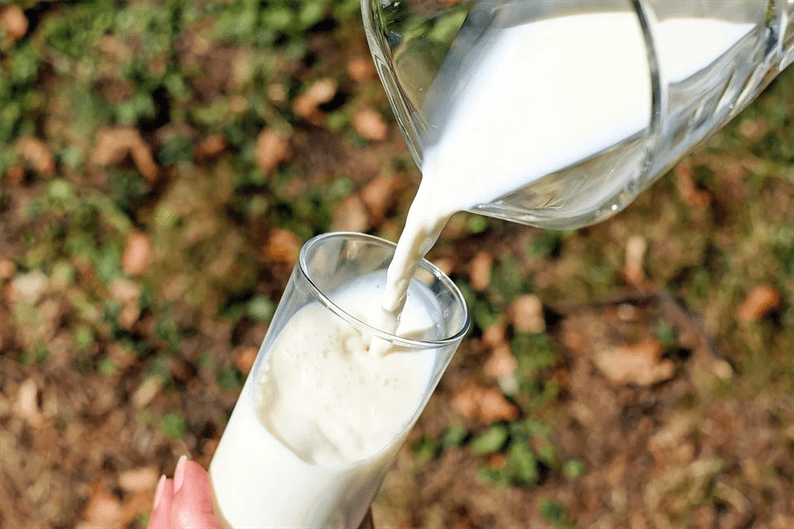
- Fermented milk products. Various cheeses, cottage cheese, kefir, fermented baked milk, yogurt, yoghurts, milk or sour cream.
- Chicken, goose, quail eggs.
- Mushrooms. It can be wild boletus, chanterelles, boletus or boletus, as well as artificially grown champignons or oyster mushrooms.
- Vegetables. Cucumbers, tomatoes, radishes, green onions, lettuce, parsley, dill, eggplant, cabbage, legumes, celery.
- Fruits. It is best to use citrus fruits, strawberries, green apples. Quite low in carbohydrates in lingonberries, cranberries or currants.
- You can drink tea without sugar, coffee or mineralized water.
However, you should not completely exclude fats from your daily meals, because your beauty and health depend on them. A couple of tablespoons of vegetable oil in a salad or porridge is enough and your nervous system and skin will be healthy. For a woman (we take average values), a single dose of protein should not be more than 40 grams, and the total calorie content of the menu should be somewhere between 1300-1400 kcal. Then we can assume that the nutrition is correct and competent, all actions for intensive weight loss are followed.
Fruits
Fruit can be consumed for dessert as a tasty and healthy alternative to sweets. Unlike the latter, fruits are complex carbohydrates that are absorbed slowly and give a feeling of fullness for a long time.

Fruit can be consumed for dessert as a tasty and healthy alternative to sweets.
They also do not cause a rise in blood sugar levels, the excess of which is transformed into subcutaneous fat. For fruits, apples and citrus should be preferred, and bananas, mangoes, grapes, raisins and dates should be avoided.
The table lists fruits containing a minimum of carbohydrates, and their percentage in 100 g of the product:
| 100 g of product | Carbohydrates (g) |
| Cherry | eleven |
| Pear | 10.7 |
| Apricot | 10 |
| Plum | 9.4 |
| Apple | nine |
| Mandarin | 8.6 |
| Orange | 8.4 |
| Avocado | eight |
| Kiwi | eight |
| Grapefruit | 7.3 |
| Sea buckthorn | 5.5 |
Meat and fish
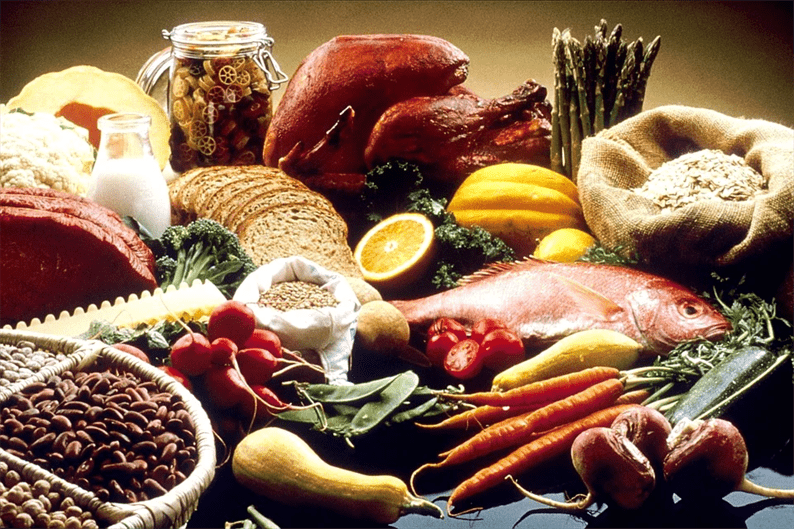
A significant part of the diet of a carbohydrate-free diet should be meat and fish dishes.
A significant part of the diet of a carbohydrate-free diet should be meat and fish dishes.
This protein-rich food prolongs the feeling of fullness and consumes more energy to digest, which leads to more efficient burning of body fat.
From meat, preference should be given to lean beef, lean pork, rabbit meat, chicken breast. First, you must remove the skin from the chicken.
The fish can be eaten boiled, baked and canned.
| 100 g of product | Carbohydrates (g) |
| Beef liver | 6 |
| Meat baked in breadcrumbs | 6 |
| Fried fish | four |
| Pork liver | 3.8 |
| Boiled fish | 3 |
| Sausage | one |
| Cooked meat | |
| Boiled fish | |
| Shrimp |
Vegetable proteins
Vegetable proteins are found in vegetables, legumes, and cereals.
They also contain small amounts of complex carbohydrates required for energy production.
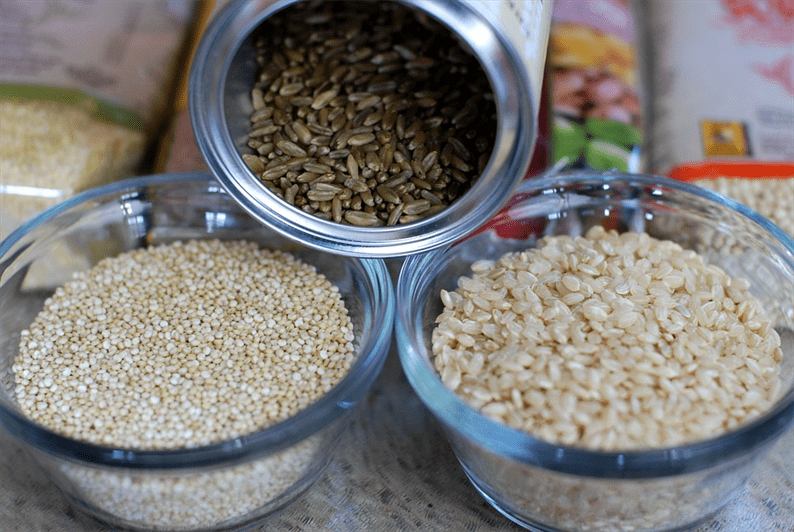
Vegetable proteins are found in vegetables, legumes, and cereals.
Eliminate white rice and starchy vegetables such as potatoes.
| 100 g of product | Carbohydrates (g) |
| Buckwheat | 68 |
| Oat groats | 65 |
| Beans | 54 |
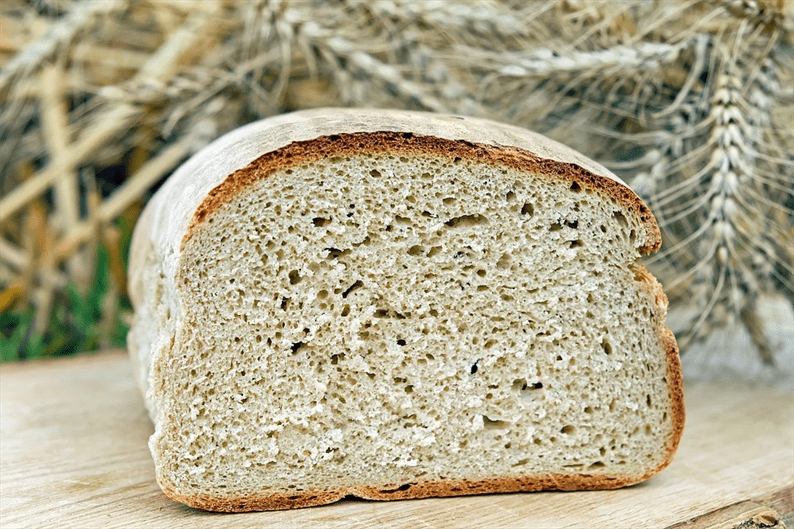
| Rye bread | 49 |
| Soy | 27 |
| Almond | 13.6 |
| Beet | 10 |
| Walnut | 10 |
| Peanut | 9.7 |
| Hazelnut | nine |
| Dried porcini mushrooms | nine |
| Parsley | eight |
| Carrot | 7 |
| Zucchini | 5.7 |
| Eggplant | 5.5 |
| White cabbage | 5.4 |
| Cauliflower | five |
| Red pepper | five |
| Sunflower seeds | five |
| Tomatoes | four |
| Radish | four |
| Cucumbers | 3 |
| Asparagus | 3 |
| Champignon | 0.5 |
Eggs and dairy products
Eggs and all dairy products contain a minimum of carbohydrates, but in order to lose weight faster, you must choose foods with a fat content of less than 5%.
| 100 g of product | Carbohydrates (g) |
| Milk | 4.7 |
| Sugar Free Yogurt | 3.5 |
| Kefir | 3.2 |
| Sour cream | 3 |
| Mayonnaise | 2.6 |
| Cottage cheese | 1.8 |
| Cheese | 0.5-2 |
| Eggs | 0.5 |
Pros and cons of carbohydrate-free foods
A low carb diet can be followed for a long time, but in this case, the menu should not be so strict
The advantages of this method of losing weight include:
- Fast fat burning and weight loss.
- The presence in the diet of sources of proteins and vitamins: meat, fish, vegetables and fruits.
- A large selection of permitted products allows you to diversify the menu for every day.
- Carbohydrates are excluded, which contribute to the deposition of sugar in the body.
- Energy is produced primarily from our own fat reserves.
The disadvantages of such a diet include the following:
- Increased stress on the liver and kidneys due to the abundance of protein foods.
- Insufficient intake of vitamins contained in prohibited products into the body requires additional intake of vitamin complexes.
- Lack of glucose can lead to irritability, poor focus, and fatigue.
- Lack of fiber found in cereals, bran and many vegetables can cause constipation and stomach discomfort.
- Pathologies of the heart, blood vessels, kidneys, gastrointestinal tract and liver are a contraindication to switching to a carbohydrate-free diet.
- While following the diet, undesirable reactions may occur, such as: constipation, heaviness in the stomach, irritability, weakness.
It is not recommended to exclude carbohydrates during pregnancy and breastfeeding, during the period of weakening of the immune system and recovery from illness.
How to cut fat in your daily diet
In order to reduce the amount of consumed fats to the required minimum, it is necessary to consume only those protein foods that have a reduced fat content:
- Diet meat. This includes duck, rabbit, veal, chicken. It is necessary to understand that this meat should also be cooked correctly. Only cook, simmer.
- Fermented milk products are able to saturate the cells of the body with energy.
- Egg whites actively help the body get rid of excess body fat.
- White fish meat contributes to active weight loss.
Active lifestyle
For the effects of a low-carb diet to be quick enough, your body is toned and your complexion is healthy, you just need to add some activity to your daily routine. During exercise, jogging or warm-up, there is an increased circulation of fluids, thus, the body is quickly freed from toxins. Physical activity can strengthen the muscle frame and speed up the process of burning fat. We also remember that you need to take a lot of fluids. 2 – 2.5 liters of mineral water a day will help to freely remove toxins and decay products from the body, refresh the skin and give your body elasticity and softness. Unfortunately, a low-carb diet has its own contraindications.… People who have kidney disease, digestive problems or blood pressure should refrain from the above recommendations.
Drawing conclusions
Fast carbohydrates are practically useless for the body, and they should be included in the menu as little as possible. Ignorance of the measure leads to diseases of the endocrine system and diabetes mellitus.
But in some cases, such substances can produce a positive effect. For example, when gaining muscle mass or after hard physical work. An increase in glucose levels provokes insulin “surges”, which stimulate the “pumping” of blood and transport of nutrients to the muscles. In this case, the pancreatic hormone acts on the muscles like anabolic substances, triggering recovery processes.
Sources used and useful links on the topic: https://tvoy-ves.ru/produkty-bez-uglevodov/ https://www.diet-menyu.ru/diety/uglevody.html https://builderbody.ru/uglevody -poleznye-i-vrednye / http://slimtoday.su/pohudenie/pitanie/produkty-bez-uglevodov-spisok-produktov-tablica.html https://Dietonika.com/mikroelementy-v-produktah/produkty-bez- uglevodov.html https://fitexpert.biz/bystrye-uglevody/
Post source: lastici.ru