
The most popular types of allergies in 2020. Allergy
Causes of different types of allergic reactions
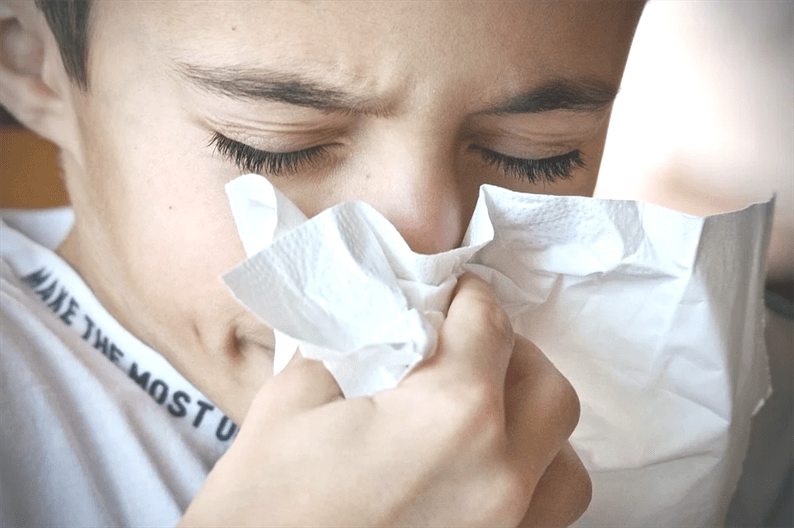
Doctors identify several types of allergies. It is important to know what specific type the patient has, since all of them, with their similarity, still have different etiology, symptoms and, as a result, a method of treatment.
Seasonal allergies
This variety is popularly called “hay fever” or hay fever. Hay has nothing to do with it, it's just that the collective name of the main source of allergies – grass – is expressed in this way.
The absolute leader among all the reactionary representatives of the flora is ragweed. This is a bright green plant with carved leaves, brought to the territory of Russia from the Crimea in the middle of the last century.
Since hay fever is caused by pollen, allergies usually occur in spring and autumn, less often in summer.
The most common allergens of hay fever are:
- acacia;
- sagebrush;
- pine needles;
- willow;
- wheatgrass;
- alder;
- swan;
- dandelion;
- hazelnut;
- feather grass;
- ragweed;
- Birch;
- poplar;
- hemp;
- cereals;
- wildflowers.
But the real reason for the development of hay fever is not flowering at all, because a huge part of people do not suffer at all during this period.
Causes of allergies in adults during a specific season:
- Weakened immunity. The body simply does not have the strength to fight the antigen. The immune system can be weakened due to recent illness, smoking, alcohol abuse, unhealthy diet, stress, or living in a poor ecological environment.
- Heredity. The reaction to flowers and herbs can be acquired from parents, and then the allergy will be passed on from generation to generation. Unfortunately, in this case, the state of immunity can only affect the strength of the allergy symptoms.
Contact
Contact allergic dermatitis is a lesion of the skin. It manifests itself as a result of skin contact with sensitizers. Most often diagnosed in young people and middle-aged people.
This type of allergy is spreading very actively among humanity. Doctors attribute this to environmental degradation.
The appearance of the reaction is closely related to the effect of the allergen on a specific area of the skin. In addition to the provoking factor, the state of the human body as a whole is of great importance.
Therefore, among the causes of pathology, there are:
- weak immunity;
- stress;
- predisposition to allergies;
- violations of the skin;
- chronic diseases;
- excessive sweating;
- lack of useful elements in the body.
About 3000 substances are known that can cause allergic contact dermatitis.
Among them:
- plants;
- metals;
- synthetics and low-quality fabrics;
- dust;
- hair dye;
- formalin;
- cheap low-quality cosmetics;
- some medications;
- household chemicals.

The intensity of the action of the provoking factor on the skin determines the rate of progression of the disease.
Food
This type is one of the most common reactions among allergy sufferers. The reason is the rejection by the body of the compounds that make up some food products.
A very large number of features and conditions of the body have been identified that predispose to the development of this type of allergy.
The most common factors affecting the development of intolerance to certain food products:
- features of the stimulus itself. Food antigens are overactive, which are highly immunogenic and are able to penetrate the digestive organs without obstacles. Most of these allergens are found in fish, cereals, nuts, cow's milk, egg white, citrus fruits, tomatoes. Almost 80% of allergy sufferers suffer from these listed foods;
- hereditary factors. Food intolerances can be passed from one generation to the next within a family.
Other factors also affect, for example, the volume of the irritant that has penetrated inside, the method of heat treatment of the product, and so on.
Respiratory
With a respiratory allergy, the irritant gets on the lining of the nose or throat, which can be easily confused with the symptoms of a common cold.
The reasons for this type of allergy:
- household dust;
- mold spores;
- wool and particles of the epidermis of animals;
- indoor flower pollen;
- particles or droppings of mites, cockroaches.
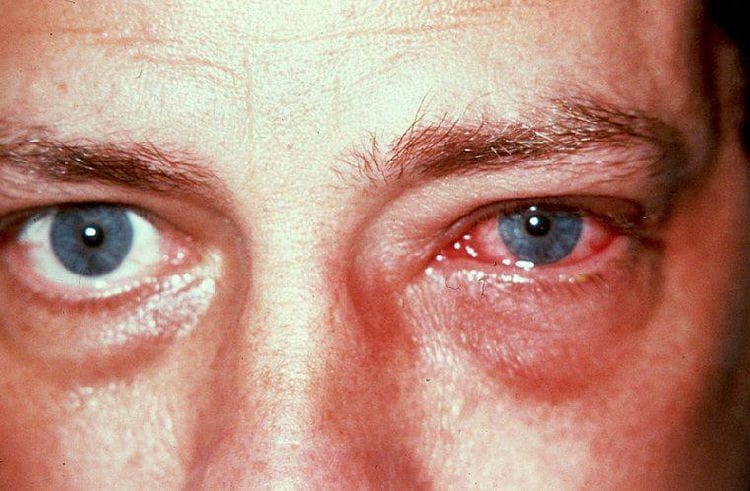
Intentional or accidental inhalation of household chemicals, fragrances, building materials can also provoke the development of allergies. Allergens of this type can cause allergic conjunctivitis.
Infectious
This term implies an increased sensitivity of the body to pathogenic organisms that cause infections and parasitic processes:
- Bacteria. Often tuberculosis, syphilis, gonorrhea, streptococcal diseases are accompanied by allergies.
- Rickettsiae are a genus of small intracellular parasites.
- The simplest. This refers to infection with lamblia, trichomonads, plasmodia.
- Viruses. Herpes, influenza, hepatitis, Coxsackievirus cause the development of infectious and allergic pathologies, for example, non-rheumatic myocarditis.
- Fungi. Fungal infections of the skin (mycosis) and nails (onychomycosis) cause rashes and respiratory symptoms. Fungi cause allergic bronchopulmonary aspergillosis, histoplasmosis.
- Helminths are parasitic worms in the digestive tract.
Factors provoking the development of an infectious allergy:
- genetic predisposition;
- problems with the endocrine system;
- psychological instability associated with pathologies of the adrenal glands.
And more reasons for allergies in adults of this type:
- conducting tests (Mantoux, for dysentery or brucellosis);
- vaccinations;
- pathologies caused by streptococcus, staphylococcus, Escherichia coli.
The immune system is man's friend!
To understand, let's take a look at the human immune system. It is a complex of organs, tissues, cells and molecules that guard the integrity of our body, and protects us from all that “outside” that can harm. The list of this “from the outside” is huge – bacteria, viruses, toxins, parasites … Pathogens are potentially deadly, and the body needs to instantly recognize, classify and respond to the offender. Once in the body, the pathogen immediately meets the protective cells. Protective cells trigger a reaction, the result of which is the synthesis of antibodies – specific for each offending killer molecules.

The hyperactivity theory presents the immune system as a scale. In the absence of other, more intense, reactions of the immune system – for example, infections – the scales tilt towards “local” reactions.
The circuit is pretty simple, but where is the allergy? For a long time it was believed that allergy is a “by-product” of the immune system, the result of its hyperactivity3. It's like a dog that begins to bark not only at strangers, but in general at everyone entering the yard. He can bark at family friends – that is, in the context of the immune system, react to completely harmless molecules and substances: then an allergy to pollen or food develops. And this dog can also attack his family members without recognizing them: at this moment, the most terrible “allergies” develop – autoimmune diseases, when the body literally destroys itself. The hyperactivity theory presents the immune system as a scale. In the absence of other, more intense, reactions of the immune system – for example, infections – the scales tilt towards “local” reactions.

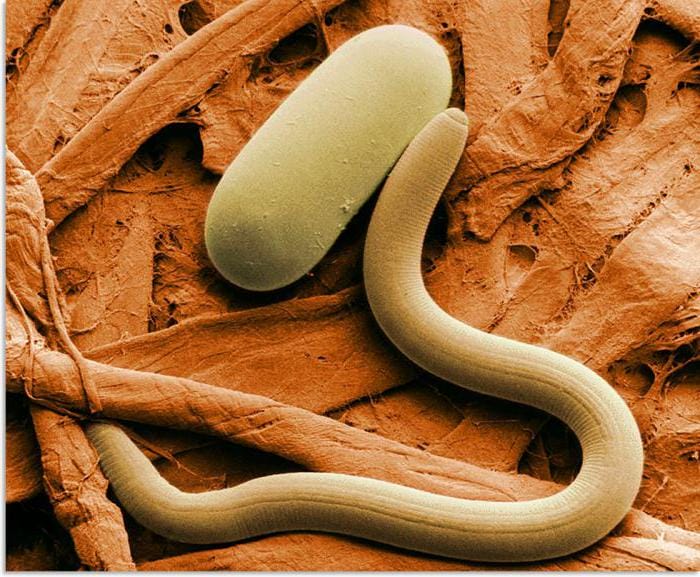
And more recently, an interesting theory has emerged that the proteins of allergens resemble the “dangerous” proteins of pathogens. So, pollen proteins in many respects coincide with proteins of roundworm – a dangerous parasite4, 5. In this case, our dog's immune defense is not to blame – he does not recognize a family friend in a big scary mask. Vegetable protein does not affect the body in any way, but just in case it is reinsured – what if roundworm? For us, the chances of meeting a parasite are small, but for our close-minded ancestors, helminths were an everyday reality. This theory turns the concept of allergy 180 degrees – now it is not a side effect of hyperactivity, but a subtle system designed to protect the body from parasitic worms as effectively as possible.
Biochemistry of allergies
The reaction to an allergen goes through three phases: immunological, pathochemical and pathophysiological. The very first contact of the body with an allergen provokes the synthesis of specific antibodies – immunoglobulins of class E, which remain in the bloodstream as a “memory” – this is the immunological phase. The main task of immunoglobulins E is the next time the allergen enters the body again, to activate cells with the funny name “fat” and to provoke a pathochemical phase. In response, mast cells release a fountain of killer molecules: among them the most powerful are histamine and heparin, but there are dozens of others.
But we feel the pathophysiological phase on ourselves: there are disturbances in breathing and heart rate, itching. Histamine, the main allergy agent, acts on the H1 receptors. Under the influence of histamine, the bronchial vessels contract, the strength and heart rate increase, the vessels dilate and their permeability increases. At the site of contact with the allergen, the “triple action” of histamine is manifested: swelling, redness and local temperature rise.
Biological
An allergen of this origin is medical preparations (serum-based or vaccines), intestinal parasites (pathogens of helminthiasis), pathogens (microbes, viruses), fungal formations. The overwhelming majority of pathologies of an infectious nature are accompanied by allergic reactions. This type of allergy is called infectious, and pathologies caused by pathogens and the symptoms of which are aggravated by allergic reactions, infectious-allergic.
Often their appearance is caused by microorganisms and fungi that are constantly present on the skin, the surface of the respiratory tract and the gastrointestinal tract. Focal inflammatory processes can also become the cause of an allergic reaction: pulpitis, sinusitis, cholecystitis and others. Allergic reactions in the presence of helminthiasis are caused by the absorption of decay products and metabolism of intestinal parasites by the walls of the gastrointestinal tract.
Medicinal
As the name implies, a drug allergen is a constituent of medicines. Almost every drug can catalyze an allergic reaction. The first lines in the list of such drugs are occupied by penicillins, acetylsalicylic acid, codeine, sulfonamides, novocaine-based drugs, some vitamins, and the like.
Medicines containing penicillin are most often the cause of serious manifestations of allergies. Even a small excess of the dose can contribute to this. Before taking any medication, it is advisable to consult a doctor and study the instructions for use. The danger also lies in the fact that the allergy may not appear the first time the drug is taken.

Household
Household allergens can be roughly divided into two groups: dust and epidermal.
Dusty
One of the main household allergens is common house dust. Its composition is not as banal as the name, and includes many ingredients: dust microparticles from floor and wall coverings, personal belongings, furniture, fungal formations, parts of insects that live in the house, such as bed bugs, bed mites, and so on. And it is this mixture that you have to breathe in the house.
Also a component of dust is synanthropic mites, an allergic reaction to the presence of which has become widespread in recent years. The increased temperature in insulated houses is a catalyst for their reproduction. With insufficient ventilation, the conditions for these microparasites become even more favorable. Synanthropic ticks prefer warm places with high humidity and are invisible to the naked eye. Mostly present in large quantities in beds, bedding, furniture and plush toys. The main source of food for them is exfoliated particles of human skin. By the way, they are the main part of the dust mass.

Allergens in this case are not the microscopic parasites themselves, but their waste products. The extremely small size of these secretions allows them to be present in the air for a very long time, which causes their frequent entry into the human lungs through the respiratory system. Allergies in the respiratory tract can have signs of hay fever and asthmatic diseases. Skin signs of allergic reactions to synanthropic mites appear as eczema. The overwhelming majority of allergy sufferers are susceptible to this type of allergy.
Epidermal
Epidermal allergens also belong to the household group. They include other people's hair, hair, and animal dander. Fish food, especially dry food, has a strong allergenic effect. Sadly, pets are one of the strongest sources of allergenic substances. Although it should be said that the animals themselves do not emit allergens, the danger lies in substances for which the fur and other secretions of pets are an excellent habitat and reproduction:
- discharge of the salivary glands;
- excrement;
- blood;
- peeling skin;
- urine.
The most common form is an allergic reaction to felines. Allergies to artiodactyls and rodents become the most severe.

In recent years, more and more cases of allergies to components of household chemicals, such as dishwashing detergents, washing utensils, have begun to appear. Allergic reactions in such cases are mostly represented by asthmatic manifestations and inflammatory processes in the nasopharynx.
Pollen
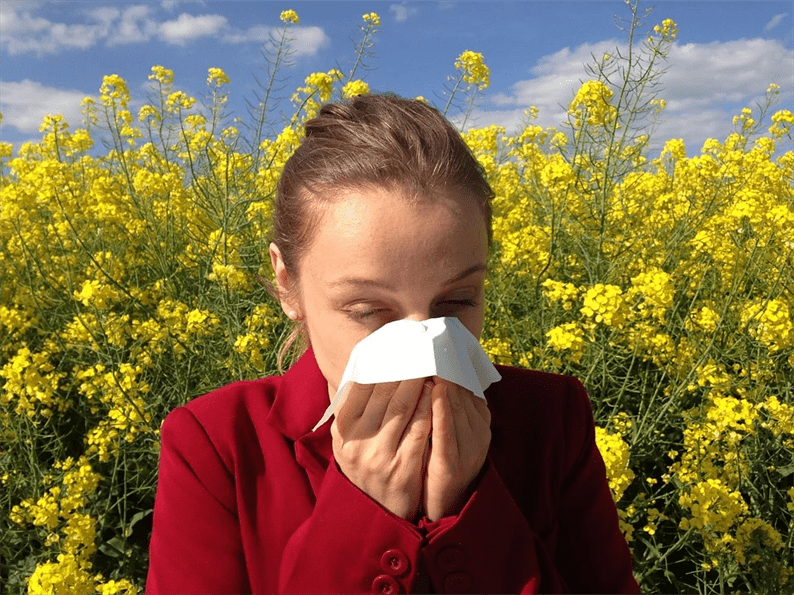
A pollen allergen is the pollen of some flora, mostly wind-pollinated. Allergic reactions appear in the form of inflammation of the respiratory tract, conjunctivitis and other signs of hay fever.
The smallest particles that make up pollen are spread by wind or insects involved in pollination processes. If it gets on the mucous membrane of the eye or nasopharynx, manifestations of hay fever are possible. And once it gets on the tissues of the lungs, pollen is able to exacerbate asthmatic diseases. Each sample of pollen from various representatives of the flora corresponds to its own time, thanks to this it is possible to identify the pollen of which particular plant the human body reacted in this way.
Causes of allergies in adults and children
There are many reasons due to which the development of the immunopathological process becomes possible. Allergies are hereditary or acquired. In adults and children, provoking factors may differ, since anthropogenic factors are more characteristic of older people.
However, most experts note that the main reason for the pathological enhancement of immunological protection is the failure of the body's cleansing system. In the first place is the gastrointestinal tract, in the second – the liver and kidneys.

The causes of allergies in adults are often accompanied by malnutrition and diseases of the gastrointestinal tract. If there are pathologies in the digestive system, for example, peptic ulcer or dysbiosis, then the intestinal walls become more permeable, and through them large molecules of various substances are able to penetrate into the blood. The immune system begins to perceive them as foreign, and to produce the corresponding antibodies.
A person daily consumes foods that can become allergens. If it transmits, there are parasites in the intestines, and the organ itself is inflamed, then the risk of developing allergies increases significantly. Malfunctions of the liver and kidneys lead to the accumulation of decay products and toxins in the body, thus increasing the likelihood of an allergic reaction.
Another cause of allergies that develops in both adults and children is heredity. If one of the parents suffers from allergic reactions, then the risk of developing pathology in the child increases. In the case when the allergy is diagnosed in both the mother and the father, the child will suffer from this disease with a probability of up to 80%.
Other causes of allergies in adults:
- Professional activity. If a person often and for a long time is in contact with potentially dangerous substances (metals, chemical solutions, medicines, etc.), then after a while the risk of developing allergies increases significantly.
- The use of cosmetics and household chemicals. Low-quality cosmetics, powders or dishwashing detergents, floors often contain harsh chemicals that, if penetrated under the skin, can cause serious allergic reactions.
- Bad habits. Alcoholic beverages increase the intoxication of the body and disrupt the functioning of the liver, and tobacco smoke damages the mucous membranes of the respiratory tract. All this contributes to the penetration and accumulation of allergens in the body.
- Infections. Chronic respiratory infections: sinusitis, laryngitis, tonsillitis and others lead to the fact that the bacteria that cause allergies are constantly present in the body, and, therefore, increase the risk of developing an immunopathological process.
Causes of allergic reactions in children
In infants, allergies often develop against the background of the mother's refusal to breastfeed and early artificial feeding. The baby has not yet had time to form the immune system, and any product can cause specific allergic reactions.
Allergies in children can also occur due to the mother's non-compliance with the diet during pregnancy. Pregnant women are advised to refrain from foods that are strong allergens, smoking and drinking alcohol. If she does not adhere to the rules, then the propensity for allergies in the child can form even in the prenatal period.
Blood tests for allergens and skin tests
In order to properly treat allergies, it is necessary to be examined by an allergist and be tested for allergens. Depending on the provoking factor and the severity of the pathology, the doctor prescribes the appropriate treatment. You can detect allergies in yourself if you carefully study its symptoms.

The main symptoms of allergies:
- respiratory manifestations in the form of sneezing, runny nose, coughing, wheezing, asthma attacks;
- dermatosis is manifested by hyperemia and swelling of the skin, itching, rashes, peeling;
- conjunctivitis is characterized by lacrimation, burning and pain in the eyes;
- enteropathy is characterized by swelling of the tongue, lips, nausea and diarrhea;
- anaphylactic shock develops against the background of convulsions, shortness of breath, vomiting, dizziness, loss of consciousness.
General information
Allergies are an increased sensitivity of the body's immune system to certain environmental factors called allergens. An allergic reaction can occur to any substance that previously sensitized the body upon repeated exposure. Prolonged or frequent penetration of an allergen into the body causes an accelerated reaction to a foreign substance, and leads to the development of allergic diseases.
The term “ allergy ” was first used in 1906 by the Austrian pediatrician K. Pirke. The term denoted an altered, unusual reaction of the body to anti-diphtheria serum administered to children for therapeutic and prophylactic purposes. Later, the term “allergy” acquired a broader designation. But long before the classification of allergy as a separate disease, diseases caused by allergens were described: hay fever, food intolerance.
Today, 20% of the world's population suffers from allergies. The disease tends to grow, over the past 50 years, cases of allergic diseases have significantly increased. The reasons for this growth are the high rates of development of the chemical industry, the wide and almost uncontrolled use of antibiotics, the use in everyday life of a large number of industrial and household substances, such as synthetic polymeric materials, dyes, preservatives, chemical detergents and other substances that can be allergens.
The disease does not develop in all cases of contact of the body with an allergen. A hereditary factor plays an important role in the onset of the disease. In this case, it is not an allergic disease that is inherited, but the body's predisposition to respond with an increased reaction to certain substances. In a child whose parents have an allergic disease, the reaction to the allergen manifests itself in a different form, different from that of the parents. In families where both parents are prone to allergies, the probability of developing the disease is 70%, if only one of the parents is sick – 50%. In addition to heredity, a significant contribution to the development of allergic diseases is made by the state of the endocrine and nervous systems.
Allergens
Allergens can be various substances and compounds, both simple bromine or iodine, and complex – proteins, polysaccharides and their combination. Distinguish between exogenous allergens, that is, entering the body from the outside, and endogenous, which are formed in the body itself. Depending on the group of allergens, various reactions and allergic diseases develop, requiring timely and correct treatment.
Exogenous allergens
Substances that cause an allergic reaction when ingested or in contact with it can be of both infectious and non-infectious origin. Exogenous allergens, the ingestion of which causes damage to organs and systems, are divided into several groups.
- Biological allergens. This group includes microbes, viruses, fungi, helminths, serum and vaccine preparations. Diseases caused by biological allergens are classified as infectious and allergic. The source of the disease can be a focus of infection in the body – carious teeth, cholecystitis, inflammation of the upper respiratory tract. Helminthiasis acts as an allergen due to the penetration of decay products and vital activity of helminths into the bloodstream, a reaction occurs when the body is intoxicated.
- Household allergens. This group includes house dust, dust mites, fungi that form in damp rooms, and particles of domestic insects. When ingested through the respiratory tract, they cause allergic diseases such as allergic (vasomotor) rhinitis, bronchial asthma.
- There is also a reaction to epidermal allergens – hair, wool and animal dander. Cases of reactions to household chemicals, in particular to washing powders and detergents, have become more frequent.
- Pollen exogenous allergens. Allergic reactions to pollen are the most common. Allergenic properties are possessed by pollen of some species of wind-pollinated plants not exceeding 35 microns in diameter. Symptoms of pollinosis occur – conjunctivitis, runny nose, swelling, skin rashes. The combination of these reactions is called hay fever. The strongest pollen allergen is the pollen of the ragweed weed. In order to prevent allergies, an annual mass destruction of this plant is carried out.
The main allergenic plants in Russia
- Food allergens. This group includes almost all food products. Food allergies are most often caused by such foods as milk, eggs, meat, fish, tomatoes, citrus fruits, chocolate, strawberries and crayfish. When an allergen enters the gastrointestinal tract, vomiting, diarrhea appears, and later allergy symptoms – urticaria, fever. In children, food allergy manifests itself in the case of overfeeding, its sign of a rash, diathesis. In some cases, intolerance to certain foods is not an allergic reaction. It is associated with a lack of certain enzymes in the gastric juice, which leads to disturbances in the functioning of the digestive system, similar to food allergies.

Major food allergens
- Industrial allergens. Reactions to this group of substances are manifested in the form of skin lesions – allergic occupational contact dermatitis. Such allergens include turpentine, mineral oils, nickel, chromium, arsenic, tar, tannins, varnishes, insectofungicides. Also, in some cases, allergens of the industrial group are substances that include bakelite, formalin, urea, epoxy resins, detergents, aminobenzenes, quinoline derivatives, chlorobenzene. Often, an allergic reaction occurs to cosmetics with a chemical composition, these are dyes for hair, eyebrows, eyelashes, perfumes, shampoos and others. Allergies can occur with prolonged contact with any of the industrial substances, so it often occurs in people working in the chemical industry.
- Medicinal allergens. An allergic reaction can occur to any drug, in each case, various reactions develop, all four types of hypersensitivity of the immune system to drugs are presented. The reaction occurs only after mandatory preliminary sensitization of the body, and latent sensitization is possible. Drug allergy is characterized by pronounced polymorphism of manifestations, sudden development, and increasing severity of symptoms. The severity of the reaction is not related to the dose of the drug that caused the reaction. Anaphylactic shock, bronchial asthma, urticaria, Quincke's edema, allergic rhinitis as a reaction to Penicillin, Analgin may develop, Novocain, vitamins. Serum sickness occurs when exposed to antibiotics, sulfonamides, hormones, drugs containing nitrofuran derivatives. Hemolytic reactions are caused by drugs of the pyrazolone series. Slow allergic reactions such as contact dermatitis may develop .
Endogenous allergens
In some cases, the tissues of the organism itself, the tissue of the lens of the eye, the myelin of the nervous tissue, the tissue of the thyroid gland and the testicles, can act as allergens. A special group of endogenous allergens are physical factors in which substances that cause an allergic disease are formed in the body. Such factors can be heat, cold, mechanical irritation, burns, radiation exposure and the products of exposure to microbes or viruses with body tissues. Under the influence of external factors, the body produces proteins with altered confirmation, to which an allergic reaction occurs. Such changes can occur in some diseases, the most common reactions in rheumatoid arthritis, systemic lupus erythematosus, autoimmune diseases.
Allergy treatment
Allergy treatment is aimed at reducing the body's sensitivity to the allergen when it is re-administered in the interictal period. The method is based on the fact that repeated, gradual introduction of an allergen into the body in increasing doses causes the formation of special blocking antibodies. These antibodies bind the allergen and prevent its contact with allergic antibodies, and therefore prevent allergic reactions and cell damage from occurring. This method of treatment is quite effective, in some cases it is possible to get rid of the allergy forever, but more often it is simply to weaken the reaction to the allergen. Traditional methods of treating allergies and allergic diseases have a milder effect. But many of them have manifestations that traditional medicine cannot cope with, therefore they are used as symptomatic treatment.
Allergic rhinitis
One of the first symptoms of allergy that amenable to unconventional treatment is an allergic rhinitis. It can be seen as a neuroreflex disease, or a local anaphylactic reaction to an allergen. The slightest irritation of the nerve endings of the nasal cavity leads to a violent reaction of the nasal mucosa. The reaction can be caused by a strong odor, pollen and household allergens. As symptoms of allergy, watery-mucous discharge, sneezing, nasal congestion appear, but there is no inflammatory process in the mucous membrane, which is called an allergic rhinitis. Vasomotor rhinitis can be seasonal – hay rhinitis, or perennial vasomotor allergic rhinitis.
For the drug treatment of allergic rhinitis, calcium preparations and antihistamines are used – Diphenhydramine, Pipolfen, Suprastin. Treatment with alternative medicine has a positive effect when taking decoctions of medicinal herbs. An allergic rhinitis caused by a household allergen is well treated with a decoction that includes St. John's wort. To prepare the broth, take 5 parts of St. John's wort, 4 parts of centaury, 3 parts of dandelion root, and 1 part of horsetail, chamomile and corn stigmas. Plants are poured with a glass of cold water and brought to a boil, insisting for 1 hour, use 1/3 cup 3 times a day.
With hay rhinitis, it is recommended to gargle and rinse the nasal passages with a weak Infusion of motherwort or clean water. This procedure should be carried out after every time you go outside.
Hives
An allergic disease occurs when certain medications enter the body, insect bites, or the effects of physical factors. It is characterized by a rash on the skin of itchy blisters, which are swelling of the papillary layer of the skin. Medication urticaria is treated with antihistamines. In severe cases, glucocorticoid drugs are used. After stopping the acute manifestation, desensitization is performed. Traditional methods of treating allergies are used as a topical treatment and blood purifier.
A positive effect for urticaria and other allergic rashes is possessed by an infusion of lamb, popularly called deaf nettle. For the preparation of infusion 1 tbsp. a spoonful of lamb's flowers is poured with a glass of boiling water, insisted, wrapped for 20 minutes. Drink infusion 4 times a day for ½ glass, or 1 glass of broth three times a day.
The herb of the three-part series has a similar effect, the infusion is prepared from 4 tbsp. tablespoons of chopped herbs per liter of boiling water, they drink, as well as the infusion of yaznotka, ½ cup 4 times a day.
To alleviate the condition of the skin, baths with a decoction of wild rosemary are used. 1 liter of broth or infusion of wild rosemary in a bath of water. Such baths help get rid of itchy rashes faster.
In folk medicine, for severe allergies, high quality mumiyo is used. It has a quick action in case of severe allergies, relieves swelling of the mucous membrane of the throat, thereby preventing the development of Quincke's edema. A high-quality mummy dissolves without sediment, the solution is used in a proportion of 1 g of mummy per 1 liter of warm water. The solution should be taken once a day with milk. For preschool children, the dose should not exceed 70 ml. for adults and children over 8 years old, the daily dose is 100 ml. Allergy treatment is carried out in courses of 20 days twice a year.
Plants such as silver birch, cornflower, stinging nettle, medicinal dandelion, horsetail, common chicory, licorice have anti-allergenic properties. Infusions and decoctions collected from these herbs can stop allergic reactions. But it should not, use folk remedies before consulting with specialists. Since allergies can be manifested by strong reactions that require urgent help. In particular, some allergy symptoms lead to anaphylactic shock. Allergic diseases such as Quincke's edema and hay fever when affected by a pollen or drug allergen can cause shock.
Chemical allergens
Top of the most dangerous allergens, let's start with the chemicals at the top of the list of allergens. In other words, consider a drug allergy. It is this type of allergic reaction that can cause anaphylactic shock.
The main symptoms of drug allergy:
- Increased body temperature
- Puffiness
- Hives
- Shortness of breath and choking
- The onset of coughing attacks
- Dizziness
The manifestations can be different, but you should pay attention to them immediately! Statistics say that up to 15 percent of patients suffer from drug allergies.
Antibiotics and analgesics most often cause reactions in allergy sufferers.
Plant allergens
Allergy to bloom and pollen takes second place in our top. It affects 27 percent of patients. The response to plant pollen is seasonal. The problem is that many plants continue to bloom throughout the warm season (up to three months). One allergy spills over into another. Treatment becomes difficult and prolonged. This disease is popularly called “hay fever”. Doctors call it differently – hay fever.
Symptoms of an allergy to herbal ingredients are as follows:
- Runny nose
- Nasal congestion
- Sneezing
- Conjunctivitis
- Swelling of the mucous membranes
- Food allergens
- Citrus allergy
The third place in our top is occupied by juicy aromatic fruits. The smell of oranges and lemons alone can cause an allergic person to have a choking attack, coughing and itching. Tangerines, oranges, grapefruits are a delicacy for a healthy person and a dangerous product for allergy sufferers. But you should not confuse food intolerances to this product with allergies. In order to be sure of the diagnosis, take an allergy test and laboratory blood tests.
Dangerous food allergens, in addition to citrus fruits, include milk, cereals and nuts.
Protein, which is found in cow and goat milk, can poison the lives of patients with allergies. The inability of the body to assimilate milk enzymes is extremely dangerous for an allergy sufferer. Dairy products should be excluded from the diet.
Nut allergies are a concern for two percent of the world's population. At the beginning of the 20th century, scientists called nut allergies “strange”, since it is impossible to predict the body's reaction to this product. The proteins contained in nuts are not absorbed by the body, which causes an allergic reaction.
Hazelnuts, almonds and peanuts should be eaten with extreme caution, and if you have the slightest doubt about the occurrence of a reaction, the best option is to see a doctor.
Attention: 9 percent of deaths are attributed to the consumption of nuts.
Cereals are also dangerous for allergy sufferers. Wheat leads the list of edible allergens. Grain pollen, as well as proteins contained in the product, provoke an allergic attack.
Rye, unlike wheat, is considered a hypoallergenic product. Buckwheat is a salvation for allergy sufferers, because it does not contain a dangerous protein that is harmful to allergy sufferers.
It is important to know that the effect of any allergen is significantly enhanced when even a small amount of alcohol enters the body. Therefore, it is worth replacing all strong drinks with less harmful non-alcoholic cocktails if your own health is dear to you.
Allergy to animals
The fourth position in our ranking is occupied by animal allergies. Namely on wool, remains of vital activity, down of pets. Also, a reaction can manifest itself when communicating with poultry, cattle.
Dogs and cats most often provoke an attack of the disease. But exotic guinea pigs and parrots can be dangerous too.
What is allergy and why does it occur?
This is the individual sensitivity of the human body, or rather, its immune system, to a certain irritant substance. Immunity perceives this substance as a serious threat.
Normally, the immune system “monitors” bacteria, viruses and other pathogens that enter the body in order to neutralize or destroy them in time, preventing disease.
Allergy is a “false alarm” of the immune system, which is based on an erroneous perception of an allergenic substance. When faced with an irritant, he perceives a certain substance as a pathogen, and reacts with the release of histamine. Histamine itself provokes the appearance of symptoms characteristic of allergies. The nature of the symptoms themselves depends on the type of allergen, the place of its ingress and the degree of individual sensitivity.
The cause of the allergy is not at all an increased vigilance of the immune system, but a failure in its work. This failure can be caused by a single factor or a combination of them:
- Weakening of the immune system, which occurs in the presence of chronic diseases, helminthic invasions.
- Heredity. If one parent has any allergy, even a mild one, this gives a 30% chance that the baby will develop this disease. If both parents have manifestations of this ailment to one degree or another, the likelihood that the child will be born with an allergy rises to almost 70%.
- A genetic malfunction that causes the immune system to malfunction.
- Violation of the intestinal microflora composition.
- Formation of immunity in conditions of high purity. Without encountering pathogens, he “trains” on the surrounding substances.
- Contact with a large amount of “chemistry”, as a result of which the body perceives any new substance as a potential threat.
An allergen (a substance to which an atypical reaction develops) can be anything from house dust to food and even medicines.
Most allergens are of a protein nature (contain protein components or form amino acids when entering the human body). But some have nothing to do with amino acids: sunlight (one of the common causes of dermatitis), water, low temperatures.
Related article: Hypoallergenic decorative cosmetics: purposes and benefits
The most common allergens are:
- pollen of plants;
- dust and its components;
- fungal spores;
- medicines;
- food products;
- fragments of saliva from pets.
Allergies can be congenital or acquired.
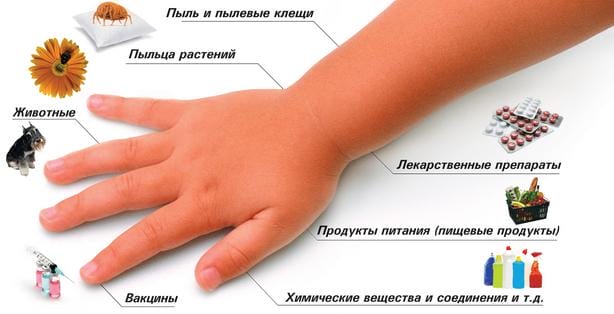
Major allergens
back to content ↑
How does an allergic reaction develop?
Patients are often surprised that they have been in contact with an allergen more than once, and everything was fine, but suddenly an allergy developed. Symptoms do not appear immediately: only when the body has already encountered an allergen and “remembered” the mechanism of reaction to it.
An allergic reaction can be divided into 3 stages:
- Sensitization. This is the first contact of the body with an allergen, when the reaction has not yet been developed, but the immune system begins to perceive the substance as potentially dangerous.
- At the second encounter with an allergen, the body already begins to react to it. Mast cells, which are an important part of the immune system, are damaged. Histamine is released into the blood, which provokes swelling of the mucous membranes, vasodilation and other changes in the body.
- At this stage, the allergy becomes noticeable, its symptoms appear – skin, respiratory. During this period, the patient's body needs additional medication to stop the progression of the atypical reaction.
Symptoms and signs of allergies
The manifestation of signs of the disease depends on the way the irritant enters the body of the allergic person and on the substance itself. Those that come in with the inhaled air usually cause respiratory symptoms (associated with the respiratory system).
Foods can cause both digestive upset and respiratory or skin allergies.
Allergy symptoms:
- Swelling and irritation, non-infectious inflammation of the nasal mucosa, difficulty in nasal breathing, the release of a large amount of mucus – allergic rhinitis.
- Sneezing. It differs from a common cold in frequency: a person with an allergy can sneeze 10 or more times in a row.
- The cough is also multiple, dry.
- Shortness of breath, shortness of breath, feeling of tightness in the chest.
- Redness of the skin, rash, itchy skin. May be localized or spread throughout the body.
- Redness and swelling of the mucous membranes of the eye, lacrimation.
- Swelling of the lips, tongue, larynx. These symptoms are the most dangerous because they can be harbingers of anaphylactic shock.
- Nausea, abdominal pain, vomiting, and diarrhea. Food allergies often cause inflammation of the stomach and intestines.
- Anaphylactic shock is a reaction of the whole organism, a systemic failure that can lead to the death of a person in just a few minutes. It can be stopped only with the help of an emergency injection of fast-acting antihistamines.
Anaphylactic shock is characterized by:
- severe swelling of the larynx, mouth, tongue;
- difficulty breathing, swallowing, and speaking;
- the presence of a rash on any part of the skin;
- violation of the heart rhythm;
- a sharp decrease in blood pressure;
- nausea, vomiting;
- abdominal pain;
- weakness and dizziness;
- loss of consciousness;
- suffocation.
Signs of anaphylaxis can appear all in combination or in part, depending on the type of allergen and its amount.
You need to act quickly so as not to threaten the patient's life. Such allergies are often caused by nuts, seafood, and some aerosol allergens of chemical origin.
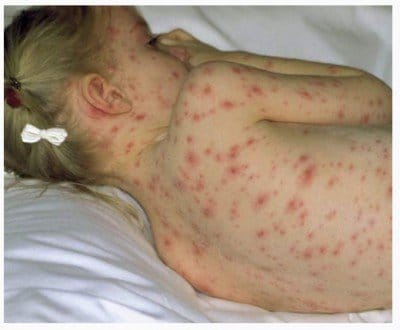
Types of allergic reactions
There are four of them:
- Anaphylactic type, or immediate reaction. This allergy develops within minutes after exposure to an allergen. In children, it progresses faster – due to increased activity and “picky” unstable immune system. It develops when inhaled air with allergens. The most striking manifestations are asthma, rhinitis, urticaria, anaphylactic shock. This type of reaction is associated with the production of a large volume of histamine, which causes a sharp expansion of blood vessels, muscle contraction, mucosal edema and the production of large volumes of mucus in order to protect the body from repeated invasion of the irritant.
- Cytolytic, in which the body starts the process of destruction and destruction of its own cells. Such allergies are often caused by medications, especially potent ones. Types of allergies: thrombocytopenia, hemolytic anemia, hemolytic disease of the newborn.
- Immunocomplex appears several hours after interaction with an allergen. Immunoglobulins associated with particles of the allergen itself accumulate on the inner walls of blood vessels, hindering blood flow and causing inflammation. As a result, dermatitis, allergic conjunctivitis, rheumatoid arthritis, lupus, and immunocomplex glomerulonephritis develop.
- Late hypersensitivity. Unlike the previous types, lymphocyte cells are involved in the formation of this reaction. The reaction itself occurs a day after the allergen enters the body. In this case, the irritant substance can be foreign substances and those that have formed in the body after contact with the allergen. This group includes various dermatitis, allergic inflammation of the nasal mucosa, rhinitis, asthma.
Sources used and useful links on the topic: https://allergiya03.com/raznoe/prichiny-allergii-u-vzroslyh.html https://allergia.pro/articles/pochemu-poyavlyaetsya-allergiya/ https://FB.ru / article / 283381 / allergen — eto-opredelenie-vidyi-osobennosti-i-interesnyie-faktyi https://med88.ru/allergija/ https://medside.ru/allergiya https://allergys.ru/allergen/other /top-allergens.html https://yaallergik.com/allergiya/vidy
Post source: lastici.ru