
How kidneys hurt, what are the symptoms in women. Typical manifestations of kidney pain in women
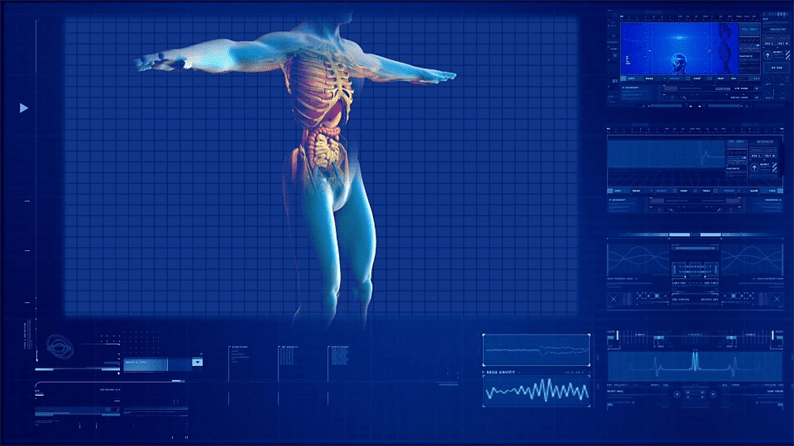
Causes of kidney pain
There are many reasons why a girl might feel uncomfortable. Knowing their list, you can avoid various problems that ultimately lead to diseases. Often a woman does not think about them, as she is used to living in a free rhythm and believes that she is doing everything right.
Doctors refer to the main reasons :
- infection;
- hypothermia;
- poor hygiene;
- pregnancy;
- inflammation.
There are other reasons as well. But, often, this five is the most dangerous. Infection or infectious diseases in the kidney area are far from uncommon in girls. This is due to the fact that the female body in this place is more vulnerable than the male. To avoid infectious diseases, it is recommended to undergo periodic prophylaxis and diagnostics by a doctor.
Hypothermia is a common cause that is always relevant for both girls and guys. Any cold room or working conditions, sitting on a cool surface – all this is the enemy of the female body. It is worth avoiding such conditions, as you can forever doom yourself to treatment.
Every woman should take care of herself, observe intimate hygiene. When your kidneys hurt, you need to see a doctor immediately. Indeed, very often pain can be associated with improper hygiene. The bladder is very close to the skin, so improper care using various low-quality washing liquids can cause pain in this place over time.
For this reason, they rarely go to a doctor, and therefore diseases of the bladder appear, and then kidney diseases.
Pain in the kidneys and other organs is often associated with pregnancy. In case of pregnancy, you may feel pain in the kidney area, but it will not necessarily be related to them. Such sensations cannot be the correct signal for action, since the pain is of a different nature and a woman during pregnancy feels it quite often.
Inflammation is another important cause of kidney pain in women. This inflammatory process, again, does not have to be associated with this particular organ. Often the signal is false and the girl thinks that this is the problem. In fact, any organ that is nearby can become inflamed. For severe and chronic pain, it is best to see a doctor right away.
The main symptoms of kidney pain
The symptoms of acute kidney pain in women are fairly well understood. Their main characteristic is pain in the side, but besides pain, there are also a lot of other unpleasant sensations. Some of them are directly related to the kidneys.
These symptoms include:
- pain stretches and pricks at the lower back;
- problems with urination;
- swelling over the kidneys;
- redness of the skin;
- often want to go to the toilet.
Almost every woman felt pain and most likely it happened more than once, so she knows perfectly well where the kidneys are located. These sensations are peculiar and cannot be compared with a headache or a toothache. She stretches in the lumbar region and pricks, all this together is difficult to survive, often a woman bends over from acute pain and holds her hands in that place.
If such a problem is observed, urination is the main signal for action. Doctors at the reception themselves ask about this, so in advance you need to pay attention to pain when urinating, because they appear when you want to go to the toilet, and gradually, which causes discomfort when moving. After completing the process, they do not disappear, but gradually fade away and so on every time.
No wonder they say that if there is a problem with the internal organs, all this can be seen on the skin. This rule also works with the kidneys. There are several stages of various diseases and with complications, a woman may find swelling over the kidneys, which indicates some kind of illness.
One of the symptoms is skin redness. In women, she is even more sensitive than men, so she almost immediately declares that there is a problem. If the skin over the kidneys gradually turns red, this sign should not be ignored. When contacting a doctor, a specialist can make a diagnosis on the very first day.
Due to the fact that the kidney has been affected, it cannot perform its functions as quickly as before.
Any renal colic makes the genitourinary system unstable, so a woman constantly wants to go to the toilet. The fluid filtered by the kidney enters the bladder at a slower rate, but constantly, therefore, if a disease occurs, a woman will constantly go to the toilet and experience pain.
The signs and symptoms of pain don't end there. The woman feels a constant headache, rapid weight loss, weakness, lack of appetite, and sometimes a rash appears. A woman may constantly want to sleep and work less productively.
Risk factors
The causes of back pain require medical determination, but a woman can determine the signs of the disease on her own. Factors that increase the risk of kidney pain include:
- Long-term infectious processes of the lower urinary system (urethritis or cystitis). From the bladder, pathogenic bacteria easily rise to the kidneys, causing inflammation.
- Second half of pregnancy. During this period, the rapidly growing uterus compresses the ureters, making it difficult for urine to drain from the kidneys.
- Chronic gynecological diseases (adnexitis, salpingitis, endometritis). With the flow of blood and lymph, the infection can penetrate into nearby organs.
- Excessive physical exertion, in which the speed of renal blood flow increases several times, causing pain.
- Inadequate and monotonous food.
- Metabolic disorders resulting from diabetes mellitus, thyroid or adrenal gland diseases.
- Drinking a lot of fluids in a short amount of time or dehydration.
- Surgical intervention on the urinary organs postponed in the recent past. For example, donor organ transplant or tumor removal.
- Hypertension, leading to irreversible changes in blood vessels.
- Professional activity associated with prolonged exposure to the cold. Systematic hypothermia of the legs and lower back leads to inflammatory processes in the urinary and reproductive systems.
- Reduced immunity in a woman caused by AIDS or recent chemotherapy for cancer.
Diagnostics
Patients are often interested in how to understand that the kidneys are hurting. Concomitant symptoms of kidney pain in women, indirectly confirming the presence of pathology, may be:
- headache, unexplained weakness and fatigue;
- swelling of the face and legs in the morning, decreasing towards the end of the day;
- an unreasonable rise in temperature;
- an admixture of blood or flakes in the urine.
To diagnose the disease that caused the pain syndrome, a woman is sent to such laboratory tests:
- general analysis of blood and urine, which allows to determine the increased content of leukocytes in these biological fluids, which is a marker of the inflammatory process in the body;
- bacterial inoculation of urine in order to identify the pathogen;
- biochemical blood test – detects substances that serve as a sign of impaired renal function (creatinine, urea, protein, etc.);
- test according to Nechiporenko, which allows to determine the number of erythrocytes and leukocytes in the urine sediment.
There are also instrumental methods that make it possible to diagnose diseases of the urinary system with high reliability:
- survey x-ray examination;
- excretory urography;
- computed and magnetic resonance imaging;
- Ultrasound of the abdominal organs.
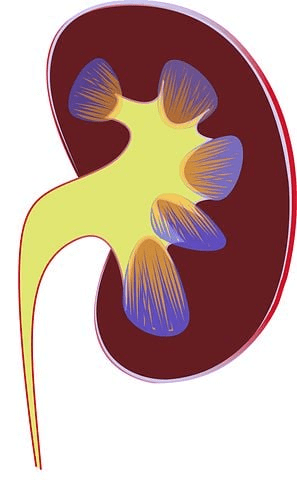
Diagnosis of the causes of kidney disease
The first signs of kidney disease in women
Many kidney diseases are latent and do not have pronounced symptoms. Weakness, decreased performance, fatigue, swelling (especially in the morning) may be noted.
Due to problems with the elimination of fluid from the body, headaches often appear. A change in blood pressure is also noted – it increases.
The kidneys can hurt more with sudden movements, sports, urination. The urine starts to smell strong and its color changes. The smell of ammonia is felt from the mouth. Acne appears on the skin.
Nephropathy of pregnancy
Often occurs during a first or multiple pregnancy. Nephropathy appears due to the fact that the enlarged uterus begins to press on the ureter. As a result, there is a violation of the outflow of urine, the kidneys suffer and the lumbar region begins to hurt.
Puffiness of varying degrees of severity is manifested – from weak to strong. Against the background of nephropathy, such dangerous conditions as albuminuria and hypertension develop. All this threatens the development of the fetus.
Concomitant symptoms are frequent urge to use the toilet, but with minimal urine output. It hurts most often on the right. In the acute form, vomiting, nausea, and fever appear.
Polycystosis
It arises due to a genetic predisposition. The structure of the renal tubules changes, and bubbles form on them. A characteristic symptom is constant pain in the lumbar region. Additional symptoms of kidney disease are frequent urge to urinate, the woman is thirsty.

In the future, without treatment, the disease leads to disturbances in the work of the cardiovascular system and to hypertension.
Hydronephrosis
With this problem, the calyces and pelvis expand in the kidneys. Appears due to various problems:
- stones;
- tumors;
- inflammatory diseases in the pelvic organs;
- congenital anomalies.
It is often asymptomatic until the onset of inflammation. Then there is a frequent urge to urinate. Blood appears in the urine – it can be seen with the naked eye.
It is not always easy to determine where and from what kidneys hurt. Some diseases are latent. Occasional bouts of lower back pain may occur. They get worse after drinking a lot of fluids or exercising.
Kidney sand
Sometimes a suspension of salt residues, the so-called sand, is formed in the pelvis. Symptoms of kidney problems in women when sand forms do not always appear. When the sediment comes out in the urine, it can scratch the ureteral lining. It doesn't hurt much. Unpleasant sensations descend into the lower abdomen and groin. The urine is dark red, sometimes with an admixture of pus. The release of sand is accompanied by hypertension, nausea, vomiting.
Nephroptosis
The reason why a woman's left or kidney hurts may be associated with nephroptosis (organ prolapse). This is due to sudden weight loss or labor. Due to the weakening of the muscles and ligaments, the kidney changes its location.
The more serious the stage, the more acute the symptoms appear. It hurts in the abdomen and back, over time the sensation intensifies. Associated symptoms are loss of appetite, vomiting, nausea, nervousness.

If you start the process, it will lead to serious consequences: urolithiasis, kidney failure, pyelonephritis.
Urolithiasis disease
With the disease, stones are formed in different parts of the urinary system. Most often these are the kidneys. Patients have a sharp cutting pain when the stones move.
Due to the fact that stones can interfere with the normal flow of urine, swelling appears on the face. Excess fluid is not excreted from the body. When the ureter is blocked, renal colic appears. It is characterized by severe, unbearable pain in the lumbar region. It does not subside when changing body position.
Differential diagnosis
The urologist or nephrologist is engaged in the treatment of the urinary system in women. The doctor's job is to determine why the patient is worried about the pain. First of all, you need to exclude pathologies of the gastrointestinal tract, urinary tract, genital organs and neurological diseases. The following features will help in the diagnosis:
- With nephrolithiasis, a woman feels acute pains on the right or left, depending on the localization of stones. As they progress, it will be necessary to carry out differential diagnostics with the following diseases:
- in the pelvis – abdominal pathology;
- in the middle of the ureter – diseases of the pelvic organs;
- the lower part of the ureter – cystitis.
- Radiculopathy and kidney pathology:
- Diseases of an inflammatory nature begin to manifest themselves against the background of hypothermia, and nephrolithiasis after drinks, food, medicines with a diuretic effect. A pinched nerve occurs more often due to overload.
- The reaction to tapping according to the Pasternatsky method (tapping at the level of the edge of the 12th rib) is only in case of kidney disease. If the patient has radiculopathy, the pain is felt mainly when moving.
- Pyelonephritis and glomerulonephritis are accompanied by high fever, and with nephrolithiasis, the patient is worried about nausea, tachycardia and high blood pressure. A pinched nerve is not characterized by such symptoms.
After questioning and examination, the doctor is already able to exclude some pathologies. Then the patient will be sent for examination. To make a correct diagnosis, the following laboratory and instrumental methods will be required:
- General urine analysis:
- pyelonephritis – leukocytes are above normal;
- glomerulonephritis – a high concentration of leukocytes and white.
- General blood analysis:
- glomerulonephritis, pyelonephritis – leukocytes and ESR above normal.
- Ultrasound procedure:
- the size of the kidneys.
- study of available calculi:
- the size;
- quantity;
- location.
The examination should be enough to find out why the kidney began to hurt. If in doubt, the doctor will prescribe additional diagnostic methods (MRI, CT, urography or radiography) for the final diagnosis.
Help with kidney pain in women
When the kidneys hurt in women, the essence of the treatment is to eliminate the causative factor and alleviate the general condition. The patient is prescribed medications to relieve discomfort, reduce inflammation and fight infection, if any. If necessary, diuretics and antispasmodics are additionally prescribed. A general list of methods that can be used in the therapy regimen is presented in the list:
- drug treatment;
- the use of folk remedies;
- surgical intervention.
It is permissible to use medicines and folk remedies at home, but only with the permission of the attending physician. Periodically, the patient will need to undergo examinations in order to understand how effective the treatment is. Contacting a surgeon is important in the presence of large stones or kidney tumors.
Relief of the acute syndrome
Women should understand that in emergency situations, when renal colic becomes unbearable, it is imperative to call an ambulance. Especially if the attack happened in the evening or at night and there is no way to consult with your doctor.
While waiting for help, you need to follow the given algorithm:
- Take pain medicine. A combination remedy that combines an antispasmodic and an analgesic, for example, “Took” or “Spazgon”, is best suited. A hot water bottle applied to the lower back, or a bathroom, relieves an attack quite well. Methods for oncology and heart disease are not suitable.
- Get into a comfortable position and try to relax. To calm down, you can turn on pleasant music or your favorite movie. If someone is around, it is worth asking to make green tea.
- Blood pressure and temperature should be measured periodically.
The emergency doctors will take the necessary action and tell you what to do next. If necessary, the patient is hospitalized in order to receive treatment and improve the general condition.
Traditional methods and folk remedies
The manifestation of pain in the kidney is only a symptom of pathology. A sick woman is prescribed a scheme consisting not only of analgesics, but also anti-inflammatory, antibacterial and other groups of drugs. Choosing pills, focusing on the causative factor:
- Nephrolithiasis is treated with antispasmodics and diuretics. Both groups of drugs help the calculus to come out faster. Additionally, a strict diet and drinking regimen is observed.
- You can take special preparations for dissolving stones after studying the composition of the calculus formed in the kidney:
- uraty – “Canephron”;
- calcium oxalates – Blemaren;
- calcium phosphates – Cyston;
- cystine – Vitamin C.
- Inflammatory diseases require broad-spectrum antibiotics to eliminate the infection. The course usually lasts no more than 2 weeks.
- An attack of severe pain is stopped by injections of analgesics. Drugs are introduced slowly and only with the permission of a doctor or in a hospital setting.
Medicines are prescribed by the attending physician, focusing on the causative factor.
It's important to know! In the case of kidney stones, their size comes to the fore. Concrements over 5-7 mm are removed surgically, as there is a risk of blockage of the ureter.
As a supplement to the treatment regimen at home, you can use folk remedies:
- poppy seed broth;
- radish juice;
- olive oil;
- Birch juice;
- broth on apple peel.
Sounded remedies help reduce inflammation and relieve pain. It is recommended that you consult your doctor before using traditional medicine.
The need for surgical intervention
The operation becomes a necessity with the development of dangerous pathologies that cannot be treated by other methods. In the case of the kidneys, it is often necessary to remove suppuration, cut or crush calculus, or remove a malignant or benign formation. The effectiveness of the surgical intervention depends on the age, the presence of other pathologies and the general condition of the patient.
After the operation, a sick woman is prescribed a strict diet and diuretics to avoid stagnation and relapse. Additionally, it is recommended to take vitamin complexes for a speedy recovery.
Possible complications
Kidney cancer can lead to metastases in the brain, lungs, and pelvic bones; provoke the onset of death. Due to the constant bleeding that accompanies the tumor, the level of hemoglobin decreases and iron deficiency anemia develops. Large stones can change their position within the renal pelvis and block the outflow of urine. Urine is trapped inside the bean-like organ, causing it to stretch and enlarge.
Glomerulonephritis is the leading cause of renal failure. If the inflammation of the glomerular apparatus is eliminated in a timely manner, the chances of a favorable prognosis increase. Kidney injury is dangerous with organ loss, pyelonephritis is often combined with cystitis (inflammation of the bladder).
Which doctor to contact
For pain in the lumbar region, you need to make an appointment with a therapist. The doctor will conduct an examination, and, having established the relationship between discomfort and kidney problems, will refer you to a urologist. If the identified pathology is associated with the state of the urinary system, but the patient does not require surgical intervention, an appointment for a consultation with a nephrologist is indicated. When the kidneys hurt due to the development of a malignant process, an appointment with an oncologist is required.
Treatment
Pyelonephritis is eliminated through antibiotic therapy, taking antipyretic drugs. Additionally, you must adhere to a diet and stay in bed. The use of sour, spicy, salty foods and dishes, coffee and alcohol is contraindicated. It is important to stop pyelonephritis before it becomes chronic in order to prevent exacerbation of renal inflammation.
Glomerulonephritis is eliminated with antibiotics, vitamins, antispasmodics. In addition, adherence to bed rest and diet is shown: it is necessary to refuse salty, acidic foods and alcohol. The patient is monitored for urine output and water balance, since it is important to monitor the ratio between fluid intake and urine output. This will prevent the appearance of edema, correct the degree of their severity.
Kidney cancer is eliminated by chemotherapy, radiation exposure, and surgery. The type of intervention depends on the stage of the tumor process at the time of its detection. Chemotherapy may be given before and after surgery to reduce the number of cancerous cells. In most cases, treatment involves nephrectomy – removal of a kidney affected by a malignant process.
Drug elimination of calculi: taking Fitolit, Urolesan, Kanefron, intramuscular administration of Furosemide or Lasix in order to force diuresis. Laser lithotripsy is the targeted destruction of stones with a high-energy beam. The calculi are crushed to the state of sand, during the operation it is washed out, the patient is fitted with a catheter, and transferred to the ward. After laser stone crushing, there is a short recovery period, which makes the intervention the preferred option for removing calculi. Regardless of the method of treatment, for the near future the patient is recommended to urinate into a container. The action allows you to track the release of particles of stones or sand, which is of diagnostic value.
Prevention
To avoid the development of pathologies, you should:
- Monitor the diet, avoid excessive consumption of sour, spicy, salty foods and dishes
- Give up heavy physical labor
- When playing sports, increase the load gradually
- Avoid hypothermia
- Strengthen immunity through vitamin therapy
- Do not be in conditions of increased toxicity
- Timely stop diseases, prevent their transition to a chronic form
- Do not take medications without consulting your doctor
Additional preventive measures: give up prolonged restraint of urination, avoid staying in conditions of high humidity. When the lower back hurts, you need to consult a urologist or nephrologist, undergo diagnosis and treatment. Standard set of examination: interview and examination of the patient, ultrasound, blood and urine tests. The detected disorder is of inflammatory or tumor origin, sometimes associated with anatomical defects of the kidneys and their internal structures.
The nature of the treatment depends on the type and stage of the established pathology: conservative or surgical intervention is prescribed. The operation is indicated in case of ineffectiveness of drug therapy or in cases where the disease is detected in the aggravated phase. Regardless of the type of treatment, diet and bed rest are recommended. In 80% of cases, the prognosis for recovery is favorable, if a tumor or stenosis of the renal artery is detected late, the situation leads to organ loss.
Why kidneys hurt: possible causes
Only a nephrologist will determine the cause of kidney pain. But much depends on the patient, who must correctly describe the symptoms.
Inflammatory processes
The most common cause of kidney pain that occurs are diseases:
- Glomerulonephritis is an autoimmune pathology, dangerous due to an imperceptible course, it is often detected by accident. It affects the glomeruli – the glomeruli of the renal capsule. Symptoms are changes in the color and consistency of urine (burgundy-red and frothy), swelling of the face, increased blood pressure. It hurts on both sides.
- Pyelonephritis is caused by bacteria. Inflammation affects the renal pelvis, calyx, and parenchyma. Signs – aching, pressing pain in the kidney area, chills, high fever, swelling, frequent urination, turbidity of urine. A complication of chronic pyelonephritis is renal failure.
- Urethritis is an inflammatory process in the urethra (urethra). Equally common in women and men. The culprits are genital infections, urethral injuries, allergies. A characteristic symptom is a burning sensation when urinating, pain and discharge.
- Cystitis is an inflammation of the bladder that can lead to further kidney damage. Typical manifestations are pain in the back, its lower part, fever, nausea, vomiting.
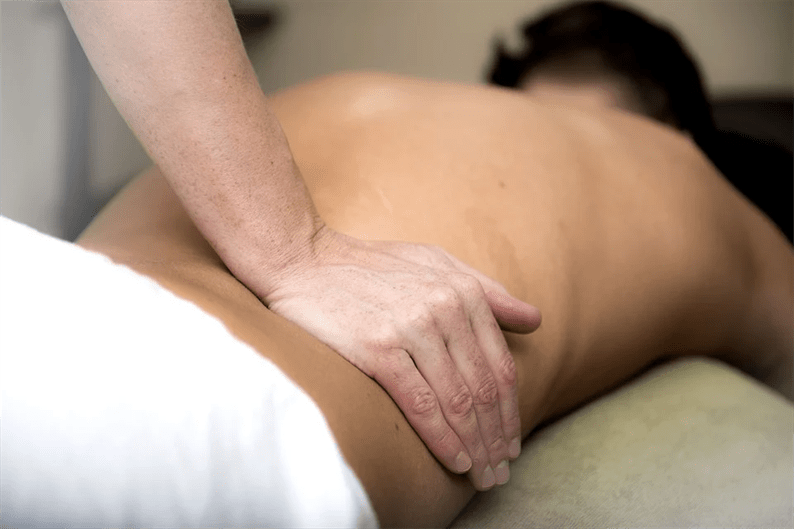
Pain is a symptom of damage to the structure of the kidney. A symptom such as morning pain is especially unpleasant and dangerous, since the urine formed during sleep presses heavily on the walls of the organ.
Stones
Calculus is a common cause of severe pain in the kidneys. Its intensity depends on the size and shape of the stones that have moved along the urinary tract. They are provoked by an excess of calcium and uric acid due to metabolic disorders.
A sharp stabbing pain in a diseased kidney is the first symptom of urolithiasis. However, discomfort may appear in the lower abdomen, then be deployed in the groin. Often they are accompanied by nausea or vomiting. If the kidneys suddenly become ill, the pain does not go away, blood is found in the urine, there is a strong urge to urinate and a burning sensation, this is an attack of colic. During the release of calculi, chills, a feverish state often appear.
Neoplasms
One or two-sided malignant or benign formation is another possible reason that the kidneys ache. In the initial stages of the disease, there are no symptoms. Gradually appear:
- swelling against the background of significant weight loss;
- fatigue, loss of appetite;
- disturbed outflow of urine, the presence of blood in it;
- persistent high blood pressure;
- dull or aching pain, often radiating to the thigh, groin;
- constant high temperature.

Diagnostics is needed in order to establish the nature of the tumor in time. It is necessary to visit a nephrologist and urologist. Malignant formation requires urgent intervention of an urologist oncology.
Renal tuberculosis
Nephrotuberculosis is caused by Mycobacterium tuberculosis. The infection more often affects the parenchyma of the kidneys, and the pathology can exist only in one of them for several years. Manifestations of renal tuberculosis:
- weakness, fatigue, high fever;
- weight loss, increased blood pressure, blood or pus in the urine;
- constant pain in the lumbar region, in the region of the sacrum, abdomen;
- painful, frequent, but scanty urination, regardless of the time of day.
Descent of the kidney
If kidneys suddenly become ill, sometimes nephroptosis is suspected. It is provoked by rapid weight loss, intense weightlifting, and injuries in the lumbar region. The prolapse of the kidney can be a consequence of untreated diseases (pyelonephritis, hydronephrosis).
The early stages are manifested by infrequent pulling pains in the lumbar spine. As the disease progresses, it makes itself felt with constant aching sensations. They are so strong that the patient loses his appetite, depression begins. Another indispensable symptom is a violation of the outflow of urine.
Renal artery thrombosis
This pathology often leads to renal failure. The culprits of the disease are inflammation, atherosclerosis and trauma. A blood clot that has blocked an artery signals itself as follows:
- there are strong, sharp back pain in the lumbar region and kidneys;
- then they migrate to the side or to the abdomen;
- a sharp increase in pressure, body temperature;
- nausea, vomiting, constipation.
In a third of all cases, thrombosis occurs in both kidneys at once. This condition requires urgent treatment, up to and including surgery.
Clinical picture
 When discomfort occurs in the lower back, in the side or lower back, many people assume that it is the kidneys that hurt them, but there are other internal organs in the abdominal cavity, for example, the spleen, liver, intestines, ureters, which can provoke pain syndrome.
The disease is diagnosed only after a thorough examination and consultation with a urologist.
However, there are some symptoms that indicate kidney problems:
- pain, aggravated by probing the area of kidney localization;
- vomiting, fever, chills;
- uncomfortable, frequent, or unstable urination.
The structure of the kidneys is identical in men and women, so their symptoms do not differ. In addition to unbearable pain, kidney diseases are accompanied by the following manifestations:
- weakness, malaise, fatigue;
- swollen face after sleep;
- pallor;
- frequent headaches;
- redness in the kidney area;
- change in the color of urine or other characteristics;
- high blood pressure;
- frequent urination.
Nevertheless, there are some characteristics that representatives of the opposite sexes must take into account.
What Women Should Know?
The pulling pains that occur in the abdominal region in women often lead them to think about the presence of any abnormalities in the genitals, but very often discomfort can indicate kidney disease. The professional help of a urologist and gynecologist will help to correctly establish the source of the disease.
Pregnant women are more likely than others to experience pain in the kidneys. This may be due to:
- an increase in the fetus and its pressure on the surrounding structures;
- exacerbation of a pathological condition in persons predisposed to it;
- double the load on the organ.
When the first symptoms appear, you should immediately consult a specialist.
What do men need to remember?
Men may experience pain in the lumbar region due to malfunctioning of the prostate gland. As a rule, this condition is accompanied by frequent and painful urination, inadequate outflow of urine, potency disorders and irradiation of pain to the perineal region.
Features of innervation
The renal nerves form the renal plexus. They receive “information” from the central regions through the branches of the vagus nerve and paravertebral nodes. A significant number of receptors are located in the tissue. Their irritation sends impulses along afferent (go from the periphery to the center) fibers to the spinal cord. They are part of the sympathetic celiac nerves.
See also: Sjogren's syndrome: what is this disease, causes, symptoms, treatment and prevention
Reverse (efferent) fibers are directed with branches of the sympathetic and parasympathetic nerves:
- Sympathetic innervation comes from neurons located in the lateral horns of the spinal cord, in the lower thoracic and upper lumbar segments.
- Parasympathetic – is of less importance, it is carried out by the branches of the vagus nerves and the common pelvic plexus.
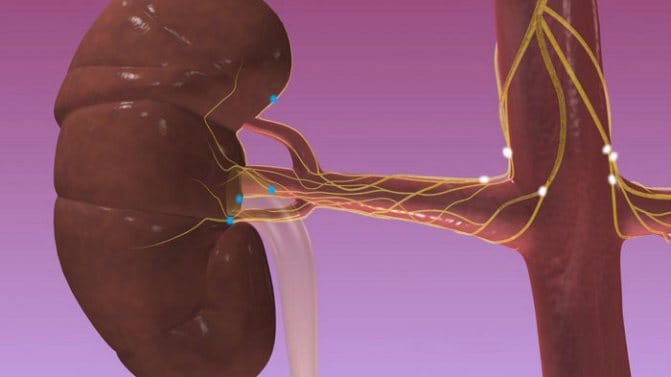
The innervation of the nephrons is intertwined with the nerve endings of arterioles, capillary glomeruli, venules
The most developed network of nerve fibers in the cells of the juxtaglomerular zone.
Blood supply
Arterial blood supply to the kidney originates from the abdominal aorta. The entire blood volume of the human body passes through the renal artery in 4-5 minutes. From it, the renal arteries go to both organs to the left and to the right.
Then they break up into a network of branches:
- the vessels of the first row are divided into 5 segments;
- the second row is represented by interlobar arteries;
- the third row consists of arcuate branches;
- the fourth – from interlobular.
Interlobular arterioles are essentially the bringing-in components of the glomerular capillary network.
After fusion, the efferent vessels form venules. In the cortex of the kidney in humans, there are stellate veins. They collect blood from the medulla into the interlobular vessels, then into the arcuate vessels of the same name as the arteries. The blood flow passes into the renal vein, with it flows into the inferior vena cava. In relation to the same mass, the cortical layer receives 20-40 times more arterial blood than cerebral blood.
Lymphatic vessels leave the renal hilum and are sent to regional lymph nodes:
- renal;
- retrocaval (so named because they lie behind the vena cava);
- preaortic (located in front of the abdominal aorta);
- paraaortic (located along the vessel).
Diagnostic methods
Due to the lack of characteristic manifestations, a humpback kidney is accidentally diagnosed during an examination of the body.
If the kidney has a deformed shape, the doctor conducts differential diagnostics in order to exclude the presence of a malignant formation.
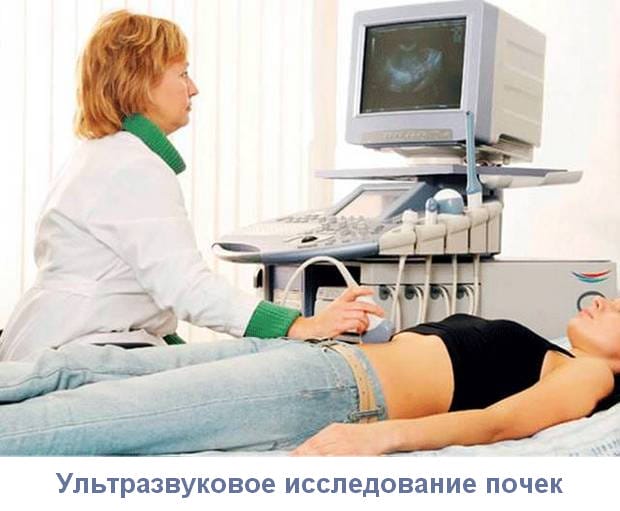
To identify the nature of the protrusion, various diagnostic methods are used. The most common is ultrasound.
A detailed study of the state of tissues and blood vessels is carried out in the course of excretory urography, computed and magnetic resonance imaging, histological examination of a tissue sample.
Forecast
If diagnosed with a humpback kidney, this is not yet a cause for concern. With the preservation of the structure of the parenchyma and the absence of inflammatory processes, the prognosis for the patient is absolutely favorable.
The anatomical feature of the organ does not affect the health and quality of human life.
If there are concomitant diseases, the prognosis depends on their severity and the stage of the pathological process at the time of visiting a doctor. With early diagnosis, the risk of complications is reduced.
A humpbacked kidney is a feature of an organ condition that does not pose a danger to human health. In the event of the development of an inflammatory process in the renal tissues and blood vessels, it is necessary to consult a doctor for prescribing treatment.
Carrying out therapeutic measures
To establish the only correct diagnosis, it is necessary to undergo a complex of medical studies (MRI, urography, ultrasound). After receiving the test results, a diagnosis is made, and a course of treatment is prescribed. Inflammatory kidney disease is treated with a wide range of antibiotics. The specific drug and its dosage are determined based on the results of the urine culture tank. Basically, Norfolaxin or Cephalexim are prescribed.
Russian scientists have developed an effective and efficient drug Rnon Duo, which is recommended to use only three capsules for the entire course of treatment. The active ingredient of this drug quickly and effectively destroys all bacteria and relieves swelling.
During the course of treatment, the patient is recommended to consume at least 3 liters of water per day. An excellent antibacterial agent is cranberry-lingonberry juice, which perfectly heals the urinary tract. Good results are obtained with a special herbal collection based on bearberry and lingonberry leaves.
In the treatment of nephrological diseases, which are very often accompanied by hypertensive attacks, diuretics are prescribed by the doctor. For the rapid removal of edema and the complete destruction of the pathogenic flora, doctors attribute to the patient the drugs Urodan and Allopurinop.
The entire course of treatment is accompanied by a strict diet, from which all spicy, fatty foods, as well as caffeinated drinks are completely removed. The duration and intensity of treatment for kidney disease directly depends on the diagnosis and the degree of exacerbation of a particular disease. Due to the presence of severe pain and the possibility of serious complications, self-medication is strongly discouraged.
General structure
The structure of a human kidney in full section is a bean-shaped organ, covered on top with a yellow-red bark and filled with medulla along the periphery. The average weight of one kidney is 140-200 g with a length of 11-12 and a width of 4-5 cm. The internal tissue of the organ is replete with renal tubules, which are covered with an epithelial layer on top. All these tubules, connecting with each other, form a system that separates urine from plasma.
What is the source of kidney pain
Sources of pain in this organ can be trauma, various infections, congenital pathology and oncological diagnosis. The main causes of kidney problems are:
- inflammation to a certain extent of tissues;
- formation of renal calculus in the body;
- very strong suppuration of the urethra;
- various anomalies that provoked an incomplete outflow of urine;
- the formation of various ethologies in the form of a cyst or various tumors;
- serious injury.
How to determine if the kidneys are hurting
In addition to painful sensations, there are other signs that accompany pathological processes in the kidneys. Knowing them, it is possible, even at home, without the help of doctors, to correctly determine that pain is caused precisely by kidney problems.
The nature of the pain
How pain of renal origin manifests itself depends on the pathology that caused it. You can recognize kidney inflammation by dull pain, heaviness in the lower back. It occurs due to edema and distension of the kidney capsule. The membrane is equipped with many nerve endings that are irritated and painful in pyelonephritis.
Cutting pain in the kidney area in women and men against the background of renal colic can be easily explained. It is associated with the fact that the calculus blocks the lumen of the ureter. As a result, the outflow of urine worsens or becomes absolutely impossible.
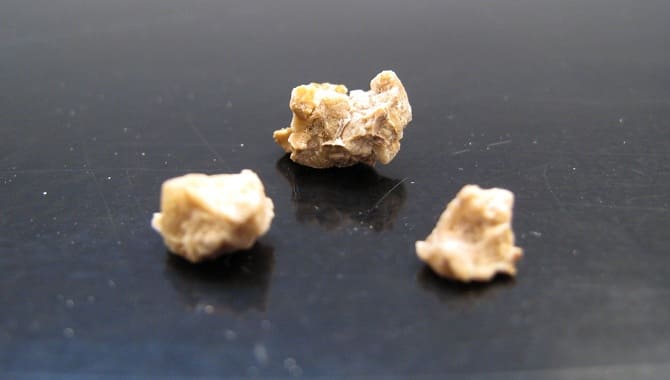
The sharp edges of the stones damage the tissues and nerves inside the ureter. This is another cause of dagger pain.
It is possible to distinguish painful sensations of renal origin from diseased muscles of the back by its intensity. Muscle pain from dull, aching can change to acute (if you act on the muscles in the focus of excitation) or fade against the background of absolute rest. With kidney pathology, the pain is constant, increases during rest.
Localization
By where the pain is felt with the greatest intensity, you can also understand whether it is associated with kidney problems or this is a manifestation of sciatica. In the first case, lower back pain in men and women is more often one-sided, emanating from the depths of the lower body. When only the surface of the back hurts, the discomfort is not related to the kidneys.
Irradiation of pain
It is possible to conclude whether the back or the kidneys hurt by focusing on the spread of uncomfortable sensations to:
- inner thigh;
- groin area;
- lower abdomen.
These symptoms, as well as the pain along the ureter, indicate renal failure.
Problems of the musculoskeletal system cause pain in the muscles, which radiates to the lower back, sacral region, buttocks.
Response to tapping
You can find out if the kidneys or lower back hurt by tapping:
- The open palm is applied to the place where the kidneys are projected (the paravertebral region under the lower ribs).
- The second palm is clenched into a fist and lightly tapped on the hand attached to the body.
- Beating can be done with the edge of the palm, fingertips.
- Soreness arising from shaking indicates kidney pathology.
A person with back pain cannot tap on their own. For this he needs an assistant.
Find the difference
But still, where do the kidneys hurt and how to determine what the problem is with them? Take, for example, cramps during urination and pain during the process. It is possible that the problem is a sexually transmitted infection. If at the same time a person feels attacks similar to poisoning or intoxication, then the problem is really in the kidneys.
Let's continue further:
- If there are traces of blood or a cloudy sediment in the urine, while vision decreases, and the skin becomes covered with a rash (small itchy), the reason is really in the kidneys and their poor work in terms of cleansing the body.
- Lower back pain occurs together with osteochondrosis or inflammation of the female appendages. If, after lying on your back and relaxing your back, the pain is relieved, it means that this problem is associated only with osteochondrosis. If, during the rest or sleep stage, paroxysmal sensations appear in the lumbar girdle, the reason is only in the kidneys. For female diseases, pulling pains in the anal area are characteristic.
- Renal colic cannot be confused with anything. The onset of diarrhea, nausea and dizziness are accompanied by severe pain. In this case, the painful sensations are wave-like and appear on one side, then on the other. The urge to defecate frequently does not lead to success.
- In the presence of a stone or blood clot that travels along the urinary tract, terrible pain occurs. But it gives off above the waist (in the stomach area), as well as sharp cramping sensations in the lower abdomen.
Any of these symptoms prompts a person about the need for urgent examination and treatment in the urology department.
The right approach to treatment
Kidney pain is provoked by various external and internal factors, so there is no general approach to treatment. First of all, it should be clarified that the frequent appearance of this uncomfortable sensation signals a pathology developing in the body. The urinary system does not always become the place of its localization. Kidney pain – symptoms of gynecological and endocrine diseases, inflammation in one of the sections of the musculoskeletal system. The same clinical manifestation is characteristic of the accumulation of harmful mineral compounds, toxins, and toxins in the paired organs.
If patients experience discomfort no more than once a month, then nephrologists recommend making adjustments to their usual lifestyle:
- increase physical activity, but avoid serious physical exertion;
- exclude from the diet foods that include fats, large amounts of salt and spices;
- in the absence of morning and evening swelling of the face and ankles, at least two liters of non-carbonated pure water should be consumed daily;
- replace tea and coffee with an infusion of chamomile and rose hips;
- purchase in a pharmacy and start taking a course of multivitamins with macro- and microelements.
When pain occurs suddenly, and its intensity makes a person moan or scream, an ambulance should be urgently called. It is quite possible that a stone began to move in a person. If the calculus is large, and its edges are sharp, then the integrity of the ducts and (or) blood vessels will be violated. This condition will lead to severe bleeding and can be fatal.
Antispasmodics
If the kidneys suddenly become ill, then the most effective drugs for eliminating discomfort are antispasmodics. Nephrologists classify them as follows:
- neurotropic – Atropine, Scopolamine, Metacin. Medicines block the transmission of nerve impulses to the smooth muscle muscles of the internal organs;
- myotropic – Mebeverin, Drotaverin, Otilonium bromide. The drugs act directly on smooth muscle fibers, helping to relax them.
Antispasmodics are used for pain syndrome provoked by pyelonephritis, glomerulonephritis, acute and chronic renal failure and other diseases. The doctor can prescribe to the patient and combined agents with greater therapeutic efficacy. Their composition, in addition to the ingredient with antispasmodic activity, includes non-steroidal anti-inflammatory drugs or analgesics. Most often, Spazmalgon, Spazgan, Bral, Revalgin are used to relieve pain in the kidneys of varying severity.
To eliminate pain in the kidneys, antispasmodics are used – Drotaverin or No-shpa
Analgesics-antipyretics
This group of drugs has a multifaceted effect on the human body. A single dose of a capsule, dragee or tablet reduces the temperature, relieves pain and inflammation. For some pathologies of the kidneys (acute renal failure, hydronephrosis, nephroptosis), the use of these particular drugs is relevant. In order not to suffer from aching or cutting pains, you need to take a pill of any analgesic-antipyretic:
- Tempalgina;
- Баралгина;
- Trigana;
- Maksigana;
- Paracetamol (Panadola, Efferalgana).
This type of drug includes non-steroidal anti-inflammatory drugs. NSAIDs quickly enter the systemic circulation, and their maximum therapeutic concentration in it remains for several hours. The most effective are the following non-steroidal anti-inflammatory drugs:
- Ibuprofen;
- Diclofenac;
- Ketoprofen;
- Meloxicam;
- Celecoxib.
NSAIDs are not used to treat renal colic in a patient with diseases of the gastrointestinal tract – gastritis and ulcerative lesions. In the absence of such pathologies, drugs should be taken in combination with proton pump inhibitors Omeprazole, Ultop, Nolpaza.
Non-steroidal anti-inflammatory drugs can successfully treat kidney pain
Antibacterial drugs
Pain often occurs with exacerbation of chronic pathologies – glomerulonephritis, pyelonephritis, renal failure. The reason for this is the growth and active reproduction of pathogenic bacteria, staphylococci, streptococci, Escherichia coli. In this case, the course of antibiotic treatment will allow to stop the pain. Nephrologists prescribe the following drugs to patients:
- semi-synthetic penicillins – Amoxicillin, Ampicillin, Oxacillin;
- penicillins protected by clavulanic acid – Amoxiclav, Panklav, Flemoklav;
- macrolides – Azithromycin, Clarithromycin;
- fluoroquinolones – Ofloxacin, Norfloxacin;
- cephalosporins – Cefalexin, Cefuroxime, Cefotaxime.
In the treatment of renal diseases, antimicrobial drugs and sulfonamides are used – Co-trimoxazole, Biseptol, Trichopol, Metronidazole. The dosage and duration of the course of treatment is determined by the nephrologist. When prescribing antibacterial agents, it takes into account the degree of damage to the renal structures, the type of infectious agent, the general health of the patient. As a rule, the severity of painful sensations decreases by 2-3 days of antibiotic therapy.
Nitrofurans also have antibacterial properties: Furazolidone, Furadonin. Despite the fact that they cannot be classified as modern drugs, many pathogens have not developed resistance to them. The course intake of nitrofurans eliminates renal pain, relieves inflammation, and destroys infectious pathogens.
Hereditary and chronic kidney disease
It happens that the symptoms of kidney disease in children appear almost after birth. In this case, the presence of a hereditary disease should be suspected. In this case, throughout a person's life, it is important to avoid relapses of the disease, which is facilitated by the correct approach to prevention. An active lifestyle, the use of a sufficient amount of vitamins is important. But with the development of a severe form of any of the diseases, there is a need for periodic prescription of medications.
Chronic kidney disease in children and adults is manifested as a consequence of the wrong approach to the treatment of the acute form of the disease. If, after a person shows symptoms of kidney disease, he does not seek help, after a while he develops a chronic form of the disease. In order for any kidney disease, urolithiasis or urinary tract infection not to become chronic, first of all, adequate treatment and proper diet are required immediately after the first signs of kidney disease appear.
Glomerulonephritis
It is an inflammatory and autoimmune disease. With glomerulonephritis, the renal glomeruli and tubules are damaged. The disease can develop independently, as well as accompany other ailments. Most often, the cause of this kidney disease is streptococcal infection, in more rare cases it develops against the background of tuberculosis, malaria. Also, hypothermia, the effect of toxic substances sometimes becomes the cause of the disease.
There are acute, subacute and chronic glomerulonephritis. In the acute form, the patient is worried about kidney pain, swelling in the eye area on the face, as well as swelling of the extremities, attacks of arterial hypertension, changes in the state of urine are observed, the temperature rises, pain in the lower back, in the right or left part of it increases. As a rule, this ailment manifests itself in a person several weeks after an infectious disease.
In the chronic form, which develops in most cases as a consequence of acute glomerulonephritis, the symptoms are similar to those of the acute form of the disease. Doctors distinguish hypertensive, nephrotic, mixed and latent forms of the disease.
In the process of diagnosing glomerulonephritis, not only the results of instrumental and laboratory studies are taken into account. If necessary, a kidney biopsy is also done .
It takes a long time to treat this disease, sometimes therapy lasts several years. The patient is prescribed a diet, taking antihypertensive and diuretics, as well as long-term treatment with corticosteroids. Other treatments are practiced as needed.
Pyelonephritis
This is an inflammatory kidney disease, in which the pathological process also involves the calyx, renal pelvis, and renal parenchyma. Due to the anatomical structure, pyelonephritis often affects women. The inflammatory process can be caused either by microorganisms that are constantly present in the human body, or by microflora that comes from the outside. The causative agents of the disease are often Proteus, Staphylococcus, Streptococcus, Escherichia coli… Sometimes the disease manifests itself as a result of the action of several different pathogens at once. But pyelonephritis occurs when a person's urine outflow from the kidney is disturbed, and there are also disturbances in the blood flow and lymph circulation, and against this background the pathogen enters the body.
Doctors define three forms of pyelonephritis – acute, chronic, recurrent. The acute form of the disease develops as a consequence of a decrease in immunity, hypothermia, and also after the use of some instrumental research methods. The chronic form is often the result of acute inflammation of the kidney and lack of proper treatment.
The diagnosis is established on the basis of an ultrasound examination of the kidneys, X-rays and other diagnostic methods. In the process of therapy, antibiotics of a wide spectrum of action are initially used, and later, after studying the results of a study on sensitivity to antibacterial drugs, treatment is carried out with directional antibiotics. General strengthening methods of treatment are also practiced.
Specific male diseases that increase pain
There are a number of diseases that, due to the physiology of the body, manifest themselves only in the stronger sex. Violations relate to the groin area: prostate, scrotum, genitals.
The main ailments that can affect the condition of the kidneys:
- prostatitis;
- adenoma.
These pathologies make it difficult to urinate. As a result, the ureters become clogged and stones can form in the bladder. Intoxication of the body occurs, and the kidneys may be affected. With adenoma and prostatitis, an inflammatory process occurs in the groin area, which can spread to the kidneys. The result of ignoring pain and inflammation in this case will be the development of pyelonephritis. The kidney tissue dies off, and the organ can be completely rejected by the body. This will be fatal.
To prevent the death of a patient upon detection of one of the listed violations, a diagnosis is urgently assigned, based on the results of which a treatment is selected. Due to the presence of genital diseases that escalate the situation, the procedure for diagnosis and treatment in men is also different.
Diagnosis of kidney dysfunction in men
During the diagnosis, you need to be as frank as possible with the diagnostician. You need to contact a therapist or surgeon, if there is a separate diagnostician (rarely found in Russian practice) – it is best to contact him.
Diagnosis of the disease
A man should describe the following points:
- symptoms of the disease;
- the time of the onset of unpleasant sensations;
- probable causes of their occurrence (food, frostbite, stroke);
- the presence of pumping pathologies (adenoma or prostatitis);
- the rate of increase in unpleasant sensations;
- localization of pain (lower back, groin, scrotum, ureters, thigh);
- are there any differences in the nature of sensations depending on the position of the body;
- the nature of the pain (spasms, throbbing, grasping, continuous).
You can determine the presence of renal failure by:
- skin color (it becomes yellowish if there is a failure in the kidneys);
- the position of the patient's body during hospitalization (if a man was found in a twisted state, this indicates the presence of severe pain either in the abdomen, or in the lower back or groin);
- the state of the mucous membranes (in case of kidney disease, they are paler, there is a noticeable violation of the body's nutrition);
- the presence of plaque on the teeth (due to intoxication of the body, a dark plaque may appear).
After the profile of the disease has been determined, the patient is sent for examination: a tomography, ultrasound or X-ray is done. The entire area of the kidneys and their channels, from the organ to the ureters and the bladder, is necessarily visible. If the patient speaks of pain precisely as colic, then special attention should be paid to the channels.
An additional test measure is a check for the presence of concomitant diseases. First of all, the likelihood of having an ailment that leads to urinary problems is considered:
- adenoma;
- prostate;
- cystitis;
- kidney tuberculosis, etc.
Kidney ultrasound
In no case should you hide the presence of sexual problems, because they can serve as a complication in treatment and prevent therapy from going through as soon as possible. If a person hides some of his problems, this will result in organ failure and a long wait in the queue for transplantation.
To detect side infections, a blood test is prescribed, sometimes a puncture of tissues from an organ is done. Urinalysis gives a complete picture of the presence of abnormalities. The detection of an increased calcium content in it, an excess of erythrocytes or purulent discharge indicates serious deviations of the body.
Functional disorders
Violation of the filtration capacity of the paired organ leads to a delay and reabsorption of metabolic products into the bloodstream – ketone bodies, phenols, urea, and some hormones. Because of this, intoxication gradually increases. The man has an ammoniacal odor from the mouth, the skin takes on an earthy tint. These symptoms are joined by sharp pains in the lower abdomen, bouts of vomiting, difficulty breathing. The state of the central nervous system is disturbed, the man is constantly drowsy.
Diagnostic measures
The appearance of discomfort in the lower abdomen, lumbar region can be caused not only by kidney pathologies. The problem is often provoked by prostatic hyperplasia, an inflammatory process in this organ and the lower parts of the urinary tract. Often, similar symptoms of kidney pain in men are caused by appendicitis.
To accurately determine the cause of the ailment, you must consult a doctor. He will conduct an initial examination. Palpation of the abdominal cavity will help detect neoplasms, as well as the localization of pain. Comprehensive diagnostics involves laboratory examination of urine, blood (general and biochemical analyzes), ultrasound scanning of the abdominal organs. If necessary, excretory urography, computed tomography or magnetic resonance imaging can be prescribed.
Traditional options and medications
When prescribing one or another therapy, they are guided not by the disease, but by the processes taking place in the kidneys or other organs and the presence of contraindications for one or another drug:
 Antibiotics are prescribed if the disease is of a bacterial nature and are selected depending on the pathogen: purulent processes or inflammation if there are more than 15 rods in the results of a general blood test – cephalosporins (pyelonephritis, interstitial nephritis if the latter is not provoked by cephalosporins); fluoroquinolones in case of infection with the gastrointestinal tract and there are no allergic skin rashes (pyelonephritis, infectious nephroptosis); with coccal – macrolides; ureaplasmas – macrolides of the azalide subclass and potent oletthrin; if the disease is at a chronic stage and there are prerequisites for renal failure – sulfonamides, and if urea in the blood does not exceed the norm – nitrofurans.
- Drugs, blood thinners – fraxiparine, heparin, Trental in glomerulonephritis or other pathologies, if there is blood clots.
- Preparations that dissolve stones – lemaren and others dissolve urate stones, to a lesser extent, oxalate stones.
- Antispasmodics – are prescribed for severe spasms, mainly for urolithiasis, renal failure and severe exacerbations of other pathologies – enicillamine, Platyphyllin. Others have a weaker effect or cause severe damage to the organ.
- Hormonal – drugs of the prednisolone series (metipred, sulumedrol) are prescribed for reactive inflammatory processes or if allergies and inflammation occur simultaneously.
- Diuretic – (Furosemide) for urine excretion in case of stagnation.
- Antihistamines (suprastin, tavegil, diphenhydramine) relieve allergic manifestations.
Surgical intervention is used for cancer, polycystic disease, or in other cases with necrotic manifestations.
The stones are crushed with a laser, and small stones are dissolved by the above drugs or folk remedies. Phosphate formations do not dissolve.
ethnoscience
Folk remedies without consulting a urologist and or a nephrologist are strictly prohibited.
Stone-dissolving agents can rupture the urinary tract; watermelon – increases blood pressure; nettle dehydrates the body; chamomile liquefies mucous membranes.
For 400 ml of cold water, 1 tsp. bearberry, yarrow and, chamomile. Boil for 1 minute. Let cool, drain.
Drink in 2 doses. Reheat the second time. It is impossible with a tendency to diarrhea, stones. Perfectly removes mucus from the kidneys. Relieves inflammation.
200 ml each of pumpkin, beetroot, apple juice – warm up. Add 4 tbsp. l. honey. Drink 6 times a day. Perfectly removes sand. If there are stones, dilute the composition 1 to 1 with boiled water. Drink 50 ml at a time in 2 days.
It is impossible with high blood pressure, stones more than 1 cm, pregnancy, a tendency to dyspepsia, helminths.
For 200 ml of cold water, 1 tsp. corn stigmas and chamomile. Boil in a water bath for 3 minutes. Add 1 tbsp to the hot broth. l. honey. There are no contraindications, except for allergies to the components. Drink in 1 dose.
Sources used and useful links on the topic: https://MedBoli.ru/zhenskie-boli/kak-bolyat-pochki-simptomy-u-zhenshhin https://pochkam.ru/diagnostika/kak-bolyat-pochki-simptomy-u -zhenshhin.html https://tden.ru/health/kak-bolyat-pochki-u-zhenshchin https://UroMir.ru/nefrologija/oshhushhenie/kak-boljat-pochki-simptomy-u-zhenshhin.html https: //GuruSpa.ru/bolyat-pochki/ https://tden.ru/health/bolyat-pochki https://UroHelp.guru/pochki/obshee/kak-bolyat-pochki.html https: // alternativa-mc. ru / drugoe / chelovecheskaya-pochka.html https://GdeNahoditsya.ru/gde-nahodyatsya-pochki https://tden.ru/health/kak-opredelit-bolyat-pochki-ili-spina https://gb4miass74.ru /mochepolovaya-sistema/pochki-anatomiya.html https://med-post.ru/zdorove/kak-lechit-bol-pochkah https://medside.ru/bolezni-pochek-i-mochevyivodyashhih-putey https://LibidoGuru.ru/bolezni/kak-bolyat- pochki-i-kakovy-simptomy-u-muzhchin.html https://TvoyaPochka.ru/prochee/kak-bolyat-pochki-u-muzhchin https://UroHelp.guru/pochki/obshee/simptomy-u-muzhchin. html
Post source: lastici.ru