
How and what is the best way to wash the bathtub white: effective industrial and folk compositions. How to clean stubborn dirt from a bathtub at home
The main types of pollution
To clean the bath properly, you need to determine the type of pollution, and then act on it. All plumbing fixtures suffer from hard and low-quality water, so the most common contamination is limescale. Also, in bathrooms, especially in apartments with poor-quality ventilation, mold often starts, covering all glossy surfaces with a black coating.
There are still unnatural types of stains, for example, from fucorcin, iodine or brilliant green. It is difficult to remove them from white plumbing, but it is possible.
How to clean rust from a bathtub
Rust traces often appear on the bathtub if it is metallic in places where the enamel is chipped. If the drain and overflow are metallic, over time, brown and red spots form around them. You can get rid of them using several proven methods:
- For 100 g of table 9% vinegar, you need to dilute 1 tsp. salt and stir. Treat rust stains with the resulting agent and then clean with detergent gel or powder. If the rust is ingrained, then you can dampen a piece of rag and apply to the stain for 10 minutes.
- When dealing with fresh rust, natural lemon will help you to cut off a small piece and rub the dirt with it. Due to the acidity, rust will come off. This method whitens the bath, disinfects and fills with a pleasant lemon scent.
- Although ammonia has an unpleasant, pungent odor, it effectively removes stains from ceramic surfaces. Before use, you need to remove moisture from the stain, protect your hands with gloves, and protect your face with a mask. Apply ammonia to the stain, leave for 7 minutes and rinse with water. Ventilate the room if possible.
Each of these methods can be applied to cast iron, enamelled bathtubs and acrylic plumbing fixtures. They will help to clean the sink, shower tray or bathtub to white, without the use of expensive chemicals.
Limescale
Plaque forms due to the high mineral content of the water. It must be fought with, because it remains rough yellowish spots on the surface, which are constantly contaminated. It is recommended to clean the plumbing at least once a week, rinse after each use. In this way, global pollution can be avoided. To get rid of plaque, you can use:
- Baking soda can be removed from enamelled metal products. Apply a small amount to a wet sponge and rub. This method cannot be used for plastic and acrylic products, because they are scratched with abrasive products.
- Pour 100 g of vinegar into the container, add 2 tbsp. l. soda, add 50 g of liquid detergent and mix well. The active foam resulting from the reaction effectively removes all types of dirt. You need to apply it to the surface, leave it for 5 minutes and wipe it with a sponge. Then rinse off with clean water.
Mold
First of all, it is important to remember that mold is a fungus, therefore, you need to fight with antifungal and antibacterial agents:
- bleach effectively removes mold stains and kills pathogenic microflora. If the bath room is damp and mold often appears in it, it is necessary to process not only the bath, but also all surfaces – tiles, shelves, etc. To remove the mold with whiteness, it must be mixed in equal proportions with water and treated with a sponge;
- soda has a disinfecting effect and eliminates various types of pathogens. If mold accumulates on the glossy surfaces of the plumbing, it is not enough just to wash it off, you need to fight it. To do this, sprinkle the contamination with a layer of baking soda and pour 9% vinegar on top. Foam is formed, which has cleansing and antibacterial properties. After the end of the reaction, the foam must be washed off with water.
Soda and citric acid can not only remove the fungus, but also whiten the surface by 1-2 tones and return the bath to its former beauty.
Factors that affect the formation of plaque in the bath
There are two main factors affecting the appearance of stains. The main one is water. By divorces, you can determine the quality of the liquid in the apartments:
- if yellowish stains are formed – contains impurities, chlorine compounds or metal molecules;
- the appearance of spots of brown, reddish color, rust – iron, it's time to change outdated plumbing;
- cloudy sediment indicates hard calcined water.
The second factor is dirt and dampness. Everywhere, including on the tile, there are splashes, stains from toothpaste. A soapy coating appears on the surface, which must be wiped off. After use it is necessary to clean the bathtub with soap or liquid detergent, wipe dry. Then you don't have to remove stubborn stains.
Features of the enamel coating of the bath
On the bath enamel is applied electrostatically, followed by the process of “baking” in a heat chamber. The resulting coating easily loses its original appearance, under the influence of aggressive factors and in the absence of preventive measures.
Causes of rust
Before cleaning the bathroom from rust at home, determine the cause of its appearance.
- Long-term exposure to soapy deposits. Shampoos, detergents, and soaps cause soapy deposits on the surface. Simple rinsing may not always remove these deposits. Often the elimination of such a “film” requires special detergents.
- Hardness of water. This is a common problem. Limescale builds up over time, causing rust stains.
- High percentage of iron in water. This will corrode non-electroplated surfaces. They subsequently become susceptible to rust.
- The yellowing of the bath is often caused by old metal pipes, through which water of questionable purity flows.
Important! The stains that form at the joints of the tiles are most likely not rust, but fungus. It is very dangerous to health, so you need to fight with it.
Wear and tear
If the bathtub is not new, it has been “working” in the sanitary room for more than one year, its enamel slowly but surely begins to deteriorate. Temperature drops, stress, impacts – all this leads to thinning of the enamel, rust. In certain places (funnel, overflow), it is initially at risk of collapse.
Therefore, the services of repairmen, special kits for restoring the coating of bathtubs, shower cabins are so popular, in demand.
Avoiding destructive factors, even with careful operation, is 100% impossible, this is an indisputable fact.
Hard water
It's no secret that the water in our homes is far from perfect – it contains impurities, salts, half of the periodic table. Discussion of the operation of the treatment plant and the filter system does not make sense. When boiling, a characteristic whitish bloom appears on the walls of a kettle, a saucepan. And on the walls of the bathtub there are rust stains, reddish-brown streaks.
Enamel composition
Chemical substances contained in the enamel coating can affect the appearance and development of a rusty film. If there is zirconium, then its presence leads to the formation of plaque. Therefore, it is advisable to study the composition of the enamel on the walls of the bathtub, shower tray at the stage of purchase, installation.
Violation of the rules of care
Protective coatings, especially polymeric ones made of acrylic, are extremely sensitive to improper use. These are shocks, temperature changes, untimely cleaning (the use of abrasives that destroy enamel). In terms of strength, the protection is not comparable to the base, steel or cast iron, it has a different composition. It is often more vulnerable to external influences than the design of the bathtub.
Prevention of the appearance
It is possible to prevent the appearance of red streaks and limescale on the walls of the bath, subject to certain prevention rules:
- It is necessary to wash off the walls of the bath after each use.
- A timely repaired faucet or shower is a guarantee of the absence of rusty streaks on the walls of the bathroom.
- Filters installed on the plumbing system of the house will make the water cleaner, keep the surface of the bathtub from lime and rusty deposits.
Regular cleaning and disinfection will help maintain the original whiteness of the tub walls for a long time.
The most secure means
In families with small children or allergy sufferers, it is better to clean with hypoallergenic compounds. Such preparations have a biodegradable base and natural ingredients.
Frosch Green Grapes. The product is formulated on the basis of grape acid and tensides. Spray without a strong odor, the bottle is equipped with a childproof lock. “Green grapes” are often chosen by allergy sufferers, people with asthma and adherents of organic products.
The period of exposure to the emulsion is determined by the type of contamination. After application, the product must be kept for 10-30 minutes.
Amway Bathroom Cleaner. The Belgian company specializes in the development of safe household chemicals. In the composition of non-chlorine, acids – the gel is suitable for removing surface daily dirt. There is no obtrusive smell.
Astonish paste. The main purpose is cleaning kitchen surfaces. However, it is actively used for the bathroom. It contains soap and mild abrasive components.
Pros of pasta:
- gentle and effective action;
- light citrus aroma;
- loyal price;
- economical use;
- compliance with European quality standards
Astonish Pasta is hard to find in a retail chain, but it is available to order online.
How to clean stubborn dirt from a bathtub at home?
It is necessary to think about the care of plumbing fixtures even during its purchase, because various surfaces require their own special conditions, cleaning methods and products.
Here you need to consider the following:
- Acrylic bathtubs popular today need to be cleaned only with special products that are not so cheap.
- Some household chemicals are designed for gentle cleaning, so they cannot remove stubborn stains and rust, regardless of the coating material of the sanitary bowl.
- Aggressive products that can remove any contamination, including washing the bath from stubborn dirt at home, can destroy the bath coating after 2-3 uses.
Important! The situation is similar with the use of a brush for cleaning plumbing: if acrylic or enameled plumbing can only be washed with a soft cloth or sponge, then a cast-iron bath can be cleaned with a harder brush.
What shouldn't be done and why?
In pursuit of perfect cleanliness, many ignore the prohibitions that can cause permanent damage to the surface of plumbing:
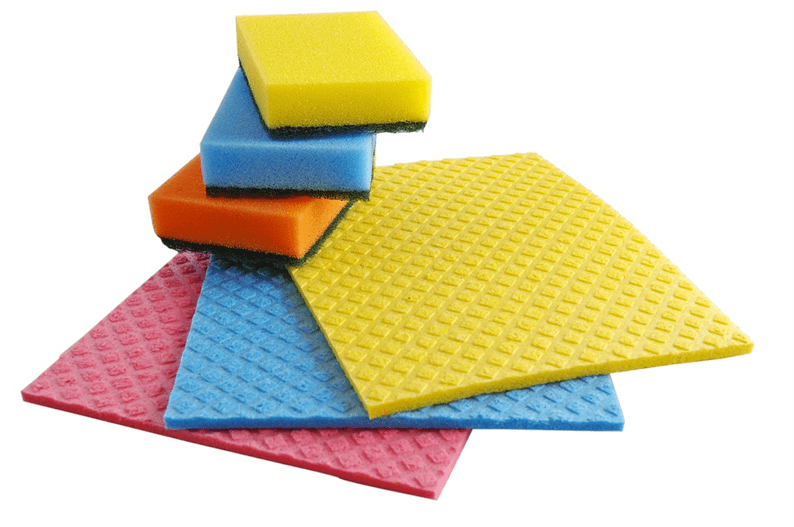 Acrylic bathtubs can only be cleaned with soft sponges, cloth or rags. Hard brushes and scrapers can not only scratch, but tear off the coating. For the same reason, it is worth avoiding the use of dry cleaning powders.
- Do not exceed the time of exposure of household chemicals to the surface of the bath. The result may be far from the expected effect.
- Do not use toilet bowl cleaners for the bath (aggressive acidic composition is detrimental to the bath surface).
Before applying a new product, it will not be superfluous to protest it on a small area of plumbing.
Cast iron font cleaning
During the operation, old bathtubs take root in a multitude of microcracks. Dirt quickly accumulates in scratches, so cleaning a cast iron bowl is often necessary with the use of considerable physical effort.
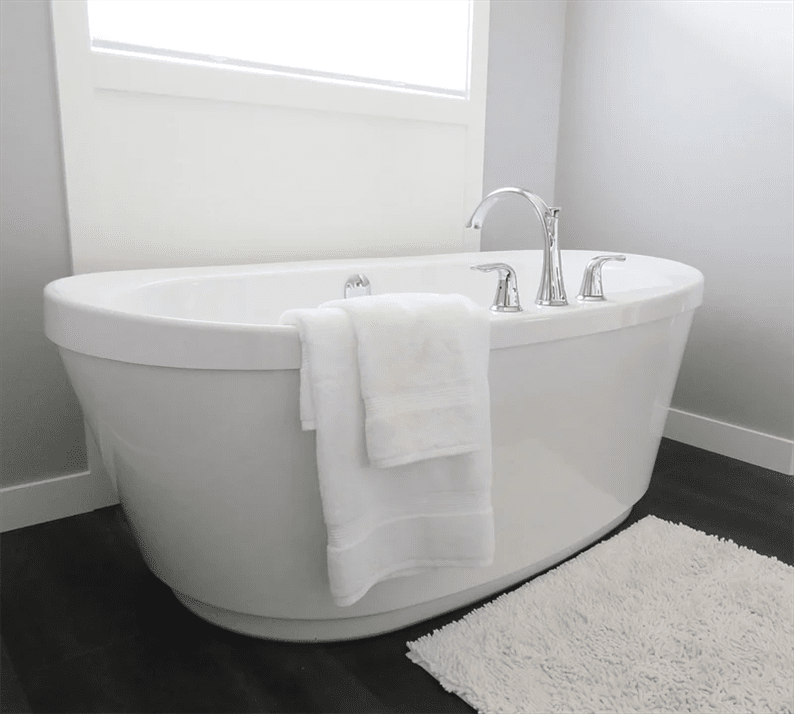 Modern cast iron plumbing is more practical due to its special coating. Such baths are easy to clean – almost any acid-containing substances are suitable for cleaning.
Expensive store products can be replaced with scrap materials.
The most effective folk methods include:
- Soda. Combine baking soda and soda ash in equal proportions, apply the resulting composition to a wet coating. After half an hour, rub the surface with a washcloth with powdered bleach and leave the “gruel” for another 40 minutes. Then rinse with water.
- Ammonia. Prepare a solution by combining ammonia with soda in a ratio of 1: 2, respectively. Rub the mixture into the walls of the bowl, rinse with warm water after half an hour.
- Vinegar. Prepare an acidic solution of baking soda, liquid detergent and vinegar, the ratio of the components is 2: 2: 1, respectively. Apply the mixture to dirty areas, rinse after 20 minutes. This method will help get rid of lime deposits.
Cast iron plumbing can be cleaned with regular detergent.
The dry product must be rubbed into the coating, let it stand for 20-30 minutes. After a while, brush the bathtub to remove any loose dirt
After all procedures, the hot tub should be thoroughly rinsed with water, dried, and wiped with a soft cloth.
If the surface is covered with a fine mesh of microcracks, then it is better to restore the bath, since any cleaning will not give the desired effect.
How to clean a steel bathtub white?
Steel fonts, although more practical than acrylic ones, also do not like abrasive powders. Use the following simple and affordable products for cleaning:
- Liquid cleaners. Choose mild, gel-based detergents. Apply the product to the surface and rinse with warm water after 5-10 minutes. Remove light dirt with a dishwashing detergent.
- Soda. Wet the surface of the font and treat with soda ash or baking soda. Rinse off the mixture immediately after cleaning. Soda effectively removes rust, so this particular tool is universal to clean the bath from stubborn dirt at home.
- Ammonia. Prepare the following solution: for 1 glass of water – 1 tbsp. a spoonful of ammonia. Treat the surface with a solution and rinse off with water after 10 minutes. Contamination will be removed and additional cleaning is not required.
Important! The coating of steel baths does not tolerate temperature influences. Therefore, when choosing a cleaning agent, make sure that the product does not heat up on contact with water. Handle chemicals only with gloves, as even the wrong proportions of baking soda can cause burns.
Rules for cleaning bathtubs from different materials
It is necessary to take into account the properties of the coating of your bathroom. To clean the surface of an acrylic bathtub to white, you need to dissolve a specialized agent in warm water. After 30 minutes, drain the water, rinse the coating again. When buying a chemical, make sure it is approved for acrylic-coated plumbing, manufacturers indicate the information on the package.
If the bath is enamelled, in order to clean it until it is white and not damage the coating, you need to choose weak methods or do not leave the chemicals for more than 5 minutes. In such a situation, housewives are advised to simply scrub the plaque thoroughly with a brush. Otherwise, if you choose the wrong method, you will have to spend a considerable amount on the restoration of the enamel coating. If the contamination is light, without pronounced plaque, it is better to choose a product without abrasive particles, mild acidity.
Manufacturers of cast iron bathtubs add titanium to the enamel, which makes the coating super-resistant, you can use brushes, brushes with hard fibers, substances with a strong chemical composition.
Potassium permanganate and brilliant green
Any, even a very weakly concentrated solution of potassium permanganate leaves brown spots on the surface of the bath. You can destroy them with hydrogen peroxide, lemon juice or citric acid. A bonus after cleaning with these products will be not only whiteness, but also shine.
Brilliant greens are removed with alcohol, but this method will not work for acrylic baths – the stain will remain.
After renovation
When carrying out repairs in an apartment or house, it is worth closing the bath in advance in order to protect it from debris and materials from falling on its surface.
If the bath still gets dirty, then don't be upset, you can wash it:
- Any solvent, for example, White Spirit, will help to get rid of paints on contact with the surface. But do not delay the cleaning process, otherwise the paint will dry out and it will be more difficult to remove it.
- Building dust can be removed with soapy water and water. To give whiteness and shine after the bath is treated with lemon juice or acid.
Sealant
Sealants are used to seal the joints and seams; if it gets on the surface of the bath, it will be difficult to scrub it off. There are several ways:
- Mechanical removal with a clerical knife. In this case, it is worth remembering about safety measures and wearing gloves and goggles.
- Chemical – use agents that dissolve the sealant. For these purposes, a solvent such as White Spirit is suitable.
Additional factors
The type of coverage also greatly influences the choice of drug. For example:
- acrylic must not be exposed to abrasive substances, only gels and pastes can be used;
- the dense enamelled surface is not afraid of almost all available detergents.
Important! Do not forget about safety, especially if there are children, allergy sufferers or just people with sensitive skin in the house. Therefore, after using the detergent, be sure to rinse it off with a soft cloth or sponge, and do not regret rinsing with water.
Types of pollution
In order to wash a cast-iron bath without damaging the enamel, you need to figure out what types of contamination can occur on it, and what ways of solving the problem exist.
- Lime. Hard water, containing many mineral salts (calcium, magnesium), forms a whitish coating on the surface of the bath. A solvent designed for oil paints or turpentine familiar to many will help to cope with limescale.
- Yellowness. In the process of long-term use, a yellow unpleasant plaque appears on the bathroom, which used to be shining with cleanliness. The reason for these changes is the poor quality of tap water, which contains a large amount of impurities. You can return the product to its former appearance, and not damage the coating, using a weak concentration of vinegar solution. Then the whiteness and shine will again delight the eye.
- Rust. Old water pipes, high concentration of iron in the water, chipped pieces of enamel and metal fittings lead to rust stains. In this case, it is not recommended to clean a thicket of cast iron using abrasive agents containing aggressive acids. To remove impurities, you can prepare a composition of 1 part ammonia and two parts hydrogen peroxide.
Attention! The enamel that covers old cast-iron bathtubs is very fragile, for this reason it is necessary to clean their surface with special care. In order to avoid damage, do not use coarse sponges or brushes. Also, housewives will have to abandon aggressive detergents containing acid.
Choosing a chemical cleanser
Of course, old, stubborn rust stains are more difficult to wipe off than fresh ones, so it is important to pay proper attention to cleaning a room that is kept clean. In addition, it is necessary to consider the material used for the production of plumbing. Remember that tools and cleaning products such as cast iron can be damaging to acrylic materials.
In many online discussions, you can find different tips for using cleaning products. Best of all, from the point of view of many housewives, the usual liquid powder “Cif”, which can be combined with a dish sponge, copes with rust. Good reviews are received by “Bref”, which, in addition to effective cleaning, provides a pleasant smell and disinfection.
If all else fails, a more radical solution is needed. It can be represented by a product from the manufacturer “Ravak”. It is a yellow bathroom cleaner “W5”. Another option is phosphoric acid, which is part of some cleaning formulations. But it is not recommended to use them too often, as they can create pores in the bath, on the damaged surface of which even more dirt will begin to settle.
The last option, which is also not ideal for more frequent use, is “Savo”.
Cleaning acrylic bathtubs requires adherence to certain rules. The use of abrasives is not recommended. But this stuff is good for acids. Although caution should be exercised here as well – strong chemicals (solvents) can damage the coating.
When using any substance, first check the sensitivity of the surface. Apply a small amount of cleaner to an inconspicuous area of the bath, evaluate the response of the coating. If the rust disappears and the texture and color of the surface does not change, this cleaner can be used over a large area.
“Mister Chister”
This product is intended for cleaning various surfaces – acrylic, metal, ceramic, enamel, etc. It removes plaque well (lime, rusty), polishes the bathroom due to the content of acrylic copolymer.
“Acrylic”
This product, produced in a spray, is most suitable for cleaning from rust, limescale and other types of dirt. Application of “Akrilan” is similar to the use of the above substance.
«Bass»
Another remedy for removing stubborn rust and other dirt from the bathtub. Recommended for cleaning metal, ceramics, enamel, acrylic. Eliminates dirt from plastic, does not damage the surface.
«Triton acrylic cleaner»
In addition to rusty deposits, this product also removes many other types of dirt (soap, grease, etc.). It is applied to a dirty surface, washed off after 10 minutes.
What tools will harm plumbing
For acrylic bathtubs, only special household chemicals should be used, information can be found on the label. For enamelled bathrooms it is strictly prohibited to use:
- Brushes with metal inclusions in the bristles, hard fiberglass sponges.
- Washing powder for linen.
- Methods with hard abrasive particles, special cleaning powders must be treated with great care. Scratches may occur with daily use.
- Any products containing alcohol, gasoline, acetone. They will clean white, but can damage surfaces.
- If chlorine is present in the composition, the product is not for daily use.
Masters in the reconstruction of bathroom coatings warn that the use of even special methods of household chemicals not according to instructions can ruin any surface. It is important to adhere to the time frame and take precautions.
Traditional methods
In advanced cases, it will be ideal to combine powerful chemicals with folk methods. The use of proven means is explained not only by the desire to save money, but also by the inability to process the bath with household chemicals. Chemicals cannot be used:
- Allergy sufferers.
- If there are small children in the house.
- People with chronic diseases of the respiratory system.
Simple methods will not be as effective in dealing with stubborn dirt, but they will work for regular cleaning. The most popular folk remedies for pollution control:
- Soda.
- Vinegar.
- Lemon acid.
- Mustard powder.
Soda is the undisputed leader in use among housewives. The tool is effective for almost all types of contamination. The only exception is limescale. The most famous way to clean the bath with soda is to apply it to the surface with a sponge. More modern recipe:
- Prepare baking soda and soda ash in a 1 to 1 ratio.
- Moisten the bath.
- Apply the resulting composition to the surface for half an hour.
- Next, clean the bath with a sponge, which must first be moistened with vinegar.
- Wipe the surface thoroughly after half an hour.
- Rinse the bathtub thoroughly with warm water.
Vinegar is less effective, but will help deal with minor dirt. For the procedure, you will need to moisten unnecessary rags in a solution of vinegar and cover the entire surface of the bath with them. After five hours, you need to remove all excess and rinse the bath with warm water. A significant disadvantage of the method is a long process. It will take almost half a day to forget about using the bathroom.
Citric acid will help get rid of rust and limescale. Dissolve two tablespoons of acid in water. Various proportions are used, but the simplest is two tablespoons and half a liter of water. Then apply the solution to the bath surface with a sponge. Soak for about 30 minutes. Then rinse the solution thoroughly.
Mustard powder is a less common remedy. It is used both in pure form and in combination with soda – a ratio of three to one. This method has two drawbacks. Firstly, dry mustard is completely ineffective in cool water, and secondly, the skin of the hands suffers, so cleaning is possible only with gloves.
You can clean the bath at home with folk remedies according to recipes that help fight yellowness, rust or limescale:
- apply ammonia to the surface with a sponge, wait. After half an hour, treat with bleach, detergent for light laundry or baking soda. After five minutes, wipe the bath with a sponge, apply peroxide;
- apply vinegar for 15 minutes and rinse. It will be effective to lay out the surface with napkins soaked in vinegar.
- pour soda ash, rinse after a few hours;
- dilute the washing powder to a thick gruel, apply to a sponge and process. Once dry, wash off;
- apply a mixture of soda ash with grated laundry soap for an hour and rinse;
- plaque tends to eat in, then a mixture of vinegar and salt in a one-to-one ratio will help clean it;
- red plaque can be removed at home using dry bleach diluted with water one to one. Rub a bath with it, let it dry, rinse;
- sprinkle half a grapefruit with salt, rub the surface. Citrus will deal with dirt and unpleasant odors;
- dilute baking soda with water to a thick mixture, allow time to dry and rinse;
- using citric acid, you can wash the bath by diluting the powder in half a liter of water, apply and rinse off after 20 minutes.
Folk remedies are suitable for cleaning enamel and acrylic bathtubs at home, but they take a long time. Such methods are environmentally friendly, gentle on the skin of the hands.
The mixer can be cleaned with a solution of 9% vinegar diluted with water or with baking soda. Faucets at home are treated with half a lemon. Do not use powdered citric acid – there is a risk of damaging the coating.
Tiles can be washed with warm soapy water, then wiped with a sponge soaked in ammonia or vinegar, and wiped off with a rag.
When cleaning the surface, you can treat the gutter at home: pour a few tablespoons of baking soda into the drain and pour 10 ml of vinegar. A hiss reaction will start. This will remove the blockage in the pipes.
Soda, vinegar
Soda is a popular bathroom cleaner. It can be used as a standalone method or mixed with other components. The powder is moistened with warm water, rubbing it over the surface. After 10 minutes, wash off. If the plaque is not strong, you can clean the white surface from rust and dirt. To enhance the soda, apply a bleaching agent or vinegar. It is better to spray liquids with a spray bottle and the bath will be cleaned after 40 minutes.
Vinegar alone comes in handy for light soiling. We moisten paper napkins in the liquid, cover the surface, after a few hours you can simply rinse with water. In addition to bleaching, vinegar kills germs, dangerous black mold spores.
Old plaque perfectly removes a mixture of vinegar and table salt. For cooking, ingredients are used in an amount of 1: 1. Abrasive particles are able to clean the plaque in the bathroom, and the active molecules of the liquid dissolve the residues and make the enamel shiny, clean to white.
Cleaning Powder Paste
This composition is also designed to remove rusty deposits. However, it can be used exclusively for enameled plumbing.
To make this cleaner with your own hands, you need to prepare the following ingredients:
| Components | number |
| Hydrogen peroxide | 60 70 milliliters |
| Any mild cleaning powder | 300 grams |
| Tartar Crystals | 5 grams |
This tool is used very simply:
- all ingredients must be mixed with each other in any order;
- the resulting paste should be treated with rusty spots;
- after that, you need to wash off the paste along with the rust with running water.
In the photo – ammonia
Oxalic acid
Oxalic acid can be used to remove rust marks from acrylic bath surfaces. Procedure for preparation and use:
- pour 1 glass of water into the container;
- add 1 tbsp. l. oxalic acid;
- apply to areas affected by rusty streaks;
- leave for an hour;
- drain with water.
Lemon or citric acid
Lemon juice or citric acid will help remove yellowness and clean the old tub until it is white. To prepare an effective solution, you will need 10 g of acid per 100 g of water. A sponge is moistened in a liquid, the substance is distributed over the contamination, and left for half an hour. Yellow plaque can be cleaned to white with this enamel cleaner. If stains remain, you can additionally clean the dirty stains with baking soda.
Lemon juice is used for the acrylic bath. You can apply on dirt with a sponge or spray for 10 minutes, then simply remove the rest with warm water. The tool cleans the yellowed bathroom to white, effectively removes the musty odor. A fresh and pleasant aroma will remain in the room for several days.
Hydrogen peroxide and sodium salt
The recipe is suitable for removing heavy rust from the bottom of a cast iron bath. Preparation:
- Pour 3 liters of water into a bucket.
- Pour in ¼ glass of hydrogen peroxide.
- Pour in 4 tbsp. l. sodium salt.
- Stir.
The drain hole is closed in the bath and the resulting solution is poured. The rest of the surface is wiped with a sponge. After a quarter of an hour, the bath is washed, the solution is drained.
Mustard and turpentine
Mustard is a relatively soft abrasive. Turpentine softens deposits, but cannot cope with ingrained old stains. You need to prepare gruel from the ingredients. The mixture should be distributed over problem areas and left for 15 minutes. Rinse off the product with warm water.
Laundry soap and soda ash
The recipe based on soda ash and soap is suitable for complex processing. Both components must be taken in equal proportions.
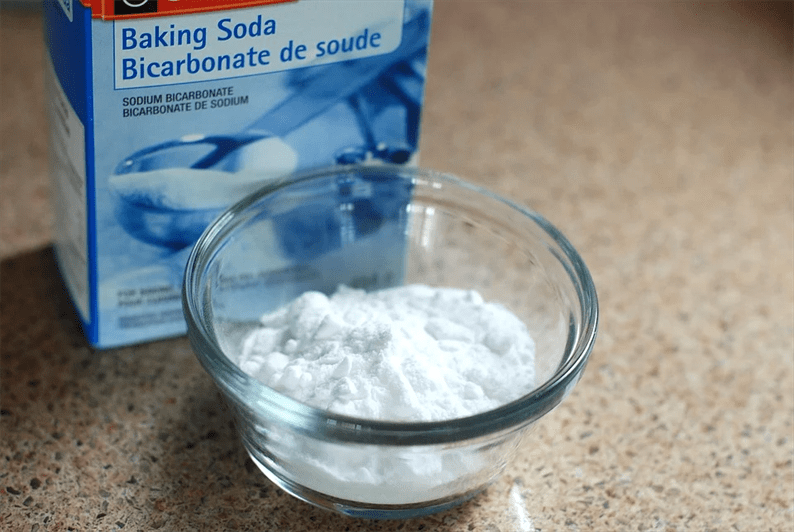
- grate soap;
- mix with soda;
- add a little water to form a gruel;
- apply to the surface;
- withstand an hour;
- rub the bath with a sponge;
- wash off.
This composition is neutral in relation to all types of bath surfaces.
Ammonia or peroxide
The ammonia disinfects and can clean the dirt in the tub until it is white. It can be used to clean the surface from mold, mildew, plaque. The substance has a specific smell that not everyone will like. Along with ammonia, peroxide has the same snow-white effect.
Hydrogen peroxide is used in medicine for disinfection, easily removes plaque and whitens the bath.
Peroxide or ammonia can be left on for up to 15 minutes, then rubbed with a sponge or brush and rinsed with water.
Washing powder, peroxide and soda
A baking soda, laundry detergent and peroxide based cleaning mixture can be used for all types of baths. This composition allows you to remove rust and lime.
Procedure:
- Pour ¼ cup of peroxide into the prepared container.
- Add 2 tbsp. l. soda and powder.
- Pour in hot water (1 glass).
- Wet the sponge in the solution, treat the surface of the bath.
- Leave on for 30 minutes.
- Wash off.
Other
To remove limescale, soapy deposits, you need dusty soap. For cooking, you need to make soapy water from its shavings. Transfer to dirt with a sponge and wipe it with a little effort until it is white.
It is easy to clean rusty deposits to white in the bath with a weak oxalic acid or turpentine.
Oxalic acid is a white powder. You need to add water to it until a mushy consistency. We rub the dirty areas with the resulting paste, after 40 minutes, without washing off the oxalic acid, with three hard sponges or soft sandpaper. If the enamel coating is damaged, then restore it with nitro enamel from a spray can in 2 layers. The bathtub will shine like new, cleaned clean. The main advantage of this tool is efficiency, availability, low cost.
Oxygen bleach is another powerful method. To clean a whitish cast iron bath, you can simply draw hot water, dissolve oxygen bleach. It is better to do this at night, in 6-7 hours the active substances of the product remove dirt, whiten stubborn stains.
Another popular method is turpentine with table salt. For cooking, you need a small handful of medium-sized salt, which is poured with turpentine to a thick gruel. It is applied with a brush to the dirt. After 30 minutes, you can rub it lightly with a brush or sponge, then rinse off the remains with water, wipe the bath dry.
One of the oldest grandmother's methods is stove ash. The black mass will help to clean the enamelled surface to white without effort.
The best gentle bathroom cleaners
Regular cleaning will help to deal with various types of dirt, even with a fragile thicket coating. It is necessary to carry out cleaning of such a surface with the help of special means for washing the bath, without damaging the enamel. Let's try to choose the most suitable composition in order to restore the previous gloss and whiteness.
So, how to wash the bath so as not to spoil the enamel? Let's turn to the most popular and effective formulations. To get rid of plaque and rust without harm to the enamel will help such means as:
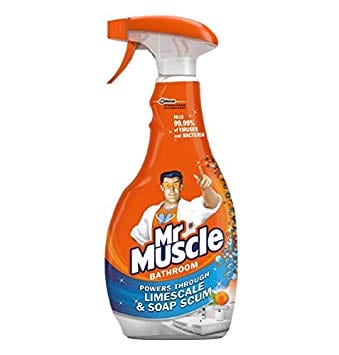
- Mister Muscle. The composition gently disinfects and cleans the enamel coating, and is suitable for the care of acrylic products. Its components do not contain aggressive substances, resulting in gentle stain removal when applied. The cost of Mister Muscle varies from 150 to 270 rubles
- White. The product disinfects the surface, kills bacteria and removes contamination. “Whiteness” perfectly whitens enamel and removes dirt. In order to start working, the product must be diluted with tap water in a ratio of 1 to 3. After the composition is sprayed over the bowl and not washed off for about 10 minutes. You will have to pay for the purchase no more than 100 rubles.
- Cif. Produced as a cream, its ingredients cope well even with old stains. The product does not scratch the enamel and can be used to clean acrylic bathtubs. It should be noted that Cif cream is not effective against rusty plaque; to remove it, you should choose another, the most suitable composition. The price in retail stores ranges from 150 to 180 rubles.
- Comet. One of the best disinfectants for cleaning your bathtub. Comet components are chlorine-free and effectively remove rust and limescale deposits. The price for “Comet” ranges from 160 to 300 rubles.
helpful advice
The following expert advice will help to clean the bath in a quality manner:
- All cleaning work should be carried out with rubber gloves.
- It is not recommended to use acetone and technical acids to remove contaminants, as they can damage the surface of the material.
 Even in advanced cases, you should not use serious abrasives – metal brushes, sandpaper, etc. This limitation applies to all types of coverage.
- The bathtub must be washed after each use, otherwise it will lose its attractive appearance and hygiene.
- When planning renovation work, it is advisable to cover the bathtub with a film. This will protect the surface from the appearance of building pollution.
- If the bathtub is old and a general cleaning has not been done for a long time, it may be necessary to carry out cleaning several approaches to completely clean the surface.
- Do not try to chip, cut with a knife or hammer away limescale deposits, as this can damage the surface.
- Well-organized ventilation of the bathroom will prevent the appearance of fungus in the room, including at the junction of the bathtub and tiles on the wall.
- Tidying up the bath should be complemented by washing the curtain.
- After cleaning the bath with any of the means, its surface must be rinsed with plenty of water.
Bath Cleaning Precautions
When using any method, you must not forget about the precautions during cleaning.
During processing, gloves should be worn, this will protect the skin of the hands from the chemicals in the composition.
It is best to leave the door open for fresh air when using chlorine or vinegar products at home.
After processing, it is necessary to thoroughly rinse the bath with plenty of water in order to wash off all the chemistry from the walls.
Conclusion and conclusion
How to remove rust from a bathtub? It is not difficult to remove stains, but in the process you need to worry about the safety of the protective layer. If you regularly scratch the enamel, sooner or later the destruction of the material will begin. Natural corrosion will result in permanent stains that cannot be removed.
If you are wondering about how to clean rust from plumbing items in the bathroom, give preference to store-bought products. Among them, you can choose quite effective and gentle options.
In extreme cases, it is allowed to use folk recipes. Most often they are used to remove old stains. However, home remedies damage the enamel severely.
Sources used and useful links on the topic: https://uborka-v-dome.ru/pravila-chistki/kak-ochistit-vannu-dobela-domashnimi-sredstvami.html https://uborkapro.info/uborka/pochistit-vannu -doma.html https://VsyaKraska.ru/ehmal/sredstvo-dlya-mytya-vanny-bez-povrezhdeniya/ https://chistyulka.ru/uhod/chem-otmyt-rzhavchinu-v-vannoy https: // hozzi .ru / chistka / kak-ubrat-rzhavchinu-v-vannoj https://yborka.online/uborka/rzhavchina/kak-ochistit-vannu https://sovet-ingenera.com/santeh/vanna/kak-otmyt-vannu .html https://historyclothing.ru/uborka/kak-otchistit-vannu-do-bela-v-domashnih-usloviyah.html https://uborkapro.info/sredstva/ochistit-vannu-do-bela.html https: //DomZnatok.ru/uborka/vannaya/kak-ochistit/ https://uborka.co/moyka/kak-otmyit-vannu https://obustroeno.com/stroitelstvo/pomeshheniya/vannaya/50393-kak-ochistit-vannu https://yborka.online/uborka/kak-ochistit- vannu / do-bela-domashnimi-sredstvami https://sovety-vannoy.ru/uxod-i-chistka/kak-otmyt-rzhavchinu-i-pyatna-v-vannoj.html
Post source: lastici.ru