
Dementia – Symptoms and Treatment. Dementia: what it is, diagnosis and symptoms of the disease
Dementia: a general description
A disease in which there is a gradual decrease in memory, deterioration of thought processes, a violation of the emotional sphere is called dementia. Sometimes he is better known as senile insanity or dementia. In most cases, dementia is accompanied by organic brain damage and is irreversible. It can be cured in cases where the causes are depression, vitamin deficiency or traumatic brain injury. It develops more often in people over 65.
Dementia develops gradually, but if it is caused by vascular disorders, abrupt irreversible changes are possible. The disease goes through 3 stages: mild, moderate and severe. With a mild degree, a person continues to communicate with others, but more and more often becomes isolated on himself. Forgets words, faces of acquaintances, appointments. Gradually loses reading and counting skills, ability to learn new things. Often the disease is accompanied by depression, apathy, loss of interest in what was previously important.
Over time, the condition worsens, the patient does not find his home, does not understand what day of the week it is. With an average degree of the disease, difficulties arise with dressing – a person forgets to dress, puts on light shoes in winter, goes outside in a fur hat in summer. Sometimes he may not eat for a day, sometimes he eats several times in a row, forgetting that he has already had dinner. Difficulties appear with taking medications.
Movements are disturbed, tremors of arms, legs, head appear. Muscles become rigid, movements lose freedom. A person practically does not communicate with anyone. The appearance of hallucinations, delirium is possible. The patient needs help more and more. He cannot be left alone for a long time, so that he does not harm himself, does not leave, does not get lost.
With a severe degree of dementia, the patient needs constant care. Often he becomes aggressive, does not understand what he is being told, where he is, what he is doing. He completely loses his self-service skills, does not recognize close people, in very difficult cases he only lies.
How to treat dementia and what medications to take depends on the severity of the disease and the underlying symptoms.
What to do to stop the disease
The process of treating dementia is long and complex. Therapies include medicinal and psychological effects.
Currently, the development of alternative methods of therapy (gene therapy, vaccination, use of stem cells) is underway.
Other things to know about dementia:
- does it happen at an early age, as well as in children and adolescents
- what are the signs and symptoms of the disease – in women and men, in the elderly
- what tests will help to identify the disease in you or your loved ones, what is its treatment in old people, is it possible to prevent this condition
- what is acquired and congenital dementia
- how many years they live with dementia, whether they give disability to a sick person.
The reasons for the development of pathology
There are a number of factors that can affect the development of senile marasmus, but the main one is hereditary predisposition. People whose grandparents suffered from dementia are at high risk of losing some or all of their ability to think properly with age.
In the mechanism of the development of the disease, the leading role, following heredity, is assigned to disorders in the immune system. Atrophy of areas of the cerebral cortex occurs as a result of the destruction of brain cells. This process starts the synthesis of autoantibodies that affect the cells of the organ.
Any disturbances in blood circulation and nutrition of the brain lead to the death of neurons and the destruction of intercellular connections, which ultimately contributes to the development of senile dementia.
Factors that play a negative role in the development of the disease:
- diseases accompanied by chronic arterial hypertension;
- oncological processes (brain tumor
- cerebral atherosclerosis;
- severe metabolic disorders (diabetes mellitus);
- sedentary lifestyle;
- decreased intellectual activity;
- history of traumatic brain injury;
- toxic brain damage due to alcohol abuse, smoking and drug use;
- neuroinfections transferred throughout life (bacterial or viral meningitis, meningoencephalitis);
- depression;
- long-term exposure to the body of unfavorable external factors (living in areas of heavy pollution by toxic emissions, characterized by a high content of aluminum, selenium, nitric oxide, silicon and other substances);
- chronic poisoning with pesticides and similar pesticides (by type of activity);
- living in a zone of powerful electromagnetic fields;
- lack of vitamin D in the body.
The cause of the development of brain disorders can be drugs. In this case, the process is reversible, and when drugs are canceled, brain activity is restored.
Medical treatment for dementia
After choosing the drugs, you should tune in to a constant intake, since dementia is treated for a long time. Before starting therapy, it is necessary to diagnose the disease that caused dementia. Dementia can be completely cured only if it is the result of reversible changes in the endocrine system or in internal organs. The consequences of strokes should be treated with vascular drugs and drugs that affect the blood coagulation system. Degenerative changes in brain tissue are difficult to correct, but neuronal death can be stopped if specific drugs are prescribed.
Important! The combination of various groups of drugs provides an increase in the effect of treatment, since the effect is on various aspects of pathogenesis.
| Group of medicines according to the degree of importance | Pharmacological group | Drug name |
|---|---|---|
| The first | Cholinesterase inhibitors (an enzyme that breaks down the important neurotransmitter acetylcholine) | Donepezil
Rivostigmin Galantamine |
| The second | Drugs that interact with specific receptors and reduce the toxic effect of the neurotransmitter glutamate | Memantine (Acatinol) |
| Third | Vascular and nootropic drugs | Pentoxifylline (Trental), Cavinton (Vinpocetine),
Piracetam, Nootropil, Cortexin, Cerebrolizin |
| Blood cholesterol stabilizers – statins | Atorvastatin, Rosuvastatin, Simvastatin, Lovastatin | |
| Estrogen hormones | Estrodiol | |
| Unsaturated fatty
Acids Anti-inflammatory drugs |
Omega-3, fish oil
Arcoxia, Ibuprofen, Diclofenac, Meloxicam |
|
| Vitamin preparations | Tocopherol, Cyanocobalamin, Pyridoxine |
Basic therapy for neurodegenerative dementia
Modern treatment of dementia, accompanied by progressive destruction of nerve cells, provides for the mandatory appointment of cholinesterase and memantine inhibitors. These funds are necessary for the following types of senile dementia:
- Alzheimer's disease;
- Pick's disease;
- Parkinson's disease;
- dementia after a stroke.
The protocol for the treatment of dementia includes the appointment of Donesepil or Rivostigmine, often the drugs are combined with Memantine. Cholinesterase inhibitors promote increased synthesis of acetylcholine, which facilitates the conduction of nerve impulses between preserved neurons.
An excess of glutamate, which is formed during the destruction of neurons, leads to overexcitation of the nerve cell. As a result, the necessary signals are not recognized and new information is not assimilated. Memantine removes excess neurotransmitter, making the neuron more receptive to signals.
Therapy with anticholinesterase drugs and Memantine should be carried out without interruption, it is possible to prescribe only one drug. These treatments for dementia can slow the rate of nerve cell degeneration and the loss of mental function.
Preparations for improving cerebral circulation
Treatment of vascular dementia in the elderly is accompanied by the appointment of drugs to improve cerebral circulation and metabolic processes in the brain. After a stroke, part of the neurons die, the task of therapy is to stimulate the activity of neighboring areas that are able to restore the functional deficit.
| Drug group | Drug name | Feature of action |
|---|---|---|
| Antiplatelet agents | Pentoxifylline, Trental, Dipyridamole, Curantil, Agapurin | Improves blood flow, prevents the formation of microthrombi |
| Means for improving blood microcirculation | Cavinton, Vinpocetine, Nicotinic acid, Xanthinol nicotinate | Eliminate vascular spasms, activate blood circulation |
| Nootropics | Piracetam, Nootropil, Pirairacetam | Improves metabolism in brain tissue, stimulates the formation of interneuronal connections |
| Extracts from the medulla of animals | Cortexin, Cerebrolysin, Ceregin | Stabilize the nerve cell membrane, facilitate the conduction of nerve impulses |
| Antihypoxants | Improve the supply of oxygen to the cell, reduce the effects of oxygen deprivation | Mexidol, Mexiprim, Mildronate |
A vascular treatment for dementia is indicated for patients with dementia of any origin, since stimulation of blood circulation inhibits neuronal death and helps preserve mental function.
Treatments for emotional and obsessive-compulsive disorders
Drug treatment for dementia involves the impact on a decreased background mood, aggressiveness, anxiety, emotional arousal. To reduce negative manifestations, the following groups of drugs are prescribed:
- antipsychotics (Tizercin, Rispolept);
- tranquilizers (Nitrozepam, Sonapax, Elenium);
- antidepressants (Fluoxetine, Mianserin);
- amino acids that stimulate the inhibition process (Glycine, Glycised);
- herbal sedatives (tablets of valerian, motherwort, mint, lemon balm).
Important! It is necessary to take into account the fact that an overdose of drugs that affect the psyche can cause respiratory and cardiac disorders.
Antipsychotics, tranquilizers or antidepressants are prescribed in long courses with obligatory breaks. Effective home treatment of senile dementia can prolong the initial period of the disease.
Hypnotics
Sleep disturbances worsen the course of dementia, so the standard of treatment for dementia includes the prescription of sleeping pills. Sleep aids should not be addictive or drug withdrawal. Melatonin and Ramelteon meet these requirements. These funds are taken in the dark when the patient is already in bed. Sedative antidepressants (Trazodone) can help you fall asleep.
It is important that the bedroom is well ventilated before going to bed, and the patient, whenever possible, takes walks in the fresh air. Aromatic oils (mint, lemon balm, lavender), which can be inhaled or added to a warm bath, help to relax.
Aids
The following groups of drugs help to activate the brain activity:
- estrogen hormones;
- vitamins (tocopherol, cyanocobalamin, pyridoxine);
- unsaturated fatty acids (omega-3);
- amino acids (taurine, glycine, lecithin);
- tonics (tincture of ginseng, eleutherococcus);
- ginkgo biloba.
The treatment regimen for dementia should include a set of methods that affect various links in the pathogenesis of the pathological process.
Traditional treatments for dementia
Herbal treatment for dementia can be used as an adjunct to drug therapy. This method is distinguished by the absence of side effects and good tolerance at any stage of the pathological process. To stimulate mental activity, decoctions and infusions of periwinkle, barberry, hawthorn fruits and flowers are used, which treat dementia. Ginkgo biloba extract helps to activate memory and thinking. Medicines are produced on the basis of this plant, but decoctions or infusions from the leaves can be made.
To increase the general tone of the body, alcoholic tinctures of Leuzea, Rhodiola, and Chinese magnolia vine are used. Dandelion, chicory, elecampane, calamus and wormwood activate the pituitary gland and hypothalamus. To stabilize the emotional background, infusions from the rhizome of valerian and cow parsnip are used, reduces the manifestation of depression St. John's wort and oregano.
Treatment of dementia with alternative methods until recovery is possible with mental changes against the background of reversible diseases of internal organs and blood vessels (hypofunction of the thyroid gland, diseases of the heart and cerebral vessels in the initial stages).
The link between senile dementia and brain disease
The most common cause of dementia is Alzheimer's, Pick's, less often Parkinson's. Dementia in older people can be an independent disease or a symptom of one of these conditions.

Alzheimer's disease is popularly called senile marasmus. The disease develops as a result of the deposition of Aβ-amyloids in the brain tissues, and in 50-60% of cases is accompanied by dementia.
Primary degenerative dementia in Alzheimer's disease manifests itself in a steady decline in cognitive function. The disease is typical for people over 65 years of age.
The clinical picture depends on the stage of Alzheimer's disease:
- initial. The patient loses professional skills, becomes forgetful, cannot decide on time. Amnesia grows rapidly and neuropsychological manifestations, egocentrism, delirium are added to it;
- stage of moderate dementia. Disorientation grows, intellectual abilities decrease, but at the same time the patients retain their personal characteristics. Patients at this stage need constant supervision and support from loved ones;
- severe stage. It is characterized by an extreme degree of agnosia and complete memory decay. The patient can only identify himself in fragments.
The average life span of a person with Alzheimer's disease is 6 years. Timely diagnosis and therapy can prolong life.
Pick's disease is less common than Alzheimer's. The pathology is typical for the elderly, and most often occurs in women. Patients have no criticism at all, they behave extremely impulsively, can use foul language and exhibit lines of behavior that were not previously inherent in them.
Patients retain their automated skills for a long time (writing, counting, professional manipulation). But from the first manifestations of the disease, verbosity and difficulties with the selection of words are characteristic. Unlike Alzheimer's disease, personality changes are less pronounced, and memory breakdown appears much later.
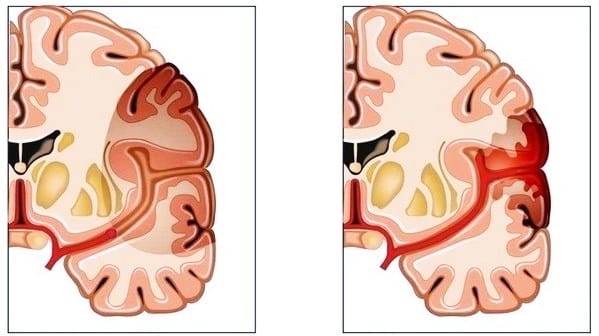
Parkinson's disease is a slowly progressive disease in which neurons break down and die and dopamine is deficient. Along with movement disorders in the clinic of the disease, changes in mental functions are noted.
Dementia in parkinsonism is mild, but patients have signs of psychosis, expressed in a sense of fear, absent-mindedness, loss of geographical orientation, and paranoid symptoms with the presence of hallucinations.
The first signs of the disease
Dementia can proceed in different ways, depending on the cause of its occurrence, the localization of the pathological process, the stage of severity. The main signs of dementia appear already at the first stage, but in almost 90% of cases they go unnoticed by others. The patient himself at the beginning of the disease notices a number of changes, but does not attach due importance to them, considering them signs of fatigue, depression, or natural causes associated with the aging process. Later, due to the changes in mental activity and perception, the patient ceases to be aware and recognize his illness.
Regardless of the type of dementia, in general, the following symptoms and signs of dementia can be distinguished:
- Memory problems. They start from the usual forgetfulness, the inability to remember insignificant information: the name of a new acquaintance, the location of the keys, a recent conversation. Further, professional memory suffers, gradually the first symptoms and signs of senile dementia are aggravated by memory lapses, while a person tries to restore the course of events, remember what happened, filling the gaps with fictitious stories and facts. This moment also distinguishes dementia from ordinary forgetfulness. In the severe stage of the disease, memory is completely lost, a person does not recognize relatives (children, parents), and sometimes his own reflection in the mirror.
- Impaired thinking and concentration are also signs of incipient dementia. The patient's thoughts are disordered, it is difficult to concentrate on one, thinking is slow, clouded, the logic of judgments gradually disappears. In the later stages of the disease, a person thinks in fragments, false ideas arise (phobias, persecution mania, poisoning, etc.).
- Speech disorders. Just like thinking, the patient's speech suffers: in the early stages it is distinguished by many errors, sometimes the logical chain of the story is lost due to forgetfulness. At a later stage, speech is incoherent, up to the reproduction of meaningless sounds.
- Emotional Disorders. They begin at the first stage and are characterized by frequent mood swings, tearfulness, moodiness, apathy, asociality, so the disease is sometimes confused with depression. At later stages, panic, unreasonable anxiety, and aggression appear.
- Sleep disturbances. This symptom is characterized by a gradual loss of biorhythms (daytime sleep, nighttime wakefulness).
- Loss of sense of time, place. The patient forgets the day of the week, year, cannot distinguish the time of day, is lost in a previously familiar area.
As already mentioned, the signs of dementia in the elderly depend on the type of disease and the localization of the pathological process. So, with dementia of the Alzheimer's type, memory suffers most, false memories appear, speech disorders occur, the ability to orientate in space is lost.
Vascular dementia, which accounts for 10-20% of all cases of the disease, occurs due to brain atrophy due to impaired blood supply. Signs of vascular dementia: a sharp decrease in mental activity, intelligence, fatigue, emotional disorders, impaired thinking and speech. Memory problems may not occur.
Also, the clinical manifestations of vascular dementia depend on the localization of the lesion in the brain (hippocampus – impaired attention, memory; striatum – motor dysfunctions; thalamus – meaningless speech).
Important! In 10% of cases, dementia is aggravated by various psychoses.
Differences between signs of dementia and other diseases
Dementia in old age is often mistaken for the processes of wilting that occur with the body after 70-80 years. In this case, a combination of symptoms and their progression should alert relatives who observe suspicious symptoms.
| Defeats | Senile dementia | Natural processes |
|---|---|---|
| Memory | First of all, the loss of short-term memory, while the events of the distant past are remembered in detail. Also important signs and manifestations of dementia are fantasies and fictions that replace new memories. Another difference is the loss of professional skills. | Loss of up to 20% of short-term memory, combined with forgetting the events of the past. In this case, the acquired skills are not lost. |
| Emotions | Unreasonable changes in character that progress | There may be depression, apathy, irritability, tearfulness. However, such manifestations are not permanent and have reasons (loneliness, resentment, etc.) |
| Intelligence | Gradual decline. The main distinguishing symptom is the inability to perceive, memorize new information, acquire new skills | Decrease, against the background of maintaining the skills acquired earlier. But the willingness and ability to learn, to remember new information remains |
Since dementia sometimes occurs in young people and children, the disease is mistakenly associated with mental retardation. To distinguish between these diagnoses, it is worth highlighting the main signs of oligophrenia and dementia. The first disease is congenital and manifests itself at the age of 2-3 years. Children born with mental retardation lag behind their peers in mental and physical development. Dementia at this age most often occurs as a result of trauma, children are physically healthy, in addition to a decrease in mental activity, other characteristic symptoms appear, the disease progresses.
The first signs of dementia in women
Women are much more likely to suffer from dementia than men. This is because about 50-60% of all cases of dementia are associated with Alzheimer's disease, which mainly affects women. In addition, the long life expectancy of female representatives also affects (the disease in most cases occurs after 60-70 years).
At the same time, the symptoms and early signs of senile dementia are easier to identify in women than in men. This is due to the presence of a greater number of symptoms: patients are much more likely to experience emotional disorders, memory lapses with the replacement of information with false memories.
The patient's mood can change very often and dramatically. The most typical manifestations are aggression, irritability, moodiness, vulnerability, tearfulness, greed. Closure is noted, the woman stops communicating with friends, and sometimes even relatives. There is no improvement in the emotional background; without treatment, the disease is constantly progressing.
Signs of dementia in men
Most often, the first signs of dementia in men are disorders of speech, thinking, memory. Due to the localization of the lesion, nonspecific symptoms may develop: tremor, impaired purposeful movements. Emotional lability (frequent mood swings) is revealed much less frequently than in women. Relatives may suspect the presence of the disease by the increasing decline in cognitive functions, sometimes unreasonable aggression or jealousy.
According to studies carried out in the United States, although the disease in men begins earlier (from the age of 60), the first symptoms and signs of dementia in men appear later than in women. For this reason, the disease is rarely detected at an early stage, and in some cases it remains unnoticed until the last stage.
Signs of illness in young people
At a young age, dementia manifests itself in the same way as in old age, but its prognosis is slightly more favorable. This is due to the fact that young people are more likely to seek help from specialists when the first signs of illness appear, as well as in connection with other causes of dementia. So, for example, with injuries, brain tumors, lack of vital vitamins and minerals or hormonal disorders, the progression of the disease can be completely stopped.
Symptoms and signs of dementia in young people are increasing forgetfulness, problems with thinking and speaking, concentrating, inability to focus, and doing normal work. All this leads to depression, loss of interest in life, exit from society, aggression.
Reference! Dementia in young people is relatively rare, in different countries this figure reaches 1-10% of the total number of cases.
Folk ways
Dementia in the form of senile dementia or insanity has been known for a long time. Therefore, it is not surprising that in folk medicine there are many recipes that help alleviate the situation of patients, slow down the development of pathology. Treatment of dementia with folk remedies involves, first of all, the use of infusions, tinctures and decoctions of medicinal herbs. But this is not limited to this. You can also treat dementia at home with vitamin therapy, a special diet, with the help of cognitive exercises, music, aroma and pet therapy, and some other methods.
Herbs
For the treatment of dementia at home, herbs and plants are used that increase the microcirculation of blood in the brain, absorb atherosclerotic plaques, improve sleep, relieve anxiety, and normalize blood pressure.
- Hawthorn. The fruits of the plant enrich the brain with oxygen, relieve high blood pressure, relieve insomnia, relieve nervous tension.
- Blueberries. Fresh juice is useful for resorbing atherosclerotic plaques and improving memory.
- Rowan. A decoction of mountain ash bark prevents atherosclerosis, improves microcirculation in the vessels of the brain, and lowers blood pressure.
- Fennel. The plant has a positive effect on the nervous system, reduces nervous excitement, increases concentration and attention.
- Valerian. Calms the overexcited nervous system, normalizes sleep. The effectiveness of the drug is increased when used with fennel.
- Dry heather. Relieves nervous tension, normalizes blood pressure.
- Ginkgo biloba. This is one of the most powerful herbal remedies for normalizing cognitive abilities. Increases microcirculation of blood in the brain, significantly improves memory.

Recipes
Rowan bark decoction. 2-3 st. l. dry bark is poured over 200-250 ml of boiling water, brought to a boil and kept on low heat for 5 minutes. Take 50 ml 4-6 per day.
Decoction of fennel fruits and valerian rhizomes. It is taken twice a day in a glass to reduce anxiety and improve sleep.
Fresh blueberry juice or a decoction of dried berries. It is recommended to drink a glass of fresh juice or broth daily.

Collection of chamomile, mint, motherwort, blueberry leaves, lemon balm. To prepare the infusion, all components are mixed in equal amounts. For 0.5 liters of boiling water, 2 tbsp is taken. l. mixtures. Taken before bedtime, 200 ml. The collection normalizes sleep, reduces aggressiveness, eliminates depression.
Infusion from the collection of roots of elecampane, hawthorn, aniseed lofantan, Caucasian dioscorea. 2-3 s. l. collection is poured with a glass of boiling water and insisted for several hours. Take half a glass 2-3 times a day.
Infusion of dry heather. A tablespoon of herbs is poured into a glass of boiling water. It is taken at night in 200-250 ml.
Miracles do not happen! When using folk remedies to combat dementia, you need to understand that their effectiveness is still limited. Most likely, it will not come to recovery. Even strong synthetic drugs cannot completely cure dementia. However, they can alleviate the condition, postpone, and maybe prevent the transition of dementia to a severe stage, which is characterized by complete dying of the brain.
Vitamins
The following vitamin supplements are indicated for dementia.
- Vitamin C. Substance of systemic action, antioxidant, neuroprotector. Studies have proven the positive effect of vitamin C in aging too early, Alzheimer's disease, and a decrease in cognitive abilities. Moreover, regular intake of moderate doses is preferable to using courses in large doses.
- Omega 3. Increases cognitive performance, improves memory. You need to take the drug constantly.
- Vitamin E. Weakens the manifestations of dementia, improves memory. Requires caution in cardiac pathologies.
- B vitamins (thiamin, cyanocobalamin, biotin, folic acid, etc.). They play an important role in cellular metabolism, increase stress resistance, normalize sleep, and restore the immune system.
- Coenzyme Q10. Vitamin-like drug, antioxidant, provides redox processes in the body, lowers cholesterol levels. Structurally similar to vitamins E and K.
Features of the
In contrast to the vascular form of pathology, senile dementia has its own characteristics. The patient is able to maintain correct speech and intonation, demeanor and style of behavior for a long time.
When communicating with such a person, others have complete confidence in the adequacy of the interlocutor. But to a simple question, for example, about his age, the interlocutor suddenly finds it difficult to answer.
Senile dementia in most cases, unlike vascular dementia, does not have psychotic manifestations, thereby making life easier for the patient and does not cause much trouble.
Symptoms
Symptoms are usually classified by function:
- Cognitive – forgetfulness, inability to draw conclusions and conclusions, violation of the logic of thinking, loss of the ability to recognize people, determine the place and time, the disappearance of the feeling of the passage of time.
- Behavioral – the desire for social isolation, avoidance of friends, girlfriends, habitual activities, mood swings from tearfulness to aggression, unmotivated outbursts of anger, loss of interest in favorite hobbies, people, profession, family, loved ones. In the later stages – socially unacceptable behavior, Tourette's syndrome, aggression, inappropriate actions. The patient behaves like a child, can publicly strip, relieve needs, confuses people, “falls into childhood.” When he gets on the street, he cannot find his way home, falls into a stupor.
- Physiological – violation of the technique of habitual movements. The patient stops sewing, embroidering, cooking, driving. She cannot do simple exercises, even if she did exercises before. Dancing, it moves in its own rhythm. In the later stages, collisions with things, falls while swimming, movement, and the inability to go to the toilet on their own are possible. The condition may be accompanied by hypotension, atonic constipation, and cahesia if the patient is not properly cared for.
It is not recommended to leave patients with dementia unattended and monitored, as they may completely lose physiological function.
Possible complications
The more dementia progresses, the more likely it is to develop complications.
It can be:
- Sleep disturbances – insomnia at night and prolonged naps. Corrected by the correct daily regimen and sleeping pills.
- Emotional disorders – anger, suspicion, or vice versa, frequent tears, sentimentality. It is treated with tranquilizers.
- Behavioral disorders – aggressive manifestations, assault, attacks on loved ones are possible. There are oddities and eccentricities. The condition is stopped by neuroleptics.
- Depression, apathy, suicidal thoughts. In this case, antidepressants are prescribed.
- Delirium and hallucinations. Most often it is the delirium of poisoning, stealing from loved ones. It is stopped by antipsychotics.
- Sexual deviations. They may lose their sense of shame, be naked in public, or stalk someone.
- In the last stage, urinary and fecal incontinence may occur.
Although dementia is not completely treated in old age, its symptoms and course can be controlled.
Types of senile deviations
Allocate vascular, atrophic dementia in the elderly, in addition, there is Alzheimer's disease, Pick. A few words can be said about specific types of the disease.
Vascular dementia
Vascular atherosclerosis is a common manifestation in pensioners. The process of blood supply decreases. There is a violation of attention, increased irritability and nervousness appear, he is tormented by headaches. If you do not notice the symptoms, do not take any action, serious consequences appear. The patient cannot control his mood, he is constantly disturbed by depressive experiences. Atherosclerosis leads to amnesia.
Alzheimer's Syndrome
Dementia occurs, memory is impaired and intelligence is noticeably reduced. Several main stages can be noted here:
-
initial;
-
moderate;
-
heavy.
At the last stage, the ability to serve oneself is lost. It is important to identify the first bells of an impending disaster in a timely manner, and help the person as soon as possible.
Pick's disease
A similar diagnosis is made upon detection of the destruction of the frontal, temporo-frontal lobes of the brain. Development: modification and destruction of the frontal lobes; changes with parkinsonism. All of the above are signs and symptoms of dementia and dementia in older people, mainly women. The first symptoms may appear after sixty years.
Mixed dementia
It is accompanied by a change in mental activity of an irreversible nature. Pathology is difficult to diagnose. In many ways it is similar to Alzheimer's disease, Pick, but only a doctor, after diagnosis, will make an accurate diagnosis.
The essence of the disease, stages
The following stand out:
-
Initial: there is a radical change in traits (frugality turns into greed). Relatives justify all this with severe fatigue.
-
Deployed bewilderment: the inability to memorize information, in some situations a person may not remember the names of his grandchildren or even children.
-
Insanity: forgetfulness regarding age; decrease in vocabulary. Conflict and excessive talkativeness appear.
After the last stage of dementia in older people, the worst thing that can happen to a person comes. Speech and the ability to serve oneself are completely lost. Sometimes the patient is unable to distinguish a food product from another object. After that, he begins to lose weight at a terrible speed, all the muscles of the body weaken, confining him to bed.
Prevention and prognosis
Dementia is a serious disorder. It is necessary to take care of the prevention of the disease, since this process can no longer be reversed.
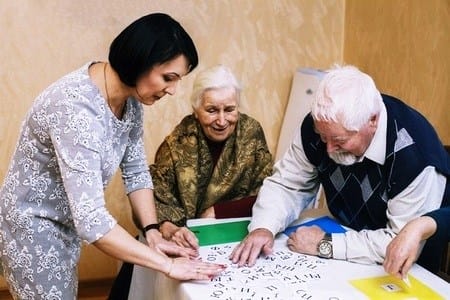
In prevention, an important role is given to the following aspects:
- timely and complete treatment of endocrine diseases, vascular pathologies and viral infections;
- a healthy lifestyle, giving up bad habits;
- balanced nutrition, body weight control;
- physical activity (dancing, gymnastics, walking);
- intellectual games and activities (solving crosswords, playing chess, participating in quizzes, learning foreign languages, reading);
- cultural education (visiting theaters, museums, excursions);
- familiarization with the beautiful (music, painting, folk crafts).
In other words, to keep the brain active, it is necessary to stimulate its work. People with dementia can live long lives with palliative care and proper care. Life expectancy is difficult to determine, but it should be noted that dementia is extremely rare for patients to die. More often, the cause of death is accidents in which such people fall due to the fact that they do not have the ability to adequately respond to what is happening.
Good care and a normal family atmosphere have a positive effect on the condition of the patient with dementia. In such an environment, problems with memory, intelligence and mood swings are not an acute problem for the family.
Caring for the elderly with dementia
The patient's relatives must provide her with full and ongoing care. In the early stages, it is enough to remind the patient about the rules of hygiene and prompt the finding of certain things. As the disease progresses, it is necessary to establish complete control over the woman's life.
Don't leave her alone. Later, it is necessary not only to remind the patient of the rules of personal hygiene, but also to help her perform manipulations. With complete immobility and loss of interest in life, full-fledged care is required, including feeding, combing, washing, changing underwear and bed linen, and diapers.
Recommendations for loved ones
The daily environment and occupation of an elderly person are of great importance. If a person with dementia lives in the family, there are a number of recommendations both for the patient himself and for those around him.
At-risk groups
It is worth noting that women are more prone to dementia than men, photos of these patients at different stages can be viewed on the page. The highest risk of the onset of the disease is in people who have not been active intellectually for many years. In addition, risk factors can be as follows:
-
Old age.
-
The presence of loved ones suffering from Alzheimer's syndrome.
-
Hypertension.
-
Atherosclerosis.
-
Diabetes.
-
Being overweight.
-
Mechanical head injuries.
Provoking factors of development
In women after 60 years of age, the provoking factor is the gradual extinction of the hormonal background. In the presence of brain damage, the process develops rapidly. Social isolation, the loss of a profession, and the lack of the need to engage in some difficult task that requires intellectual work accelerate dementia.
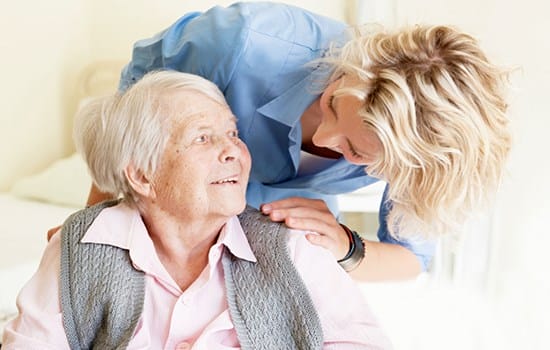
Women who are left in poverty and loneliness are at risk because they cannot provide themselves with adequate nutrition. Research from the Mayo Clinic has linked this disease to poor nutrition, poor omega-three acids, and multiple inflammatory processes. “Treatment with folk remedies” for bronchitis and pneumonia, an unkempt oral cavity, and general exhaustion exacerbate the situation.
The general depressive background, the need to care for sick people, the inability to rest, and to do something outside the family circle accelerate the course of the disease.
Prevention of dementia is considered a healthy lifestyle, the presence of intellectual hobbies, physical activity in the fresh air, and constant communication not only with loved ones, but also with people outside the family circle.
Which doctor to contact
The earlier the diagnosis and treatment of the disease is started, the more likely the patient is to return to a full life, taking into account the specifics of dementia.
Dementia in the elderly, the symptoms of which at its initial stage are a decrease in the ability to memorize new information, sleep disturbances, headaches, increased or decreased (relative to the usual state) emotionality.
With the progression, it gives such manifestations as suspicion, forgetfulness, absent-mindedness, deterioration in orientation in place and time, slovenliness, tearfulness.
With vascular dementia, movement disorders begin – a shuffling gait, instability, dizziness, tremors of the arms, legs, head appear (especially with damage to the pyramidal system of the brain – Parkinson's disease).
In this case, the patient needs the help of relatives or close people, since criticism of his condition is observed in a small proportion of patients with dementia.
They may have several options: refer to a general specialist – a therapist, who, after examination and identification of symptoms, will refer to a more specialized doctor.
Or you can immediately go to a narrow specialist – a neurologist, neuropathologist, psychiatrist, gerontologist (specialist in diseases of the elderly). In this case, one should proceed from the existing complaints and symptoms.
During the examination, the neurologist and neuropathologist focus on neurological symptoms – changes in reflexes, motor functions, speech, coordination. The examination must necessarily include the study of the structure of the brain (X-ray, computed tomography, magnetic resonance imaging) and its functional features (rheoencephalography, electroencephalography).
The psychiatrist will be able to assess the degree of impairment of the functions of memory, thinking, attention, and the emotional sphere. Basically, in his work, he uses survey techniques, questionnaires and various testing options.
Diagnostics
The diagnosis at the early stages of the development of pathology is based on the description of the patient's behavior by the relatives around him.
Old people, due to a decrease in the cognitive functions of the brain, do not realize that they are sick. Timely referral to a psychiatrist becomes the responsibility of loved ones. In the later stages of senile dementia, clinical signs allow an accurate diagnosis.
In the initial stages of the disease, it can be difficult to recognize the onset of marasmus.
For diagnostics, special “dementia tests” are used for memorizing words, temporal and spatial orientation, and practical skills are assessed. If, as a result of the tests carried out, the degree of cognitive impairment is in doubt, then a second test is carried out after 6 months.
It is necessary to differentiate dementia with schizophrenia, in which a complex of similar symptoms occurs. Schizophrenia is characterized by mania and hallucinations, mood disturbances, depression, and delusional ideas. But with this disease, the manifestation of clinical signs is temporary.
An important role in the diagnosis of senile dementia is played by instrumental examination methods: MRI, encephalography and computed tomography. The data of these procedures allow the most accurate assessment of the nature of the disease and the degree of pronounced changes (atrophy, hydrocephalus) of the brain. Based on the results obtained, a diagnosis is made according to the ICD.
The international classification of the disease classifies dementia as an organic mental disorder.
How to create a safe environment for life
In the later stages, it is necessary to completely exclude the possibility that the patient will be able to harm herself or others. Do not allow it to the gas or electric stove, hot water, other household appliances, forks, knives. In addition, you need to remove all ropes, needles, belts, threads that can become dangerous.
It is important not to allow the patient to take medications on her own, to exclude the use of alcoholic beverages. Additionally, it is important to prevent the possibility of opening windows, balcony doors, and not to allow the patient to go for a walk on their own.
Basic principles of treatment
The treatment of dementia requires accuracy, a clear understanding of the diagnosis, the dynamics of the development of pathology. Care and prevention are important.
Therapy is prescribed depending on the stage of the disease, the intensity of damage to the emotional, cognitive and motor spheres. If dementia is caused by another pathology, for example, a stroke, treatment for this disease is carried out in parallel.
Immediately after the diagnosis is made, the patient's relatives need to take responsibility for taking their medications. Or instruct a nurse to monitor the treatment. The tablets must be removed from free access, their intake must be strictly controlled. It is important to monitor the occurrence of side effects and consult a doctor if the patient's condition worsens.
Sources used and useful links on the topic: https://neuromed.online/dementsiya-lechenie/ https://nerv.guru/zabolevaniya/demenciya/metody-lecheniya.html https://vsepromozg.ru/oslozhneniya/dementsiya-u -pozhilyh-lyudej https://demenciya.ru/demenciya/lechenie-dementsii/ https://demenciya.ru/demenciya/priznaki-dementsii/ https://mozgexpert.ru/psihika/dementsiya/demenciya-lechenie-v- domashnih-usloviyah https://mozgexpert.ru/psihika/dementsiya/demencii-u-zhenshchin https://healthperfect.ru/dementsiya-u-pozhilyh-lyudey.html https://www.pansion-zabota.ru/info / articles / dementsiya-u-pozhilykh-lyudey-stadii-i-simptomy-slaboumiya-u-starikov / https://healthperfect.ru/starcheskoe-slaboumie-simptomy-i-priznaki.html https://groupgt.ru/articles/158-vidy-demencii-u-pozhilyh-lyudey.html https://www.pansion-zabota.ru/info/articles/dementsiya-chto-eto-takoe-diagnoz-i -simptomy-bolezni /
Post source: lastici.ru