
Arrhythmia: how to treat and what to do in case of sudden heart palpitations. Arrhythmia attack: methods of restoring heart rhythm at home

Arrhythmia of the heart: what is it?
Normally, the number of beats per minute of a healthy person's heart varies in the range from 60 to 90 beats. Athletes and the elderly tend to have a slower heart rate, children and adolescents more frequent. Bradycardia is diagnosed when the pulsation rate is below 60 beats per minute. Tachycardia is understood as a heartbeat from 100 beats and above. The paroxysmal variety is characterized by an abrupt onset of an attack and a high heart rate of more than 145 beats per minute. To establish the exact form of the pathology, it is necessary to make an ECG and pass a number of additional tests.
Tachycardia is most often triggered by:
- ischemic disease;
- hereditary factors;
- dystrophy and other myocardial anomalies;
- heart defects;
- cardiomyopathy;
- atherosclerosis;
- heart attack.
Violations of the frequency of contractions of the heart muscle often occur due to previous surgeries, uncontrolled intake of pharmaceuticals, pathological abnormalities in the work of the endocrine and nervous systems, hormonal imbalance, obesity and various diseases of internal organs. At a higher risk are people who are regularly exposed to physical or mental stress, as well as abuse alcohol and drinks with a high caffeine content.
Types of arrhythmias, their symptoms and signs
The most common violations of the automatic functioning of the sinus node are:
- Sinus-type arrhythmia, which is a failure of the heart rate and is diagnosed mainly in younger patients.
- Bradycardia. It is characterized by a slowdown in the rhythm of the myocardium.
- Tachycardia (sinus), which is characterized by a rapid heartbeat from 100 beats per minute or more. Failure occurs most often due to emotional excitement or increased physical exertion. It can be triggered by VSD, anemia, heart failure, myocarditis or thyrotoxicosis.
- In the case of atrial asystole, the functioning of the sinus node is almost completely suppressed.
With atrial fibrillation, which is considered one of the most dangerous, the heart rate is irregular, while the frequency of beats varies in the range of 110-160 beats per minute. Flicker manifests itself in a paroxysmal or persistent form, while the patient may not experience severe discomfort or feel only an increased heart rate. Such problems often accompany coronary artery disease, thyrotoxicosis, or mitral defects.
Extrasystole is characterized by premature contractions of the heart muscle, which usually occur in people who do not complain about their own health. In such cases, extrasystolic pathology does not require any therapeutic measures. However, if it is observed more often several times within one minute, accompanied by dizziness, loss of coordination and other negative symptoms, you should consult a qualified cardiologist.
A separate group includes disorders of neurogenic origin. In such cases, the nervous system interferes with the normal functioning of the heart, affecting the heart muscle in a diverse order: the parasympathetic (vagus) nerve in a state of increased tone has the effect of slowing down the rhythm, and an increase in the tone of the sympathetic nervous system leads to a rapid heartbeat. The reason for such a failure may be an excessive passion for fatty and fried foods, alcohol, as well as regular use of caffeine, smoking and a sedentary lifestyle.
There are many types of arrhythmias, caused by various reasons and having a number of distinctive features. The most common symptoms are:
- Sinus tachycardia is characterized by an increased heart rate above 95-100 beats per minute. Most patients have general lethargy, shortness of breath, increased heart rate and a “broken” state.
- Paroxysmal tachycardia has a regular rhythm with a rapid heart rate from 130 beats per minute. It is accompanied by frequent urge to urinate, pain in the chest, increased sweat and fainting.
- Atrial fibrillation is diagnosed by an irregular heart tone and a heart rate in excess of 150 beats per minute. It is considered a sign of serious problems with the cardiovascular system and can be triggered by various defects.
- In the case of blockade or flutter of various departments, there is an expansion of the pupils and a temporary cessation of breathing.
In addition to the symptoms described above, an attack of arrhythmia is most often accompanied by general weakness and pressing pain syndrome, localized in the left side of the chest and “radiating” to the neck, jaw or arm. Patients often complain of increased anxiety, sometimes reaching the level of panic. Many people do not feel a seizure, and the rhythm disruption makes itself felt only after visiting a doctor's office and passing a diagnostic examination.
If some symptoms of cardiac arrhythmias do not pose a serious health hazard and may eventually disappear on their own, others only aggravate the ailment that caused them and lead to its rapid development.
Myocarditis is often a harbinger of atrial fibrillation, and repeated extrasystole can lead to such a diagnosis as coronary insufficiency.
Causes of arrhythmias
There are three groups of reasons:
- cardiac – when there is cardiovascular pathology: ischemic disease, hypertension, heart disease, myocarditis, pericarditis, cardiomyopathy, and so on;
- extracardiac – these include diseases of other organs and systems (chronic bronchitis, pathologies of the thyroid gland, gastrointestinal tract), taking medications (antiarrhythmics, sympathomimetics, antidepressants, diuretics, etc.) or toxic effects (smoking, alcohol, drugs), as well as electrolyte disturbances (hypo- or hyperkalemia, hypomagnesemia, etc.);
- idiopathic – when the cause of the arrhythmia could not be identified.
The mechanism of occurrence of cardiac arrhythmias
The heart has the following abilities:
- automatism – cardiomyocytes can spontaneously generate an impulse (due to this they are called “pacemakers”);
- excitability – cells perceive the signal and respond to it;
- conduction – the impulse can propagate through the conducting system of the heart;
- contractility – the ability to contract in response to a stimulus.
Thus, the myocardium independently generates electric currents that are conducted along the intracardiac pathways, excite the muscle and cause it to contract.
As noted earlier, arrhythmias occur due to impaired impulse formation or conduction. The main mechanisms are shown in the figure below.
A change in automatism in the sinus node is the cause of tachycardia, bradycardia (with weakness of the sinus node) and other arrhythmias. If the excitability of the underlying links of the conducting system increases, for example, the atrioventricular junction, then it takes on the role of a pacemaker, and an ectopic accelerated rhythm arises.
Trigger activity is the formation of impulses by cardiomyocytes, which normally do not have a pacemaker (signal-forming) function. This mechanism underlies extrasystoles and tachycardia, just like the other, re-entry (in his case, the signal causes one contraction, but under certain conditions it can excite the myocardium repeatedly due to the circulation of current in a circle).
A blockade occurs when an impulse strikes a tissue that is unable to respond to a signal, such as a post-infarction scar that has taken the place of a damaged cardiac conduction system.
Signs and symptoms: what are the complaints of patients
The palette of clinical manifestations is varied and colorful: from normal health to loss of consciousness and arrhythmogenic shock.
Depending on the type of arrhythmia, psychoemotional status and concomitant diseases, patients present the following complaints:
- sinking of the heart;
- heart beats on the chest;
- heart palpitations;
- dizziness, darkening in the eyes;
- shortness of breath, feeling short of breath;
- weakness, fatigue;
- loss of consciousness and so on.
These symptoms are accompanied by a feeling of fear and are not always specific. A similar picture of the disease is also described by somatically (bodily) healthy people suffering from panic attacks, neuroses or phobias. In these situations, we are talking about psychosomatics, and work with a psychotherapist is required, and not treatment with a cardiologist.
Case from practice: arrhythmia in a woman
In my practice, there was an interesting case: a middle-aged woman came to complain of episodes of loss of consciousness. They occurred during physical activity (climbing stairs, cycling), which was accompanied by severe shortness of breath, and before falling, she felt a heartbeat. Before contacting a cardiologist, the patient was examined by a neurologist, but no abnormalities were found.
When conducting echocardiography of the heart, it was visualized: secondary hypertrophic cardiomyopathy, which developed as a result of subvalvular aortic stenosis. Thickened left ventricular myocardium is a risk factor for the development of life-threatening tachycardia and sudden cardiac death. During the 24-hour ECG monitoring, runs of ventricular arrhythmias of varying duration were recorded.
The patient is referred for surgical treatment – correction of the heart defect and ablation (cauterization) of the arrhythmia zone.
Features in men
A feature of rhythm disturbances in men is the “holiday heart syndrome”. This is a condition in which arrhythmia occurs after a short-term use of large doses of alcohol (usually during feasts). Atrial fibrillation (atrial fibrillation) or ventricular arrhythmias are more common.
Clinically, this syndrome is manifested by a feeling of palpitations, a feeling of weakness, shortness of breath, chest discomfort, which can lead to arrhythmogenic death. The mechanisms of the influence of alcohol on the heart are both direct toxic effects and an increase in the activity of the sympathetic nervous system and electrolyte imbalance. In chronic alcoholism, cardiomyopathy develops, the main manifestations of which are heart failure and heart rhythm disturbances.
If you stop drinking alcohol in time, there is a chance to restore the pumping function of the heart, but where is the limit, when it is not too late, scientists have not been able to figure out. The attitude to drinking in our country is very frivolous, people believe that alcohol “cleans blood vessels” and its use is associated with health benefits. Yes, systematically drinking people rarely have heart attacks – they die from sudden arrhythmias, before they reach thrombosis.
Is sinus arrhythmia dangerous?
Arrhythmia is not something new in medicine, it has long had its own classification, there is a huge amount of data collected in practice about the disease, and there are many treatment options, but not one of them does not give a 100% guarantee for the patient's recovery.
Heart rhythm disturbances can appear as a result of a reaction to the adaptation of the body, but they still contribute to some changes in hemodynamics, which can turn into big troubles for the body. How dangerous and how dangerous is cardiac arrhythmia?
In one moment, the human body can experience a strong oxygen starvation, and in another, the state of health will be ideal, that is why sinus arrhythmia is dangerous. Such leaps have a very detrimental effect on the state of the brain, nervous system and lungs. This means that in case of serious attacks, the patient may develop pulmonary edema, a sharp drop in pressure or a severe migraine.
Doctors very often observe cases when a person with arrhythmia suddenly loses consciousness. One can only imagine what the consequences could be if a sick person is driving a car.
The danger
Is cardiac arrhythmia dangerous for humans? Let's try to answer this question by understanding the features of its types.
With atrial fibrillation, the contraction of the heart muscle is observed at a speed of 100 – 160 beats / min. It most often occurs in people with high blood pressure or in patients who suffer from thyroid disease. There is no danger to life in this case. The worst thing that can happen is the formation of blood clots, which can come off and trigger a stroke.
Paroxysmal tachycardia is accompanied by a heart rate of up to 220 beats / min. In parallel, blood pressure can rise to 220 units. As a rule, its development is typical for people in old age, patients with dysfunction of the heart muscle or with diseases of the thyroid gland. In this case, we can talk about the danger to the patient's life, which can be caused by a violation of the blood circulation of the patient's internal organs.
Sinus tachycardia is most often the result of nervous or physical stress, a sharp change in the position of the human body. It is often seen in pregnant women or adolescents. It is impossible to talk about a threat to the patient's life, but it is imperative to urgently consult a specialist at the first signs of the disease.
Extrasystole can develop in both healthy people and those who suffer from diseases of the cardiovascular system. It does not always require inpatient treatment, but experts also do not recommend ignoring it.
Effects
The main function of the heart is to pump blood through itself. Normally, it decreases evenly, but sometimes a failure occurs and chaotic, inhomogeneous contractions are observed. In these cases, the heartbeat can increase to an alarming rate of 600 beats per minute! Not surprisingly, the consequences can be very different. These include:
- Thromboembolism. For a clearer explanation, a comparison is suitable: blood is not pumped as expected, but whipped in the atria. This is how blood clots form. They can be located in any part of the heart and start moving at any moment. Embolization of the heart, that is, its blockage – this is what happens as a result of the advancement of a thrombus or its fragment. This can result in a fatal heart attack or stroke. The most dangerous can be called pulmonary thrombosis, there is almost 100% mortality, unless timely qualified assistance is provided. If a blood clot manages to get through the bloodstream outside the heart, into the systemic circulation, it is fraught with no less sad consequences. If it enters the blood vessels of the brain, for example, a stroke occurs. This pathology cannot but affect the patient's quality of life: mobility is lost or severely limited, speech is impaired, a person loses the ability to work and the ability to self-service. Then, long-term treatment, serious care, rehabilitation are required, and this is not a guarantee that all functions will return in full. If a large trunk of the Wellisian circle was blocked by a blood clot, then a coma develops. When a blood clot gets stuck in the mesentery of the intestine, it becomes the cause of its necrosis. It is also dangerous to get blood clots into the vessels of the extremities, this threatens the development of gangrene. If the changes in this limb are irreversible, then its amputation will be indicated. that all features will return in full. If a large trunk of the Wellisian circle was blocked by a blood clot, then a coma develops. When a blood clot gets stuck in the mesentery of the intestine, it becomes the cause of its necrosis. It is also dangerous to get blood clots into the vessels of the extremities, this threatens the development of gangrene. If the changes in this limb are irreversible, then its amputation will be indicated. that all features will return in full. If a large trunk of the Wellisian circle was blocked by a blood clot, then a coma develops. When a blood clot gets stuck in the mesentery of the intestine, it becomes the cause of its necrosis. It is also dangerous to get blood clots into the vessels of the extremities, this threatens the development of gangrene. If the changes in this limb are irreversible, then its amputation will be indicated.
- Heart failure is, on the contrary, small contractions. In fact, the heart does not fulfill its pumping purpose. The entire body feels the consequences of this, since it can no longer receive oxygen and nutrients to the required extent. A variety of diseases can join, often not even related to the heart.
- Bradycardia is a rather rare consequence of arrhythmia. This condition is characterized by a critical decrease in heart rate to 40 or less. In this case, the brain and other organs receive a scanty amount of blood, which causes frequent fainting. Here, only the installation of a pacemaker can help, which will be set to a normal heart rate – at least 60 beats per minute. This device is unique in that it starts working only when the natural beats of the heart drop below 30-40 beats.
- Tachycardia is the exact opposite of the previous condition. The rhythm in this case is accelerated over 90 beats. A person begins to feel uncharacteristic, unnecessarily frequent contractions. Moreover, this does not require any additional measurements – just put your hand to the heart area or wrist. Sometimes even this does not need to be done – the abnormal heartbeat is noticeable and so. This is all the more obvious since in normal cardiac activity remains invisible to a person. Because of tachycardia, recurrences of arrhythmia often develop, up to the most dangerous forms of it, which can no longer be stopped with medication. Tachycardia is still very dangerous because in fact it is an overload of the heart. Sometimes the heart can no longer cope with such a rhythm and myocardial hypertrophy occurs. That is, the size of the organ increases and it needs blood that is highly oxygenated.
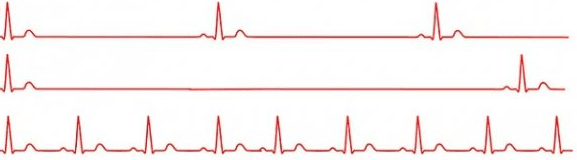
Heart rhythms with tachycardia and bradycardia
Proactive
Much has been said about what heart arrhythmia is and how dangerous it is. I would like to dwell a little on how to prevent the disease, what needs to be done for this.
To do this, you should pay attention to proper nutrition. Since it is with what we eat that substances enter the body that provoke a disruption in the work of the heart muscle. It is necessary to eat more foods that regulate the work of the heart (pear, plum, raspberry, apples, pumpkin, garlic, broccoli, cabbage, beets, cabbage, lentils, meat, sea fish, etc.).
The rhythm of life of each of us is of great importance. The fitness and strength of the heart depends on how actively we live. Nobody talks about grueling training and exercise. Enough light exercise and physical activity (walking, jogging, walking in the fresh air, etc.).
The combination of loads and bad habits will only aggravate the situation. This means that you should forget about alcohol and smoking, strong coffee and tea.
You should not focus on such questions as what is arrhythmia and how is it dangerous for a person, how to treat it and what is the reason for the development of the disease? It is better to think about what needs to be done and how to live in order not to become a victim of this disease. Try to think good things and lead an active life!
Do they give disability
Commentary by the doctor of medical and social expertise
Yes it is possible. To determine the need to obtain a disability, factors such as:
- the severity of the heart rhythm disorder (duration of attacks, their frequency, general condition of the circulatory system, possible complications);
- the underlying disease that provoked the development of arrhythmia;
- type of treatment used – drug therapy or surgery;
- contraindications for work.
During the passage of the ITU, the patient's performance and ability to work should be assessed. In a severe stage, the third group of disability is issued.
Also, disability is laid in a number of cases when a pacemaker is installed. For example, when, after installing it, a person cannot work at his previous job due to contraindications. Or if after the introduction of the pacemaker complications have arisen, the condition has worsened, and arrhythmia attacks have become more frequent. Also, temporary disability occurs due to various postoperative complications. The second group is set when the pacemaker is ineffective.
Symptoms and clinical presentation
Cardiac arrhythmia first begins its development in a latent form, absolutely not manifesting itself. Symptoms of bradycardia and tachycardia have a few small differences. After the latent stage, symptoms emerge that indicate hypertension, heart ischemia, brain tumors, and thyroid disease.
List of the main signs of arrhythmia:
- general weakness of the body;
- darkens in the eyes;
- dyspnea;
- fast fatiguability;
- dizziness;
- it often seems to the patient that he is about to lose consciousness.
If a person notices similar symptoms, loss of consciousness for 5-10 minutes, bradycardia can be removed from the list of diseases. Similar conditions are not observed in this form of arrhythmia. As for the symptoms of tachycardia, they look a little different, at first they are too similar to the symptoms of general malaise.
The manifestations of tachycardia and bradycardia are different, so it was worth considering them separately. In case of loss of consciousness due to tachycardia, the person is unconscious for less than a minute, which is a short-term loss of consciousness. Atrial fibrillation and other types of tachycardia manifest themselves in more severe ways, depriving a person of susceptibility for a long time, while urgent hospitalization is required to save life.
It should be noted that in some cases, arrhythmia may be accompanied by signs of chronic or acute heart failure, pressure drops sharply, breathing is impaired and the lungs swell. In other cases, the patient suddenly loses consciousness, may be on the verge of clinical death. As one could understand, the disease manifests itself in completely different signs, and this is precisely where its main danger lies.
Clinical case 1. The disease, or rather its individual types, can go away on their own. A good example of this is sinus arrhythmia in children and adolescents. Such a rhythm disturbance occurs at this age very often, even against the background of complete health due to stress or intense excitement. Sometimes this condition does not even require drug correction.
Of course, it is very important here not to miss the recognition of alarming symptoms and to make sure that the disease does not affect studies, sports and the full life of a child or adolescent. With sinus arrhythmia, the heart rate is kept within the normal range (60-90 beats), but their frequency is variable. This becomes the reason that an abnormal heart rhythm is produced. It is very important to control this condition in a child.
Clinical case 2. In adulthood, arrhythmia may disappear after recovery from the disease that provoked the arrhythmia. For example, vegetative-vascular dystonia can often be the cause. After undergoing a course of treatment for this disease with a neurologist, heart problems also cease to bother.
Clinical case 3. It also happens that the disease is provoked by bad habits, stress. After the normalization of the rhythm of life, problems with arrhythmia also disappear.
In other cases, the ailment can weaken its symptoms or go away completely only after treatment with drugs or surgery.
A person cannot but worry about the question of how to live on with a diagnosis of “arrhythmia”. A correct and timely diagnosis is half the battle. Then it is very important to strictly adhere to the recommendations of the attending physician. If it is necessary to install a pacemaker, it must be installed. If medications are prescribed, they must be taken regularly, or during seizures, as the doctor prescribes.
The disease, diagnosed early, is very effectively treatable, which can significantly improve the patient's quality of life. To maintain this level, it is important to adhere to a healthy lifestyle and give up bad habits. It is known that nicotine significantly increases the likelihood of developing various heart pathologies.
Strengthening the heart is equally important. This can be done by jogging in the fresh air, especially in the evening, fitness, shaping, and other techniques. The diet plays a huge role – it must be saturated with vitamins and all the necessary microelements. Patients with arrhythmia should lead a measured life, without severe nervous shocks, conflict situations and stress.
Healthy lifestyle rules
Useful videos
Once again, we recall the importance of timely access to doctors, as well as the inadmissibility of self-medication – especially when it comes to arrhythmias and your heart as a whole.
Instead of a conclusion
In practice, most cases of arrhythmias caused by temporary interruptions in the work of the heart do not pose a great danger. At the same time, if the symptoms indicated above appear, you should immediately seek medical attention, since they can pose a real danger to life. Self-medication is strictly prohibited, which can lead to irreparable consequences for the patient's life. It will be possible to speak about the exact diagnosis only after passing the appropriate cardiological examination.
In adults
The danger of pathology depends on the type of arrhythmia. Specialists also divide the disease into benign and malignant forms. The first form of the disease is not dangerous and is easily controlled by taking medications.
The malignant form is observed with organic failures. In such patients, the general circulation is impaired. As a result, the organs receive less oxygen and the process of their dysfunction begins. It is with organic failures that heart attacks and strokes occur.
The main danger of cardiac arrhythmia is the sudden onset of an attack with instant progressivity.
In children and adolescents
In childhood, arrhythmia is diagnosed not much less often. Children before adolescence are more at risk. The risk of sudden death is also present, but, as a rule, tachyarrhythmia and sinus rhythm disruptions become the cause.
For adolescents, the prognosis is more favorable. The pathology is predominantly temporary in nature and is explained by the emotional instability of puberty. In order to prevent complications, it is recommended to consult not only a cardiologist, but also a psychologist.
During pregnancy
In 80% of pregnant women, especially if the woman is over 30 years old, heart rhythm irregularities are observed. This is explained by the load that falls on all organs of the body, including the heart. Arrhythmia can cause difficult labor and congenital heart defects in the fetus. With tachycardia and atrial fibrillation, there is a likelihood of miscarriage or hypoxia of the newborn. Pregnant women with arrhythmias should be monitored by a cardiologist throughout the entire period and in the first months after childbirth.
Why are different forms of arrhythmia dangerous?

Each form of pathology presupposes a characteristic disorder that leads to different deviations in the functionality of the cardiovascular system. Extrasystole is considered the safest, and atrial fibrillation and paroxysmal is the most severe form.
Mercatelnaya
The patient is prescribed lifelong drug therapy. Refusal of treatment is fatal. Atrial fibrillation also causes blood clots to form, which can pose a risk of stroke.
Paroxysmal
Paroxysmal arrhythmia is dangerous by the development of tachycardia in a patient with a risk of arrhythmic shock, which is characterized by a sharp decrease in pressure. In exceptional cases, pulmonary tissue edema is possible. With concomitant left ventricular failure, there is a risk of asthma. A particular danger is a sudden decrease in blood pressure and an increase in venous pressure. This condition can lead to the death of the patient. The consequence of the lack of timely treatment can be a violation of cerebral circulation and thromboembolism of the vessels of the head, which leads to edema, heart attack or ischemic stroke of the brain.
Sinus tachycardia
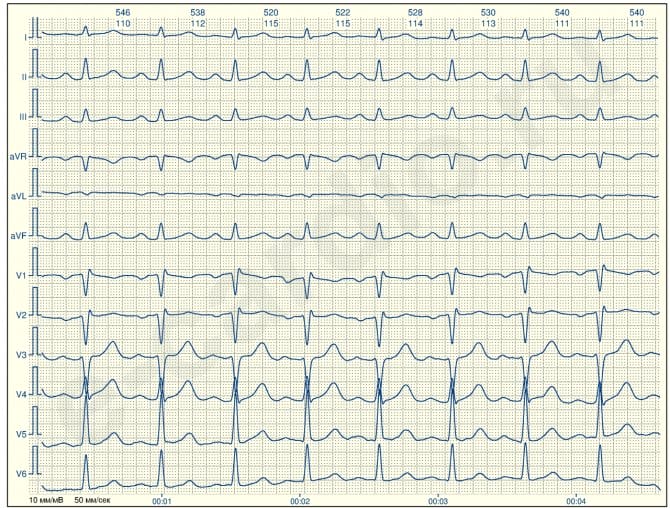
The danger of the disease lies in provoking the development of cardiovascular failure, which can also provoke more serious consequences – a brain tumor. With the sinus form of pathology, vegetative-vascular dystonia and anemia often occur.
Extrasystole
Pathology itself does not pose any danger. However, constant monitoring of the state of the cardiovascular system is required. With concomitant diseases, serious consequences are not excluded.
Sinus bradycardia
In most cases, patients suffer from severe migraines and depression. Pain in the region of the heart is rare. The danger is the risk of developing Morgagni-Adams-Stokes syndrome, characterized by attacks with impaired contraction of the heart muscles in intervals of up to 10 seconds.
Treatment of cardiac arrhythmias with pills
Therapeutic treatment for arrhythmias is possible only if there are no risks to the patient's life. cardiologists are engaged in the therapy of patients with this diagnosis. In the presence of concomitant pathologies that affect the work of the heart, it is necessary to consult other specialists.
In severe cases, drug therapy may be ineffective. Then the patient is recommended to undergo a surgical intervention.
Atrial fibrillation treatment
Treatment of pathology consists in blocking seizures, normalizing the heart rate and eliminating the consequences.
To reduce the frequency of heart beats, medications are used:
- beta blockers (Metoprolol, or Esmolol);
- calcium blockers (Diltiazem or Verapamil).
Only the attending physician can prescribe medications. Heart medications can be dangerous if self-medicated. The dosage and course of therapy are determined individually.
Tranquilizers
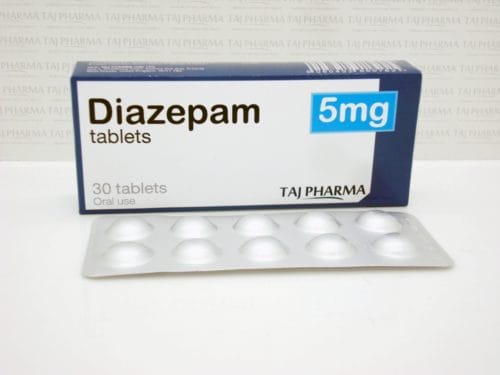
Taking tranquilizers is permissible only with bradycardia, since the pharmacological properties of the drug include vasodilation, a decrease in pressure and heart rate. The main effect of drugs is a sedative effect.
For arrhythmias, tranquilizers are prescribed:
- Diazepam;
- Seduxen;
- Phenazepam;
- Medazepam;
- Elenium.
Note!
Tranquilizers affect the central nervous system, are often addictive, and can also cause side effects. For these reasons, taking medications without prescribing a doctor is not recommended.
Vitamins
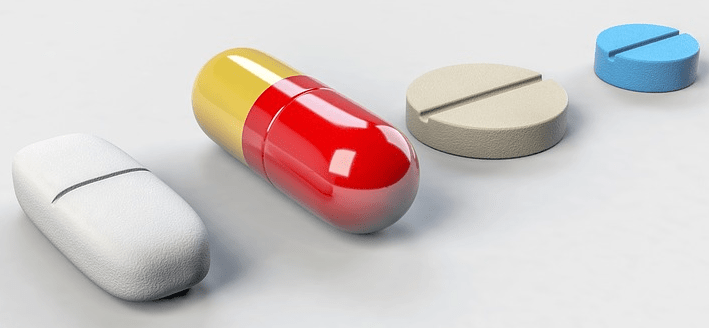
Taking vitamins for heart problems is a necessary stage of therapy. Complex preparations reduce the threat of complications arising against the background of a lack of trace elements due to impaired blood supply to tissues. In addition, vitamins strengthen the muscles of the heart, which helps to restore its functionality.
For atherosclerosis, vitamin complexes are recommended containing:
- B vitamins – increase the elasticity of the heart muscles, normalize and stimulate the cardiovascular system, accelerate the absorption of fatty acids, reduce the amount of cholesterol in the blood and increase muscle tone;
- vitamin A – increases the protective properties of CVS against infections and accelerates metabolic processes in tissues;
- vitamin C – removes cholesterol from the blood, increases the tone of the vascular walls, restores metabolism;
- vitamin E – blocks lipid oxidation, nourishes the heart muscles;
- vitamin P – helps to strengthen blood vessels;
- vitamin F – prevents the formation of atherosclerotic plaques in the vessels.
These vitamins are not prescribed separately. As a rule, according to the results of diagnostics, the cardiologist determines the deficiency of microelements and prescribes to the patient preparations containing the missing vitamins. These vitamin complexes include: Vitrum Cardio Omega 3, Neovitam, Askorutin, Cardiohels and Directions.
Anti-arrhythmia pills for the elderly
It is much more difficult for patients with arrhythmia in old age to choose a drug, since the body becomes sensitive to many drugs. The incidence of side effects is increasing. In addition, the number of contraindications is increasing.
People over 50 – 60 years old with cardiac arrhythmias are prescribed:
- Hindin – normalizes heart rate and is considered an effective tool for stopping seizures;
- Cordaron – blocks tachycardic attacks even in severe cases;
- Verapamil – reduces the heart rate, thereby reducing the need for heart tissue in oxygen, relieves spasms of the arteries and expands the walls of the coronary vessels;
- Carvedilol (beta-blocker with rare side effects) – blocks angina attacks, lowers blood pressure, does not affect sodium, cholesterol and magnesium levels, and also slightly reduces heart rate;
- Metoprolol is an effective drug that has antiarrhythmic, hypotensive and antianginal effects, normalizes blood pressure in 10-15 minutes, retains the effect for up to 5-6 hours, and reduces the frequency and strength of cardiac muscle contractions.
Important!
Patients with arrhythmias in old age should not take drugs without first consulting their doctor if the drug has not been prescribed to them. Medicines that affect heart function can trigger a stroke or heart attack.
ECG examination for arrhythmia
ECG is one of the most accurate diagnostic devices that allows you to immediately determine the type of disease of the cardiovascular system. Sometimes, in case of a violation of the work of the heart muscle, an ECG with a load can be performed, when the patient needs to do certain physical exercises, and then the heart rate is immediately measured. Otherwise, this is a static procedure, but requires the experience of the doctor and the preparation of the patient.
Preparing for an ECG
In order for the result to be accurate, you need to adhere to some rules. First of all, you should inform the doctor about what diseases the patient is suffering from, since their presence affects the ECG results. Before the procedure, the patient needs:
- do not drink alcohol;
- Do not smoke;
- do not take a steam bath;
- avoid stress;
- eat only light food;
- drink less fluids;
- do not exercise;
- calm down before the procedure.
Conducting an ECG
The procedure itself takes about 15 minutes. During it, several electrodes are attached to the patient's chest, arms and legs, the task of which is to transmit heart rate impulses to the monitor screen, and from there the image of the heart rhythms goes to paper. Within 10 minutes after the completion of the examination, the doctors issue a conclusion.
Decoding cardiogram
On paper, the work of the heart muscle is shown as a curved line with intervals, teeth and segments that show the work of the heart muscle. This helps to see the rhythm of muscle contractions during atrial fibrillation, which I diagnose most often, since it is the most common among heart diseases and is a harbinger of heart failure, possible myocardial infarction and coronary artery disease.
How is arrhythmia treated?
Today, arrhythmias are treated with a variety of methods. Let's talk about two main ones.
Conservative, aka medicinal
Prescribed to take medications to eliminate arrhythmias or prevent complications arising from the disease. In some cases, lifelong medication is required.
Surgical
There is also a low-traumatic surgical method of treatment. For example, for tachyarrhythmias (attacks of rapid heart rhythm), radiofrequency ablation is used. The technology is almost like in a fantasy film: a thin catheter is passed through a puncture of a vessel on the thigh to the heart, and with the help of an X-ray, what is happening is displayed on the screen of a special apparatus in the form of a 3D model of the heart. The doctor looks for an abnormal zone of the pulse, and then destroys this point with a radio frequency current.
In the opposite case – a rare heart rhythm – the treatment consists in the implantation of pacemakers, which perform the function of rhythm driving. Pacemakers send individually set and dosed impulses to the heart muscle, making the heart work within its natural rhythm range.
For life-threatening arrhythmias, implantable devices are used – cardioverter-defibrillators. When life is threatened, they produce an electrical discharge and restore normal cardiac activity. Some of these machines even help avoid heart transplants.
Treatment, of course, is prescribed by the doctor depending on the exact diagnosis and the general condition of the patient.
Severe shortness of breath
A symptom that is always worth paying attention to, and this applies not only to possible arrhythmias – it is shortness of breath and lack of air.
The manifestation of shortness of breath indicates a reduced physical abilities of a person and the weakness of the organs of his respiratory and cardiovascular system.
It occurs due to a lack of sufficient oxygen supply to the lungs and pectoral muscles. Shortness of breath can manifest itself not only after physical exertion, brisk walking and other things, but also when a person is just lying down. Also, with arrhythmias, nocturnal exacerbations and manifestations of shortness of breath are possible, due to which a person wakes up in an anxious state and feels an acute shortage of air, this is called nocturnal paroxysmal dyspnea. As such, shortness of breath cannot be eliminated; treatment should be comprehensive, aimed at restoring the disturbed heart rhythm and its prevention.
Chest pain during an attack
At different stages of the course of the disease, different symptoms appear. With a more complex form of arrhythmia, in addition to heart rhythm disturbances, a person also feels pain in the heart and in the left side of the chest. Very often, the pain is accompanied by a trembling sensation in the chest, muscle cramps, tingling and coughing. It is quite simple to determine whether a given pain syndrome is caused by arrhythmia, since pain is accompanied by a clear violation of the heart rhythm. For a more accurate diagnosis of the disease, it is necessary to undergo a medical examination, perform an ECG. The obtained data must be provided to the cardiologist for the appointment of further treatment.

Normal cardiac activity
The human heart is divided into four chambers, two of which are filled with arterial blood, and two with venous blood. The upper sections are usually called the atria, and the lower ones are called the ventricles. Blood flow moves from the veins through the atria to the ventricles and then to the arteries. The advancement of blood in this way occurs due to heart contractions.
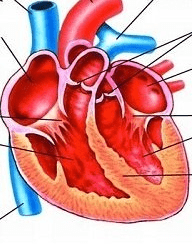
The conduction system is involved in ensuring timely contractions of the heart. Its main driver is the sinus node, located in the upper right corner of the right atrium (more precisely, near the atrial appendage). The electrical impulse generated in this area by a small group of cardiomyocytes is transmitted along the fibers to the left atrium and further along the atrioventricular node located below, passes along the bundle of His and Purkinje fibers to the ventricles. Thus, the atria contract first, and then the ventricles.
A trained heart, for example in people who love sports, can beat less frequently than in a normal person. This is due to the increased mass of the myocardium due to constant sports exercises. This allows the heart to make stronger emissions into the bloodstream. Therefore, in such cases, the heart rate can be 50 beats / min or less, while it will be considered a variant of the norm since it does not cause negative consequences.
In the case of a rhythm disorder, Wikipedia indicates that “the term” arrhythmia “unites various mechanisms, clinical manifestations and prognostic disturbances in the formation and conduction of an electrical impulse”.
Risk factors
Every year, the diagnosis of “arrhythmia” is increasingly exposed to patients of various age categories, which is primarily associated with risk factors. Arrhythmia affects adults and children. Identification of a particular cause of the disease underlies various diagnostic methods and screening tests. Also, their competent use allows for effective prevention.
- Genetic predisposition. Some arrhythmias, such as Wolff-Parkinson-White syndrome, are hereditary diseases. Others are associated with birth defects.
- Thyroid pathology. This endocrine organ seriously affects the work of the heart. The thyroid gland produces hormones that speed up or slow down metabolic processes in the body. Accordingly, with thyrotoxicosis, tachycardia occurs, and with insufficient organ work, bradycardia.
- Arterial hypertension. Increased pressure in the vessels threatens ischemic heart disease, which in turn is often complicated by rhythm disturbances.
- Episodes of hypoglycemia. A temporary decrease in blood glucose concentration can contribute to the development of arrhythmias. With decompensated diabetes mellitus, hypertension and ischemic heart disease occur, and this also leads to cardiac disorders.
- Overweight. Such a condition often becomes the cause of the development of hypertension, coronary artery disease and other pathological disorders. In addition, increased body weight in itself puts additional stress on the heart, thereby contributing to a rapid heart rate.
- High blood cholesterol. This indicator should be especially carefully checked in people 55 years and older, when the risk of developing cardiovascular diseases, including arrhythmias, increases.
- Anemia – a lack of iron provokes the development of hypoxia in various tissues, including the heart. This, in turn, leads to a rhythm disorder.
- Hormonal imbalance – with menopause, women most often experience extraordinary contractions and other manifestations of arrhythmia.
- Osteochondrosis – a violation of the structure of the spinal column leads to compression of the nerve roots, which in turn contributes to the development of autonomic regulation disorders (includes the vagus nerve and the sympathetic nervous system). From this in the first place, heart activity suffers.
Screening and diagnostics
Heart rhythm disorders are dealt with by a cardiologist, who at the reception first of all conducts a patient survey and an external examination. Further instrumental examination, laboratory tests, consultations of related specialists are assigned.
Almost all cardiac patients, without exception, are prescribed electrocardiography, which in most cases allows determining many forms of arrhythmia. Each case has its own ECG signs:
- Sinus tachycardia – except for an increase in heart rate, other changes in rhythm are not detected.
- Sinus bradycardia – there is a decrease in heart rate relative to the age norm.
- Sinus arrhythmia – The heart rate increases, decreases, or remains normal and the rhythm becomes abnormal.
- Syndrome of weakness of the sinus node – there is a constant decrease in sinus-type heart rate, sometimes the sinus rhythm disappears, while sinus-uricular blockade is periodically recorded. Also, an ECG can diagnose tachycardia-bradycardia syndrome.
- Heterotopic arrhythmias – manifested by changes in heart rate and rhythm, which are most often non-sinus. With an idioventricular rhythm, the heart rate is 20-40 beats / min, and with an atrioventricular rhythm, 40-60 beats / min.
- Extrasystole – is determined when extraordinary contractions occur on the ECG, which can be single, paired, multiple. Also, this form of arrhythmia is characterized by an incomplete compensatory pause. Depending on the source of excitation, changes can be noted in the atria, atrioventricular node, ventricles.
- Paroxysmal tachycardia – appears suddenly, while the heart rate can reach 150 beats / min and above.
- Heart blockages are determined by the loss of complexes of the corresponding localization, with a weak severity of pathology, only a slowdown in the rhythm can be observed.
- Atrial flutter – the heart rate is 150-160 beats per minute, while the ventricular complexes do not change, and the rhythm becomes non-sinus.
In addition to electrocardiography, other passive research methods are used. This can be Holter monitoring, ultrasound of the heart (echocardiography). If arrhythmia attacks occur rarely and they are not recorded on the ECG, then induction tests are used:
- Exercise testing – an exercise bike or treadmill is used for this, while an ECG is recorded in parallel.
- Inclined table test – often used for frequent and unreasonable pre-syncope and fainting conditions. For this, the patient is fixed on a table, which, after taking the indicators in a horizontal position, is transferred to a vertical one and again records the heart rate and blood pressure.
- Electrophysiological research – is carried out to determine the arrhythmogenic focus, and, if possible, it is eliminated. Often used for atrial fibrillation.
First aid
An attack of arrhythmia can begin and end suddenly, but you should not wait until everything goes away by itself. It is imperative to call an ambulance, and before the arrival of the doctors, do not panic and try to help yourself on your own or with the help of relatives.
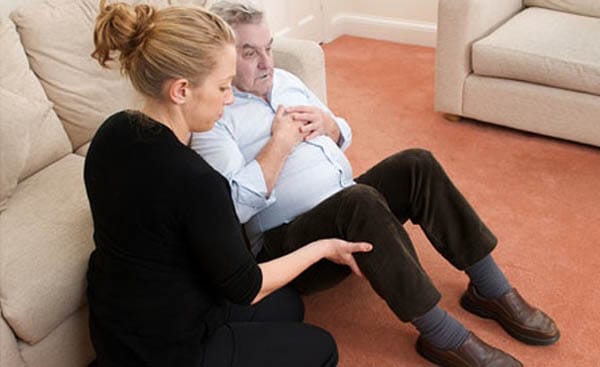
The following measures should be taken:
- The patient needs to be seated more comfortably: in a chair or bed, tucking a pillow under his back. If this happens on the street – sit on a bench, in the warm season you can also sit on the grass.
- Open access to fresh air by opening a window or window. It is recommended that you remove excess clothing items that are squeezing or interfering with normal breathing.
- The following actions can also help: hold your breath for 14-16 seconds, and then cough.
- You can try to induce vomiting by pressing on the root of the tongue. Even if the vomit is not discharged, it can alleviate the patient's condition.
- Eat a piece of stale bread.
- Apply a wet cold cloth to your face or completely immerse it in a container of cold water.
- You can use the techniques of manual therapy. Press on your eyelids every few seconds.
- If chest pain is present, it can be relieved with Nitroglycerin.
- You can use acupressure. To do this, for two minutes, you should act with the thumb of your right hand on the point that is located between the thumb and the wrist of the left hand (approximately 1.5 cm from the place where the pulse is felt).
In many cases, these activities help to completely stop the symptoms of an attack. It is permissible to use Valocordin, Corvalol, Valerian or another sedative. Beta-blockers (Anaprilin, Konkor, Egilok) are also often used.

Information to be provided to your doctor:
- Indicators of pressure and pulse, if any, then for the last few days.
- Inform about possible factors that could provoke an attack (alcohol, stress or drug use).
- What did the patient complain about before the onset and during the attack?
If the pulse is significantly lowered, you should tilt your head back a little for better oxygen flow. If you faint, you may need to perform chest compressions or artificial respiration.
First aid kit
A person who periodically suffers from frequent attacks of arrhythmias should take care of the availability of drugs to help cope with an attack at home.
Namely:
- Panangin.
- Hawthorn tincture.
- Anaprilin tablets.
- Some kind of muscle relaxant (Seduxen, Relanium).
With an attack of arrhythmia, it is categorically contraindicated to go to work or do any physical exercise. It is worth providing a state of rest and comfort to the patient.
The attack can go away on its own, or it can last about two days, until the patient is prescribed special treatment.
Any sedative medication will help get rid of arrhythmias or reduce symptoms of the disease. They can be taken without a doctor's prescription. These include a variety of tinctures, fees and tablets. Preparations based on valerian or motherwort are very popular.
For arrhythmias, the doctor prescribes antiarrhythmic drugs. They can reduce the number of seizures, as well as reduce pain. These include Quinidine, Ritmonorm, Aimalin, Etatsizin, Pulsnorma. But these drugs have potential toxicity.
During their use, you should carefully monitor the level of potassium and magnesium in the blood, as well as kidney function. If the attacks of arrhythmias become more frequent, then the rhythm can be stabilized by a discharge of an electric current.
For patients who have an intolerance to antiarrhythmic drugs, the doctor may prescribe tranquilizers. They are used to quickly align the heart rate. These include: Diazepam, Grandaxin, Elenium, Xanax. The drug and dosage should be prescribed by a doctor, you should not self-medicate.
Homeopathic remedies help to eliminate the cause of arrhythmias, which also helps to reduce the number of attacks and the severity of symptoms. In addition, patients with various heart diseases are advised to consume honey every day, include apricots, grapes, raspberries, and currants in the diet. They saturate tissues with active ions, and reduce the amount of cholesterol on the walls of blood vessels.
Rhythm recovery
It is recommended to restore the rhythm in the first 48 hours after the onset of the attack. Echocardiography should be done to check for clots in the atria.

For quick relief of an attack, intensive therapy of a cardiological profile is carried out. Medication and electrical stimulation are used.
Heart block
The so-called disruptions in the rhythm of contractions that occur due to problems associated with the passage of nerve impulses through the conduction system of the muscle. Treatment always depends on the severity of the blockade. Here are the quick guidelines:
- The second degree of type 2 involves constant stimulation with an external pacemaker. At an early stage, this ailment can be stopped, but only if the cause is not heredity. This disease often develops as a result of drug or medication abuse.
- If the blockade is caused by another cardiac pathology, then a pacemaker can be installed in the person.
- The third degree of the disease is not cured. Therapy is aimed at relieving symptoms and improving quality of life. The goal of treatment is to prevent cardiac arrest. So a pacemaker is fitted in all cases.
Incomplete blockades of the second and first degree are asymptomatic, and therefore require only observation and routine examinations. Although first they need to be identified, but they are found only during an ECG.
The greatest risk to human life is represented by high-degree blockades, as well as rapidly progressive diseases. Because in such cases, there is a violation of blood flow and heart failure.
The operation to install a pacemaker is always carried out urgently. The procedure is performed using Atropine, Adrenaline, Theophylline and Dopamine. Rehabilitation implies the mandatory intake of m-anticholinergics, beta-adrenostimulants and sympathomimetics.
Diet
It is also necessary to briefly talk about the specifics of nutrition for cardiac arrhythmias. The diet should be different from the usual one – the patient must actively consume foods with a high content of calcium, potassium, magnesium, as well as with other trace elements necessary for the heart.

Also, by adjusting the diet, you can extinguish the receptors of the vagus nerve. After all, it is he who blocks or inhibits the function of the sinus node, thereby provoking malfunctions in the work of the cardiac system.
In addition, a healthy diet is a way to fight excess weight and improve metabolic processes. These factors are also among the main provocateurs of heart failure.
How to cure arrhythmia at home? Full recovery is a purely individual question, but what every person suffering from this ailment definitely needs to do is include the following foods in their menu:
- Fruit rich in trace elements and vitamins. These are pears, plums, bananas, raspberries, apples, oranges and currants.
- Vegetables: cabbage, tomatoes, pumpkin, cucumbers, potatoes, beans, beets, red peppers.
- Boiled meat (turkey, chicken and rabbit) and lean fish (steamed, preferably).
- Honey.
- Dairy products – yogurt and low-fat cottage cheese.
- Rosemary, as it strengthens blood vessels.
- Broccoli, because it contains many trace elements and vitamins (fiber, iron, phosphorus as well).
- Avocado, because it contains large amounts of copper and iron, as well as enzymes that stop the development of arrhythmias.
- Grapefruit, as it is considered the most valuable source of glycosides and vegetable fiber. Eating it regularly helps to strengthen the heart muscle and normalize the metabolic process.
- Parsley, because it is an excellent diuretic, indispensable for arrhythmias.
Prohibited foods also need to be listed, since we are talking about how you can cure heart arrhythmias. It is forever recommended to give up smoked meats, offal, fatty meat, pickled and salted products, fatty sour milk, semi-finished products, canned food, eggs (you can only steam omelet and soft-boiled) and spices.
Folk remedies
Above, a lot has been said about the causes, symptoms and treatment of cardiac arrhythmias. Now we should briefly discuss folk remedies, the use of which is aimed at combating this pathology and strengthening the muscle as a whole. Here are some simple recipes:
- Mix 400 grams of walnuts, dried apricots and light raisins. Grind in a blender, add finely chopped lemon (including the crust), mix with may honey (7 tablespoons). Insist for three hours, put in the refrigerator. Take 1 tbsp. l. in the morning and in the evening.
- Mix the squeezed black radish juice with honey in equal proportions. Take 15 ml three times a day before meals.
- Take 100 grams of any berries that are good for the heart (listed earlier) and pour a liter of boiling water. Let it brew for 30 minutes. Then add honey (3 tbsp. L.). Drink during the day instead of tea.
- Brew with two glasses of boiling water 2 tsp. calendula and insist in a thermos for an hour. Drink 4 times a day, 100 ml.
- With a glass of boiling water, brew rose hips (2 tbsp. L.), Then insist for one hour. Then strain. Drink the resulting infusion one hour before breakfast.
- Pour 40 grams of lovage root with cold water (4 cups). Let it brew for one night. In the morning, strain and drink the entire volume throughout the day.
- Mix in equal proportions chamomile, mint and valerian. Then take 1 tbsp. l. collection and pour a glass of boiling water. Leave in a thermos for at least 3 hours. Then strain. Drink the entire volume before going to bed, you can add honey.

Of course, these are far from all effective folk remedies – just a few, the most famous. They are not primary medicinal products and are considered only a therapeutic adjunct to the pill. How to treat cardiac arrhythmia is determined by the doctor, and you will also have to consult with him about the appropriateness of using traditional methods.
Sources used and useful links on the topic: https://MirKardio.ru/bolezni/sboi-ritma/aritmiya-serdca-simptomy-lechenie-pervaya-pomoshch.html https://yandex.ru/health/turbo/articles?id = 6870 https://MedLazaret.ru/kardio/mozhno-li-umeret-ot-aritmii.html https://moykardiolog.com/zabolevaniya/aritmiya/opasna-aritm.html https://qton.ru/pro- serdce / naskolko-opasna-aritmiya-serdca.html https://sosud-ok.ru/serdce/chem-opasna-aritmiya-serdtsa.html http://EtoDavlenie.ru/aritmiya/info/kak-vyyavit-aritmiyu. html https://Lifehacker.ru/8-glavnyx-voprosov-ob-aritmii/ http://EvriKak.ru/info/kak-opredelit-priznaki-aritmii/ https://arrhythmia.center/arrhythmia/ https://KardioBit.ru/bolezni-serdtsa/aritmiya/pristup-aritmii https://labuda.blog/241196
Post source: lastici.ru