
Allergy in children. Allergy treatment in children and adults: approaches and methods
Description of the disease
In simple terms, an allergy is an increased reaction of the human immune system to an allergen. And the allergen, in turn, is the very substance that got into the body and provoked the hypersensitivity of the immune system.
A single case of contact of the human body with an allergen may be asymptomatic, but when the irritant re-enters the body, the immune system begins to produce immunoglobulin, which is the result of the appearance of allergy symptoms – itching, swelling, skin rashes, etc.
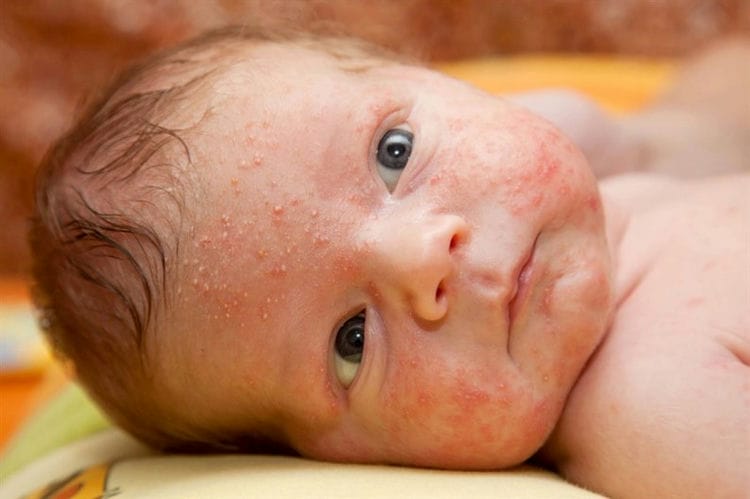
Allergy in infants
How does allergy manifest in newborns? Hypersensitivity to stimuli in infants can be divided into several groups.
Skin lesions
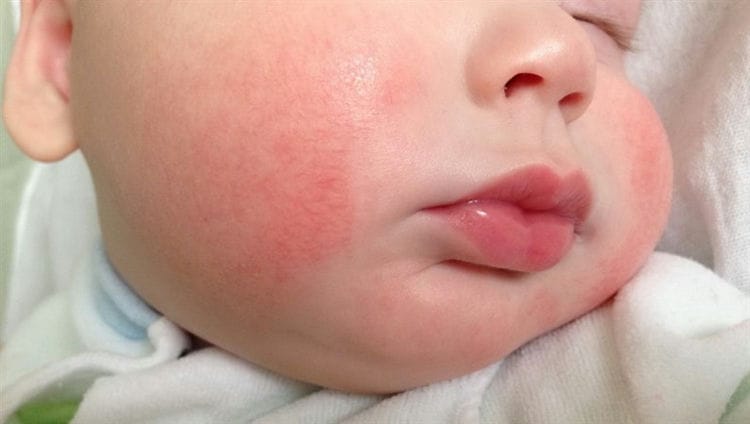
Diathesis. Typically, this type of allergic reaction manifests itself in the form of redness in the cheeks, abdomen, back of the thighs and buttocks. The affected areas of the skin are itchy and wet if not properly cared for.
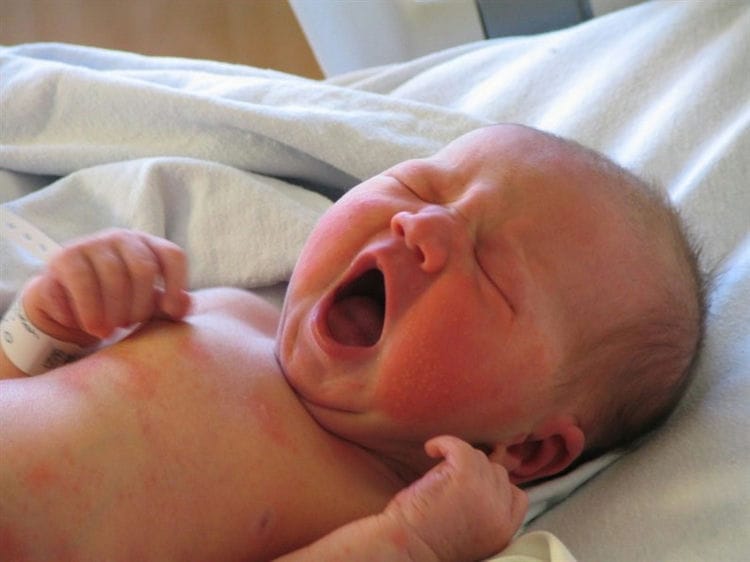
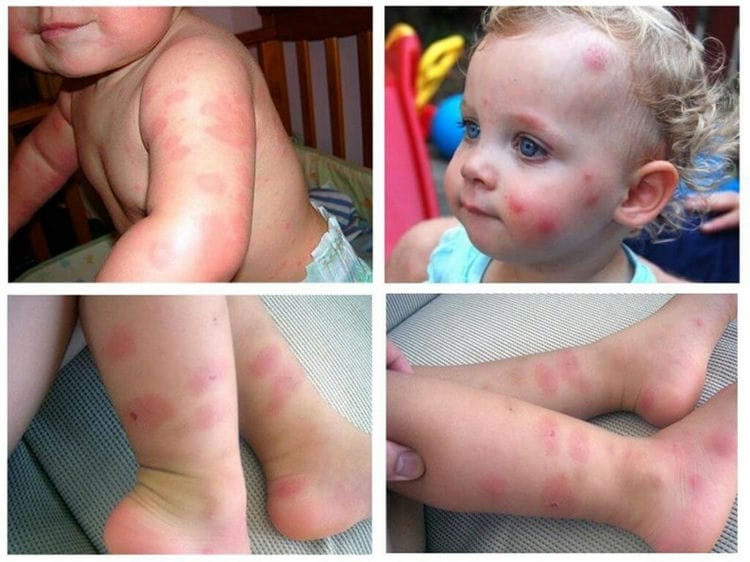
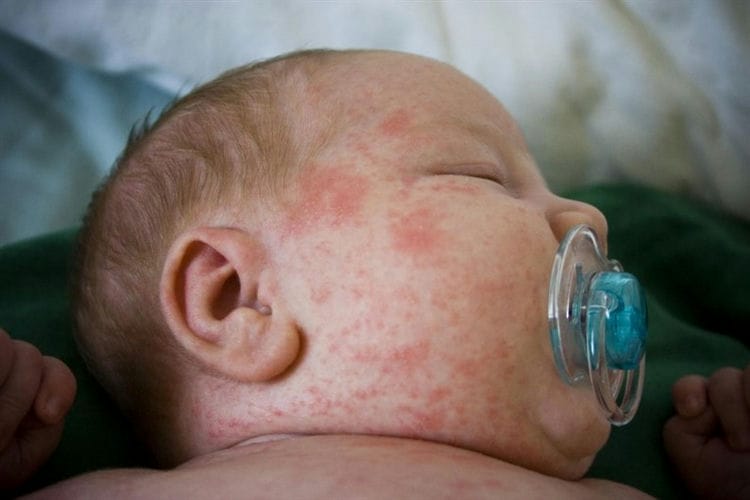
Rash. This type of allergic reaction most often appears on the forehead and cheeks of the baby. If you look at the photo of this type of allergy in a newborn, you can see that with a sufficiently strong reaction of the body to the allergen, the whole body can be covered with a rash. In the people, this reaction is called urticaria.
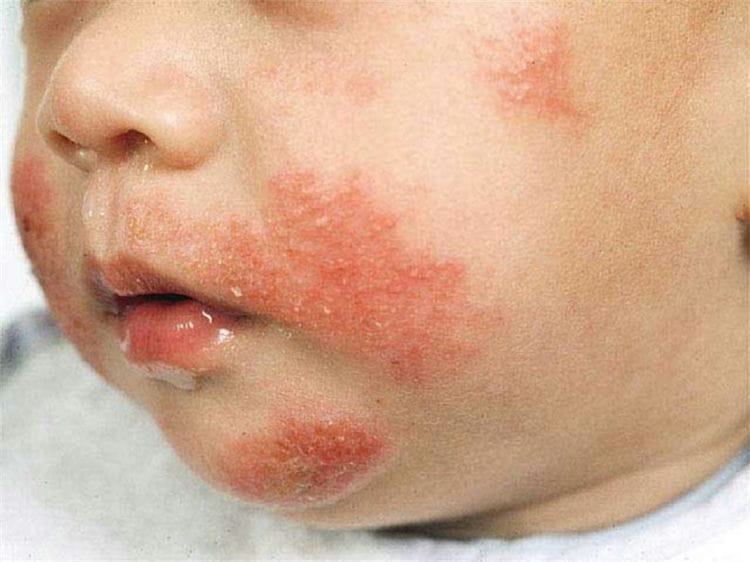
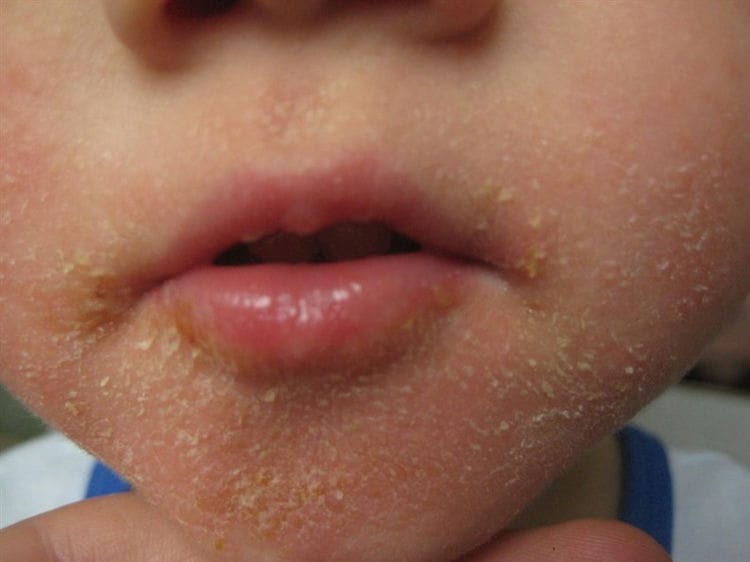
Seborrhea. Severe flaking of the skin in areas of increased hairiness. Most often it is the scalp and eyebrows.
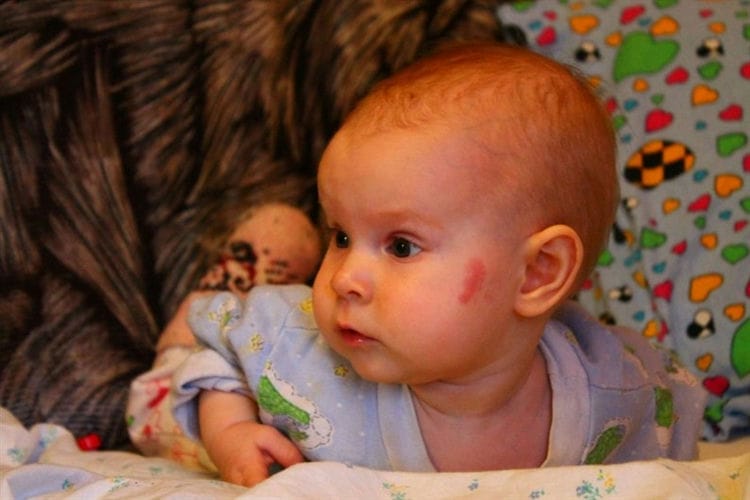
Diaper rash in areas of increased friction and folds of the baby. When allergies manifest in this way, the baby's thin and delicate skin may crack and bleed. Most often, diaper rash appears behind the ears, on the neck, in the groin.
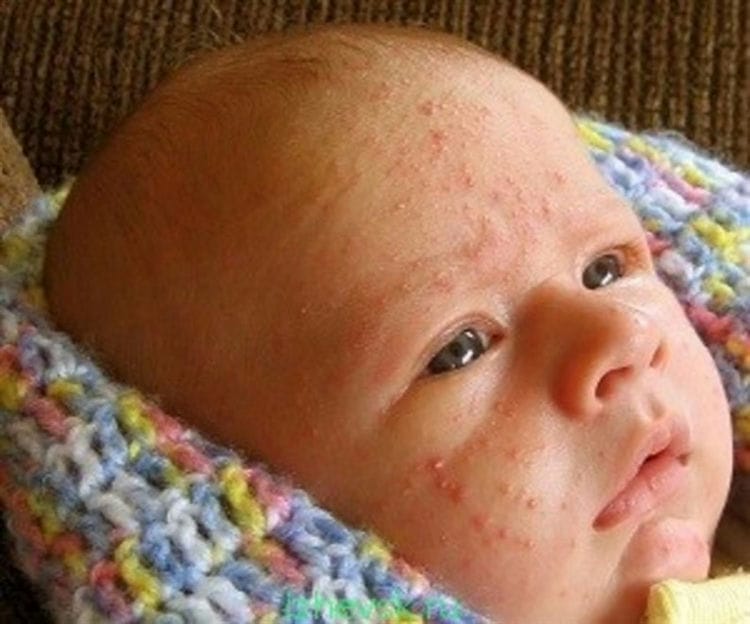
The appearance of prickly heat even with slight overheating.
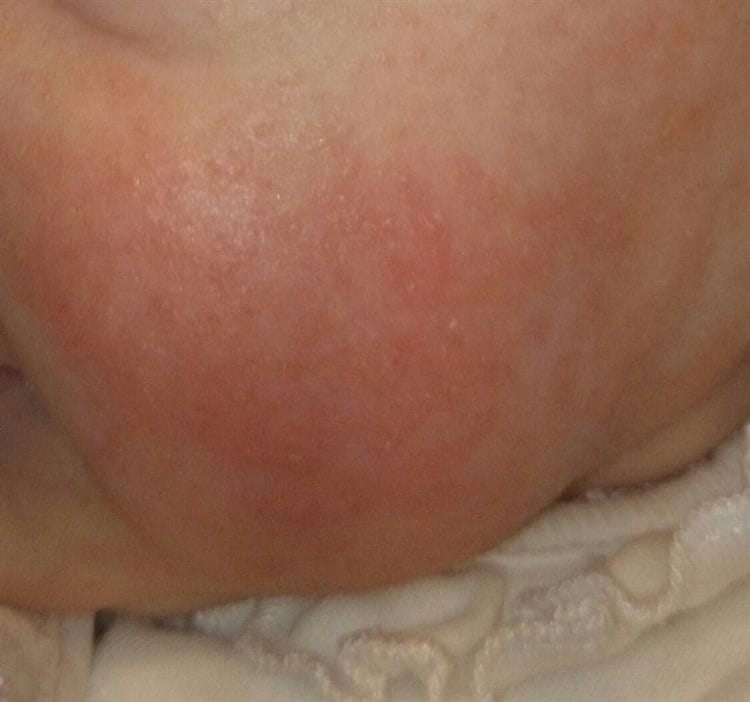
Allergic inflammation of the conjunctiva of the eye.
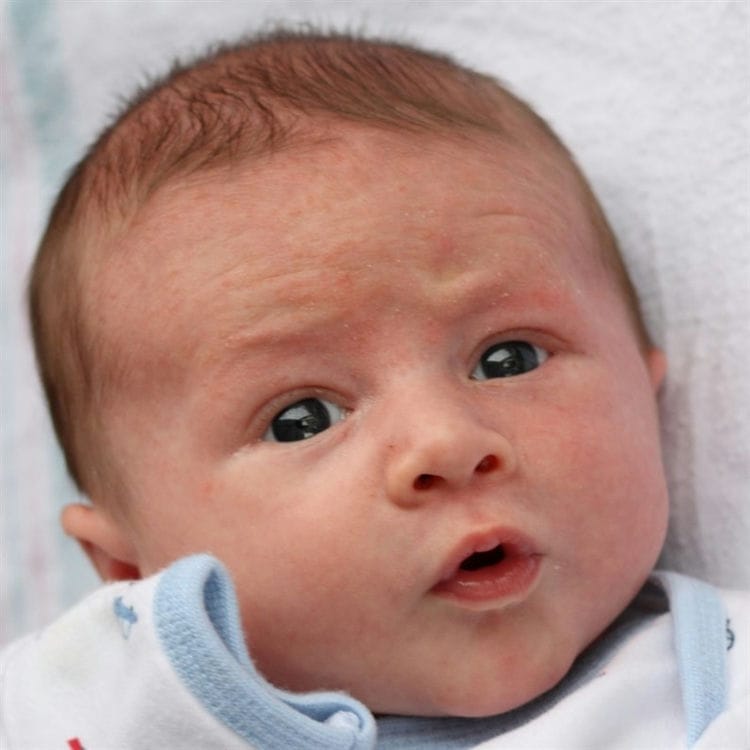
Disruption of the digestive system
This type of hypersensitivity of the immune system most often occurs when babies show signs of food allergy.
- Colic, flatulence, increased gas production.
- Profuse regurgitation, like vomiting.
- Loose, frothy stools.
- Violation of the balance of intestinal microflora.
Respiratory system disorders
- Nasal congestion.
- Spasm of the bronchi.
The most dangerous allergic reaction is Quincke's edema, which requires immediate medical attention and can be fatal.
Symptoms of this condition are soft tissue edema, accompanied by shortness of breath and suffocation.
Causes of an allergic rash
Allergy in the form of a rash appears in both newborns and older children. The photo shows manifestations of allergies in the form of a rash in infants, children under 6 and 12 years old.
A rash is the result of a child's contact with internal or external stimuli. Scientists have found that a rash, as one of the first manifestations of allergies, occurs when the immune system is impaired.
Due to weakened immunity, the body becomes hypersensitive to irritants: pollen during the flowering period of plants, wool and saliva of domestic animals, food (mainly of animal origin), drugs, cold and ultraviolet rays.
An allergy manifested by a rash is accompanied by discomfort in the form of itching, burning, swelling, redness of the skin. Having seen a photo of allergic rashes, parents will resort to the correct treatment of the child at an early stage of the disease.
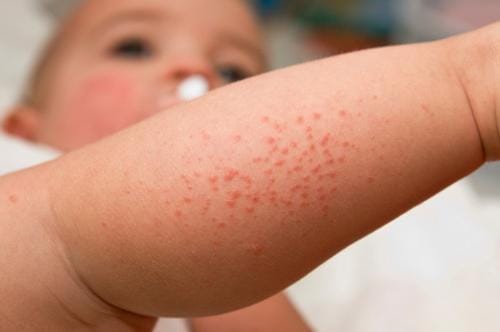
Photo of urticaria in a baby
The main causes of skin rashes:
- taking medication is not always possible to recognize a medication allergy. Most often, allergy occurs due to the use of antibacterial drugs, B vitamins, medicinal syrups, medicines with dyes and synthetic additives. Pay attention to the photo of drugs that cause allergies,
- mother's breast milk containing allergens in this case, the child's allergy is manifested due to the mother's malnutrition during the lactation period. If a nursing woman has abused such products as citrus fruits, chocolate, soda or juices with dyes, eggs, seafood, nuts, whole milk in a child who has not yet developed immunity, an allergy is possible,
- food products in older children, there is an allergy in the form of a rash to oranges, lemons, tangerines, kiwi, strawberries to almost all fruits and vegetables of red and orange colors, as well as seafood, nuts, chocolate. In most cases, nettle rash or angioedema appears, a severe form of allergy,
- household chemicals unsuitable cream, ointment, washing powder, fabric softener cause allergic rashes in children. Allergy manifests itself instantly or accumulates in the body, since it contains toxins that have a negative effect on the child,
- influence of natural factors exposure to low or high air temperatures, ultraviolet rays are the causes of allergies in children,
- contact with pets often parents notice that when touching a cat or dog on the street, the child does not have allergic reactions, but if you have a pet at home, allergies appear. The fact is that in a closed room there is a high concentration of the allergen, small particles, wool scales, salivation spread throughout the apartment and cause allergic attacks, manifested by coughing, sneezing, tearing, itching of mucous membranes,
- small particles of food for aquarium fish, ground into dust, penetrate the respiratory tract, causing allergies, manifested by a rash on the skin, swelling of the larynx, and sneezing attacks. Therefore, it is not recommended to keep the aquarium where the child sleeps. In case of severe allergies to dry artificial food, it is preferable to feed the fish with live food or get rid of the aquarium,
- stinging insect bites, nettle burns,
- pollen of plants with a high concentration of allergens often children are diagnosed with hay fever seasonal allergy to pollen from flowering plants begins in spring and ends in autumn. Signs of seasonal allergies: skin rashes, allergic rhinitis, rhinoconjunctivitis, tearing, sneezing. In case of severe allergies, it is recommended to take children to other climatic conditions during the season.
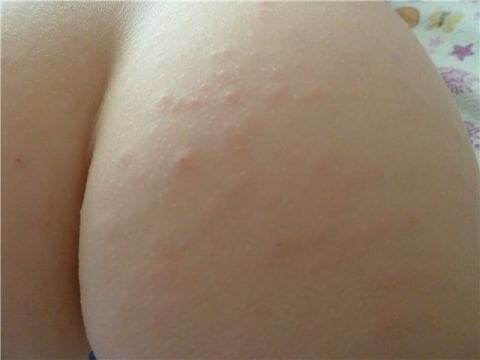
A rash on the bottom of a child
Photos of rashes that appear due to provoking factors can be found on the Internet. The photos show how different the manifestations of allergies are under certain factors.
Risk factors for developing allergies:
- early and late toxicosis during pregnancy,
- lack of vitamins during pregnancy, abuse of foods high in allergens,
- severe viral diseases with complications,
- feeding a baby in the first year of life with artificial formula or early refusal to breastfeed,
- diseases associated with a disorder of the immune system,
- a weakened immune system due to an imbalance in the nutritional diet, vitamin deficiency, after viral and infectious diseases,
- poor environmental conditions,
- genetic factor,
- long-term use of potent drugs.
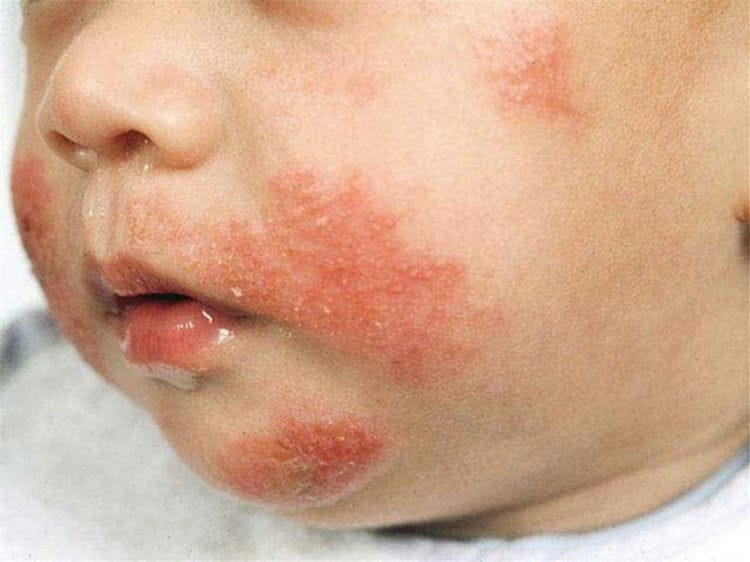
Photo of eczema on the cheeks
Types of allergic reactions in the form of a rash on the body in a child
The body's hypersensitivity to allergens is of two types:
- Primary (hereditary) if both or at least one parent is allergic, the child is also more likely to be allergic,
- Secondary (acquired) appears mainly due to a decrease in immunity after a protracted illness, malnutrition. The body reacts sharply to internal or external stimuli, which is manifested by a skin rash, allergic rhinitis, lacrimation, edema and other allergy symptoms. Cases of food allergy due to overeating of a certain food are not uncommon.
A rash as a symptom of an allergy appears on various parts of the child's body, looks like rounded reddish, pink or beige spots, depending on the severity of the allergy.
The more the allergic reaction manifests itself, the more hyperemic and rough the spots. Also, the appearance of the rash depends on the allergens. It is good that on the Internet you can see an abundance of photos with allergy symptoms.
Thanks to photos of various rashes, parents will determine the nature of the allergy and, possibly, find an answer to the question of what caused the allergy to develop.
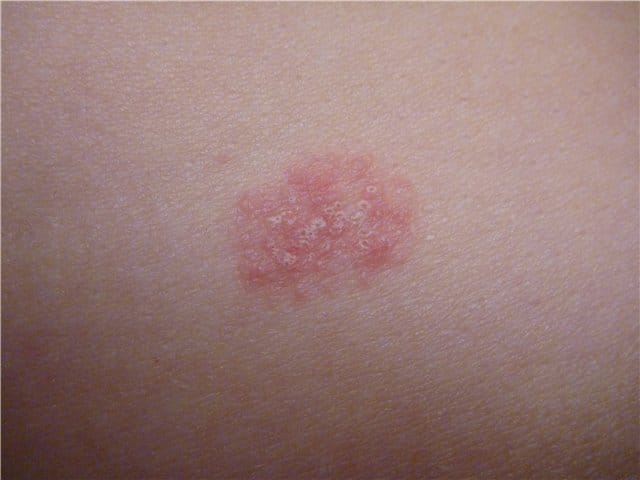
Red spot on the skin photo
Rash classification
It should be clarified that in many allergic manifestations, remission and exacerbation are distinguished, and allergies are treated for a long time, sometimes it takes years to fully recover and cure a child from allergies.
With an acute form of allergy, emergency care is required, so parents should definitely keep antihistamines in their home medicine cabinet as first aid for allergies. Pay attention to the photo and the names of the antiallergic products.
Types, characteristics and symptoms of an allergic rash
| Contact dermatitis, photo | 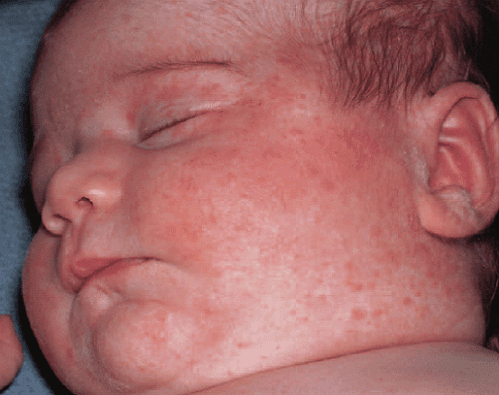 Due to the contact of the child with an antigen, for example, an unsuitable soap, shampoo, cosmetic product, woolen and synthetic fabrics, itching, burning of the affected area appears. The skin becomes covered with pink or bright red spots of various sizes, bubbles with liquid appear inside, the skin swells. The child does not stop rubbing and scratching the place of contact with the allergen, the bubbles burst and infection penetrates, inflammation forms. Due to the contact of the child with an antigen, for example, an unsuitable soap, shampoo, cosmetic product, woolen and synthetic fabrics, itching, burning of the affected area appears. The skin becomes covered with pink or bright red spots of various sizes, bubbles with liquid appear inside, the skin swells. The child does not stop rubbing and scratching the place of contact with the allergen, the bubbles burst and infection penetrates, inflammation forms. |
| Atopic dermatitis, photo | 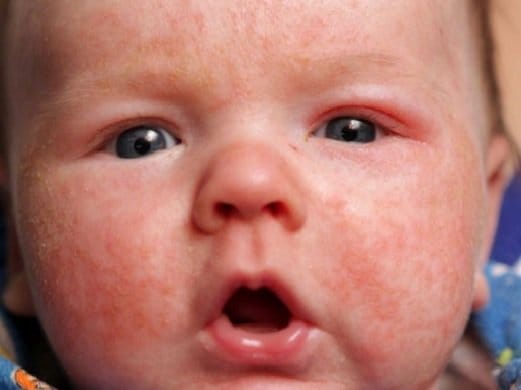 It develops most often in the first year of a child's life, so the disease can be safely considered hereditary due to hypersensitivity to antigens. The main characteristics of the disease: peeling, itching, the appearance of crusts, mainly on the bends of the limbs and face. The child scratches coarse neoplasms, from this an ichor appears in problem areas, which is fraught with infection and the development of an abscess. It develops most often in the first year of a child's life, so the disease can be safely considered hereditary due to hypersensitivity to antigens. The main characteristics of the disease: peeling, itching, the appearance of crusts, mainly on the bends of the limbs and face. The child scratches coarse neoplasms, from this an ichor appears in problem areas, which is fraught with infection and the development of an abscess. |
| Hives, photo | 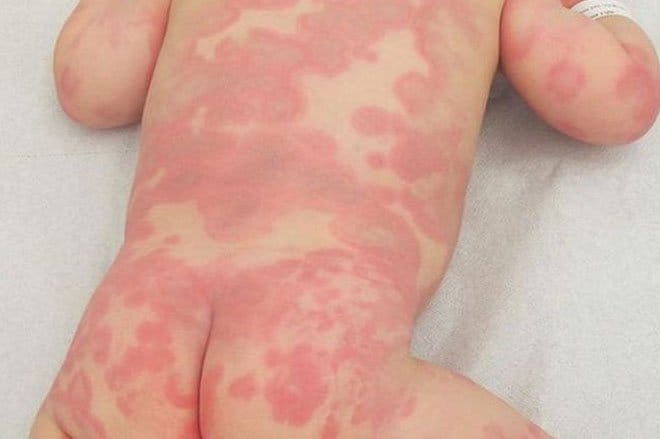 The disease occurs in acute and chronic forms and is characterized by a rash in the form of pink or reddish spots that do not protrude above the surface of the skin and are very itchy. When pressed in the middle, the stain becomes whitish. Urticaria appears due to intolerance to certain drugs, the use of foods with a high content of allergens, exposure to cold, sunlight. Taking anti-allergic drugs relieves the nettle rash. The rash against the background of urticaria is mild, moderate, and severe. The disease occurs in acute and chronic forms and is characterized by a rash in the form of pink or reddish spots that do not protrude above the surface of the skin and are very itchy. When pressed in the middle, the stain becomes whitish. Urticaria appears due to intolerance to certain drugs, the use of foods with a high content of allergens, exposure to cold, sunlight. Taking anti-allergic drugs relieves the nettle rash. The rash against the background of urticaria is mild, moderate, and severe. |
| Quincke's edema, photo | 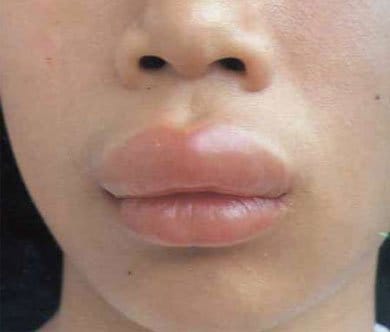 Signs of angioedema (giant urticaria) include not only a rash, but also intolerable itching, swelling of the mucous membranes, skin and larynx. The most severe manifestation of Quincke's edema is anaphylactic shock, which is expressed by suffocation, which is fraught with death. At the first manifestations of Quincke's edema, you should immediately call an ambulance. Signs of angioedema (giant urticaria) include not only a rash, but also intolerable itching, swelling of the mucous membranes, skin and larynx. The most severe manifestation of Quincke's edema is anaphylactic shock, which is expressed by suffocation, which is fraught with death. At the first manifestations of Quincke's edema, you should immediately call an ambulance. |
| Exudative diathesis, photo | 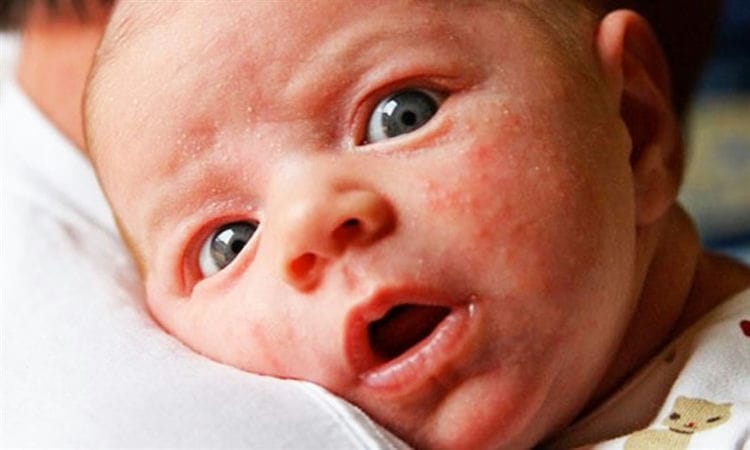 The disease is observed in children of the first year of life. Heredity plays a large role in the development of eczema-like skin rashes. Children suffering from diathesis are prone to lesions of the central nervous system. In addition to itchy foci filled with a liquid mass, the child becomes tearful, irritable, and sleep is disturbed. The disease is observed in children of the first year of life. Heredity plays a large role in the development of eczema-like skin rashes. Children suffering from diathesis are prone to lesions of the central nervous system. In addition to itchy foci filled with a liquid mass, the child becomes tearful, irritable, and sleep is disturbed. |
| Children's eczema, photo | 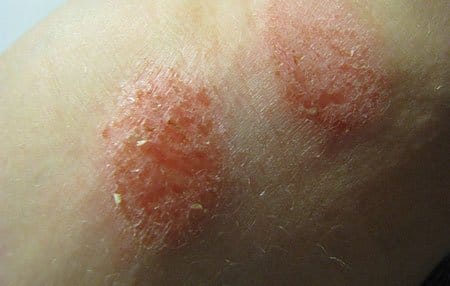 True allergies, manifested in the form of eczema, are observed in children under 1 year old, but older children also often suffer. With allergies, a rash with liquid exudate can be seen on the hands, feet, face, and neck. The child scratches intensely itchy foci of inflammation, which leads to microbial or fungal infection and deep tissue infection. Often, an allergic reaction is accompanied by nervousness, and leaves an imprint on the nervous system. A child who has eczema does not eat well, sleep well, and gain weight. True allergies, manifested in the form of eczema, are observed in children under 1 year old, but older children also often suffer. With allergies, a rash with liquid exudate can be seen on the hands, feet, face, and neck. The child scratches intensely itchy foci of inflammation, which leads to microbial or fungal infection and deep tissue infection. Often, an allergic reaction is accompanied by nervousness, and leaves an imprint on the nervous system. A child who has eczema does not eat well, sleep well, and gain weight. |
| Food allergy, photo |
Often food allergies give rise to allergic dermatoses. If a food allergy occurs, it is necessary to adhere to a hypoallergenic diet and exclude highly allergenic foods from the diet. |
| Allergy to medicines, photo | 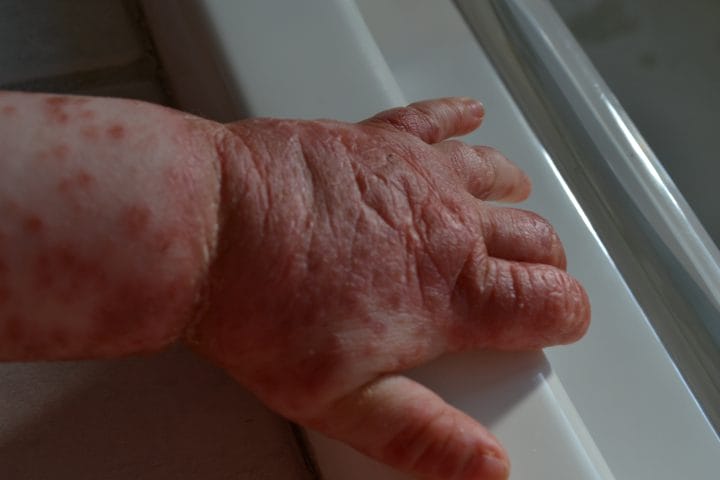 It often happens that a child is allergic to medications: tablets, drops, syrups, suppositories. In this case, in addition to a rash on the body, it is possible to fix swelling of the mucous membranes and skin, redness, and itching. Allergies are often caused by strong medications with prolonged treatment. Parents of children prone to allergies to medicines should always have an antihistamine with them to quickly relieve allergies, because often allergies to medicines appear within 10-30 minutes. It often happens that a child is allergic to medications: tablets, drops, syrups, suppositories. In this case, in addition to a rash on the body, it is possible to fix swelling of the mucous membranes and skin, redness, and itching. Allergies are often caused by strong medications with prolonged treatment. Parents of children prone to allergies to medicines should always have an antihistamine with them to quickly relieve allergies, because often allergies to medicines appear within 10-30 minutes. |
| Allergy to cold, photo | 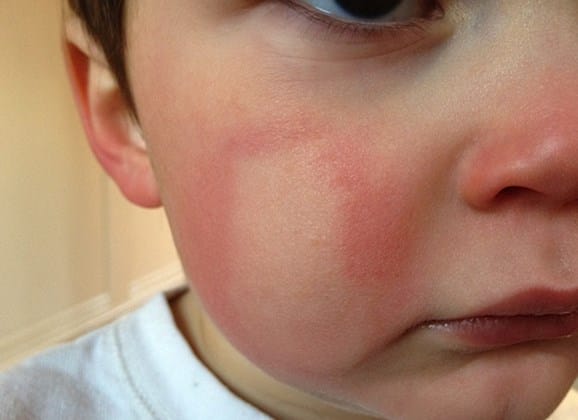 Allergy, which is manifested by reddening of the skin, swelling, severe itching due to exposure to low temperatures, is called cold urticaria. Also, as with normal urticaria, the child develops a rash in the form of spots that merge with each other. The rash is severely itchy, increasing in size. Allergy, which is manifested by reddening of the skin, swelling, severe itching due to exposure to low temperatures, is called cold urticaria. Also, as with normal urticaria, the child develops a rash in the form of spots that merge with each other. The rash is severely itchy, increasing in size. |
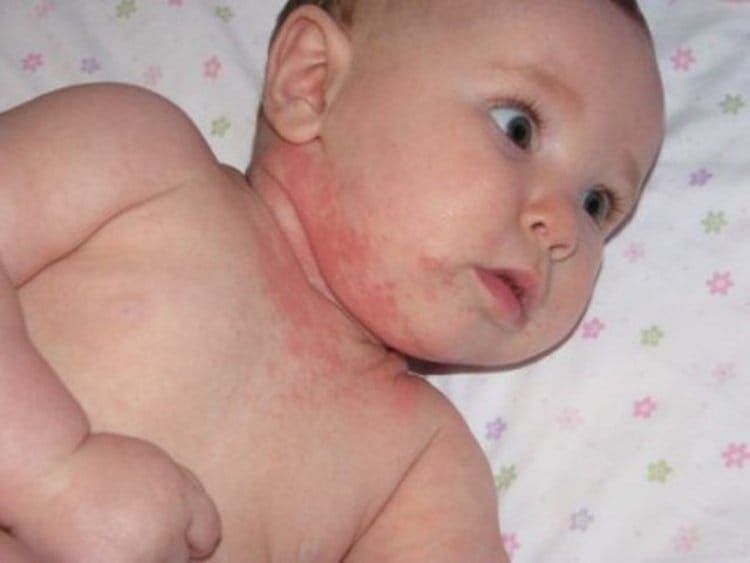
The photo shows the differences between one allergic disease from another. Please note that the photos show various manifestations of allergies.
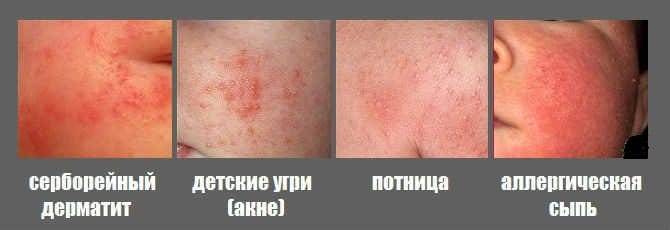
Types of rash on the face of a child photo
Contact dermatitis
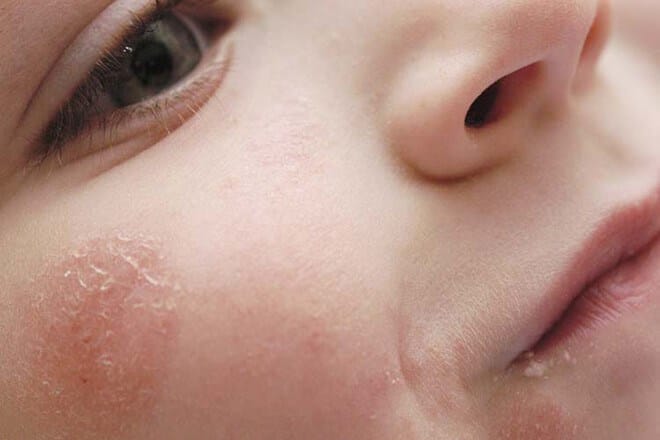
Dermatitis affects the surface of the skin and is the result of an allergen entering the bloodstream. Various factors can trigger dermatitis, ranging from poor hygiene to the environment.
Symptoms:
- redness on the skin;
- over time, the spots begin to dry out and peel off;
- the formation of a blistering rash;
- burning;
- itching.
Contact dermatitis mainly affects the legs, arms, back and neck.
Atopic dermatitis
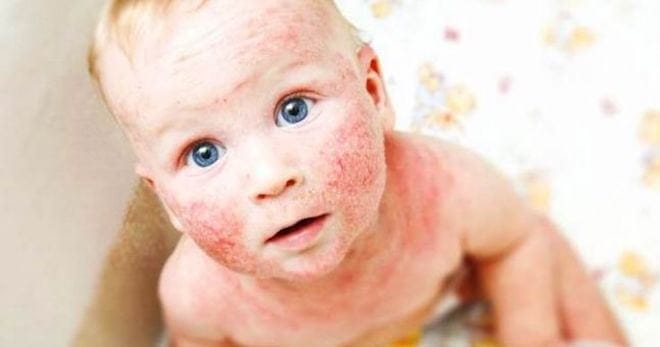
This form of dermatitis is less likely to be treated. The disease often becomes chronic.
Symptoms:
- inflammation of the skin;
- hyperemia;
- crusting;
- peeling;
- itching.
Most often, dermatitis in babies under 1 year old affects the face, arms and legs. In older children, the atopic form manifests itself in the folds of the arms, palms, feet and mucous membranes.
Children under 3 years of age are at risk, then the allergy either passes or develops into a chronic form.
Treatment of the atopic form is carried out with anti-inflammatory drugs. In addition, healing ointments, lotions and vitamins are used.
Eczema
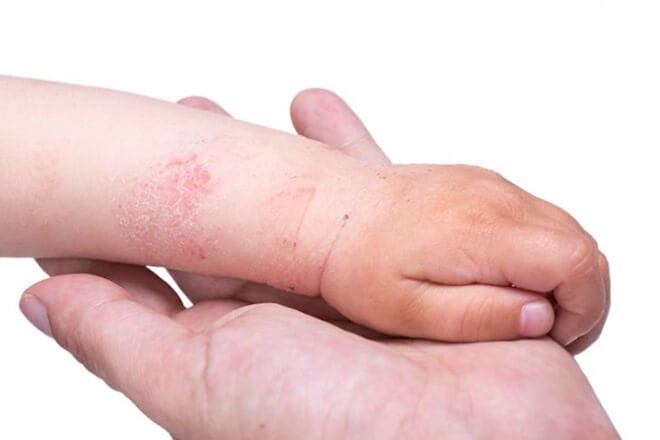
Eczema is characterized by an inflammatory process of the epidermis. The disease is often chronic with periodic relapses and remission. It can develop along with atopic dermatitis.
Symptoms:
- itching;
- burning;
- at first, a lot of individual bubbles appear, which then merge into spots;
- in the process of healing, the wound is covered with a crust.
For treatment, it is necessary to eliminate the factors affecting the development of the disease. The faster the allergen is found, the easier it is for the body to fight the pathology.
During the activity of eczema, the child should be provided with a correct diet, reduce the amount of sweets, and avoid overeating. The use of cottage cheese, fish, meat has a positive effect.
Hives
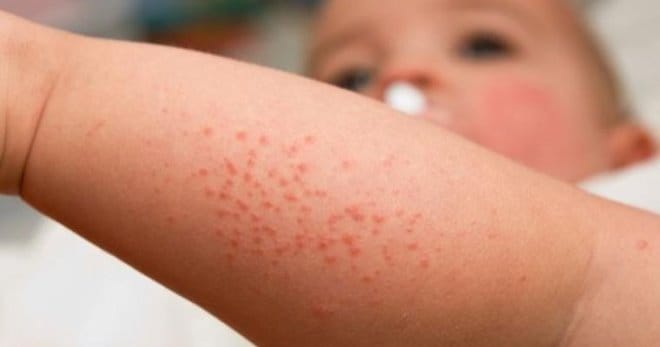
Often the problem is observed in infants. Over time, hives can become chronic.
Symptoms:
- the appearance of blisters;
- swelling of the skin;
- severe itching.
Hives can be a reaction to inappropriate medication, food, dust mites, cold or heat.
Along with urticaria, disorders of the digestive system, viral and bacterial infections can be observed.
Quincke's edema
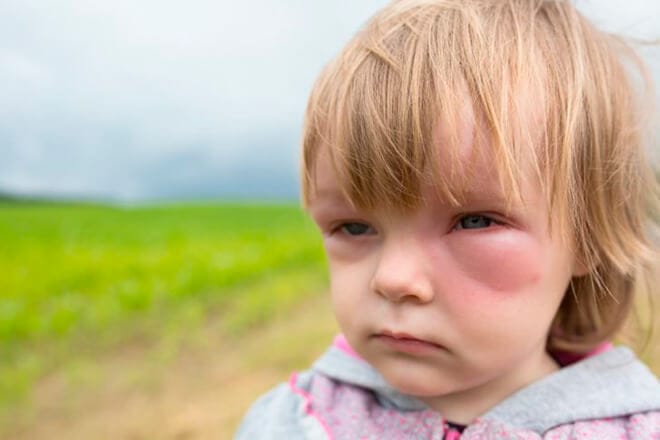
This pathology is an acute form of a child's body reaction to an allergen. Edema most often affects the face, genitals, arms and legs. Itching is not observed. The complicated form covers the respiratory organs, which can result in hypoxia.
For treatment, antihistamines and decongestants are used, which relieve symptoms after 2-3 hours.
If edema develops, you should consult a doctor and stop interacting with the allergen (if known). If the allergy is caused by food, it is necessary to rinse the stomach and drink activated charcoal.
Neurodermatitis
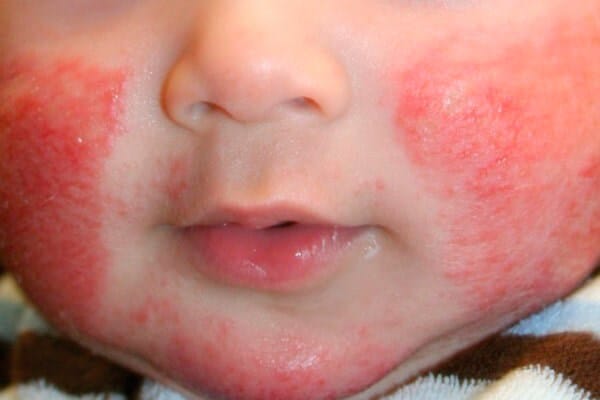
The reason for the development of neurodermatitis is weak immunity, which cannot fight the manifestations of the external environment.
Often pathology develops due to food intolerance. The reason may be an unbalanced diet of the mother during pregnancy, taking medications, and bad habits.
The first signs of neurodermatitis are observed in children over 2 years old.
Symptoms:
- pale pink nodules on the skin;
- severe itching;
- the development of cracks and erosion, which are covered with a crust;
- due to constant itching, the child becomes whiny and moody.
The disease affects the face, neck, limbs and genitals.
Lyell's syndrome
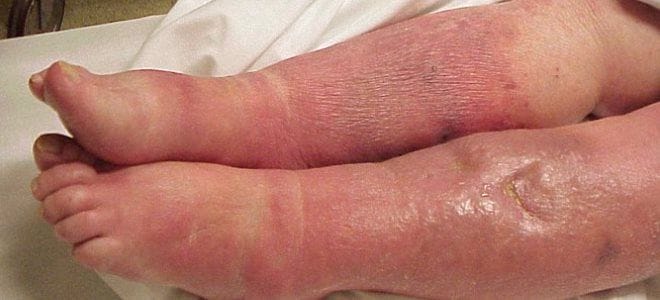
The disease is acute and is a threat to the child's life. As a result of the action of allergens, the skin is destroyed, due to which the inflammatory process begins. Unfortunately, it is almost impossible to restore the body after Lyell's disease (every 3 patients die).
Symptoms:
- high body temperature;
- multiple rashes all over the body;
- swelling;
- the appearance of hemorrhages on the skin.
Once in the child's body, the allergen merges with the constituents of the epidermis. As a result, the functioning of the immune system is disrupted, the child's skin is perceived as a foreign body that should be rejected.
If treatment is not started in a timely manner, the child's condition will rapidly deteriorate.
Possible complications:
- inflammation or edema of the lungs;
- renal failure;
- dysfunction of the renal pelvis.
What to do if you have an allergy in the form of skin rashes
Numerous rashes in children are easily treatable, it is only important to choose the right medicines and start treatment on time. First of all, during treatment, it is necessary to determine the allergen using blood tests and allergy tests, and then proceed with therapy.
If the allergy is hereditary, preventive measures must be taken to prevent the development of a chronic process. You should also follow an anti-allergenic diet, take medications with caution and consult a pediatrician at an early stage of the disease.
Therapeutic methods for eliminating rashes and other signs of allergies:
- antiallergenic drugs that block the release of free histamine. Depending on the severity of the process, the doctor will prescribe antihistamines of 1-4 generations,
- sorbents,
- hormonal ointments and creams.
Treatment with medication
Competent allergy treatment is imperative, it will relieve complications and further health problems. It is important to protect the child from allergens – irritants and to carry out drug therapy. The course of treatment is different for patients of different age groups. Antihistamines and topical skin treatments remain common. The drugs are prescribed exclusively by a specialist.
In case of food allergies, doctors must prescribe Enterosgel enterosorbent in a course to remove allergens. The drug is a gel saturated with water. It gently envelops the mucous membranes of the gastrointestinal tract, collects allergens from them and removes them from the body. An important advantage of Enterosgel is that allergens firmly bind to the gel and are not released in the lower intestine calves. Enterosgel, like a porous sponge, absorbs mostly harmful substances without interacting with beneficial microflora and microelements, so it can be taken for more than 2 weeks.
Therapy for newborns
Some doctors deny congenital allergy as an independent pathology. It occurs through the fault of the mother, often unintentionally. This leads to the use of allergens in food, bad habits, past diseases. In addition, allergies can appear already in the first days or months of life.
First of all, a nursing mother should revise her diet, excluding all possible allergens. For breastfed babies, a hypoallergenic or lactose-free mixture is selected.
In case of an acute course of the disease, antihistamines are indicated for children under 1 year of age:
- Fenistil drops (contraindicated up to 1 month);
- drops of Cetrin (from six months);
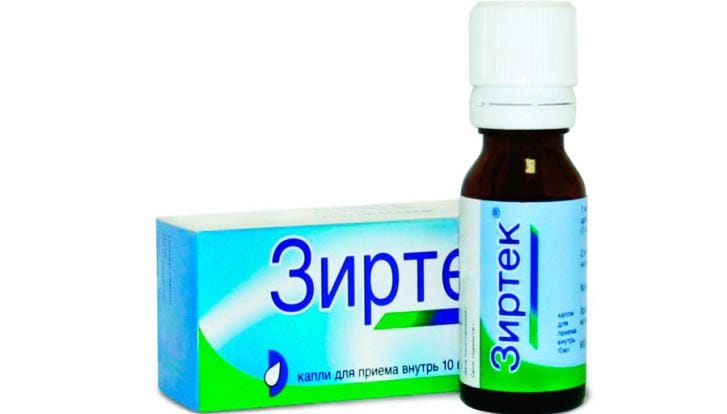
- Zyrtec drops (from six months) (we recommend reading: instructions for use for Zyrtec drops for newborns).
For a rash, local treatment is prescribed (smear 2 times a day):
- Fenistil gel (relieves itching, soothes the skin);
- Bepanten (moisturizes, improves tissue regeneration);
- Weleda (German cream containing natural ingredients);
- Elidel (anti-inflammatory drug prescribed after 3 months).
Treatment of babies over 1 year old
After the age of 1 year, the list of approved drugs increases slightly. Nevertheless, up to 3 years of age, therapy should be predominantly prophylactic (the baby should be protected from irritants).
Antihistamines:
- Erius (suspension);
- Zodak (drops)
- Parlazin (drops);
- Cetirizine Hexal (drops);
- Fenistil (drops);
- Tavegil (syrup), etc.
For skin rashes, the same ointments are used as for newborns, or as prescribed by a doctor. To cleanse the body of toxins, absorbents are taken: Polysorb, Fosfalugel, Enterosgel, Smecta. Vitamins are recommended.
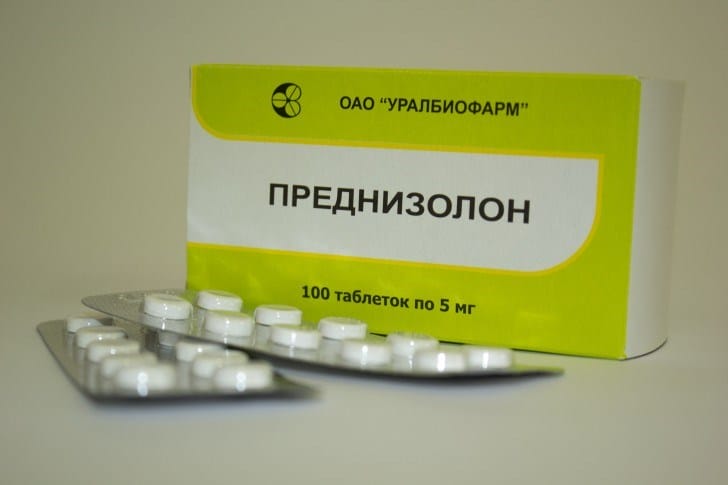
With a protracted or severe course of the disease, doctors resort to taking hormone-containing drugs (Prednisolone). Immunomodulatory therapy at this age is undesirable. In extreme cases, a gentle medicine is selected (for example, Derinat drops).
Elimination of symptoms in children over 3 years old
Starting from the age of 3, it becomes possible to start eliminating the problem itself. Medicines only remove symptoms, but they cannot cure allergies.
Specific immunotherapy (SIT) is an effective method. You can resort to it from 5 years old. The allergen is gradually administered to the patient in clear doses. As a result, an immune defense is formed in him, and his sensitivity to the stimulus disappears. In parallel with the SIT, measures can be taken to increase the immune defense, improve the blood composition, etc.
To eliminate symptoms, you can add to the above medicines:
- Suprastin;
- Diazolin;
- Cetrin;
- Claritin;
- Clemastine.
Folk recipes
You can use traditional medicine only after consulting a pediatrician. Many herbs are strong allergens, therefore, before using the recipes, you should exclude the pathological reaction of the baby's body to this irritant. So, a few effective folk remedies:
- Bathing in a decoction of medicinal herbs speeds up the healing process. The addition of string, chamomile, calendula to the water helps to dry stains and disinfect their surface. The herbs must be poured with boiling water and insisted for 30 minutes. Strain the broth and add to the water.
- Nettle infusion is used to cleanse the blood. For cooking, you need to pour a teaspoon of plant leaves with a glass of boiling water, leave for 2-3 hours, cool and strain. Give the child half a glass every day for a month.
- A little dry leaves of calendula must be boiled for 3 minutes and insisted for about half an hour. Drink the child three times a day before meals. The broth will help remove stains from the body.
- Rubbing the affected areas with a decoction of chamomile, celandine, hawthorn, birch, string. It is necessary to apply compresses to the affected areas – this will help to quickly relieve the rash.
How long does an allergic reaction take?
How long can an allergic reaction last? It depends on individual hypersensitivity, health status and the duration of contact with the irritant.
On average, it can last from several minutes to several days (4-6 days). Seasonal hay fever takes up the entire flowering period and can take up to a couple of months. It is necessary to protect the baby from the effects of the irritant and carry out symptomatic treatment.
What shouldn't be done?
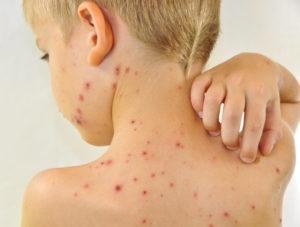 Parents should remember that an allergic rash may not be uncomfortable for a child, but it needs treatment. Without the necessary therapy, rashes can develop into a chronic form and harm the entire body. When spots appear, it is categorically impossible:
- Lubricate the rash with products that color the skin. So you can hide the true nature of the rash, which will affect the diagnosis.
- Comb. It is difficult for babies to explain that it is impossible to scratch an itchy place. Care should be taken to keep the nails clean and long so that the child does not carry infection into the open wound.
- Squeeze out pustules. It is dangerous by secondary infection.
Preventive measures
To prevent allergies from bothering the baby, the following prevention rules must be observed:
- protect the baby from allergens: wipe the dust every day without using household chemicals, give up the establishment of pets;
- follow a special diet when breastfeeding;
- adhere to natural feeding (how long to breastfeed, the pediatrician will tell you);
- strengthen the child's immunity (walk in the fresh air every day, carry out hardening procedures);
- correctly introduce complementary foods and monitor the reaction to products;
- dress the child in clothes made from natural fabrics;
- carefully change bathing and care products;
- use special detergents for washing children's clothes and dishwashing;
- take vitamins allowed at a certain age;
- do not smoke while in the same room with your baby.
Sources used and useful links on the topic: https://detkiexpert.ru/allergiya-u-novorozhdennogo/ https://KardioBit.ru/allergiya/allergiya-u-detej-foto-razlichnoj-sypi-prichiny-vidy-i- lechenie https://skindiary.ru/zabolevaniya/allergiya/allergiya-u-detej.html https://VseProRebenka.ru/zdorove/zabolevaniya/allergiya-u-rebenka.html https://www.deti34.ru/simptomy /kozha/allergiya-u-rebenka-foto.html
Post source: lastici.ru