
Alcohol poisoning: symptoms, first aid, treatment. First aid for alcohol poisoning: a sequence of actions and an overview of drugs
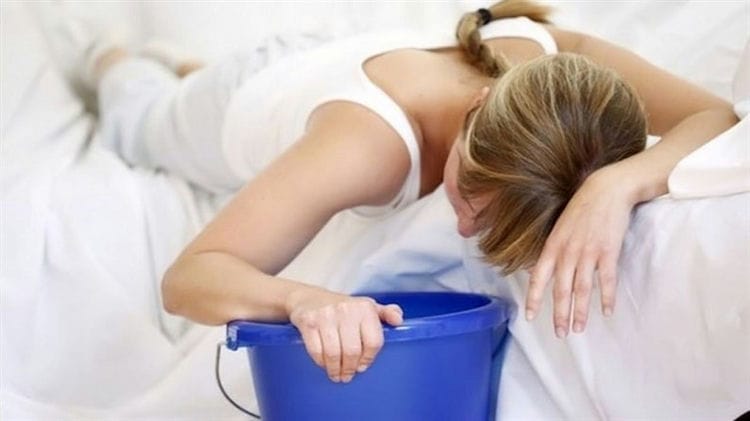
What is alcohol intoxication?
Alcohol intoxication is a complex of physiological and mental disorders resulting from the effect on the body of ethyl alcohol and highly toxic products of its decay. Poisoning can be caused by alcohol abuse, a single large dose or individual alcohol intolerance.
Alcohol poisoning: when intoxication occurs
Drinking alcoholic beverages leads to intoxication – the nervous system at this time is in a special “floating” state from the psychoactive effects of ethanol. The good mood and the feeling of euphoria that we look for on the bottom of a glass or shot are nothing more than the first signs of alcohol poisoning.
Even a few drops of alcohol are reflected in the state of the body, and the more a person drinks, the more serious the consequences of intoxication will be. According to the strength of the effect on the nervous system, alcoholic beverages are different. The most “harmless” is alcohol, in which the ethanol content is not more than 15%: champagne, vermouth, wine and beer. But such intoxicating drinks as cognac, vodka, tequila, whiskey and gin cannot be greatly carried away. Absinthe is recognized as the strongest alcohol.

Alcohol poisoning symptoms
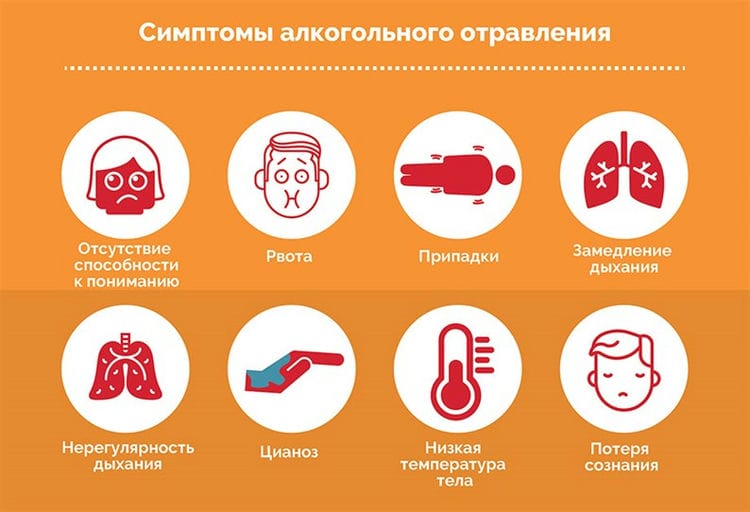
The main signs of severe alcohol poisoning are:
- Lack of understanding ability;
- Loss of consciousness;
- Vomiting
- Alcoholic epilepsy;
- Cyanosis (cyanosis of the skin);
- Slow breathing (less than 8 breaths per minute)
- Irregular breathing (pause between breaths for more than 10 seconds);
- Decrease in body temperature by more than 2 degrees.
The presence of exactly the above symptoms requires immediate assistance to the patient. Signs such as nausea, impaired motor skills and cognitive functions also indicate poisoning of the body, but they are characteristic of other degrees of intoxication that do not pose a threat to life. All symptoms are typical for surrogate alcohol containing ethyl alcohol (lotions, colognes, tinctures, technical liquids).
As for poisoning with methanol, which may be contained in low-quality (counterfeit) alcoholic beverages, the symptoms will be similar to those of general intoxication. There is only one difference: methyl alcohol has a strong effect on vision, destroying the retina and optic nerve, so the following changes are characteristic:
- Photophobia;
- Lack of pupil response to light;
- Blurred image;
- Partial or complete blindness.
Alcohol poisoning: stages
The defeat of the body by the components of alcohol occurs as follows: ethanol as part of the “laughing” drink enters the stomach and is soon absorbed by the mucous membranes, through which it enters the bloodstream. A certain portion of toxic substances will detoxify the liver, but the organ will not be able to completely neutralize a large proportion of alcohol, then the unprocessed poison penetrates into the brain tissue. It is at this stage that irreversible changes occur in the structure of neurons and the functions of internal organs.
Intoxication as a result of alcohol consumption is classified into several stages. It is possible to accurately determine the degree of poisoning by laboratory research by the number of ppm in the blood. How drunk a person is, can also be understood by the corresponding symptoms of alcohol poisoning.
Mild alcohol poisoning
For the sake of a pleasant feeling of light intoxication, an alcoholic drink, in fact, is put on the table. A couple of glasses of wine – and an emotional uplift, light excitement, as well as unmotivated bliss are provided for you. In such a state, it is difficult to assess your real capabilities; rather, you want to overestimate them. However, in fact, the number of errors in work in a drunk person increases, and his mental and physical activity decreases markedly. Mild alcohol poisoning can be determined by dilated pupils and a slightly flushed face. The drinker sweats more and more often feels the need to empty the bladder.
In addition, a drunk person begins to raise his voice, all his statements become more categorical and uncompromising. He has difficulty in expressing his thoughts coherently and concentrating. Sweeping movements, “floating” facial expressions, loss of control over latent personality traits are also considered symptoms of mild intoxication. Usually a person comes to his senses quite quickly and easily.
Moderate alcohol poisoning
Signs of alcohol intoxication of a moderate degree cause more serious concerns: a person's coordination of movements is disturbed, he is thrown from side to side, double vision and speech intelligibility is lost. In this state, the drinker is not responsible for his words and actions. In general, the behavior of a drunk person is determined by the nature of his character – alcohol can cause excessive boastfulness, bravado, vulnerability, resentment, scandalousness or aggression. Sobering up brings general weakness, excruciating headaches, intense thirst, nausea and vomiting.

Severe alcohol poisoning
When the state of a drunk person aggravates, his statements become illegible and meaningless, and he himself ceases to understand anything. A reddened face, skin hot to the touch and low pain sensitivity complement the overall picture of severe intoxication of the body. While intoxicated, a person can be seriously injured and not feel it.
A severe degree of alcohol intoxication has dire consequences: it is difficult for a heavily intoxicated person to breathe, and cardiac arrest may occur. When a portion of alcohol enters the body, which in terms of pure alcohol equals 300 – 400 g, acute alcohol poisoning occurs. This condition is extremely dangerous, its main signs are as follows:
- convulsions;
- breathing disorder;
- copious secretion of saliva;
- redness of the whites of the eyes.
A person with acute alcohol intoxication requires urgent medical attention.
Alcoholic coma
Severe alcohol poisoning can be complicated by the stage in which the intoxicated person falls into a coma. Coma is a kind of stunning of the body that occurs when ethanol in the blood rises to 3%. The main symptom of impending danger is deep fainting. In some cases, the victim's behavior is characterized by slight motor arousal. An indicator of a deterioration in the well-being of a person who has gone through alcohol is his eyes:
- There is no reaction of the pupils to light, the corneal reflex does not work (the eyelids do not close if you gently touch the cornea).
- Nystagmus is present (movement of the eyeballs according to the principle of a pendulum).
- Narrowing of the pupils can also indicate the approach of an alcoholic coma. In some cases, the pupils either narrow or dilate. Sometimes you can observe a picture when at the same moment the pupils of the left and right eyes have different sizes.
Due to the sinking of the tongue, the penetration of vomit into the respiratory tract, excessive saliva and phlegm, the victim's breathing is disturbed: the person breathes unevenly and intermittently, sometimes wheezing, while his face becomes cyanotic. Blood pressure in an alcoholic coma is reduced, and the pulse is weak and threadlike. In this state, involuntary discharge of urine and feces is often observed.
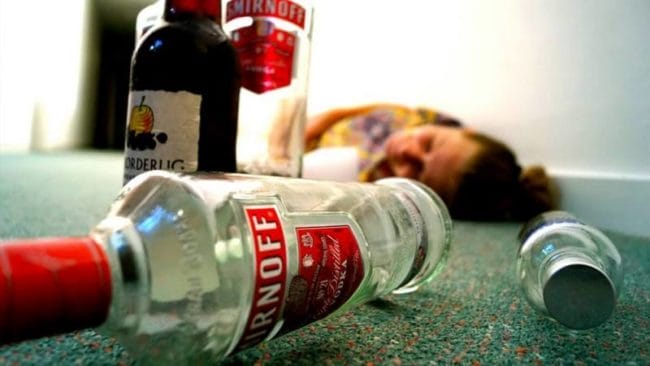
Poisoning with vodka, how not to get poisoned during the celebration
Vodka poisoning most often occurs due to a lack of a sense of proportion in a person. The amount of vodka that can cause alcohol intoxication for each person is individual, so it is better to adhere to the following rule: drink 50 grams of vodka per hour. So you can avoid a hangover in the morning, and at the party you will be cheerful and at the same time remain in adequate condition.
It is easier to get poisoned with cognac than with other alcoholic beverages, because high-quality cognac contains a small amount of methyl alcohol, which is extremely toxic to the human body. It is not advisable to consume such a drink in the evening in an amount exceeding 100 grams.
In order not to poison yourself with wine, you should not mix this low-degree drink with others (vodka, beer, champagne). At a table with a lot of fruits and meat dishes, you can afford about 300 grams of this noble drink and not worry about the consequences.
To get poisoned by low-quality alcohol, 50 grams will be enough. If you are not sure about the quality of the alcoholic drink, it is better not to consume it at all.
Poisoning with surrogate alcohol
The toxic effect of surrogate alcohol is explained either by the presence of a large amount of fusel oils and dangerous chemical impurities, or by the fact that the basis of the drink is not food (ethyl), but some other alcohol.
Symptoms of low-quality alcohol poisoning depend on the chemical composition of the drink. The main features include the following:
- visual impairment, smell;
- stomach ache;
- nausea, vomiting;
- severe dry mouth;
- confusion of consciousness;
- heart failure;
- psychomotor agitation, convulsions.
Surrogate alcohol
Surrogate alcohol destroys internal organs, and the degree of its effect is several times stronger than the effect of high-quality alcoholic beverages. In some cases (for example, when drinking methanol-based drinks), a dose of 30-40 ml can become lethal.
Poisoning with alcohol substitutes, how to recognize low-quality alcohol
Poisoning with alcohol substitutes is quite common, so you should be especially careful when choosing alcoholic beverages. For food purposes, it is relatively safe for humans to consume alcohol made on the basis of ethyl alcohol. “Underground” drinks are made from industrial alcohol (methyl alcohol), which cannot be processed by the human liver due to the absence of an enzyme that breaks it down.
It is impossible to treat poisoning with surrogate alcohol at home, therefore, if you suspect intoxication with “burned” alcohol, you must call an ambulance.
How to recognize low-quality alcohol:
- A good drink cannot be cheap, so there is no need to buy alcohol over the Internet or for a special offer;
- The factory bottle must have excise taxes;
- If you feel that you get drunk very quickly when drinking a dubious alcoholic drink, urgently flush your stomach and call an ambulance;
- It is difficult to distinguish low-quality alcohol by taste, but methyl alcohol gives out a sharp alcoholic smell. Cognac, whiskey and quality wines do not smell like alcohol.
Vomiting in alcohol poisoning: why it occurs, how to stop it
Vomiting in case of alcohol poisoning is a natural defense reaction of the body, aimed at cleansing the body of a poisonous substance. Vomiting undigested food and alcohol should not be a concern. To speed up the process of cleansing the stomach, it is worth drinking 0.5-1 liter of water with salt. If vomiting becomes mucous, bitter and does not stop for a long time, it is worth contacting a specialized medical institution for emergency assistance. Vomiting of bile suggests that alcohol consumption has disrupted the functioning of the liver and biliary tract.
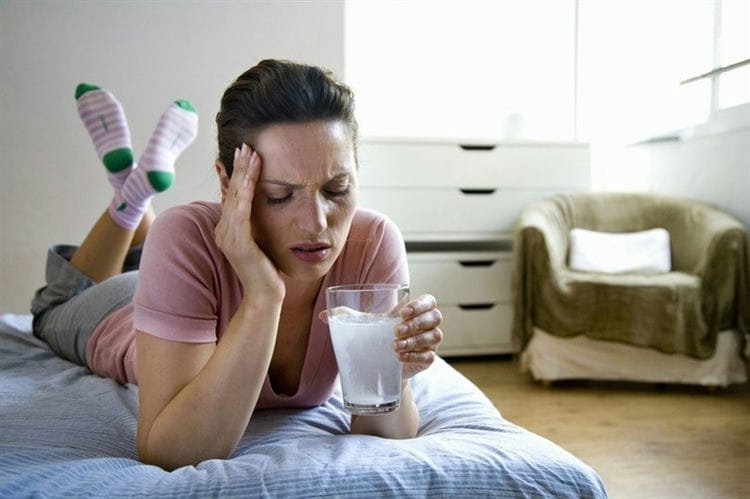
How to stop vomiting in case of poisoning:
- Wash with cold water, go out into fresh air;
- Drink an enveloping agent such as enterosgel or smecta;
- Put a tablet of validol under the tongue;
- Drink warm tea with lemon or milk.
If the listed activities did not help, it is worth seeking specialized help at the hospital.
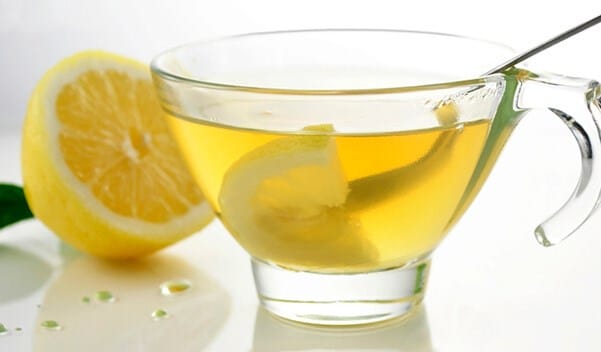
First aid – how you can help yourself
Life presents us with not always pleasant surprises, very often the situation after the festive feasts develops in such a way that the question arises: when did the poisoning occur and the person has alcohol intoxication, how to remove it at home, urgently, in order to save a life?
In case of severe alcohol intoxication, in the first place, a person should not be left unattended. He is constantly in certain danger, as he can fall and suffocate with vomit. In addition, in this state, there is often a sudden cessation of breathing and cardiac activity, a stroke, renal or hepatic colic develops.
Attention!!!
If you experience persistent vomiting, with impurities of bile or blood clots, you should immediately call an ambulance. Such symptoms usually indicate the development of severe pathology.
Under the influence of alcohol, even the most calm and humble person is capable of sudden outbursts of aggression. Therefore, before carrying out first aid, you must try to explain to the victim the order of their actions. They will be as follows:
- Free the person from dirty, oppressive, wet clothes and cover them warmly.
- You should not try to take the victim to the shower room or constantly give him strong tea, especially coffee. The caffeine contained in these drinks can intensify the phenomena of intoxication, in turn, this provokes the development of a heart attack and a sharp increase in blood pressure.
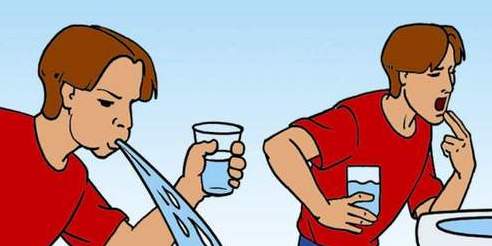
- Induce an artificial gag reflex. This is only allowed if the person is conscious. In a fainting or light-headed state, it is fraught with the entry of vomit into the respiratory tract.
- During vomiting, give a drunk a half-sitting position, tilt your head forward and constantly hold it to prevent injury.
- If the poisoned person is not able to sit, then during an emetic attack he must be put on his side and his head turned so that it hangs from the bed. In this position, the victim may fall, so it is also necessary to hold him.
- To remove the remaining alcohol from the stomach, you can flush it out by consuming 2 glasses of salt water. A gag reflex usually occurs after this. It is recommended to flush until the water is clear.
Help with severe alcohol poisoning!
If the stomach is empty, and vomiting does not stop, then the following should be done: wet the head with cold water, apply ice from the back of the head, drink a little Rehydron solution, do not consume any food or other drinks.
First aid for alcohol poisoning
Treatment of alcohol poisoning at home can only be carried out in the case of mild to moderate intoxication. If a person's condition is serious, it is necessary to immediately call an ambulance, and before the arrival of doctors, provide the victim with first aid.
Gastric lavage
Gastric lavage – acts as the most effective option to remove alcohol toxins from the body. A person is given 2-3 glasses of slightly salted water to drink (you can use a weak solution of potassium permanganate), and then you need to induce vomiting. The procedure is repeated until clear water comes out during vomiting.
Along with gastric lavage, an enema will help to remove toxins from the body in case of alcohol poisoning as soon as possible. These methods can only be used if the victim is conscious.
Restoring fluid balance in the body
With vomiting and profuse urination, which are accompanied by alcohol poisoning, a large amount of fluid is excreted from the body. This can lead to a dangerous state of dehydration. To avoid this, the victim must be provided with drink. This could be:
- clean drinking still water;
- water with the addition of lemon juice;
- herbal tea (for example, with chamomile or mint).
Help with alcohol intoxication will be provided by Rehydron or Hydrovit solutions. They will quickly restore the water-salt balance in the body.
Restoration of intestinal microflora
Ethanol and its metabolites have a detrimental effect on the beneficial intestinal microflora. Even after the removal of alcohol intoxication at home, a person in most cases has disturbances in the work of the gastrointestinal tract.
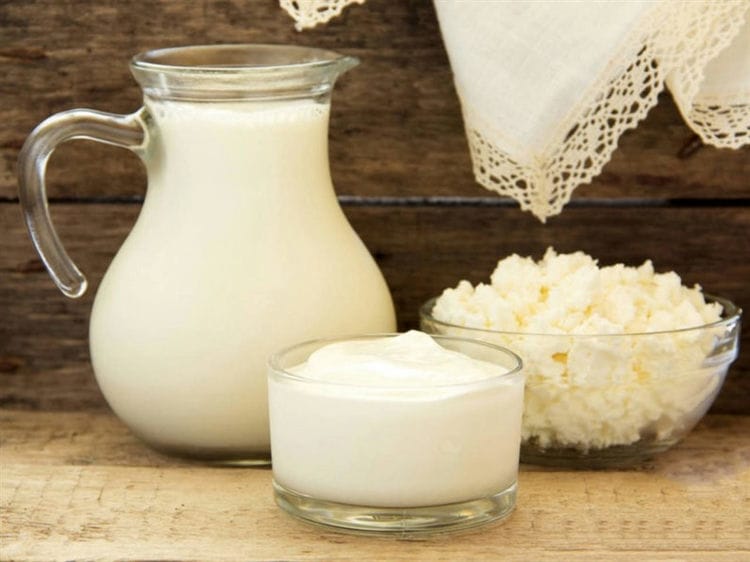
Dairy products
Diet will help restore microflora (exclude all fatty, spicy, smoked, fried foods) and the addition of fermented milk (kefir, yogurt, cottage cheese) and sauerkraut (cabbage, apples) products to the diet.
In addition, probiotics and prebiotics will help return beneficial bifidobacteria to the intestines.
Medicines for alcohol poisoning
The consequences of alcohol intoxication can be different and affect different body systems. Depending on the symptoms and complications that have arisen, the following medications may be prescribed:
- sorbents (to remove toxins);
- hepatoprotectors (to normalize the liver);
- choleretic drugs;
- cardiovascular medications (to stabilize the heart);
- diuretics;
- sedatives.
Attention! Do not self-medicate. What drug to drink in case of alcohol poisoning should be decided by the doctor.
Enterosorbents
One of the most effective ways to remove toxins from the body after alcohol is to take a remedy from the group of enterosorbents. These drugs are distinguished by their multifaceted action. They absorb harmful substances by their surface and volume, bind toxins in the stomach and intestines. Best of all help with alcohol poisoning:
- Polysorb;
- Enterosgel;
- Smekta.
These are universal remedies used for any poisoning.
Adsorbents
Adsorbents slow down the absorption of harmful substances by binding them to their surface. In case of alcohol poisoning (especially mild and moderate), the intake of an adsorbent is the first thing to do after gastric lavage.
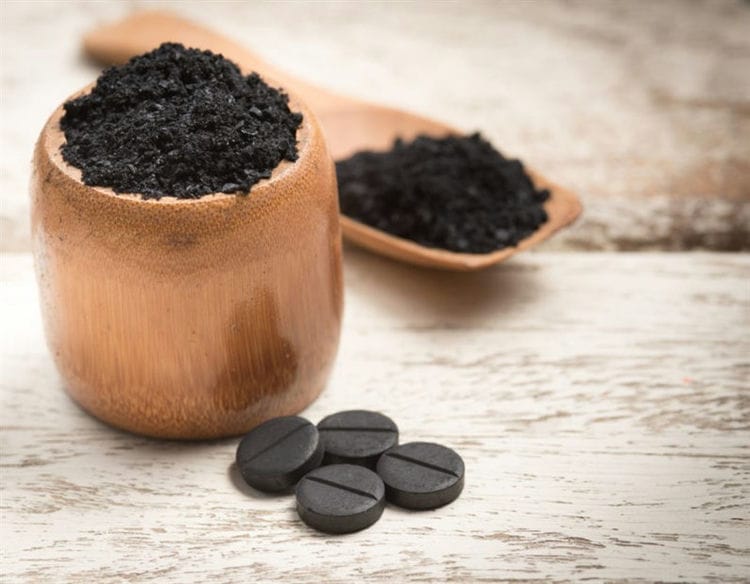
Activated carbon
Among the drugs in this group are:
- Activated carbon;
- white coal;
- Lactofiltrum;
- Carbolong.
Elimination of pain syndrome
Often, with alcohol intoxication, a headache torments. Pain can be treated with ibuprofen-based analgesics.
Such medicines help well:
- Zorex
- Biotredin;
- Glycine;
- Alkozeltser;
- Yantavit.
Restoration of intestinal microflora
Alcohol has a detrimental effect on the intestinal microflora, it is capable of poisoning beneficial bacteria. This can lead to digestive problems. Therefore, a home care course must necessarily include the use of probiotics.
These include:
- Enterol;
- Linex;
- Biform;
- Phosphalugel.
Basic principles of treating alcohol poisoning at home
To improve the condition of a person affected by alcohol intoxication, symbiosis is successfully used:
- therapeutic effect;
- traditional medicine methods.
Therapeutic effects
Pharmacy products are used in accordance with the instructions for use:
- Regidron. It is taken in the form of a solution. One package of this product is dissolved in a liter of water, then taken at the rate of 10-17 ml of solution per kilogram of weight. The resulting liquid can be stored in the refrigerator for up to 24 hours.
- Enterosgel. 10-30 g is first added to the water used to induce vomiting. In the future, 40-50 g of Enterosgel is taken separately orally.
- Polysorb. Applied as a solution, one tablespoon is dissolved in 125 ml of water. Usually this solution is drunk twice a day, in the morning and in the evening.
- Smecta. Contributes to the emergence of not only a sorbing, but also an enveloping effect. Therefore, it allows you to reduce the unpleasant symptoms of alcoholism in the shortest possible time. One or two sachets are drunk immediately upon detection of signs of poisoning, another one in the morning.
- Lactofiltrum helps not only to remove toxins from the intestines, but also to restore its microflora. The drug is taken 3-4 times a day, at one time you need to drink 1-3 tablets.
- Activated carbon. You can crush the tablets and dissolve them in water, which is used to induce vomiting. In the future, admission is carried out at the rate of 1 tablet per 10 kilograms of a person's weight.
Traditional medicine recipes
There are a large number of folk remedies to overcome both alcohol poisoning and a hangover:
- A decoction made from dry tansy. Approximately 50 g of raw materials are brewed with boiling water (0.5 liters), then 20 g of dried chamomile flowers are added. The liquid is cooled, filtered and taken with meals. To correctly calculate the amount of decoction per dose, you need to take a tablespoon for every 10 kg of weight.
- Lemon balm decoction is good for nausea. To prepare it, take 250 ml of boiling water and pour it 1 teaspoon of dried raw materials, then let it brew. It remains to strain and drink instead of tea. To improve the taste of the product, you can add a little honey or lemon there.
- Lemon, grapefruit or orange juice is suitable for removing toxins, and you can drink it throughout the day.
- You can replace your rehydration medications with a homemade remedy. In a liter of warm water, dissolve 1 teaspoon of table salt, the same amount of soda, and 4 teaspoons of sugar. 2-3 sips of the solution should be taken every half hour.
- To stop vomiting, a decoction of dill seeds is used. For two teaspoons of raw materials, take 100 ml of boiling water, boil for 5 minutes, then cool. The broth should be drunk in 1-2 doses.
- To improve the general condition of the body, a contrast shower and a lack of physical activity are useful.
Treatment of alcohol poisoning at home
During the recovery of the body from alcohol intoxication, it is necessary to provide peace and quiet. It is advisable to place it in a dark, cool room with sufficient air circulation. If you have no appetite, you should not forcefully give food.
On the second day after intoxication, light physical activity is allowed. You can walk in the fresh air at a slow pace (3-4 km / h). To accelerate recovery from alcohol intoxication, a short shower is useful. A popular folk remedy for alcohol poisoning and all diseases – a bath – is not recommended due to the load on the heart (it is better to go to the steam room after recovery).
From the second day after alcohol poisoning, you can eat. Stick to a dietary menu so as not to overload the stomach – give chicken broth, steamed meat, dairy-free cereals. Continue to drink at least two liters of fluid a day.
To accelerate the elimination of the decay products of ethanol after intoxication, you can use one of the recipes below.
Dill seed infusion
This drink is useful for eliminating problems with the gastrointestinal tract, cleansing the liver and improving general well-being after alcohol intoxication. 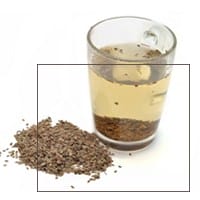
It will eliminate bloating in the abdomen, pain in the epigastric region and nausea.
To prepare a tablespoon of dry seeds. Pour 0.5 liters of boiling water over it and place in a thermos for half an hour. Then strain and water the patient with alcohol poisoning every two hours for half a glass.
Sauerkraut juice
It is drunk during the recovery period after poisoning along with other drinks.
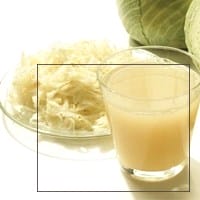
The liquid must be filtered and cooled, otherwise vomiting is possible.
This drink has a valuable vitamin and mineral composition. It contains iron, calcium, potassium, vitamins of group B, K and C. Sauerkraut juice is easily digestible, provides significant support to the spleen and liver.
Ginger tea
This remedy is widespread in Asian countries.
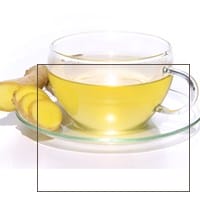
After intoxication, it relieves nausea, rehabilitates the nervous system, and helps to cleanse the gallbladder.
For cooking, take the ginger root and grate. Pour 200 ml of boiling water over a teaspoon of the mixture and cover. After 10 minutes, strain the drink and give it to the patient with alcohol poisoning warm. It is recommended to drink ginger tea in small sips.
Carrot
A medicinal decoction is prepared from the seeds of the root crop. To prepare a single serving for alcohol intoxication, a teaspoon of seeds is enough. They are boiled over low heat for 2-3 minutes.
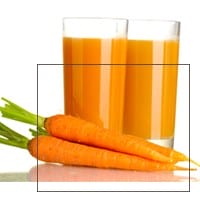
Then the liquid is filtered and given to drink to the victim to relieve symptoms of intoxication.
The root vegetable itself is also useful, as well as mashed potatoes and fresh juices from it. It has a mild diuretic effect, saturates the diet with vitamins, and accelerates liver detoxification.
Evening primrose oil
The folk recipe is used not only for alcohol poisoning, but is also useful for a number of other diseases.
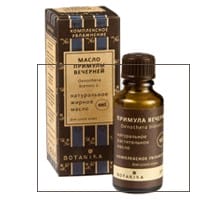
A dry handful of medicinal herb is enough – it is poured with 0.5 liters of vegetable oil, and then the resulting mixture is infused in a dark cool place for 10 days.
Such oil for alcohol intoxication is taken in small portions, 0.5 three times a day after meals. It helps with digestive disorders, malfunctions of the heart and liver, and normalizes metabolism.
Natural aspirin
The people nicknamed the willow bark for its healing properties.
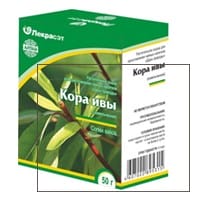
A tablespoon of chopped bark will need 0.5 liters of boiling water. Infusion is carried out under a closed lid for half an hour. Drinking a drink with alcohol intoxication should be 200 ml after each meal.
Milk thistle
A proven remedy for cleansing the liver and bile ducts in case of alcohol intoxication, improving intestinal motility and removing toxins. In pharmacies, it is sold in several versions – dry bark, leaves, oil (in capsules or in liquid form).
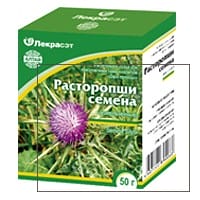
It can be taken as a dietary supplement (course treatment is usually listed on the package).
Bark powder is taken dry with a glass of water before meals. With alcohol intoxication, decoctions are appropriate (15 minutes over low heat).
Peppermint oil
It is used for alcohol intoxication as an adjunct to relieve nausea, headaches and calm the nervous system.
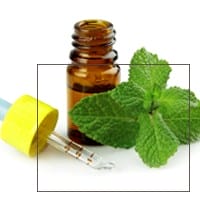
Can be used for aromatherapy, or taken orally, drop by drop, several times a day. Before taking, be sure to study the composition of the oil and make sure there are no artificial additives.
Infusion of yarrow
With alcohol intoxication, it helps to improve overall health and regain appetite.
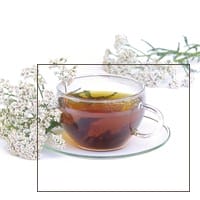
A tablespoon of dry herb is enough to prepare a daily portion. It is poured with 200 ml of boiling water and boiled for 10-15 minutes. Filter the drink, cool and give 1-2 tablespoons at intervals of 2 hours. Acute alcohol poisoning caused by an overdose of alcoholic beverages or the intake of low-quality alcohol can have serious consequences for the body. Try not to abuse alcohol.
Reducing alcohol intoxication – quick impact methods
First of all, it is necessary to reduce the amount of ethanol in the bloodstream. If this is not done, it will be difficult for the body to cope on its own. How to quickly remove alcohol intoxication and sober up without consequences? The following methods will help this:
- The simple solution is to consume plenty of fluids in combination with diuretics. It is worth remembering that such a remedy as Furosemide is prohibited. This can cause kidney problems.
- A good option is to take aspirin, which actively neutralizes acetaldehyde, a substance produced by the breakdown of ethanol. It is this that causes the symptoms of poisoning.
- To bind alcohol and the elements of its decay in the gastrointestinal tract, it is worth taking several tablets of activated carbon or Filtrum-Sti.
- In severe cases, intravenous administration of certain drugs is required. It is not recommended to do this without special knowledge.
- With strong intoxication, a good result is observed with intramuscular administration of vitamin B6.
- After clearing consciousness, you can drink a solution of nicotinic acid, phenamine, and corazole. A few drops of the product are added to half a glass of water. Even with strong intoxication, after a few minutes, thinking is normalized and lethargy disappears, and after 1-2 hours, complete sobering occurs.
A solution of glucose, ascorbic acid or Nicotinamide removes alcohol intoxication well. These funds can be counted with B vitamins.
Medicines for alcohol poisoning
Choose the best drug in the ranking of drugs for alcoholism
There is no single tablet that can comprehensively help with alcohol intoxication, so it is worth using several drugs at once. Consider the main groups of medicines that can help with intoxication.
- Sorbents
Substances that absorb other substances, gases, vapors or liquids. In this case, they must absorb excess ethanol, which have not yet had time to be absorbed into the blood. The more time has passed since the moment of poisoning, the less their effectiveness. The maximum efficiency is observed in the first hour. These drugs include:
- Drugs that accelerate the elimination of ethanol.
Substances of this group accelerate the production of enzymes that utilize ethanol.
-
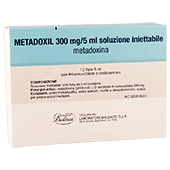
Metadoxil. Inject 5 ml intramuscularly;
-
Vitamins B1, B6 and glucose. One 20 ml syringe contains 5% vitamin B1 (thiamine) in a volume of 2 ml, 5% vitamins B6 (pyridoxine) in a volume of 3 ml and a 40% glucose solution in a volume of 15 ml. Maximum effectiveness is observed with intravenous injection.
-
Restoration of water-salt balance.
If you have no experience in installing a dropper and intravenous injections, we strongly advise you to refuse this method of detoxification.
Many articles contain information about the need to take hepatoprotectors for alcohol intoxication (for example, Heptral or Essentiale), but the effectiveness of these drugs has not been clinically confirmed, and therefore, their use is inappropriate.
Pills for alcohol poisoning, how they work
Tablets for alcohol poisoning are divided into groups according to their ability to eliminate the symptoms of alcohol intoxication:
- Absorbent agents such as activated carbon, smectite, polysorb have enveloping and adsorbing properties, which helps to eliminate discomfort from the gastrointestinal tract. Such medicines are sold without a doctor's prescription, are available in almost every home, do not have a harmful effect on the body;

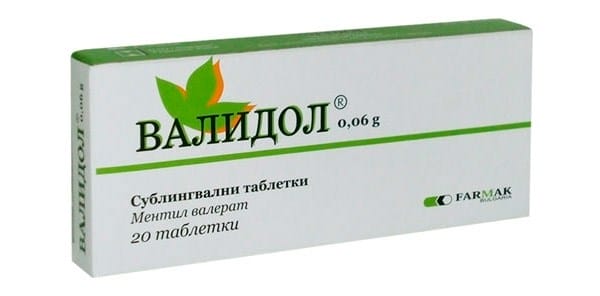
- The remedy for nausea is validol. Its action is due to the high concentration of menthol, which has a depressing effect on the vomiting center in the brain. There are other antiemetic drugs (metoclopramide, cerucal), but they can only be purchased with a doctor's prescription;
- Anesthetic medicine is necessary for a victim of alcohol intoxication due to the development of a severe headache. For this purpose, aspirin oopsa (effervescent tablet) is best suited. However, this drug is contraindicated in people suffering from gastric ulcer;
- Complex antioxidants in case of ethyl alcohol poisoning: Zorex (is an antioxidant, hepatotector, promotes the rapid elimination of ethyl alcohol products in the urine); biotredin.
How to prevent alcohol poisoning?
The most effective way to prevent alcohol poisoning is a complete rejection of alcoholic beverages, with the exception of the use as directed by a doctor. Other methods of prevention include:
– do not drink alcohol on an empty stomach, eat before drinking and have a good snack;
– know your dose, and do not drink more of it;
– do not buy alcoholic drinks in questionable places, so to speak “from under the counter”;
– if you see a familiar drink with a super discount in a store, think a few times, perhaps this is a palette that they want to get rid of as soon as possible;
– drink alcohol with soda;
– when drinking alcohol, do not lower the degree (strength) of the drinks;
– do not combine alcohol with smoking.
Who is not allowed to drink at all?
Tragic consequences can be if a person consumes alcohol in the following cases:
– pregnancy, as well as 90 days before pregnancy planning;
– when taking medications;
– during rehabilitation after treatment for alcohol addiction;
– allergy sufferers;
– children, as well as persons under 21, because at this time, the formation of the organism is still taking place.
And remember, fatal food poisoning accounts for over 50% of cases.
How alcohol poisoning can not be treated
In an attempt to alleviate the condition of a person with alcohol poisoning, it is strictly prohibited:
- resorting to a dubious intoxicating method (treating a hangover with a new portion of alcohol);
- take a hot bath or go to a bath;
- drink “unsuitable” tablets – Furosemide, Paracetamol, Analgin, hypnotics and antiallergic drugs;
- take medicines to eliminate diarrhea.
When is an immediate ambulance call required?
The threat to life with alcohol intoxication can arise at any time. The danger is greatest in adolescence, in the elderly, and in people with concomitant somatic diseases.
In case of alcohol poisoning, when should you call an ambulance?
There are symptoms, in the presence of which it becomes clear that simple home methods are not capable of producing the desired effect. Therefore, when the following symptoms form, you need to call an ambulance:
- lack of consciousness and reaction to physical, as well as noise stimuli;
- sharp pallor of the skin with pronounced cyanosis and the presence of cold clammy sweat;
- slowing down of the respiratory rhythm;
- the presence of pigmentation on the skin of an unusual shape;
- the development of seizures;
- abnormal wheezing or severe snoring;
- intermittent breathing lasting more than 10 seconds;
- entry of vomit into the respiratory tract.
The consequences of alcohol poisoning
Poisoning occurs due to the poisonous effects on the body of toxic decomposition products of alcohol. In everyday life, this phenomenon is attributed to any deterioration in well-being, painful sensations after drinking alcohol.
All types of such poisoning can be divided into two groups:
- Consequences of alcohol overdose. A certain (rather small) amount of ethyl alcohol is rendered harmless by the liver without negative consequences, but its detoxification possibilities are far from limitless. Therefore, when too much alcohol is consumed, the poison enters the central nervous system, poisoning it and other internal organs. This causes disturbances in the functioning of the nervous system, which manifest themselves in the form of a noticeable deterioration in coordination of movements, dizziness. Intoxication is clearly noticeable, a person feels euphoria, and possibly a narrowing of consciousness.
- Poisoning caused by alcohol of inadequate quality. Drinking low-quality alcohol, its surrogates and any alcohol-containing liquids that were not intended for such use is a fairly common phenomenon. Signs of intoxication in such cases are poorly expressed, but cramps, pain in the abdomen and joints are often noted. It is generally accepted that such liquids are only used by alcoholics, but no one is safe from buying counterfeit alcohol. It is low-quality ethanol that causes the most serious consequences and often leads to death.
Alcohol intoxication can provoke an exacerbation of chronic diseases. And it is also possible for the manifestation of those pathologies that previously proceeded in a latent form.
An excess of alcohol on an ongoing basis causes irreversible consequences in the body when it suffers:
- central nervous system;
- a heart;
- liver;
- gastrointestinal tract.
The main diseases that suffer from people who are constantly experiencing alcohol intoxication:
- arrhythmia;
- psychosis;
- necrosis;
- ulcerative diseases;
- cirrhosis or liver fibrosis.
If in the morning it is bad from Akogol: what to do
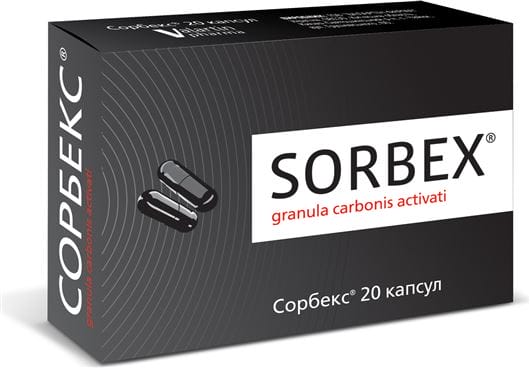
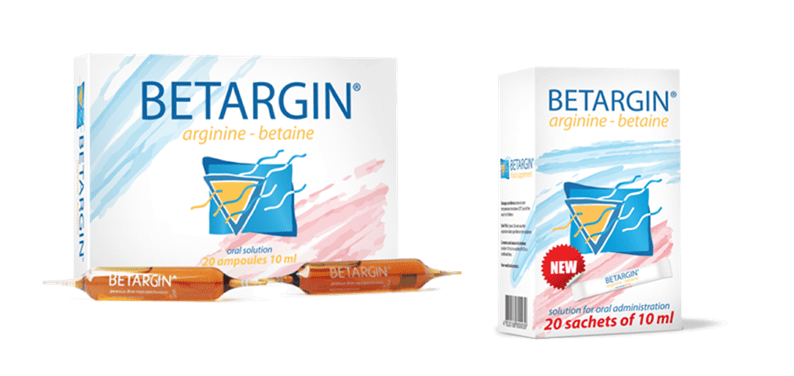
Quickly to the pharmacy, buy sorbex and betargin. Drink 3 tablets of sorbex, then dilute 1 ampoule of betargin (drinking ampoule) with half a glass of water at room temperature and also drink. Drink heavily carbonated water afterwards. All symptoms will disappear in 2-3 hours. I checked it myself))
Well, the most ancient way
Alcohol Poisoning Symptoms:
- Disruption of the gastrointestinal tract: profuse vomiting, diarrhea, spastic abdominal pain, hypersalivation;
- Impaired coordination of movements, accompanied by headache, severe dizziness;
- Damage to the vessels of the sclera of the eye: lacrimation, redness of the eyes, painful reaction to light;
- Chills, tremors of the limbs, difficulty breathing;
- Increased blood pressure, rapid pulse.
- Loss of consciousness;
- Involuntary urination or bowel movements;
- Muffling of heart sounds, sharp bradycardia;
- Cyanosis of the skin, coldness of the extremities due to disruption of the functioning of the heart and normal blood flow.
Alcohol intoxication is sometimes confused with banal alcohol intoxication, which is most often explained by the lack of awareness of people about the difference between them.
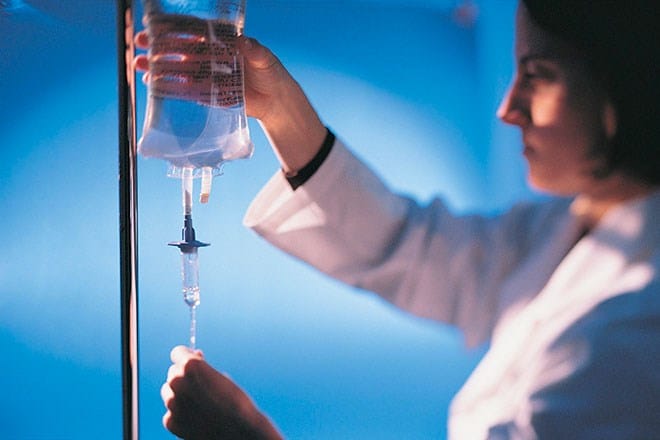
Signs of alcohol intoxication:
- Feeling of euphoria, liberation;
- Impaired coordination of movements;
- Speech becomes slurred, fast, loud;
- A person under the influence of alcohol increases his physical and mental capabilities, gets involved in conflicts and discussions;
- There is a shine in the eyes;
- The sense of proportion is dulled.
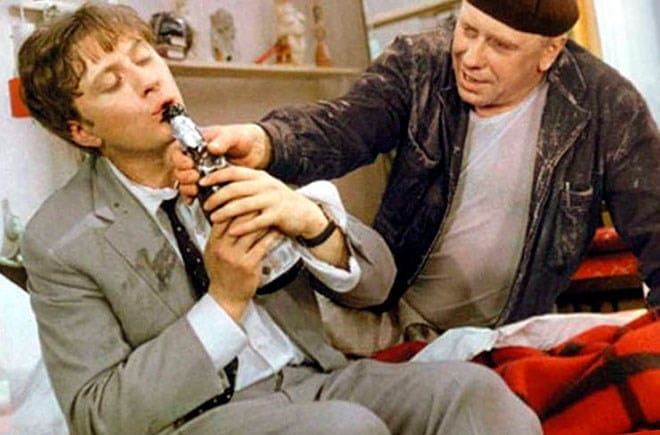
Intoxication is a mild form of intoxication, which usually ends with a hangover and headache, but also brings colossal harm to health due to the death of nerve cells.
Acute alcohol poisoning is a serious threat to human life, and therefore requires immediate treatment.

Treatment of alcohol intoxication is aimed at removing the toxic substance from the body, normalizing blood pressure, heart rate and respiration.
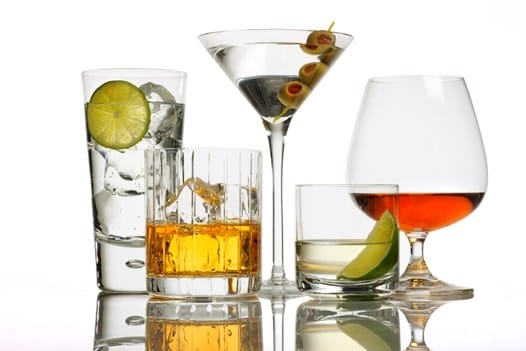
What to do with a hangover
How to treat a hangover in the morning after heavy drinking? The following measures are effective:
 take any enterosorbent;
- take an aspirin pill;
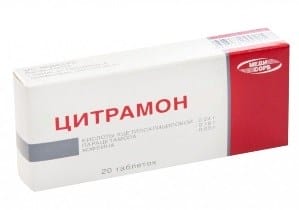
- in case of a headache, it is better to take a pill of paracetamol or “Citramon” instead of aspirin;
- drink more liquid, mineral water, herbal teas or green tea;
- ensure the flow of fresh air into the room;
- eat fermented milk products (kefir, yogurt, yogurt), sauerkraut, cucumber pickle.
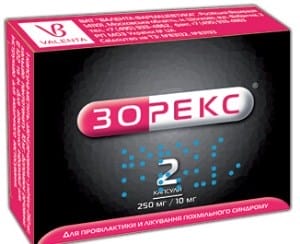 It is not worth experimenting with medicines, it is better to resort to the help of special pills for alcohol poisoning:
- “Biotredin”;
- Zorex;
- “Lemontar”;
- “Metadoxil”;
- “Alka-Zeltzer”.
Folk remedies for a hangover
If there are no tablets at hand, then you can use folk remedies used for alcohol poisoning. In addition to the already mentioned pickles from a hangover, the following remedies help:
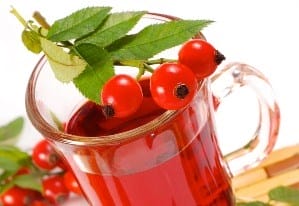 sweet hot tea with lemon;
- rosehip broth;
- tomato juice, 1 raw egg, 10 drops of vinegar;
- sweetened green tea with mint or lemon balm helps relieve nausea;
- a vitamin cocktail will allow you to tone up: mix the juice of one lemon or orange with honey and add one raw yolk;
- relieves nausea tea with ginger and honey;
- black tea and coffee have diuretic properties, but are contraindicated for heart problems.
A contrast shower helps with a hangover. Start with hot water, then switch to pleasantly cold water, alternate for 30-60 seconds several times, gradually increasing the temperature difference. Such a contrast will allow the skin to get rid of toxins and toxins, improve the functioning of the heart and blood vessels.
In conclusion, we note that preventing a hangover is much easier and more enjoyable than treating it. To do this, do not abuse the amount of alcohol, eat well with foods containing starch and pectins (potatoes, bananas), and take one of the recommended enterosorbents for preventive purposes before the feast.
Sources used and useful links on the topic: https://zdorovnet.ru/pohmele/alkogolnaya-intoksikatsiya-i-ee-lechenie.html https://sovetchiki.org/1097715150869235970/otravlenie-alkogolem-chto-delat-v-domashnih -usloviyah-pervaya-pomosch / https://AlckoBarrier.ru/lechenie/pomosh-pri-alkogolnom-otravlenii.html http://otrawlenie.ru/otravleniye-alkogolem-simptomy-i-lecheniye/ https: // ibeauty- health.com/zdorove/alkogolnoe-otravlenie-lechenie-v-domashnih-usloviyah.html https://stopalkogolizmy.com/kak-vlijaet/otravlenie-alkogolem-chto-delat-doma-9317/ https://otravamnet.ru /alkogolnye-otravleniya/otravlenie-alkogolem.html https://medicina.dobro-est.com/otravlenie-alkogolem-simptomyi-pervaya-pomoshh-lechenie.html https://otravleniya.net/alkogolnye-i-narkoticheskie-otravleniya/alkogolnoe-otravlenie-lechenie-v-domashnikh-usloviyakh.html
Post source: lastici.ru