
13 simple rules to help save the planet
Content
The New Year is a great occasion to start life from scratch and introduce new rules into your routine. We propose in 2022 to reconsider our attitude to the planet in order to preserve the flora and fauna of the Earth and, of course, our own health.
At the COP26 climate conference, scientists stated that human activity has a direct impact on irreversible climate change. After lengthy calculations and risk assessment, scientists have concluded that the future of the Earth is literally in our hands. Global warming, rising water levels in the oceans and other changes are influenced by our everyday habits, which are very easy to change.
“Ecology is really not difficult at all," Elena Frolyak, Ambassador for the UN Environmental Direction, said in a recent interview.
We agree with this statement and give simple recommendations that should be followed in order to save our planet from environmental disaster.
Skin care and ecology
Reduce the number of packages
The statistics on the use of plastic packaging is staggering: 151 billion pieces of jars, boxes and bags are produced annually in the world. Reducing this number is easy: we can choose some hard-packed care products (such as hand soap) and buy products in glass containers that are easier to recycle. Also, experts recommend paying attention to the products of brands that offer refill systems (they sell "spare parts" with which you can refill the original tube of care, decorative cosmetics or perfumes). Also, some brands, such as MAC, accept empty containers from cosmetics or exchange several empty tubes for a new product. Such systems will help you help not only the planet, but also the budget.
Try Waterless Formulas

Water is the basis of many cosmetic products from face creams and serums to shower gels. Water formulas are causing us to use a lot more cosmetics and, as a result, more water and packaging, experts say. To reduce your intake of the above items, but still effectively care for your face and body, try waterless products (for example, dry shampoos and hair conditioners, as well as products for face and body in the form of oils) or choose concentrated formulas of serums, creams and gels. These products will last much longer than water-diluted formulas and save a lot of water.
Avoid cosmetics with microplastics
Plastic microbeads, dangerous to the oceans, are banned in countries such as the US, UK and France. However, many brands in other countries of the world are actively producing products (most often scrubs) containing microplastics. If you are not indifferent to the future of our planet, try to switch to ecological cosmetics options. Many brands make exfoliators with natural abrasive particles, for example, they add crushed fruit and berry seeds to the formulas, which are more environmentally friendly.
Choose safe sunscreens

Marine biologists claim that many manufacturers add a range of chemicals to sunscreens that can bleach coral reefs in the oceans. Therefore, the entire ecosystem may suffer, and reefs may disappear altogether. In order not to harm the planet, do not buy sunscreens with chemicals such as oxybenzone and octinoxate, because they negatively affect the flora and fauna of the oceans. It is believed that mineral creams, which include zinc oxide and titanium dioxide, cause much less damage to coral reefs.
Choose roll-on deodorants and antiperspirants
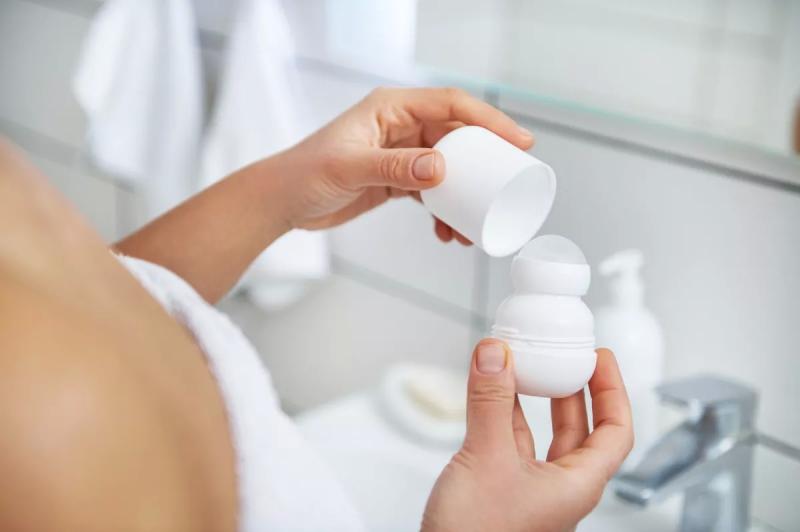
Deodorants and antiperspirants are another type of personal care products that have a negative impact on the environment. Experts recommend abandoning options with aerosols. The fact is that they contain gaseous propellants that significantly spoil air quality. It is also important to choose unscented deodorants, as this will help reduce emissions of airborne volatile organic compounds (VOCs).
Switch to ecological personal care products
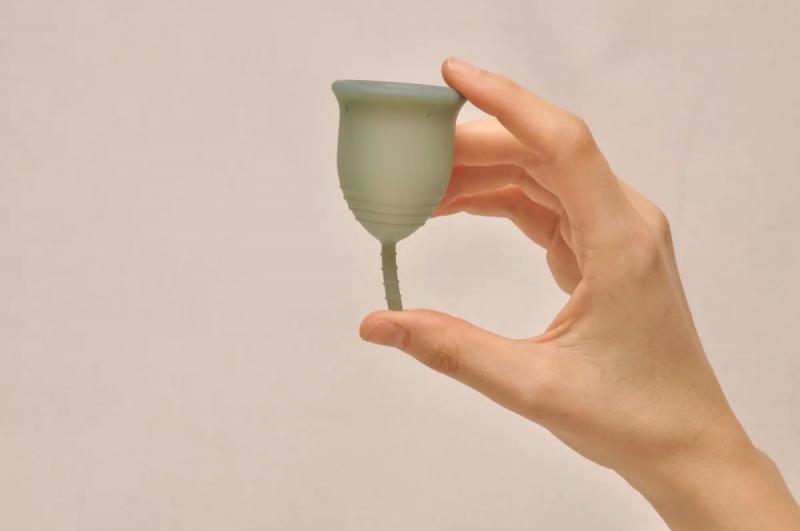
Tampons and sanitary pads are made from plastic and chemicals that are potentially harmful to the body and the environment. Fortunately, now you can find options that are safe for the planet and people: menstrual cups, panties, discs and pads. If you can't or don't want to use reusable products, you can simply switch to eco-friendly cotton pads and tampons.
Use less hot water

Reducing hot water use can also reduce your carbon footprint and halt climate change. Ecologists say that the optimal temperature for safe washing of hands and face is 30 ° C. It is worth setting the washing machine and dishwasher to the same mode – this is quite enough to refresh the laundry, clean not too dirty things and wash household dishes. Also, experts advise to control the amount of time in the shower and not to abuse the bath.
Fashion and ecology
Be responsible for your purchases
In the modern world, more than 100 billion items of clothing are produced annually. Therefore, in the new year, it is important before you run to the cashier with another blouse, ask yourself how many times you plan to wear this item and whether you really need it.
Buy on the secondary market

Over the past few years, many online platforms have been launched where anyone can sell their own clothes, shoes and accessories. On such sites, you can often find branded or vintage items that will have a much better look and quality than products from the mass market. Buying things in the secondary market, you can significantly reduce the amount of waste and, given their symbolic cost, save money on something you need.
Rent clothes
Each of us at least once a year attends events where it is important to wear a luxurious new dress or specific clothes that we no longer need. Instead of buying regular outfits at a time, try using rental services. They offer the widest range of clothing, from business suits to evening dresses. This will significantly save money, not clutter up the wardrobe and the planet.
Choose clothes made from natural fabrics
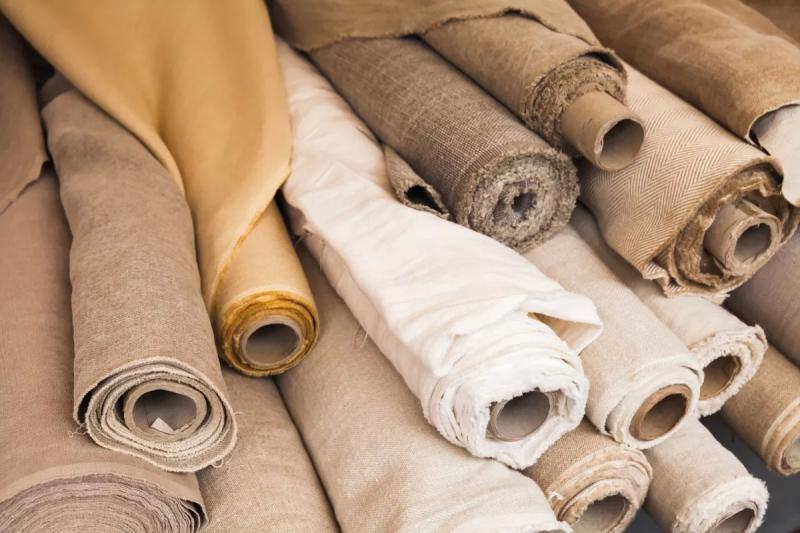
About 60 percent of the fibers produced worldwide are synthetic. And it is precisely this type of tissue that does not decompose and causes the greatest damage to the Earth. Therefore, before buying things, experts advise to study the labels and make a choice in favor of cotton, silk, linen, wool. Even better, opt for recycled textiles. By the way, natural fibers are safe not only for the planet, but also for ourselves, because they do not irritate the skin.
Take good care of your clothes
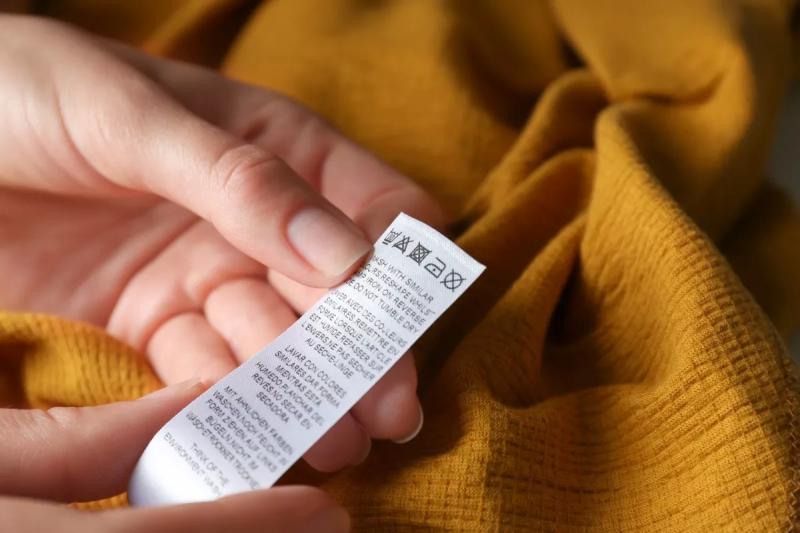
Did you know that every wash of clothes releases more microplastics into the oceans? To help the planet, take good care of your clothes: protect them from dirt, such as makeup, wash only when necessary, and store in a proper way so that they do not lose their shape and attractive appearance. Instead of mindlessly throwing things away, consider whether they can be repaired. For example, a torn button, pilling and spots are problems that can be easily solved and continue to use your favorite wardrobe items without buying new (unnecessary) items.
Get rid of things the right way

According to statistics, approximately 85% of the clothes that end up in landfills are things that are quite usable. To reduce waste, before throwing an item in the bin, consider whether someone else might need it. Things that you are tired of or have become irrelevant can be placed on resale platforms and get symbolic money for them, offer them to friends or donate to charity.
Post source: salon.kr.ua