
Types of abscesses, their signs, treatment and complications. What is an abscess – stages and types of abscesses, symptoms, treatment

Abscess Causes and Risk Factors
The cause of an abscess is pyogenic microflora, which enters the patient's body through damage to the mucous membranes or skin, or is brought in with the blood stream from another primary focus of inflammation (hematogenous pathway).
The causative agent in most cases is a mixed microbial flora, which is dominated by staphylococci and streptococci in combination with various types of bacilli, for example, E. coli. In recent years, the role of anaerobes (clostridia and bacteroids), as well as the association of anaerobic and aerobic microorganisms in the development of abscesses, has significantly increased.
Sometimes there are situations when the pus obtained during the opening of the abscess when inoculated on traditional nutrient media does not give the growth of microflora. This indicates that in these cases, the disease is caused by uncharacteristic pathogens, which cannot be detected by conventional diagnostic methods. To a certain extent, this explains the cases of abscesses with an atypical course.
The main cause of an abscess is the penetration of pyogenic microflora through the skin and mucous membranes.
Abscesses can occur as an independent disease, but more often they are a complication of any other pathology. For example, pneumonia can be complicated by a lung abscess, and purulent tonsillitis can be complicated by a paratonsillar abscess.
With the development of purulent inflammation, the body's defense system seeks to localize it, which leads to the formation of a limiting capsule.
Forms of the disease
Depending on the location:
- subphrenic abscess;
- pharyngeal
- paratonsillar;
- periopharyngeal;
- soft tissues;
- lung;
- brain;
- the prostate gland;
- periodontal;
- intestines;
- pancreas;
- scrotum;
- Douglas space;
- appendicular;
- liver and subhepatic; and etc.
Subcutaneous tissue abscesses usually result in complete recovery.
According to the peculiarities of the clinical course, the following forms of abscess are distinguished:
- Hot or spicy. It is accompanied by a pronounced local inflammatory reaction, as well as a violation of the general condition.
- Cold. It differs from a normal abscess in the absence of general and local signs of the inflammatory process (fever, skin redness, pain). This form of the disease is typical for certain stages of actinomycosis and osteoarticular tuberculosis.
- Indented. The formation of a site of accumulation of pus does not lead to the development of an acute inflammatory reaction. The formation of an abscess occurs over a long time (up to several months). It develops against the background of the osteoarticular form of tuberculosis.
Abscess symptoms
The clinical picture of the disease is determined by many factors and, first of all, by the place of localization of the purulent process, the cause of the abscess, its size, and the stage of formation.
Symptoms of an abscess localized in superficial soft tissues are:
- swelling;
- redness;
- sharp soreness;
- an increase in local, and in some cases, general temperature;
- dysfunction;
- fluctuation.
Abdominal abscesses are manifested by the following symptoms:
- intermittent (intermittent) fever with a hectic type of temperature curve, i.e. subject to significant fluctuations during the day;
- severe chills;
- tachycardia
- headache, muscle-joint pain;
- lack of appetite;
- severe weakness;
- nausea and vomiting;
- delay in passing gas and stool;
- tension of the muscles of the abdominal wall.
When an abscess is localized in the subphrenic region, patients may be disturbed by shortness of breath, cough, pain in the upper abdomen, which intensifies at the moment of inhalation and radiates to the scapula and shoulder.
With pelvic abscesses, reflex irritation of the rectum and bladder occurs, which is accompanied by the appearance of tenesmus (false urge to defecate), diarrhea, and frequent urination.
Retroperitoneal abscesses are accompanied by pain in the lower back, the intensity of which increases with bending of the legs in the hip joints.
Symptoms of a brain abscess are similar to those of any other masses (cysts, tumors, hematomas) and can vary in a very wide range, ranging from a minor headache to severe cerebral symptoms.
A lung abscess is characterized by a significant increase in body temperature, accompanied by severe chills. Patients complain of pain in the chest area, aggravated by trying to take a deep breath, shortness of breath and dry cough. After opening the abscess in the bronchus, there is a strong cough with profuse sputum discharge, after which the patient's condition begins to improve rapidly.
Abscesses in the oropharynx (retropharyngeal, paratonsillar, parapharyngeal) in most cases develop as a complication of purulent tonsillitis. They are characterized by the following symptoms:
- severe pain radiating to the teeth or ear;
- sensation of a foreign body in the throat;
- muscle spasm that prevents opening of the mouth;
- soreness and swelling of the regional lymph nodes;
- increased body temperature;
- insomnia
- weakness;
- nasal voice;
- the appearance of an unpleasant putrid odor from the mouth
Diagnosis of an abscess
Superficially located soft tissue abscesses do not cause difficulties in diagnosis. With a deeper location, it may be necessary to perform ultrasound and / or diagnostic puncture. The material obtained during the puncture is sent for bacteriological examination, which makes it possible to identify the causative agent of the disease and determine its sensitivity to antibiotics.
Oropharyngeal abscesses are detected during an otolaryngological examination.
Abscesses can occur as an independent disease, but more often they are a complication of any other pathology. For example, pneumonia can be complicated by a lung abscess, and purulent tonsillitis can be complicated by a paratonsillar abscess.
It is much more difficult to diagnose abscesses of the brain, abdominal cavity, and lungs. In this case, an instrumental examination is carried out, which may include:
- Ultrasound of the abdominal and pelvic organs;
- magnetic resonance imaging or computed tomography;
- radiography.
 With a deep location of the abscess, ultrasound and diagnostic puncture are performed
In a general blood test for any localization of an abscess, signs characteristic of an acute inflammatory process are determined (an increase in the number of leukocytes, a shift in the leukocyte formula to the left, an increase in ESR).
Abscess treatment
At the initial stage of the development of an abscess of superficial soft tissues, anti-inflammatory therapy is prescribed. After the abscess has matured, it is opened, usually on an outpatient basis. Hospitalization is indicated only in case of a serious general condition of the patient, anaerobic nature of the infectious process.
As an aid in treatment, as well as for the prevention of complications of abscesses of subcutaneous fat, it is recommended to use Ilon ointment. The ointment should be applied to the affected area under a sterile gauze bandage or patch. Depending on the degree of suppuration, the dressing should be changed once or twice a day. The duration of treatment depends on the severity of the inflammatory process, but, on average, to obtain a satisfactory result, you need to apply the ointment for at least five days. Ilon K ointment is sold in pharmacies.
Ointment Ilon K
Lung abscess treatment begins with broad-spectrum antibiotics. After receiving an antibioticogram, antibiotic therapy is corrected taking into account the sensitivity of the pathogen. In the presence of indications, bronchoalveolar lavage is performed in order to improve the outflow of purulent contents. The ineffectiveness of conservative treatment of an abscess is an indication for surgical intervention – resection (removal) of the affected area of the lung.
Abdominal abscesses are surgically removed
Treatment of brain abscesses in most cases is surgical, as they can lead to dislocation of the brain and cause death. A contraindication to the removal of abscesses is their localization in deep and vital structures (subcortical nuclei, brain stem, optic tubercle). In this case, they resort to puncture of the abscess cavity, removal of purulent contents by an aspiration method, followed by rinsing the cavity with an antiseptic solution. If multiple flushing is required, the catheter through which it is administered is left in the cavity for a while.
With brain abscesses, the prognosis is always very serious, death is observed in 10% of cases, and 50% of patients develop persistent disability.
Abdominal abscesses are surgically removed.
Potential consequences and complications
Untimely treatment abscesses can lead to serious complications:
- neuritis;
- osteomyelitis
- phlegmon
- purulent fusion of the blood vessel wall with the occurrence of life-threatening bleeding;
- purulent meningitis
- empyema of the pleura;
- peritonitis
- sepsis.
What is an abscess? Description and photo
An abscess (translated from Latin abscessus is an abscess) is a cavity with pus contents, which is limited by a pyogenic membrane (a membrane of granulation tissue and fibrous fibers). An abscess appears as a result of the process of inflammation and tissue melting, which can appear in almost any organs: bones, subcutaneous tissue, muscles, etc. An abscess must be distinguished from empyema and phlegmon. During phlegmon, pus is not limited by the capsule, but spreads to nearby tissues near the focus of inflammation. During empyema, pus begins to collect in the natural cavity of an organ.
Causes of the abscess
The causative agents of the disease are various pathogenic bacteria that enter the body. The reasons may be:
- traumatic injury to the tissues of internal organs, mucous membranes or skin;
- ingestion of pyogenic pathogenic organisms during non-compliance with the rules of antisepsis and asepsis during medical manipulations;
- incomplete or untimely treatment of an inflammatory disease (for example, pneumonia or tonsillitis).
As a rule, the causative agent of purulent processes that lead to an abscess is a mixed microflora, when staphylococci and streptococci predominate, where legionella (anaerobes), E. coli, clostridia, bacteroids, toxoplasma, mycoplasma, meningococci or protozoa, fungi (aspergillus) can join … In some cases, due to the vital activity of pathogens, an abscess develops, which is characterized by an atypical passage
Complications, signs and types
The depth and area of the inflammation process depends on the location and size of the abscess. The nature of the pus that forms in the protective capsule (consistency, color, odor) is influenced by the type of infectious agent. Clinical general signs of abscesses are typical for all inflammatory purulent processes:
- weakness;
- an increase in body temperature (from high to subfebrile – in severe cases up to 40 degrees);
- a blood test shows an increase in ESR and leukocytosis (the level of their severity is due to the severity of the inflammatory process);
- decreased appetite;
- headache.
Given the localization, there may be several types of abscesses, and each has its own symptoms.
Cold abscess
As a rule, it is expressed by the accumulation of pus in a small area, without general or local manifestations of inflammation (redness of the skin, pain, high body temperature), which is characteristic of an ordinary abscess. Usually, this type of abscess is most often observed during osteoarticular tuberculosis or actinomycosis.
Subphrenic abscess
This is an accumulation of purulent fluid under the diaphragm. It appears in the abdominal organs as a complication of acute inflammation processes (appendicitis, cholecystitis, perforated stomach or intestinal ulcer, pancreatitis) or trauma to the abdominal cavity organs, which are accompanied by peritonitis.
Paratonsillar abscess
The inflammatory process, which is localized in the periaminal fiber. As a rule, it happens as a result of a complication of streptococcal pharyngitis or sore throat. In this case, the disposing factor is tobacco smoking. Its characteristic symptoms:
- fever;
- local redness;
- when swallowing – sore throat;
- an increase in the size of the inflamed area;
- an unpleasant odor comes out of the mouth;
- enlarged lymph nodes;
- in rare cases, trismus.
Complications of the disease :
- tissue necrosis;
- angina of Ludwig;
- mediastinitis;
- infectious toxic shock;
- the appearance of sepsis.
Diagnosing the disease
Diagnosing signs of an abscess, in addition to a laboratory examination of blood and a thorough history collection, also implies:
- computed tomography and radiography (with an abscess in the lungs);
- diagnostic puncture and pharyngoscopy (with retropharyngeal abscess);
- computed tomography and ultrasound during suspected liver abscess.
In addition, it is necessary to examine purulent contents for microflora in order to identify sensitivity to drugs and select the necessary antibiotics.
How is an abscess treated?
The procedure is as follows:
![Types of abscesses, their signs, treatment and complications. What is an abscess - stages and types of abscesses, symptoms, treatment]() Lancing of an abscess.
Lancing of an abscess.- Drainage of the cavity to organize a constant release of purulent contents.
- Antibiotic therapy. Antibiotics are prescribed taking into account the severity of the disease, the localization of the abscess and the sensitivity of microorganisms to drugs. Combined treatment is not uncommon. For example, the treatment of an abscess that has developed in the lung involves the administration of doses of antibiotics that are significantly higher than usual therapeutic norms.
- Detoxification therapy.
- The use of pain relievers.
- Removal of an abscess with surgery. You need to know that, for example, liver suppuration is operated on in rare cases, but surgery during a brain abscess is the main method of treatment.
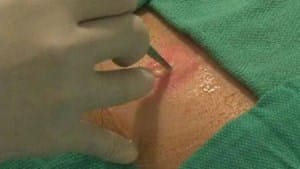 Lancing of an abscess.
Traditional methods of treatment
To exclude the appearance of an acute abscess, you can use some folk remedies:
Disease prevention
Prevention of abscesses consists in the timely treatment of any inflammatory disease, even seemingly as harmless as a boil. Since this is likely to spread the infection through the lymphatic tract and bloodstream to other organs. Then abscess formation develops, transforming into an abscess of the lungs, liver, brain, etc.
It is very important to combat any inflammatory diseases of the internal organs in a timely manner in order to prevent surgical intervention. To prevent the appearance of various abscesses, the prevention of immunodeficiency is imperative.
Causes of occurrence
The provoking factors for the formation of purulent rashes on the skin are:
- getting an infection into an open wound, often observed when combing acne,
- violation of personal hygiene rules,
- violation of metabolic processes,
- hormonal imbalance
- the presence of inflammatory processes in the body.
The appearance of pustules can accompany: herpes, scabies, acne and psoriasis.
Persons who are exposed to frequent hypothermia or overheating, receive an insufficient amount of vitamins or have diseases are considered the most vulnerable to the appearance of rashes of a purulent nature:
- diabetes,
- dysfunction of the central nervous system,
- allergy,
- disorders of the production of skin secretions.
Infectious agents
The manifestation of pustular diseases (pyoderma) is provoked by microorganisms that are endowed with the ability to penetrate into the upper layers of the injured skin. More often these are streptococci, staphylococci. But such microorganisms can also become provocateurs:
- intestinal and Pseudomonas aeruginosa,
- gonococci,
- pneumococci,
- vulgar proteus,
- mycoplasma.
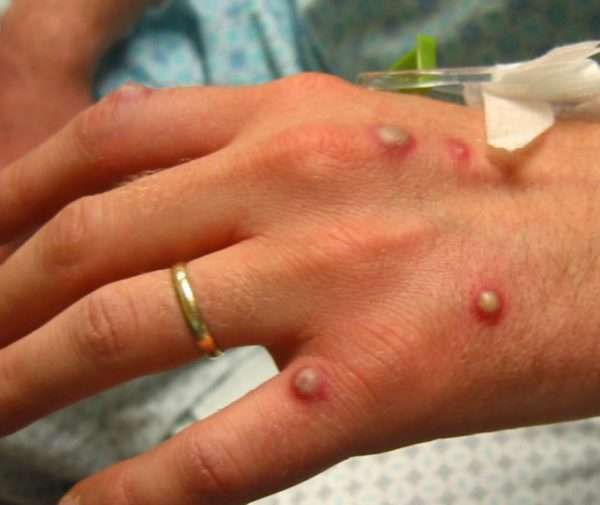
Human skin contains a large amount of fatty, protein ingredients, which contributes to the vital activity of microorganisms. Streptococci, staphylococci are always present on the skin and are dangerous only when they penetrate into the deep layers of the epidermis or when the immune defense is reduced.
In the presence of pustular diseases, the composition of the bacterial flora on the skin changes, which can provoke the formation of new lesions.
Characterizing features of furunculosis
Furunculosis should be understood as a pathological condition characterized by damage to the hair follicles and sebaceous glands. Furunculosis is more common in men. Areas of localization of the elements of the rash are:
- neck,
- nose,
- pelvis,
- armpits,
- face.
The pathological condition has several stages:
- Infiltration – the appearance of skin hyperemia, swelling, induration is observed.
- Formation of a nodule – over time, it turns into an abscess. The stage is accompanied by the appearance of pain during palpation of the affected area, the accumulation of purulent exudate, the formation of the rod.
- Healing – there is an opening of an abscess, a weakening of the intensity of pathological symptoms, an improvement in well-being.
The main symptoms of furunculosis
- increased body temperature,
- the appearance of pain on palpation,
- feeling of general weakness,
- headache.
In the absence of timely treatment, there is a risk of developing complications in the form of meningitis or sepsis.
The course of carbunculosis
Carbunculosis is characterized by the formation of abscesses that affect several follicles at once. The pathological condition appears most often in the warm season. The main areas of localization of abscesses are the face, the appearance between the shoulder blades, on the buttocks, and neck.
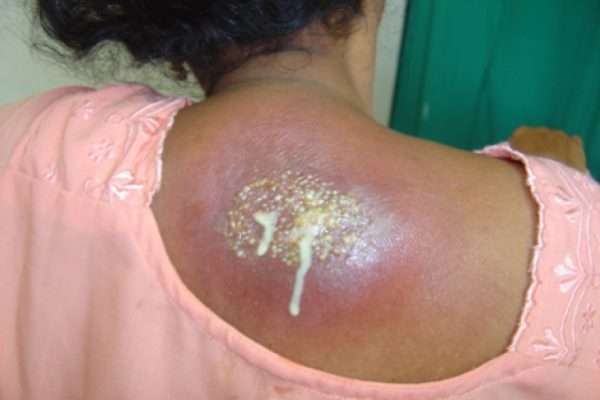
The size of the carbuncle reaches several centimeters, its ripening period lasts 7-10 days. The pathological condition is accompanied by an increase in body temperature, soreness. The carbuncle requires surgical treatment.
Sycosis
The disease often affects men; neuroendocrine disorders are considered a provoking factor. Often its formation is associated with chronic rhinitis, conjunctivitis. The main areas of localization of abscesses are:
- nasal mucosa,
- chin skin,
- the area above the upper lip,
- nose wings,
- eyebrows,
- eyelids,
- pubic area.
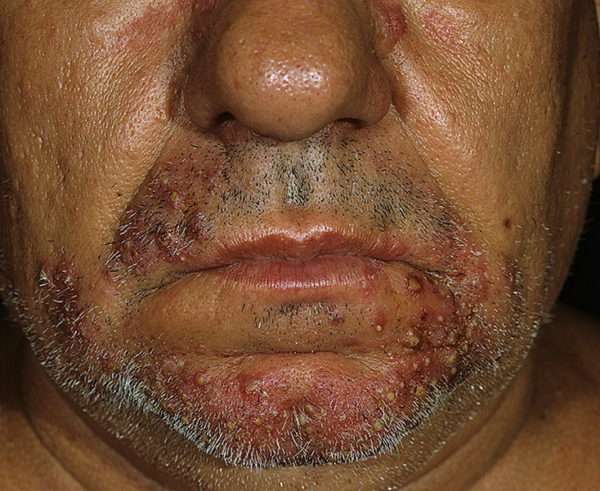
Often, the formation of abscesses is observed on the scalp. The first symptoms are the appearance of hyperemia – the formation of grouped pustules that contain pus in their cavity. This process is called folliculitis, it spreads to the surrounding areas, the surface layers of the skin are affected first.
The abscesses can disappear and reappear on their own. The long course of sycosis is characterized by the formation of deep folliculitis. The pathological condition is characterized by the following symptoms:
- swelling,
- hyperemia of the skin,
- soreness of the affected areas.
After opening the abscesses, the formation of a yellowish crust is observed.
What is a boil?
The formation of a boil on the skin can manifest itself in varying intensity, depending on the individual qualities of the body.
Most often, an inflammatory formation is manifested by the following features:
- The formation has an inflammatory process and protrudes above the level of the skin;
- The boil is most often red and painful when touched;
- Most often, the disease manifests itself in the form of a slight redness with a compaction in the center;
- The boil has a purulent content, which, as it suppurates, is removed to the outside;
- Most often it forms in the place of hair growth, however, in some situations it can appear in other parts of the body.
After suppuration, the formation of tissue around the boil begins to die off and become inflamed.
Reasons for the appearance of boils
The appearance of this type of formations, like any type of disease, can occur for various reasons.
However, the most common ones stand out:
- Frequent contamination of the skin, especially chemical substances often negatively affect the condition of the skin;
- Prolonged friction of the skin and the introduction of infection into the lesion;
- Insect bites that are combed, which leads to an inflammatory process;
- Increased sweating and frequent hypothermia;
- Reduced protective functions of the immune system, which cannot cope with viral infections;
- Metabolic disorders and genetic predisposition.
The appearance of boils can very often manifest itself as a result of improper skin care, as well as a lack of the necessary type of hygiene.
Signs and symptoms
The formation manifests itself as a seal, which has a point in the center. After a short time, the inflammation increases and manifests itself in large quantities, while the appearance of pus is observed.
The boil is characterized by the following types of symptoms:
- Edema of the epidermis;
- Inflammatory process at the site of the appearance of education;
- Pressure pain
- Itching and burning;
- A feeling of tightness in the tissues that are located around the boil;
- Increased body temperature;
- General weakness.
Very often, with the formation of a boil, adjacent parts of the body are subject to the inflammatory process, which leads to additional types of symptoms and reduced functioning of the human body.
Localization locations
The process of inflammation can appear in almost any part of the body.
Localization is most often observed in such places on the body:
- Face – very often the formation of a boil in the face area indicates frequent hypothermia, most often formations appear in the area of the nasolabial folds, cheeks. The appearance of a formation in the nose can provoke shortness of breath and swelling of the mucous membranes;
- Ear – most often occurs in the inner part of the auricle. Is difficult to access for treatment, can cause unpleasant symptoms of pain in the temple area;
- Neck – The most common problem occurs in the back of the neck. Since this area is most often in contact with things and can cause damage to the skin;
- Armpits – the disease is constantly exposed, and can progress to more complex stages of development;
- Inguinal zone – very often the lymph nodes can become inflamed, which lead to the formation of bumps, with a content of pus;
- Buttocks and thighs – especially common in people who are forced to sit for a long time. Also, this type of problem can occur in people who are overweight.
In these places of localization, boils can form in large numbers and provoke the appearance of long-term unpleasant symptoms.
Stage of development
The disease has three stages of its development:
- The first stage is the appearance of a small seal, which has no clear boundaries, however, it delivers more painful sensations;
- The second stage is formed in a few days. The boil rapidly increases in size and a purulent point appears on the surface. The skin in the area of inflammation acquires a blue tint, pain sensations increase sharply;
- The third stage is manifested by the ripening of the boil. A purulent core appears on the surface of the lump and the contents of the formation come out.
After the formation matures, scarring and wound tightening occurs. Small bumps usually do not leave scars after they disappear.
What is the danger of furunculosis?
Furunculosis can carry the following dangerous consequences:
- Infection of healthy parts of the body. The contents of the formation contain staphylococci, which, upon contact with healthy skin, can cause the appearance of new infections. And also there is a possibility of infection of other people;
- Fusion of several formations into one leads to the appearance of large areas of damage;
- The infection can be transmitted to the vessels and nearby tissues, which causes an abscess;
- Onset of sepsis
- The spread of staphylococci throughout the body can lead to the appearance of complex types of diseases.
Furunculosis can lead to the appearance of a large number of scars and spots on the skin after the disease is eliminated.
Ointments for drawing pus from closed wounds
Purulent wounds, regardless of the site of localization, are accompanied by a number of pronounced clinical signs. If the patient has a pain syndrome during palpation of the wound, local hyperthermia is detected, the color of the skin changes, then this indicates the accumulation of purulent masses under the skin. It is necessary to use a specialized drug that “sucks” the pus out.
It is worth knowing: with suppuration, treatment with topical preparations is required, which draw pus from the wound. If the patient shows symptoms of general intoxication – fever, headache, drowsiness / insomnia, lethargy, fatigue, then this indicates a serious course of the disease. Some external means cannot be dispensed with, it is necessary to use tablets inside.
What ointment draws out pus? The modern pharmaceutical industry offers a large selection of medicines – expensive and cheap, which have anti-inflammatory and antibacterial effects, promote the outflow of purulent secretions. The most effective drugs include Vishnevsky ointment, Levomekol, Ichthyol ointment, Syntomycin. Let's consider the listed drugs in more detail.
Vishnevsky ointment
Balsamic liniment contains three active ingredients that enhance the therapeutic effect of each other. Ointment for pulling pus has anti-inflammatory, bactericidal, immunomodulatory effects. The anti-purulent drug is used for festering acne, pustules, boils, abscesses, etc.
Vishnevsky's ointment is characterized by a rather weak antiseptic effect, but it promotes rapid tissue regeneration, accelerates the suction of subcutaneous pus, as a result of which wound healing occurs faster.
Instructions for use:
- To treat a purulent wound, it is necessary to apply a medicinal substance to the affected area, apply a bandage on top. Frequency rate of application – twice a day;
- To cure a subcutaneous pimple, the problem area is smeared with medicine, an adhesive plaster is attached on top.
Important: Vishnevsky's ointment cannot be used with individual sensitivity, applied to large areas of the skin, cysts with pus, wen. During pregnancy and lactation, the drug is used with extreme caution.
Levomekol
An ointment that draws pus out of a closed wound. Dioxomethyltetrahydropyrimidine is the active ingredient of the drug. The tool draws out the accumulated pus under the skin, helps to heal various injuries. Used to treat trophic ulcers, skin lesions with accumulation of purulent secretions.
Antibacterial ointment is widely used in gynecological, urological, and dental practice. If the discharge of pus is detected, then Levomekol ointment is the best remedy. The method of application is simple: first, the drug is applied to a clean bandage folded in several layers, after which it is applied to the affected area.
The bandage can be worn for 7-8 hours. After that you need to make a new one. If an ointment is used to treat an abscess, then a small amount of the medicine is applied to it – you do not need to rub it in, it is fixed on top with an adhesive plaster. The duration of therapy is until the wound is cleared of pus and begins to heal.
Contraindications for use:
- Hypersensitivity to the active ingredient.
- History of eczema / psoriasis.
- Fungal lesions of the skin.
It can be used during pregnancy only on the recommendation of a doctor, since Levomekol is an antibiotic. With intolerance to the composition, side effects develop, mainly of a local nature – burning and itching at the site of application, hyperemia, swelling of the skin.
Ichthyol ointment
The ointment for abscesses and inflammations is a natural antiseptic that effectively cleans the damaged surface. Ichthyol ointment can be used for any wounds and inflammatory processes. It relieves inflammation, softens the upper layer of the epidermis, as a result of which the accumulated pus comes out.
Ointment for purulent wounds must be used as follows:
- Apply a thick layer of medication to the affected area. No need to rub;
- Cover the top with a sterile cloth. Bandage;
- Leave the bandage on for 5-6 hours.
For the treatment of single purulent acne, the ointment is used as follows: apply the drug pointwise to the necessary areas. Leave on the skin for 5-6 hours. After they are washed off, the procedure is repeated. When the pimple breaks out, the medicine is used for a few more days.
Tetracycline ointment
Tetracycline ointment is the best “rescuer” for purulent lesions. The composition contains an active component – tetracycline. The drug has a pronounced antibacterial effect against many gram-positive / gram-negative pathogenic microorganisms.
For your information: Tetracycline ointment cannot be used against a background of liver dysfunction, fungal infection, leukopenia. It is not recommended to treat children under 8 years of age; use is prohibited in the third trimester of pregnancy.
When asked how to draw out pus from under the skin, many medical experts recommend Tetracycline ointment. This tool has worked well because it works quickly enough. You can cope with a purulent lesion in 2-4 days.
The drug is used up to twice a day. A means is applied under the bandage. If you need long-term use – more than five days, you need to consult your doctor.
Tetracycline ointment can lead to the development of negative phenomena:
- Itching, burning, flushing of the skin.
- Decreased appetite.
- Disruption of the digestive tract.
- Attacks of nausea and vomiting.
- Angioedema.
- Pain in the epigastric region.
- Hemolytic form of anemia.
- Loose stools.
Tetracycline ointment belongs to the pharmacological group of antibacterial drugs, therefore it is not recommended to use it on its own.
Overview
An abscess (boil) is a painful swelling, lump, nodule that forms against the background of reddened and hot skin. An abscess forms in the center of the abscess – a whitish-yellow focus, delimited from the surrounding tissues.
An abscess or boil is colloquially called purulent diseases of the skin and soft tissues: abscesses or abscesses. The cause of the disease is various pyogenic bacteria, most often staphylococci and streptococci. Contributing factors can be:
- injuries and damage to the skin (when shaving, injections and cuts with contaminated objects, etc.),
- violation of hygiene rules,
- decrease in the body's defenses for colds, chronic diseases.
So, for example, the frequent appearance of abscesses (boils) on the skin is observed in patients with diabetes mellitus. An abscess on a finger or near a nail is often formed in people of working professions, often injuring their hands. Ulcers in the area of hair follicles under the armpits, on the face, in the groin, as a rule, form after careless shaving, especially in the hot season, when it is difficult to keep the skin clean all the time.
What are the abscesses (boils, abscesses)?
Abscesses can be found on any part of the body. Some of them are harmless and go away on their own, others require medical attention. The causes, symptoms, mechanism of development and general approaches to their treatment are usually similar.
A boil is a purulent inflammation of the hair follicle and the adjacent sebaceous gland. Boils are often called boils, they are usually located on parts of the body with vellus hair: face, arms and legs, buttocks, less often on the scalp.
Carbuncle is a more dangerous disease. Several nearby hair follicles and sebaceous glands become inflamed at once, forming a single abscess. Favorite places of the carbuncle: neck, face, back, lower back, buttocks.
Panaritium is an infectious inflammation of the tissues of the finger, which develops after any injury: an injection, cut, splinter, sometimes as a complication of an ingrown nail. Depending on the depth of the location of the purulent cavity, panaritium can heal on its own, but, as a rule, requires the intervention of a surgeon. Without treatment, it often has dangerous complications that are fraught with the loss of a finger.
Hydradenitis (bough udder) is an inflammation of the sweat glands in the armpit, less often in the groin. The disease begins with the appearance of pain and induration deep in the armpit. The lump grows, the skin over it turns red, the pain intensifies. A focus of purulent softening of tissues is gradually formed. With a successful outcome, hydradenitis empties onto the surface of the skin on its own. However, surgical opening of the abscess is often required, since hydradenitis has a tendency to a long (more than 2 weeks) course and the involvement of neighboring sweat glands in the process.
A surgeon is involved in the treatment and diagnosis of all these diseases.
Abscess, abscess, boil: symptoms
The abscesses develop gradually. First, a focus of inflammation is formed on the skin under the action of bacteria. The skin above it reddens, swells, becomes warmer and denser to the surrounding tissues to the touch. Soreness appears. In the future, the pain and swelling of the skin increases. In the center, a focus of tissue softening is formed – a cavity filled with pus.
If the boil is located in the superficial layers of the skin, it is clearly visible as a limited speck of whitish-yellow color. With a deep location of the focus, pus may not show through the skin. Then you can feel the soft, fluid-filled formation.
If the purulent cavity is well delimited from the surrounding tissues, pain increases, a feeling of tension and pressure in the abscess area. Sometimes the pain reaches such intensity that it does not allow you to fall asleep, it can be twitching, throbbing or aching. With a successful development of events, the skin over the abscess breaks through, its contents are released outward in the form of a viscous whitish-yellow liquid, sometimes with an admixture of blood. After that, relief comes immediately. The wound becomes crusted and heals within a few days.
Unfortunately, the body does not always easily cope with abscesses. If the bacteria that caused the disease have pronounced aggressive properties, in addition to local symptoms, general complaints arise. The body temperature rises, aches in muscles, joints, headache, weakness, loss of appetite appear. In the immediate vicinity of the abscess, enlarged lymph nodes can be felt.
Sometimes the body fails to delimit an abscess from healthy tissues and pus rushes deeper, spreading into the subcutaneous fatty tissue, along the tendons, muscles, blood vessels and nerves. In this case, it is very difficult to stop the process. In especially severe situations, the infection can penetrate the bone tissue, causing purulent fusion of the bones – osteomyelitis. All these complications are very dangerous and require urgent treatment in a hospital. The likelihood of an unfavorable development of events is increased by:
- the location of the abscess (boil) on the face (especially in the nasolabial triangle), on the fingers and hands, in the area of the ear canal, breast, in the groin;
- decreased immunity;
- mechanical impact (attempts to squeeze out the abscess).
How to treat an abscess (abscess)?
As a rule, small abscesses do not cause any special complaints, almost do not hurt and go away on their own without treatment. You can wait for a visit to the doctor in cases where there is only redness and swelling of the skin. At this stage, you can try to stop the process yourself, without bringing it to a purulent stage.
The initial stages of inflammation are amenable to conservative treatment. Some measures can be taken at home without a doctor. To do this, dry heat is applied to the area of inflammation (when there is no pus yet). This can be a woolen cloth warmed up on a battery, a clean bag with heated sand, salt, rice, flaxseed, etc. You can use gel, salt or ordinary heating pads or special devices for home physiotherapy.
Do not use moist warming procedures: wet towels, traditional compresses, mustard plasters, baths, etc. Moisture contributes to the rapid spread of infection through the surrounding tissues. Do not massage the affected area. If an abscess appears on an arm or leg, it is advisable to keep the limbs at rest.
The skin is treated with antiseptic solutions: medical alcohol, medical antiseptic solution 70-95%, brilliant green solution (brilliant green), betadine, vodka. The center of the abscess can be cauterized with iodine. At this stage, drying compresses with medical alcohol help well. To do this, several layers of gauze or bandage are moistened in alcohol and bandaged to the site of injury. The foil is not covered and allowed to dry completely, and then the manipulation is repeated.
The doctor can prescribe physiotherapy: UHF, UFO, microwave therapy, infrared irradiation and other techniques that are carried out in the physiotherapy department at the territorial polyclinic or in private clinics in the city.
How and how to treat boils quickly and effectively. Top 7 ways
Before looking for ways to treat the boil, you need to make sure that this is it. So, swelling on the eyelid is barley or chalazion and you need to contact an ophthalmologist. Probable abscesses in the eye are extremely dangerous, as they are located close to the brain.
You also need to distinguish between inflammation of the sweat glands and boil under the armpit: an abscess with hydradenitis has a different shape, usually multiple and ripening lasts about two weeks (instead of 3-4 days for an uncomplicated boil).
Boils appear where there are hair follicles – on the leg, arm, and other hairy parts of the body. A furuncle cannot appear on the palms and soles, mucous membranes (with the exception of the nasal mucosa, there are small villi in the nose on the inner membrane).
Other types of suppurative inflammation may require other types of treatment. If you apply even the most effective method of combating boils to them, it may be ineffective or lead to complications (which will aggravate the situation).
Treatment with ointments
Ointment is a drug most often used when a boil is being treated at home. They are used at all three stages of boil development:
- aging;
- opening;
- healing.

At the stage of ripening, ichthyol ointment is effective, it helps to quickly and safely “open” the boil in adults and children. The tool has no contraindications.
Vishnevsky's ointment is a time-tested remedy that helps to draw out pus remaining in the cavity and accelerate granulation. You can apply it before opening the boil, according to reviews it is a universal remedy that is used from the beginning to the end of the boil treatment.
Levomekol is placed in the opened cavity, this ointment successfully fights bacteria and helps to tighten the wound left after the release of pus. The advantages of the product include the fact that it allows air to pass through, does not create a dense film under which pathogenic anaerobic bacteria can settle.
Actively heal wounds after boils of ointment, which include sea buckthorn oil.
Traditional medicine
The advantages are availability and harmlessness. The composition of such funds contains only natural ingredients, which makes it possible to use them during pregnancy when medications are not recommended.
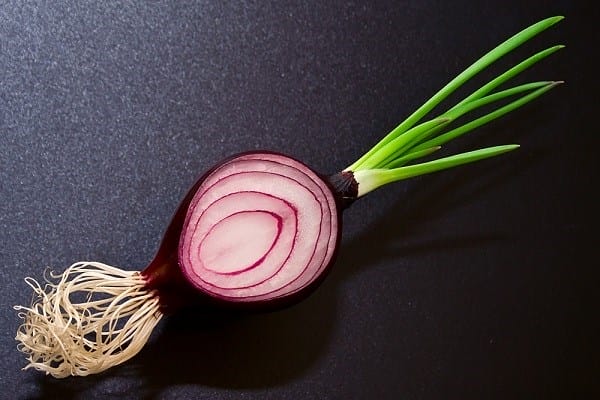
Most often, boils at the ripening stage are treated with onions: a cut onion is baked and applied warm to the abscess.
Long before the invention of ichthyol ointment for the treatment of boils, birch bark was burned and the inflamed area was smeared with the resulting mass.
Such a folk remedy as a cabbage leaf is very effective: it is dipped in boiling water, scalded to soften and applied to a ripening boil.
In almost every home there is a pot of aloe on the windowsill: the fleshy leaves of a perennial plant help draw out pus and promote wound healing.
External treatment with alcohol solutions (antiseptics)
At the initial stage, the formation of an abscess can be avoided by lubricating the inflamed area of the skin with an alcoholic solution of iodine, boric alcohol, and other alcohol-containing antiseptics. Rubbing should be done strictly from the edges of the inflamed area to the center, so as not to enlarge the focus.
On the head, wipe the boil with salicylic alcohol. Such a procedure is detrimental to pathogenic microorganisms, and in addition, rubbing with such solutions causes local heating of tissues and a rush of blood. This helps to eliminate the inflammatory process.
Doctors also recommend treating the edges of the wound after opening the boil, when a turunda (gauze swab) is injected there, Chlorhexidine.
Compresses, permanently moisturized dressings and turundas
A broken furuncle is cleaned of pus with the help of gauze dressings irrigated with a hypertonic (10%) solution of sodium chloride: a gauze ball is applied over the wound, which is fixed with a sticker, and moistened with a solution every 3-4 hours. This draws out the remaining pus well. Clinical studies have shown that the application of such dressings has an effect even when the purulent rod has not yet come out: a 2-day use of a hypertonic solution accelerates the boil ripening process and its breakthrough.
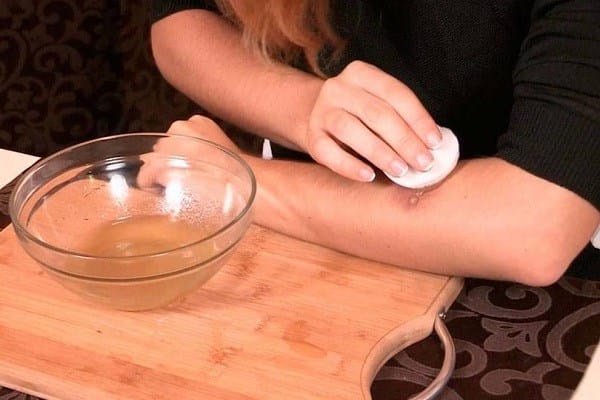
To make the boil break through faster, apply compresses with silver nitrate.
Turundas are made from bandages or pieces of gauze twisted with a tourniquet. They can be introduced to absorb pus and ichor on any part of the body – on the back, abdomen, etc. A bandage or gauze is moistened with the same saline solution or lubricated with ointments for injection directly into the opened cavity, which is a narrow “crater”, or at the stage of infiltration into a natural narrow cavity (nasal cavities, ear canal) to accelerate the maturation of the abscess. From above the wound is bandaged. If the localization does not allow bandaging (for example, a boil on the buttock), the entrance to the cavity is covered with sterile gauze and sealed.
Conservative treatment
Do not rely on self-medication. Any disease, including dermatological, requires timely assistance. Starting therapy at the initial stage of the development of an abscess, you can prevent its breakthrough, as well as exclude dangerous consequences.
At an early stage, cold treatment (compresses) is used, which contributes to the resorption of the purulent mass. If this is ineffective and there are no negative changes (for example, an increase in the cavity or pronounced suppuration), heat compresses (heating pad, etc.) are used.
In addition, the doctor prescribes the intake of antibacterial drugs, because in most cases, abscesses and boils are caused by a bacterial infection. This can be systemic or local therapy. With a formed abscess and extensive damage to the skin, opening and drainage of the cavity is required.
Antibiotics
In the treatment of abscesses, antibacterial drugs are used in the form of tablets, ointments, or in the form of injections into the affected area. Before prescribing the drug, a purulent mass is sown, which helps to identify the type of pathogenic microorganism and its sensitivity to drugs.
In most cases, penicillins are used. It can be Cephalexin, Amoxicillin, which are prescribed in a daily dosage of 250-500 mg four times a day. The approximate duration of therapy is 10 days.
In the presence of an allergic reaction to penicillins, macrolides are prescribed: Erythromycin, Clarithromycin or another drug in a daily dosage of 250-500 mg twice a day for 10 days.
Interesting! Local antibiotic therapy is longer. Despite this, such treatment has one big plus: the ointment is not absorbed into the general bloodstream and acts strictly in the area with an inflammatory process.
With the concomitant development of diabetes mellitus, in addition to antibiotic therapy, you will need to take funds that correct metabolic processes in the body.
Local funds
Local medications can be used to treat abscesses. For example, if an abscess has formed in a child, Bepanten ointment will be an effective therapeutic agent, which quickly copes with the inflammatory process, accelerates wound healing.
For an adult, ointments such as Levomekol, Vishnevsky, Ichthyol are perfect. The first (Levomekol) has a powerful anti-inflammatory and antiseptic effect. The advantage of the drug is the elimination of both the symptoms of the abscess and its causes. The ointment has few side effects.
Vishnevsky's ointment is used in the treatment of abscesses, as well as carbuncles and boils, trophic and varicose ulcers. The only contraindication is hypersensitivity to the components of the drug. There are no other contraindications, as well as side effects from the use.
Triderm ointment is an excellent remedy in the fight against pathology of fungal origin
In the case of a fungal infection, the use of ointments with an antifungal effect is prescribed. It can be Triderm, Mikozolon, etc.
Food
At home, you must adhere to proper nutrition. With the development of any purulent process in the body, including abscesses, abscesses and abscesses, it is necessary to include in the diet that food that helps cleanse the liver and gallbladder, lymph and blood. So, it is useful to use:
- vegetables (beets, carrots, legumes, corn, cabbage);
- fruits (pomegranate, citrus fruits, bananas, grapes, cranberries, avocados);
- greens (onions, dill, parsley, celery);
- vegetable oils;
- lean meat and fish;
- liver;
- dried fruits;
- porridge: buckwheat, rice, millet, wheat;
- nuts;
- green tea, compote, water;
- dairy products;
- eggs in any form, excluding those that are fried;
- bran bread.
Prohibited foods include:
- sugar and salt;
- alcohol and coffee.
Important! With an abscess of an internal organ, in particular, located in the gastrointestinal tract, cabbage, marinade, pickles, buns, fried and fatty, sauces, hot seasonings are excluded from the diet.
Sources used and useful links on the topic: https://www.neboleem.net/abscess.php https://lor.guru/zabolevaniya/gnoynye/gnoynyy-abscess-priznaki-foto-i-lechenie.html https: // mfarma.ru/dermatologiya/gnojniki-na-tele-piodermiya-vidy-gnojnichkovyh-zabolevanij https://dermgid.com/gnoyniki/furunkuli-i-gnoinichki/kak-lechit-v-domashnikh-usloviyah.html https: // IDermatolog.ru/preparaty/vytyagivayuschaya-gnoy-maz.html https://lib.napopravku.ru/symptoms/naryv-furunkul-karbunkul/ https://netpryshi.ru/furunkuly/lechenie-furunkula.html https: // med-post.ru/zdorove/kak-lechit-abscess
Post source: lastici.ru