
Scalp diseases: causes, consequences and treatment
Content
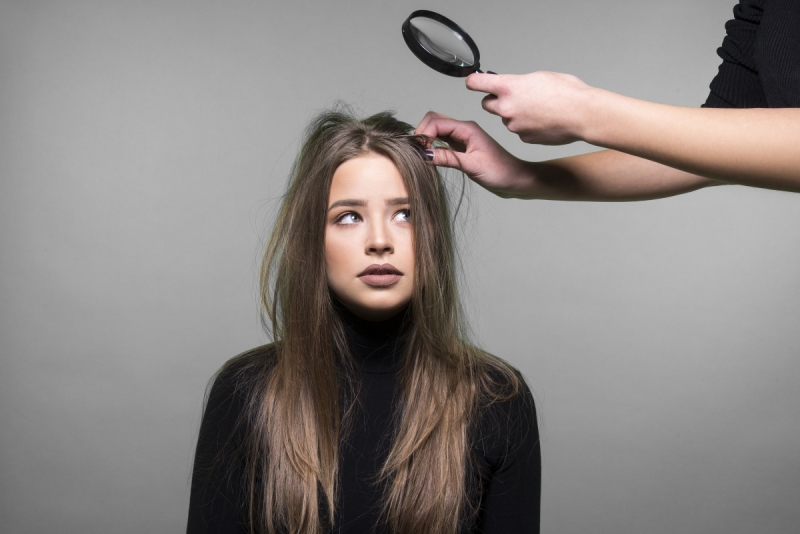
Diseases of the scalp – the first and most important reason why the condition of the entire hairline deteriorates sharply. Learn how to find out that your scalp is not all right, what problems there are and what they lead to, find out right now.
There are almost twice as many nerve endings on the scalp as on the face and body. Therefore, the scalp is highly sensitive and much more vulnerable to various diseases. Another objective reason why it is affected: we often forget about the scalp, relying on strands. But the scalp and hair are the only mechanism whose condition and appearance are very closely related.
The editors of inform.com.de offer to talk about common diseases of the scalp.
The most common scalp diseases: list, symptoms and consequences
Dandruff. According to statistics, every second European is familiar with this disease. It occurs due to a malfunction of the sebaceous glands or an infection with a fungus, but often this happens simultaneously. During the disease, cell renewal processes are accelerated, and the scalp is covered with an excess of dead cells. Small white scales bring not only visual discomfort, but also cause itching of the scalp and increase sensitivity, so you should not put up with this problem.
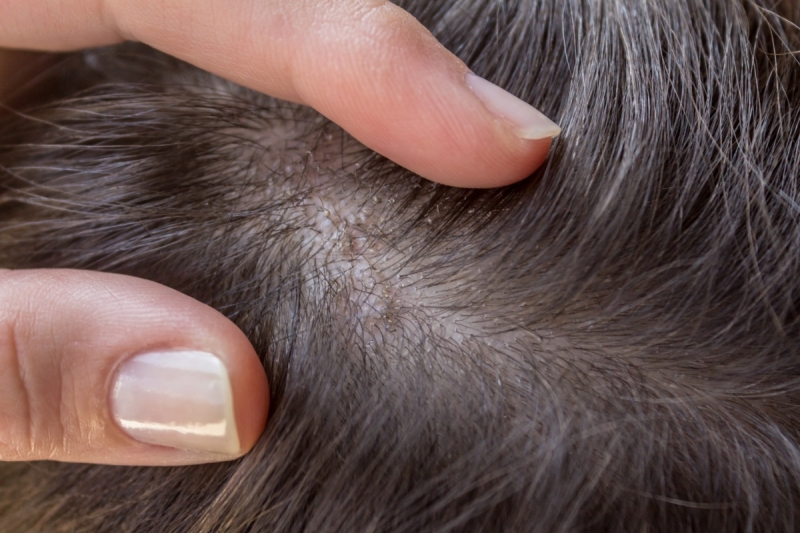
Seborrhea of the scalp. During this disease, the work of the sebaceous glands is disrupted. The cause of seborrhea is most often hormonal disorders or other changes in the body. It is they that lead to excessive secretion of fat in the scalp (oily seborrhea) or its deficiency (dry seborrhea). Depending on the type of disease, the scalp becomes too oily or dry, rashes, redness and scales appear on it. By the way, over time, seborrhea can spread to other parts of the body: face, chest, elbows and other vulnerable areas.
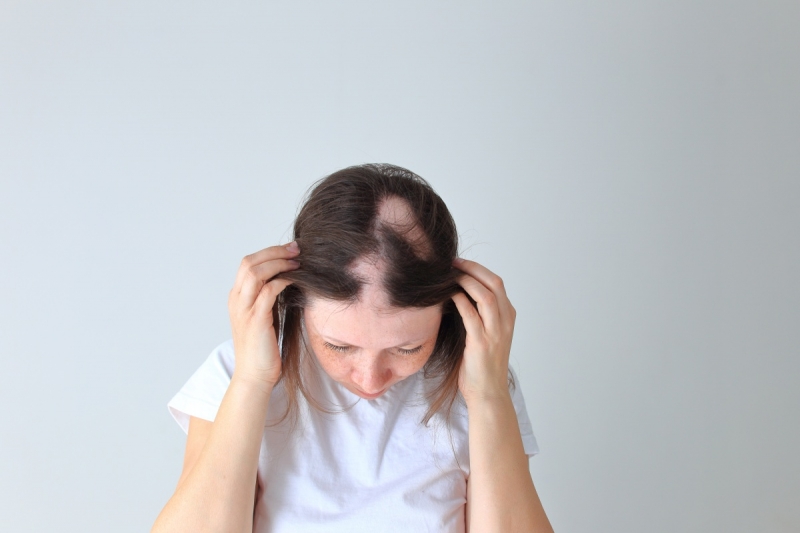
Alopecia. In a simple way, this problem can be called hair loss. Yes, this is also considered a scalp disease, which usually appears along with other problems. The editors of inform.com.de considered the causes of this disease in a separate article, but partial or complete baldness can become a consequence of it.
Trichoclasia. This is a disease of the follicles that causes noticeable hair thinning and excessive brittleness. Doctors assure that thermal rituals, cosmetics or a comb are not always to blame for this problem, sometimes excessive brittleness begins due to a violation of the microelement composition of the hair itself. This disease can lead to a serious deterioration in the condition of the hair and a decrease in the volume of the hairstyle.
Mycoses. Doctors call mycoses fungal diseases of the scalp. This is a wide range of problems that includes dozens and even hundreds of diseases. Fungi that live on the scalp are transmitted through combs, hairpins, hats and other things that we touch the scalp with. After contact with the skin, fungi may not manifest themselves for a certain period of time and only after reproduction affect the follicles. When affected by fungi, hair loses its attractiveness – it grows dull, quickly becomes oily and does not wash out. A lot of dandruff-like discharge appears on the scalp, which also indicates seborrhea to an experienced eye.
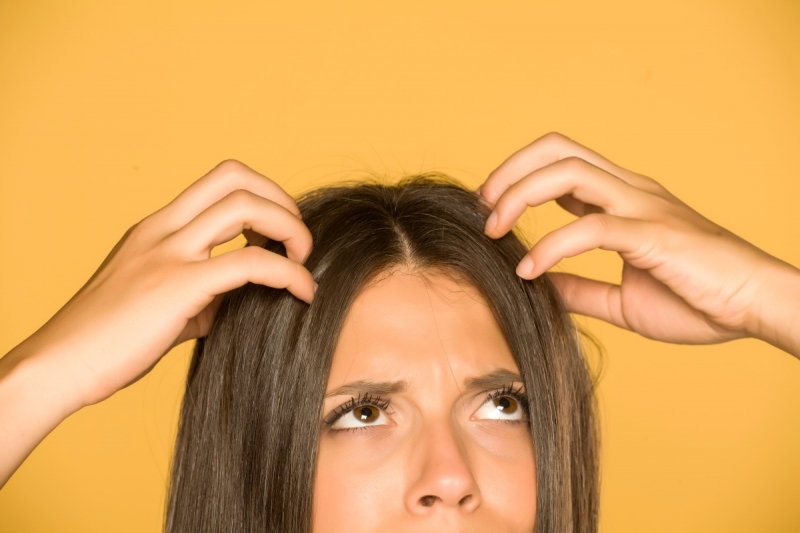
The scalp can also be affected by traditional skin diseases: psoriasis, eczema, scabies, etc. On the scalp, they appear similarly to other areas of the body. Usually, after the defeat of psoriasis, red, excessively dry spots, the so-called papules, form on the skin. With eczema, characteristic serous papules appear, the accumulation of which on the skin resembles, depending on the form and stage, a rash, burn or abrasions. Such diseases of the scalp at first may seem frivolous, but over time they can develop into large ulcers, to purulent foci. Other skin diseases, in particular, a fungus, can “superpose" on eczema.
How to treat scalp diseases
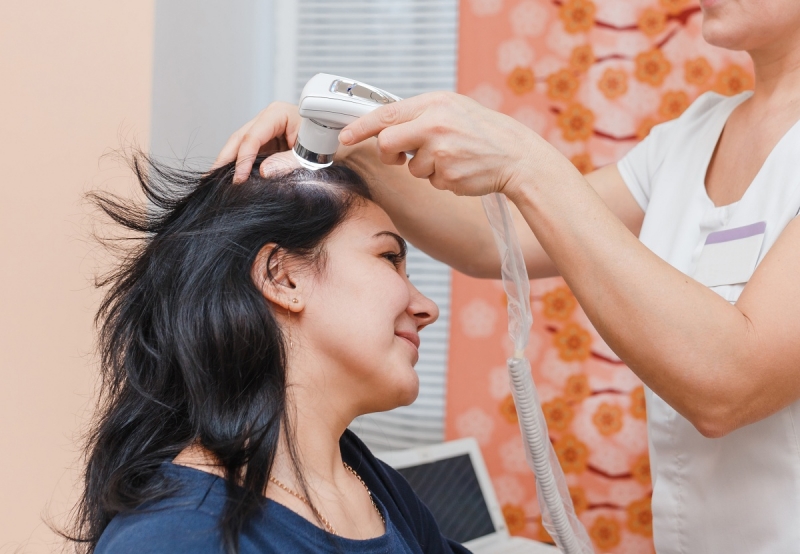
In order to treat the scalp and improve the condition of the hair, it is important to correctly diagnose the disease. As you can see, many diseases have similar symptoms and it is very difficult to diagnose oneself, and often it is simply impossible. Therefore, it is important to contact a hair specialist – a trichologist. In many cases, it is also necessary to consult related specialists (endocrinologist, gynecologist, therapist).